Key Takeaways
- A commercial pulse protein manufacturing plant in India typically requires a total project investment starting from approximately ₹8–12 crore for a small dry-fractionation concentrate unit processing 10–15 TPD of raw pulses, and ₹25–40 crore or more for a mid-scale wet-fractionation isolate plant handling 50–75 TPD of pulses. These are illustrative 2026 estimates that require vendor validation before any investment commitment.
- Plant setup cost must be separated into fixed capital expenditure (land and site development, civil construction, machinery, utilities, laboratory, pre-operative expenses) and working capital (raw pulses, consumables, wages, receivables and the credit cycle). Both components must feature clearly in the DPR and bank proposal.
- Technology choice between dry fractionation and wet fractionation directly drives the operating cost structure, protein yield and purity, wastewater load, capital costs and overall project ROI. This decision should be finalised before freezing capacity and machinery.
- The project’s financial viability depends on realistic assumptions about raw-pulse pricing, protein recovery, offtake contracts, by-product monetisation from starch and fibre, and conservative production capacity utilization ramp-up rather than optimistic market trends alone.
- Project Report Bank, led by CA Manish Gugliya, prepares customised, bankable Detailed Project Reports, financial models, CMA Data and project finance documentation for pulse protein manufacturing plants and integrated pulses processing plants in India.
Introduction: Commercial Opportunity & Cost Focus
Rising consumer demand for plant based proteins is reshaping the worldwide food industry. Functional foods, sports nutrition, meat alternatives, pulses based snacks and specialised dietary supplements now represent meaningful commercial channels for plant derived protein ingredients. Pulses require less water than animal protein sources and have a low environmental footprint compared to conventional livestock farming, positioning them well within sustainable food production systems and plant based dietary patterns.
The global pulses market was valued at USD 103.25 billion in 2025 and is expected to reach USD 140.23 billion by 2034. Pulses processing is projected to grow at a CAGR of 3.5% from 2026 to 2034, with worldwide production of major pulses exceeding 90 million tonnes annually. This demand outlook, combined with stable demand from health conscious eating continues to open opportunities for Indian manufacturers.
This article focuses specifically on pulse protein manufacturing plant setup cost and investment in India, written from the perspective of CA Manish Gugliya, a practising Chartered Accountant and project finance advisor with over 20 years of experience in industrial project feasibility and DPR preparation.
The discussion covers concentrates and isolates produced via dry fractionation and wet extraction from peas, chickpeas, mung beans and other suitable pulses. Cost estimation must factor in raw-material linkage, technology route, production process flow, utilities, effluent load, quality control systems, confirmed buyers and regulatory approvals before finalising capital investment.
Understanding Pulse Protein Manufacturing Projects
Pulse protein concentrates typically contain 55–70% protein, while isolates achieve 80–90% or higher. Wet extraction processes yield high-purity protein isolates above 80% protein, making them suitable for neutral-taste beverages and clinical nutrition. The exact figures vary with raw material and technology.
Typical raw pulses used include yellow and green peas, chickpeas, mung beans, lentils and faba beans. Each has different protein content, starch ratio, hull proportion and processing behaviour. Processed pulses are increasingly used in ready to eat meals, snacks, bakery products and alternative food sources for vegetarian and vegan diets.
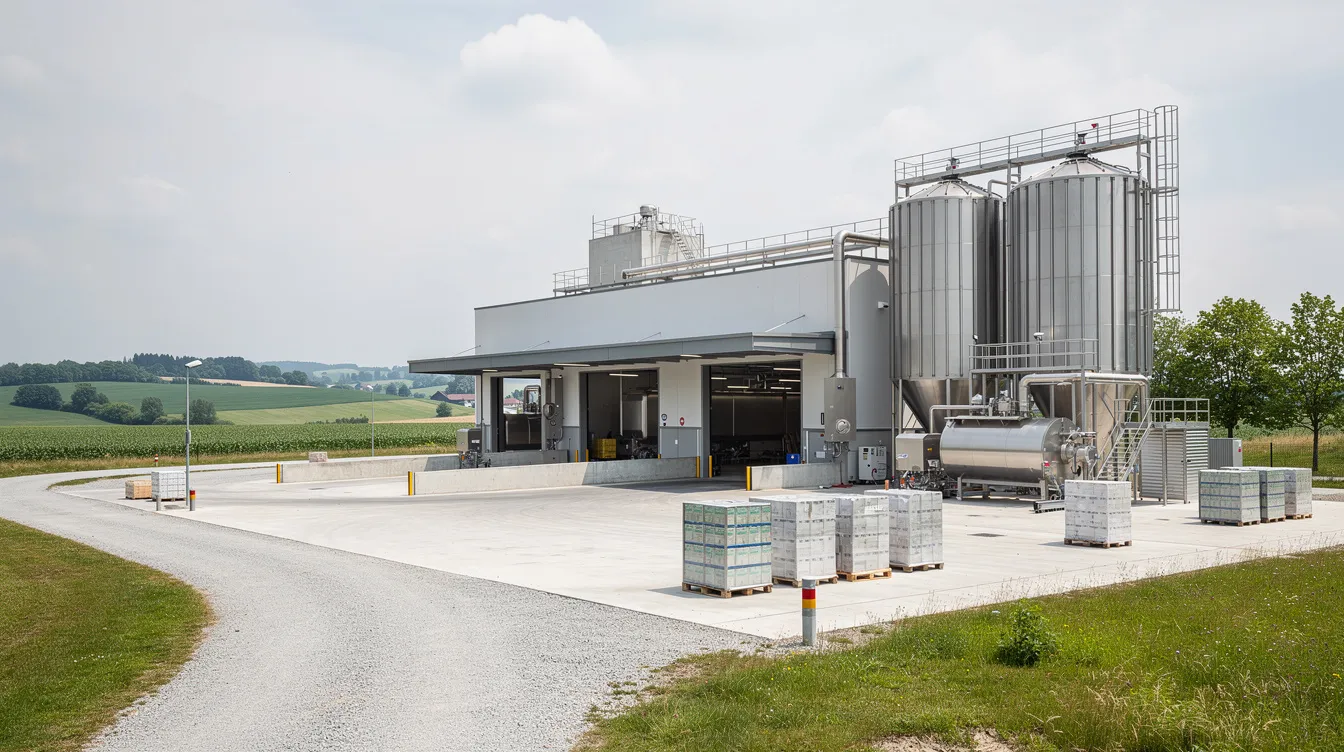
Dry fractionation involves cleaning, dehulling, milling into pulse flour, and air classification to separate protein-rich and starch-rich fractions. It suits protein concentrate production with simpler equipment and lower utilities.
Wet fractionation involves slurry preparation, pH adjustment, solubilisation, separation, precipitation, washing, neutralisation and drying. It produces high-purity isolates but requires higher capital investment and extensive utilities including effluent treatment systems.
Key product categories and their applications include:
- Concentrates (55–70% protein): bakery, extruded snacks, pasta, animal feed production, pet food
- Isolates (80–90%+ protein): beverages, sports nutrition, infant and clinical nutrition, meat analogues
- By-products: starch for food and industrial applications, dietary fiber for health foods
Integrated plants recovering protein, starch and fibre can improve overall project economics. Manufacturing process design, quality systems (FSSAI, HACCP) and plant layout must be finalised before freezing detailed machinery lists and capital investment. For investors exploring the broader dal processing value chain, understanding how protein extraction fits alongside conventional pulse processing is helpful context.
Pulse Protein Manufacturing Plant Setup Cost in India
Pulse protein manufacturing plant setup cost must be viewed item-wise and separated into fixed capital expenditure and working capital. Capital investment for pulse protein plants varies greatly based on scale and technology. Pulses processing plant setup costs include both capital and operational expenditures, and pulse protein manufacturing requires robust capital investment and operational planning.
Fixed Capital Expenditure Components
1. Industrial land acquisition or lease: A 10–15 TPD plant may require 1–2 acres; a 50–75 TPD facility typically needs 3–5 acres or more, including open areas for raw material storage, truck movement and future expansion. Proximity to agricultural areas minimises logistics costs for raw material sourcing. Land acquisition and boundary development costs vary significantly between rural and urban industrial zones.
2. Site development: Boundary wall, internal roads, drainage, landscaping and logistics areas. Land and site development costs are location-dependent but represent a necessary early commitment.
3. Factory building and civil construction: Production block, raw material and finished goods warehouses, utility block, administration, QC laboratory and staff amenities. Construction costs depend on local rates, structural requirements and building approvals. Land compared to industrial areas may offer lower rates in agri-zones but may need more investment in site infrastructure.
4. Pulses pre-processing systems: Cleaning systems, grading, destoning and dehulling lines suitable for handling raw uncleaned pulses. These are essential equipment for any pulses processing plant front-end.
5. Core protein extraction line: Either dry fractionation (mills, air classifiers) or wet fractionation (extraction vessels, decanters, centrifuges, membrane filtration, spray dryers). Capital expenditure varies based on processing capacity and extraction technology. Total capital expenditure varies based on plant capacity and technology chosen.
6. Utilities: Boilers, compressors, cooling towers, electrical substation, DG sets, water storage and distribution.
7. Water treatment and ETP/ZLD: Effluent treatment plants are necessary for compliance with environmental regulations, especially for wet fractionation which generates significant wastewater. This is a key component of other capital costs for wet-extraction facilities.
8. Laboratory and QC equipment: Protein analysis (Kjeldahl/Dumas), moisture, microbiology, particle size and functional property testing.
9. Installation and commissioning: Erection, piping, cabling, automation (PLCs, SCADA).
10. Pre-operative expenses and contingencies: Interest during construction, trial runs, consultancy fees, statutory approvals and insurance.
Working Capital Requirements
Working capital must be estimated separately, covering:
- Procurement of raw pulses (15–45 days’ stock based on seasonality)
- Consumables inventory (chemicals, packaging materials, spares)
- Wages, salaries, utility costs and overheads for the operating cycle
- Trade receivables based on credit terms (30–60 days for domestic, potentially longer for export)
- Less: trade credit from suppliers and other current liabilities
Illustrative Investment Ranges (2026 Estimates)
For a small dry-fractionation concentrate plant (10–15 TPD raw pulses): approximate CapEx of ₹8–12 crore and working capital of ₹2–3 crore, giving a total project cost of roughly ₹10–15 crore. These figures are conceptual and exclude GST, land cost in metros and interest during construction.
For a mid-scale wet-fractionation isolate plant (50–75 TPD pulses): approximate CapEx of ₹25–40 crore and working capital of ₹5–8 crore. These estimates carry significant variability due to technology, degree of automation, imported machinery content and effluent norms.
Final plant setup cost should always be based on a detailed engineering-cum-financial DPR with supplier quotations, structural drawings and confirmed process parameters.
Capacity-Wise Pulse Protein Plant Investment
Investors must align plant capacity with raw-material availability, product-market fit and funding capacity rather than merely replicating competitor scales. Annual processing capacity and protein output must be clearly distinguished since process yields mean output is always lower than input.
| Parameter | Small Plant | Medium Plant | Industrial Plant |
|---|---|---|---|
| Raw pulse input (TPD) | 10–15 | 40–50 | 75–100 |
| Technology | Dry fractionation | Hybrid (dry + wet) | Full wet fractionation |
| Main products | Concentrate, starch, fibre | Concentrate, isolate, starch, fibre | High-purity isolate, starch, fibre |
| Plant & machinery investment | ₹5–8 crore | ₹15–25 crore | ₹40–120 crore+ |
| Total fixed capital | ₹8–12 crore | ₹25–40 crore | ₹80–200+ crore |
| Working capital (60–70% utilisation) | ₹2–3 crore | ₹5–8 crore | ₹15–40 crore |
| Total project cost | ₹10–15 crore | ₹30–48 crore | ₹100–250+ crore |
A proposed pulses processing facility with an annual capacity of 50,000 MT would fall in the medium-to-industrial range, requiring careful capacity planning and phased investment. For reference, extensive production capacities at the industrial level often involve equipment costs alone of USD 20–40 million.
Capacities below 5 TPD are better suited for pilot-scale R&D or niche applications. Projects above ₹5–10 crore total investment need structured project finance, detailed risk analysis and bank-compliant DPRs.
Capacity-utilisation ramp-up is typically modelled at 50% in Year 1, 65–70% in Year 2 and 80–85% in Year 3 under normal operating conditions. This directly affects profitability analysis and DSCR calculations. Maintaining operational flexibility during this ramp-up is critical for the project’s long-term viability.
Dry Fractionation vs Wet Fractionation – Investment Comparison
Technology choice is the single most consequential investment decision in a pulse protein project. Many serious investors evaluate both routes before committing capital, examining how each affects the operating cost structure and achievable product positioning.
Capital and Operating Cost Differences
Dry fractionation requires lower machinery investment, simpler utilities, less water and no large spray dryers or membrane systems. Equipment for a commercial dry-fractionation line typically costs USD 150,000–500,000 for smaller systems, scaling up significantly with capacity.
Wet fractionation demands extraction vessels, decanters, centrifuges, membrane systems and spray dryers. From published techno-economic modelling, spray dryers alone contribute approximately 42% of total equipment cost in wet fractionation setups. Dry fractionation yields lower protein concentration than wet extraction processes, but wet lines carry substantially higher CapEx and Opex.
Operational Comparisons
- Water and wastewater: Wet fractionation generates significant wastewater requiring ETP or ZLD systems. Dry fractionation has minimal water use and far less regulatory burden.
- Energy: Wet processes consume more electricity and steam per tonne of finished product due to extraction, separation and drying operations.
- Labour and maintenance: Wet systems require more skilled operators, higher maintenance on membranes and decanters, and more lab supervision.
- Product positioning: Dry-fractionated concentrates suit bakery, snacks, pasta and some animal feed production applications with diverse application portfolios. Wet-fractionated isolates command premium pricing for beverages, sports nutrition and clinical nutrition where neutral taste and high solubility matter.
Technology selection should be based on target products, client specifications, by-product recovery strategy and the promoter’s risk appetite. It must be frozen before finalising detailed CapEx and financial projections. For deeper technical comparison, the resource on Pulse Protein Extraction Technology: Dry vs Wet Fractionation provides additional context.
Pulse Protein Manufacturing Machinery Cost
Machinery costs represent the largest portion of capital expenditure in any pulse protein plant. The share rises further for wet fractionation facilities with imported separators and spray dryers.
Core Machinery Groups
- Intake and pre-processing: The facility requires cleaning systems, destoners, magnetic separators, graders and dehulling machines. These are often domestically fabricated and relatively cost-effective.
- Milling and classification: Pin mills, hammer mills, roller mills and air-classification systems for dry fractionation. Grinding mills must be sized for target particle distribution.
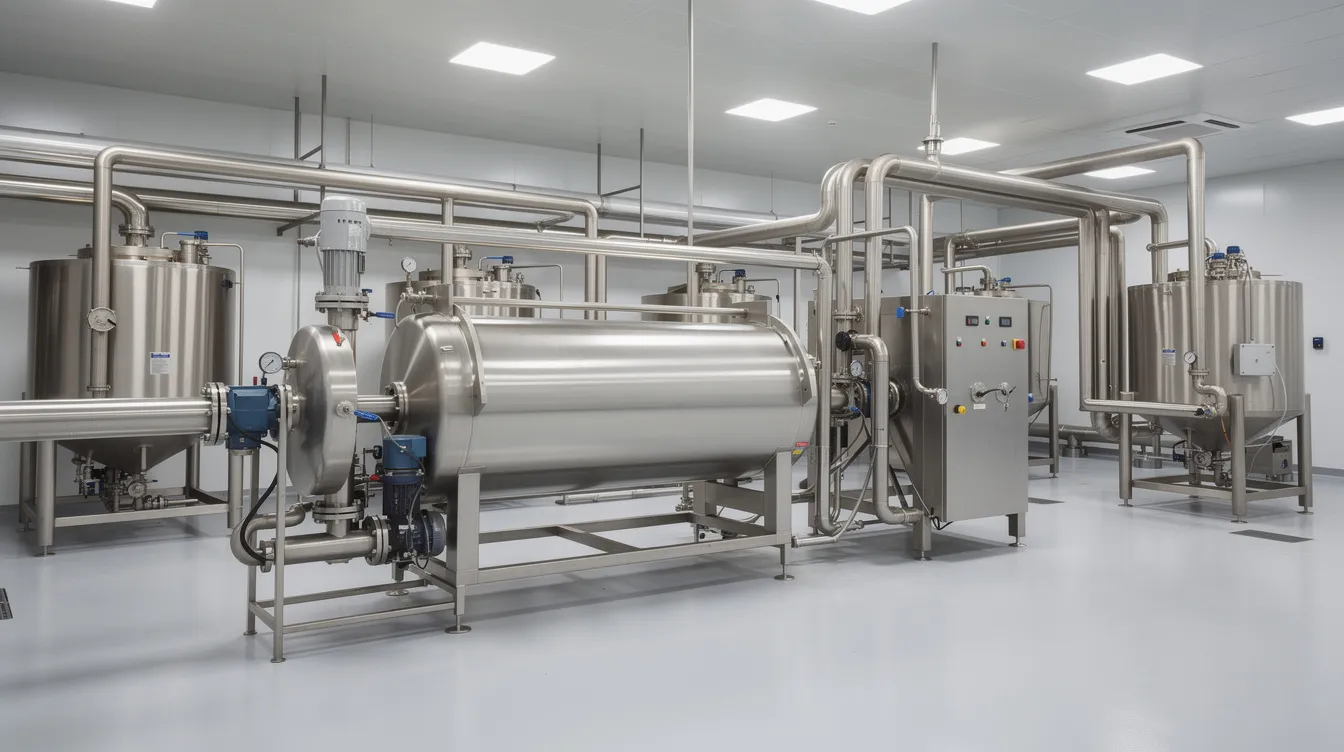
- Wet extraction equipment: Extraction tanks, agitators, pH adjustment skids, decanter centrifuges, disc stack centrifuges, ultrafiltration and diafiltration membranes, and high-capacity spray dryers. These represent the dominant cost centre for wet plants.
- Powder handling and packing: Pneumatic conveying, sieving, blending, nitrogen flushing, FFS machines, multihead weighers, bulk bag fillers and palletisers.
Imported vs Indian-Manufactured Equipment
Indian manufacturers are strong in cleaning, grading, basic milling, standard boilers and compressors. However, high-efficiency air classifiers, large spray dryers, high-speed centrifuges and membrane systems are often imported from European or American vendors. Import duties, freight and foreign currency risk can add 10–20% to equipment costs. Chinese alternatives may be 15–30% cheaper but involve trade-offs in reliability and after-sales service.
Automation levels also affect cost. Semi-automated plants with limited SCADA may save 5–15% on initial machinery spend, while fully automated plants improve consistency, traceability and compliance with demanding export buyers.
For a detailed equipment schedule and capacity-planning framework, the resource on Pulse Protein Manufacturing Machinery, Process & Plant Capacity covers essential equipment specifications.
Raw Material, Production Yield and Manufacturing Cost
Raw material consumption and process yield dominate the economics of any pulse protein plant. Operating expenses for pulse protein facilities are primarily determined by raw material costs, with raw uncleaned pulses accounting for 88–92% of total operating expenses in many processing configurations.
Raw Material Considerations
Yellow peas typically contain 22–25% protein; chickpeas and mung beans vary. For investors interested in multi-pulse strategies, the Chickpea & Mung Bean Protein Manufacturing Project Report offers relevant analysis on alternative raw materials. Procurement strategies should account for seasonality, moisture levels, foreign matter and damage. Domestic yellow pea supply is limited, and much feedstock may need to be imported. Pricing trends for food-grade yellow peas in India range around ₹40–60/kg depending on grade and season.
A consistent supply of quality-compliant pulses is a prerequisite for efficient plant operations and stable manufacturing costs.
Process Yields
- Dry fractionation: Protein-rich fraction yield approximately 30–40% of raw weight at 55–65% protein purity.
- Wet fractionation: Isolate yield approximately 20–25% of raw weight at 80–90%+ protein purity, with remaining fractions as starch, fibre and soluble solids.
Illustrative Manufacturing Cost Framework
Consider a hypothetical 50 TPD yellow pea wet-extraction plant:
- Raw material cost at ₹50/kg → input cost ₹25 lakh/day
- At 20% isolate yield → output approximately 10 tonnes/day
- Raw material cost per kg of isolate: approximately ₹250
- Utilities (electricity, steam, water): approximately ₹30–50/kg
- Labour, maintenance, packaging and overheads: approximately ₹50–70/kg
- Total manufacturing cost: approximately ₹330–400/kg before margin
Utility costs comprise 3–5% of total operating expenses. Operating costs also include depreciation, maintenance and compliance overheads. By-product monetisation from starch and fibre can materially improve net economics. Revenue from pea starch for food, paper or fermentation applications is a key factor, and the Pea Starch Extraction & Manufacturing Plant Project Report explores this dimension in detail.
Product mix and protein content specifications influence achievable selling prices, with isolates commanding ₹250–450/kg and concentrates ₹180–240/kg, reflecting pricing trends in the pulse processing sector.
Working Capital Requirements for a Pulse Protein Plant
Adequate working capital is essential for uninterrupted production and cash-flow management. In capital-intensive food ingredient manufacturing, underestimating working capital can create severe operational stress even in otherwise profitable projects.
Key components include:
- Raw-pulse inventory: 30–90 days’ stock depending on procurement strategy and storage capacity
- Finished goods and in-process inventory: Particularly relevant when serving export markets or large FMCG buyers
- Trade receivables: 30–60 days for domestic B2B supply chains; export receivables may extend further
- Cash and bank balances: For wages, utilities and day-to-day expenses
- Less: Trade payables, customer advances and other current liabilities
Working capital needs scale with plant capacity, technology and credit terms. Wet processes with longer processing cycles and higher input costs may require proportionally larger working capital.
Funding typically involves promoter margin money combined with cash credit or working capital limits sanctioned by banks based on CMA Data projections. Synchronising production planning, procurement and sales dispatches is critical to minimising unnecessary inventory build-up and interest costs, especially during the first two years.
Financial Projections, Profitability, ROI and DSCR
Financial modelling for pulse protein projects should cover at least 7–10 years and address key building blocks:
- Total project cost (fixed + working capital)
- Means of finance: promoter equity, term loans, subsidies if applicable
- Capacity-utilisation ramp-up assumptions
- Product-wise sales volumes and selling prices for concentrates, isolates, starch and fibre
Illustrative Financial Assumptions
| Parameter | Assumption |
|---|---|
| Raw-pulse price | ₹45–60/kg (2026 estimate) |
| Annual price escalation | 3–5% |
| Protein yield (wet isolate) | 20–25% |
| Electricity tariff | ₹7–10/kWh |
| Interest rate (term loan) | 10–12% |
| Depreciation | As per Companies Act / Income Tax rates |
From published techno-economic analysis of large-scale wet fractionation projects, ROI of approximately 33.1% with payback of around 3 years has been reported, though these figures are model-dependent and cannot be generalised.
Gross profit margins typically range between 8–12% for processed pulse commodities at scale, with net profit margins estimated at 3–7% after accounting for depreciation, finance costs and overheads. These reflect healthy profitability potential for well-structured projects but depend entirely on the quality of underlying assumptions.
DSCR should ideally exceed 1.25–1.5 in average years for Indian term-lending institutions. Break-even capacity utilisation often falls in the 50–60% range for moderately leveraged projects.
Sensitivity Considerations
- Increase in raw-pulse prices beyond projections
- Lower-than-expected protein yield due to raw-material quality
- Slower sales ramp-up or lower selling prices
- Higher utility or labour costs
- Delays in receiving government incentives
Comprehensive profitability analysis and scenario planning are core elements of Project Report Bank’s DPRs, prepared using practical, bank-aligned assumptions.
Bank Finance and DPR for Pulse Protein Manufacturing
Term loans and working capital finance for pulse protein plants are typically appraised against detailed documentation. Detailed project reports provide essential documentation for financing and compliance, and investor engagement is crucial for project fundraising and viability assessment.
Core Documentation Requirements
- Detailed Project Report with process description, plant layout and capacity planning
- Itemised project cost with vendor-backed machinery quotations
- Land documents, approvals in principle and construction schedule
- Projected financial statements (P&L, balance sheet, cash flow) for 7–10 years
- CMA Data for working capital assessment
- DSCR analysis, break-even analysis and ratio analysis
- Market study covering industry trends, competition and offtake arrangements
- Promoter background, financial net worth and processing experience
A professionally prepared DPR does not guarantee loan sanction but substantially improves the quality of discussions with banks and addresses most queries upfront with structured data.
For pea protein isolate projects requiring wet extraction and spray drying, the DPR must clearly demonstrate technology validation and offtake visibility to satisfy lender scrutiny.
Government Subsidies, Incentives and Compliance
Several central and state schemes periodically support food processing and agro-processing investments in India, but eligibility and benefits vary:
- Central schemes under MoFPI for food processing unit creation and expansion
- State-level capital subsidy, interest subsidy, SGST reimbursement or electricity-duty concessions
- Incentives for export-oriented units in SEZs or notified industrial parks
Investors must verify current policies on official government websites before assuming any subsidy in financial projections. The feasibility report should model financials both with and without incentives to ensure the project remains viable on its own merits.
Quality assurance and food safety certifications are mandatory for pulse protein production. Compliance requirements include FSSAI licensing, Factory Act compliance, Pollution Control Board consents (especially for ETP/ZLD), fire safety and building approvals. These contribute to overall capital costs and recurring compliance overheads.
Commercial Feasibility, Market Trends and Investment Risks
The global pulses market reflects broad market segmentation across food, feed, nutraceutical and industrial applications. Several multinational companies are expanding plant protein ingredient portfolios, with market trends pointing to sustained growth in plant based dietary patterns. Pulses are integral to sustainable food production systems, improve soil fertility by fixing nitrogen naturally, and support eco friendly food systems with a low environmental footprint.
Feasibility Factors
- Access to consistent-quality pulses at competitive prices near the plant location
- Identification of target customer segments with clear product specifications that align with customer requirements
- Application-testing support and nutritional benefits validation for downstream manufacturers of nutritious food products
- Diverse application portfolios spanning beverages, bakery, snacks and clinical nutrition
Key Risks
- Technology risk: underperforming yields versus lab-scale promises, commissioning delays
- Market risk: slower adoption, new competitor capacity in the pulse processing sector
- Raw-material risk: crop failures, price spikes, policy changes affecting pulse availability, as the global pulses market and worldwide production patterns influence Indian feedstock dynamics
Risk Mitigation
Moving towards integrated plants that recover protein, starch and fibre diversifies revenue streams and improves overall viability. Long-term offtake agreements, product diversification across domestic and export markets, and staged capacity expansion reduce execution and market risks. Pilot trials with technology suppliers and sample validation with target buyers should precede major capital commitment. Informed business decisions in this sector require sustainable growth strategies rather than speculative market projections.
How CA Manish Gugliya & Project Report Bank Assist Investors
As a founder-led professional service firm, Project Report Bank offers tailored project finance and financial advisory for manufacturing and processing projects. CA Manish Gugliya brings over 20 years of experience in DPR preparation, financial modelling and project feasibility across food processing and industrial sectors.
Services relevant to pulse protein investors include:
- Customised Detailed Project Reports covering plant layout, machinery specifications, production process and detailed insights into project economics
- Financial modelling covering CapEx, working capital, profitability analysis, break-even, ROI, IRR, DSCR and sensitivity analysis
- CMA Data preparation and bank proposal support
- Advisory on means of finance, promoter contribution planning and repayment schedule design
- Incorporation of technology routes, by-product recovery and integrated plant options into projections
- Guidance on incorporating potential government incentives without over-reliance on uncertain subsidies
Investors and entrepreneurs planning pulse protein plants, pea protein isolate facilities, or chickpea and mung bean protein projects are invited to connect with Project Report Bank via WhatsApp through projectreportbank.com for a discussion on project feasibility and bankable DPR requirements.
Frequently Asked Questions
How much does a pulse protein manufacturing plant cost in India?
As of 2026, a small commercial dry-fractionation pulse protein concentrate plant processing 10–15 TPD of raw pulses may require a total project cost of approximately ₹10–15 crore including working capital. Mid-scale wet-fractionation isolate plants handling 50–75 TPD may fall in the ₹30–50 crore range. These are illustrative figures and final costs depend on technology, automation, location and by-product scope.
What investment is required for a pea protein isolate plant specifically?
Pea protein isolate plants use wet extraction and spray drying, making them more CapEx-intensive than dry concentrate plants. For a mid-scale plant targeting export-grade isolate, investors should budget several tens of crore rupees. The investment scales significantly with annual processing capacity and automation level. The Pea Protein Isolate Manufacturing Plant Project Report provides deeper technical and financial discussion.
Is dry fractionation always cheaper than wet fractionation?
Dry fractionation generally involves lower machinery cost, lower water usage and simpler utilities, so CapEx and Opex per tonne of installed input are often lower. However, wet fractionation yields higher-purity isolates that command higher selling prices. Investors must compare not just cost but also achievable gross profit margins and market positioning for their target applications.
What is the minimum commercially viable plant capacity?
For dry-fractionation concentrates, commercially viable plants typically start at around 10 TPD of raw pulse input. For wet-fractionation isolates, the minimum economic scale tends to be higher due to the fixed cost burden of spray dryers, membranes and effluent treatment. Plants below 5 TPD are generally better suited for pilot-scale or niche applications rather than mainstream B2B ingredient supply.
How can investors obtain a bankable DPR for their pulse protein project?
Investors should share basic project details including proposed capacity, raw material choice, technology preference, location and intended markets with Project Report Bank. CA Manish Gugliya’s team then prepares a customised pulse protein manufacturing project report, financial model and CMA Data tailored to the specific bank-finance or investor discussion requirements. The DPR covers project cost, means of finance, financial projections, DSCR, break-even and sensitivity analysis as a single integrated document.