

Key Takeaways
- The milk powder plant project cost in India covers far more than machinery price – it includes land, building, utilities, milk procurement infrastructure, pre-operative expenses, interest during implementation, contingency and working-capital margin. Treating the spray dryer quotation as the total budget is a common and costly mistake.
- For a commercial spray-dried milk powder plant handling 50,000 to 2,00,000 LPD, total investment typically runs into multiple crore of rupees depending on capacity, product mix (SMP, WMP, dairy whitener), level of automation and whether the project is greenfield or brownfield.
- “Means of finance” is the capital-structure plan – promoter equity, unsecured loans, term loan from banks and applicable subsidy – and banks separately appraise both the project cost and the milk powder plant bank loan eligibility before sanctioning finance.
- Capacity planning, realistic raw milk procurement assumptions and technically sound quotations are the essential starting points before fixing the project cost or applying for dairy processing project finance.
- CA Manish Gugliya (FCA, DISA ICAI), through ProjectReportBank.com, helps prepare customised detailed project reports, CMA Data and financing structures for milk powder manufacturing plants across India.
Introduction: Why Machinery Price Is Not the Full Milk Powder Plant Project Cost
Setting up a milk powder manufacturing plant is capital and energy-intensive. Yet many promoters begin their planning with a single number – the price quoted for the spray dryer and evaporator – and assume that is the milk powder plant project cost. In practice, that quoted machinery value can underestimate the total funding requirement by 40–60%. I have seen this repeatedly over two decades of preparing DPRs and CMA Data for bank finance proposals.
The actual investment in a milk powder manufacturing unit covers land and site development, food-grade civil construction, plant and machinery, utilities like power, steam, water and refrigeration, a milk procurement and chilling network, laboratory and quality control infrastructure, preliminary and pre-operative expenses, interest during implementation, contingency provisions and margin for working capital. Milk powder is produced by evaporating water from liquid milk through energy-intensive thermal processes, and every system supporting that production process carries a price tag.
The global milk powder market was valued at USD 38.47 billion in 2025 and is expected to reach USD 61.76 billion by 2034, growing at a CAGR of 5.4% from 2026 to 2034. This rising demand, combined with milk powder’s role as a key ingredient in the global food processing industry, makes commercial powder manufacturing an attractive venture. However, project cost will vary substantially with capacity (30,000 LPD versus 1,50,000 LPD), whether the plant makes SMP, WMP or dairy whitener, whether it is greenfield or expansion, and whether machinery is mostly indigenous or imported. Readers looking for a broader overview of milk powder plant setup cost in India can also refer to the dedicated guide on ProjectReportBank.com.
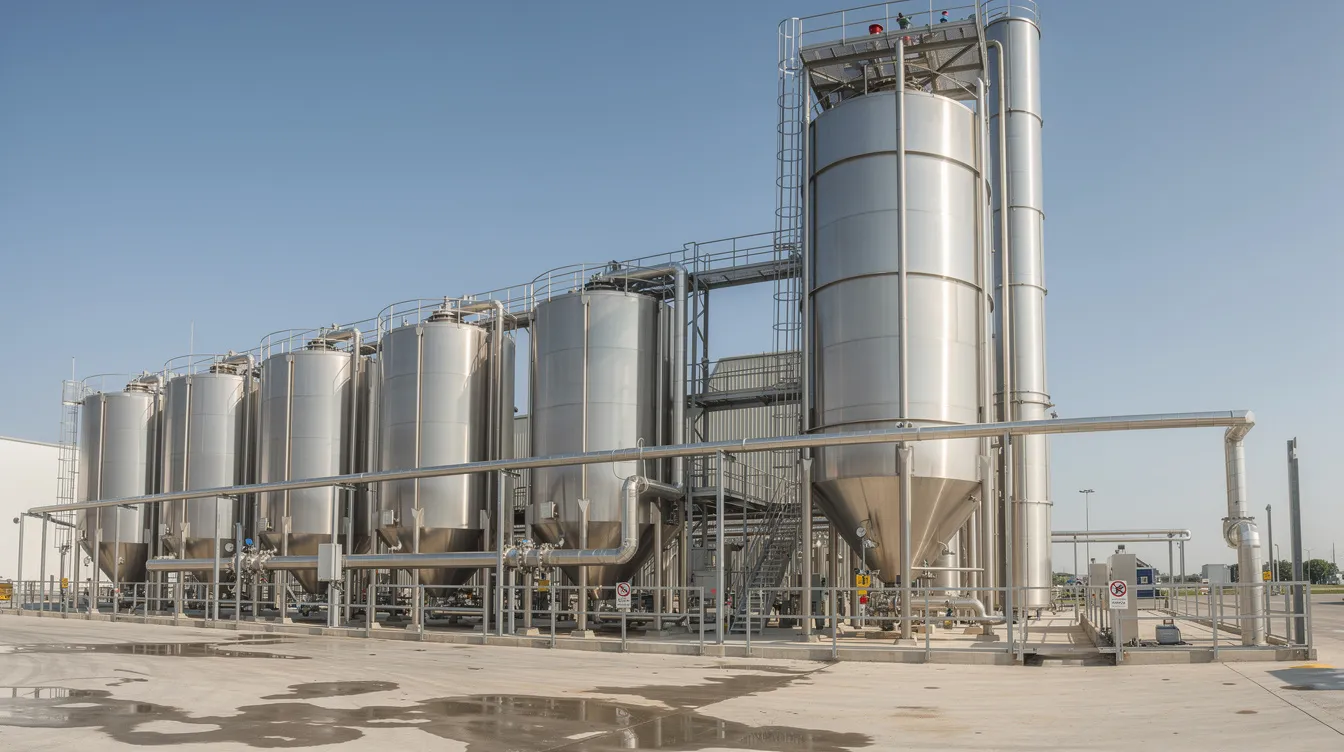
What Is Included in Milk Powder Plant Project Cost?
The “total project cost” for a milk powder manufacturing plant is not synonymous with capital expenditure alone or the machinery invoice. It is the comprehensive funding requirement that must be arranged before the plant can be commissioned and begin commercial operations. Initial budgeting should include both CAPEX and OPEX evaluations to avoid surprises during implementation.
A bankable detailed project report distinguishes between: fixed capital investment covering land, building, plant and machinery, utilities and other fixed assets; preliminary and pre-operative expenses such as company formation, consultancy, statutory approvals, trial runs and pre-operative staff costs; interest during construction or implementation (IDC/IDI) typically capitalised over a 9–18 month implementation period; contingency provision to absorb price escalation and minor scope changes; and margin for working capital, representing the promoter’s contribution towards the initial operating cycle.
Therefore, total project cost equals fixed capital plus preliminary and pre-operative expenses plus IDC plus contingency plus working-capital margin. The “total means of finance” is how this cost will be funded through equity, term loan, subsidy and other sources. In a bankable project report, each element is shown separately so lenders can determine which portions are eligible for a term loan and which must be borne by the promoters.
Capacity Planning Before Estimating Project Cost
Credible milk powder plant project cost estimation must begin from capacity planning – not from an arbitrary investment number or generic business ideas found online. A milk powder plant typically requires 500 to 2,000 litres of milk per hour depending on scale, and the entire cost architecture flows from this starting point.
Promoters should define the proposed raw milk intake capacity in LPD (for example, 50,000 LPD or 1,00,000 LPD), the expected SNF content and recovery assumptions (approximately 9 to 10 litres of milk produce 1 kg of skimmed milk powder), the target powder output in TPD, and seasonal variation between flush and lean months. Capacity utilisation typically builds over the first 3–5 years, and the number of operating days per year directly affects revenue projections and machinery sizing.
Product mix decisions – whether SMP, WMP, dairy whitener or blended powders – affect evaporator and dryer sizing, cream handling, standardisation and packaging infrastructure, thereby changing CAPEX materially. Before finalising the investment, promoters should undertake detailed milk powder plant capacity planning based on milk availability, product recovery and achievable utilisation. Provision for future expansion through extra land, modular dryer design and scalable utilities should also be factored in at this stage.
Indicative Project Cost According to Plant Capacity
The following figures are illustrative for India as of 2025–26, based on typical greenfield projects with predominantly indigenous machinery and moderate automation. Actual quotations must be obtained for each specific project. Higher milk processing volume increases both construction and equipment costs, but also unlocks economies of scale.
| Milk-Handling Capacity | Indicative Powder Output (TPD) | Nature of Plant | Broad Total Project Cost (₹ Crore) | Key Assumptions |
|---|---|---|---|---|
| 30,000–50,000 LPD | 3–5 TPD | SMP or SMP + dairy whitener | ₹10–₹28 | Greenfield, own land, Indian equipment, moderate automation |
| 75,000–1,00,000 LPD | 8–12 TPD | SMP + WMP | ₹30–₹50 | Greenfield, integrated utilities, semi-automatic packaging |
| 1,50,000–2,00,000 LPD | 15–30 TPD | SMP + WMP + dairy whitener, fully automatic | ₹60–₹80 | Full turnkey, high automation, procurement network, large-scale utilities |
Disclaimer: These figures are not quotations, investment advice or guaranteed cost estimates. Actual milk powder manufacturing plant cost can vary significantly by location, technology, civil architecture, utility configuration, product mix, implementation period and regulatory requirements. A project-specific DPR with current quotations is essential.
For reference, a 30 TPD plant under the National Programme for Dairy Development at Indore had a total outlay of approximately ₹76.50 crore, while a similar-capacity tender in Bihar was estimated at ₹65.37 crore. On the smaller end, typical project cost for entry-level machinery alone runs around ₹50–80 lakhs – but that covers only basic equipment, not a complete integrated plant. Smaller MSME-scale projects (10,000–20,000 LPD) may see total investment in the ₹8–₹15 crore range but may not achieve the same economies of scale, especially for energy-intensive spray drying.
Land and Site-Development Cost
Land cost can be a major component of milk powder plant investment, particularly near urban markets or established milk sheds. Geographic placement affects construction costs and logistics, so site selection deserves careful analysis. In many bank appraisals, land cost is treated differently from building and machinery.
Typical land area for integrated milk powder plants ranges from 2 to 6 acres depending on capacity and expansion plans. Purchase versus long-term lease decisions affect how the cost is reflected in the project report. Site development items include levelling, filling, internal roads, storm-water drainage, boundary wall, gates, a weighbridge, adequate tanker entry and turning radius, parking, green belt and space reserved for future capacity or product diversification.
The required land area and civil infrastructure should be determined through a proper review of milk powder plant land, building and infrastructure requirements rather than by guesswork. Many banks place stricter norms on financing land purchase, so promoters should confirm the lender’s policy on this at the planning stage itself.
Building and Civil Construction Cost
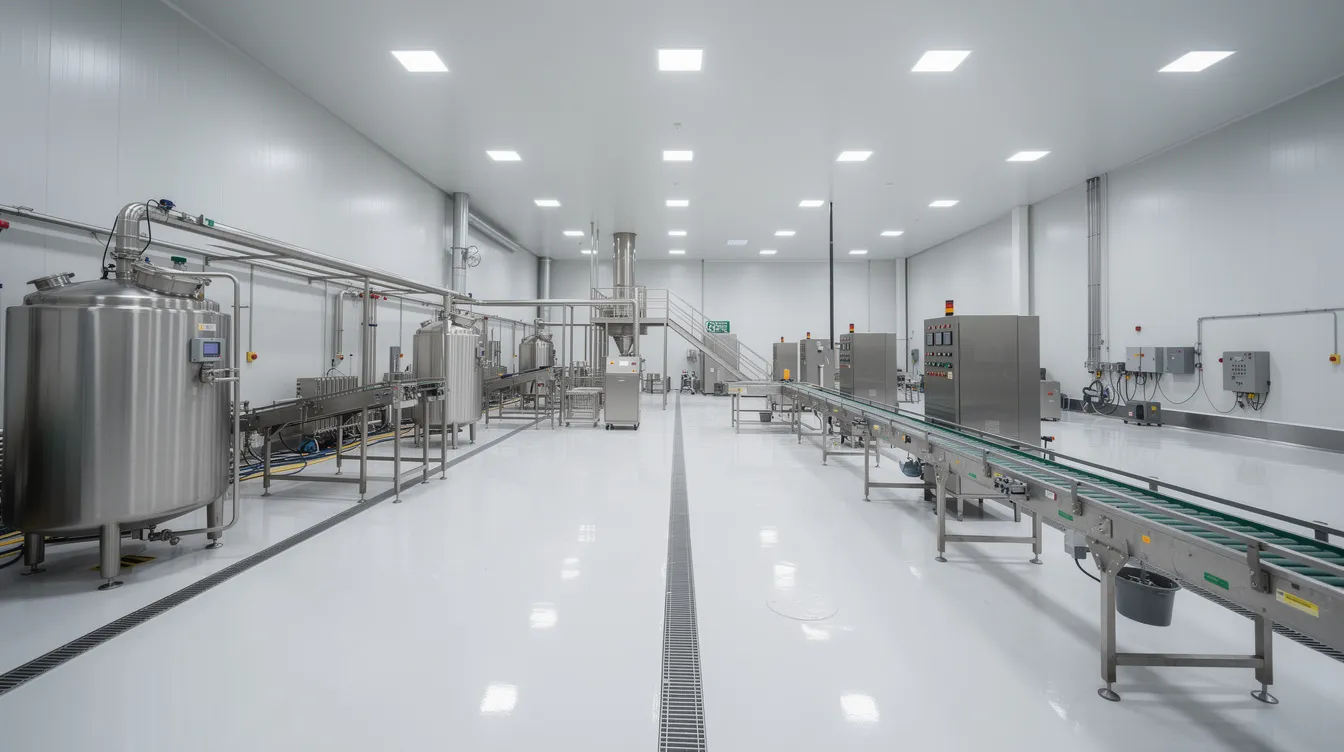
Food-grade civil construction for a milk processing plant – featuring epoxy floors, insulated roofing, clean-room finishes and hygienic drainage – is costlier per square metre than standard industrial sheds. The design of dairy processing facilities must adhere to food safety and hygiene standards mandated by FSSAI and BIS. Dairy processing involves strict hygiene and energy-intensive thermal processing, making building quality non-negotiable.
Principal civil components include the milk reception and tanker unloading area, raw milk chilling and storage block, processing block housing pasteurisation, standardisation and homogenisation, the evaporation and spray-drying tower requiring special height and structural steel design, and the powder handling and packing hall. Additional structures cover raw-material stores (sugar for dairy whitener, for instance), packaging-material storage, finished-goods warehouse, cold storage where required for certain dairy products, boiler house, refrigeration room, utility block, ETP area, laboratory and quality control rooms, administrative offices, staff amenities, fire-water tanks and hydrant network.
Civil cost will depend on total built-up area, RCC versus steel structure, local construction rates, FSSAI and BIS standards, and fire and structural safety codes. Proper engineering estimates or architect’s BOQs should support the DPR rather than thumb rules alone.
Plant and Machinery Cost for Milk Powder Manufacturing
Plant and machinery is usually the single largest component of milk powder manufacturing plant cost, typically accounting for 35–45% of total fixed capital in larger plants. Spray drying is a key technology in milk powder production, and the spray dryer assembly (plus evaporator, atomisation system, air heaters, cyclones and bag filters) alone can represent 35–40% of total plant CAPEX.
Key equipment groups include milk reception, weighing, filtration and chilling equipment; raw and pasteurised milk storage tanks and silos; clarifier, cream separator and standardisation system; pasteuriser and homogeniser sets sized to match evaporator capacity; multiple-effect falling-film evaporator with heat-recovery features to handle concentrated milk efficiently; spray dryer (co-current or mixed flow) with chamber, atomiser, hot air heaters, cyclones, bag filters and control systems; fluid-bed system for cooling and agglomeration; and powder conveyors, sifters and packaging line for bulk bags and consumer packs.
The choice of evaporation and spray drying systems directly impacts energy efficiency and costs. Automation in dairy processing plants can reduce labour costs and improve product consistency, but PLC/SCADA systems and CIP (clean-in-place) installations add to the price. Equipment specifications and automation levels are major cost drivers, as explained in the detailed guide to milk powder plant machinery and equipment cost. Imported spray dryers or high-end control systems can push machinery CAPEX much higher, and quotations must be compared on a like-for-like technical basis.
Milk Procurement and Raw-Material Infrastructure Cost
For a spray-dried milk powder plant, sustainable and cost-effective raw milk procurement is as critical as the factory itself. Raw milk purchase accounts for 65–70% of operating costs, making the procurement network a distinct investment head that directly affects both project cost and long-term viability.
Possible cost items include village-level milk collection centres and bulk milk coolers, milk cans, lactometers, fat and SNF testing equipment, intermediate chilling centres and insulated or refrigerated milk tankers. IT systems for procurement data, route planning and farmer payments are increasingly standard. Capital outlay for initial procurement deposits or advances to cooperative societies or farmer groups, and initial stock of other raw material like sugar and stabilisers for dairy whitener, should also be budgeted.
The proposed investment should account for the collection and chilling network identified through detailed milk procurement and raw-material planning, tailored to the target catchment area. In some business models such as toll spray drying for cooperatives, procurement infrastructure may be substantially lower because fresh milk or raw milk is supplied by the client.
Utilities and Environmental Infrastructure Cost
Milk powder production is highly energy-intensive, requiring both thermal and electrical power for evaporation, spray drying, refrigeration and ancillary systems. Energy costs account for 10–15% of total operating expenses, and underestimating utility infrastructure is a common reason for cost overruns.
Typical utility systems include high-tension power connection, transformer, LT panels and internal electrical distribution; DG sets for critical backup; steam generation via boiler (coal, natural gas, biomass or furnace oil), fuel storage, water treatment and condensate recovery; refrigeration system for milk chilling; compressed air for instrumentation and pneumatic conveying; and cooling towers, pumps and piping networks.
Effluent treatment plants are necessary for compliance with local regulations in dairy processing. Integrating wastewater treatment is crucial because dairy plants generate high-strength wastewater from lactose-rich process streams. Fire detection and hydrant systems, boiler-stack pollution-control equipment and possible renewable-energy options like rooftop solar should also be considered. Power, steam, water and refrigeration loads should be technically assessed while estimating milk powder plant utility requirements, as underestimating these systems can distort the project budget. Utility CAPEX is generally eligible for term-loan funding subject to lender policy.
Other Fixed Assets and Implementation Expenses
Beyond core process machinery, several other fixed assets and implementation-phase costs require budgeting and are often overlooked in early-stage business plans.
Other fixed assets include office furniture, computers, ERP and software licences, laboratory instruments for microbiology, adulteration checks and product analysis (supporting regulatory compliance and quality standards essential in dairy processing operations), company vehicles for procurement supervision and marketing, and security systems including CCTV and perimeter lighting.
Preliminary and pre-operative expenses cover company incorporation, professional consultancy and engineering fees, statutory approvals and licences (FSSAI, pollution control, factory licence), recruitment, training and salaries during trial runs, and trial production losses. Interest during implementation is computed on the drawn-down term loan during the construction and installation period; some banks capitalise this into project cost while others apply specific norms. A realistic contingency of 5–10% on certain cost heads should be included to absorb price escalation and design changes, rather than presenting a tightly optimistic budget that falls apart during execution.
Margin for Working Capital in Total Project Cost
Even though day-to-day operations are financed through separate working-capital limits such as cash credit or export packing credit, banks typically expect promoters to bring in a certain margin towards working capital at the time of project implementation. Milk powder production often requires substantial working capital due to raw material costs and the seasonal nature of milk availability.
Major working-capital elements in a milk powder factory include raw milk procurement payments (often daily or weekly), inventory of packaging materials, sugar and other inputs, fuel and energy payments, finished-goods stock build-up particularly before export shipments or institutional orders, and receivables from buyers. In a DPR, margin money is shown as part of the total cost to ensure sufficient funds are available when the plant begins operations. This margin is generally funded by promoter contribution; banks usually do not sanction a term loan for margin money alone.
Sample Milk Powder Plant Project Cost Structure
The following illustration is hypothetical, based on a mid-size integrated SMP and WMP plant in India. It shows only the approximate percentage distribution and example values to help readers visualise the cost structure – not an exact budget.
| Cost Head | Illustrative % of Total | Example Value (₹ Crore) |
|---|---|---|
| Land & site development | 5–8% | 3.5–5.5 |
| Building & civil works | 15–20% | 10–14 |
| Plant & machinery | 35–45% | 24–31 |
| Utilities (boiler, refrigeration, power) | 10–15% | 7–10 |
| Milk collection infrastructure | 5–8% | 3.5–5.5 |
| Electrical & instrumentation | 3–5% | 2–3.5 |
| ETP & environmental systems | 2–3% | 1.5–2 |
| Lab & other fixed assets | 1–2% | 0.7–1.4 |
| Preliminary & pre-operative expenses | 3–5% | 2–3.5 |
| Interest during implementation | 3–5% | 2–3.5 |
| Contingency | 3–5% | 2–3.5 |
| Margin for working capital | 5–8% | 3.5–5.5 |
| Total Project Cost | 100% | ≈ ₹65–70 |
These values depend heavily on plant capacity, geographic location, technology choice, product mix and timing of execution. ProjectReportBank.com prepares project-specific cost sheets aligned with actual quotations for use in bank finance DPRs.
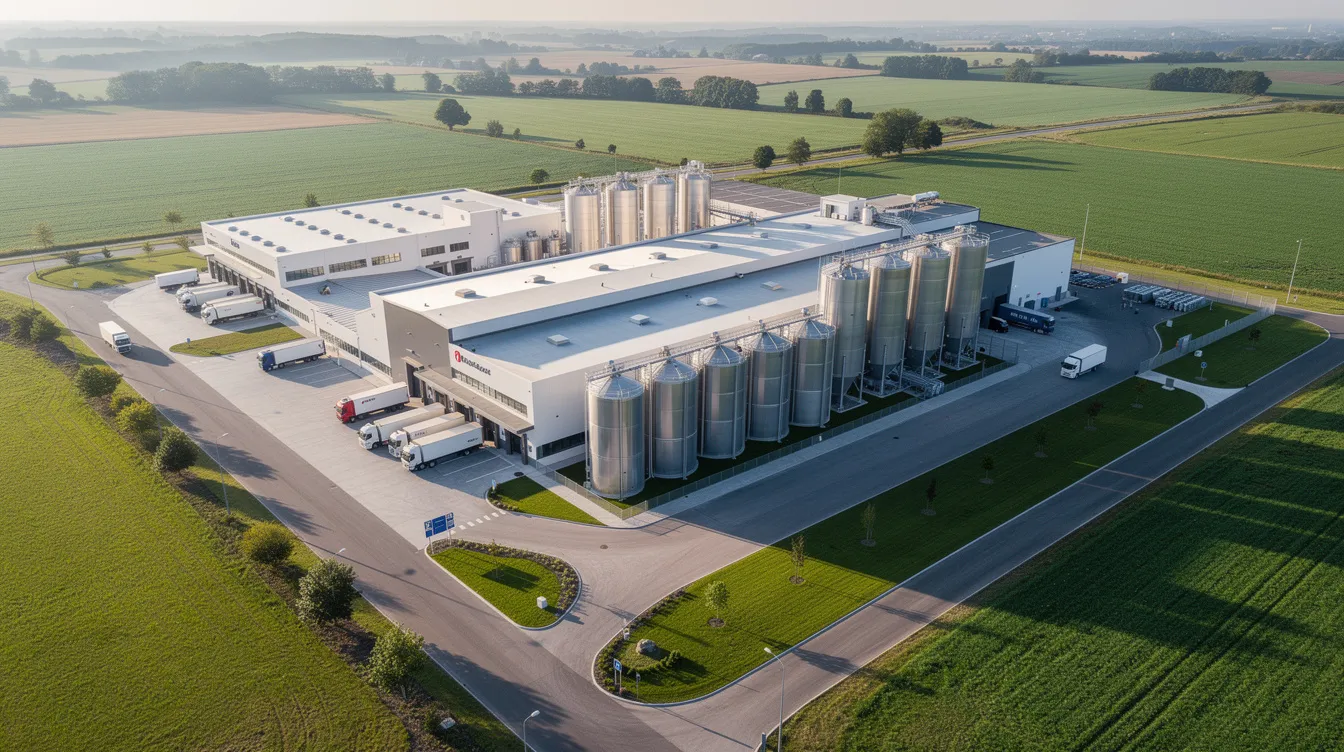
What Is Meant by Means of Finance?
“Means of finance” identifies the combination of funding sources through which the total milk powder plant project cost will be met. In a bankable proposal, the total means of finance must always equal the total project cost.
Common components include the promoter’s equity contribution (share capital or partner capital), unsecured loans from promoters or related parties (which banks may treat differently depending on subordination and tenor), term loan from banks or financial institutions for eligible fixed assets and implementation costs, capital subsidy or government assistance where available and sanctioned, and internal accruals in the case of expansion by existing dairies.
Equipment-vendor credit or leasing structures may sometimes supplement conventional term loans, but acceptance depends on bank policy. Working-capital limits (cash credit, overdraft, non-fund-based facilities) are related but normally shown separately from term-loan means of finance in the project report. Subsidy should not be pre-assumed as upfront funding unless eligibility, scheme continuation and timing of receipt are substantiated with current circulars or sanction letters.
Illustrative Means of Finance Structure
For a hypothetical milk powder plant with a total project cost of ₹60 crore, an indicative means-of-finance pattern might look as follows:
| Source | Amount (₹ Crore) | Approximate Share |
|---|---|---|
| Promoter’s equity contribution | 18.00 | 30% |
| Unsecured loans from promoters | 3.00 | 5% |
| Term loan from bank/FI | 36.00 | 60% |
| Capital subsidy (if eligible) | 3.00 | 5% |
| Total Means of Finance | 60.00 | 100% |
Different lenders may prefer different debt-equity ratios. Some may treat subordinated unsecured loans as quasi-equity, while others classify them as liabilities affecting gearing. For existing profitable dairies adding an SMP or WMP line, a portion may be funded from internal accruals, reducing external debt. The final financing pattern always depends on lender policy, borrower profile, collateral and scheme conditions.
Promoter Contribution and Debt–Equity Ratio
Banks closely examine promoter contribution and overall debt-equity ratio when assessing a milk powder plant bank loan. This reflects the promoter’s commitment and risk-sharing in the venture.
Key considerations include tangible net worth and its role in determining maximum permissible borrowing, the expectation that promoters bring in their stipulated contribution upfront or proportionately with term-loan disbursement, and the sources of promoter contribution – own funds, retained earnings, sale of investments or permissible inter-corporate loans. Routing unproven or circular cash is a red flag during appraisal.
Unsecured loans from promoters or associates are treated differently by different lenders: some accept them as quasi-equity if subordinated and long-term, while others classify them as liabilities. Overstretching leverage by pushing the debt-equity ratio too high can strain cash flows and DSCR, especially during years of adverse milk or powder prices. Cost overruns are a real risk, and banks often expect promoters to arrange additional funds if the project cost exceeds the original estimate.
Term Loan for a Milk Powder Plant
A term loan is normally used to finance eligible components of fixed capital for a milk powder factory and is repaid from the project’s cash flows over a defined period after a moratorium.
Cost heads typically considered for term-loan funding include building and civil construction, plant and machinery (including installation, freight and taxes as per bank norms), utilities and environmental systems including ETP, electrical installations and instrumentation, and part of preliminary and pre-operative expenses and IDC depending on lender policy.
Items that are often scrutinised or partly excluded include land purchase cost, old or second-hand machinery without acceptable valuation, payments to related parties where transparency is lacking, and excessive consultancy or brand-building charges. Sanction quantum, repayment period, interest rate and security structure depend on bank policy, project viability, promoter profile and collateral – assumptions based on informal market talk can lead to unpleasant surprises.
Working-Capital Finance for a Milk Powder Plant
A term loan finances fixed assets; cash-credit and working-capital facilities finance day-to-day operations. The two are distinct, and sanction of a term loan does not automatically guarantee adequate working-capital limits.
Banks assess working-capital needs based on norms for raw-material stock (the milk powder manufacturing business has fast-moving milk but slower-moving powder inventory), finished-goods inventory levels for domestic versus export sales, debtor and receivable cycles with institutional and export buyers, and creditors or payables to suppliers. Concepts such as drawing power, margin percentage on stock and receivables, and maintaining a healthy current ratio are central to keeping facilities regular.
Seasonal milk availability demands higher working-capital utilisation during flush months when excess raw milk is converted into powder. NDDB working-capital schemes allow up to approximately 80% of peak working-capital requirement as a sanctioned limit for eligible cooperatives, though private-sector norms may differ. Both term loan and working-capital needs should be planned and applied for in a coordinated manner in the DPR and CMA Data.
Bank Appraisal of a Milk Powder Project
Milk powder plant bank loan proposals undergo detailed technical, financial and managerial appraisal. Merely offering collateral without demonstrating project viability is insufficient for sanction.
Key appraisal aspects include promoter background and track record in dairy or food manufacturing, milk availability assessment in the chosen catchment including competition and price trends, justification of plant capacity and phased capacity utilisation, technology choice, product mix and target markets. Banks also evaluate sales and price assumptions (SMP price range is typically ₹280–320 per kg for MSME operators), operating margins, DSCR, break-even level and sensitivity analysis for changes in milk cost, powder prices and export demand. Capital investment may be recovered in 4–5 years at 70% capacity utilisation, and operating costs are projected to increase significantly by the fifth year due to inflationary pressures.
Banks review security, statutory approvals, environmental compliance, insurance and implementation schedule realism. Attempting to modify assumptions simply to achieve a desired loan amount without technical justification weakens credibility during appraisal.
Documents Required for Milk Powder Plant Project Finance
Banks typically require a detailed project report covering technical details, cost estimates, means of finance and financial projections. Promoter KYC, constitution documents (Partnership Deed, LLP Agreement, MOA/AOA), PAN and Aadhaar as applicable, personal net-worth statements, income-tax returns and bank statements for 2–3 years form the promoter-profile package.
Land ownership or lease documents, building plans and cost estimates from a civil contractor or qualified engineer, machinery quotations from recognised suppliers, utility quotations for power and water connections, a milk procurement plan or tie-up letters, and market assessment documents are all standard requirements. Projected financial statements and CMA Data (where required by the specific bank), implementation schedule, details of proposed collateral, valuation reports and evidence of promoter contribution significantly speed up the appraisal process.
Role of DPR and CMA Data in Milk Powder Plant Financing
A customised DPR is the backbone of a serious milk powder plant project, converting a business plan into a structured document suitable for bank appraisal. A good DPR prepared by a Chartered Accountant and technical team should cover plant configuration, capacity and layout, detailed project cost breakup with realistic quotations and contingencies, means-of-finance structure, revenue model with pricing assumptions and product mix, and operating cost details including milk procurement strategy, utilities and labour.
Financial projections and CMA Data should present projected profit and loss, balance sheet and cash-flow statements, loan repayment schedule and DSCR analysis, break-even computations and sensitivity analysis under adverse scenarios. Process flow diagrams and technical specifications support the engineering credibility of the report.
In practice, a Chartered Accountant like CA Manish Gugliya prepares or validates the financial model and CMA Data based on information and assumptions supplied by promoters and technical experts. These projections are analytical tools – not a guarantee of future performance. Promoters should keep the DPR and CMA Data updated if there are significant delays or cost revisions during implementation.
Common Mistakes in Milk Powder Plant Project Cost Estimation
Underestimation or misclassification of cost heads leads to cost overruns, cash-flow stress and sometimes project failure in the milk powder industry. Manufacturing costs of dairy products are influenced by numerous factors, and overlooking any of them distorts the budget.
Common errors include treating the machinery quotation alone as “total project cost” without adding civil works, utilities, procurement infrastructure and working-capital margin. Ignoring GST impact, freight, packing, erection and commissioning costs in the machinery budget is equally damaging. Underestimating food-grade civil construction, ETP requirements and utility infrastructure for high-efficiency evaporators, boilers and refrigeration systems can add 15–25% unplanned expense.
Financial-structuring errors are equally problematic: assuming subsidy as certain and upfront without verifying scheme guidelines and timelines, providing no contingency for inflation or design changes, selecting an unrealistically short repayment period, ignoring interest-rate movement on DSCR, or using over-optimistic capacity utilisation and export assumptions in the first 2–3 years. Promoters should get the project-cost model independently reviewed before finalising bank submissions.
How Product Mix (SMP, WMP, Dairy Whitener) Affects Project Cost
The choice between skimmed milk powder, whole milk powder, dairy whitener or a combination significantly influences plant configuration, packaging strategy and working capital – and therefore the overall milk powder manufacturing plant cost.
An SMP manufacturing plant project focuses on low-fat powder (skimmed milk powder is also known as non-fat dry milk) for institutional and export markets, with bulk packing and emphasis on low fat content and microbiological stability. Gross margins for SMP conversion typically range from 18–24%. Demand for skimmed milk powder is driven by food processing growth across developing countries.
A WMP manufacturing plant project requires greater control over cream handling, homogenisation and packaging. Whole milk powder is used in chocolate manufacturing and high-quality retail packs. A dairy whitener manufacturing plant project report involves additional blending, formulation and consumer packaging – dairy whitener is processed for use in tea and coffee, and caters to household and HoReCa markets.
The production process retains most nutritional value of milk, making processed milk powder a dehydrated dairy product with high nutritional value across all categories. Demand for milk powder in infant nutrition is increasing significantly, and infant milk formula can sell for ₹12–18 lakh per tonne. Flavoured milk powders cater to tier-2 and tier-3 city markets, representing another value-added segment. Packaging strategy can significantly impact both capital and operational expenditures – packaging line requirements differ between 25 kg bulk bags for SMP and smaller retail packs for dairy whitener. Product mix also affects inventory-holding patterns, changing working-capital requirements and the overall cost analysis.
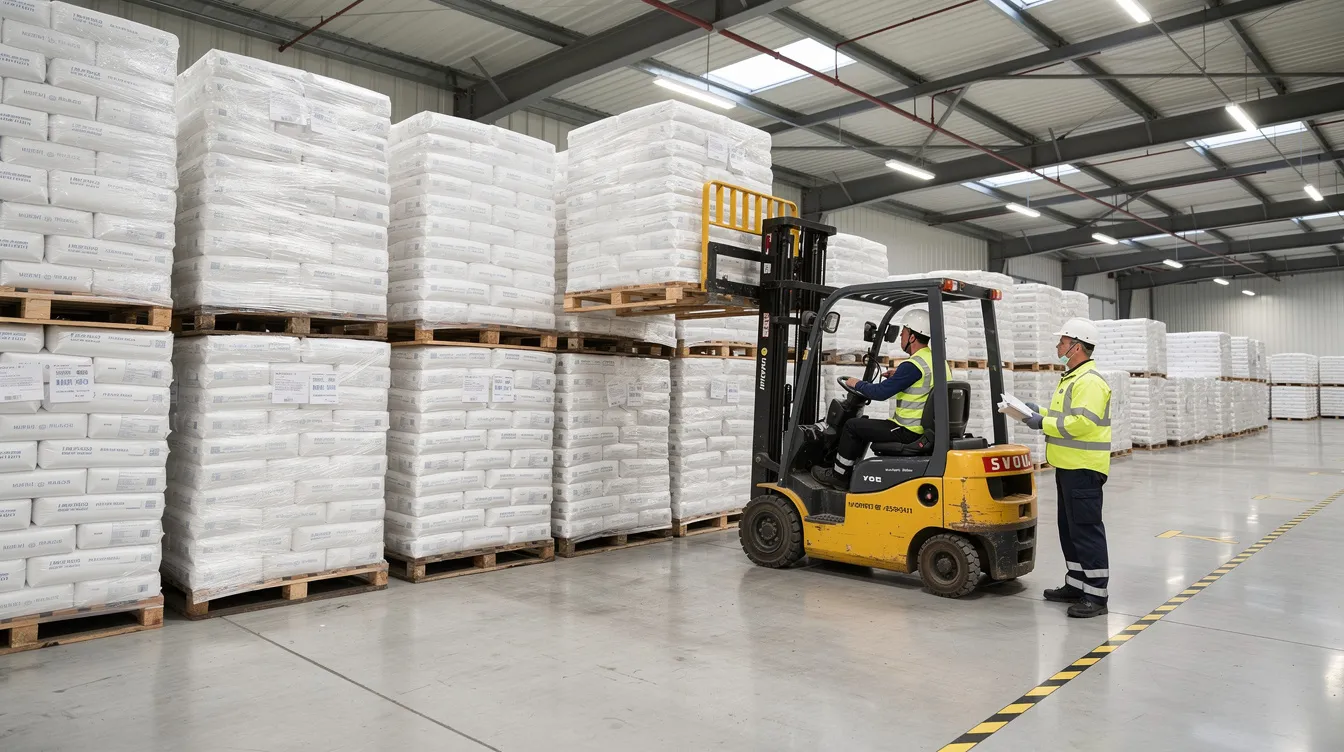
Why a Customized Milk Powder Plant Project Cost Estimate Is Necessary
While industry trends and online articles provide orientation, no two milk powder projects are identical. Bankers increasingly insist on project-specific DPRs with current quotations and local data rather than generic templates.
Project-specific factors include location and land ownership situation, finalised plant capacity and technology selection, extent of backward integration in raw milk procurement, nature of products, power and fuel arrangement (grid tariff, coal, natural gas, biomass, DG backup, possible solar), taxation structure including GST credits, implementation period, and lender-specific policies regarding IDC and margin requirements. A professional feasibility study prevents both under-investment leading to bottlenecks and over-investment leading to weak returns. ProjectReportBank.com focuses exactly on these nuances for dairy processing ventures.
Professional Assistance from CA Manish Gugliya & ProjectReportBank.com
I regularly assist dairy promoters and companies across India in structuring milk powder plant investment and means of finance. With over two decades of experience in project finance as a practising Chartered Accountant, my focus is on converting a promoter’s concept into a bankable and technically sound proposal.
Service areas include preparation of customised bank-finance DPRs for SMP, WMP and dairy whitener plants, detailed project cost estimation and capital-structure planning, financial projections with DSCR and break-even analysis tailored to each lender’s format, and CMA Data preparation for working-capital assessment. Support also extends to evaluating capacity and product-mix options through scenario analysis, reviewing vendor quotations against bank norms, and assisting promoters in presenting their project during lender discussions.
Neither CA Manish Gugliya nor ProjectReportBank.com guarantees loan sanction, subsidy approval or profit levels. The role is advisory and analytical, aimed at improving project quality and bankability. Serious entrepreneurs planning a commercial milk powder manufacturing plant are welcome to connect via ProjectReportBank.com for customised guidance.
Conclusion: Structuring Milk Powder Plant Project Cost & Finance the Right Way
The milk powder plant project cost is multi-layered – covering land, civil works, processing machinery, utilities, milk procurement systems, implementation expenses and working-capital margin. Relying solely on a spray-dryer quote is a recipe for cost overruns and financing gaps, regardless of how attractive the milk powder manufacturing business opportunity appears.
A robust plan combines realistic capacity planning, technically backed cost estimates, appropriate contingency, and a balanced means-of-finance structure that the business can service from cash flows. Lenders in India evaluate project viability, DSCR and promoter strength alongside collateral; a well-prepared detailed project report and CMA Data can significantly streamline appraisal for a milk powder plant bank loan. Investment recovery for SMP plants can take 4–5 years under realistic assumptions, and a consistent supply of quality raw milk is the foundation of sustained profitability in milk production and powder conversion.
If you are concretely planning an SMP, WMP or dairy whitener manufacturing plant, I invite you to reach out through ProjectReportBank.com so that I can help convert your concept into a financially feasible and bank-ready proposal.
Frequently Asked Questions (FAQ)
The following FAQs address practical queries that may not be fully covered in the main article. For project-specific clarifications, contact ProjectReportBank.com.
What is the minimum practical investment for a small commercial milk powder plant in India?
Truly commercial, bank-financeable spray-dried units handling around 10,000–20,000 LPD may typically see total project costs in the broad range of ₹8–₹15 crore depending on land cost, technology and site preparation requirements. Figures of ₹50–80 lakhs that are sometimes quoted usually relate only to basic entry-level machinery or initial investment in equipment, not a complete integrated plant with utilities, civil works, procurement infrastructure and working-capital margin. A proper cost analysis covering all heads is essential before approaching any lender.
How long does it usually take from sanction to commissioning of a milk powder plant?
For a greenfield plant involving civil construction, utility installation and spray dryer erection, a realistic implementation window is 12–18 months from effective financial closure. This depends on land readiness, machinery lead time (some imported components have 12–18 month delivery periods), regulatory approvals and project management quality. Brownfield expansions may be faster if existing infrastructure can be leveraged.
Can a bank term loan cover 100% of the milk powder plant project cost?
Banks generally require promoters to bring in their share of equity or margin, so 100% term-loan funding of total project cost is uncommon. The precise promoter contribution depends on lender policy, project risk and the promoter’s tangible net worth. Even where government schemes provide higher loan components, a meaningful promoter stake is expected.
Is it necessary to have prior dairy-industry experience to get finance for a milk powder plant?
Prior experience in dairy processing or the food manufacturing sector is viewed positively during appraisal but is not always mandatory. Banks may also accept strong technical and managerial hires, partnerships with experienced dairy processors, or joint ventures, provided the DPR demonstrates adequate risk-mitigation measures and the promoter’s overall profile inspires confidence.
How does the site preparation and location affect milk powder plant project cost?
Geographic placement affects construction costs, logistics for raw milk procurement and distribution costs for finished goods. A site near an established milk shed reduces tanker transport costs but may have higher land prices. Conversely, remote locations may offer cheaper land but require greater investment in roads, power infrastructure and workforce amenities. Each of these factors feeds into both fixed costs and variable costs, making location analysis a critical input to the total cost estimate and business plan.
What role do ready to eat meals and processed foods markets play in milk powder demand?
Milk powder – both SMP and WMP – is a key ingredient for food manufacturers producing ready to eat meals, processed foods, bakery items, confectionery, ice cream and infant formula. The expanding food processing industry in India and across developing countries continues to drive rising demand, supporting long shelf life applications where liquid milk is impractical. This demand trend improves the market outlook and revenue assumptions in a milk powder plant project report.
Disclaimer
All project-cost figures, structures and examples in this article are illustrative, based on general Indian conditions and professional experience, and do not constitute financial, tax or investment advice. Readers must obtain updated quotations, verify current banking and subsidy policies as on their application date, and consult their own advisors before taking any investment or borrowing decisions for a milk powder manufacturing plant. Financing policies, subsidy provisions and regulatory requirements are subject to change and should be confirmed independently.