Setting up a cancer hospital is one of the most capital-intensive healthcare projects a promoter can undertake. Unlike a general multi speciality hospital, an oncology centre demands radiation oncology bunkers with heavy shielding, high-value medical equipment like LINACs and PET-CT scanners, specialised oncologists and medical physicists, and a longer implementation period before revenue begins flowing. A well-prepared cancer hospital project report must go far beyond describing the facility – it must demonstrate financial viability, realistic revenue assumptions and the ability to service proposed debt.
This guide provides a structured overview of the entire Cancer Hospital DPR journey, from project concept through bank appraisal, and links out to nine detailed supporting guides on specific components.
Key Takeaways
- A Cancer Hospital Project Report (DPR) is a bank-focused feasibility document that integrates project concept, detailed project cost, means of finance, revenue model, working capital assessment and DSCR into one coherent financial model.
- Oncology hospital planning involves high total capital investment in hospital building, radiation oncology bunkers, imaging modalities and medical equipment, making realistic cost estimation and vendor quotations essential for bank appraisal.
- Lenders primarily evaluate promoter strength, total project cost versus means of finance, cash-flow based financial projections, year-wise DSCR and risk analysis before sanctioning a cancer hospital bank loan.
- A bankable Cancer Hospital DPR for India must connect clinical planning, infrastructure, regulatory approvals and project finance into a single, consistent business plan – inconsistencies between schedules are quickly noticed during appraisal.
- ProjectReportBank.com, led by CA Manish Gugliya, can assist in preparing customised Cancer Hospital DPRs, CMA Data, financial projections and bank loan documentation, though no guarantee of sanction is provided.
Explore Cancer Hospital DPR Guides
Explore our complete series on Cancer Hospital project planning, financial analysis and bank finance.
Explore Hospital Project Report Guides
Explore our complete Hospital Project Report guides covering general hospitals, multi-speciality hospitals, cancer hospitals, diagnostic centres and eye hospitals.
Introduction: Why a Cancer Hospital Project Report Is Different
India sees about 850,000 new cancer cases diagnosed annually, and this number continues to grow with increasing lifestyle diseases, an ageing population and improved diagnostic access. Cancer hospitals provide comprehensive cancer care services – from prevention and early detection through surgery, chemotherapy, radiation therapy and palliative care – often treating all types of cancers under one roof. Opening a cancer hospital can be highly profitable in India, but the investment required and operational complexity are in a different league from a standard hospital project.
The Indian healthcare sector employs about 4.7 million people, and the healthcare delivery industry has recorded a CAGR of 22% since 2016. India’s healthcare services are significantly cheaper than in western countries, which also positions oncology centres well for medical tourism. India’s healthcare system includes both the public and private sector, and the growing middle class combined with expanding health insurance coverage is driving demand for quality cancer treatment across tier II cities and beyond.
From a project finance perspective, a strong project report for a cancer hospital should demonstrate why the hospital is needed in a given location, covering cancer control planning that assesses gaps between population needs and available treatment services. Consider a typical planning scenario: a 50 to 120-bed oncology centre in a Tier I or tier II city, with an implementation period of 18 to 30 months from land purchase to commissioning, requiring investment that could range from ₹50 crore to well over ₹500 crore depending on scale. The project cost for a comprehensive cancer centre at Muzaffarpur was approximately ₹570 crore, while the Visakhapatnam HBCHRC cost around ₹540 crore.
A bankable detailed project report must answer: what is being built, why it is viable, how much investment is required, how it will be financed, how revenue will be generated, what operating expenses will arise, and whether projected cash flows can service the proposed term loans. This hub article provides a structured overview of that journey and links to the detailed supporting guides wherever deeper treatment is required.
What Is a Cancer Hospital Project Report / DPR?
A detailed project report, as used by banks and financial institutions in India for hospital project finance, is a comprehensive document that establishes both the clinical mission and structural viability of the proposed institution. It is far more rigorous than a generic business plan or marketing note – a bankable cancer hospital project report is numbers-driven, assumption-transparent and aligned with lender formats.
The project report should maintain a clear chain of need, objectives, methodology, outputs and impact. Objectives in a cancer hospital project report should be SMART: specific, measurable, achievable, relevant and time-bound. The report should explain how the project will be evaluated and implemented, and objectives should define the core purpose, strategic goals and measurable outcomes of the cancer hospital project.
Key components typically include:
- Promoter profile and financial strength
- Oncology hospital concept, bed mix (for example, 50 beds split across general, semi-private and private categories), and location analysis
- Catchment area needs assessment, cancer incidence data and referral patterns
- Infrastructure planning, including hospital building and radiation bunkers
- Medical equipment lists with quotations
- Project cost with category-wise breakup
- Means of finance – equity, debt, working capital
- Revenue assumptions built from service-level operating data
- Operating expenses, working capital requirement
- Projected financial statements: P&L, Balance Sheet, cash flow statement
- Term-loan schedule, DSCR analysis, break-even and sensitivity
- Regulatory requirements and risk assessment
These components interlink tightly. For instance, the imaging modalities planned affect equipment cost, depreciation schedules, projected patient volumes and hence revenue and DSCR. A detailed project report aids in securing funding for hospitals precisely because all schedules must reconcile – banks quickly notice inconsistencies between the P&L, Balance Sheet and Cash Flow.
Cancer Hospital Project Concept and Scope
The DPR must clearly define the type of cancer hospital proposed – whether a standalone oncology centre, a cancer block in an existing multi specialty hospital, or a comprehensive cancer institute. Needs assessment should analyse population size, cancer incidence and existing treatment capacity. Gap analysis should identify differences between existing capacity and projected need for cancer services.
Clinical objectives should encompass medical oncology, surgical oncology, radiation oncology and palliative care services. Patient pathways should standardise protocols for triage, diagnostics, therapy and follow-up. The report should align with the cancer-care continuum, including prevention and early detection.
Typical clinical services in a new hospital of this type include:
- Oncology OPD and day-care chemotherapy (12–20 infusion chairs)
- Surgical oncology operation theatres
- Radiation oncology with LINAC bunkers
- Oncology ICU and inpatient wards
- Palliative care and emergency services
Diagnostic infrastructure covers CT, MRI, PET-CT, digital X-ray, ultrasound, mammography and pathology services including histopathology and immunohistochemistry. Cancer cells, which are abnormal cells that divide uncontrollably and can invade tissues including the blood and lymph systems, require a range of therapeutic services related to diagnosis and staging – making imaging and lab capabilities critical.
Support services include pharmacy, blood bank or blood storage centre, physiotherapy, counselling, cafeteria, parking and administrative offices. Existing healthcare infrastructure should include outpatient and inpatient oncology services designed for the projected patient load.
Bed strength and departmental configuration should be justified through a feasibility study, local cancer burden analysis and investment capacity – not arbitrarily copied from generic hospital planning templates.
Cancer Hospital Project Cost
Total project cost is the backbone of any cancer hospital DPR. It drives the loan requirement, promoter contribution, and overall economic feasibility. A financial plan should include a capital expenditure breakdown and operational expenditure forecasts for sustainability.
Major cost heads include:
| Cost Category | Examples |
|---|---|
| Land and registration | Purchase, stamp duty, registration |
| Civil construction | Hospital building, radiation bunkers, interiors |
| Medical equipment | LINACs, PET-CT, MRI, OT equipment, ICU |
| Non-medical infrastructure | HVAC, electrical, medical gas, fire safety, IT/HIS |
| Furniture and fixtures | Patient beds, workstations, storage |
| Soft costs | Consultancy, architect fees, regulatory approvals |
| Financial costs | Interest during construction, contingency, working capital margin |
A proper cost estimation exercise should be supported by contractor estimates, architect BOQs and vendor quotations. For high-value items, this is especially critical – the GMCH Nagpur LINAC project saw its budget nearly double from ₹23.20 crore to approximately ₹45 crore due to procurement and funding delays. Such escalation demonstrates why realistic estimates, including contingency and escalation provisions, are non-negotiable.
For a detailed category-wise breakup with illustrative ranges, refer to the guide on Cancer Hospital project cost in India.
Medical Equipment Planning and Cost in Oncology
For a 50–120 bed cancer hospital, medical equipment and medical devices can account for 40–60% of the total hospital project cost, especially when radiation oncology and advanced imaging modalities are included. Cancer hospitals provide internationally compatible diagnostic services when equipped with current-generation technology.
Infrastructure and technology integration should detail zoning and acquisition of advanced medical equipment across these clusters:
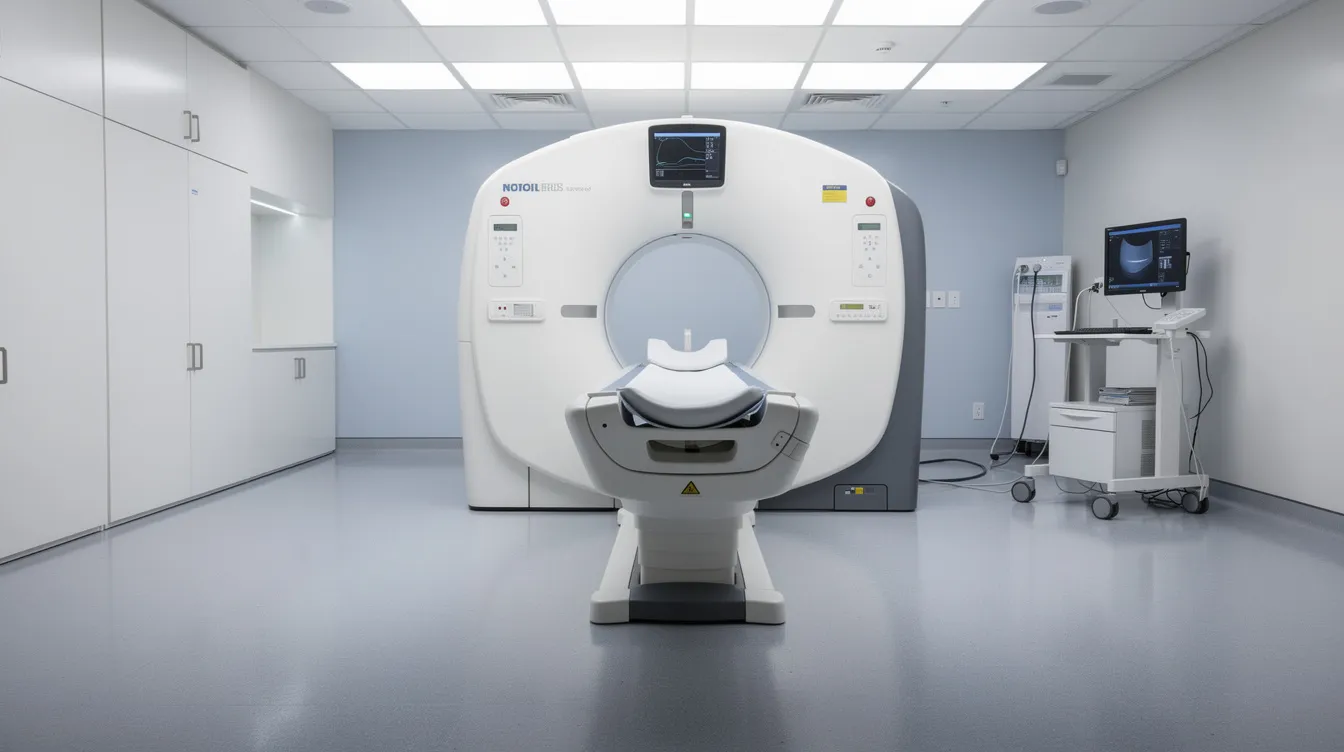
- Radiation oncology: LINAC (₹20–25 crore per unit), CT simulator (~₹4 crore), HDR brachytherapy (~₹4 crore)
- Medical oncology: Infusion pumps, chemotherapy chairs, pharmacy preparation areas
- Surgical oncology: Modular OTs, anaesthesia workstations, surgical instruments
- ICU and HDU: Monitors, ventilators, defibrillators
- Diagnostics: CT, MRI, PET-CT, mammography, ultrasound
- Laboratory: Histopathology, immunohistochemistry, haematology analysers
Equipment cost must factor in installation, shielding, site preparation, calibration, training, warranties and AMC/CMC costs – not just the base machinery working capital cost. Selection between technology generations and brands affects patient throughput, quality of cancer treatment and long-term maintenance.
For department-wise planning and indicative costs, the dedicated guide on cancer hospital equipment list and cost covers this in detail.
Project Cost and Means of Finance
Once the project cost is finalised, the DPR must show clearly how this total capital investment will be funded through a balanced mix of promoter contribution and debt. Typical sources include:
- Equity capital from promoters
- Unsecured loans from promoters or group entities (subject to bank acceptance)
- Bank term loan for civil construction and core equipment
- Dedicated equipment finance for high-value machines
- Working capital facilities (cash credit, overdraft)
- Any institutional or investor contribution
Banks examine the debt-equity balance carefully. An unrealistic financing structure – say, 90% debt with minimal promoter skin in the game – can weaken an otherwise viable project. The financing plan must also account for whether margin for working capital is included within the project cost or arranged separately.
For structuring a bankable hospital project report with appropriate funding mix, refer to the guide on cancer hospital project cost and means of finance.
Revenue Model for a Cancer Hospital
In a bankable cancer hospital DPR, revenue should be derived from service-wise operational assumptions rather than simply applying an arbitrary annual growth percentage. Future cancer service demand estimation should be based on projected populations and utilisation rates.
Key revenue streams include:
- OPD consultations (a well-planned cancer hospital can serve 19,600 outdoor patients annually at reasonable scale)
- Day-care chemotherapy (per infusion billing)
- Radiation therapy sessions (fractions delivered per LINAC)
- Surgical oncology packages
- Inpatient room and ICU charges (estimated capacity may include 1,400 general ward patients yearly for a mid-size facility)
- Diagnostic imaging (CT, MRI, PET-CT)
- Pathology tests and in-house pharmacy margins
Capacity utilisation and ramp-up are critical. For example, research on photon therapy facilities in India projects approximately 11,040 radiation fractions per year per LINAC when operating around 16 hours per day for 230 days annually. Cancer hospitals can accommodate 19,600 outdoor patients yearly at full operational capacity, but reaching that level takes time.
Overly aggressive assumptions – like 80–90% bed occupancy in year one – distort DSCR and invite rejection during bank appraisal. Tariff benchmarks vary widely; in government proposals, PET scan tariffs range from ₹15,000–25,000, while private sector pricing can differ substantially.
The step-by-step methodology for building realistic revenue projections is covered in the cancer hospital revenue model guide.
Financial Projections Required in the DPR
For lender appraisal, the cancer hospital project report must contain integrated financial projections typically covering 7–10 years or the full loan tenure, whichever is longer. Expected outcomes should be categorised into short-term, medium-term and long-term for clarity.
Required projections normally include:
- Projected Profit & Loss Account
- Projected Balance Sheet
- Cash flow statement
- Term-loan repayment schedule with interest calculations
- Depreciation workings
- Break-even analysis (by patient volumes and occupancy)
- Key financial ratios and sensitivity scenarios
All project financials must be tied back to clearly stated operating assumptions. Banks test the logic behind numbers – if revenue projections assume 300 OPD patients daily but the OPD has only 8 consultation rooms, the arithmetic will not hold up.
For detailed formats and worked examples of cancer hospital financial projections, refer to the financial projections guide for DPR and bank loan.
Planning Your Cancer Hospital DPR? Explore the Detailed Guides
Each component of the DPR has a dedicated supporting guide. Open these alongside the present hub article for deeper reference:
Planning & Investment
- Cancer Hospital Project Cost in India
- Cancer Hospital Equipment List & Cost
- Cancer Hospital Project Cost & Means of Finance
Operations & Financials
- Cancer Hospital Revenue Model
- Cancer Hospital Financial Projections
- Cancer Hospital Working Capital Requirement
Bank Finance
- Cancer Hospital DSCR & Loan Repayment Capacity
- Cancer Hospital Bank Loan – Project Finance & Documentation
- How Banks Assess a Cancer Hospital Project for Term Loan
Working Capital Requirement
Even a profitable oncology hospital on paper may face liquidity stress without adequate working capital planning. The key working-capital drivers for a cancer hospital include:
- High-value chemotherapy drugs and surgical consumables
- Radiation and imaging consumables
- Salaries for clinical and non-clinical staff
- Utilities, AMC costs and administrative expenses
- Receivable delays from TPAs, insurance companies and government health schemes
Delays in payment collection – sometimes stretching 60–90 days from insurance and institutional payers – can create serious cash-flow mismatches. The DPR should estimate inventory holding periods, average collection periods and minimum cash buffer requirements, then quantify the working capital gap to be supported by bank limits or internal funds.
For formulas and detailed assessment methodology, the guide on cancer hospital working capital requirement provides a comprehensive analysis.
DSCR and Loan Repayment Capacity
DSCR – Debt Service Coverage Ratio – is the ratio of cash available for servicing debt to the debt obligations (interest plus principal) due in that period. For a lender, the important question is not merely profitability but whether cash accrual after operating expenses and tax is sufficient to meet repayment obligations.
The link works as follows: EBITDA minus interest and tax, adjusted for non-cash items and working capital changes, yields cash available for term-loan principal repayment. Banks examine year-wise DSCR as well as average DSCR across the loan tenure, factoring in any moratorium period.
Rather than chasing a specific fixed benchmark, promoters should examine whether DSCR remains comfortable under conservative revenue and cost assumptions and after accounting for possible project delays. Key parameters that affect DSCR include occupancy ramp-up speed, tariff levels, operating margins and repayment schedule design.
The specialised article on cancer hospital DSCR and loan repayment capacity discusses formulae and illustration examples in depth.
Bank Loan and Project Finance for Cancer Hospital
A typical cancer hospital project in India may require a combination of term loan for the hospital building and core equipment, separate equipment finance for high-value machines, and working capital limits for operations. The Indian healthcare sector represents one of India’s largest sectors in terms of both revenue and employment, and investment opportunities in oncology continue to attract interest from the private sector.
Key documentation categories banks usually examine:
- Promoter KYC and entity incorporation documents
- Detailed project report and financial projections or CMA data
- Property documents for primary and collateral security
- Building drawings, estimates and architect certifications
- Major equipment quotations from manufacturers or authorised dealers
- Past financial statements, IT returns and bank statements of promoters
- Net-worth statements and existing borrowing details
Exact requirements vary by lender, ticket size and risk profile. The guide on bank loan for cancer hospital – project finance and documentation provides a more exhaustive checklist.
How Banks Assess a Cancer Hospital Term Loan Proposal
Banks evaluate a cancer hospital project report not just on projected profit but on the strength of the entire proposal. Stakeholder analysis is important for identifying and consulting key individuals involved in cancer services and hospital governance.
Qualitative factors include clinical and managerial experience of promoters, previous healthcare ventures, governance standards and succession planning. The competitive landscape, location advantages, catchment demographics and India’s competitive advantage lies in cost competitive treatment compared to western Europe and other western countries – these also influence the lender’s view.
Quantitative factors include reasonableness of project cost, adequacy of promoter contribution, stability of the revenue model, projected operating margins, realistic DSCR, and adequacy of working capital. Security evaluation covers primary security in the form of hospital building and equipment, plus additional collateral as required.
For promoters who want to understand the appraisal process in greater detail, the guide on how banks assess a cancer hospital project for term loan is the most relevant resource.
Regulatory and Statutory Considerations
Regulatory compliance should detail adherence to safety protocols, waste management and accreditation standards. Requirements differ across Indian states and depend on the specific services planned.
A high-level checklist includes:
- Entity registration (company, LLP, society or trust)
- Building plan sanction and fire NOC
- Pollution control and biomedical waste management consents
- Clinical establishment registration where applicable
- Pharmacy and drug licences
- Blood bank approvals where applicable
- Radiation-safety approvals from AERB for LINAC and other radiation equipment
The DPR should include a quality, safety and governance section to ensure clinical governance frameworks are addressed. The report should also acknowledge these requirements, estimate associated costs and timelines, and advise that promoters seek updated guidance from authorised regulators and professional advisors. Never rely on outdated licence assumptions.
Implementation Schedule and Project Timeline
Implementation timelines should include detailed phases of project execution from feasibility to full operation. A realistic schedule for a 50–120 bed cancer hospital may span 18–30 months, depending on land readiness, design complexity and financing timelines.
High-level phases typically include:
- Land acquisition and legal due diligence
- Architectural design and detailed hospital planning
- Building approvals and regulatory clearances
- Civil construction including radiation bunkers
- Equipment ordering, delivery and installation
- Recruitment, training and trial operations
- Soft launch and commissioning
Sustainability planning should cover workforce sustainability and infrastructure maintenance post-implementation. The DPR should show a timeline aligning cash outflows with project stages and indicating when term-loan disbursements will be required.
Delays carry direct financial consequences: additional interest during construction, escalation in project cost and postponed revenue generation. The PGIMS Rohtak example illustrates this – buildings worth ₹27.98 crore were completed but the facility remained non-functional due to delays in equipment procurement and additional funding requirements.
Sensitivity and Risk Analysis in a Cancer Hospital DPR
Risk assessment should cover construction delays, equipment procurement delays and specialist staff shortages. Monitoring and evaluation should measure structure, process and outcome indicators in cancer treatment.
Practical scenarios to test include:
- 10–20% lower OPD volumes than projected
- Slower bed occupancy ramp-up (e.g. reaching 70% occupancy in year 3 instead of year 2)
- Reduced machine utilisation for LINAC and PET-CT
- 10–15% higher operating expenses
- 6–12 month project implementation delay
- Extended receivable collection periods
The DPR should highlight the impact of these scenarios on debt-servicing ability and indicate proposed mitigation strategies such as phased commissioning, staggered hiring and conservative borrowing. Including sensitivity tables helps bankers visualise downside resilience. A balanced risk analysis demonstrates professionalism and strengthens the cancer hospital financial feasibility argument.
Common Mistakes in Cancer Hospital DPR Preparation
In my experience while analysing project reports, these mistakes recur frequently:
- Underestimating hospital building and radiation bunker costs, or missing provision for shielding and installation
- Missing pre-operative expenses, advance taxes and regulatory approval costs
- Assuming full utilisation of LINACs and imaging equipment from month one
- Copying occupancy assumptions from unrelated general hospitals or multi speciality setups
- Ignoring working capital requirements entirely, or underestimating them
- Presenting inconsistent P&L, Balance Sheet and cash flow statement schedules
- Proposing overly optimistic repayment structures not aligned with projected cash accrual
- Under-budgeting manpower and training costs – well trained medical professionals in oncology command premium salaries
- Skipping realistic implementation timelines
- Weak or absent sensitivity analysis
Promoters should review their oncology hospital project report draft for these gaps before presenting it to banks or investors. A comprehensive analysis of these areas significantly improves bankability.
Suggested Structure of a Bankable Cancer Hospital DPR
A professionally prepared DPR typically follows this logical sequence:
- Executive Summary
- Promoter & Organisation Profile
- Project Background and Rationale
- Proposed Hospital & Services
- Industry and Market Assessment (including industry trends, growth drivers, competitive landscape)
- Location Analysis
- Infrastructure & Hospital Building
- Medical and Non-medical Equipment
- Manpower Planning
- Implementation Schedule
- Project Cost
- Means of Finance
- Operating Assumptions
- Revenue Model
- Operating Expenses
- Working Capital Assessment
- Financial Projections (P&L, Balance Sheet, Cash Flow)
- Term-Loan & Repayment Schedule
- DSCR
- Break-even and Ratio Analysis
- Sensitivity & Risk Analysis
- Security Details
- Regulatory Considerations
- Risk Mitigation Strategies
The exact order can be adapted to individual lender formats, but maintaining this logical flow helps both promoters and bankers understand the project comprehensively. A SWOT analysis and market research section strengthening the feasibility study can also be included.
Role of CMA Data in Cancer Hospital Bank Finance
Credit Monitoring Arrangement (CMA) data is a structured set of financial statements and ratio analysis often required by Indian banks, especially for larger limits and working capital assessment. CMA data summarises the projected Balance Sheet, Profit & Loss, fund-flow statement, working capital assessment and key ratios in standard banking formats.
For a cancer hospital, CMA data is typically prepared or compiled based on projections and assumptions discussed with promoters and aligned with the detailed project report. It does not replace the DPR – it complements it by presenting financial information in a concise, bank-friendly structure. Plant economics, glance cost summaries and ratio analysis flow from the CMA into the bank’s internal appraisal.
Promoters should coordinate with their Chartered Accountant or financial advisor so that the DPR, CMA data and loan application figures remain consistent.
DPR vs CMA Data vs Bank Presentation
- DPR: The comprehensive feasibility and planning document covering everything from clinical concept to risk analysis.
- CMA Data: The formatted financial analysis especially used for working capital assessment and ratio monitoring.
- Bank Presentation: A concise 10–15 slide visual summary used during discussions with credit teams, covering concept, promoters, project cost, means of finance, key financial indicators and risk mitigation.
All three documents must be internally consistent on project cost, borrowing requirement, promoter contribution, revenue projections and DSCR. The DPR is the master document from which CMA data and presentation decks should be derived – preparing each in isolation invites contradictions that undermine credibility during appraisal.
When Should a Promoter Start Preparing the DPR?
DPR preparation should begin once basic clarity exists on location options, broad bed capacity, key oncology departments, approximate project cost range and the promoters’ ability to bring in capital. A staged approach works well: initial concept note and high-level feasibility first, followed by a detailed DPR once preliminary quotations and architectural layouts are available.
Early involvement of financial planning helps align hospital planning decisions – like the number of imaging modalities or radiation bunkers – with project finance capacity and DSCR comfort. The DPR is a dynamic document that may be revised as bank discussions, vendor negotiations and regulatory clarifications progress. Promoters should not wait until the last minute; a well-prepared cancer hospital DPR created early often leads to smoother sanction processes and better-informed investment decisions.
India’s population continues to grow, and with it the demand for providing basic healthcare facilities and comprehensive cancer care. The increasing expenditure on healthcare infrastructure – reflected in recent union budget and key budget proposals – and rising awareness about primary healthcare centers and tertiary care institutions create substantial investment opportunities. India’s GDP contribution from healthcare comprises hospitals, diagnostics, pharmaceuticals and medical devices, and the sector continues to attract interest from engineering services firms, clinical trials organisations and medical tourism facilitators.
Frequently Asked Questions
Below are answers to common practical questions about cancer hospital DPR preparation:
What is a Cancer Hospital Project Report for Bank Loan?
A cancer hospital project report for bank loan is a detailed, finance-ready DPR combining technical hospital planning with financial feasibility, cash-flow projections and DSCR analysis, specifically tailored to meet bank appraisal requirements. It differs from a generic feasibility note or marketing brochure by being assumption-transparent, numbers-driven and aligned with lender evaluation formats. India records about 850,000 new cancer cases annually, which makes the market case for oncology centres strong – but the DPR must back that case with rigorous project financials.
How long does it take to prepare a complete Cancer Hospital DPR?
Timelines vary, but a realistic range is 4–8 weeks once land is identified and basic planning inputs – bed mix, departments, equipment preferences – along with key quotations are available from the promoter. More complex projects or those requiring detailed market research may take longer.
What information should promoters provide to start the DPR?
Essential inputs include promoter profiles and existing financial statements, land details and location, preliminary architectural concept or space availability, intended bed capacity, departments, preferred equipment level, rough investment capacity and target date for commissioning. The better the inputs, the more realistic and bankable the DPR.
How many years of projections are needed in a Cancer Hospital DPR?
The projection period should at least span the proposed term-loan tenure and stabilisation period. In practice, many banks in India review 7–10 year projections to observe occupancy ramp-up, profitability trajectory and DSCR over time. The period should be guided by lender requirements rather than an inflexible universal rule.
Can a DPR guarantee bank loan approval?
No DPR, consultant or Chartered Accountant can guarantee loan sanction. A professional, realistic and consistent DPR improves the quality of appraisal and the promoter’s ability to present a credible case, but final approval depends on each lender’s policies, risk appetite, collateral assessment and overall evaluation. The existing infrastructure, competitive landscape and quaternary care institutions in the region also influence the bank’s decision.
Professional Support from CA Manish Gugliya – ProjectReportBank.com
CA Manish Gugliya is a Chartered Accountant experienced in preparing hospital project reports, CMA data, financial projections and guiding borrowers through project finance processes for healthcare projects in India.
Services that can be provided include:
- Customised Cancer Hospital DPRs and oncology centre business plans
- CMA data preparation aligned with bank formats
- Working capital assessment, DSCR and repayment analysis
- Assistance with bank loan documentation and financial presentations
- Revenue model development and sensitivity analysis
Professional support can improve project clarity and documentation quality, but no assurance or guarantee of loan sanction, subsidy or regulatory approval is provided. Interested promoters can share basic project details – location, proposed project capacity, approximate budget and current stage – to explore whether professional assistance would be suitable for their hospital project.

Conclusion
A cancer hospital DPR is far more than a descriptive hospital planning document. It is an integrated feasibility study that must align clinical services, infrastructure, medical equipment, project cost, financing structure and cash-flow based repayment capacity into a single, consistent framework. The manufacturing process of a DPR – from gathering quotations and research reports to building financial models – requires professional rigour and realistic assumptions at every step.
A bankable cancer hospital project report should be grounded in verifiable data, supported by vendor quotations and well-documented operating assumptions. It should clearly articulate both the opportunities – such as the wellbeing health focus driving demand across Indian markets – and the risks, including cost escalation, regulatory delays and slower-than-expected ramp-up.
Treat DPR preparation as a core part of your hospital planning and investment decision-making. Use this hub guide and the linked specialist articles on ProjectReportBank.com as a structured roadmap from concept through to bank appraisal – and approach the process with the seriousness it deserves. The difference between securing funding and facing repeated rejections often comes down to how well the project report connects the clinical vision with financial reality.
Explore All Cancer Hospital Project Report Guides
Continue exploring our complete series on Cancer Hospital project planning, project cost, equipment, financial projections, repayment capacity and bank finance.
Explore More Hospital Project Report Guides
Continue exploring specialized Hospital DPR guides for project planning, financial projections and bank finance.