Key Takeaways
A cream processing plant converts raw milk into standardized, pasteurized cream that can be sold directly to retail and institutional buyers or used as the primary input for manufacturing butter, ghee, and anhydrous milk fat (AMF). For any promoter seeking bank finance in India, a detailed project report is the foundation of the entire investment decision.
- The project design must cover the full value chain: milk procurement, cream separation, cream processing, downstream products (butter, ghee, AMF), and skim milk utilization. Focusing only on the cost of one cream separator machine gives an incomplete picture.
- Cream processing plant setup cost in India depends on milk-based plant capacity (litres per hour), automation level, packaging configuration, and cold chain infrastructure, not only on listed machinery prices.
- A bankable cream processing plant DPR for India must integrate technical design, a machinery list backed by vendor quotations, total project cost, means of finance, working capital assessment, profitability projections, DSCR, and sensitivity analysis.
- Raw materials account for 60-70% of operating expenses in dairy processing plants, making milk procurement cost the single most important variable in financial projections.
- This article is written from the perspective of CA Manish Gugliya for ProjectReportBank, focusing on industrial and commercial dairy cream processing rather than small home-scale operations.
Introduction: Role of Cream Processing in the Dairy Value Chain
India produces over 20 crore tonnes of milk annually, making it the world’s largest milk producer. Within this dairy ecosystem, cream processing occupies a position that connects primary milk collection with several high-value fat-based products. A cream processing plant project report must address this commercial chain: how raw milk flows from dairy farmers through cream separation into pasteurized cream, and then onward into butter, ghee, AMF, or direct B2B cream supply.
The commercial chain works in a straightforward sequence: Milk Collection (e.g., 50,000 litres/day at ₹36-40 per litre) → Centrifugal Cream Separation → Standardized and Pasteurized Cream → Butter, Ghee, AMF, or B2B cream dispatch. Simultaneously, the skim milk stream feeds into toned milk, curd, paneer, or skimmed milk powder. Both streams generate revenue; ignoring either one creates a gap in the financial model.
The distinction between a technically feasible plant and a financially viable one is where many projects fail. A plant can be designed and built to separate cream at any specified capacity. Whether it generates enough cash to service a term loan depends on milk procurement cost assumptions (₹34-40 per litre in 2025-26 across many Indian states), actual fat percentage in procured milk, product mix, and the realization price for cream and skim milk products. If incoming fat drops from 4.2% to 3.8%, annual cream output and revenue change materially.
The broader dairy-fat product market in India continues to grow. India’s ice cream market alone is projected to reach ₹30,000 crore in 2024, with the ice cream market growing at 13-15% annually, indicating sustained demand for cream and milk fat across food processing segments. The global ice cream market is projected to reach USD 102.38 billion by 2034. These downstream markets are where cream finds its end-use, whether in frozen dessert manufacturing, bakeries, commercial kitchens, or confectionery.
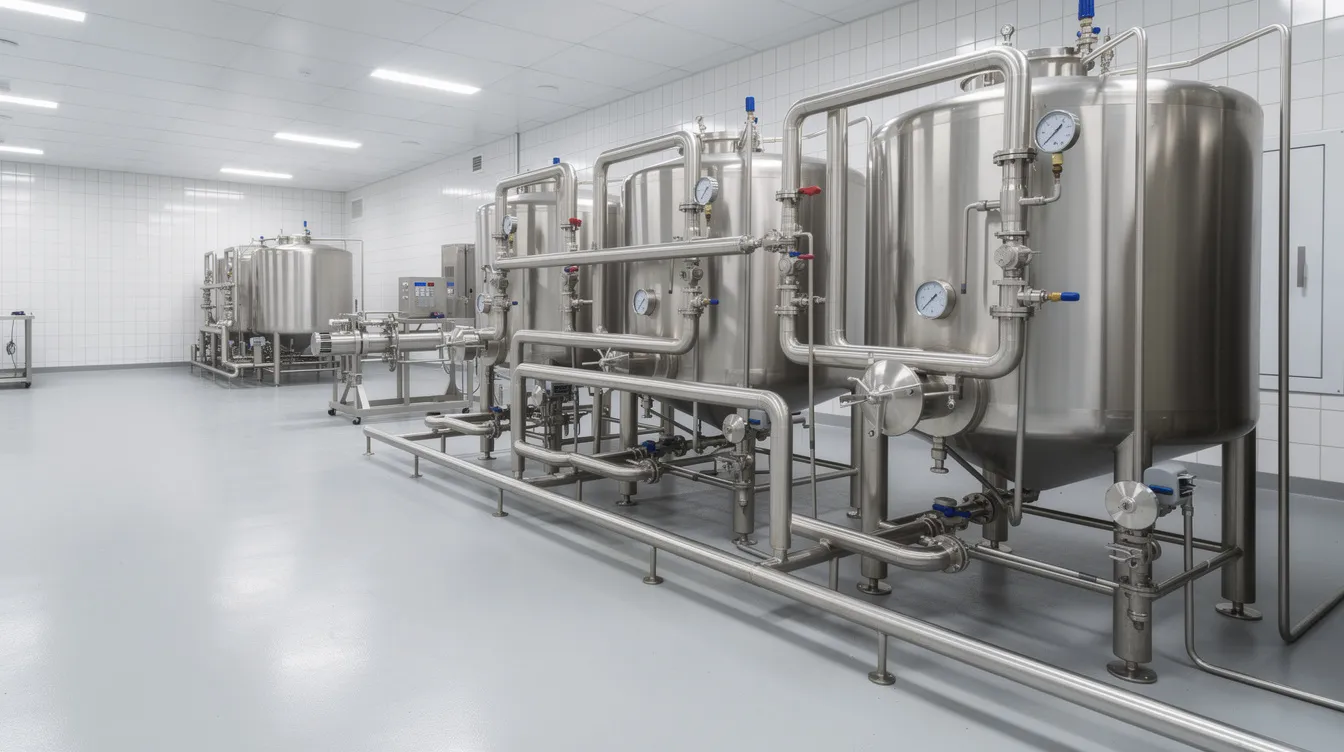
Understanding an Industrial Cream Processing Plant
An industrial cream processing plant is a purpose-built facility that receives raw milk, separates it into cream and skim milk at commercial scale, and processes the cream stream through standardization, pasteurization, cooling, and storage. A cream processing plant must cover technical feasibility and operational planning across all these stages. This is distinct from a small dairy shop with a manual cream separator; an industrial plant includes pasteurization, quality control systems, cold storage, CIP infrastructure, and often packaging lines.
The manufacturing process generates two parallel streams. The cream stream (targeted at 35-40% fat for industrial use, or 18-30% for retail products) proceeds to packaging, B2B dispatch, or further conversion into butter, ghee, or AMF. The skim milk stream (residual fat around 0.05-0.5%) goes to toned milk blending, curd production, or SMP plants.
Three operating models are common: (a) a stand-alone dairy cream processing plant selling bulk cream to bakeries, ice cream manufacturers, and food processors; (b) a cream section inside an Integrated Dairy Processing Plant handling multiple product lines; and (c) a cream processing line feeding a captive butter, ghee, or AMF production facility. Each model carries different machinery configurations, capital requirements, and revenue profiles.
Types of Cream and Product Mix Strategy
Deciding the cream product mix is a strategic business choice that drives machinery selection, packaging investment, and overall cream processing plant investment. Industry trends are important in assessing market potential for cream products, and market analysis must evaluate both retail and institutional customer segments.
Common commercial cream products include:
- Fresh cream for retail (typically 25-35% fat), sold in cups and pouches
- Table cream or cooking cream (18-25% fat), supplied to restaurants and quick commerce platforms
- Whipping cream (30-40% fat), used by bakeries and confectioners for creamy texture in desserts
- High-fat industrial cream (35-40% fat), used internally for butter, ghee, or AMF production
- Bulk cream dispatched in 20-50 kg containers or tankers to food processors, ice cream brands, and commercial kitchens
Different fat levels require different processing. Whipping cream needs homogenization and possibly stabilizers for shelf stability. Industrial cream for butter or ghee production may skip homogenization entirely. Retail cream in small cups demands higher packaging machinery investment and more cold storage space, while bulk dispatch requires simpler packaging but larger chilled storage capacity. India’s ice cream market, expected to grow at 13-15% annually, drives demand for high-fat cream as a key raw material for ice cream production and frozen dessert manufacturing, where ice cream production requires a batch freezer or continuous freezer downstream.
The cream manufacturing plant project report must clearly define the proposed project’s product range, target segments, and pricing strategy. Without this clarity, financial projections lack a defensible revenue model.
Cream Manufacturing & Processing Process Flow
Cream processing involves separating, standardizing, thermal-treating, and packaging cream. The industrial cream manufacturing process follows a defined sequence from milk reception to finished product dispatch.
| Stage | Main Operation | Purpose |
|---|---|---|
| Milk Reception | Weighing, quality testing (fat, SNF, adulteration) | Ensures correct procurement; prevents contaminated milk from entering the system |
| Filtration/Clarification | Removal of sediment, debris | Protects downstream equipment; improves product quality |
| Chilling or Preheating | Temperature adjustment for separator | Prepares milk for efficient fat separation |
| Centrifugal Cream Separation | High-speed separator splits cream and skim milk | Core fat extraction step |
| Cream Standardization | Fat level adjusted to target percentage | Product uniformity and regulatory compliance |
| Pasteurization | HTST at approximately 72-75°C for 15 seconds | Eliminates pathogens; food safety standards compliance |
| Rapid Cooling | Temperature brought to 4°C | Reduces microbial growth; preserves quality |
| Chilled Storage | Cream held in insulated, agitated tanks | Batch readiness for dispatch or downstream processing |
| Homogenization (where applicable) | Fat globule size reduction | Required for whipping cream, retail products |
| Packaging or Bulk Dispatch | Filling into cups, pouches, cans, or tanker loading | Market readiness |
The skim milk stream is generated simultaneously and can represent 80-90% of the incoming milk volume. Its utilization through toned milk, curd, paneer, or SMP is critical to overall economics. A plant that cannot profitably place its skim milk output will face margin pressure regardless of cream realization.
An automatic cream processing line may operate 8-20 hours per day depending on milk availability and refrigeration capacity. This operating assumption directly affects production volume, power consumption, and manpower cost in the cream processing plant financial projections. Exact time-temperature combinations and shelf-life parameters should comply with current FSSAI guidelines and applicable dairy standards.
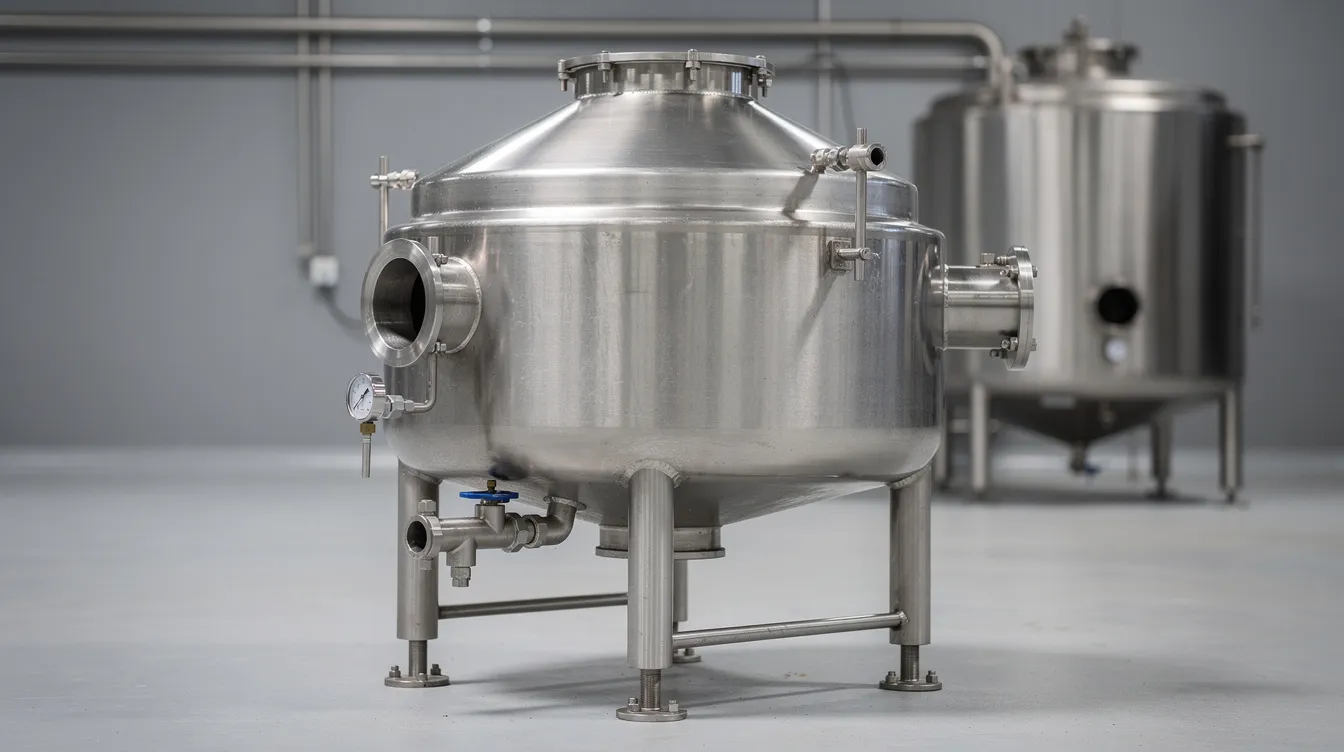
Cream Separation Process and Material Balance Logic
A centrifugal cream separator spins milk at high speed inside a disc-stack bowl. Milk fat, being less dense than the aqueous skim phase, migrates toward the center and exits through the cream outlet, while heavier skim milk exits through a separate outlet. The operator or automation system adjusts the cream fat percentage by controlling the cream-to-skim ratio at the outlets.
Raw milk quality affects the quality and safety of the final dairy product and also determines the economics of separation. A plant processing 10,000 litres/day of milk at 4.0% fat has 400 kg of fat available. At 90% fat recovery efficiency and a target cream fat of 35%, the plant produces approximately 1,030 litres of cream per day. The remaining skim milk, roughly 8,970 litres at about 0.4% residual fat, must be channelled into marketable products.
Small changes in assumed fat percentage produce measurable financial consequences. If incoming milk fat drops from 4.2% to 3.8% across a 50,000 LPD plant, daily cream output falls by about 10%, reducing annual cream revenue by several lakhs. The cream processing plant project report in India should always show a transparent material balance chart linking milk input, fat balance, cream output, skim milk utilization, and by-product revenues. Every assumption needs documentation because lenders will test them during appraisal.
Cream Processing Plant Machinery and Equipment
A detailed project report should include exhaustively listed machinery and its specifications, with each item aligned to plant capacity and product mix. Banks expect quotation-backed equipment costs, not generic catalogue numbers.
The major cream production plant machinery includes:
- Milk reception tank with electronic weigh scale
- Raw milk storage tanks (insulated, SS construction)
- Milk chilling or preheating system
- Milk clarifier (where required for high-sediment milk)
- Centrifugal cream separator machine
- Cream and skim milk balance tanks
- Cream standardization system (inline or batch)
- HTST plate heat exchanger / cream pasteurizer
- Homogenizer (for retail cream products)
- Cream storage tank with agitation and cooling jacket
- Sanitary pumps, pipelines, valves, and fittings
- CIP system for dairy plant (Cleaning-in-Place systems must be designed for effective cleaning of dairy processing equipment)
- Refrigeration system (compressors, condensers, glycol/chilled water circuit)
- Boiler or hot water generator
- Air compressor (for automation and cream packaging machine operation)
- Cold room for chilled cream storage
- Laboratory and quality inspection equipment
- Electrical panels, PLC/SCADA where automation level warrants it
- Backup power (DG set)
| Machinery/Equipment | Function | Capacity/Selection Consideration |
|---|---|---|
| Cream Separator | Separates cream from milk | LPH rating must match peak milk intake; self-cleaning preferred above 5,000 LPH |
| HTST Pasteurizer | Thermal treatment for safety | Designed for continuous operation; capacity linked to cream and milk throughput |
| Homogenizer | Reduces fat globule size | Required only for retail/whipping cream; pressure rating per product spec |
| Cream Storage Tank | Holds processed cream under chilled conditions | Sized for at least one shift’s output plus buffer; insulated with agitator |
| CIP System | Automated cleaning of all product-contact surfaces | Must cover separator, pasteurizer, tanks, and pipelines |
| Refrigeration Plant | Maintains cold chain for milk and cream | Sized for ambient Indian conditions (up to 45°C); glycol system preferred |
| Packaging Machine | Fills and seals cream into cups, pouches, or cans | Retail vs bulk; speed must match processing output |
Like ice cream plants that require pasteurizers and homogenizers for quality, cream plants share much of this equipment category, though the configuration differs based on product viscosity and fat content. Equipment in dairy processing plants typically uses food-grade SS304 stainless steel for all product-contact surfaces.
Cream processing plant machinery and equipment cost includes not just the ex-factory price but also installation, piping, electrical cabling, insulation, instrumentation, freight, and applicable taxes.
Cream Separator Machine: Core of the Cream Plant
The dairy cream separator determines cream yield, fat losses, and operating cost. A poorly selected or maintained separator loses fat into the skim milk stream; that lost fat, multiplied by current cream or ghee prices, accumulates into a measurable annual revenue loss.
Configurations range from manual machines suitable for very small capacities to fully automatic self-cleaning separators preferred for 5,000-50,000 LPH industrial operations with semi automatic control or full PLC integration. Selection parameters include milk throughput in LPH, operating temperature, adjustable cream fat setting, type of solids discharge (manual vs automatic), metallurgy (SS 304 or SS 316), and available OEM service network in India.
Cream separator machine prices vary from approximately ₹0.6-1 lakh for 500-1,000 LPH units to ₹4-8 lakh or more for 3,000-5,000 LPH industrial separators. Larger, fully automatic units for large scale industrial production cost more. The cream processing plant project report should use vendor quotations obtained in the actual project year, with taxes, freight, and commissioning separated as line items.
Plant Capacity Planning and Skim Milk Utilization
Plant capacity should be expressed in litres of milk handled per day (e.g., 10,000 LPD, 50,000 LPD) and operating hours per shift, because cream output volume depends on incoming milk fat and target cream fat, not just separator speed. Plant capacity should be aligned with projected market demand and operational limits. The process design phase should ensure sufficient capacity for both raw milk intake and final product output, and production capacity should be sized for 1.5 times projected demand to accommodate flush-season peaks.
Typical capacity bands in India:
- Smaller commercial cream line: 5,000-10,000 LPD milk input
- Medium industrial cream line: 20,000-50,000 LPD
- Large integrated dairy: 1-5 lakh LPD, with the cream line as one module
Capacity planning must integrate assured milk procurement from dairy farmers and collection centres, seasonal availability (flush vs lean), expected average fat percentage (cow milk at 3.5-4.0% vs buffalo milk at 6-7%), downstream butter/ghee/AMF plans, and available cold storage and packaging capacity.
Skim milk handling is often under-estimated. The DPR should explicitly state how many litres of skim milk will be converted to which products and at what realization per litre. Over-sizing the cream separator and pasteurizer based only on optimistic demand projections can lead to underutilized fixed assets and poor DSCR, which lenders scrutinize closely. For comparison, even a small ice cream manufacturing unit produces 1,000 litres per day and needs its plant capacity carefully matched to market demand; the same discipline applies to cream plants at far larger scale.
Raw Materials, Land, Building & Utilities
Raw Materials and Consumables: The key raw materials for a cream processing plant are raw milk (primary input, procured on fat/SNF-linked pricing from cooperative or private milk collection networks), potable and process water, food-grade packaging materials (pouches, cups, HDPE cans, cartons), cleaning chemicals for CIP, water-treatment chemicals, refrigerants, and laboratory consumables. Raw material costs dominate operating expenses. Quality control at the milk reception stage, including fat testing and adulteration checks, prevents downstream losses.
Land and Building: Plant layout must facilitate a hygienic workflow to prevent cross-contamination. Key zones include: milk reception and testing area, processing hall (separator, pasteurizer, homogenizer), cream and skim storage area, packaging hall, cold rooms for chilled cream and finished products, utility block (boiler, refrigeration, compressors), laboratory, administration and stores, and loading/unloading bays. Plant size varies with capacity and integration level.
Utilities: Major requirements include power (HT/LT connection for motors, refrigeration, and automation), a refrigeration system for cream plant operations sized for Indian ambient temperatures up to 45°C, chilled water or glycol circulation, steam or hot water for pasteurization and CIP, compressed air for packaging machines, an effluent treatment plant (environmental management must address wastewater treatment from dairy operations), and backup generators. Plants need cold storage for at least three days of output to handle dispatch fluctuations and quality inspection holds.
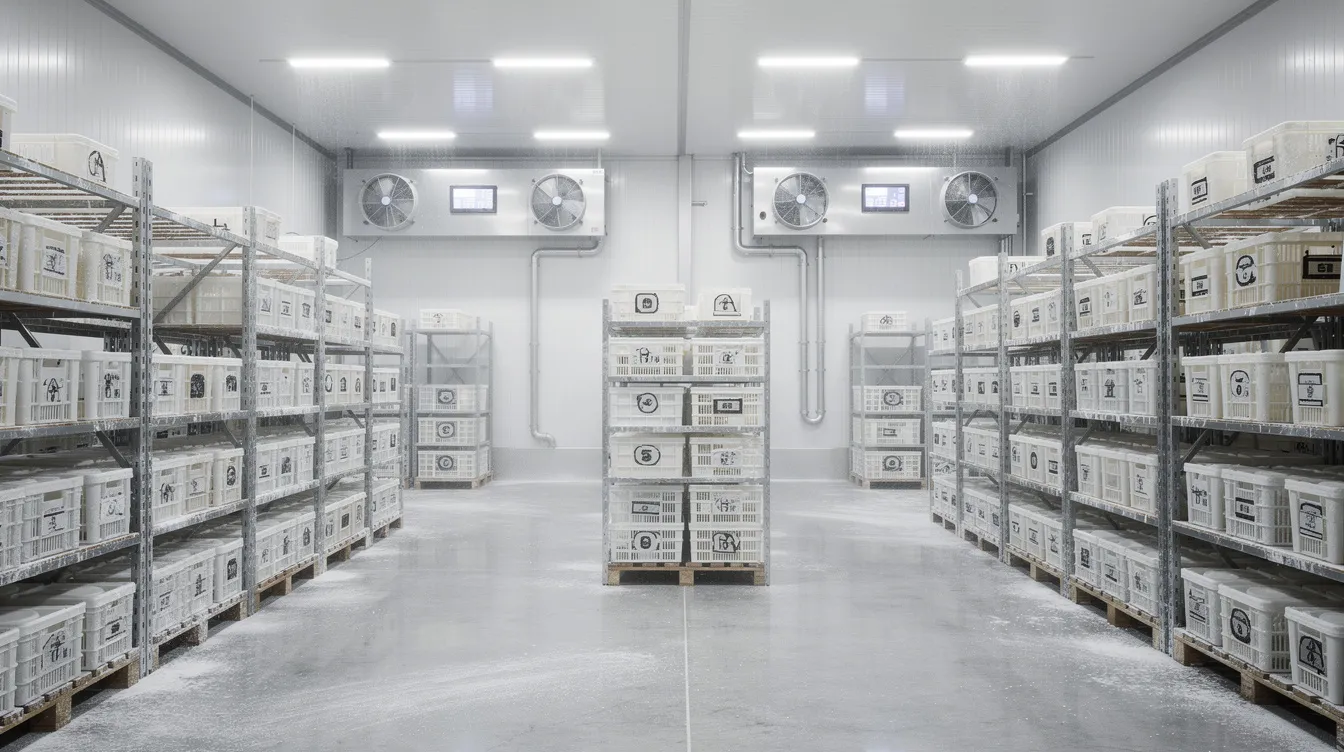
Cream Processing Plant Setup Cost and Cost Components
Cream processing plant setup cost in India cannot be quoted as a single number because it depends on capacity, automation level, construction scope, integration with downstream plants, and geographic location. A useful DPR breaks the cost into clear, verifiable components.
| Cost Head | Main Components | Key Cost Driver |
|---|---|---|
| Land | Site acquisition or lease | Location; proximity to milk-shed area |
| Site Development & Civil | Foundation, building, insulated rooms, flooring, drainage | Plant size; local construction rates |
| Cream Processing Machinery | Separator, pasteurizer, homogenizer, tanks, piping | Capacity (LPH); automation level |
| Refrigeration & Cold Rooms | Compressors, condensers, insulated panels, glycol system | Ambient temperature; storage volume |
| Boiler / Hot Water | Steam or hot water generation for pasteurization and CIP | Fuel type; capacity |
| Water Treatment & ETP | Softener, filtration, effluent treatment | Water quality; discharge norms |
| Electrical Installation | Panels, cabling, earthing, PLC/SCADA | Connected load; automation |
| Packaging Line | Filling, sealing, labeling machines | Retail vs bulk; speed |
| Laboratory | Testing equipment, sampling, quality inspection instruments | Product range; FSSAI requirements |
| Pre-operative Expenses | Recruitment, trials, consultancy, license fees | Complexity of approvals |
| Interest During Construction | Financing cost during build period | Loan amount; construction duration |
| Contingency | Unforeseen overruns | Typically 5-10% of project cost |
| Working Capital Margin | Promoter’s contribution toward working capital | Milk procurement cycle; receivable period |
Machinery and equipment cost in dairy cream plants is often 35-60% of total fixed capital, but may be lower where land and civil construction are expensive. For reference, a 10,000 LPD milk processing plant (including a cream line) excluding land can cost approximately ₹5-7 crore in 2026. Machinery cost alone for a 5,000-10,000 LPD semi-automatic system ranges from ₹1.5-3 crore. At 20,000 LPD with medium automation, machinery cost rises to ₹3.5-6 crore. For comparison, starting an ice cream plant requires an investment of about ₹25,00,000, and ice cream plant setup costs start around ₹25 lakh for machinery alone at small scale. A small ice cream plant needs about ₹25 lakh for machinery, illustrating how equipment costs scale across dairy product categories.
The total project cost differs from machinery cost. It includes civil works, utilities, installation, pre-operative expenses, and margin money for working capital. The cream processing plant project report should clearly distinguish between machinery cost, fixed capital requirement, and total cream processing plant project cost.
Working Capital, Revenue Model & Profitability Drivers
After commissioning, the plant’s viability depends on working capital support for daily milk procurement, packaging material inventory, and credit extended to institutional buyers.
| Working Capital Component | Why Required | Key Variable |
|---|---|---|
| Raw Milk Purchase | Daily/weekly procurement payments to dairy farmers and suppliers | Milk price; procurement volume |
| Packaging Materials | Stock of pouches, cups, cans, cartons | Product mix; batch sizes |
| Finished Goods | Chilled cream in cold storage awaiting dispatch | Delivery time; cold storage capacity |
| Trade Receivables | Credit to bakeries, food processors, institutional buyers | Payment terms; buyer profile |
| Operating Expenses | Power, refrigeration, labour, transport | Season; operating hours |
Revenue streams include sale of branded cream to retail, bulk cream to bakeries and food processors (who may also buy flavors like vanilla and chocolate cream for confectionery), cream diverted to in-house butter or ghee production, and parallel sale of skim milk products. Some plants supply cream at competitive prices to ice cream manufacturers and national brand frozen dessert producers who need consistent fat input for ice cream manufacturing.
Profit margins in cream processing depend on the spread between milk procurement cost and blended realization from cream plus skim milk. Unlike ice cream plants where profit margins typically range from 40-50%, cream processing margins are typically narrower and more sensitive to milk price fluctuations. A small ice cream plant producing 1,000 litres daily can earn ₹50,000-₹1,00,000 monthly, but cream processing revenues and margins scale differently because cream is often an intermediate product rather than a final consumer good.
The cream processing plant profitability section of the DPR should show realistic scenarios for Year 1-5 utilization (for example, 50%, 65%, 75% capacity) rather than assuming full capacity from the first year. By the fifth year, a well-managed plant should reach steady-state utilization that supports comfortable debt service.
Financial Projections, DSCR & Bankability
A bankable cream processing plant project report translates the technical design into financial statements: project cost, means of finance, 5-7 year projections, and key ratios. Financial projections typically include cash flow statements and profitability analysis over several years. Financial projections should also include a 5-year revenue forecast covering cream sales, skim milk realization, and any downstream fat-product revenue.
The financial model should include: projected production volume based on production capacity and utilization rates, projected sales by product, raw material consumption (milk, packaging), utility costs (power, fuel, water), manpower, repairs, administrative overhead, and financing costs (interest, processing fees).
DSCR (Debt Service Coverage Ratio) measures whether the plant’s projected cash generation can cover term loan interest and principal repayments in each year. Banks typically expect DSCR comfortably above 1.25 in all projected years. Optimistic sales assumptions can inflate DSCR artificially; conservative, internally consistent projections carry more weight during appraisal. Sensitivity analysis should assess impacts of changes in input costs and selling prices, covering scenarios such as 5-10% increases in milk procurement cost, 5-10% declines in cream selling price, and lower-than-planned capacity utilization.
Financial metrics should include ROI, NPV, and break-even analysis for project viability. Break-even for comparable dairy processing operations (for example, break-even for ice cream manufacturing usually takes 3-5 years) serves as a useful reference point for lenders assessing cream processing proposals. The cream processing plant loan project report and CMA data should be internally consistent; milk procurement volumes, cream output, sales, and working capital cycle must match across all financial statements.
Capital subsidies and government subsidies available under central or state MSME and food processing schemes can reduce the promoter’s equity burden, but should not be assumed as confirmed until formally sanctioned.
Regulatory Approvals, Risks & Integration with Butter/Ghee/AMF
Beyond engineering and finance, an industrial cream manufacturing plant must operate within India’s regulatory framework and manage business risks.
Regulatory requirements typically relevant include: entity registration (company, LLP, or partnership), FSSAI license for dairy processing (regulatory compliance includes obtaining licenses like FSSAI and environmental clearances, and ice cream plants also require FSSAI food licenses), GST registration, factory license, pollution control board consent and ETP approval, boiler registration where applicable, fire safety certification, labour law registrations, and adherence to applicable dairy and food safety standards. FSSAI guidelines require documented SOPs for sanitation, testing, and appropriate plant design. Quality assurance protocols should implement microbiological testing and traceability measures in dairy products. Requirements vary by state and plant size; verification with local authorities is essential.
Project risks that a risk analysis in a project report should address include potential market, supply, and operational risks:
| Risk | Possible Impact | Mitigation |
|---|---|---|
| Milk procurement volatility | Revenue shortfall; production disruption | Long-term contracts; own collection network |
| Seasonal fat variation | Lower cream output in lean season | Flexible production planning; buffer storage |
| Cold chain failure | Product spoilage; rejection | Redundant refrigeration; backup power |
| Energy price rise | Higher operating cost; margin compression | Energy-efficient equipment; captive solar where suitable |
| Competition from established dairy brands | Selling price pressure | Product differentiation; institutional tie-ups |
| Under-utilization of skim milk | Lost revenue on 80-90% of milk input | Diversified product mix (curd, paneer, SMP) |
Many promoters increase value realization by adding downstream butter, ghee, or AMF plants. Readers evaluating this option should consult dedicated resources on industrial butter manufacturing process, industrial ghee manufacturing process, Industrial Ghee Manufacturing Plant Setup Cost in India, Ghee Manufacturing Plant Machinery & Equipment Cost, and the Anhydrous Milk Fat (AMF) Manufacturing Plant Project Report and AMF Manufacturing Process, Machinery & Production Technology.
The DPR should document major risks and mitigation strategies, including diversification of product mix and conservative financial leverage.
What a Bankable Cream Processing Plant DPR Should Contain
Lenders in India expect a structured cream processing plant DPR, not a machinery quotation list. The project report should include market analysis, technical specifications, and financial projections tied together by consistent assumptions.
Major sections in a professional feasibility report:
- Executive summary and promoter profile
- Industry and market overview (cream, dairy fat, and downstream product demand)
- Proposed products, product range, and plant capacity
- Cream manufacturing process description with flow diagram and material balance
- Machinery and technology selection with vendor quotations
- Land, building, and utility details
- Manpower requirement and organisation chart
- Implementation schedule outlining key milestones from land acquisition to commercial production
- Project cost with detailed breakup (the total project cost, not just machines)
- Means of finance (promoter equity, term loan, eligible subsidies)
- Working capital assessment
- Projected profit and loss, balance sheet, and cash flow for at least 5 years
- Break-even analysis, DSCR, ROI, IRR, and payback period
- Sensitivity analysis on milk cost, cream selling price, and capacity utilization
For bank appraisal, the DPR should annex vendor quotations, civil cost estimates, utility quotations, and CMA data. Promoters planning integrated dairy operations involving cream, butter, ghee, or AMF should demarcate cream-line investments and revenues clearly to support both internal decision-making and lender evaluation.
Conclusion: Using the Project Report to Take an Informed Decision
The viability of a dairy cream processing plant rests on combined economics: milk procurement cost, fat recovery efficiency, cream and skim milk realization, capacity utilization, cold chain performance, product mix, and financing structure. Cream processing equipment cost is one component; it is not the total investment or the sole driver of returns.
A well-prepared cream processing plant project report integrates engineering design, accurate material balance, realistic market and price assumptions, detailed project costing, means of finance, working capital planning, profitability analysis, DSCR, and sensitivity analysis. Promoters should treat this report as a decision-support tool first and a loan application document second; the numbers must remain conservative and implementable.
Before finalizing investment decisions, obtain updated machinery quotations, civil and utility estimates, validate regulatory requirements for your specific state and product mix, and confirm milk procurement arrangements. Additional information on downstream processing and related dairy projects is available through the linked resources throughout this article. An industrial cream processing plant, when planned on sound technical and financial foundations, can become a stable, long-term value creator within a broader dairy business strategy in India.
Frequently Asked Questions (FAQ)
What is the main objective of an industrial Cream Processing Plant?
The primary objective is to separate cream from raw milk at commercial scale using centrifugal separation, then standardize, pasteurize, and store the cream under chilled conditions. The processed cream can be sold as a finished product to retail or institutional buyers, or used as an intermediate input for butter, ghee, AMF, and other dairy-fat products. The plant simultaneously generates skim milk, which must be channelled into marketable products for the overall economics to work.
How does cream processing compare with ice cream manufacturing in terms of investment?
These are different segments of dairy processing. Ice cream plant setup costs start around ₹25 lakh for small-scale operations; a small ice cream manufacturing unit produces about 1,000 litres per day and can earn ₹50,000-₹1,00,000 monthly. Ice cream plants require a commercial ice cream machine, batch freezer, pasteurizer, homogenizer, and ice cream freezer for hardening, with a focus on ice cream plant layout that ensures hygienic workflow. The global ice cream market is expected to reach USD 102.38 billion by 2034, with the ice cream market expected to exhibit a CAGR of 2.95% from 2026 to 2034. Cream processing plants, by contrast, handle higher milk volumes and supply cream to multiple downstream industries including ice cream manufacturers, making them a different scale of investment with different risk and return profiles. Ice cream plants also feature cones and cups as packaging, sugar and vanilla as common ingredients, and focus on flavors like chocolate; their easy access to consumers through quick commerce platforms differs from the B2B orientation of most cream plants.
Can a cream plant be viable without downstream butter or ghee production?
A stand-alone cream plant can be viable if it has reliable B2B customers such as bakeries, food processors, hotels, ice cream brands, and leading manufacturers requiring consistent cream supply. Strong skim milk utilization is equally important. However, many promoters in India improve profit margins and asset utilization by integrating a butter or ghee production line, because downstream conversion captures additional value from the same fat content and reduces dependence on a single product’s selling price.
What documents do banks typically expect with a Cream Processing Plant DPR?
Banks generally require: the detailed project report with technical and financial sections, CMA data in the applicable format, KYC documents and financial statements of the promoters, net-worth and income proofs, vendor quotations for major machinery and civil/utility items, land ownership or lease documents, a regulatory-approval roadmap, and projected DSCR and financial ratios. Exact requirements vary by bank, lending scheme, and loan amount. The DPR serves as the central document around which the bank structures its appraisal and term loan assessment.
How often should assumptions in a Cream Processing Plant Project Report be updated?
Key assumptions such as milk procurement cost, cream and ghee selling prices, energy tariffs, packaging costs, and interest rates should be reviewed at least once before financial closure and again before any major capacity expansion. Milk prices can shift by ₹2-4 per litre across seasons, and cream realization varies with butter and ghee market cycles. Updating assumptions ensures the proposed project continues to remain financially feasible under current market conditions rather than relying on data that may be 12-18 months old. This practice also strengthens credibility with lenders during review or renewal of facilities.