Key Takeaways
- A modern Indian solvent extraction plant typically recovers approximately 180–190 kg of crude soybean oil and 780–790 kg of de-oiled soybean meal from 1,000 kg of good-quality soybeans, with the balance accounted for by hulls, moisture adjustment and handling losses.
- Even a 1–2 percentage point change in oil recovery or meal recovery percentage can shift a soybean crushing plant from profit to loss, making recovery the single most important technical variable in project profitability.
- Soybean processing yield and losses depend on seed quality, moisture content, dehulling efficiency, chosen extraction technology, plant scale and day-to-day operational discipline.
- Investors, banks and project promoters must base their Detailed Project Reports, CMA Data and financial projections on realistic, technically grounded oil and meal recovery percentages rather than optimistic vendor claims.
- This article, written from my professional perspective as CA Manish Gugliya, explains mass balance, cost per MT, crushing margins, capacity-wise profitability from 500 to 5,000 TPD, sensitivity analysis, IRR, DSCR and the documentation required for project finance.
1. Introduction – Why Soybean Oil and Meal Recovery Drives Profitability
In soybean crushing, even a 1–2 percentage point change in oil recovery or meal recovery can make the difference between a profitable operation and an unviable one. A solvent extraction plant processing 1,000 tonnes per day cannot afford to leave recoverable oil in its meal or dispatch under-specification meal to buyers. The margins are narrow, and recovery efficiency is the technical lever that most directly controls the financial outcome.
Soybean oil production and soybean meal production are inseparable. Every tonne of soybeans yields both oil and meal. The crushing margin depends on the combined realisation from both outputs, not just one. Recovered soybean oil and meal are crucial for the global food supply and livestock nutrition, and processing both products from soybeans enhances sustainability and reduces waste. Soybean oil recovery contributes to multiple revenue streams for agricultural producers and processors alike.
The key drivers of profitability in this business include raw soybean procurement price, intrinsic oil and protein composition of the seed, oil extraction efficiency, meal quality and protein percentage, plant utilisation, power and fuel cost, labour, solvent consumption, and working capital interest cost. Profitability is not determined by any single factor but by the combination of all these variables working together.
The core commercial indicator that links technical recovery to financial outcomes is the crushing margin per MT – the difference between total product revenue and raw material cost for each tonne of soybeans processed. This is the number that entrepreneurs, investors and banks examine most closely. Through Project Report Bank, I have prepared DPRs, CMA Data and financial models for soybean crushing plants across India, and the recurring observation is that projects succeed or fail based on the realism of their recovery and price assumptions.
2. Understanding Soybean Oil and Meal Recovery
Indian soybeans (Glycine max) arriving at the plant gate typically contain oil in the range of 17–20%, protein between 38–42%, moisture content around 10–12%, with the remainder comprising hulls, fibre and minor impurities. Varietal trials conducted by ICAR across Madhya Pradesh have documented oil content ranging from approximately 16.8% to 20.2% across 154 genotypes, with protein from 36.1% to 41.2%. Popular soybean varieties such as JS 20-98 and NRC 127 typically show oil content of 18–19%.
There is a critical distinction between theoretical oil content measured in the laboratory using Soxhlet analysis and commercially recoverable soybean oil. Laboratory methods extract nearly all lipids under controlled conditions, but a commercial plant faces practical constraints: dehulling efficiency, flaking thickness, conditioning temperature and time, solvent contact in the extractor, and desolventising all introduce small but cumulative losses. Extraction efficiency in well-designed solvent extraction plants typically reaches 94–97% of theoretical oil content.
The terminology matters for financial models. Soybean meal produced via solvent extraction with hulls included typically has 44–46% protein, fibre around 6–7%, and residual oil below 1.5%. High-protein de-oiled soybean meal, where hulls are removed before or after extraction, reaches approximately 47–49% protein with fibre under 3.5%. Mechanically pressed soybean cake retains higher residual oil, commonly 4–8%, which dilutes protein concentration on a percentage basis. Raw soybeans are conditioned through cleaning, cracking, dehulling, and flaking before oil extraction begins – this first step in seed preparation materially affects downstream recovery. In financial models and DPRs, we never use the theoretical oil percentage directly; instead, we adopt conservative, plant-specific recovery percentages based on technology guarantees and industry benchmarks.
3. Soybean Oil Recovery from One Metric Tonne – Practical Mass Balance
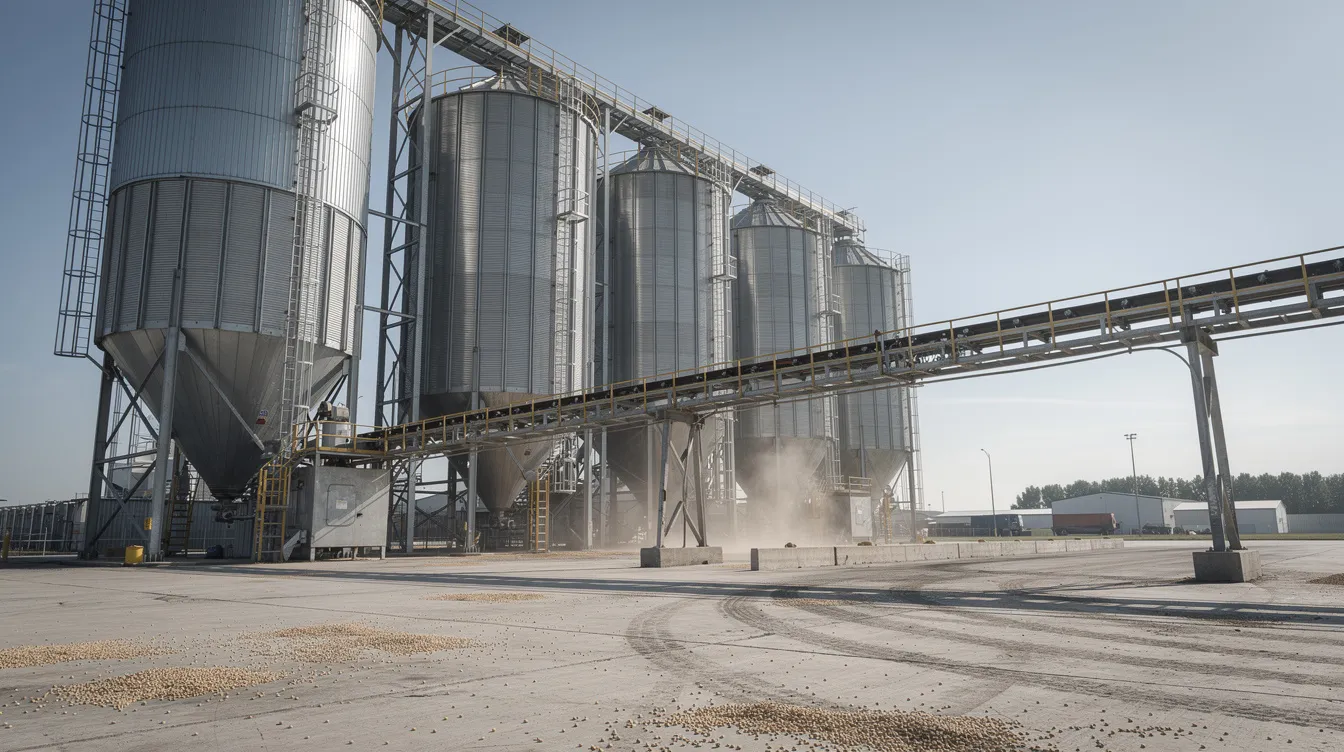
This section answers the practical question every promoter asks: from 1,000 kg of soybeans, how much soybean oil and soybean meal do we actually get? The following illustrative mass balance reflects typical modern Indian solvent extraction conditions with a pre-press stage, processing good-quality cleaned soybeans with approximately 19% oil content.
| Item | Quantity (kg) | % of Input |
|---|---|---|
| Raw soybeans input (moisture ~11%) | 1,000 | 100.0% |
| Crude soybean oil recovered | 185 | 18.5% |
| De-oiled soybean meal (residual oil ~1%) | 785 | 78.5% |
| Soybean hulls and fines | 20 | 2.0% |
| Moisture adjustment and handling losses | 10 | 1.0% |
| Total outputs | 1,000 | 100.0% |
This is an illustration, not a guarantee. If seed oil content is lower – say 17%, which can occur with certain environmental conditions or varieties – crude oil recovered might drop to 165–170 kg per tonne. Conversely, high-oil genotypes exceeding 20% oil could yield 190–195 kg under optimal conditions. Regional differences matter: soybeans from Madhya Pradesh and Maharashtra can differ by 1–2 percentage points in oil content depending on the harvest season and cultivation practices.
Proper preparation of soybeans improves oil recovery and reduces processing losses. It is equally important to note that soybean oil extraction yields about 19% oil from crushed soybeans under favourable conditions, but this figure is not universal. Crude soybean oil must undergo refining processes to be suitable for consumption or industrial use. The oil recovery process includes degumming, neutralization, bleaching, and deodorization of crude oil, and these refining steps can reduce the saleable refined oil quantity by 2–5% relative to crude oil weight.
For a conservative DPR, I typically work with oil recovery assumptions of 18–18.5% rather than peak technical capability, building in a safety margin that lenders and investors can accept with confidence.
4. Soybean Meal Recovery, Quality and Commercial Pricing
Soybean meal is not a by-product – it is a primary revenue driver. Soybean meal is the primary protein-rich by-product after oil extraction, and about 98% of soybean meal is used as animal feed globally. Soybean meal is primarily fed to poultry, swine, and cattle, making it indispensable to the livestock and aquaculture industries. Globally, only 2% of soybean meal is used for human consumption, where soy flour is made from soybean meal and used in various food products.
Solvent extraction typically yields 78–80% meal by weight of raw soybeans when hulls are included (44–46% protein), and somewhat lower mass – perhaps 72–75% – when hulls are removed to produce high-protein meal at 47–49% protein. Residual oil in solvent-extracted meal is generally 0.5–1.0%, compared with 6–8% in mechanically pressed cake. Moisture specifications for commercial meal are typically limited to 11–12% to prevent spoilage, ensure accurate weight-based billing, and meet export-quality standards.
Soybean meal provides essential amino acids, particularly lysine, which complements cereal grains in feeding programs for poultry and pigs. It serves as a crucial ingredient in aquaculture feeds, and high-protein soybean meal is increasingly replacing fish meal in feeds for farmed fish and other species. Beyond direct feed use, soybean meal acts as a flexible base that can be further processed into isolates or concentrates for food and industrial applications.
Dehulling reduces total meal tonnage but raises protein percentage per kg, often fetching a premium in poultry, aquafeed and pet food markets. Buyers track critical quality parameters including protein, fibre, urease activity and trypsin inhibitor destruction through adequate toasting. Over-toasting damages amino acid digestibility while under-toasting leaves anti-nutritional factors active – both result in commercial penalties or rejections.
5. Soybean Processing Yield and Losses – Where Do the Kilos Go?
Losses in the soybean oil extraction process are a combination of physical materials removed during pre-cleaning, oil left in meal or soapstock, moisture adjustments, and unavoidable handling wastage. Not all weight changes represent actual loss – some are deliberate moisture removal or separation of non-value components.
Pre-cleaning and grading typically remove 1–2% of incoming mass as foreign matter, stones and dust. Dehulling separates soybean hulls, but if equipment is not well adjusted, some fines and small beans get carried into the hull stream, representing a loss of valuable kernel. During extraction, residual oil remaining in meal at 0.5–1.0% instead of zero represents oil that was not commercially recovered. Additionally, the Desolventizer-Toaster-Dryer-Cooler system removes residual solvent from soybean meal, and improper operation – either over-drying or under-drying – causes either weight loss or quality issues. Storage and internal logistics add small spillages and moisture variation between weighbridge and dispatch.
It is important to distinguish between accounted loss (moisture deliberately removed, volatile solvent flashed off) and unaccounted loss or shrinkage, which lenders and auditors scrutinise closely during plant performance reviews. In my experience, bankers pay close attention to this distinction when evaluating whether recovery assumptions in a DPR are realistic.
Consider a practical example: for a 1,000 TPD plant operating 300 days per year, a 0.5% difference in residual oil in meal translates to approximately 1,500 tonnes of additional oil recovery annually. At an illustrative crude oil value of ₹100 per kg, this represents roughly ₹15 crore in additional annual revenue – a figure that can shift a project from marginal to comfortably profitable.
Soybean yields are also affected upstream. Agricultural research has observed that soybean yield loss was 902.86 kg/ha in dry season and 1,007.92 kg/ha during the rainy season due to various factors. Plant mortality increased during the dry season due to pests, while stink bugs caused significant grain losses during the rainy season. Fungal infections were primary contributors to grain yield losses, and flower abortion and pod malformation consistently affected yields across seasons. These pre-harvest losses among farmers affect the quality and composition of beans reaching the plant, influencing the seed quality that processors must work with.
6. Mechanical Expeller vs Solvent Extraction Technology
Three broad technology paths exist for soybean oil extraction: standalone mechanical expellers, full solvent extraction plants, and integrated pre-press plus solvent extraction systems.
Mechanical pressing is commonly used for smaller scale or specialty soybean oil extraction. It typically recovers 60–70% of oil from soybeans, leaving residual oil in the cake at 4–8%. The process is simpler, requires lower capital investment and can be viable at capacities below 100 TPD. However, the lower oil recovery and higher residual oil in mechanically pressed meal, which is typically higher than in solvent-extracted meal, significantly reduces crushing margins at scale.
Solvent extraction can achieve over 98% oil recovery from soybeans, bringing residual oil in meal down to 0.5–1.0%. The oil extraction process generally results in lower residual oil in the final meal compared to mechanical pressing. This technology is economically justified from approximately 200–300 TPD upward, where the higher capital investment is offset by superior recovery. Research indicates that hexane extraction is profitable above 173 million kg of oil production annually, while the extruding-expelling process reaches profitability starting at 12.81 million kg annually. Enzyme-assisted aqueous extraction has been estimated to become profitable over 17 million kg production.
For detailed equipment configurations, design considerations and selection criteria, I have discussed these comprehensively in the separate guide on soybean processing plant machinery and extraction technology. Capital investment, operating cost structure, energy intensity, solvent cost and losses, and maintenance complexity all differ materially between these routes.
DPRs must explicitly state the chosen process route because oil recovery, meal quality and bankable financials all depend on this choice. The technology decision is not merely technical – it directly determines the financial model.
7. Soybean Crushing Plant Mass Balance – 100 MT Input Example
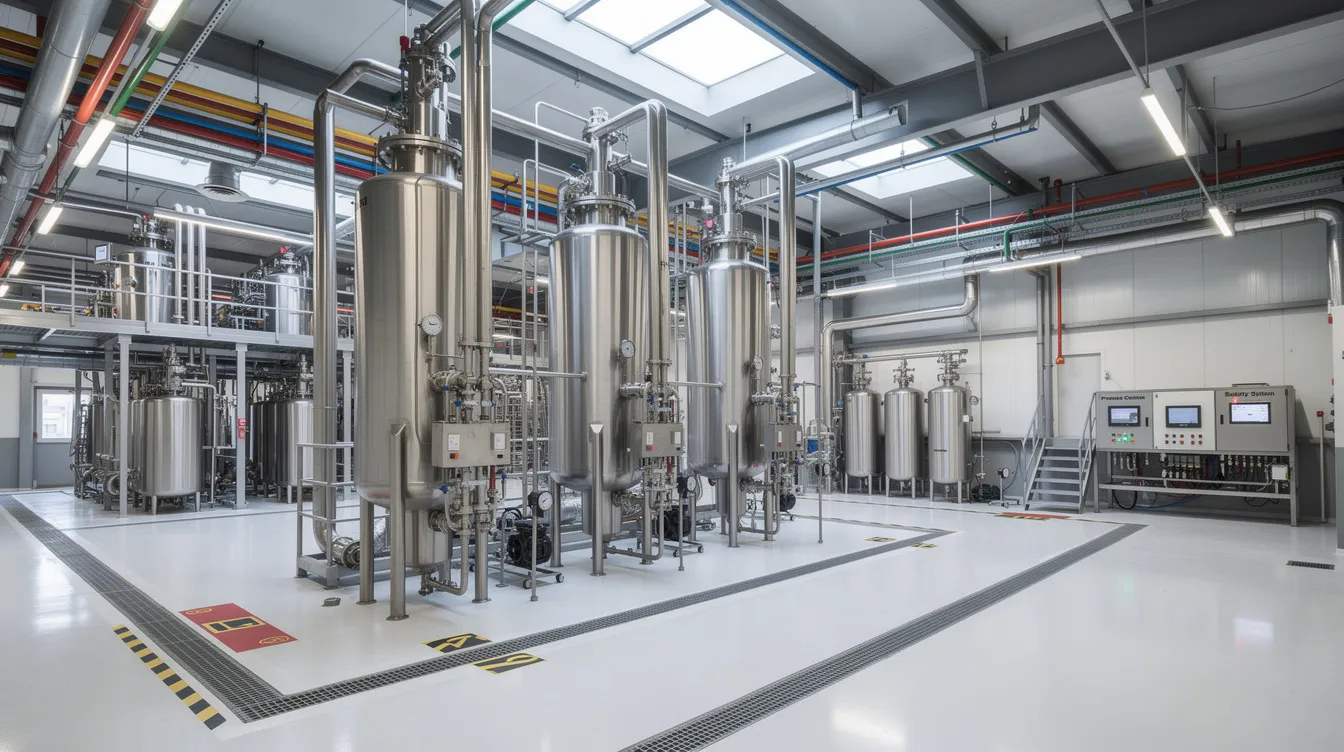
Lenders frequently ask promoters to present a clear input–output statement for a standard batch. The following table scales the earlier 1 MT mass balance to a 100 MT batch, maintaining internally consistent solvent extraction recovery assumptions.
| Item | Quantity (kg) | % of Raw Soybean |
|---|---|---|
| Raw soybeans input | 100,000 | 100.0% |
| Cleaned soybeans (post pre-cleaning) | 98,500 | 98.5% |
| Crude soybean oil recovered | 18,500 | 18.5% |
| De-oiled soybean meal produced | 78,500 | 78.5% |
| Hulls and fines | 2,000 | 2.0% |
| Moisture adjustment and process losses | 1,000 | 1.0% |
| Total outputs | 100,000 | 100.0% |
This mass balance converts directly into revenue projections: multiply each saleable product quantity by its assumed ex-mill price to arrive at total realisation per 100 MT. For instance, if crude oil sells at ₹100/kg and meal at ₹38/kg, the 100 MT batch yields approximately ₹1.85 crore from oil and ₹2.98 crore from meal.
Bankers and investors cross-check DPR assumptions against such transparent mass balance statements. Any inconsistency between the claimed recovery, the production programme and the revenue projections raises immediate credibility questions.
8. Soybean Crushing Cost per MT – Illustrative Operating Cost Build-Up
Understanding the cost of converting soybeans into oil and meal – separate from the raw material cost – is essential for margin analysis. Operating costs include material, utility, and labor expenses. The following illustrative table summarises variable processing costs per MT of soybeans processed.
| Cost Head | Illustrative Cost (₹/MT) |
|---|---|
| Power and fuel (electricity, steam) | 550–700 |
| Hexane solvent make-up and losses | 80–120 |
| Direct production labour | 100–150 |
| Repairs and maintenance | 80–120 |
| Packaging and dispatch (meal and oil) | 100–150 |
| Miscellaneous consumables | 40–60 |
| Total variable processing cost | 950–1,300 |
These are illustrative assumptions for a medium-to-large solvent extraction plant, not current market rates.
Beyond variable costs, fixed factory overheads – including management salaries, administrative expenses, insurance and property taxes – typically add ₹300–500 per MT depending on scale. Non-cash costs like depreciation and financing costs (interest on term loan and working capital) are calculated separately in the financial model.
To illustrate sensitivity: if the power tariff increases by 15%, the power cost component rises by approximately ₹85–105 per MT, directly reducing contribution. For a 1,000 TPD plant, this translates to roughly ₹2.5–3.0 crore in additional annual cost.
9. Soybean Oil and Meal Revenue Calculation per MT
Total realisation per MT is the summation of revenues from crude soybean oil, de-oiled soybean meal and any by-products such as hulls. Soybean oil is extensively used in cooking and food manufacturing, and it can also be processed into biodiesel and is used in various industrial applications.
| Product | Qty per MT (kg) | Illustrative Price (₹/kg) | Revenue (₹/MT) |
|---|---|---|---|
| Crude soybean oil | 185 | 100 | 18,500 |
| De-oiled soybean meal | 785 | 38 | 29,830 |
| Hulls and by-products | 20 | 10 | 200 |
| Total realisation | – | – | 48,530 |
Prices are illustrative for example purposes only, not current market quotations. Actual DPRs must use up-to-date local prices.
Small price movements create significant impact. A ₹5/kg change in soybean oil price alters revenue by ₹925 per MT. A ₹1.50/kg change in meal price shifts revenue by ₹1,178 per MT. These swings, applied across 300,000 MT annual throughput for a 1,000 TPD plant, represent tens of crores in annual revenue variation.
The gross crushing margin equals total realisation minus raw soybean cost, prior to considering processing expenses.
10. Soybean Crushing Plant Profitability and Crushing Margin
Three distinct margin levels must be clearly understood:
- Gross crushing margin = Total product revenue per MT minus raw soybean cost per MT.
- Contribution per MT = Gross crushing margin minus variable processing costs per MT.
- EBITDA per MT = Contribution minus fixed operating overheads allocated per MT.
| Item | ₹ per MT (Illustrative) |
|---|---|
| Total realisation (from Section 9) | 48,530 |
| Less: Raw soybean cost | 42,000 |
| Gross crushing margin | 6,530 |
| Less: Variable processing cost | 1,100 |
| Contribution per MT | 5,430 |
| Less: Fixed overheads (allocated) | 400 |
| EBITDA per MT | 5,030 |
Depreciation, interest and tax are not included in EBITDA. Net profit will be materially lower after accounting for these charges. Overall project returns depend on total fixed capital investment, which is discussed in detail in the guide on soybean crushing plant setup cost and investment. Yield assumptions, investment size and finance terms must all be viewed together.
Crushing margins are cyclical and volatile. No DPR should assume a single high-margin scenario for all 10–12 projection years. Published Indian crush parity estimates have demonstrated that margins can swing from positive ₹3,000/MT to negative ₹800/MT within a single season depending on price movements.
11. Profitability for 500–5,000 TPD Soybean Processing Plants
As we scale from 500 TPD to 5,000 TPD, unit fixed costs generally decline, but procurement logistics, working capital requirements, market absorption for large output volumes, and management complexity increase. Profitability does not grow linearly with capacity.
Research suggests that soybean oil production is generally profitable above 12 million kg annually, providing a baseline threshold for project viability estimation.
| Capacity (TPD) | Operating Days | Utilisation (Stabilised) | Annual Soybean Input (MT) | Estimated Oil Output (MT) | Estimated Meal Output (MT) | Revenue Scale |
|---|---|---|---|---|---|---|
| 500 | 300 | 85% | 127,500 | 23,588 | 100,088 | ₹500–700 Cr range |
| 1,000 | 300 | 85% | 255,000 | 47,175 | 200,175 | ₹1,000–1,400 Cr range |
| 2,000 | 300 | 85% | 510,000 | 94,350 | 400,350 | ₹2,000–2,800 Cr range |
| 3,000 | 300 | 85% | 765,000 | 141,525 | 600,525 | ₹3,000–4,200 Cr range |
| 5,000 | 300 | 85% | 1,275,000 | 235,875 | 1,000,875 | ₹5,000–7,000 Cr range |
Revenue scale is indicative and depends on prevailing commodity prices. Utilisation in Year 1 may be 65–70%, ramping to 85–90% by Year 3.
At 500 TPD, MSME and mid-scale entrepreneurs are typically the promoters. At 2,000 TPD and above, projects generally involve large corporate or integrated agro-industrial groups with established procurement networks. Recovery percentages and crushing margins must be aligned with realistic capacity utilisation scenarios, as discussed in the detailed guide on soybean crushing plant capacity planning from 500 to 5,000 TPD.
12. Sensitivity Analysis and Crushing Margin Risks
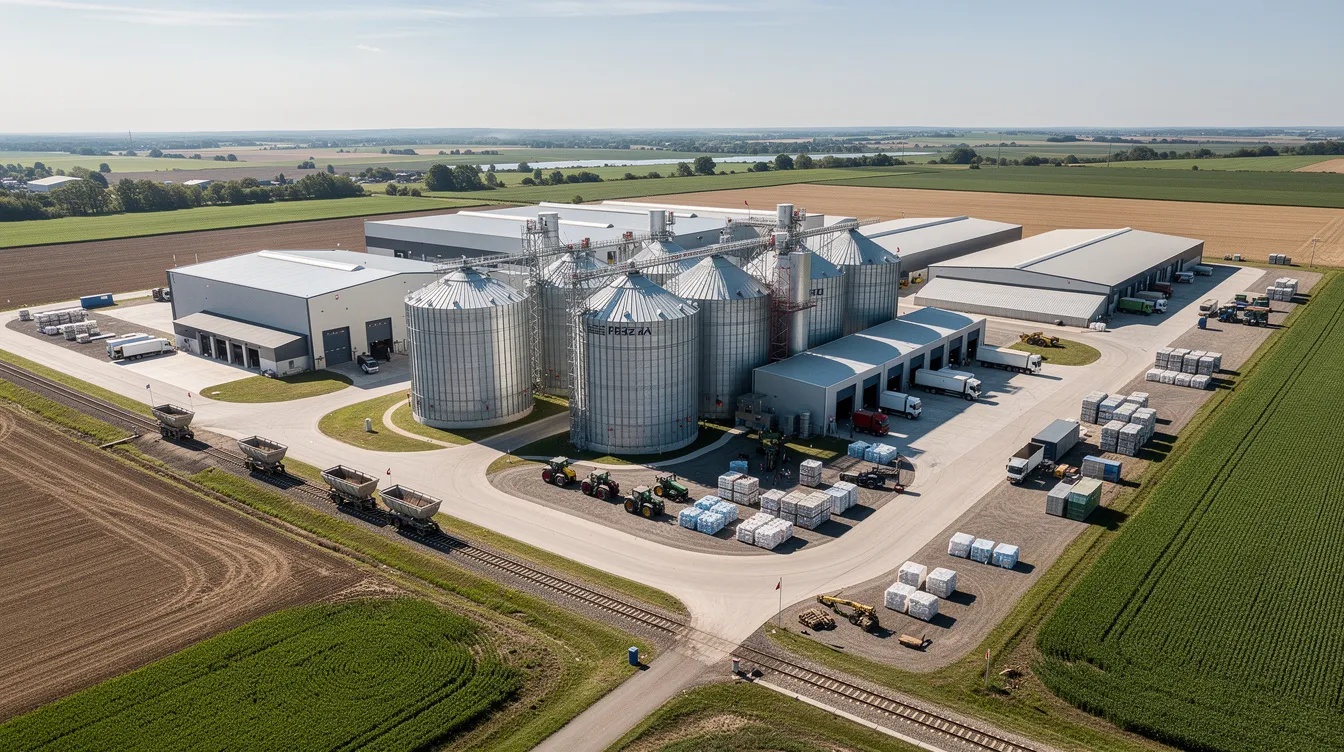
For bank finance and investor evaluation, a single base-case projection is insufficient. We must test how profitability changes when key variables move adversely or favourably.
| Parameter | Adverse Case | Base Case | Favourable Case |
|---|---|---|---|
| Raw soybean cost (₹/MT) | 46,000 | 42,000 | 39,000 |
| Oil recovery (%) | 18.0% | 18.5% | 19.0% |
| Oil price (₹/kg) | 92 | 100 | 108 |
| Meal price (₹/kg) | 34 | 38 | 42 |
| Capacity utilisation | 70% | 85% | 90% |
| Contribution per MT | ~1,200 | ~5,430 | ~9,800 |
| Indicative EBITDA per MT | ~800 | ~5,030 | ~9,400 |
In the adverse scenario, a ₹500–700 per MT swing can materially affect DSCR and loan repayment comfort. The combination of weaker oil prices and higher soybean procurement prices is the most dangerous scenario and must be explicitly stress-tested in every DPR financial model. This is not theoretical – Indian soybean crushers have widely experienced negative crushing margins during periods of crop shortages coinciding with global price weakness in vegetable oils.
13. Project Feasibility, ROI, IRR and DSCR
While per-MT crushing margin is important, investment decisions must be based on full project feasibility analysis over an 8–12 year horizon. Project cost components include land, civil works, plant and machinery, utilities, pre-operative expenses and contingencies. Means of finance typically comprise promoter equity and term loans, and the gearing ratio directly influences both DSCR and IRR.
Return on Investment and Internal Rate of Return should be understood in practical terms: they measure how effectively the invested capital generates returns after accounting for all operating costs, depreciation, interest and taxes over the project life. A positive net present value indicates a profitable soybean oil process, but this must be calculated from a complete financial model rather than isolated per-tonne margins.
DSCR is the metric banks watch most closely. It measures cash accruals available for debt service divided by term loan principal plus interest obligations. DSCR is highly sensitive to utilisation, recovery and price assumptions. A project showing comfortable DSCR under base-case assumptions but failing under moderate adverse conditions will face scrutiny from any experienced credit team.
At Project Report Bank, we build complete financial models incorporating cash flow, profit and loss, balance sheet, break-even analysis, IRR, ROI, payback period and DSCR under multiple scenarios.
14. DPR, CMA Data and Bank Finance Documentation
For medium to large soybean crushing projects, an investor-ready Detailed Project Report and professionally prepared CMA Data are essential. The technical-commercial content in a bankable DPR must include:
- Detailed description of the chosen soybean oil extraction process and installed capacity.
- Realistic oil recovery percentage and soybean meal recovery percentage, justified by technology design, dehulling efficiency and supplier performance guarantees.
- Mass balance, production programme and capacity utilisation ramp-up assumptions.
Core financial documentation required includes 7–10 year financial projections (P&L, cash flow, balance sheet), working capital assessment covering stock of soybeans, oil, meal, receivables and creditor cycles, and CMA Data showing fund-based limits and projected DSCR.
Lenders scrutinise recovery assumptions against industry benchmarks, sensitivity analysis under downside cases, promoter contribution adequacy and repayment scheduling. From my experience, understated recovery and conservative price assumptions build credibility with banks and safeguard promoter interests.
15. Practical Recommendations from CA Manish Gugliya for Soybean Crushing Promoters
Drawing from two decades of project finance advisory, here are my key observations for promoters evaluating soybean oil and meal projects:
Do not rely solely on equipment vendor brochures for recovery claims. Cross-check with existing solvent extraction plants of similar capacity and regional seed characteristics. Vendor brochures represent best-case performance under ideal conditions – your plant will face real-world variability.
Invest in robust pre-cleaning and dehulling systems. Impurities and hull handling strongly influence both oil recovery and long-term maintenance costs. The development of a disciplined seed preparation protocol is responsible for a significant portion of extraction efficiency gains.
Maintain strict procurement discipline, including moisture and oil-content testing at every purchase lot. Paying full price for water and impurities directly erodes your crushing margin. Farmers and aggregators may not consistently deliver uniform quality, so incoming testing is non-negotiable.
Build realistic capacity utilisation ramp-up into projections. Most plants do not achieve 90% utilisation in the first year. Commercial production may begin with 65–70% utilisation while the business stabilises, and assuming otherwise will overstate early cash flows.
Secure diversified buyers for both oil and animal feed grade soybean meal. Dependence on a single trader or buyer for cattle, sheep, or poultry feed concentrations creates commercial risk that can affect both revenue stability and growth.
Focus on working capital planning. Large plants require substantial seasonal inventory of soybeans, which has a direct bearing on interest cost and DSCR. Working capital is commonly the area where DPRs are most under-estimated.
Implement strong internal MIS and daily production-consumption reconciliation. Catching yield issues early – whether from equipment drift or seed quality changes – prevents losses from compounding over weeks.
Regularly revisit financial models and sensitivity analysis as commodity prices, export policy and environmental regulations evolve. What was viable in one year may need recalibration the next.
Promoters planning serious investments in this sector should consider professional DPR, CMA Data and financial modelling support before committing large capital.
16. Frequently Asked Questions (FAQs)
The following questions address practical points that entrepreneurs and financiers commonly raise beyond what is fully covered in the main article.
How much soybean oil can typically be recovered from one tonne of soybeans?
In a modern Indian solvent extraction plant processing good-quality soybeans, crude oil recovery typically ranges from 170–195 kg per 1,000 kg of raw soybeans. The exact figure depends on seed oil content (which varies by variety, region and harvest conditions), extraction technology, dehulling efficiency and plant operating discipline. A conservative DPR assumption of 180–185 kg is widely considered reasonable for financial projections, allowing room for seasonal and operational variability.
What is the typical soybean meal yield and how is it used?
Soybean meal yield from solvent extraction commonly ranges from 770–800 kg per tonne of soybeans, depending on whether hulls are included or separated. Approximately 98% of global soybean meal production is used as animal feed – it is fed widely to poultry, pigs, cattle, sheep and increasingly in aquaculture. Soybean meal’s amino acid profile, particularly its lysine content, makes it difficult to replace with other crops in balanced feed formulations. The remaining 2% finds its way into human food products and other nutrients for food manufacturing.
Why is solvent extraction preferred over simple mechanical expellers for large plants?
Solvent extraction achieves approximately 97–99% oil recovery versus 60–70% for mechanical pressing, resulting in significantly lower residual oil in meal and higher oil revenue per tonne. This efficiency advantage becomes economically critical at higher capacities where the value of incremental oil recovery far exceeds the additional capital and solvent operating cost. However, solvent extraction requires strict safety protocols, environmental controls for hexane handling, and higher upfront investment, making it unsuitable for very small-scale operations.
How important is working capital in soybean oil and meal projects?
Working capital is critical because plants must carry substantial inventories of soybeans – often purchased seasonally in large volumes – along with finished meal and oil awaiting dispatch. Interest on working capital can represent ₹500–1,000 per MT of soybeans processed, materially affecting profitability and DSCR. Plants with thin crushing margins are particularly exposed to working capital cost, and this must be explicitly modelled in any credible financial projection.
Do I need a professional DPR and CMA Data for bank finance?
For medium and large soybean processing projects, banks in India almost always require a structured DPR and CMA Data containing realistic recovery assumptions, price scenarios, 7–10 year financial projections, working capital assessment and DSCR calculations. Professional preparation ensures that the technical and financial assumptions are internally consistent, credible under scrutiny, and presented in the format that lending institutions expect. This significantly improves the probability of a constructive engagement with banks and accelerates the appraisal process.
17. Professional Conclusion and Author Note
Soybean oil and meal recovery percentages are central to processing yield, crushing margin and overall project viability. A DPR that overstates oil recovery by even one percentage point or understates processing losses will produce financial projections that mislead both promoters and lenders. The numbers must tell a consistent and defensible story.
A financially sound soybean crushing project depends on technically efficient oil extraction, realistic soybean meal recovery and quality, prudent cost control and capacity utilisation, and robust sensitivity analysis covering IRR and DSCR under multiple scenarios within a complete financial model. No single per-MT margin figure can substitute for this comprehensive approach.
About the Author
CA Manish Gugliya, FCA, DISA (ICAI), is a practising Chartered Accountant with over 20 years of professional experience. Through Manish Gugliya & Company and Project Report Bank, he provides professional consultancy for Detailed Project Reports, CMA Data, financial projections, feasibility studies, project finance and industrial investment planning for entrepreneurs, MSMEs and industrial groups across India, including soybean oil and meal processing projects.
Promoters and businesses evaluating soybean oil extraction, soybean meal and animal feed projects are welcome to seek professional DPR, financial modelling, project feasibility and bank finance assistance. Enquiries may be directed through the WhatsApp contact facility on www.projectreportbank.com. Please note that projected figures, CMA Data and investment returns discussed in this article or in any professional engagement are estimates based on stated assumptions and are not certified or guaranteed outcomes.
Well-structured, data-backed project planning and realistic recovery assumptions remain essential before committing large capital to soybean crushing or expansion investments.