Key Takeaways
- A UHT milk project term loan assessment is the bank’s structured process of evaluating promoter strength, project cost, financial projections, repayment capacity (DSCR), security and risks before sanctioning debt financing for a UHT milk processing plant.
- Banks examine the detailed project report, CMA Data, integrated financial projections, debt-equity ratio, collateral, regulatory approvals and sensitivity analysis as part of credit appraisal-not just the project’s profitability on paper.
- UHT milk plants are capital-intensive due to specialised sterilisation equipment, aseptic packaging lines and utility infrastructure, making the term loan appraisal more rigorous than for many other food-processing units.
- There is no universal rule for promoter margin, DSCR threshold, moratorium period or collateral requirement-each lender applies its own credit policy based on the promoter profile and project merits.
- A well-prepared DPR with realistic assumptions, conservative capacity-utilisation ramp-up and documented promoter contribution significantly improves the quality and speed of bank appraisal, though it cannot guarantee loan sanction.
Introduction: Why UHT Milk Plants Need Rigorous Term Loan Appraisal
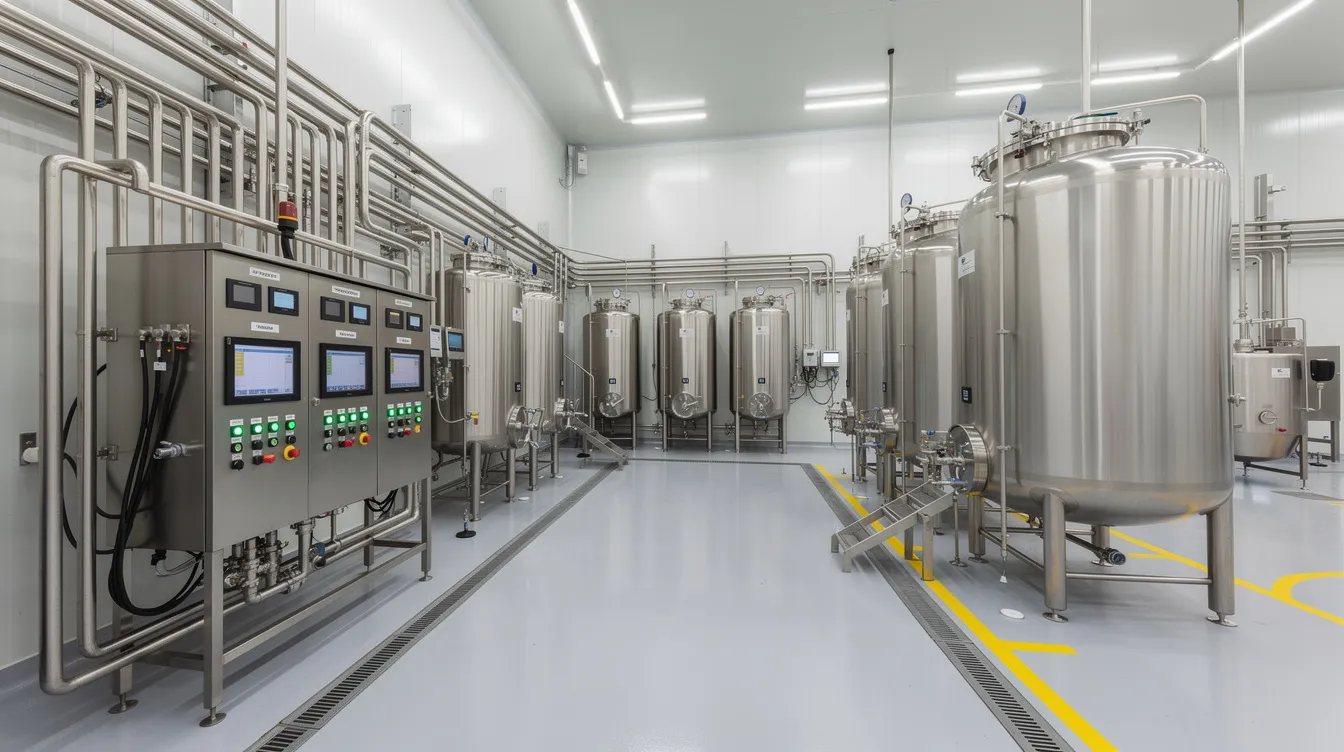
A typical Indian UHT milk processing plant involves substantial investment across multiple stages: milk reception docks, chilling tanks, storage silos, pasteurisation and UHT sterilisation (heating milk to 135°C to 150°C), homogenisation, aseptic filling and packaging, utility blocks covering boilers, refrigeration, water treatment and compressed air, a quality-control laboratory, effluent treatment, cold storage units where distribution requires them, and considerable working capital for raw milk procurement and packaging inventory. UHT processing is capital-intensive due to specialised processing and packaging machinery, and a medium-to-large plant can produce 100 to 200 million litres annually depending on capacity and shift pattern.
Yet even a technically sound UHT milk project with strong market potential does not automatically qualify for a bank term loan. Before sanction, the bank conducts a comprehensive UHT milk project term loan assessment that goes well beyond reviewing profitability on a spreadsheet. Lenders evaluate the promoter’s background and net worth, the detailed project report, business plan, project cost and means of finance, projected cash flows, repayment capacity measured through DSCR, and the security structure offered against the borrowing.
This article focuses specifically on how banks in India appraise a UHT milk plant term loan proposal. It is not a generic guide to securing funding or a broad feasibility study. For an overview of financing options and scheme-based financial assistance available for dairy processing projects, refer to the separate guide on bank loan and project finance for UHT milk plants.
What Is a UHT Milk Project Term Loan Assessment?
A term loan is medium- to long-term bank finance used to acquire fixed assets-land, factory building, plant and machinery, utilities, installation, pre-operative expenses and other capital expenditure-for a UHT milk processing plant. Unlike working-capital limits such as cash credit or overdraft, which finance day-to-day needs like raw milk purchase, packaging material, power bills, wages and receivables, a term loan is repaid in structured instalments over several years.
A term loan assessment for a UHT milk plant in India covers:
- Verification of total project cost and eligibility of each cost component
- Evaluation of promoter contribution and debt-equity structure
- Analysis of repayment capacity through projected cash flows and DSCR
- Assessment of security and collateral adequacy
- Review of compliance with regulatory approvals and scheme conditions
- Identification and testing of project-specific risks
It is essential to distinguish between overall project viability-whether the UHT milk business will be profitable and sustainable-and loan eligibility, which focuses on how much debt the project and promoter can safely handle and secure. A project may be commercially viable yet face financing difficulties if the promoter’s contribution is insufficient, credit history is weak, or collateral coverage falls short.
Typical fixed-asset heads that banks consider eligible in the assessed project cost include: land (where allowed by bank policy), site development, civil works and factory building, milk reception and storage systems, UHT processing line and sterilisation equipment, aseptic filling and packaging machines, utility installations (boilers, refrigeration, water treatment, electricals, compressed air), quality-control laboratory, ETP, pre-operative expenses, technical consultancy fees, and interest during construction.
Why UHT Milk Projects Require Specialised Bank Appraisal
UHT milk plants differ from many other food-processing units in complexity, technology requirements and risk profile. The assessment for UHT milk production involves evaluating technical feasibility, commercial viability and financial soundness simultaneously, because weaknesses in any one area can undermine the entire loan structure. A comprehensive project loan assessment focuses on both technical and financial parameters to ensure viability.
Banks scrutinise UHT projects more closely because of:
- High capital expenditure on UHT sterilisation and aseptic filling lines compared to pasteurised-milk or pouch-packing plants
- Elevated packaging-material cost-multilayer aseptic packs carry volatile import content and significantly influence cost of goods sold
- Stringent hygiene, sterile processing and quality-control standards that must be maintained continuously
- Dependence on reliable power, steam, water and compressed air; even short downtime can lead to batch rejection
- UHT processing facilities must ensure sterile packaging to maintain shelf life, and any failure can result in large-scale product recall
Several risks directly influence the term loan assessment: capacity-utilisation risk in the initial two to three years when the brand and distribution network are still developing; mismatch between installed capacity and actual market demand; raw-milk procurement risk including quality, quantity, seasonal variation and pricing; pricing pressure from established cooperative and private dairy brands; and the financial impact of product rejection or shelf-life failures on cash flow.
Some projects also require integration with cold storage and cold-chain logistics for distribution, adding to capital cost and bank due diligence. Robust quality systems-including testing for antibiotics and adulteration in raw milk-improve a bank’s comfort with the credit proposal. For a deeper understanding of quality benchmarks, refer to the guide on UHT milk quality control, raw-milk standards and shelf-life testing.
Major Components of UHT Milk Project Term Loan Appraisal
Banks typically structure their UHT milk plant term loan appraisal around five pillars: promoter and management assessment, technical assessment, commercial and market assessment, financial appraisal (including projections and ratios), and risk, security and compliance analysis. The following subsections outline how each component is examined from a banker’s perspective and what a DPR or business plan should cover to support credit appraisal.
Promoter and Management Assessment
In Indian banking practice, promoter quality can be as important as project economics in UHT milk project credit appraisal. The promoter’s managerial capability and experience are critical factors in project assessment.
Banks typically review:
- Educational background in dairy technology, food technology, engineering or management, and professional experience in dairy farming, milk procurement, milk processing or FMCG marketing
- Track record of running existing units or related businesses in dairy products, food processing or distribution across various industries
- Audited financial statements and income-tax returns of the promoter and group entities for at least three years, along with banking conduct, credit rating and credit-bureau reports
- Tangible net worth, liquidity, existing debt obligations, ability to bring and document promoter contribution, and willingness to support cost overruns
- Strength of the technical team-plant manager, quality head, procurement head, marketing manager-and governance or succession arrangements
A viable project may still face loan rejection or reduction if the promoter’s contribution is insufficient, credit conduct is irregular, or management capacity is untested. For medium and large UHT milk projects with total capital investment above INR 25–30 crore, lenders often insist on a demonstrably experienced management team.
Technical Assessment of the UHT Milk Plant
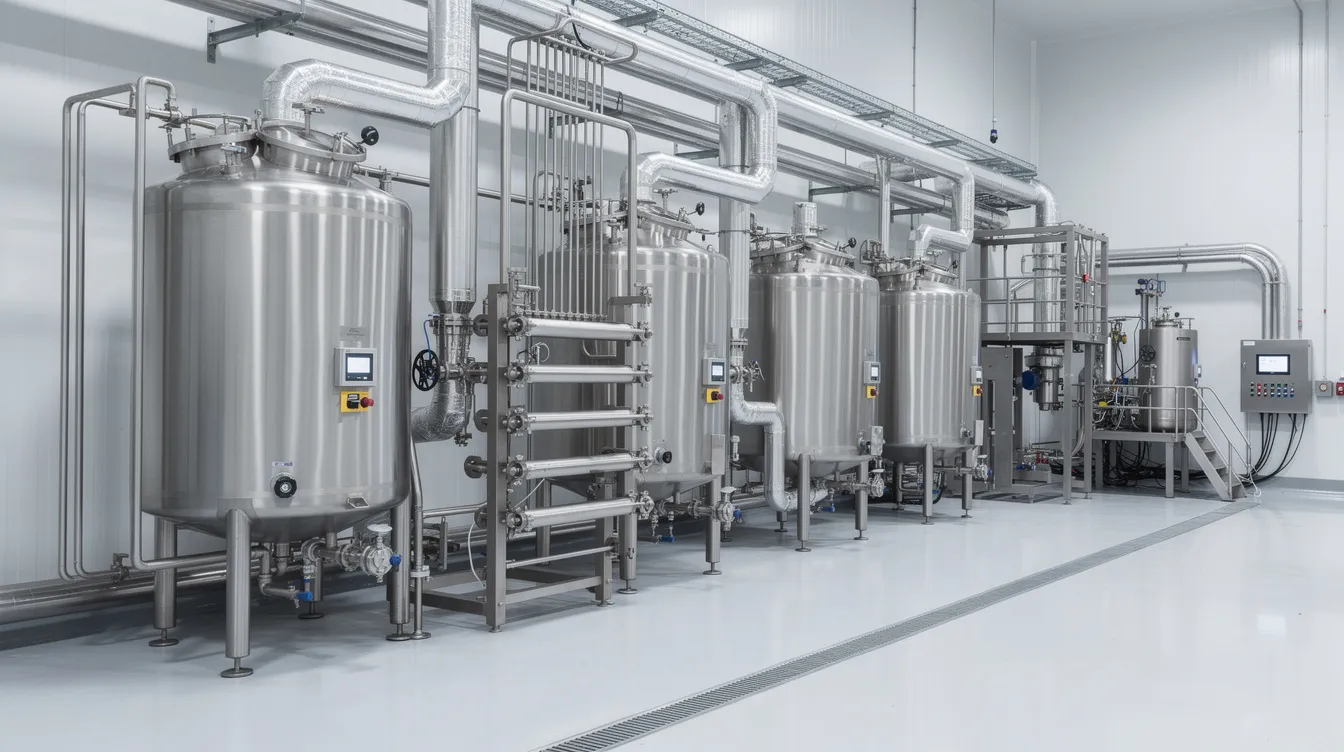
The bank’s technical assessment-often supported by an external technical consultant-verifies whether the proposed capacity, technology, plant layout, equipment and utilities can realistically support the projected production and cash flows. A detailed assessment should include vendor credentials and market strength for the technology selected.
Banks and their technical evaluators typically check:
- Proposed capacity (for example, 50,000 to 200,000 litres per day), product mix (plain, flavoured, fortified UHT milk products), processing shifts and expected output
- UHT technology can be direct steam injection or indirect tubular or plate heat exchangers; the choice affects capital cost, energy consumption and final product quality-the DPR must justify the selection with OEM quotations and technical reasoning. For a comparison, see the guide on direct vs indirect UHT milk processing technology.
- Capacity planning and processing-line balancing covering homogeniser capacity, UHT steriliser type, aseptic filling line speed (packs per hour) and packaging formats (200 ml, 500 ml, 1 litre aseptic packs)
- Machinery quotations from credible OEMs with clear specifications for each major equipment item
The project assessment for UHT plants involves verifying reliable supply chains and procurement strategies for raw milk. Site selection matters: banks verify land ownership or long-term lease, non-encumbrance, industrial zoning, proximity to milk catchment areas and access to target markets. Sourcing high-quality raw milk is critical for successful UHT processing due to its sensitivity to quality, and the DPR must demonstrate a credible procurement plan.
Building layout and hygienic zoning-raw milk reception, processing area, packaging hall, finished-goods storage, laboratory-must comply with food-processing standards. For layout requirements, refer to the guide on UHT milk plant land, building and hygienic layout.
Banks evaluate critical utility infrastructure including power load and backup, steam generation, chilled-water and refrigeration systems, water-treatment systems, compressed air and CIP systems. These directly affect operating costs and production reliability. The internal article on UHT milk plant utilities covers these in detail.
ETP, effluent disposal, solid-waste management and food-safety-compliant materials of construction are also verified. A realistic implementation schedule with clear dates for civil work completion, machinery delivery, installation, trial production and commercial operation is crucial-banks use this timeline to determine the moratorium period and interest during construction.
Commercial and Market Assessment
For UHT milk plant term loan eligibility, banks need comfort that the plant can sell its output at viable prices-not just produce it. Market prospects for UHT milk should include both regional and export demand analysis. The market analysis should cover demand-supply dynamics and competition assessment.
The global UHT milk market was 130.97 billion litres in 2025 and is projected to reach 205.42 billion litres by 2034, growing at a CAGR of 5.10% from 2026 to 2034. Urban retail chains are increasing UHT milk procurement due to its shelf life, and rising health awareness is driving demand for fortified UHT milk products. Government policies support scaling UHT milk production in emerging markets, including India.
A bankable market study in the DPR should cover:
- Demand for UHT milk in target states or cities, growth in modern retail, e-commerce and institutional buyers (hotels, QSR chains, schools, hospitals, defence, catering)
- Competition from dairy cooperatives, milk unions, milk producer companies, multi state cooperatives, farmer producer organisations and established private brands
- Product positioning, packaging sizes (for example, 200 ml kids pack, 1 litre family pack), expected ex-factory selling prices and market access strategy
- Dealer and distributor margins, marketing infrastructure plans (depots, distributors, delivery vans, cold storage if required)
- Realistic marketing expenditure including trade schemes, consumer promotions and brand-building
Lenders are wary of aggressive assumptions such as immediate 80–90% capacity utilisation. Practical capacity utilisation expectations should be based on historical data rather than full capacity from inception. Banks typically expect phased ramp-up over two to three years. A thoughtful product strategy supports the commercial section of the DPR-for detailed guidance, see the article on UHT milk plant revenue model and product mix.
Assessment of Project Cost for a UHT Milk Plant
In a UHT milk project finance assessment, the bank critically reviews each cost item to avoid overstatement, understatement or inclusion of ineligible expenses. Understanding the total project cost includes land, civil works, machinery and working capital needs. UHT milk processing plant setup costs include both capital and operating expenses, and lenders must verify each component.
Key cost heads typically examined:
- Factory land and site development
- Civil works and factory building (processing hall, packaging area, stores, laboratory, administrative block, internal roads)
- Milk reception dock, weigh bridge, chilling tanks and raw-milk storage silos
- UHT processing line: plate or tubular heat exchanger, holding tube, homogeniser, balance tanks, CIP system
- Aseptic filling and packaging machines, conveyors and material-handling equipment
- Utilities: boilers, steam and condensate systems, refrigeration plant, water-treatment plant, DG sets, compressed air systems, electrical installations
- Quality-control laboratory equipment
- ETP, fire-fighting systems
- Pre-operative expenses: technical consultancy, design and engineering, trial-run expenses, statutory fees
- Interest during construction
- Contingency provision (typically 5–10% of total cost)
- Margin for working capital
Banks expect up-to-date machinery quotations, civil-cost estimates based on current rates, and sometimes multiple supplier quotes to validate capex, especially for large projects. For benchmarks on plant setup cost, see the guide on UHT milk plant setup cost in India. Machinery-specific cost details are covered in the article on UHT milk plant machinery and equipment cost. Actual cost depends on capacity, technology choice, location, civil construction quality and packaging format.
Means of Finance and Promoter Contribution
Lenders examine not only the total cost but also how the proposed project will be funded. Debt-to-equity ratio and promoter contributions are significant in evaluating financial viability for UHT projects.
Typical means of finance components for a UHT milk project in India include:
- Promoter equity (cash contribution, land at assessed value where applicable)
- Unsecured loans from promoters or group entities
- Bank term loan
- Eligible scheme-based support such as the Animal Husbandry Infrastructure Development Fund (AHIDF) or other dairy and infrastructure schemes
- Internal accruals in case of expansion of existing units
The AHIDF scheme, administered by NABARD, has a total outlay of INR 15,000 crore and supports new infrastructure creation in dairy processing, including UHT plants. AHIDF provides interest subvention of up to 3% per annum for eligible projects. Loans under AHIDF can reach up to INR 50 crore for larger entities, and the scheme can support UHT processing facility funding up to INR 100 crore. Eligible projects under AHIDF must include measurable processing capacity.
Banks assess the proposed debt-equity ratio, overall gearing and tangible net worth after infusion of equity and unsecured loans. Some lenders may treat long-tenure, subordinated unsecured loans from promoters as quasi-equity, while others may not-the treatment should be transparent in the DPR and CMA Data. The DPR must also address how cost overruns will be funded and whether promoters have the capacity to bring additional contribution if required.
For a deeper explanation of financing structure, see the guide on UHT milk plant project cost and means of finance.
Determination of Eligible Term Loan Amount
The term loan requested in the DPR and the amount actually sanctioned after appraisal can differ-sometimes significantly.
Factors influencing the eligible term loan include:
- Proportion of eligible fixed assets in the total project cost
- Required promoter margin (often 25–30% of machinery and building cost, varying by bank)
- Cost items treated as ineligible, inflated or outdated
- Existing bank exposure to the promoter group
- Security coverage available
- Overall repayment capacity as reflected in projected DSCR
- Maximum loan limits under applicable bank policy or scheme
A simple illustrative expression: eligible term loan equals eligible project cost minus required promoter contribution minus other confirmed long-term funding sources (like subsidies treated as margin only when actually received).
Banks may reduce the loan amount to keep DSCR at a comfortable level or to align with internal exposure norms, especially when collateral coverage is limited. Where subsidy or interest subvention schemes like AHIDF are involved, lenders generally insist that the core project should be viable even without the incentive-investment opportunities under government schemes improve feasibility but do not replace fundamental project strength.
Financial Projections Examined by Banks
Lenders rely heavily on integrated financial projections-projected profit and loss account, balance sheet and cash-flow statement-usually covering 7 to 10 years spanning the full loan tenure and stabilisation period. These projections form the backbone of financial appraisal.
Banks scrutinise:
- Sales volume and selling prices with a realistic capacity-utilisation ramp-up
- Raw materials cost-raw milk accounts for 70 to 80 per cent of total operating expenses in a UHT plant, making procurement price assumptions critical
- Packaging-material consumption and cost
- Power and fuel, employee cost, repairs and maintenance, selling and distribution expenses and other charges
- Depreciation policies consistent with applicable law
- Interest on term loan and working capital
- Tax rates and dividend assumptions
The projected cash-flow statement is critical because it shows year-wise cash available for interest and principal repayment, directly feeding into the DSCR calculation. All projected statements must be internally consistent-a discrepancy between the balance sheet and cash-flow statement will raise immediate concerns during appraisal. For a detailed view of projection methodology, see the guide on UHT milk plant financial projections for DPR.
A Chartered Accountant can assist in preparing or reviewing financial projections and CMA Data, but these are planning tools based on stated assumptions and should never be construed as certified future results.
Key Financial Ratios Used in Term Loan Assessment
Banks use selected ratios and indicators to judge leverage, liquidity, profitability and debt-servicing ability of a UHT milk project rather than relying only on absolute profit figures. Financial appraisal should include Debt Service Coverage Ratio and sensitivity analysis on project cash flows. The table below summarises the key ratios:
| Ratio or Indicator | Basic Formula | What the Bank Examines | Risk Indicated by a Weak Result |
|---|---|---|---|
| Debt-Equity Ratio | Total long-term debt ÷ Tangible net worth | Leverage and promoter stake | Over-dependence on borrowed funds; higher default risk |
| DSCR (Year-wise) | Cash accrual for debt service ÷ (Principal + Interest due in the year) | Whether annual cash flow covers debt obligations | Inability to service instalments in specific years |
| Average DSCR | Average of year-wise DSCRs across repayment tenure | Overall comfort on repayment capacity | Marginal or insufficient repayment cushion |
| Interest Coverage Ratio | EBIT ÷ Interest expense | Ability to pay interest from operating profit | Earnings insufficient even for interest, let alone principal |
| TOL/TNW | Total outside liabilities ÷ Tangible net worth | Overall gearing including short-term debt | Excessive reliance on external liabilities |
| Current Ratio | Current assets ÷ Current liabilities | Short-term liquidity | Difficulty meeting day-to-day obligations |
| Break-Even Point | Fixed costs ÷ Contribution margin ratio | Minimum sales needed to cover all costs | High BEP relative to capacity signals vulnerability |
| Cash Break-Even | Fixed cash costs ÷ Contribution margin ratio | Minimum sales for cash sustainability | Inability to generate positive cash flow at low utilisation |
| Fixed-Asset Coverage | Net fixed assets ÷ Long-term debt | Asset backing for term loan | Insufficient tangible asset cover |
| Net Profit Margin | Net profit ÷ Net sales × 100 | Profitability after all expenses | Thin margins leave no room for adverse changes |
| Cash Accrual | Net profit + Depreciation + Non-cash charges | Cash generated for debt repayment and growth | Low accrual means weak repayment ability |
| ROCE | EBIT ÷ Capital employed × 100 | Return on total investment | Poor return signals uncompetitive project |
| IRR | Discount rate at which NPV equals zero | Overall project return to investors | Low IRR compared to cost of capital |
| Payback Period | Years to recover initial investment from cash flows | Time to recoup investment | Excessively long payback increases lender risk |
No single ratio has a universally mandated threshold across all banks. Acceptable ranges vary by lender, borrower category (MSME vs corporate vs cooperative) and overall risk profile. Cash-based metrics such as cash accrual and cash break-even are especially important for UHT milk plants because of high fixed costs and substantial interest and depreciation in initial years.
For a deeper analysis of repayment capacity, refer to the detailed guide on UHT milk project DSCR and loan repayment capacity.
DSCR and Repayment Capacity in a UHT Milk Project
DSCR is central to term loan assessment for UHT milk plants because it measures how comfortably the project’s cash accrual can service interest and principal. In simple terms:
DSCR = Cash accrual available for debt service ÷ Total debt obligations (principal + interest) for the year
Banks look at both year-wise DSCR and average DSCR across the repayment period, paying particular attention to the first three to four years when capacity utilisation and gross profit margins may be lower. Many lenders expect an average DSCR of at least 1.25 to 1.50 for dairy processing projects, though specific requirements differ.
Low capacity utilisation, higher-than-expected raw-milk cost, or an aggressive repayment schedule can depress DSCR and trigger either a reduction in loan tenure, reduction in loan amount or imposition of additional conditions during appraisal. Assessing cash flows should include considerations for potential adverse scenarios affecting profitability.
Balloon repayments or step-up instalments may sometimes be considered to align with cash-flow patterns during the ramp-up period, but these must be justified in the DPR and acceptable to the lender.
Term Loan Repayment Period and Moratorium for UHT Milk Plants
The repayment schedule for a UHT milk plant term loan must reflect construction time, ramp-up period, working-capital cycle and useful life of assets.
Common structural elements include:
- Construction and installation period (typically 12–18 months for a medium plant)
- Interest during construction, either capitalised or serviced depending on sanction terms
- Principal moratorium period until commercial operations stabilise-under schemes like AHIDF, a two-year principal moratorium is standard
- Monthly or quarterly principal and interest instalments after moratorium
- Door-to-door tenor often ranging from 7 to 10 years including moratorium
Banks assess whether the proposed tenor is reasonable relative to the economic life of plant and machinery and the project’s DSCR. An excessively short tenure causes cash strain in early years, while an unnecessarily long tenure increases total interest cost and lender risk.
Promoters should not assume that moratorium means interest waiver-interest is typically payable or capitalised during this period. A slightly longer moratorium or back-ended instalments can improve initial DSCR, but must remain within reasonable risk parameters. Where penal interest provisions apply for delayed payments, these should be factored into the DPR.
Working Capital and Its Effect on Term Loan Viability
Inadequate working-capital planning is a frequent reason why otherwise well-financed UHT milk projects struggle to repay term loans. Working capital assessments are important for managing costs associated with raw milk and packaging inventory.
Major working-capital elements for a UHT plant include:
- Procurement of raw milk from farmers, collection centres or milk unions-raw milk accounts for 70 to 80 per cent of operating expenses
- Packaging materials (tetra packs, multilayer films, caps, cartons) and agricultural inputs used in processing
- Consumables and maintenance stores
- Finished-goods inventory, which can build up when servicing distant markets or preparing for peak-season demand
- Credit extended to distributors and institutional buyers
- Seasonal procurement fluctuations
Banks usually assess working capital separately through cash credit or bill discounting facilities, but they consider its adequacy while judging term-loan repayment capacity and DSCR. Insufficient working capital can delay capacity utilisation even when fixed assets are fully financed, directly weakening the ability to pay term-loan instalments.
Promoters should prepare a dedicated working-capital assessment alongside the term-loan proposal. For detailed guidance, see the article on UHT milk plant working-capital requirement.
Security, Collateral and Guarantee Structure
Security structure is an integral part of UHT milk project term loan assessment in India, alongside cash-flow viability.
- Primary security: typically a first charge on factory land, building, plant and machinery financed by the bank, and sometimes a charge on current assets for composite facilities
- Collateral security: additional properties, fixed deposits or other securities offered to strengthen coverage-requirements vary widely by lender and exposure size
- Personal guarantees from promoters and, where applicable, corporate guarantees from group companies
- Assignment of key insurance policies covering plant and machinery, building and stock
- Possible escrow of major receivables in larger transactions
No project should assume automatic collateral-free financing for a large-capex UHT plant. Some schemes may offer credit guarantee support (for example, under AHIDF for eligible borrowers), but the specific requirements depend on the lender’s policy, borrower category, project profile and security coverage norms.

Licences, Registrations and Statutory Approvals Checked by Banks
Compliance with statutory registrations and licences is critical for sanction and disbursement of a UHT milk plant term loan. Compliance with food safety standards such as FSSAI and HACCP is essential for UHT processing.
Typical requirements include:
- Entity registration (proprietorship, partnership, LLP or company as applicable)
- PAN and GST registration
- Udyam registration for MSMEs
- FSSAI licence for the processing unit
- Factory licence and applicable labour-law registrations
- Pollution-control consents (air and water) from the competent authority
- Fire-safety clearance
- Building-plan approval from the local authority
- Boiler inspector approval and electrical inspector clearance where required
- Water-source permission
Land-related documents verified include: registered sale deed or long-term lease for the factory land, NA or land-use conversion where applicable, encumbrance certificate and mutation records.
Regulatory approvals should be aligned with the project’s feasibility study and detailed project report. Readers should verify the latest specific requirements with relevant authorities before finalising their DPR or loan application, as requirements may change over time.
Risk and Sensitivity Analysis in Bank Appraisal
Banks increasingly expect UHT milk DPRs to show sensitivity analysis-how key adverse changes affect profitability and DSCR-rather than only base-case projections. Sensitivity analysis should model potential risks such as spikes in raw milk prices or energy costs.
The following table illustrates typical risk factors, their potential financial impact and possible mitigation measures:
| Risk Factor | Possible Financial Impact | Mitigation Measure |
|---|---|---|
| Capacity utilisation drops from 70% to 50% | Revenue falls 25–30%; DSCR may drop below 1.0 | Conservative ramp-up plan; diversified product mix; institutional supply tie-ups |
| Raw-milk price increases by 10–15% | Operating cost rises significantly as raw milk is 70–80% of expenses | Long-term procurement agreements; backward integration; seasonal price hedging |
| Packaging-material cost rises 15–20% | Gross profit margin compresses; cash accrual reduced | Negotiate annual rate contracts; explore alternate aseptic packaging suppliers |
| Selling price drops by 5–10% due to competition | Revenue and margin decline; break-even shifts upward | Brand differentiation; focus on institutional and export channels; flexible pack sizes |
| Power tariff increases 10–15% | Higher utility expenses; reduced net profit | Captive solar or biomass boiler; energy-efficient equipment selection |
| Commissioning delayed by 6 months | Interest during construction rises; moratorium period consumed; DSCR weakened | Realistic implementation schedule; penalty clauses with contractors; buffer in contingency |
| Receivable period extends from 30 to 60 days | Working-capital strain; possible need for additional borrowing | Strict credit policy; focus on cash-and-carry retail; distributor deposit system |
| Product rejection or shelf-life failure | Direct financial loss and brand damage; cash-flow disruption | Rigorous QC; aseptic packaging integrity checks; insurance coverage |
Banks look favourably on projects that explicitly plan mitigations such as long-term procurement tie-ups, product mix diversification across milk products, flexible packaging sizes and conservative leverage. Understanding break-even levels is essential for robust sensitivity analysis-see the guide on UHT milk plant profitability and break-even analysis.
Illustrative UHT Milk Term Loan Assessment Example
All numbers below are illustrative for explanation purposes and do not represent current market quotations, prevailing bank norms or guaranteed outcomes.
Consider a hypothetical 100,000 LPD UHT milk processing plant in India. Based on scaled-up industry benchmarks, such a project’s total cost-including machinery, civil works, utilities, supply chain infrastructure and pre-operative expenses-may fall in the range of INR 60–80 crore.
| Parameter | Illustrative Value |
|---|---|
| Total project cost | INR 67 crore (approx.) |
| Promoter contribution (equity + unsecured loans) | INR 20 crore (~30%) |
| Proposed bank term loan | INR 47 crore |
| Indicative debt-equity ratio | Approximately 2.35:1 |
| Installed capacity | 100,000 LPD |
| Year-1 capacity utilisation | 45–50% |
| Stabilised capacity utilisation (Year 3 onward) | 70–80% |
| Estimated annual revenue at stabilisation | INR 110–130 crore (illustrative) |
| Average DSCR (over repayment period) | 1.35–1.50 (illustrative) |
| Break-even capacity utilisation | Approximately 40–45% |
| Repayment period (including moratorium) | 10 years |
| Principal moratorium | 24 months |
| Primary security | First charge on land, building, P&M financed |
| Indicative collateral position | Additional immovable property; personal guarantees |
A banker reviewing this case would note several strengths: promoter contribution at approximately 30% keeps the debt-equity ratio within commonly acceptable limits; the average DSCR of 1.35–1.50 provides reasonable cushion; and phased capacity utilisation starting at 45–50% is more credible than assuming full capacity from day one.
Concerns would include: tight collateral coverage if additional property value is marginal, sensitivity to raw-milk price increases given that raw materials constitute 70–80% of operating costs, and whether the distribution network in the target market is sufficiently developed.
Possible pre-disbursement conditions might include: minimum equity infusion before first disbursement, creation of mortgage on factory land and building, completion of key licences (FSSAI, pollution-control consent, factory licence), and confirmation of raw-milk procurement arrangements.
Documents Required for UHT Milk Project Term Loan Assessment
Complete documentation speeds up appraisal and avoids repeated queries from the bank’s credit team.
Promoter Documents
- KYC documents (identity and address proof), photographs
- PAN cards of all promoters and guarantors
- Income-tax returns for the last three years
- Net-worth statement or certificate
- Bank statements for the last 12 months
- Existing loan details and sanction letters
- Credit-bureau reports if available
- Educational and professional experience profile
Business Documents
- Incorporation or registration documents (Partnership Deed, LLP Agreement, Memorandum and Articles of Association)
- GST registration certificate
- Udyam registration (for MSMEs)
- Audited financial statements for the last three years (for existing units)
- Details of associate or group concerns and their financial position
- Existing loan sanction letters and outstanding schedules
Project Documents
- Detailed project report covering technical, commercial and financial aspects
- CMA Data in the format required by the lending bank
- Machinery quotations from OEMs with technical specifications
- Civil work estimates from architects or contractors
- Land documents (sale deed or registered lease, encumbrance certificate, mutation)
- Building layout and plant arrangement drawings
- Raw-milk procurement plan and supply chain details
- Marketing and distribution plan with demand projections
- Projected financial statements (P&L, balance sheet, cash flow) for the loan tenure
- Cash-flow and repayment schedule
- List of licences and approvals obtained or applied for
- Details of proposed security and promoter contribution with supporting evidence
Role of the DPR and CMA Data in Bank Appraisal
A robust UHT milk plant DPR and properly prepared CMA Data are central tools for term loan assessment, not mere formalities submitted to comply with bank process requirements.
A well-prepared DPR supports appraisal by:
- Summarising technical design, capacity, product mix and the process flow
- Presenting the market study, feasibility study findings and industry trends
- Detailing project cost, means of finance and project profile
- Providing integrated financial projections with clearly stated assumptions
- Demonstrating sensitivity analysis and risk-mitigation strategies
CMA Data formats present historical and projected financial information in a structure familiar to Indian banks, helping them analyse liquidity, leverage and cash-flow trends efficiently. A Chartered Accountant like CA Manish Gugliya may prepare or assist in preparing DPRs, CMA Data and projections, but these are planning tools and should never be construed as certified outcomes or guarantees of future performance.
Promoters should view DPR preparation as part of internal decision-making and risk assessment-a project report that the promoter believes in and understands, not merely a document created to obtain a loan.
Common Reasons for Reduction or Rejection of UHT Milk Term Loan Proposals
Many UHT milk project proposals are modified, scaled down or declined during appraisal, often for predictable reasons:
- Insufficient promoter contribution or weak tangible net worth
- Poor credit history, irregular banking conduct or adverse credit rating
- Inflated project cost, outdated machinery quotations or unsupported civil-work estimates
- Unrealistic sales and pricing assumptions; immediate full-capacity-utilisation projections
- Inadequate working-capital assessment relative to the scale of milk procurement and inventory
Technical and commercial gaps also weaken proposals:
- Vague raw-milk procurement strategy without documented tie-ups
- Weak distribution plan with no clarity on marketing infrastructure or dealer network
- Underestimated packaging-material and marketing expenses
- Lack of clarity on quality-control systems and food-safety compliance
Financial-structure concerns include low or uneven DSCR, excessive existing debt of the group, unbalanced debt-equity ratio, and insufficient collateral or security coverage relative to the loan sought. Compliance-related issues-missing key licences, unclear land title, or undocumented source of equity-can delay or block sanction entirely.
How to Improve the Bankability of a UHT Milk Project
Many issues identified during appraisal can be addressed at the planning stage through a carefully prepared DPR and realistic financial model.
- Obtain multiple, comparable machinery quotations aligned with the proposed capacity and technology
- Align installed capacity with realistic raw-milk procurement and market-demand estimates rather than aspirational targets
- Define a clear product mix, pricing strategy and distribution plan reflecting actual competition and demand in the target market
- Base capacity-utilisation ramp-up on conservative assumptions-typically 40–50% in Year 1, reaching 70–80% by Year 3
- Provide adequate, well-documented promoter contribution and maintain disciplined banking conduct across existing accounts
- Estimate working capital separately from fixed-capital financing, ensuring DSCR is comfortable even in moderate downside scenarios
- Conduct sensitivity analysis in advance and adjust leverage, contingency provisions or the repayment schedule before approaching the bank
- Document procurement and distribution arrangements, and obtain major regulatory approvals before seeking disbursement
- Present promoter experience, technical team credentials and management capability clearly in the project report
For a broader framework within which term-loan appraisal fits, see the guide on UHT milk plant feasibility study and project viability.
Bank Appraisal Checklist for UHT Milk Project Promoters
Before presenting a proposal to a bank, promoters should review their DPR and financing structure against the following checkpoints:
- Is the project cost supported by recent, comparable quotations from credible suppliers?
- Is the means of finance clearly specified with documented sources for promoter contribution?
- Is the installed capacity commercially justified by a market study and realistic demand assessment?
- Is raw-milk supply adequate and supported by a credible procurement plan?
- Is the UHT processing and packaging technology appropriate for the proposed product mix and capacity?
- Are projected selling prices benchmarked against current market rates and competitor pricing?
- Is working-capital requirement assessed separately and integrated into cash-flow projections?
- Does the repayment schedule match projected cash accrual across the repayment tenure?
- Has downside sensitivity been tested for raw-milk cost increase, lower selling price and reduced utilisation?
- Are major licences and land documents available or in process?
- Is the proposed security and collateral clearly identified and valued?
- Are all projected statements (P&L, balance sheet, cash flow) internally consistent?
Frequently Asked Questions on UHT Milk Term Loan Appraisal
The following answers address common queries that arise when planning a UHT milk plant term loan in India, focusing on appraisal aspects not fully covered in the sections above.
How early should I approach the bank for a UHT milk plant term loan?
Promoters should ideally approach banks once the concept, preliminary feasibility study, approximate capacity and location are firm, and a draft DPR and financial projections are available-typically at least three to six months before planned financial closure. Very early engagement helps align the project structure with bank expectations on debt-equity ratio, security, moratorium and DSCR, and can save significant time during formal appraisal.
Can I use the same DPR for all banks and financial institutions?
The core DPR-technical details, project cost, feasibility study findings and financial projections-can serve as a common base document. However, individual banks may require customised CMA Data formats, additional annexures, scheme-specific information (for example, AHIDF eligibility criteria) or particular financial-statement presentations. Prepare a strong base DPR and then tailor cover notes, means-of-finance tables and compliance sections to each lender’s requirements.
How do banks treat subsidies and interest subvention in term loan appraisal?
Many banks treat capital subsidies and interest subvention-for example, the 3% interest subvention available under the AHIDF scheme-as additional support but generally expect the proposed project to be viable even without them. Some lenders may not count expected subsidies as promoter contribution until actually received. Always check detailed scheme guidelines from NABARD or the Department of Animal Husbandry and bank-specific policy before finalising the financing structure.
Is it possible to revise my UHT milk project size after initial bank appraisal?
Resizing the project-either scaling up or scaling down-is sometimes possible before final sanction, but it requires reworking the project cost, means of finance, projections and DSCR, and may delay approval. It is advisable to carry out internal sensitivity analysis and scenario planning (for example, comparing 50,000 LPD versus 100,000 LPD) before deciding on the capacity to present for appraisal, rather than revising midway through the process.
Can ProjectReportBank.com directly arrange term-loan funding for my UHT milk plant?
The professional role of CA Manish Gugliya and ProjectReportBank.com is to prepare or assist in preparing DPRs, CMA Data, financial projections and loan-appraisal-ready documentation, and to support promoters in presenting a credible case to banks. Funding is sanctioned by banks and financial institutions based on their independent credit appraisal and policies. There is no brokerage, guarantee of sanction or influence over any bank’s lending decision.
Conclusion and Professional Disclaimer
A UHT milk project term loan assessment evaluates the combined strength of the promoter, technical design, market study, project cost, means of finance, working capital, DSCR and risk-mitigation measures-not merely projected profit on paper. The process is thorough because the stakes are high: UHT plants need significant capital investment for machinery and infrastructure, and banks must satisfy themselves that the project can generate sufficient and timely cash accrual to service its debt over the full repayment period.
Well-prepared DPRs with realistic financial projections, prudent debt-equity structure, adequate documented promoter contribution and clear sensitivity analysis significantly improve the quality and speed of bank appraisal. However, no document or projection can guarantee loan approval-the final decision rests with the lender based on its own credit policy and independent evaluation of the proposed project.
CA Manish Gugliya, FCA, DISA (ICAI), practising Chartered Accountant since 2006 and founder of ProjectReportBank.com, provides professional assistance for UHT milk plant DPR preparation, CMA Data, integrated financial projections, DSCR and repayment-capacity analysis, sensitivity analysis, project-cost and means-of-finance structuring, and bank presentation support. If you are planning a substantial UHT milk processing and aseptic packaging project and need a customised, appraisal-ready project report, you are welcome to reach out for further details and a professional assessment.
Disclaimer: This article is for general educational purposes and does not constitute professional advice, investment advice or a guarantee of any outcome. Actual lending terms-including margin, interest rate, security requirements, moratorium period, repayment schedule and eligibility criteria-depend solely on each lender’s credit policy, applicable scheme guidelines and project-specific appraisal at the time of application. Readers are advised to consult qualified professionals and verify current regulatory and banking requirements before making financing decisions.