Key Takeaways
- A structured investor outreach tracker prevents missed follow ups, duplicate outreach and confused investor communication when raising ₹5–100 crore in equity.
- A simple investor CRM spreadsheet in Excel or Google Sheets is sufficient at the start, provided it is updated after every investor meeting and conversation.
- A fundraising pipeline tracker shows where each investor sits in the process, from first contact through due diligence to funding completion or decline.
- Tracking every investor interaction across channels (email, LinkedIn, WhatsApp, in-person) creates institutional memory that scattered notes cannot replicate.
- Project Report Bank, led by CA Manish Gugliya, FCA, DISA (ICAI), helps promoters build investor-ready DPRs, financial models and structured fundraising processes around this tracker.
Introduction: Why You Need an Investor Outreach Tracker
Equity fundraising in India for manufacturing, industrial and expansion projects typically involves 20 to 80 investor conversations spread across 3 to 9 months. A promoter seeking ₹10–50 crore of equity may approach HNIs, family offices, strategic investors and investment funds in parallel. Pre-Series A data from the Indian market shows that promoters often reach out to 60–100 investor prospects to secure just 1–2 term sheets.
The real pain in this process is not finding investors; it is managing the conversations that follow. Investor communication gets scattered across WhatsApp messages, email threads, phone call notes and LinkedIn DMs. Objections raised in a single meeting go unrecorded. Follow up actions slip through the cracks. One founder who tracked forty investor conversations found that twelve went cold because follow ups were delayed or missed entirely. Research also shows that only 20 to 30 percent of event contacts are ever followed up at all.
An investor outreach tracker solves this problem. It is a spreadsheet-based system where you record every investor contact, every investor meeting, every document shared, every follow up and every decision. It connects contacts, meetings, documents and outcomes into one centralised system, replacing scattered notes with a structured fundraising pipeline tracker.
What Is an Investor Outreach Tracker?
An investor outreach tracker is a central record, often maintained in Excel or Google Sheets, where you log and manage interactions with potential investors throughout your fundraising process. It captures who you contacted, when, through which channel, what they asked, what you sent, and what happens next.
This differs from related tools:
- An investor database is a static list of names, sectors, cheque sizes and contact info. No interaction history.
- An investor outreach tracker records every outreach attempt, response and follow up action.
- An investor follow-up tracker focuses on dates, tasks, reminders and communication history.
- A fundraising pipeline tracker maps deal stages from investor identification through due diligence to funding completion or decline.
An investor outreach template structures email conversations with investors, while an investor CRM dashboard centralises outreach history and meeting notes in one view. For most Indian SMEs and manufacturing projects raising ₹5–15 crore, a well-designed investor CRM spreadsheet is sufficient. It can be upgraded to a full CRM later if the process demands it.
The tracker does not guarantee investment. It makes the fundraising process more disciplined and transparent, and easier to manage with your team and advisers.
Why Investor Outreach Tracking Matters for Indian Projects
Manufacturing plants, expansion projects and greenfield industrial units in India involve multiple active conversations running simultaneously. When raising ₹5–15 crore or above, a promoter may be talking to 15–30 investors at different stages at any given time. Without investor tracking, the promoter risks mixing up which investor received which version of the DPR, forgetting who asked for updated DSCR or IRR analysis, and missing follow ups after a positive investor meeting.
Maintaining a follow-up cadence is what prevents leads from going cold. An investor pipeline maps every active relationship in one view, giving the promoter and adviser clarity on where to invest time.
Practical benefits of disciplined tracking:
- Clearer investor communication; no repeated or contradictory messages
- Accountability inside promoter teams; each follow up has an assigned owner
- Organised document sharing (DPR, financial model, pitch deck, cap table)
- Better decision making on which investor conversations deserve priority
- Signals professionalism to HNIs and family offices who increasingly expect governance and transparency
Promoters who plan their equity funding amount and capital structure before starting outreach can use the tracker to align investor targets with their overall means of finance plan.
Essential Information to Include in an Investor Outreach Tracker
An investor outreach tracker typically includes columns for key data points such as investor profile, outreach status, meeting history and document tracking. The table below lists recommended fields:
| Column / Field Name | Purpose & How to Use It |
|---|---|
| Investor ID | Unique code to avoid duplicates when dealing with 30+ contacts |
| Investor Name & Organisation | Identifies the person and entity; critical for follow up emails |
| Investor Category | HNI, family office, strategic investor or fund; different categories have different cheque sizes and diligence expectations |
| Contact Info (email, mobile, city) | Needed for outreach; city matters for planning in-person meetings |
| Sector Focus | Filter investors whose sector preference matches your project (e.g., food processing, auto components) |
| Indicative Cheque Size | Helps prioritise; avoid spending weeks on investors whose capacity is ₹50 lakh when you need ₹5 crore |
| Source of Introduction | Cold outreach, LinkedIn, CA referral, banker intro; warm intros convert better |
| Initial Contact Date & Channel | Records when and how the first message was sent |
| Response Status | No response, interested, not a fit; keeps pipeline honest |
| Last Contact Date | Audit trail for latency; shows how long since the last investor communication |
| Meeting Date & Mode | Online or in-person; helps plan travel and preparation |
| Meeting Notes Summary | Key discussion points, concerns raised, data requests |
| Documents Requested & Sent | DPR, financial model, valuation, pitch deck; a due diligence request tracker organises documents during investor reviews |
| Investor Questions & Objections | Specific concerns to address proactively in next meeting |
| Next Follow-Up Date & Responsible Person | Ensures no investor conversations are left idle |
| Current Fundraising Stage | Dropdown: Identified, Contacted, Meeting Done, Due Diligence, Term Sheet, Declined |
| Indicative Funding Interest | Non-binding; clearly distinguished from committed capital |
| Final Outcome & Remarks | Closes the loop; cleans the pipeline |
Next steps and reminders in the tracker help manage follow ups. Each row equals one investor or investing entity. Fields like “Next Follow-Up Date” and “Responsible Person” are the most operationally critical.
How to Build an Investor CRM Spreadsheet in Excel or Google Sheets
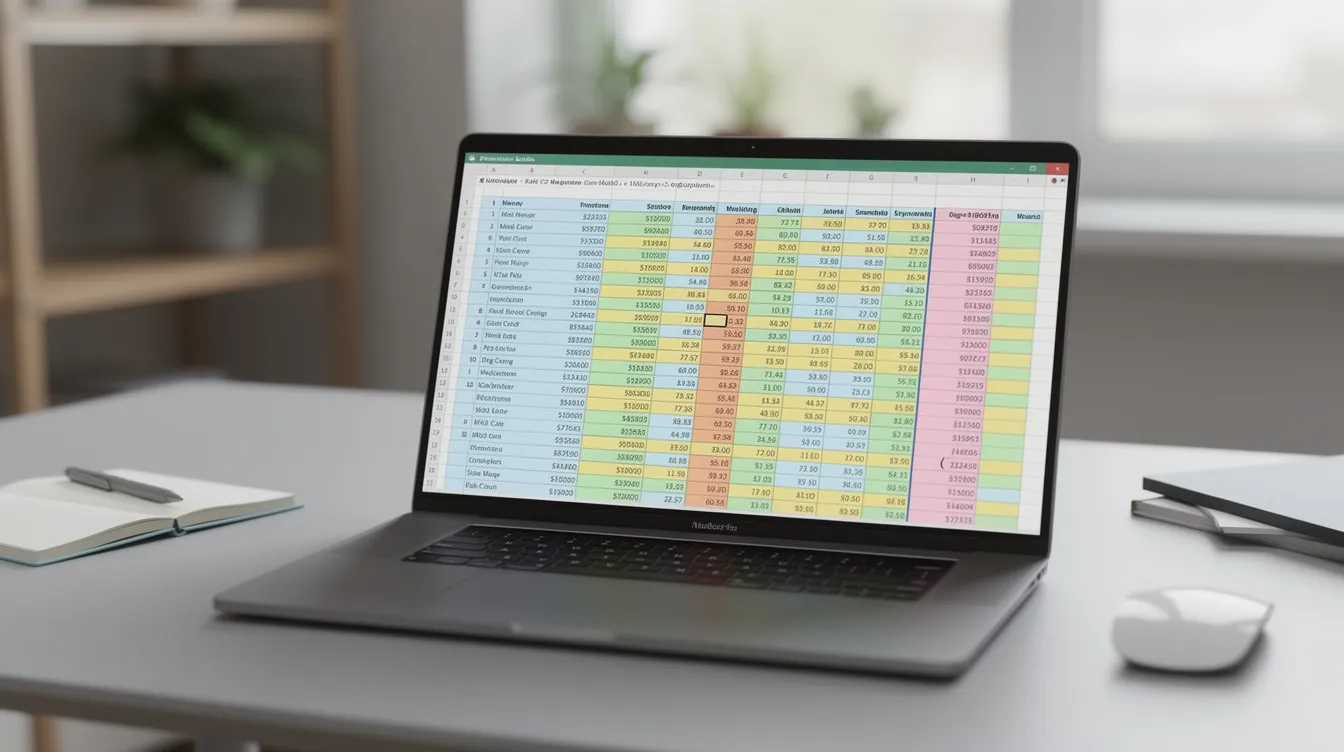
Google Sheets can effectively track investor outreach for small raises and multi-person teams. Start with two sheets: one for the investor database and outreach tracker, another for summary dashboard metrics.
Set up data validation dropdowns for investor category, sector preference, fundraising stage and status (Active, On Hold, Declined, Committed). This reduces errors and makes filtering reliable. Use proper date fields for initial contact date, last contact date, next follow-up date and last meeting date.
A good investor tracking tool needs four features: structured data entry, stage-based filtering, overdue alerts and summary metrics. Apply conditional formatting to highlight overdue follow ups. In Google Sheets, if the next follow-up date is before today and the status is “Active”, set the cell background to red.
Useful formulas:
- Count investors in due diligence: =COUNTIF(StageRange,”Due Diligence”)
- Flag overdue follow ups: =IF(AND(Status=”Active”,NextFollowUpDate<TODAY()),”Overdue”,”OK”)
- Response rate: =COUNTIF(ResponseRange,”Interested”)/COUNTA(ResponseRange)
Investor outreach tools should facilitate managing interactions and tracking investor interest without becoming burdensome. Keep the tracker simple enough that most founders and their teams update it after every investor communication, not once a month.
Understanding the Fundraising Pipeline Tracker
Treating investor interactions as a pipeline means every conversation moves through stages, similar to a sales funnel but focused on equity funding. Eight stages exist in an investor pipeline from first contact to committed.
A realistic sequence for Indian equity fundraising:
- Investor Identified
- Investor Researched (sector focus, cheque size, geography verified)
- Initial Outreach Sent
- Response Received
- Introductory Investor Meeting
- Additional Information / DPR Requested
- Detailed Evaluation and Due Diligence
- Term-Sheet Discussion, Negotiation and Funding Completion
Alongside these, track investors who decline or stop responding. An outreach pipeline allows tracking investors from the research stage through to investment decision, showing where the process is stuck.
If 25 investors are in “Initial Outreach” but only 2 have reached “Meeting Done”, the promoter needs to improve cold outreach emails or the pitch deck. If 5 investors are in “Due Diligence” but none progress, the investor-ready DPR and financial models may need strengthening. Each stage should be a dropdown field in the tracker so it can be filtered and summarised in the dashboard.
Promoters can adapt stages depending on ticket size and investor type. An HNI investing ₹1 crore may skip formal due diligence. A PE fund investing ₹30 crore will have a multi-week diligence process. Keep the stages stable throughout the entire raise for clarity.
Managing Investor Contacts and Initial Outreach
Before outreach begins, promoters should shortlist relevant investors based on project size, sector and geography. Guidance on finding genuine business investors in India helps narrow the list to active investors likely to engage.
Different outreach channels require different tracking:
- Cold emails following structured frameworks described in how to write cold emails to investors in India and supported by a concise investor introduction email and one-page teaser
- LinkedIn messages and connection requests, tracked systematically as described in how to approach investors on LinkedIn
- Warm intros through CAs, bankers or industry contacts, recorded with “Source of Introduction” using processes from how to get warm introductions to investors
Record every initial outreach in the tracker: date, channel, outcome (no response, replied, meeting scheduled), and which materials (deck, one pager, forwardable email) were shared. Segmentation of investors into tiers can help prioritise outreach strategies; an investor with a known interest in your sector and a matching cheque size deserves a custom fields approach rather than a generic template.
Targeted cold outreach to 30 well-researched investors produces better results than mass-messaging 200 random contacts.
Investor Meeting Tracker – Recording Discussions and Next Steps
Every investor meeting, whether online or offline, should be recorded in the tracker with:
- Meeting date and mode (Zoom, Google Meet, in-person)
- Attendees from both sides
- Key discussion points and concerns raised
- Documents requested and agreed next actions
- Target dates for follow up actions
Founders should log investor notes within 30 minutes of meetings, while details are fresh. Founders should also document objections raised during investor meetings; these objections reveal what additional data, analysis or clarification each investor asks for next.
For a partner meeting or detailed evaluation, a separate meeting log linked from the main investor row (via a hyperlink in Google Sheets) helps maintain detailed notes without cluttering the main tracker. Promoters should review investor questions carefully using guidance such as how to handle investor questions and objections.
Resources on how to get investor meetings in India, how to prepare for the first investor meeting and what to do after the first investor meeting help connect preparation with structured tracking.
Investor Follow-Up Tracker – Timing, Reminders and Communication History
The follow up tracking component of the investor outreach tracker focuses on next follow-up date, follow-up method, summary of what was communicated, investor response and new next step.
Log follow-up actions immediately after investor meetings. Detailed notes of interactions enhance relationship management with investors and prevent repetitive or contradictory messages.
Typical follow up timing:
- Cold outreach with no response: follow up after 5–7 working days
- After sending requested documents with no acknowledgement: follow up after 2–3 days
- After a positive first meeting: confirm next steps within two weeks
- After 2–3 unanswered attempts: park the contact and focus on open conversations
Follow ups should be polite, concise and reference earlier investor conversations. Guidance on how to follow up with investors provides detailed scripts and etiquette.
Use simple filters to show all investors with overdue follow ups, all follow ups due in the next 3–5 days, and all investors where documents have been sent but no reply recorded. A fundraising command center integrates multiple outreach tracking tools; for most promoters, a single well-maintained Google Sheets file serves as this command centre.
Example – Investor Outreach Tracker for a ₹10 Crore Manufacturing Project
Consider a hypothetical promoter of an agro-processing unit in Maharashtra seeking ₹10 crore equity as part of a ₹30 crore project. The promoter has identified five potential investors at different pipeline stages:
| Investor (Fictional) | Category | Current Stage | Last Contact | Key Notes | Next Step & Date |
|---|---|---|---|---|---|
| Investor A, Mumbai | HNI | Introductory Meeting Done | 15 Oct 2026 | Positive; asked for updated cash flow projections | Send revised projections by 22 Oct |
| Investor B, Pune | Family Office | Due Diligence | 10 Oct 2026 | Site visit completed; reviewing DPR and valuation | Respond to diligence queries by 18 Oct |
| Investor C, Delhi | Strategic Investor | Response Received | 20 Oct 2026 | Intro requested via CA; initial call scheduled | Prepare one pager and confirm call for 28 Oct |
| Investor D, Bangalore | PE Fund | Outreach Sent | 5 Oct 2026 | Cold email sent with deck; no response yet | Follow up email by 25 Oct |
| Investor E, Ahmedabad | HNI | Declined | 1 Oct 2026 | Sector focus mismatch (prefers pharma) | Closed; no further action |
At a weekly review, the promoter prioritises: preparing cash flow projections for Investor A, responding to Investor B’s diligence queries, and following up with Investor D. Investor E is closed out to keep the pipeline clean.
This example is purely illustrative. No real investor names, commitments or personal data are used.

Monitoring Fundraising Progress Through an Investor Dashboard
Convert the investor outreach tracker into a fundraising dashboard using summary formulas or pivot tables. Tracking metrics like conversion rates helps optimise investor outreach efforts over time.
Useful indicators:
- Total investors identified and contacted
- Response rate (responses / investors contacted)
- Meetings scheduled and completed
- Investors requesting additional documents
- Investors in due diligence
- Term-sheet or valuation discussions ongoing
- Indicative amounts vs. finalised funding
| Metric | Example Formula |
|---|---|
| Investors in Due Diligence | =COUNTIF(StageRange,”Due Diligence”) |
| Response Rate | =COUNTIF(StatusRange,”Responded”)/COUNTA(StatusRange) |
| Overdue Follow Ups | =COUNTIFS(StatusRange,”Active”,FollowUpRange,”<“&TODAY()) |
Weekly reviews of investor pipelines help maintain engagement and prevent stalled conversations. Review the dashboard with your team and adviser every week to adjust outreach priorities and ensure critical investor conversations receive timely follow ups.
Common Mistakes in Investor Outreach Management
The biggest mistake most founders make is building an investor database without recording actual investor interactions. Other common errors:
- Sending the same generic outreach templates to all investors without customisation
- Inconsistent data entry; some meetings logged, others not
- Failing to log investor objections and repeatedly sharing the same information the investor already rejected
- Assuming verbal “interest” equals committed capital; a closed round requires signed documentation, not WhatsApp enthusiasm
- Losing track of follow ups during busy operational weeks
- Not updating the tracker after investor meetings
- Not closing out investors who have declined, leaving the investor list artificially inflated
- Not recording reasons for passes or treating all investors the same regardless of stage or fit
Common mistakes in investor tracking include not recording reasons for passes or treating all investors the same. Segmenting investors by category, cheque size and research depth helps avoid wasted effort. Accurate, updated records in a simple tracker are more valuable than a complex tool with incomplete data.
Confidentiality, Data Protection and Professional Communication
Investor details, email IDs, mobile numbers and notes about personal preferences should be handled with restricted access inside the company. Store trackers and investor documents (DPRs, valuation models, data room files) in secure cloud folders with proper access controls.
Good practices:
- Password-protected files and role-based access
- Avoid sharing sensitive investor or project information on open email groups
- Maintain a simple log of who has received detailed project information
- Avoid unnecessary printing of confidential documents
This article provides practical guidance and is not a substitute for legal or data-protection advice, especially where foreign investors are involved.
Role of an Investor-Ready DPR and Financial Projections in Investor Discussions
A structured investor outreach tracker is useful only if promoters have credible documents ready. Investor interactions often trigger specific data requests, which should be tracked in the “Documents Requested” and “Investor Questions” columns.
Key documents for manufacturing and industrial projects:
- Detailed Project Report (DPR) covering project cost, means of finance, production capacity, working capital assessment
- Financial projections and financial modelling with profitability, cash flow, DSCR, IRR analysis and sensitivity analysis
- Business valuation and investor pitch deck
- Break-even analysis and capacity utilisation scenarios
Strong financial models and CMA Data preparation support more confident investor meetings and reduce delays during due diligence. Project Report Bank prepares investor-ready DPRs, financial models, business valuations and pitch decks for serious Indian promoters, without promising any specific investor introductions or guaranteed funding.
How Professional Advisory Support Improves Fundraising Preparation
Experienced project finance advisers and chartered accountants help promoters define realistic project cost and means of finance, prepare robust financial projections and financial models, assess project feasibility and DSCR, and translate this into investor-friendly narratives.
Advisory teams can also help structure the investor outreach tracker itself: finalising columns, setting up Google Sheets sharing, designing simple dashboards and training internal staff to update data after every investor meeting.
While advisers like Project Report Bank support documentation, modelling and process discipline, the actual investment decision remains with investors and depends on project quality, valuation and market conditions. Even promoters who start with a basic investor communication tracker can progressively evolve towards a more comprehensive fundraising pipeline tracker with professional guidance.
Frequently Asked Questions
The following FAQs address practical doubts about investor tracking that may not have been fully covered above.
What is an investor outreach tracker and how is it different from a simple investor list?
A simple investor list only records names and contact details. An investor outreach tracker includes every interaction, every meeting, every document shared, every follow up and the current fundraising stage for each investor. It provides relationship history rather than a static directory.
How can I create a basic investor outreach tracker in Excel or Google Sheets?
Start with five key columns: investor name, contact info, current stage, last contact date and next follow-up date. Add a notes column for meeting summaries. Begin with 20–30 rows, then expand and refine custom fields as your fundraising activity grows. Google Sheets works well because it supports real-time collaboration with your adviser and team at no cost on the free tier.
How often should I follow up with investors if they have not replied?
For cold outreach, send 1–2 polite follow ups spaced roughly 5–7 working days apart. For active discussions, timing depends on what the investor indicated. Avoid daily or pushy reminders. After 2–3 unanswered attempts, park the contact and redirect your fundraising efforts toward other investors.
What is the difference between investor “interest” and committed funding?
Verbal interest or a positive first meeting does not equal committed capital. A term sheet followed by signed documentation (shareholders’ agreement, subscription agreement, fund transfer) constitutes commitment. Most founders overestimate their pipeline by conflating interest with commitment. The tracker should maintain separate fields for indicative interest and actual committed funding.
What documents should I have ready before systematic investor outreach?
At minimum: an investor-ready DPR, a concise pitch deck, 3–5 year financial projections, basic valuation working, and a one pager or project teaser. These documents should be realistic, internally consistent and professionally prepared. Missing or inconsistent documentation causes delays during due diligence and weakens credibility with seed rounds and later-stage fund discussions alike.
Conclusion – Building a Disciplined Investor Outreach Process
A well-structured investor outreach tracker, investor meeting tracker and investor follow-up tracker together create a disciplined fundraising pipeline. Accurate records, timely follow ups and organised investor communication are as important as a strong DPR and financial model during the fundraising process. The tracker is a management tool, not a shortcut to funding; successful fundraising depends on project viability, realistic valuation, investor fit and market conditions.
Serious promoters planning to raise ₹5–15 crore or more in equity should combine a robust investor outreach tracker with professional support for investor-ready DPRs, feasibility studies, financial projections and investor pitch decks from Project Report Bank. Formalise your investor outreach process and prepare your financial documentation before approaching multiple investors.
CA Manish Gugliya FCA, DISA (ICAI) More than 20 years of professional experience in project reports, financial projections, CMA Data, project finance and business advisory.