Key Takeaways
- Most mudra loan appeal mistakes stem from weak documentation, emotional writing, and failure to address the actual rejection reason – not from banks being unreasonable.
- Before filing any appeal or complaint, fix known deficiencies: correct your cibil report errors, update your business plan or project report, and reconcile GST/ITR mismatches.
- Always approach the bank branch and internal grievance channels first; jumping directly to the RBI Integrated Ombudsman is a common fatal mistake that leads to quick dismissal.
- A strong appeal includes the bank’s written rejection letter, a point-by-point response, updated supporting documents (ITR, GST, bank statements, Udyam, project report), and polite but firm communication.
Introduction: Why Most Mudra Loan Appeals and Complaints Fail
As a practising Chartered Accountant with over 20 years in MSME and Mudra Loan advisory, I have seen this pattern repeat hundreds of times: an applicant gets rejected, writes an angry letter, and wonders why nothing changes.
By 2025, over ₹35 lakh crore had been sanctioned under PMMY across roughly 53.85 crore accounts. Mudra loans are available for micro and small enterprises, and they are collateral free and government backed. Yet thousands of mudra loan rejection appeals are mishandled every month.
Mudra loan appeal mistakes are the practical errors applicants make when challenging a rejection or unfair treatment – errors that almost guarantee failure even when the underlying case is strong. People file appeals because of rejection despite mudra loan eligibility, reduced loan amount, unexplained delays, wrong cibil score interpretation, or a bank branch refusing to accept the mudra loan application form.
Banks respond to facts, not frustration. This guide covers what to do before, during, and after filing your appeal.

Table of Contents
What Is a Mudra Loan Appeal and When Should You File One?
A mudra loan appeal is a written request asking the same bank or financial institution to review, reconsider, or correct its earlier decision regarding your mudra loan application – whether that was a full rejection, partial sanction, or an unjustified loan reduction.
An appeal is not a fresh loan application. It specifically challenges a decision documented in a particular rejection or sanction letter, referencing the date and reasons given. Applicants must apply under the correct mudra loan category when submitting their original application. Mudra loans have four categories: Shishu loans offer up to ₹50,000 for micro-enterprises, Kishore loans range from ₹50,001 to ₹5 lakh for enterprises, Tarun loans provide ₹5 lakh to ₹10 lakh for established businesses, and Tarun Plus loans offer up to ₹20 lakh for repeat Tarun borrowers.
Typical situations justifying an appeal include rejection due to misunderstanding of business activity, wrong reading of financials, disputed CIBIL issues, or unjustified reduction despite strong cash flow. Appeals should normally be filed within 30–60 days of receiving the rejection letter. Mudra loans are disbursed through banks, non banking financial companies, microfinance institutions, regional rural banks, and small finance banks. A clear business plan is required for kishore and tarun loans, and missing it is a frequent cause of rejection.
Expected outcomes range from reversal of rejection to modified sanction with conditions, partial increase, or written confirmation that the decision stands – which then becomes the basis for a formal complaint or re-application.
What Is a Mudra Loan Complaint and How Is It Different from an Appeal?
A mudra loan complaint is a grievance about improper behaviour or process failure by the bank – not merely “I disagree with your credit decision.” It covers situations like refusal to accept an application, no response for months, or violation of RBI guidelines.
The distinction is simple: an appeal challenges the bank’s decision on merit; a complaint challenges the bank’s conduct or non-compliance with process, timelines, or transparency norms.
Concrete examples include branch managers saying “mudra scheme targets are completed” despite it being an ongoing scheme, insisting on unnecessary insurance or a forced current account opening with processing fee, not providing written reasons for rejection, or keeping your file pending beyond 30–45 days.
The grievance redressal ladder inside a bank typically runs: branch → Regional Office / Zonal Office → Nodal Officer / Head Office Grievance Cell. If still unresolved, you can escalate to the RBI Integrated Ombudsman through the CMS portal. Filing a mudra loan rejection complaint at the Ombudsman level is effective only if you have already tried the bank’s internal grievance mechanism and kept proper acknowledgements with complaint numbers.
Top Mudra Loan Appeal and Complaint Mistakes You Must Avoid
Most mudra loan appeal mistakes fall into predictable patterns. Below, I cover each major mistake with its cause, impact, and solution. These errors apply to both appeals and complaints, especially for Kishore and Tarun category loans where documentation and credit history play a decisive role.
Correcting these errors before you write the first line of your appeal letter can be the difference between “No change” and a positive revision.

Filing an Appeal Without Understanding the Real Rejection Reason
Many applicants hear verbal comments like “CIBIL problem” or “policy issue” and rush to write an appeal without obtaining a proper written rejection letter. Applicants should explicitly address reasons for loan rejection in appeals – but you cannot address what you do not understand.
Hidden issues such as low DSCR, weak cash flow, unregistered business activity, or earlier defaults by a co-applicant are often the true reason. The practical solution: insist politely on written rejection with reasons, cross-check against your cibil report, GST/ITR data, and project report, then prepare your appeal point-by-point. If you struggle to identify the real reason, this guide on finding the actual reason for mudra loan rejection can help.
Writing Emotional, Aggressive, or Blaming Language Instead of Facts
Appeals filled with anger – “you are biased”, “I will complain to the PMO” – make it easy for credit officers to set your file aside. Banks evaluate risk through numbers and documents, not emotional arguments. Many applicants confuse a complaint about unfairness with a persuasive appeal.
Instead of writing “You have no right to reject small business owners like me,” try: “My current account shows average monthly credit of ₹1.8 lakh over the past 12 months, which supports the proposed EMI of ₹8,500.” Structure your letter as: short background, rejection letter details, bullet-style clarification of each objection, and a polite request for reconsideration with attached documents.
Not Attaching Supporting Documents or Correcting Deficiencies
Incomplete documentation is a leading cause of mudra loan rejections. Incomplete or mismatched documents cause most mudra loan rejections, and filing an appeal without fixing those gaps is almost always a waste. An appeal must include updated supporting documentation to be effective.
Typical missing items include:
- Latest 6–12 month current account and bank statements
- Last 2 years ITR and GST returns matching turnover
- Updated project report with realistic sales projections
- Clear business proof such as photos, licences, or invoices
- Corrected KYC where PAN and Aadhaar show a different address than business address proof
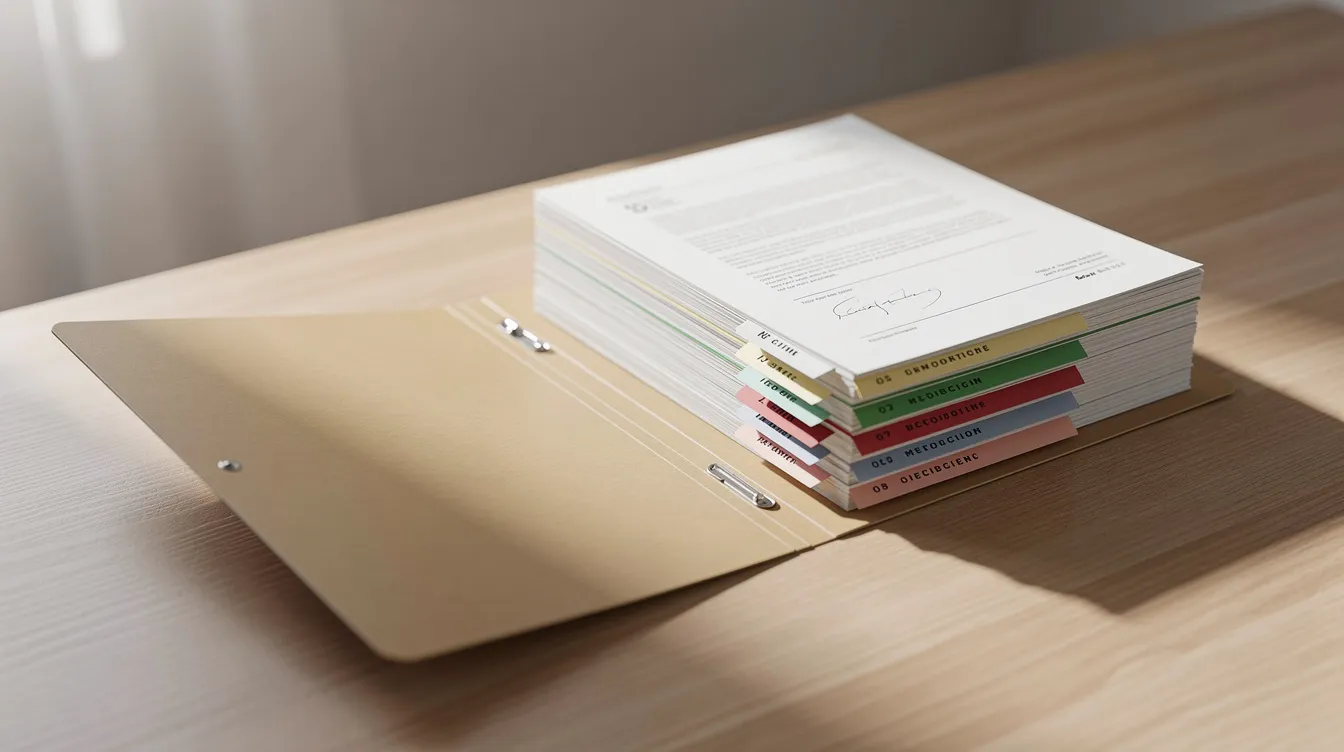
Attach these documents systematically with proper indexing and mention in the appeal exactly which deficiencies have now been rectified.
Copy-Pasting Generic Appeal Letters or Using Wrong Templates
Many applicants download a generic “Mudra Loan appeal letter format” and send it without changing details like loan amount, business activity, loan category, or rejection reason. This makes the case look careless and low-priority to the reviewing officer.
Every appeal must be customised: mention the specific bank branch (whether it is Canara Bank, SBI, or any lender), date of original mudra loan application, type of loan (Shishu, Kishore, Tarun), amount requested, and the exact reason cited in the rejection letter. For detailed guidance on structuring a proper appeal, refer to this mudra loan appeal letter guide.
Providing Incomplete or Contradictory Business Information
Appeals fail when the simple business plan, project report, GST returns, and bank statements tell different stories about sales, margins, or nature of business activity. Applications with document mismatches are likely to be rejected – and appeals with the same mismatches will be rejected again.
For example, if your application shows “manufacturing unit” but your bank statements show mainly cash deposits from trading, or your GST turnover is far lower than what the project report claims, the bank will question credibility. Providing an inadequate business plan can result in loan application denial. Lack of a clear business plan results in loan application denial for loans above ₹50,000, especially for small shishu loans moving into higher category loans.
Reconcile inconsistencies first, update your clear business plan and project report, and explain any transition in business model or seasonal variation in turnover directly in the appeal.
Ignoring CIBIL Problems and Credit History Issues
A cibil score below 650 often leads to loan rejection. While a CIBIL score is not mandatory but preferred for Mudra loans, a poor credit score can significantly impact mudra loan approval chances. Existing loan defaults trigger immediate rejection of applications, and applicants must not have a history of loan defaults. Many applicants with bad credit history simply write “I am poor, please help” – this does not address the bank’s risk concerns.
The corrective approach: obtain your full cibil report, dispute factual errors, clear small overdues, consolidate existing EMIs where possible, and then mention these improvements in the appeal with proof of payments. Check your cibil score before applying for a mudra loan. For a detailed improvement plan, see this guide on improving your CIBIL score for Mudra Loans.
Delaying Appeals, Skipping Branch Discussion, or Complaining to the Wrong Authority
Waiting many months after rejection weakens your case. Bank records go cold, staff may not recall your file, and business conditions change – making the appeal look like a casual afterthought.
Equally damaging: many applicants directly file a mudra loan complaint with the Banking Ombudsman or RBI CMS portal without ever meeting the Branch Manager or using the bank’s own grievance portal. This usually leads to a quick “no deficiency found” closure. Most banks require you to exhaust internal channels first.
The correct sequence: discuss with the loan officer and Branch Manager, collect written rejection and clarifications, file a written appeal to the branch or Regional Office, and only if the process is unfair or timelines are violated, escalate as a formal complaint following the mudra loan complaint timeline.
Not Keeping Acknowledgements, Reference Numbers, and Copies
From a banker’s and Ombudsman’s perspective, “no record = it never happened.” Verbal promises or submissions without stamped copies are almost impossible to prove later. It is recommended to keep records of all correspondence regarding loan applications.
Every mudra loan application, appeal, or complaint should be submitted either via email (with proper subject and attachments) or physically with branch receiving stamp, date, and signature on your copy. You can also apply online through the udyamimitra portal for certain banks. Complaint reference numbers from bank portals and RBI CMS become crucial evidence in later escalation or compensation claims.
Expecting Guaranteed Approval Immediately After Filing an Appeal
An appeal is a request for reconsideration, not a legal order. Banks may uphold the earlier rejection if risk factors remain – especially where repayment capacity is weak or loan applications can be rejected due to unrealistic loan amount requests. Applying for an unjustified loan amount can lead to rejection regardless of how well your appeal is written.
Sometimes the best realistic outcome is: a smaller loan amount sanctioned, stricter conditions, a suggestion to reapply after 6–12 months of better financial discipline, or guidance to approach the same bank or a different lender. Treat the appeal process as an opportunity to understand bank thinking and strengthen future mudra applications.
Documents That Strongly Support Mudra Loan Appeals and Complaints
In 2026, most banks decide appeals based on file quality. A well-organised document set signals seriousness and makes it easier for credit officers to justify a positive review internally.
Core appeal documents:
- Original mudra loan application form and rejection/sanction letter with date and reason
- Updated project report or basic business plan with CMA data and quotations for machinery
- You need PAN, Aadhaar, and a 6-month bank statement as baseline KYC
- A business proof document is required for mudra loan applications
Financial proofs:
- For loans above ₹2 lakh, provide financial statements for the last two years
- Latest GST returns reconciling turnover with the project report
- Kishore and tarun loans require a basic business plan with working capital calculations
Business and regulatory proofs:
- Udyam Registration certificate (recommended for better approval chances)
- Business premises proof: rental agreement or property papers, utility bill for address verification
- Key licences (FSSAI for food businesses, trade licence for repair shops or trading)
- You must submit two recent colored photographs with your application
- Clear photographs of running business activity and business transactions
For complaints specifically regarding delay or refusal, also include screenshots of emails, SMS alerts, portal status, earlier complaint numbers, and written communication from the bank.
Best Practices Before Filing a Mudra Loan Appeal
Use this checklist before drafting your mudra loan rejection appeal letter:
- Obtain and thoroughly read the rejection letter. Prepare a two-column sheet: “Reason mentioned by bank” vs. “My clarification and supporting document.”
- Check your cibil score before applying or appealing. Submit a complete document checklist to avoid rejections the second time.
- Review business viability honestly: realistic turnover, margins, repayment plan, and whether your EMIs look practical against cash flow.
- Create a solid business plan for loans above ₹50,000 – especially for Kishore and Tarun categories.
- Register your business on the Udyam portal for credibility if not already done.
- Verify personal and business KYC: PAN–Aadhaar name match, address consistency, correct business details in all documents.
- Discuss your case once more with the loan officer or Branch Manager after preparing improved documents, politely ask what additional comfort they need, then file the written appeal.
Best Practices Before Filing a Mudra Loan Complaint
Complaints are more formal and should not be your first step. They are powerful when the bank has clearly violated a process or timeline requirement, but they can backfire if used casually.
Key checks before complaining:
- Confirm you gave the bank reasonable time (normally 30 days) to process the mudra loan application
- Kept proper acknowledgements and tried resolving with Branch Manager and Regional Office first
- Document the timeline clearly: date of application, follow-up visits or emails, date of rejection or non-response, date of internal complaint, and current status
- Focus on specific violations – refusal to accept application, non-issuance of written rejection, forcing insurance, or unexplained delay – rather than re-arguing credit merit
- Beware of undue influence from unauthorized agents, which is a common pitfall when applying for Mudra loans; deal only with verified bank staff
Before approaching the RBI Integrated Ombudsman, you must give the bank 30 days to respond to your internal complaint.
Step-by-Step Mudra Loan Appeal Process (Within the Bank)
First, collect the written rejection or sanction letter showing the reduced loan amount or rejection. Note the reference number, date, and specific reason such as “low CIBIL score”, “insufficient business proof”, or “cash flow not adequate.”
Next, gather improved documents – updated bank statements, ITR, GST, project report, quotations – and draft a concise appeal letter addressed to the Branch Manager or credit authority. Reference the original loan application and rejection letter by date and number. Follow up weekly after submitting your loan application or appeal.
Submit the appeal with your document set to the bank branch, obtain a stamped copy with date, or send by registered email. Keep screenshots and receipts. For some banks you can also apply online through their portal.
Inside the bank, the credit officer typically re-examines the file. There may be a fresh field visit or phone verification. The file may be forwarded to the Regional Office or higher credit committee for final decision, which often takes two weeks to four weeks.
Step-by-Step Mudra Loan Complaint Process and Escalation Path
The complaint route is for situations like non-acceptance of application, missing reasons for rejection, unexplained delays, or violation of RBI/PMMY guidelines – not merely disagreement with risk assessment.
Stage 1: File a written complaint at the branch addressed to the Branch Manager. Clearly explain the grievance, attach copies of your application, appeal (if any), and rejection letter. State the relief you seek.
Stage 2: If no satisfactory response within 30 days, escalate to the bank’s Regional or Zonal Office / Nodal Officer using email or the online grievance portal. Quote the earlier complaint reference number.
Stage 3: If still unresolved, complain to the RBI Integrated Ombudsman through the CMS portal. Ensure the complaint focuses on process failure and includes a chronological summary with scanned proofs. You may also claim compensation for unreasonable processing delay.
Avoid filing multiple parallel complaints to the branch, Head Office, Ombudsman, and PMO simultaneously – this confuses the trail and often gets everything clubbed or dismissed.
How Banks Evaluate Mudra Loan Appeals Internally
From a CA’s perspective, banks re-check four things in an appeal: documentation quality, repayment capacity, business viability, and overall credit behaviour – not just one number like cibil score.
Documentation review: KYC correctness, proof of business activity, updated project report, realistic financial projections, and whether previous deficiencies have been rectified. Mismatched documents will trigger the same rejection again.
Financial assessment: Cash flow versus proposed EMI, DSCR, existing EMIs, seasonality of business, and whether the requested loan amount and tenure look reasonable for that business model. Most banks look at transaction history in the current account as a primary indicator of repayment capacity.
Risk perception: Past banking history, cheque bounce pattern, informal borrowings visible in bank statements, age and stability of business, and whether the applicant’s explanations are consistent with objective data. Even small enterprises with thin margins can get a mudra loan approved if their numbers are honest and well-presented.
A well-prepared appeal helps the credit officer write a strong internal note in favour of the applicant – making loan approval easier for their superiors without fear of audit objections.
When You Should Consider Professional Help for Your Mudra Loan Appeal
As a practising Chartered Accountant handling MSME and Mudra Loan cases, I regularly see situations where professional support significantly changes outcomes.
Professional help is valuable when you face:
- Complex cibil report errors or multiple existing loans
- Dispute over turnover or net profit figures between GST, ITR, and project report
- Bank has flagged “business not viable” after site inspection
- You are applying for tarun loans or Tarun Plus above ₹5 lakh where eligibility criteria are stricter
A CA or MSME finance consultant can prepare realistic project and CMA reports, present bank statement analysis clearly, reconcile GST and ITR with projected turnover, and draft fact-based appeal letters answering credit concerns directly. Professional help cannot guarantee mudra loan approval, but it ensures your case is technically strong and free from avoidable mistakes.
For loans above ₹3–5 lakh, the long-term benefit of proper documentation often outweighs the one-time advisory cost.
Practical Case Studies: Common Mistakes and Better Approaches
Case 1 – Trader with CIBIL Issues: A trader in Jaipur with healthy business transactions but a low cibil score due to an old settled credit card filed an emotional appeal. It failed. After clearing small overdues, correcting cibil report errors, and submitting a revised project report with 12 months of current account statements, the same bank sanctioned a smaller but workable Kishore mudra loan. The eligibility requirements were always met – only the presentation was weak.
Case 2 – Home-Based Food Business: A women entrepreneur running a home-based food business was rejected for “no business proof.” Instead of complaining, she collected FSSAI registration, Udyam certification, business photographs, a rental agreement for her premises, and a simple income statement. Her appeal led to approval at the same bank. Many applicants give up too early when the fix is straightforward.
Case 3 – Manufacturing Unit Delay: A small manufacturing unit’s file stayed “under process” for over 60 days without communication. By documenting the timeline, filing a structured complaint with the Regional Office, and then escalating to the RBI Ombudsman, they obtained both a sanction and acknowledgement of unreasonable delay. Banks reject applications silently sometimes – but documented persistence works.
The lesson across all cases: fix the root cause, respect the process, keep evidence, and use appeals and complaints strategically rather than emotionally.
Frequently Asked Questions on Mudra Loan Appeal Mistakes
How soon should I file a Mudra Loan appeal after rejection?
Ideally, file your written appeal within 15–30 days of receiving the rejection letter. At this stage, the file, field visit report, and staff memory are still fresh. Late appeals may still be accepted but are harder to evaluate because business conditions and documents may have become stale.
Is it better to appeal a Mudra Loan rejection or directly reapply at another bank?
If the rejection is due to serious cibil or cash-flow issues, changing from the same bank to another lender will not help until the root problem is fixed. An appeal is useful to understand the bank’s concerns clearly. After that, a corrected re-application – whether at the same bank or another – will have much better chances.
What if the bank refuses to give me a written rejection or accept my appeal letter?
Send an email to the branch and the bank’s regional grievance cell with a scanned copy of your application. If still ignored for 30 days, escalate through the bank’s complaint portal and then RBI’s CMS as a complaint about non-acceptance or non-communication. This is a process violation that the Ombudsman takes seriously.
Can I file more than one appeal for the same Mudra Loan application?
Most banks do not entertain multiple appeals unless there is significant new information or change in circumstances. Instead of repeating the same request, improve your documentation, business performance, or credit history and then file a fresh, stronger application after some months.
Do I need a consultant or CA to file a Mudra Loan appeal or complaint?
It is not compulsory. Any educated applicant can write a factual, polite appeal with proper documents. However, for complex cases involving project reports, CMA data, pan card discrepancies, or cibil disputes, professional help from a CA or MSME finance expert can substantially improve the quality and credibility of the case – particularly for loans above ₹2–5 lakh.
- Can Bank Reduce Mudra Loan Amount Without Your Consent? Complete Practical Guide (2026)


- What to Do If You Cannot Pay Your Mudra Loan EMI (2026 Guide)

- Can a Bank Refuse a Mudra Loan Because the Target Is Completed? Complete Guide (2026)

- Bank Refused My Mudra Loan Application – What Are My Rights?

- Mudra Loan for Used Vehicles (2026): Eligibility, Documents, Bank Rules & Complete Guide

- Rejected Mudra Loan – What to Do Next? Appeal Process Explained (2026)

- Mudra Loan Project Report Madhya Pradesh – Bank-Ready DPR & CMA Guide

- Project Report for Mudra Loan Maharashtra: Complete Guide for MSMEs, Startups and Small Businesses (2026)

- Mudra Loan Uttar Pradesh: Complete Guide for MSMEs, Startups and Small Businesses (2026)