Key Takeaways
- Mudra Loan in Uttar Pradesh offers collateral-free funding up to ₹10 lakh under three categories – Shishu (up to ₹50,000), Kishor (₹50,001 to ₹5 lakh) and Tarun (₹5 lakh to ₹10 lakh) – for small businesses, traders, manufacturers and startups.
- Entrepreneurs in Lucknow, Noida, Kanpur, Varanasi and all other UP districts can apply through public sector banks, private banks, NBFCs, MFIs and the Jan Samarth portal for PM Mudra Loan Uttar Pradesh.
- A bankable Mudra Loan project report with realistic financial projections, CMA data and clean banking behaviour significantly improve loan approval chances, especially for Kishor and Tarun amounts.
- Project Report Bank, led by CA Manish Gugliya, prepares professional Mudra Loan project reports and CMA data online for UP applicants across all districts without requiring physical visits.
- This article provides step-by-step eligibility criteria, documents required, interest rate details, application process, common rejection reasons, practical tips and FAQs for UP Mudra Loan in 2026.
Introduction
If you run a kirana store in Lucknow, a small manufacturing unit in Kanpur, or a coaching centre in Varanasi, funding is probably your biggest challenge. Mudra Loan in Uttar Pradesh addresses exactly this problem – providing collateral-free credit up to ₹10 lakh to micro and small businesses under Pradhan Mantri Mudra Yojana (PMMY).
Uttar Pradesh leads the country in Mudra Loan disbursements, with over ₹58,111 crore sanctioned across 5.75 crore accounts since the scheme’s launch. Yet, many applicants still struggle with rejections, documentation gaps and unrealistic projections.
This guide is written from the perspective of an experienced Chartered Accountant – CA Manish Gugliya – who advises entrepreneurs on MSME loans, business loans and startup loans in Uttar Pradesh. The focus here is on practical banking insights: eligibility, documents, interest rates, the Jan Samarth portal process, project report importance and professional project report services for UP entrepreneurs.
All information is updated for 2026 and is relevant for both new businesses and existing MSMEs seeking working capital or term loans under UP Mudra Loan.

Table of Contents
What is Mudra Loan?
Mudra Yojana was launched on April 8, 2015, by the Government of India. MUDRA stands for Micro Units Development & Refinance Agency. The scheme is managed by the Department of Financial Services under the Ministry of Finance, and it provides micro-credit to small and micro-enterprises through banks, NBFCs and microfinance institutions across india.
A Mudra loan provides loans up to Rs. 10 lakhs for small businesses. The scheme targets non-corporate small businesses and promotes financial inclusion for small vendors and traders who previously had limited access to formal banking credit. Loans under Rs. 10 lakhs require no collateral security from the borrower. Risk coverage is typically handled through mechanisms like CGFMU or CGTMSE.
Mudra Loan in Uttar Pradesh is not a separate state scheme. It is the same central PMMY scheme, implemented through public sector banks, private banks, regional rural banks, cooperative banks and NBFCs operating across UP.
Mudra loans are categorized into Shishu, Kishor, and Tarun stages based on the loan amount. Mudra loans support funding for equipment, machinery, and working capital – covering needs of traders, manufacturers, service providers and small transport operators in UP. Business activities must be in non-farm sectors like manufacturing, trading, or services. Core agricultural farm credit is handled by separate schemes like Kisan Credit Card.
Eligibility Criteria for Mudra Loan in Uttar Pradesh
Eligibility criteria for Mudra loans include being an Indian citizen aged 18 to 65. Beyond this basic requirement, here is what banks in UP typically check:
- Business type: Individual, proprietorship, partnership firm or small company engaged in trading, manufacturing, services or allied non-farm activity within Uttar Pradesh.
- Credit history: Applicants must have a satisfactory credit history without being a defaulter. Banks check CIBIL score, past repayment record and existing loan obligations.
- Repayment capacity: Banks assess income stability, existing turnover (if any) and projected ability to service EMIs. No minimum turnover is defined in the scheme, but banks prefer some verifiable business proof.
- Purpose: Loans must be for productive business purposes – machinery purchase, shop renovation, working capital, commercial vehicle purchase. Speculation and personal expenses are not permitted.
- Special categories: Migrant workers returning to UP, women entrepreneurs, SC/ST/OBC borrowers and first-time entrepreneurs are all eligible if other criteria are satisfied. Nationally, about 60–70% of Mudra accounts are held by women borrowers.
There is no restriction by district or city. Whether you are in Gorakhpur, Agra, Meerut or a rural block in Bundelkhand, the eligibility conditions remain the same.
Documents Required for Mudra Loan
Standard documentation for Mudra loan applications includes identity and business proof. The exact list varies by bank and loan category, but here is what you should keep ready:
KYC Documents:
- Aadhaar card, PAN card, voter ID or driving licence (identity and address proof)
- Passport-size photographs
Business Proof:
- GST registration, Udyam registration, shop and establishment licence, trade licence
- Partnership deed, MSME registration certificate (as applicable)
Financial Documents:
- Last 6–12 months bank statements
- ITRs for 2–3 years (if available)
- Provisional balance sheet and P&L for existing units
Additional Documents:
- Quotation for machinery or vehicle being purchased
- Rent agreement or ownership proof of business premises
- Projected cash flows and a project report for Mudra Loan
Having a well-prepared bankable project report, CMA data and financial projections from the beginning helps faster sanction. For Shishu loans, documentation is lighter. For Kishor and Tarun, banks expect more depth.
Businesses Eligible for Mudra Loan in Uttar Pradesh
The Mudra scheme supports traditional industries in Uttar Pradesh as well as modern service and trade businesses. Here is a breakdown by sector:
Small Traders and Shopkeepers: Kirana stores, general stores, medical stores, mobile shops, readymade garment shops, stationery shops, hardware stores and similar retail businesses in cities like Lucknow, Kanpur, Meerut, Agra and smaller towns.
Manufacturing Units: Small fabrication units, garment manufacturing, shoe and leather products (especially in Agra and Kanpur), furniture workshops, food processing units, packaging units and small engineering workshops.
Services Sector: Beauty parlours, salons, coaching centres, repair workshops (mobile, electronic, automobile), cyber cafes, travel agencies, photocopy shops, tuition centres and courier service agencies – in both urban and rural UP.
Transport and Allied Activities: E-rickshaw finance, small commercial vehicles, loading autos, taxi vehicles for Ola/Uber, tractor-trolley for non-farm use and logistics support vehicles.
Allied Agri and Rural Non-Farm Enterprises: Dairy units, poultry, beekeeping, cold chain micro units and agri equipment service providers. Note that core farm credit is not covered under PMMY.
The Mudra Card allows small traders to manage cash flow and inventory through a debit-card-like facility linked to the sanctioned working capital limit.
Banks may prefer borrowers with basic experience or skills in the chosen business. Documentation and local licences must match the business activity mentioned in the loan application.
Mudra Loan Interest Rate and Loan Categories
Interest rates under PMMY are not fixed by the government. Each bank or NBFC decides its rate based on MCLR/RBLR, borrower profile and business risk. Here is the current structure for 2026:
| Category | Loan Amount | Indicative Interest Rate (PSBs) | NBFC/MFI Range |
|---|---|---|---|
| Shishu | Up to Rs. 50,000 | 8%–12% p.a. | 12%–18% p.a. |
| Kishor | Rs. 50,001 to Rs. 5 lakhs | 9%–14% p.a. | 11%–18% p.a. |
| Tarun | Rs. 5 lakhs to Rs. 10 lakhs | 9%–14% p.a. | 12%–18% p.a. |
| Tarun+ | Rs. 10 lakhs to Rs. 20 lakhs | Bank-specific | Limited availability |
Shishu loans cover amounts up to ₹50,000 for startups and very small businesses. Borrowers applying for Shishu loans are exempt from processing fees in most banks. The maximum loan amount under Mudra loans is ₹20 Lakhs under the Tarun+ category, though availability varies by bank and region.
No collateral is required up to ₹10 lakh, though banks may obtain guarantee coverage under CGFMU/CGTMSE. Subsidies are generally not available directly on Mudra Loan interest in UP. For a detailed analysis of subsidy claims, read whether Mudra loan subsidy is real or fake.
Repayment tenure is typically up to 5 years, with some banks allowing up to 7 years for asset-backed Tarun loans.
How to Apply for Mudra Loan in Uttar Pradesh
There are three main routes to apply for PM Mudra Loan in Uttar Pradesh:
1. Branch Visit (Offline): Choose a convenient branch of a public sector bank, RRB, private bank or cooperative bank. Meet the loan officer, fill the Mudra Loan application form and submit your documents along with a project report. Carry all original documents and quotations for a strong first impression.
2. Jan Samarth Portal (Online): Mudra loan applicants can apply through the JanSamarth Portal, where you register, fill basic details, select your preferred bank and scheme and receive an in-principle eligibility assessment. You then visit the bank for document verification and final processing.
3. NBFCs and MFIs: Several NBFCs and microfinance institutions active in UP also provide Mudra loans, often with field officers visiting the borrower’s location. Interest cost is generally higher than banks.
You are advised to carry KYC, business proof, quotations and a simple yet bankable project report when first visiting the bank. For a more detailed walkthrough, refer to the MSME Mudra Loan guide and Mudra Loan for Startup articles on Project Report Bank.

Why a Project Report is Important for Mudra Loan Approval
Although PMMY guidelines do not make a project report mandatory for very small Shishu loans, most banks expect at least a basic business plan for Kishor and Tarun loans above ₹2–3 lakh. In the case of larger loan amounts, a well-structured project report often makes the difference between approval and rejection.
Business Viability: A Mudra Loan project report for Uttar Pradesh demonstrates your business model, the local market context in cities like Lucknow, Noida or Ghaziabad, competition analysis and clear revenue sources. Banks need to see that you understand where revenue will come from.
Financial Projections: The report should include projected profit and loss, balance sheet, fund flow and cash flow statements for 3–5 years – with realistic turnover, expense and margin assumptions relevant to UP business conditions.
CMA Data: Credit Monitoring Arrangement data – covering current assets, current liabilities, working capital gap and bank finance requirement – is required by most public sector banks even for smaller loans. This is presented in a standard banking format that credit officers can evaluate quickly.
DSCR (Debt Service Coverage Ratio): Banks check whether projected cash profits comfortably exceed annual EMI obligations. A DSCR above 1.25 is typically the minimum threshold for comfort. Clear cash flow estimates, seasonality patterns and a repayment schedule help the bank officer justify the proposal to the sanctioning authority.
As an experienced CA, CA Manish Gugliya and Project Report Bank prepare bankable project reports tailored to individual banks’ expectations – reducing queries, delays and chances of rejection. The principles are similar whether you are applying in Bihar or Uttar Pradesh; what changes is the local market context and business-specific information embedded in the report.
Common Reasons for Mudra Loan Rejection
Understanding why applications fail is as important as knowing how to apply. Here are the most frequent rejection reasons in Uttar Pradesh:
- Poor CIBIL score or past defaults: Even though Mudra is a government scheme, banks strictly follow credit checks. A score below 650 or existing write-offs often leads to immediate rejection.
- Income-EMI mismatch: If the projected repayment capacity looks weak due to low existing income or unrealistic sales projections, banks will not sanction.
- Incomplete documentation: Missing ITRs, absent quotations, no business licence or unclear bank statements create red flags.
- Irregular banking behaviour: Frequent cheque bounces, heavy cash withdrawals without business justification, or dormant accounts raise suspicion.
- Weak or generic project report: Copying a template without local relevance to the UP market, or submitting unrealistic revenue projections, triggers excessive queries and eventual rejection.
- Multiple parallel applications: Applying simultaneously at several banks is visible on CIBIL and creates a negative impression.
- Sector or area restrictions: Some banks maintain negative lists for certain sectors or blacklisted addresses.
- Agent-driven manipulation: Some borrowers in UP are misled by agents promising guaranteed Mudra loans and submit manipulated documents, leading to straight rejection and sometimes reporting to credit bureaus.
Working on your credit score, documentation completeness, realistic financial projections and a professional project report can significantly reduce rejection chances.
Project Report Preparation Services for Uttar Pradesh Entrepreneurs
Project Report Bank is a specialised platform led by CA Manish Gugliya, preparing bankable project reports, CMA data, financial projections and DPRs for businesses across India, including all districts of Uttar Pradesh.
Service Scope:
- Mudra Loan project reports
- MSME project reports and startup project reports
- CGTMSE loan proposals
- Working capital assessment and term loan proposals
- Business plans customized for specific banks in UP
Process:
- Submit an online enquiry through www.projectreportbank.com
- Share basic business details and bank requirements
- Online consultation call with the CA team
- Collection of documents via email or WhatsApp
- Digital delivery of final project report PDF
Every report includes an executive summary, business profile, promoter profile, cost of project, means of finance, profitability projections, break-even analysis, DSCR calculation and CMA data in banking format.
Sector-specific templates are available for common UP businesses – kirana stores, coaching centres, e-rickshaw finance, restaurants, manufacturing units, clinics, salons, mobile shops and more.
The cost of professional report preparation is usually small compared to the value of faster loan sanction, better loan amount and improved perception with the bank. First-time entrepreneurs in Uttar Pradesh are especially advised to use expert support to avoid typical mistakes in Excel projections and narrative sections that experienced bank officers instantly recognise.
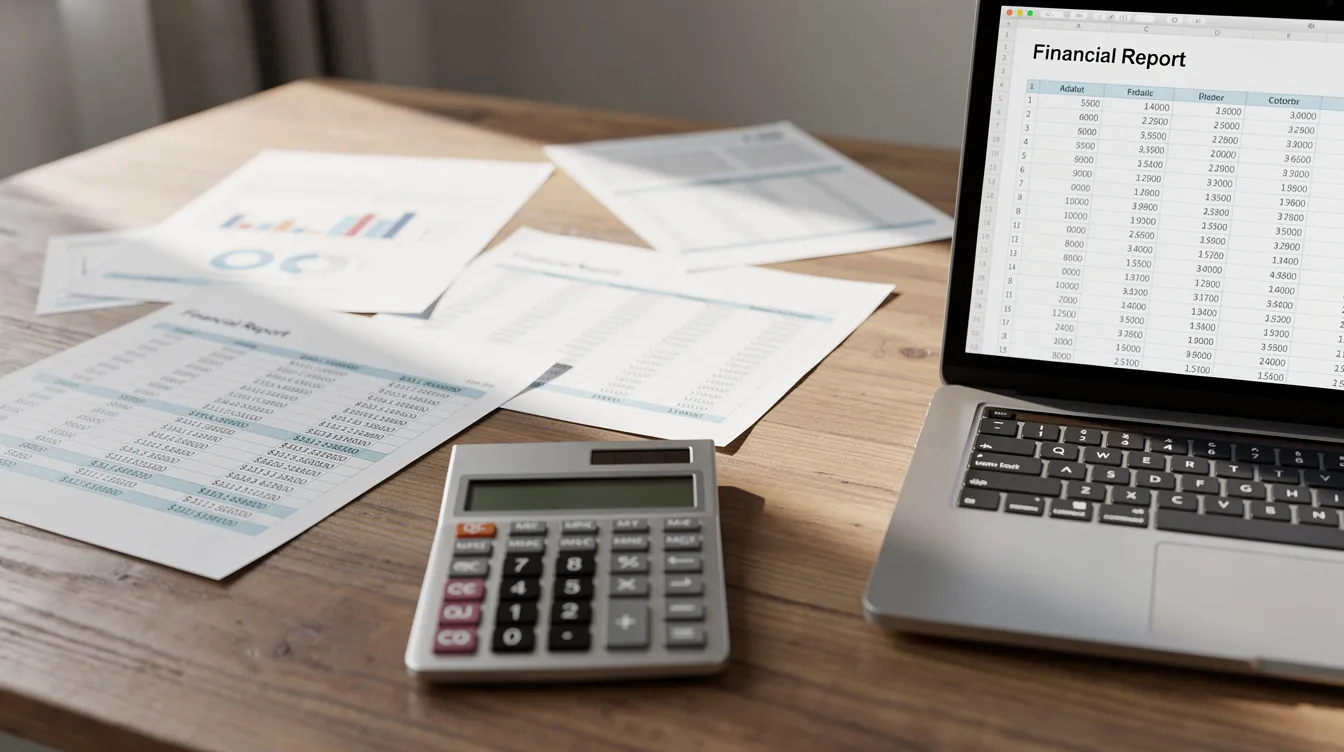
Project Report Bank Services Across Uttar Pradesh
Project Report Bank provides 100% online project report preparation services across all districts of Uttar Pradesh. There is no physical office in the state – the team supports entrepreneurs entirely through digital modes: calls, video meetings, email and online document sharing.
Major cities and business hubs served include:
Lucknow, Noida, Greater Noida, Ghaziabad, Kanpur, Agra, Varanasi, Prayagraj, Meerut, Gorakhpur, Bareilly, Aligarh, Moradabad, Jhansi, Saharanpur, Mathura, Ayodhya, Faizabad, Firozabad, Muzaffarnagar, Rampur, Shahjahanpur, Unnao, Rae Bareli, Sultanpur, Gonda, Basti, Deoria, Ballia, Jaunpur, Mirzapur, Sonbhadra, Azamgarh, Mau, Sitapur, Bahraich, Lakhimpur Kheri, Etawah, Mainpuri, Hardoi, Fatehpur, Amroha, Hapur, Bulandshahr, Bijnor, Kasganj, Etah, Hathras, Banda, Chitrakoot, Kushinagar and Maharajganj.
Available services:
- Bankable Project Reports and Detailed Project Reports (DPRs)
- CMA Data and Financial Projections
- Startup Project Reports and Business Plans
- Mudra Loan Project Reports
- CGTMSE Loan Reports and MSME Project Reports
“Project Report Bank provides online project report preparation services across all districts of Uttar Pradesh. Physical visits are generally not required, and reports can be prepared and delivered digitally for Mudra Loans, MSME Loans, Startup Funding, CGTMSE Loans, Working Capital Limits, Term Loans, and other business financing requirements.”
Reports are accepted by major public sector banks, private banks, RRBs and NBFCs. Visit www.projectreportbank.com to initiate your requirement.
Practical Tips to Improve Mudra Loan Approval Chances
- Check your CIBIL score in advance. Correct any errors, settle pending dues and wait 2–3 months for the updated score to reflect before applying.
- Maintain clean banking behaviour. Zero cheque bounces for at least 6 months before application is a practical minimum. Banks check this closely.
- Route business transactions through your bank account. Visible turnover in your statements is the strongest proof of a running business, especially for traders and service providers.
- Prepare a realistic project report. Work with a CA to show moderate sales growth, reasonable margins and a comfortable DSCR (above 1.25) instead of aggressive, unbelievable figures.
- Start small and build up. If your business is new, begin with a Shishu or small Kishor loan, repay on time and then apply for a Tarun or higher amount. This builds credibility.
- Apply at a bank where you already have a relationship. A savings or current account with good transaction history makes the credit officer’s job easier.
- Get Udyam and GST registration. These are increasingly required by banks for Kishor and Tarun loans and signal a formal, serious business.
- Carry neat, printed documents. A well-organized file with the application form, project report and all required originals creates a professional impression.
- Disclose all existing loans honestly. Banks cross-check CIBIL. Any mismatch between what you declare and what shows up on the credit report damages credibility.
- Use Jan Samarth carefully. Fill correct information, select the right scheme and proactively follow up with the selected bank branch for faster processing.
- Avoid agents or middlemen. Never pay commission to anyone promising guaranteed UP Mudra Loan approval. Deal directly with bank officials or CAs.
- If rejected, ask for reasons. Correct the weaknesses – whether documentation, credit score or projections – and re-apply at a different bank with an improved profile. Seek guidance from professionals like CA Manish Gugliya for robust bankable project reports, especially for Kishor and Tarun categories.
FAQs
Is Mudra Loan in Uttar Pradesh different from Mudra Loan in other states?
No. Mudra Loan is a central PMMY scheme implemented uniformly across India. In Uttar Pradesh, the same guidelines apply. However, each bank’s internal policies, interest rates and documentation practices may vary slightly depending on the branch and region.
Can a salaried person in UP get a Mudra Loan to start a side business?
Yes. Salaried individuals in Uttar Pradesh can apply for Mudra Loan if they plan to start or already run a small business in their own or joint name. Banks will check income proof, stability and whether the side business is genuine. For more detailed information, read this explanation of Mudra loan for salaried persons.
How much time does it usually take to get Mudra Loan sanctioned in Uttar Pradesh?
Simple Shishu loans with complete documents may be sanctioned within 2–7 days. Kishor and Tarun loans requiring detailed appraisal, project report review and possibly site visits typically take 1–3 weeks, depending on bank workload and query resolution.
Is there any government subsidy on Mudra Loan for UP borrowers?
Generally, there is no direct interest subsidy under PMMY for Mudra Loans in Uttar Pradesh. Some state or central schemes may offer interest subvention for specific categories, but these are separate from PMMY. Read the detailed analysis on whether Mudra loan subsidy is real or fake.
Is project report compulsory for all Mudra Loans in Uttar Pradesh?
Many banks do not insist on a detailed project report for very small Shishu loans. However, for Kishor and Tarun amounts, banks typically expect at least a basic project report or business plan. A professional, bankable project report from a CA significantly improves approval chances and reduces processing time.
What is the difference between Mudra Loan and CGTMSE Loan?
Mudra Loan is specifically for micro and small enterprises up to ₹10 lakh (or ₹20 lakh under Tarun+) under PMMY. CGTMSE (Credit Guarantee Fund Trust for Micro and Small Enterprises) is a guarantee scheme that covers collateral-free loans up to ₹5 crore for MSMEs. A Mudra Loan may use CGTMSE/CGFMU for guarantee coverage, but they are distinct mechanisms. Learn more about CGTMSE loan without collateral.
Can I apply for Mudra Loan online from any city in UP through Jan Samarth?
Yes. You can register on the Jan Samarth portal from any city or district in Uttar Pradesh, fill your details and select a bank. The portal provides in-principle eligibility assessment digitally. However, final document verification and sanction still happen at the bank branch, so you will need to visit or submit documents physically at some point.
Is there a special “UP Mudra Loan” scheme by the state government?
No. There is no separate state-level Mudra Loan scheme in Uttar Pradesh. The state government has its own MSME support policies and capital subsidies, but the Mudra Loan itself is purely a central government scheme under PMMY, available through banks and financial institutions operating in UP.
Conclusion
Mudra Loan in Uttar Pradesh is a powerful tool for MSMEs, traders, startups and service providers seeking collateral-free funding up to ₹10 lakh. With over ₹58,111 crore already disbursed in UP alone, the scheme has proven its reach – but individual success depends on eligibility, clean credit history, complete documentation and a strong, realistic project report covering viability, projections, CMA data and DSCR.
With proper guidance from experienced professionals like CA Manish Gugliya and support from Project Report Bank, entrepreneurs in any UP district can prepare bankable project reports and improve their chances of loan sanction.
Take the next step: organise your documents, clarify your business model and explore professional project report preparation at www.projectreportbank.com to unlock Mudra, MSME and startup funding in 2026.
About the Author
CA Manish Gugliya is a practicing Chartered Accountant specializing in MSME financing, project report preparation, startup advisory, business valuation, financial projections and bank loan documentation. Through Project Report Bank, he assists entrepreneurs across India – including Uttar Pradesh – in preparing professional project reports, CMA data, startup funding documentation, Mudra Loan reports and CGTMSE loan proposals. His insights in this guide are based on real-world cases and are aimed at helping UP entrepreneurs navigate the Mudra Loan process with greater clarity and confidence.
- Can Bank Reduce Mudra Loan Amount Without Your Consent? Complete Practical Guide (2026)


- What to Do If You Cannot Pay Your Mudra Loan EMI (2026 Guide)

- Can a Bank Refuse a Mudra Loan Because the Target Is Completed? Complete Guide (2026)

- Bank Refused My Mudra Loan Application – What Are My Rights?

- Mudra Loan for Used Vehicles (2026): Eligibility, Documents, Bank Rules & Complete Guide

- Rejected Mudra Loan – What to Do Next? Appeal Process Explained (2026)

- Mudra Loan Project Report Madhya Pradesh – Bank-Ready DPR & CMA Guide

- Project Report for Mudra Loan Maharashtra: Complete Guide for MSMEs, Startups and Small Businesses (2026)
- Mudra Loan Uttar Pradesh: Complete Guide for MSMEs, Startups and Small Businesses (2026)
- Mudra Loan Bihar 2026: Eligibility, Documents, Online Application Process & Project Report Guide
- Jan Samarth Mudra Loan 2026: Complete Guide to Online Application, Eligibility, Documents & Approval Process
- MSME Mudra Loan: Complete Guide for Small Businesses, Startups & Manufacturing Units in India (2026)
- Is the Mudra Loan Subsidy Real or Fake? Get the Facts Here

- Mudra Loan Without CIBIL Score: How to Qualify and Apply

- Mudra Loan for Used Machine (2026 Guide) – Eligibility, Documents, Valuation & Approval Tips