Key Takeaways
- Your loan purpose in a mudra loan application must be specific, business-focused, and clearly linked to your repayment capacity – generic lines like “for business needs” often lead to delays or rejection.
- Banks under Pradhan Mantri Mudra Yojana (PMMY) use the declared loan purpose to judge business viability, decide the correct loan amount, assess the end use of funds, and determine which category (Shishu, Kishore, or Tarun) your application falls under.
- A strong mudra loan purpose statement includes exact items to be purchased, approximate costs based on quotations, and a brief mention of how the expense will generate income – for example, “₹4 lakh for two sewing machines + ₹1 lakh working capital for garment stitching unit in Udaipur.”
- Personal expenses like marriage, house construction, or repayment of existing personal loans cannot be written as mudra loan purpose; funds from PMMY loans should not be used for personal or consumption needs.
- This guide gives you ready-made mudra loan purpose examples, formats, checklists, and FAQs for Shishu, Kishore, and Tarun loans so you can write a bank-friendly purpose statement with confidence.
Introduction: Why “Loan Purpose” Decides Your Mudra Loan Approval
Every mudra loan form – whether you are applying under Shishu, Kishore, or Tarun category – has a small but powerful box asking “Purpose of Loan / End Use of Funds.” Many applicants treat this box as a formality and write something like “for business” or “for shop.” That single mistake can delay your file by weeks or get it rejected outright.
Under Pradhan Mantri Mudra Yojana (PMMY), which was launched on April 8, 2015, banks must ensure that every loan amount up to ₹10 lakh (and now up to ₹20 lakh under Tarun Plus) is used strictly for genuine business purposes – manufacturing, trading, services, or allied agricultural activities. The scheme supports income generation and employment creation across India, and Mudra Yojana offers collateral free loans to small businesses. Stating the loan’s purpose is vital in a PMMY application because it is the first thing a bank manager reads to decide whether your file deserves a closer look.
From 2015 till 2026, a large number of PMMY applications have been delayed or returned simply because the applicant wrote a one-line, unclear mudra loan purpose. As of February 2025, over 52.07 crore accounts have been sanctioned under PMMY with disbursements crossing ₹33.19 lakh crore. Yet many applicants still struggle with this section.
In this guide, I, CA Manish Gugliya (FCA), from ProjectReportBank.com, will show you exactly how to mention loan purpose in mudra loan application in a practical, bank-friendly way. You will learn:
- What “loan purpose” actually means and how it differs from your business idea
- What banks check and why they analyse your purpose statement
- Good vs bad mudra loan purpose statements with 15+ real examples
- Working capital usage, machinery purchase, and mixed-purpose declarations
- How banks verify your stated purpose in practice
- Common mistakes that cause rejection
- Ready-to-use mudra loan purpose formats and templates
- A submission checklist and 20+ FAQs

What Does “Loan Purpose” Mean in a Mudra Loan Application?
Loan purpose in a mudra loan application means clearly telling the bank or financial institution for which exact business activity and expense you need this money. It is not your overall business idea – it is the specific list of items, assets, or expenses you plan to fund with the loan.
Here is a simple way to understand the difference:
| Aspect | Business Idea | Loan Purpose |
|---|---|---|
| What it covers | Your overall plan | What you will buy or spend from the loan |
| Example | “Open a beauty parlour in Jaipur” | “₹1,50,000 for parlour chairs, facial steamer, advance shop rent, and initial working capital” |
| Where it appears | Business plan / discussion | Loan application form and project report |
Under mantri mudra yojana pmmy, banks record this purpose for RBI compliance and internal audit to prove that the loan extended is used for income generating activity only. The loan must support activities in the manufacturing, processing, services, or trading sectors. Mudra loans are available for non corporate, non-farm enterprises only – agricultural businesses are not eligible for Mudra loans.
A PMMY loan can be a term loan or a working capital limit. A term loan is for acquiring fixed assets like machinery or vehicles. A working capital limit is for managing day-to-day operations like buying stock, paying wages, or covering monthly expenses. PMMY loan categories include Shishu (upto rs 50,000), Kishore (₹50,001 to ₹5,00,000), and Tarun (₹5,00,001 to ₹10,00,000).
A clear mudra loan purpose statement helps the bank manager quickly understand your project, select the correct category, and match your words with your documents and project report.
Example – Tea Stall (Shishu): “I need ₹40,000 to purchase a tea-making stall cart, gas cylinder, utensils, and initial stock of tea, sugar, and milk for my roadside tea stall near Varanasi Railway Station.”
Example – Mobile Repair Shop (Kishore): “I require ₹2,50,000 to buy soldering station, BGA rework machine, display repair kit, and initial spare parts stock for my mobile repair shop at Model Town, Jalandhar.”
Table of Contents
Why Loan Purpose Matters During Mudra Loan Evaluation
For PMMY loans up to ₹10 lakh, banks do not take collateral. Mudra loans are collateral free and approved quickly when the application is strong. Since there is no security, the bank depends heavily on your business profile and loan purpose to judge risk.
Business viability: Your loan purpose should show that the proposed activity – whether tailoring, grocery, dairy, e-rickshaw, or online store – has regular customers and realistic earning potential in your area. Banks informally assess local demand before sanctioning.
End use of funds: The bank must ensure that the loan will buy machinery, equipment, inventory, or working capital that directly generates or supports business income and EMI repayment. The borrower must demonstrate clear end use.
Repayment capacity and cash flow: A clear purpose – for example, “purchase of 1 auto-rickshaw + permit + insurance” – helps the bank estimate your likely monthly income and compare it with EMI at current interest rates. This is how repayment capacity is assessed based on the declared purpose. Specificity in stating loan purpose improves clarity for lenders.
Project feasibility: Your loan purpose connects with basic cost estimates, simple sales projections, and whether the requested loan amount is reasonable for that line of business. Expected business outcomes should be included in loan applications. Businesses must explain how a loan will directly generate income.
Risk assessment: A vague or unrealistic mudra loan application purpose – like asking ₹10 lakh for a tiny village tea stall – raises red flags. In fact, the Kerala High Court observed in Mathew K Jacob v. Union of India that a bank rightfully rejected a Tarun loan because the applicant could not justify the need for ₹10 lakh working capital based on financial statements.
Banks follow internal credit policy, RBI guidelines, and PMMY rules that require the bank to document loan purpose clearly before disbursement. Without a proper purpose, even a good business idea may not pass the credit needs evaluation.
What Exactly Do Banks Expect You to Write in Mudra Loan Purpose?
This section tells you exactly what to include when writing loan purpose for mudra loan in the application form or project report.
Your mudra loan purpose statement should cover five simple points:
- Type of business: Clearly state whether your business is new or existing, what sector (trading, manufacturing, services), and where it is located.
- Example: “Proposed grocery shop in Kota”
- Example: “Existing mobile repair shop expansion in Indore”
- Example: “New online tailoring unit in Surat”
- Exact requirement: List clearly whether funds are for machinery purchase, equipment purchase, working capital, furniture, shop renovation, vehicle (for commercial use), or business expansion.
- Use of funds with breakup: Break the total mudra loan amount into simple heads:
- “₹2,50,000 for machinery”
- “₹1,00,000 for working capital (stock)”
- “₹50,000 for shop interior and branding”
- Estimated cost with basis: Amounts should be based on quotations, market rates, or last purchase invoices. Attaching vendor proforma invoices can strengthen a loan application. Using concrete documents like price quotations is advisable for loan applications. Concrete specifics should accompany claims in PMMY loan applications.
- Expected business benefit: One short sentence explaining how these expenses will increase sales, production, or customers and therefore support EMI payment.
The loan purpose should match eligible activities outlined in PMMY guidelines. Supporting documents may be requested by lenders to justify loan needs.
Kirana Shop (Kishore): “I require ₹3,00,000 to purchase display racks (₹50,000), initial grocery stock (₹2,00,000), and shop renovation including counter and billing area (₹50,000) for my new kirana store at Sector 22, Noida. Expected monthly sales: ₹1,50,000.”
Salon (Kishore): “Loan of ₹4,50,000 needed to buy salon chairs, hair wash station, dryers, and mirrors (₹3,00,000), shop interior and signboard (₹1,00,000), and working capital for products (₹50,000) for my unisex salon in Bhopal.”
Dairy Unit (Tarun): “₹8,00,000 required to purchase 5 milch buffaloes (₹5,00,000), cattle shed construction (₹1,50,000), milking equipment and cans (₹50,000), and working capital for feed and veterinary expenses (₹1,00,000) at my dairy farm in Karnal, Haryana.”
E-Rickshaw (Shishu/Kishore): “₹50,000 to purchase battery set and charging equipment for my existing e-rickshaw passenger service in Patna.”
Good vs Bad Loan Purpose Statements (With Real Mudra Loan Examples)
Most PMMY mistakes arise because borrowers write very short, unclear loan purposes. Vague language should be avoided in loan purpose statements. Below is a comparison table showing weak and strong mudra loan purpose examples.
| # | Bad Loan Purpose ❌ | Improved Loan Purpose ✅ |
|---|---|---|
| 1 | “For business” | “₹45,000 to purchase vegetable cart, weighing scale, and initial stock for my roadside vegetable stall near Lajpat Nagar, Delhi (Shishu)” |
| 2 | “For shop expansion” | “₹3,50,000 to add 4 display racks, purchase seasonal garment stock, and renovate trial room for my ladies garments shop in Lucknow (Kishore)” |
| 3 | “Working capital only” | “₹2,00,000 as working capital for monthly stock replenishment of grocery and FMCG items at my existing kirana store in Agra (Kishore)” |
| 4 | “Need money for startup” | “₹4,00,000 to buy 2 commercial sewing machines, 1 interlock machine, and initial fabric stock for ladies garment stitching unit at Udaipur (Kishore)” |
| 5 | “For buying machine” | “₹6,00,000 to purchase 1 paper plate making machine with die set (₹4,50,000) and working capital for raw material (₹1,50,000) for my food processing unit in Salem (Tarun)” |
| 6 | “For auto purchase” | “₹3,80,000 to buy 1 Bajaj RE auto-rickshaw for passenger transport service in Bhubaneswar, including permit and insurance (Kishore)” |
| 7 | “Beauty parlour setup” | “₹2,50,000 for salon chairs, facial steamer, hair dryer set, mirrors, and initial beauty product stock for my women’s beauty parlour at MG Road, Jaipur (Kishore)” |
| 8 | “For dairy” | “₹7,50,000 to buy 4 HF cows (₹5,00,000), shed construction (₹1,50,000), and working capital for cattle feed (₹1,00,000) at my dairy farm in Anand, Gujarat (Tarun)” |
| 9 | “Restaurant work” | “₹9,00,000 to set up kitchen equipment including commercial burner, tandoor, fridge, and exhaust (₹5,00,000), furniture & crockery (₹2,00,000), and 2-month working capital (₹2,00,000) for my dhaba at NH-48, Rajasthan (Tarun)” |
| 10 | “Printing business” | “₹4,80,000 for 1 multifunction printer, 1 lamination machine, computer with billing software (₹3,50,000), shop counter and storage (₹80,000), and paper stock (₹50,000) for photocopy and printing shop in Varanasi (Kishore)” |
| 11 | “Poultry farming” | “₹6,50,000 to construct poultry shed for 500 birds (₹3,00,000), purchase chicks and feed (₹2,00,000), and drinkers, feeders, and veterinary supplies (₹1,50,000) at my poultry farm in Namakkal (Tarun)” |
| 12 | “Mobile repair” | “₹1,80,000 for BGA rework station, soldering iron kit, display separator, and initial spare parts inventory for mobile repair shop at Station Road, Kanpur (Kishore)” |
| 13 | “Tiffin service” | “₹50,000 to purchase large cooking vessels, tiffin carriers, gas stove, and initial grocery stock for my home-based tiffin service in Pune (Shishu)” |
| 14 | “Medical store” | “₹5,50,000 to purchase AC, glass display counters, initial medicine stock from wholesaler, and billing software for my new chemist shop in Dehradun (Tarun)” |
| 15 | “Online business” | “₹2,00,000 for product inventory (₹1,50,000), packaging material, and website/listing fees (₹50,000) for my e-commerce business selling handmade candles from Jaipur (Kishore)” |
| 16 | “Coaching centre” | “₹3,00,000 for furniture (benches, whiteboard, projector), AC, and 3-month advance rent for my coaching centre for Class 10–12 students in Kota (Kishore)” |
| 17 | “To repay family loan” | Not eligible. PMMY funds cannot be used for personal debt repayment. |
Why do bad statements fail? They lack business type, cost breakup, item details, and location. The bank cannot determine the category, assess risk, or verify feasibility. Explicitly stating how assets link to eligible sectors can enhance loan applications.
Why do improved statements work? They name the business, list exact items with costs, mention location, and indicate the PMMY category. This gives the bank everything it needs to proceed.

Loan Purpose Examples for Different Small Businesses
Many PMMY applicants search for “mudra loan purpose example” online. Here are ready-made wordings for common business types. Shishu loans are up to ₹50,000, Kishore loans range from ₹50,001 to ₹5,00,000, Tarun loans range from ₹5,00,001 to ₹10,00,000, and Tarun Plus loans are from ₹10 lakh to ₹20 lakh. PMMY supports various activities such as equipment finance and working capital.
Grocery / Kirana Store (Kishore): “₹3,00,000 to purchase initial FMCG and grocery stock (₹2,00,000), display racks and billing counter (₹70,000), and shop signage (₹30,000) for my kirana store at [city name].”
Mobile Repair Shop (Kishore): “₹1,50,000 for soldering station, LCD separator, and spare parts stock for my existing mobile repair shop at [city name], to serve 15–20 customers daily.”
Dairy Farm (Tarun): “₹8,00,000 to purchase 4 milch cattle (₹5,00,000), cattle shed improvement (₹1,50,000), milking machine (₹50,000), and working capital for feed and medicines (₹1,00,000) at [village/town name].”
Poultry Farm (Tarun): “₹7,00,000 to set up broiler poultry unit for 1,000 birds – shed construction (₹3,50,000), chick purchase and feed (₹2,50,000), drinkers, feeders, and medicines (₹1,00,000) at [location].”
Small Restaurant / Dhaba (Tarun): “₹9,50,000 to purchase commercial kitchen equipment (₹4,00,000), dining furniture and crockery (₹2,50,000), interior and signage (₹1,50,000), and 2-month working capital (₹1,50,000) for my restaurant at [location].”
Beauty Parlour (Kishore): “₹3,00,000 for salon chairs, hair wash station, steamers, product inventory, and shop interior for women’s beauty parlour at [city name].”
Tailoring Unit (Kishore): “₹2,50,000 for 3 industrial sewing machines (₹1,50,000), fabric stock (₹60,000), and shop furniture (₹40,000) for my tailoring unit at [location].”
Manufacturing Unit (Tarun): “₹10,00,000 to purchase paper cup making machine with accessories (₹6,00,000), raw material stock (₹2,50,000), and working capital (₹1,50,000) for my paper cup manufacturing unit at [city name].”
Transport – Auto / Loading Vehicle (Kishore): “₹4,50,000 to purchase 1 commercial loading auto for goods transport service at [city name], including registration and insurance.”
Tea Stall (Shishu): “₹35,000 to buy tea stall setup including cart, gas stove, utensils, and initial tea/milk stock at [location].”
E-commerce Business (Kishore): “₹2,50,000 for product inventory (₹1,80,000), packaging supplies, and e-commerce platform listing fees (₹70,000) for my online handicraft store from [city name].”
Medical / Chemist Shop (Tarun): “₹6,00,000 for initial medicine stock from wholesale distributor (₹4,00,000), AC and glass display counters (₹1,50,000), and billing software (₹50,000) for my pharmacy at [location].”
Printing & Photocopy Shop (Kishore): “₹3,50,000 for multifunction printer-copier, lamination machine, computer, and initial paper stock for my printing shop near [college/market name], [city].”
Home-Based Food Processing (Shishu): “₹48,000 for mixer-grinder, sealing machine, packaging material, and initial spice/papad raw material stock for my home-based food processing business in [town name].”
These are examples only. Actual wordings should match your own project report and invoices to avoid discrepancy during bank verification.
How Detailed Should the Loan Purpose Be? (Length, Clarity, and Balance)
Both “too short” and “too long” explanations create problems. Banks prefer clear, balanced loan purpose writing that gives them exactly the information they need – nothing more, nothing less.
Too short ❌: “For business.” No business type, no cost, no breakup. This invites queries, site visits, and delays.
Too long ❌: A full page describing your family background, struggles, and emotional reasons for starting a business. Banks focus on business logic, not personal stories.
Just right ✅: A balanced statement with business type, items, costs, and benefit.
| Category | Ideal Length | What to Include |
|---|---|---|
| Shishu (up to ₹50,000) | 2–4 lines | Business type, 1–3 items, location, approximate cost |
| Kishore (₹50,001–₹5,00,000) | 3–6 lines | Detailed item list, cost breakup, business benefit, location |
| Tarun (₹5,00,001–₹10,00,000) | 6–8 lines | Full breakup of capital assets and working capital, benefit, capacity, expected revenue |
A short project report can justify the ROI for Kishore and Tarun loans and should align with the purpose statement. The loan purpose in mudra loan form must match the details in the business details section and in the attached project report to appear professional and consistent.
Should You Mention Working Capital, Machinery, Furniture, and Renovation Separately?
PMMY loans can be used for both term loan (machinery, equipment, shop setup) and working capital, but the applicant must declare each head clearly.
Here are the key terms in simple words:
- Machinery: Large production machines (sewing machine, paper plate machine, bakery oven)
- Equipment: Tools, computers, fridge, salon chair, diagnostic kit
- Inventory / Stock: Goods kept for sale (grocery items, fabric, spare parts, medicines)
- Working capital: Money for day-to-day expenses like stock refill, wages, electricity, transport
- Furniture & Fixtures: Display racks, billing counters, chairs, tables
- Shop renovation: Tiling, painting, partition work, signboard, interior fitment
Splitting the mudra loan amount into these heads improves bank confidence and shows mature financial planning. Here is a sample:
Bakery (Tarun): Total mudra loan ₹7,00,000 – ₹4,00,000 for bakery oven and mixer, ₹2,00,000 for shop interior and furniture, ₹1,00,000 as working capital for raw material and initial expenses.
Working capital purpose for mudra loan is very common for traders and retailers. However, 100% working capital with zero fixed asset may invite more scrutiny, so a clear explanation of why only working capital is needed (for example, an existing shop with all equipment already in place) is necessary.
Personal assets like home renovation, a two-wheeler for family use, or marriage expenses must never be written under mudra loan purpose. This violates the scheme intention and the credit guidelines.
How Banks Verify Your Mudra Loan Purpose in Practice
Every bank, small finance banks, NBFC, and financial institution under Pradhan Mantri Mudra Yojana follows internal checks to confirm that the declared mudra loan purpose is genuine and realistic. Documents must be submitted when applying for a Mudra loan, and approval for mudra loans may take a few days depending on completeness.
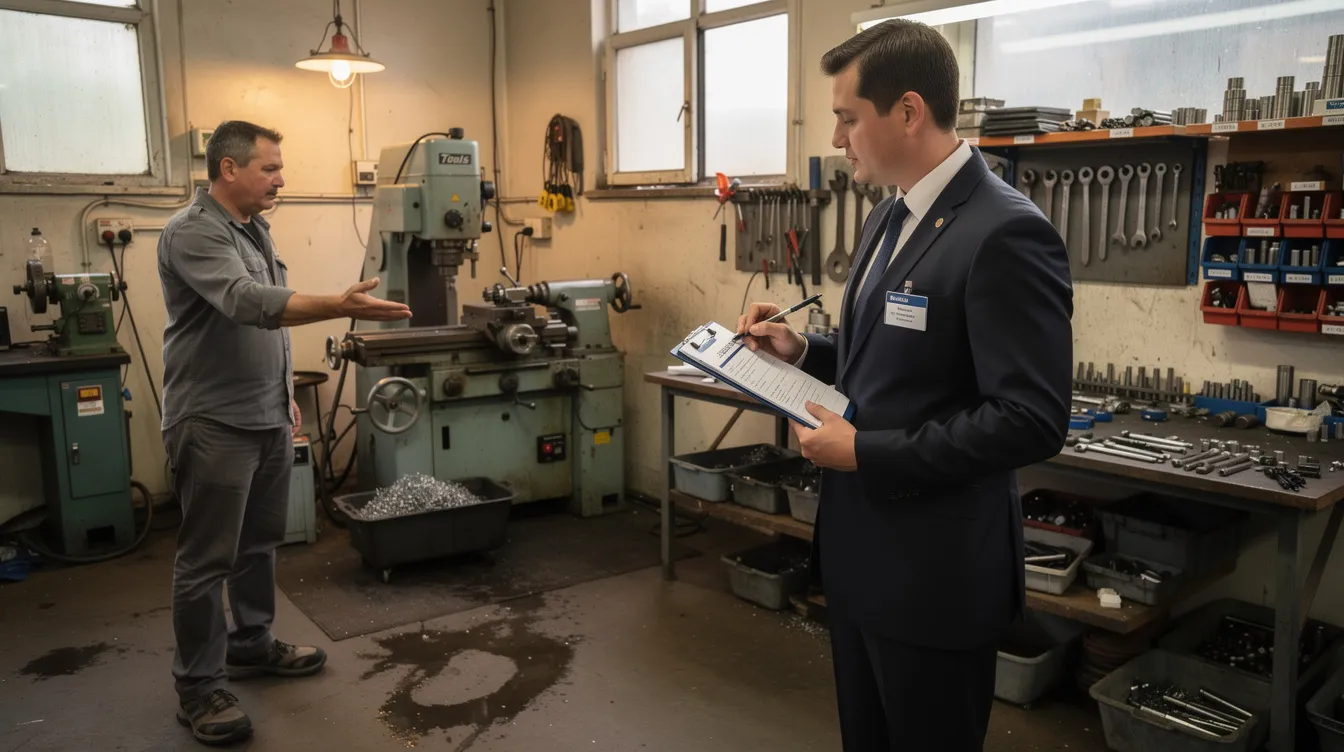
Site visit: A branch officer visits your existing or proposed business location to see the shop, machinery, stock, or stall and confirm that the stated activity actually exists or will start soon. For new businesses, the officer checks the premises and readiness.
Business verification: The bank may check business registration certificates, GST (if applicable), Udyam registration, rent agreement, electricity bill, or local trade licenses to match with loan purpose.
Project report and CMA data: For higher mudra loans – especially Tarun category – banks look for a simple project report with cost estimates and sales projections matching the purpose statement.
Invoice or quotation verification: Banks often ask for proforma invoices for machinery and equipment purchase mudra loan and compare amounts with your declared breakup. Multiple quotations may be required for larger purchases.
Market analysis and financial assessment: The bank may informally check local market demand (number of similar shops nearby, footfall) and calculate if expected income can cover EMI at the given interest rate.
From my experience, mismatch between declared purpose and actual use – like using money for personal loan closure – can lead to account classification issues and problems in future funding. The bank tracks whether the assets created from the loan are actually in place and generating income as stated.
Common Mistakes While Writing Loan Purpose in Mudra Loan Form
Many PMMY rejections stem not from weak business ideas but from poorly written, unrealistic, or incorrect mudra loan purpose statements. Here are the most common errors:
Vague phrases: Writing “for business,” “for growth,” or “for expansion” without specifying what, where, and how much. The bank cannot process this.
Copy-paste statements: Using identical wordings from someone else’s file or downloading generic templates from the internet without customization. When multiple borrowers at the same branch submit similar-looking purposes, it creates suspicion.
Wrong business description: Describing an activity that is not eligible – for example, agricultural businesses are not eligible for Mudra loans (pure crop farming is excluded; allied agricultural activities like dairy, poultry, bee-keeping are covered under separate heads).
Unrealistic loan amount: Seeking the full maximum loan of ₹10 lakh Tarun for a business that practically needs only ₹2–3 lakh, without a proper scaling plan. The bank’s internal “Go-No-Go” model will flag this.
Personal expenses hidden as business: Writing purposes like wedding expenses, house construction, buying a personal car, repaying old personal loans, or purchasing luxury items. These are not eligible under the mudra scheme and will result in rejection.
Using AI-generated generic content: Many applicants now use AI tools to generate purpose statements. If the wording looks generic, impersonal, or identical to other applications at the same branch, it raises red flags.
Real-life scenario: An applicant in Rajasthan wrote “for garment business expansion” and requested ₹8 lakh under Tarun category. The bank asked for quotations, business turnover proof, and sales projections. The applicant had no documents to support the amount. Application was returned. After resubmitting with detailed breakup (₹4 lakh for 3 machines with vendor quotes, ₹2 lakh for fabric stock, ₹2 lakh for shop renovation with contractor estimate), the revised application was sanctioned within 3 weeks.
Expert Tips from CA Manish Gugliya to Improve Your Mudra Loan Purpose
With over 20 years in MSME finance and business loan consulting, here are my practical, field-level recommendations:
- Use measurable, concrete details: Write the number of machines, shop size in square feet, approximate stock level, expected monthly customers – not just qualitative words like “good business” or “high demand.”
- Ensure consistency: Your loan purpose should match the business details section, project report, quotations, and any previous banking relationship noted in your file. Inconsistency across documents is the number one cause of back-and-forth queries.
- Use realistic costing: Base your amounts on current market rates. Do not inflate costs to “consume the full limit.” This leads to future cash crunch and bank concern. Eligible businesses include shop owners and service providers across manufacturing, trading, and services – but the amount must be justified.
- Keep language simple and professional: Short sentences, no emotional appeals, focus on business need and benefit. Mudra loans are available to micro and small enterprises only, and the bank evaluates your application on its sole discretion based on business merit.
- Be honest about business stage: If the business is new, clearly write “new unit” and explain your previous experience, educational qualification, or necessary skills. If it is expansion of an existing business, mention existing turnover briefly to establish credibility. Individual borrowers and any other legal entity (proprietorship, partnership) – both should declare stage of growth development honestly.
- Get professional help when needed: Taking help from an experienced CA or platforms like ProjectReportBank.com for your project report and mudra loan purpose format can reduce errors and increase clarity. However, no one can guarantee approval – the bank’s assessment is final.
Ready-to-Use Mudra Loan Purpose Formats and Templates
Below are copy-paste friendly mudra loan purpose formats. Replace the placeholders with your own details. Loans under Mudra Yojana can reach up to ₹20 lakh under Tarun Plus for borrowers who have successfully repaid previous loans.
Template 1 – Manufacturing Unit (Tarun) “I require ₹[amount] under Tarun category to purchase [machine name] (₹), raw material stock (₹), and working capital for [specific expenses] (₹) for my manufacturing unit at [city name]. This investment will increase monthly production from [current] to [target] units, generating estimated monthly revenue of ₹.” Update figures and items as per your project report and vendor invoices.
Template 2 – Retail Shop (Kishore) “Loan of ₹[amount] under Kishore category is required to purchase display furniture and racks (₹), initial product stock (₹), shop interior and signage (₹), and working capital (₹) for my [type] retail shop at [location]. Expected monthly sales: ₹_.” Match each head with quotations or market rate estimates.
Template 3 – Service Business (Kishore) “₹[amount] is needed to buy [list of equipment/tools] (₹) and working capital for consumables and marketing (₹) for my [service type] business at [location], serving approximately [number] customers per month.”
Template 4 – Women Entrepreneur (Shishu) “I need ₹[amount] under Shishu category to purchase [items like sewing machine, beauty products, cooking equipment] (₹) and initial stock (₹) for my [business type] at [location]. I have [X years] experience in this field.” Mudra loans actively support women entrepreneurs – the government of India encourages female beneficiary micro unit entrepreneur participation.
Template 5 – Food Business – Restaurant / Bakery / Tiffin (Tarun) “₹[amount] under Tarun category for commercial kitchen equipment (₹), dining area furniture (₹), interior and signage (₹), and 2-month working capital for food processing raw materials (₹) at my [restaurant/bakery/tiffin service] in [city]. Expected daily covers: [number].”
Template 6 – Medical Store (Tarun) “₹[amount] to set up a new pharmacy – initial medicine stock from wholesaler (₹), AC and glass display counters (₹), and billing software with computer (₹) at [location]. Drug license number: [].”
Template 7 – Existing Business Expansion (Kishore/Tarun) “₹[amount] to expand my existing [business type] at [location] by adding [new equipment/product line/branch] (₹) and increasing working capital for higher stock levels (₹). Current monthly turnover: ₹. Expected post-expansion turnover: ₹.”
Template 8 – Mixed Purpose: Term Loan + Working Capital “Total loan of ₹[amount]: Term loan component of ₹ for capital assets [list items], and working capital component of ₹ for stock, consumables, and day-to-day operational expenses for my [business type] at [location].”
Each template is a reference point – always update with your actual business name, figures, city, and match with your project report.

Checklist Before You Submit Your Mudra Loan Application
This quick checklist ensures that your mudra loan purpose statement and related documents are complete and consistent. Applicants must be aged between 18 to 65 years to be eligible borrowers.
- ☐ Business activity is clearly mentioned (manufacturing / trading / services / allied agriculture)
- ☐ Loan purpose is linked directly to income generation – no personal expenses
- ☐ Amount breakup is written (machinery, equipment, stock, working capital, renovation)
- ☐ Loan purpose matches the project report and business plan
- ☐ Invoices or quotations support the declared cost for each item
- ☐ Eligibility criteria of Pradhan Mantri Mudra Yojana satisfied (non-farm, non corporate, micro enterprises engaged in eligible activities)
- ☐ Udyam registration / business registration documents are attached
- ☐ Rent agreement or ownership proof for business premises is available
- ☐ Bank statement of last 6–12 months is ready (for existing business)
- ☐ Business type matches eligible PMMY categories
- ☐ Other documents like identity proof, address proof, and photographs are complete
- ☐ You have read guides on how to apply for Mudra loan and how to fill the application form
- ☐ Loans can be applied for online or through banks and NBFCs – you can also apply online through portals or visit commercial banks, small finance banks, or NBFCs directly. Mudra loans can be applied online or offline.
A neat, consistent application with a clear mudra loan purpose statement improves the overall impression. However, it does not guarantee sanction – the bank evaluates each proposal on its merits and in its sole discretion.
Frequently Asked Questions on Writing Loan Purpose for Mudra Loan
These FAQs address common doubts about how to mention loan purpose in mudra loan application. Each answer is kept short and practical for first-time borrowers.
Can I mention more than one use (for example, machinery plus working capital) in a single Mudra loan purpose?
Yes. Multiple related business uses can be combined in one mudra loan purpose statement as long as all uses are for the same business and the breakup of the loan amount is clearly stated. For example, you can write “₹3 lakh for machinery + ₹1 lakh for stock + ₹1 lakh working capital” in a single Kishore application. PMMY covers both term loan and working capital covering loans for the needs of the beneficiary micro unit.
Can I change the loan purpose after my Mudra loan is sanctioned?
Once the bank sanctions the loan based on a specific purpose, major changes are generally not allowed without bank approval. If you use funds for a completely different purpose (like diverting business loan money to personal use), it creates compliance issues during audit. Any change must be discussed with your branch manager before making the purchase. The bank tracks whether assets created from the loan match the declared purpose.
Is it allowed to use Mudra loan to repay existing personal or credit card loans?
No. PMMY loans – whether Shishu loans, Kishore, or Tarun – are meant only for productive business use. Writing or using funds for repayment of old personal, credit card, or consumer loans goes against the spirit of the mudra scheme and may lead to rejection. The refinance agency (MUDRA, which stands for Micro Units Development and Refinance Agency Ltd.) – a flagship scheme institution under the government – monitors end use compliance.
How detailed should the loan purpose be for a very small Shishu loan of ₹30,000–₹40,000?
For Shishu loans, a 2–3 line clear explanation naming the business, item to be purchased (like a cart, tools, or small stock), and area is generally enough. You do not need a full project report or profitability forecast. But the purpose must still be specific and business-linked. For example: “₹35,000 for vegetable cart, weighing scale, and initial stock for my roadside stall near Patna Junction.” The average Shishu loan availed is approximately ₹36,315 as per PMMY survey data, confirming that small but clear purposes work well.
Can I write the Mudra loan purpose in Hindi or my local language instead of English?
Most banks accept the purpose written in English, Hindi, or any regional language understood by the branch. The key is clarity, not language. If you are more comfortable writing in your local language, go ahead – but ensure it is neat and readable. You can also take help from the branch staff to write it properly on the form.
What is the difference between Mudra loan and a regular business loan from a bank?
A Mudra loan is specifically under the Pradhan Mantri Mudra Yojana, a government of India scheme providing financial assistance to micro enterprises. It is collateral free, has defined categories (Shishu, Kishore, Tarun, Tarun Plus), and targets non corporate, non-farm micro units. A regular business loan from a bank may require collateral, has no fixed categories, and interest rates and terms are at the bank’s discretion. Mudra loans are available through banks, small finance banks, and NBFCs. The applicant must have a satisfactory credit track record – having previously loans (if any) in good standing helps, though first-time borrowers with no credit history are also eligible.
Do I need to mention the proposed activity’s connection to the next phase of my business growth?
If your business is existing and you are applying for the next phase of expansion or funding, it helps to briefly mention current turnover and how this loan takes you to the next stage of growth development and funding needs. This is especially important for Tarun and Tarun Plus where the bank evaluates your credit history and whether you have availed and repaid previous loans. Mudra stands for Micro Units Development and Refinance Agency – the entire scheme is designed around development and funding needs of micro units at every stage of growth development.
If you are still unsure how to mention loan purpose in mudra loan application, consider taking professional help from ProjectReportBank.com for your project report, CMA data, and application guidance.
Conclusion: Use a Clear, Honest Loan Purpose to Strengthen Your Mudra Loan Application
A clear, honest, and practical mudra loan purpose statement is one of the strongest parts of your PMMY application. It directly affects how the bank perceives your proposal, estimates your repayment capacity, and decides your loan amount and finance terms.
Avoid vague wording and personal uses. Give a realistic cost breakup based on actual quotations. Align the loan purpose with your business plan, project report, and all other documents you submit. Remember that each bank evaluates your application assessed based on business merit – there are no shortcuts.
ProjectReportBank.com, led by CA Manish Gugliya (FCA), helps entrepreneurs across India prepare professional project reports, CMA data, and properly drafted mudra loan purpose statements for Shishu, Kishore, and Tarun loans. Whether you need financial assistance for a new venture or want to scale your existing beneficiary micro unit, a well-prepared application makes all the difference.
Apply the guidance from this article carefully before submitting your next mudra loan application. A few extra minutes spent on your loan purpose statement today can save you weeks of delays – and significantly improve your chances of a smooth evaluation process.
- How to Mention Loan Purpose Correctly in a Mudra Loan Application

- How to Write the Business Details Section in a Mudra Loan Application

- Can You Apply for a Mudra Loan at Multiple Banks? Complete Guide for Applicants (2026)

- Can You Apply for a Mudra Loan Without Visiting the Bank?

- Common Mistakes While Filling a Mudra Loan Application Form
- What to Do Before Applying for a Mudra Loan

- Which Bank Should You Choose for Your Mudra Loan Application?

- Online vs Offline Mudra Loan Application: Which Method Is Better for Faster Approval?

- How to Fill the Mudra Loan Application Form Correctly