Key Takeaways
- An existing bank relationship can support your Mudra Loan application by making verification faster and giving the bank visibility into your transaction history, but it does not guarantee sanction.
- Banks still evaluate account conduct, business viability, repayment capacity, credit history, and documentation before approving any Mudra Loan, regardless of how long you have been their customer.
- A strong project report with realistic financials often matters more than simply having an old savings or current account with the bank.
- Poor account conduct, low turnover, or weak financials can actually hurt your chances at your existing bank, because the bank can see the problems firsthand.
- Both existing and new customers can get Mudra Loan approval. The strength of your business proposal determines the outcome far more than where you currently bank.
Introduction: Existing Bank Relationship vs Mudra Loan Approval
Imagine you run a small manufacturing unit or a kirana store. You have been banking with the same public sector bank for eight or ten years. Your salary once went into that account, and now your business receipts flow through it. One day you decide to expand, and you hear about Mudra Loans under the Pradhan Mantri Mudra Yojana.
Your first thought is natural: “This bank already knows me. They can see my transactions, my balance, my history. Getting a Mudra Loan here should be straightforward.”
That instinct is not wrong, but it is incomplete. There is an important difference between a bank’s familiarity with you as a customer and the formal creditworthiness assessment of your loan proposal. Familiarity helps the bank verify who you are. Creditworthiness tells the bank whether the proposed business and requested loan amount make financial sense.
Under PMMY, every bank or financial institution must still check business viability, repayment capacity, and documentation, even for an existing customer. The scheme was launched on April 8, 2015, and has since sanctioned loans across categories like Shishu (upto Rs 50,000), Kishore (Rs 50,001 to Rs 5 lakhs), Tarun (Rs 5 lakhs to Rs 10 lakhs), and the newer Tarun+ (Rs 10 lakhs to Rs 20 lakhs). But none of these categories come with a rule that says existing customers get automatic approval.
This article will explain when your existing bank relationship can genuinely improve Mudra Loan approval chances, when it may not help much, and when approaching another participating lender might be better suited for your needs.
Table of Contents

Does Your Existing Bank Improve Mudra Loan Approval Chances?
Here is the direct answer: an existing banking relationship often helps in verification and gives the bank a level of comfort, but it does not automatically secure Mudra Loan sanction. The relationship is a supporting factor, not a deciding one.
Your existing bank already holds several pieces of useful information about you:
- KYC documents (PAN, Aadhaar, address proof, photographs)
- Savings or current account history
- Transaction patterns and average balances
- Cash deposit and withdrawal frequency
- Cheque-return records
- Previous loan repayment track, if any
These details make it easier for the bank to understand you as an applicant and can speed up processes like due diligence and basic eligibility checks. For example, SBI’s e-Mudra product allows existing SBI account holders with at least six months of account history to access a simplified, faster processing channel for smaller Mudra Loans.
However, banks still apply standard credit appraisal. They evaluate business purpose, project cost, requested loan amount, income, existing EMIs, CIBIL score, and the scheme-specific eligibility criteria under PMMY. Mudra Loans are generally collateral-free, but that does not mean assessment-free. No collateral is required for loans up to Rs 10 lakh, yet banks must still satisfy themselves that the borrower can repay.
Existing banking history can support a Mudra Loan proposal, but it cannot convert a weak or unviable proposal into an automatically approved loan.
Even a new bank can approve a Mudra Loan if the project report, financial projections, and documentation are strong. Your relationship with the bank is one input among many, not the final verdict.
Why Banks May Prefer Existing Customers
From a branch’s practical viewpoint, evaluating a Mudra Loan from an existing customer is often simpler because much of the background work is already done. The credit officer does not have to start from zero. This section breaks down the specific areas where existing customer status can provide a practical edge.
Existing KYC and Customer Profile
For an existing savings or current account holder, the bank usually already has PAN, Aadhaar, address proof, photographs, and basic customer data updated in its system. When you apply for a Mudra Loan from the same bank, only incremental KYC updates may be required rather than a complete fresh verification.
This convenience saves time, but it does not replace the separate requirement of a project report, quotations for machinery or equipment, and business documents needed for credit appraisal. KYC tells the bank who you are. The loan appraisal tells the bank whether lending to you makes financial sense.
Transaction History and Business Turnover Visibility
Regular routing of business receipts and payments through your existing current account or savings account gives the bank a live picture of your turnover and cash flow. For traders, service providers, and small manufacturers, at least six to twelve months of clear account turnover is typically reviewed while assessing Mudra Loan eligibility.
Banks like PNB explicitly require a statement of account from the existing banker for the last six months as part of Mudra Loan documentation. This is not just a formality. Credit officers study these statements to understand the scale and nature of your business.
To understand why both revenue and profitability matter, you may want to read about turnover vs profit: what matters more for Mudra Loan approval.
Account Conduct and Previous Credit Behaviour
Bankers check whether cheques are bouncing frequently, whether EMIs are paid on time, and whether the account is often overdrawn without permission. If the same bank has previously extended small overdrafts, term loans, or credit cards, the repayment track record of these facilities becomes a strong signal during Mudra Loan appraisal.
A satisfactory credit track record with your existing bank can genuinely help. But the reverse is equally true. Poor account conduct, such as frequent cheque returns, delayed EMI payments, or overdrawing limits, can actually harm your Mudra Loan approval chances even if you have been a customer at that branch for fifteen years.
Familiarity With the Business and Local Market
Relationship managers and branch staff may have already visited your shop, workshop, or office. They may understand the locality, customer base, and seasonal patterns of your business. This familiarity can make internal credit notes and justifications easier, especially for moderate Mudra Loan amounts aligned with visible business scale.
However, this comfort does not allow banks to bypass formal credit discipline or Mudra scheme norms. Even a branch manager who personally knows you must follow the bank’s guidelines and credit policies before recommending sanction.
How Bank Transaction History Can Help (and Its Limits)
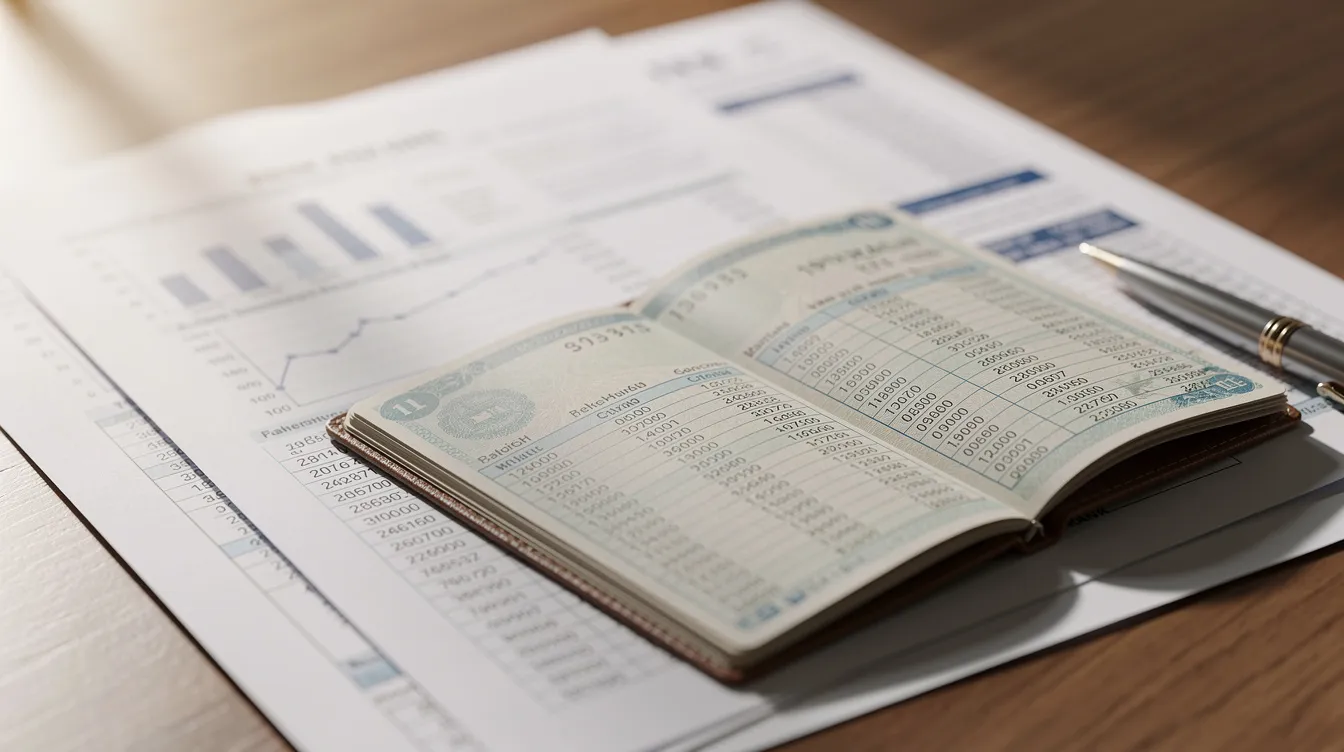
Bank statements are not just paperwork you submit with your application. They are a financial mirror of your business, and every credit officer studies them carefully before recommending Mudra Loan approval.
Here is what a bank or financial institution typically reviews in your transaction history:
- Regular credits from customers or buyers
- Payments to suppliers and vendors
- Salary or wage payments to employees
- Cash deposits and withdrawals
- GST or ITR-linked transactions, where applicable
- Existing EMI debits and loan repayments
Consistent receipts, a steady average balance, and limited cheque returns strengthen the perception of stability and repayment capacity. A pattern that shows genuine economic activity, month after month, tells the bank that the beneficiary micro unit is operating and generating real income.
On the other hand, very high turnover with almost no closing balance, or continuous cash withdrawals leaving the account near zero, may raise questions about cash flow management and the ability to pay future EMIs.
Bankers also understand seasonality. A trader who shows higher sales during festival months and lower sales in off-season will not be penalized, as long as the overall pattern makes sense.
One critical distinction: account turnover is not the same as profit. A business may show Rs 10 lakh moving through the account in a year, but if expenses consume Rs 9.8 lakh, the actual surplus available for EMI repayment is thin. You can explore the difference between turnover and profit in Mudra Loan assessment for a deeper understanding.
Finally, avoid artificial, last-minute round-tripping of money just before applying. Experienced credit officers can usually detect such patterns, and they reflect poorly on the applicant’s credibility.
Current Account vs Savings Account for Mudra Loan
Many proprietors run their small business through either a current account or a savings account, and they often ask which type improves Mudra Loan approval chances.
The bank mainly cares about relevance and quality of transactions to the declared business, not only the label of the account. A current account that clearly reflects sales receipts and business expenses often gives a better picture of business activity than a personal savings account with limited credits.
That said, long-standing savings accounts can still help if they honestly capture business inflows, especially for micro units and first-time formal borrowers. The key is transparency of the transaction pattern.
Consider these examples:
- A kirana store proprietor uses a current account where daily UPI collections and wholesale supplier payments are visible. The bank sees a clear business footprint.
- A home-based service provider (tutor, tailor, consultant) uses a savings account where client payments arrive via NEFT and UPI. The account shows genuine service income.
- A small manufacturing unit uses a current account for raw material purchases and finished goods sales. The bank can map inputs to outputs.
In each case, the bank focuses on whether transactions link logically to the proposed activity for which the Mudra Loan is being requested. Interest rates for Mudra Loans are deregulated and reasonable, but the bank’s willingness to lend still depends on what your account actually shows.
Simply keeping a ten-year-old savings account with occasional salary credits does not by itself prove that a new business idea is viable or that repayment capacity exists for the desired Mudra Loan category.
Does an Old Bank Account Automatically Mean Better Approval?
Let us address this misconception directly: an older account does not equal guaranteed Mudra Loan sanction.
There is a meaningful difference between account age (how long the account has been open) and quality of banking history (how responsibly the account has been used for real economic activity).
Positive example: A trader with a seven-year current account shows monthly business turnover of Rs 3-4 lakh, timely GST payments, one existing vehicle loan EMI that has never been missed, and a healthy average balance. For a Kishore-category Mudra Loan of Rs 2-3 lakh, this account history strongly supports the proposal.
Negative example: A person with a twelve-year savings account shows irregular deposits, frequent ATM cash withdrawals with no clear business pattern, and multiple bounced cheques. Despite the long relationship, a credit officer reviewing this history may actually become more cautious about sanctioning a Mudra Loan.
Banks under PMMY judge the proposal based on present repayment capacity and viability of the proposed activity, not on loyalty or emotional connection with the branch. MUDRA loans support non-corporate small businesses, but support means financial assistance based on assessment, not entitlement based on relationship length.
When Your Existing Bank Relationship Can Be Helpful
This section lists practical conditions where applying for a Mudra Loan from your existing bank may have a genuine advantage over starting fresh with a new lender. These are not guarantees, but indicators that the existing bank may process your application more comfortably.
Situations where an existing bank relationship helps:
- Regular business turnover is visible in your account for at least six to twelve months
- Healthy average balances are maintained without frequent zero-balance days
- Minimal cheque returns or bounced instruments
- Timely EMI payments on any existing loans, credit cards, or overdraft facilities
- Documentation matches what the bank sees in your account (GST returns, ITRs, and bank statement figures are consistent)
- Requested loan amount is reasonable compared to observed business scale and profits
When the loan amount aligns with what the bank can independently verify from your account, credit officers find it easier to justify the sanction internally.
Transparent routing of GST payments, supplier settlements, and digital receipts through the bank demonstrates financial discipline. To obtain approval for a top-up of an existing Mudra loan, you must show good repayment history. You can apply for an upgraded Mudra loan if your previous loan is paid on time. Understanding how financial discipline improves Mudra Loan approval can help you build stronger habits before applying.
When Your Existing Bank May NOT Improve Approval Chances
An existing relationship can sometimes be neutral or even negative for Mudra Loan approval if the account conduct or business profile is weak.
Common issues that dilute the relationship advantage:
- Very low or irregular transactions over the past twelve months
- Heavy cash dealings outside the banking system, with minimal banking channel usage
- Multiple cheque bounces or returned instruments
- Unpaid bank charges or overdue EMIs with the same bank
- Excessive existing debt obligations visible in the account
If the claimed turnover in the application or project report is much higher than what appears in bank statements, credit officers may doubt the reliability of the submitted information. Inconsistency between your documents and your banking data is a red flag that no relationship can cover.
Other issues that weaken your case include unrealistic loan amounts compared to business size, incorrect project costing, weak profitability, or insufficient repayment capacity even after considering the proposed Mudra Loan benefit.
Entrepreneurs facing such situations should first work on improving financial discipline and documentation before reapplying. Understanding why banks hesitate to approve Mudra Loans can provide clarity on what needs to change.
If a bank declines a Mudra Loan despite a long relationship, it usually reflects genuine credit concerns rather than personal bias. The solution lies in strengthening the proposal, not in blaming the branch.
Existing Bank vs New Bank for Mudra Loan
Many individual borrowers are unsure whether to apply for a Mudra Loan from their current bank or approach another participating bank or financial institution. Both approaches have trade-offs.
| Factor | Existing Bank | New Bank |
|---|---|---|
| KYC verification | Already completed | Fresh verification needed |
| Transaction history | Readily available internally | Must be submitted as documents |
| Familiarity with applicant | Higher | Starts from zero |
| Business turnover visibility | Direct access to account data | Relies on submitted statements |
| Previous repayment history | Internally visible | Only via credit bureau |
| Past account issues visible? | Yes, including negatives | Not directly visible |
| Fresh evaluation without bias? | May carry legacy impressions | Judges primarily on current proposal |
An existing bank requires less fresh verification but will still appraise the proposal strictly. A new bank will require complete documentation from scratch but will judge mostly on the business proposal and credit bureau data, without being influenced by past minor issues in the old account.
Different commercial banks have different internal risk policies, comfort sectors, and appetite for Mudra Loans. There is no universal “best bank” for all eligible borrowers. You can explore how to choose a suitable Mudra Loan lender for detailed selection guidance. A separate resource listing participating Mudra Loan banks can also help identify institutions actively offering PMMY loans in your region.
Should You Apply to Your Existing Bank First?
In many practical cases, if your existing bank already handles genuine business transactions and the relationship has been satisfactory, it is sensible to start your Mudra Loan application there. Loans can also be applied for online via the JanSamarth portal, but branch-level interaction often matters for higher amounts.
Applying first to your existing bank makes sense when:
- Your account conduct has been healthy
- Business turnover is visible in that bank’s records
- Previous interactions with the branch have been positive
- The branch is familiar with your business area and sector
However, applicants should not assume “my account is here, so this bank must approve my Mudra Loan.” Final sanction depends on appraisal, internal limits, and the bank’s comfort with the proposed activity.
Situations where exploring another suitable lender may be reasonable:
- The branch has very limited MSME focus or has repeatedly delayed without clear feedback
- The bank is not actively processing loans under PMMY in that locality
- Your business falls in a sector the existing bank is cautious about
Avoid filing indiscriminate applications with many banks at once. This creates confusion, duplicate credit bureau enquiries, and can negatively impact your CIBIL score. A planned, informed approach works better.
Public Sector Bank or Private Bank: Does Relationship Matter More?
Both public sector banks and private banks participate in the Mudra Loan scheme, but their internal processes, risk appetites, and comfort sectors may differ. The importance of an existing relationship is broadly similar in both types: it helps verification and speeds up initial processing, but does not override credit norms or viability checks.
For a detailed comparison of how these two types of lenders handle Mudra Loans differently, you can read this public sector bank vs private bank for Mudra Loan guide.
What matters more than the type of bank is service quality, branch accessibility, and how well the bank understands your business segment. Choose based on fit, not just familiarity.
Bank vs NBFC: Should Existing Relationship Decide?
Mudra Loans are primarily routed through banks, RRBs, small finance banks, cooperative banks, MFIs, and certain NBFCs participating under PMMY guidelines. The scheme covers a wide range of lending institutions to ensure financial assistance reaches micro enterprises engaged in various income-generating activities.
An existing relationship with either a bank or an NBFC should not be the only deciding factor. Terms, charges, loan size, processing speed, and suitability to your business requirement also matter. Income assessment, documentation standards, and monitoring practices may differ between banks and NBFCs.
A focused comparison of bank vs NBFC for Mudra Loan is available for those who want to undertake a deeper evaluation before choosing.

How Banks Assess Your Business Beyond Relationship
Every Mudra Loan file is assessed based on multiple parameters beyond the length of the banking relationship. Banks evaluate based on their own credit policies, and these policies cover business profile, stability, income, project cost, and more. Understanding these parameters helps applicants prepare stronger proposals, regardless of whether they apply to an existing bank or a new lender.
Business Profile and Documentation
Banks look at the nature of your proposed activity. Your business must be in manufacturing, trading, or services to be eligible under PMMY. MUDRA loans support various income-generating activities, so the scope is broad but not unlimited.
Key elements banks examine:
- Nature of activity and years of experience
- Location and customer base
- Legal form: proprietorship, partnership, or other non corporate structures
- GST registration, UDYAM registration, shop licence, rent agreement
- Consistency between invoices, returns, and declared business profile
No specific educational qualification is required to apply, but applicants must possess the necessary skills and knowledge to run their enterprise. Readers can explore business profile versus documents in Mudra Loan assessment to avoid mismatches that raise doubts during appraisal.
Business Stability and Income Assessment
Stability does not always mean decades of existence. Even a two to three year old unit with steady sales and repeat customers can be considered stable for Mudra Loan appraisal. Banks look at whether the enterprise can sustain itself and generate enough surplus to service the loan extended.
Banks estimate income using a mix of bank statements, financial statements, ITRs, and sector understanding to judge repayment capacity and EMI comfort. This is the stage where numbers truly matter.
You can explore guides on business stability and Mudra Loan approval and income assessment for Mudra Loan approval for a deeper understanding of how banks arrive at their conclusions.
Project Cost and Loan Amount Justification
Mudra Loans under PMMY still require reasonable project costing. Machinery cost, furniture, working capital, stock, and other components should add up logically. You must demonstrate that your micro-enterprise requires additional capital assets for expansion or operations, and the numbers should be defensible.
Mudra Loans are available up to Rs 10 lakhs under the standard categories, and loans up to Rs 10 lakh are available under PMMY without collateral. But asking for the maximum just because no collateral is required is a mistake. Banks still look for realistic numbers and the applicant’s own contribution where appropriate.
A guide on proper project costing for Mudra Loan approval can help entrepreneurs structure figures that are acceptable during appraisal.
What About a New Business With No Banking History?
Many first-time entrepreneurs and startups worry that they do not have a long current account or business history. They wonder if the absence of banking history automatically disqualifies them from Mudra Loans.
It does not. MUDRA loans are classified into Shishu, Kishore, and Tarun categories specifically to serve borrowers at different stages, including those just starting out. Shishu loans are designed for micro units at the initial stage, where the borrower may have minimal formal financial history.
For new businesses, the bank shifts focus toward:
- Promoter background and relevant experience
- A clear business idea with realistic projections
- Projected sales, expenses, and cash-flow estimates
- Quotations for machinery, equipment, or setup costs
- Evidence of necessary skills or experience in the sector
Banks assess whether expected income after starting the business will be sufficient to handle EMIs alongside personal household expenses. The focus moves from “What have you done?” to “What do you plan to do, and is it realistic?”
For detailed guidance, read about whether a startup can get Mudra Loan approval.
Projections should be honest and practical. Inflating numbers only to justify a bigger loan ticket size is a short-term tactic that usually backfires during credit appraisal.
Existing Bank Relationship vs Strong Project Report
A good banking relationship and a good project report serve different purposes. They should complement each other, not substitute for one another.
The banking relationship mainly tells the lender who the borrower is and how they have handled money so far. The project report explains what the borrower plans to do with the Mudra Loan and whether the proposed activity can generate enough income to support repayment.
Key contents of a strong Mudra Loan project report:
- Total project cost and means of finance
- Expected sales and revenue projections
- Operating expenses and overheads
- Profit estimate at realistic capacity utilization
- Working capital requirement
- Cash-flow and repayment schedule
- Underlying assumptions and market reference point
When a solid project report is combined with healthy banking behaviour, the overall Mudra Loan proposal becomes far more convincing for credit officers. Documentation for a subsequent Mudra loan may include KYC documents, financial statements, and a business plan, and these should all tell a consistent story.
ProjectReportBank.com helps entrepreneurs with professionally structured project reports and CMA-style financial projections for their Mudra Loan proposals. This kind of support improves presentation and clarity, but it cannot guarantee sanction because the final lending decision always rests with the bank.
Can a Good Banking Relationship Compensate for Weak Financials?
Relying only on relationship without adequate repayment capacity is a risky assumption. Banks are not allowed to overlook financial weaknesses purely due to familiarity with the borrower. Good repayment history significantly improves chances of receiving a new Mudra loan, but weak financials remain a problem no relationship can fully solve.
Here are four practical scenarios a typical branch credit officer encounters:
Case 1: Strong relationship + Strong financial profile A shopkeeper banking for eight years, with consistent turnover, timely EMI payments, and a reasonable loan request. The credit officer is comfortable recommending sanction. This is the ideal scenario.
Case 2: Strong relationship + Weak repayment capacity The same long-standing customer, but business has declined, account shows frequent low balances, and existing EMIs are stretched. The bank knows the person well, but the numbers do not support the new loan. Relationship alone cannot offset the risk.
Case 3: New bank + Strong proposal A first-time applicant at a new bank, but with a well-prepared project report, realistic projections, proper documentation, and a viable business plan. Many banks will consider this proposal favourably on its merits.
Case 4: Old account + Minimal business activity An account that has been open for twelve years but shows mostly personal transactions, minimal business-related credits, and no clear enterprise footprint. The age of the account provides little credit value for a Mudra Loan decision.
The central question for every bank or financial institution remains the same: can this borrower generate enough income from the proposed activity to repay the loan on time? Under the Pradhan Mantri Mudra Yojana, a single enterprise can have only one active Mudra loan at a time, so the bank must be confident that the one loan it extends will be serviced properly.
Common Mistakes Applicants Make Regarding Existing Banks
Many rejections or delays in Mudra Loan approval arise from misunderstanding the role of the existing bank and from avoidable issues.
Common mistakes include:
- Assuming an old savings account guarantees sanction. Account age without relevant business activity provides limited value.
- Applying for an unrealistic amount. Requesting Rs 10 lakh when the business barely generates Rs 50,000 monthly turnover raises immediate red flags.
- Routing major business sales in cash outside the main account. If the bank cannot see the sales, it cannot verify the turnover.
- Mixing heavy personal expenses with business flows. This makes it difficult for the bank to isolate business income.
- Inflating turnover in the application while the bank statement shows a very different reality.
- Submitting inconsistent ITRs or financial statements that do not match account activity.
- Choosing a bank only because it is nearby rather than checking if it is suitable for MSME funding.
- Applying to the wrong type of lender without understanding the bank’s appetite for the relevant sector.
Eligible borrowers include non-corporate small enterprises, and MUDRA loans support a wide range of activities, but the proposal still needs to be internally consistent. A guide on common mistakes when selecting a Mudra Loan bank can help avoid basic selection errors.
Correcting these mistakes often improves approval chances more than simply shifting from one existing bank to another.
How to Strengthen Your Banking Profile Before Applying
Improving your banking profile over three to twelve months before a Mudra Loan application can materially enhance approval chances with both existing and new banks.
Actionable steps:
- Route genuine business receipts through the bank. UPI collections, NEFT transfers from customers, and cheque deposits all build a visible turnover trail.
- Reduce unnecessary cash-only transactions. The more activity flows through banking channels, the easier it is for the bank to verify your business scale.
- Avoid cheque bounces. Even one or two bounces in the recent six months can create concern in the credit officer’s mind.
- Pay existing EMIs on time. Eligibility for a second Mudra loan includes a successful repayment track record. The bank will assess your existing loan and repayment record before sanctioning another loan.
- Keep GST returns, ITRs, and book-keeping consistent with bank statement figures wherever applicable.
- Prepare realistic projections and proper project costing. Have quotations and basic licences ready before meeting the bank.
Avoid artificial circular transactions designed only to show high turnover. Banks often see through such patterns, and they can directly hurt your credibility.
These steps are covered in more depth in the guide on how to improve your chances of Mudra Loan approval.

Practical Decision Framework: Existing Bank vs Others
Use this simple framework to decide where to apply first for your Mudra Loan:
- Existing bank + strong business transactions + satisfactory conduct → Start with your current bank. Discuss your requirement honestly. Your account history is a natural reference point that supports the application.
- Existing bank + account largely inactive or personal only → Relationship advantage is limited. Focus on building proper banking history for a few months, or consider a bank that aligns with your business segment.
- Existing bank + poor conduct (bounces, overdue EMIs) → Priority should be resolving underlying issues and improving discipline before reapplying anywhere. Applying with a weak track record will likely lead to rejection regardless of the bank.
- New business with no old current account → Concentrate on a strong project report, realistic projections, promoter profile, and necessary licences rather than worrying about long banking history. Many micro enterprises have availed their first Mudra Loan without years of account history.
- Existing bank clearly not interested or unsuitable for your sector → After understanding the reasons, consider other appropriate participating banks or financial institutions under the Mudra scheme. The list of participating Mudra Loan banks can serve as a useful reference for identifying alternatives in your region.
Expert Guidance by CA Manish Gugliya
In my experience working with small entrepreneurs on Mudra Loan proposals, I have seen one pattern repeat itself: applicants overestimate the benefit of “knowing the branch manager” or maintaining a ten to fifteen year old savings account. They walk into the branch expecting a smooth sanction and are surprised when the bank asks for a project report, quotations, and financial details.
The more relevant question is not “How old is my relationship with the bank?” but rather “What do my banking transactions, financial records, and project report collectively tell the bank about my repayment capacity and seriousness as a borrower?”
Here is what I advise every entrepreneur to focus on before approaching any bank for a Mudra Loan:
- Make sure your banking transactions are explainable and consistent with your declared business
- Keep financial statements aligned with your bank account data
- Prepare a realistic project cost, not an inflated wish list
- Justify the loan requirement with proper documentation and a clear purpose
- Build repayment projections that are reasonable and supported by actual or realistic numbers
A good relationship with the bank signify trust and familiarity, but trust alone does not fund a loan. The bank needs to see that the business can generate enough to service the debt. That is the nature of every credit decision.
CA Manish Gugliya (FCA), Chartered Accountant with over 20 years’ practical experience in Project Reports, CMA Data, MSME Finance, Business Loans, and Mudra Loan consultancy.
I want to be clear: while expert guidance and a structured project report can strengthen a Mudra Loan file, no professional can guarantee sanction. Final decisions rest entirely with the lending bank or financial institution, based on their credit appraisal and internal guidelines.
Frequently Asked Questions
Is there a minimum account age required with a bank to get a Mudra Loan?
There is no fixed RBI or PMMY rule mandating a specific account age for Mudra Loan approval. However, many banks prefer at least six to twelve months of meaningful transaction history when possible. For instance, UCO Bank requires at least one year of account history to classify someone as an existing customer for their Shishu Mudra product, while SBI requires at least six months for e-Mudra eligibility. For new businesses, banks rely more on the project report and promoter profile rather than account age.
Can low average balance in my account lead to Mudra Loan rejection?
Low balance alone does not automatically cause rejection. Many micro entrepreneurs operate with thin balances, and banks understand this reality. What matters more is whether regular inflows exist, whether those inflows represent genuine business receipts, and whether the borrower can demonstrate capacity to pay EMIs. Consistently maintaining a zero balance with no visible business activity, however, would raise concerns.
Should all my business sales come into one bank account before applying?
Routing most business sales through one primary account makes it easier for lenders to understand your turnover and cash flow. Some cash business is common, particularly in trading and services, and banks recognize this. But higher transparency through banking channels typically supports better Mudra Loan approval chances. If sales are split across multiple accounts, the bank may ask for all statements, which complicates verification.
If my existing bank rejects my Mudra Loan, can another bank still approve it?
Yes. Rejection by one bank does not legally prevent another participating bank or financial institution from considering your proposal afresh. However, before approaching another lender, understand the reasons for the earlier rejection and address genuine issues in financials, documentation, or project viability. Simply moving the same weak application to another bank is unlikely to produce a different result.
Does maintaining a high balance or FD with the bank guarantee Mudra Loan approval?
High balances or fixed deposits may give the bank some comfort, but they do not replace the need for a viable business proposal, proper documentation, and repayment capacity. Mudra Loan sanction always depends on overall credit assessment under PMMY guidelines, not only on the amount of money already lying with the bank. The assets created from the loan must serve a productive business purpose, and the bank evaluates whether the proposed funding will generate returns sufficient to cover repayment.
Conclusion
An existing banking relationship can help by making verification easier and giving the bank direct visibility into your transaction history and account conduct. But it does not create an automatic right to Mudra Loan approval. The bank still has to assess your proposal independently.
Business viability, repayment capacity, financial discipline, credit history, and the quality of your project report are more decisive than just the age of your savings or current account. A strong proposal with realistic financials submitted to any suitable participating lender can succeed, while a weak proposal submitted to your “own” bank may still be declined.
Evaluate whether your current bank genuinely understands and supports your business. If it does, that bank may be a sensible starting point for your Mudra Loan application. If not, explore other suitable participating lenders after proper research rather than depending purely on a long relationship with a single bank.
Entrepreneurs who need help preparing a structured project report and realistic financial projections for their Mudra Loan or MSME finance proposal can consider consulting ProjectReportBank.com. Professional support improves presentation and clarity, but final approval always depends on the lending institution’s own credit appraisal. No project report, however well prepared, can guarantee sanction.
- Do All Banks Follow the Same Mudra Loan Rules?

- Banks vs NBFCs vs MFIs for Mudra Loan: Which is Best for Your Business in 2026?

- Does Your Existing Bank Improve Mudra Loan Approval Chances?

- Common Mistakes While Selecting a Mudra Loan Bank – Practical Guide by CA Manish Gugliya
- What to Check Before Choosing a Mudra Loan Lender

- How to Find Participating Mudra Loan Banks in India

- Which Government Portals Help with Mudra Loans?
- Which Financial Institutions Can Sanction Mudra Loans?

- Bank vs NBFC for Mudra Loan: Which Is Better for Small Business Owners?