Key Takeaways
- Yes, startups can get mudra loans under Pradhan Mantri Mudra Yojana (PMMY). Approval depends on your planning, documents, and repayment capacity – not just business age.
- PMMY gives collateral free business loans upto rs 10 lakh for eligible micro and small enterprises, including new businesses and start ups.
- A strong project report, realistic project cost, and a clear loan purpose greatly improve your startup mudra loan approval chances.
- Common rejection reasons include weak business plan, incomplete KYC, missing business proof, and unrealistic income projections.
- Aspiring entrepreneurs without years of experience can still get approval if they prepare properly, show financial discipline, and demonstrate the necessary skills for their proposed activity.
Introduction: Can a New Startup Really Get Mudra Loan Approval?
In 2025, a first-time entrepreneur in Jaipur walked into a public sector bank branch with a neatly prepared file. He wanted to open a mobile repair shop near a college area. His loan amount request was ₹4.5 lakh under the Kishore category. He had no old balance sheet, no years of turnover history. But his documents were complete, his project report was realistic, and his cost estimates came with actual quotations. The bank sanctioned his loan in 12 days.
I have seen this happen many times in my 20+ years as a Chartered Accountant. And I have also seen well-funded, experienced business owners get rejected because their paperwork was sloppy.
The truth about startup mudra loan approval is simple: the approval process entails submitting a business plan and required documents, and review of that business plan is critical for approval. Banks care about preparation, not just how old your business is.
In this guide, I will cover what counts as a startup under Mudra, how banks actually evaluate your application, common rejection reasons, and exactly how to improve your chances.
Table of Contents
What Is Considered a Startup Under Mudra Loan?
For Mudra loan purposes, a “startup” is any new or recently started non corporate micro business in manufacturing, services, or trading. You can be a proprietorship, partnership, or a small entity. Even a single person starting a tiffin service, mobile repairing unit, beauty parlour, or online service business in 2026 qualifies.
Mudra loans support micro and small-scale enterprises in multiple sectors. The scheme covers non farm micro and small businesses engaged in income generating activities. Allied agricultural activities like dairy, poultry, and beekeeping may also be covered under specific bank or financial institution guidelines.
Examples of eligible startup types:
- Manufacturing: agarbatti unit, paper cup unit, small food processing
- Trading: grocery store, hardware shop, garment retail
- Services: coaching centre, cyber café, digital printing, delivery service, repair shops
If you want deeper step-by-step guidance, check this detailed Mudra Loan for Startup guide.
Can Startups Really Get Mudra Loan Approval Under PMMY?
Yes. Startups are eligible for mudra loans under the mantri mudra yojana pmmy. The age of your business is not the only deciding factor. What matters more is whether your business idea is viable and your documents are in order.
Applicants must be Indian citizens with a viable business idea, generally aged between 18 and 65 years. Mudra loans can be applied online through the JanSamarth portal, making the process accessible even from smaller towns. The maximum loan amount under Mudra is ₹10 lakh, with loan amounts ranging from ₹50,000 to ₹10 lakh under PMMY.
Here are the four categories and how they apply to startups:
- Shishu loans: upto rs 50,000 – ideal for very small, first-time setups like home-based food business or small tailoring
- Kishore loans: from ₹50,001 to ₹5 lakh – for slightly bigger micro units like a grocery store, beauty parlour, or digital service centre
- Tarun loans: from ₹5,00,001 to ₹10 lakh – for well-planned startups needing larger funding for machinery or bigger setup
- Tarun Plus: upto rs 20 lakh – available for eligible borrowers who have successfully repaid previous loans under Tarun category
Mudra loan tenure typically ranges from 3 to 7 years, with flexible repayment options up to 6 years depending on the lending institutions and loan type. Both term loan and working capital components can be covered.
Women entrepreneurs, youth, and small business owners from all backgrounds get positive consideration when the proposal is strong. Some small finance banks and cooperative banks may be more open to startup cases than commercial banks – it varies by branch.

How Banks Evaluate Startup Mudra Loan Applications
Banks follow PMMY scheme guidelines, but each branch still checks practical aspects before sanctioning. Lending institutions evaluate project viability and credit history during appraisal. Whether it is public sector banks, regional rural banks, small finance banks, or NBFCs, they broadly look at the same factors for startup mudra loan approval.
Understanding these evaluation points will help you prepare your answers and documents well in advance.
Business Idea and Local Demand
Bankers first check whether your business idea makes sense for your location, customer base, and skill level. A mobile repair shop near a college area has obvious demand. A ladies’ boutique in a growing residential colony makes sense. A dairy delivery service in a semi-urban zone has visible customers.
Banks are more comfortable when the startup idea has clear local demand, reasonable competition, and visible revenue potential within 6 to 12 months. Simple, easy-to-understand ideas work better than complex or speculative plans for first-time individual borrowers under the mudra scheme.
Project Cost and Loan Amount Planning
Project cost means your total investment: machinery, furniture, computer, stock, shop renovation, and initial working capital. For example, a small printing unit might need ₹1.5 lakh for a printer, ₹30,000 for furniture, ₹40,000 for initial paper stock, ₹30,000 for shop setup, and ₹50,000 for working capital – totalling about ₹3 lakh.
Banks compare your project cost with market quotations and local prices. Inflated numbers or missing quotations raise red flags. Capital assets should be supported by actual supplier quotes.
For detailed guidance with examples, read about proper project costing for Mudra loan approval.
Business Viability, Income, and Repayment Capacity
Banks estimate your monthly sales, expenses, and profit to check whether EMI can be paid comfortably. They may ask simple questions: expected daily sales, margin percentage, monthly rent, salary costs, electricity, and other running expenses.
Here is a simple example: if your EMI is around ₹6,000 per month, the bank expects your business to show net monthly surplus of at least ₹9,000 to ₹12,000 (roughly 1.5 to 2 times the EMI). Conservative, realistic projections work better than inflated turnover claims.
For more on how banks view income, read about income assessment in Mudra loan approval and turnover vs profit in Mudra loan.
Applicant Profile, Skills, and Experience
Long business experience is not compulsory. But some connection between your background and the proposed activity builds confidence. A person who worked as a salesman in a hardware shop and now wants to open their own store has a natural fit. A beautician with 2 years of salon job experience planning her own parlour makes sense.
Educational qualification, vocational training, family business involvement, and even online courses can support the case. A well-written business profile that matches your documents makes a strong impression.
Documentation and KYC for Startups
KYC documents and address proof are required for all Mudra loan applications. Even shishu loans need proper identity verification.
Essential documents for startups:
- Aadhaar, PAN card, recent passport-size photos
- Address proof (Aadhaar, voter ID, utility bill)
- Bank statements (last 6 months minimum)
- Business proof, which may include registration or trade licenses, Udyam Registration, GST registration (if applicable)
- Rent agreement or ownership proof of business premises
- Quotations for machinery, furniture, stock
Applicants need to submit a simple business plan for loans above ₹50,000. For Kishore and Tarun categories, banks may ask for a projected income statement and basic business plan covering at least 2 to 3 years. No collateral is required for Mudra loans up to ₹10 lakhs.
Incomplete or mismatched documents are among the top reasons for delays. A clear, complete Mudra loan project report can make a big difference.
Financial Discipline and Banking Behaviour
A clean credit history is mandatory for applicants. Banks carefully review your savings account statement for the last 6 to 12 months: regular balance maintenance, salary or income credits, cash deposit patterns, cheque bounces, and existing EMI obligations.
Even for a new business, a satisfactory credit track record – no cheque returns, timely payments on any previous loans, and responsible use of credit – gives a very positive signal. Learn more about how financial discipline improves Mudra loan approval.
Start maintaining clean bank transactions at least 3 to 6 months before applying.

Common Reasons Startup Mudra Loan Applications Get Delayed or Rejected
Most rejections are avoidable. They come from planning and paperwork issues, not from PMMY rules against startups.
Practical reasons for delays or rejection:
- Weak or copy-paste project report that does not match local market conditions
- Unrealistic sales figures for the first year of operations
- Very low own contribution compared to total project cost
- Confusing or vague business explanation when the banker asks questions
- Incomplete or mismatched KYC documents (name mismatch across Aadhaar, PAN, bank account)
- Wrong or vague loan purpose written in the application form
- Not disclosing existing small loans or credit card dues
- Errors in the application form itself – wrong codes, missing signatures, unclear purpose
Common Mudra loan application form mistakes cause unnecessary delays that could be avoided with careful preparation.
Unstable business location – a very new shop without proper permission or a temporary structure – also makes banks cautious. Read about how business stability affects Mudra loan approval.
How Startups Can Improve Mudra Loan Approval Chances
There is no guarantee of approval, but startups can significantly improve their chances by preparing like a serious business before visiting the bank.
- Prepare a proper project report covering business description, market analysis, project cost, means of finance, income projections, and EMI calculation. Get help from a Mudra loan project report guide if needed.
- Use real quotations for machinery, furniture, computer, or vehicle instead of rough guesses. Proper project costing separates strong applications from weak ones.
- Write a clear loan purpose in the application – for example, “purchase of digital printing machine and initial stock for printing unit at Vaishali Nagar, Jaipur” rather than just “business.” Here is guidance on how to mention loan purpose.
- Maintain clean bank statements – avoid cheque bounces, keep some savings, and show regular account activity.
- Rehearse your business explanation – expected customers, monthly sales, expenses, and why this location works. Confident, calm answers build trust.
- Know your numbers – if the banker asks your expected monthly income or rent, you should answer without hesitation.
Once disbursed, funds are often credited to the recipient’s business bank account directly. For advanced tips, read how to improve your chances of Mudra loan approval and why some applications get approved faster.
Practical Startup Examples Under Mudra Loans
Here are realistic examples of startups that commonly receive mudra loans as financial assistance for micro enterprises engaged in various sectors:
1. Mobile Repair & Accessories Shop – Shishu or Kishore loan (₹75,000 to ₹2,00,000) for tools, display racks, and initial stock. A reference point here is clear local demand near colleges or markets.
2. Ladies Boutique or Tailoring Unit – Shishu or Kishore loan (₹50,000 to ₹3,00,000) for sewing machines, overlock machine, basic interior, and starting fabric stock. Fits well for women entrepreneurs with tailoring skills.
3. Small Dairy or Milk Distribution – Kishore loan (₹2,00,000 to ₹4,00,000) for animals, shed improvement, equipment, and working capital. Covered under allied agricultural activities in many banks.
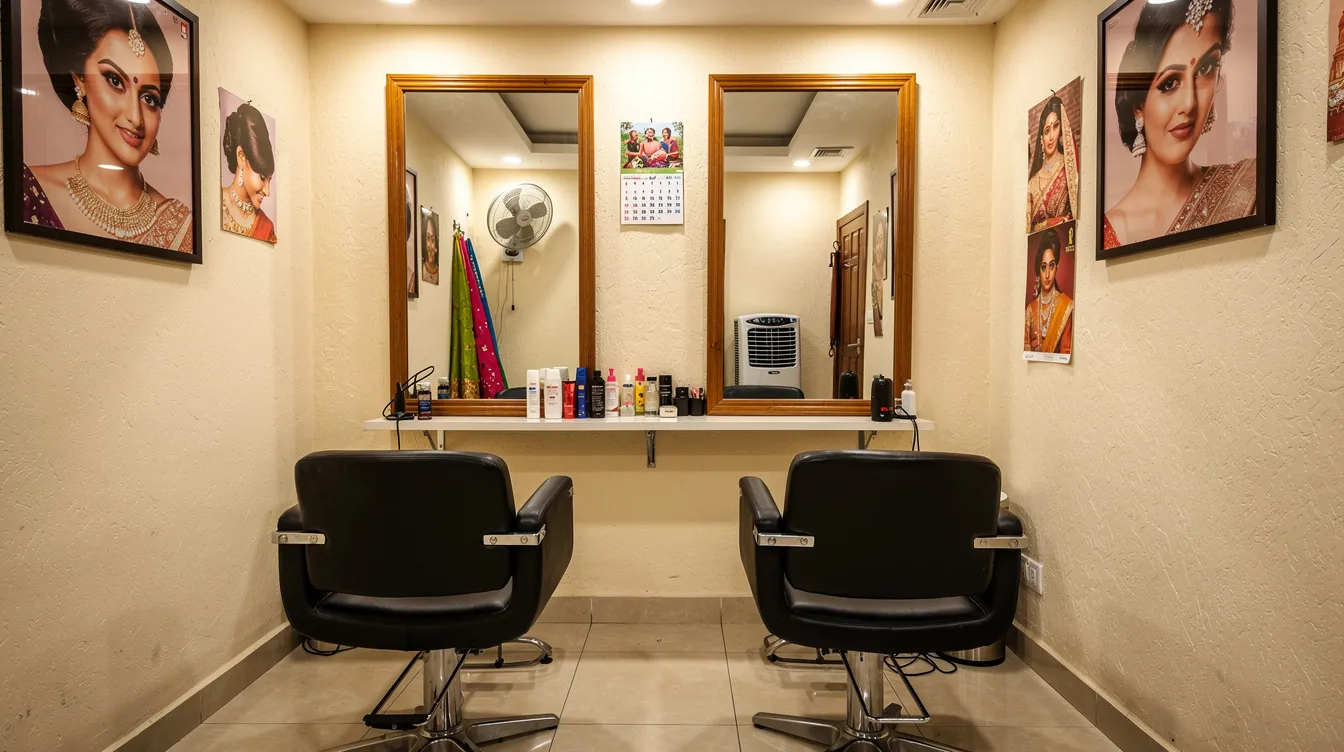
4. Beauty Parlour – Kishore loan (₹2,50,000 to ₹5,00,000) for setup, furniture, salon equipment, and initial branding. Training certificate from a recognized institute strengthens the case.
5. Tuition Centre or Coaching Class – Shishu or Kishore loan (₹1,00,000 to ₹3,00,000) for benches, boards, projector, and rent advance. Location near schools or colleges helps prove viability and supports employment creation in the area.
6. Digital Service Centre / Cyber Café – Kishore loan (₹3,00,000 to ₹5,00,000) for computers, printer, scanner, furniture, and working capital. E-governance services and internet-based work provide multiple income streams for the beneficiary micro unit.
Each of these examples fits a clear Mudra category where the loan extended matches the actual project cost and the business has visible demand.
Startup Mistakes to Avoid Before Applying for Mudra Loan
From my experience handling hundreds of project reports, here are the mistakes I see most often:
- Guessing project cost without checking real quotations – this leads to either under-financing or an unrealistically high loan amount that banks question
- Using downloaded, generic project reports that do not match your local market or background – bankers quickly notice such copy-paste content
- Claiming very high income from month one – showing full capacity from day one creates doubt, not confidence
- Hiding existing loans or credit card dues – if the bank discovers undisclosed obligations later, it damages trust completely
- Document mismatches – different names or addresses across Aadhaar, PAN, and bank account; missing rent agreement; no business registration where required
- Filling the application form in a hurry at the bank branch – take time, read instructions, and consider professional help to avoid errors
Startup Preparation Checklist for Mudra Loan Approval
Before approaching any bank, verify your readiness against this checklist:
- Business idea clearly written in 4 to 5 lines with target customers identified
- Basic market research done: who are competitors, what is the demand, why this location
- Project cost estimate prepared with quotations for major items (machinery, furniture, renovation, initial stock)
- Own contribution amount decided (even 10 to 20 percent shows seriousness)
- Working capital requirement calculated for first 3 to 6 months
- All KYC documents ready: Aadhaar, PAN, address proof, recent photos
- Business proofs collected: Udyam Registration, shop licence, rent agreement, GST if applicable
- Simple project report and business profile prepared
- Loan purpose line decided and written clearly
- Bank account active for at least a few months with clean transaction history
- List of existing loans or obligations documented honestly
Spending a few days on this preparation often saves many weeks of delay. For a more detailed preparation walkthrough, refer to what to do before applying for Mudra loan.
Myth vs Reality About Startup Mudra Loan
Many startups hesitate because of myths they hear from friends, agents, or social media. Let me clear these up based on my professional experience:
| Myth | Reality |
|---|---|
| Startups cannot get Mudra loans | Startups are eligible if the project is viable and documents are complete. The flagship scheme was designed for micro units including new ones. |
| Business experience of 3 to 5 years is compulsory | Relevant skills, training, or family business involvement plus a good project report can be sufficient. No fixed educational qualification is mandatory. |
| Project report is just a formality | A practical project report often decides whether the banker feels confident to sanction. It is assessed based on real numbers, not templates. |
| Only old businesses with high turnover get PMMY loans | Mudra was created specifically to serve micro and small enterprises. Over 8.80 crore Shishu accounts have been opened – many for new entrepreneurs. |
| If one bank rejects, no other bank will approve | Different banks and branches may view the same case differently. Financial institutions like commercial banks, cooperative banks, and NBFCs each have their own internal policies. |
| Interest rates are same everywhere and very low | Interest rates for Mudra loans are generally lower than traditional business loans, but they are deregulated and depend on the lender. For instance, interest rates for Kishore loans are often capped around 12 percent but vary by bank. |
| Third party guarantee or property is always needed | No collateral is required for loans up to ₹10 lakhs under the mudra scheme. No third party guarantee is normally demanded for standard Mudra loans. |
Expert Guidance by CA Manish Gugliya: What Banks Really Look For
In my 20 plus years of preparing project reports and CMA data for small and micro enterprises, I have observed a few things that consistently separate approved applications from rejected ones.
Banks prefer applicants who know their own numbers. When a banker asks, “What will your monthly rent be?” or “How many customers do you expect daily?” – a clear, calm answer builds trust faster than any document.
Consistency across documents matters. Your name on Aadhaar, PAN, bank account, and rent agreement should match. Your project report numbers should align with quotations. Your business profile should tell the same story as your words. When everything matches, the sanctioning officer feels comfortable.
Inflated projections almost never help. I have seen many applicants claim ₹2 lakh monthly turnover from day one with no experience. Modest but well-thought figures – say ₹60,000 to ₹80,000 in the first quarter, growing to ₹1.2 lakh by month six – create far more trust. The stage of growth development and funding needs of the beneficiary micro unit entrepreneur should be reflected honestly.
Small but well-planned businesses win over bigger but poorly planned cases. I have personally seen a ₹1.5 lakh Shishu loan get approved in 8 days while a ₹8 lakh Tarun application with impressive-looking papers got rejected because the numbers did not add up.
Treat your Mudra application like a serious business exercise. If you feel confused about project costing or the project report, take professional help. The refinance agency backing this scheme – Micro Units Development and Refinance Agency (mudra stands for this) – ensures financial support reaches genuine micro enterprises. But you must do your part.
India launched this scheme to fuel employment creation and provide financial support to the next phase of small enterprises. Use it wisely.
Frequently Asked Questions on Startup Mudra Loan Approval
Is business experience compulsory for getting a Mudra loan as a startup?
Formal business experience is not compulsory. However, some connection between your background and the proposed activity helps – like a previous job in a similar field, a training course, or family business work. Lack of experience can be balanced with a solid project report, family support, and clear understanding of your business model when speaking to the banker. The eligibility criteria focus more on viability than on years of operation.
Do I need GST registration before applying for a startup Mudra loan?
GST is not compulsory for every small business. It depends on your turnover limits and nature of goods or services under current GST law. Many very small startups under Shishu or lower Kishore category may not require GST registration initially. But if GST applies to your business type, the bank will expect you to register at the right time. Not having GST when it is clearly applicable can raise questions.
Can students or unemployed youth apply for Mudra loans to start a business?
Yes. Students and unemployed youth can apply if they are adults (18 years or above), Indian citizens, and have a clear business plan with all necessary KYC documents. Banks may look at family income support and co-applicant comfort in such cases, especially when there is no prior income history. The scheme is designed to support covering loans for income generating activities by aspiring entrepreneurs at every stage of growth development and funding needs.
Is collateral or third-party guarantee required for Mudra loans?
Under PMMY, no collateral is required for loans up to ₹10 lakhs. The assets created from the loan serve as the security. Some banks may check co-applicant or family support for higher loan amounts under Tarun Plus, but they do not usually ask for property mortgage for standard Mudra loans. This makes it genuinely collateral free lending for small business needs.
What is a reasonable time frame to expect startup Mudra loan approval?
Approval for Mudra loans typically takes 7 to 15 working days when documents, project report, and eligibility criteria are all in order. Processing time can extend if documents are incomplete or if the branch has a heavy workload. Keep follow-up polite and regular, provide any additional documents quickly, and avoid changing your loan amount or purpose after submission. The lending institutions mentioned under PMMY – including commercial banks, small finance banks, cooperative banks, and NBFCs – each may have slightly different processing timelines.
Conclusion: Prepare Well, Then Apply With Confidence
Startup mudra loan approval is very much possible for new entrepreneurs who plan properly, estimate project cost realistically, and maintain financial discipline. Whether you need financial assistance to buy business finances equipment, set up capital assets for a manufacturing unit, or arrange working capital for a service business – the PMMY scheme was built for you.
Banks look for viability and repayment capacity, not just old balance sheets. As long as your business idea makes sense for your location, your numbers are honest, and your documents tell a consistent story, your application has a strong chance.
Complete the preparation checklist, get a proper project report made, and then approach a suitable bank branch with confidence instead of fear. As CA Manish Gugliya, I can tell you from two decades of experience: while nobody can guarantee approval, careful planning and honest presentation can strongly tilt the decision in your favour.
- Can a Startup Get Easy Mudra Loan Approval? (Expert Guide by CA Manish Gugliya)
- How Financial Discipline Improves Mudra Loan Approval

- Why Proper Project Costing Helps Mudra Loan Approval
- Turnover vs Profit for Mudra Loan: What Really Matters for Approval?
- Income Assessment in Mudra Loan Approval Explained
- How Banks Judge Business Stability Before Mudra Loan Approval
- Business Profile vs Documents: Which Matters More for Mudra Loan Approval?

- Common Reasons Banks Hesitate to Approve Mudra Loans

- Why Banks Approve Some Mudra Loan Applications Faster Than Others