
Poha is a staple breakfast food in India with growing popularity across multiple regions and Indian states. Yet the success of a poha manufacturing business depends far less on the brand of machinery installed and far more on how accurately you estimate and control your recurring production expenses. This guide, written from the perspective of CA Manish Gugliya, breaks down every component of poha plant operating cost so you can plan, finance and run your unit with confidence.
Key Takeaways
- The cost per kg of poha is influenced by raw material cost, processing cost, packaging, labor, and overhead-together these form 75–85% of total manufacturing cost in a typical Indian poha plant.
- Paddy typically accounts for 65% to 75% of total operating costs, making procurement strategy and yield/recovery the single biggest lever on profitability.
- The economic viability of a poha plant depends on three key factors: paddy purchase price, conversion yield, and plant utilization. Accurate assumptions on all three are the core of any realistic poha plant project report.
- Banks scrutinise poha plant operating cost assumptions-not just machinery invoices-while appraising term loan and working capital proposals.
- This article is intended as a practical DPR and project-finance oriented reference for MSME poha manufacturers, consultants and lenders across India.
Introduction to Poha Plant Operating Cost
Before committing capital to a poha manufacturing unit, every entrepreneur must answer two distinct questions. First, how much investment is required to set up the plant? That is your project cost-covering land, building, poha making machine, roaster machine, electricals and civil works. Second, how much money will it take to actually run production month after month? That is your poha plant operating cost-paddy, fuel, power, labour, packaging, repairs and factory overheads.
Many promoters focus heavily on project cost while treating operating cost as an afterthought. This is a serious mistake. A technically sound plant equipped with modern semi automatic food processing machinery can still fail financially if paddy procurement cost, fuel efficiency or labour productivity assumptions are unrealistic.
Poha plant operating cost directly determines your gross profit margin, EBITDA margin and, ultimately, whether you can service your bank loan. Metrics like poha manufacturing cost per kg and rice flakes production cost per tonne are used in every credible financial analysis and DPR. Even lenders pay more attention to these recurring cost assumptions than to the brand name on a poha processing machine.
The operating cost of a poha manufacturing plant in India will vary depending on location, paddy variety, scale, technology, fuel source and packaging specification. This article walks you through each cost head, shows you how to build a cost sheet, and explains what banks look for-so you can move forward with realistic projections rather than hopeful guesses.
What Is Included in Poha Plant Operating Cost?
Poha plant operating cost covers every recurring expense required to run the plant at a given production capacity. The major cost heads include:
- Paddy and raw material (purchase, transport, mandi fees)
- Fuel and thermal energy for roasting
- Electricity, water and utilities
- Direct labour and supervision wages
- Packaging materials (pouches, bags, labels, cartons)
- Consumables (lubricants, cleaning chemicals)
- Repairs and maintenance of machinery
- Quality control measures to monitor moisture and product specifications
- Internal material handling and outward freight
- Factory administration, including factory rent, local transportation, and utility backup
- Insurance and statutory compliance costs, which include obtaining food safety licenses and environmental regulations
- Selling, distribution and advertising expenses
Direct manufacturing expenses-paddy, fuel, power, direct labour, packaging-are attributable to production volume. Indirect factory overheads like office salaries, security and communication costs remain relatively constant. Both categories must be captured when estimating poha plant running cost per kg or per tonne.
Fixed Cost, Variable Cost and Semi-Variable Cost
Correctly classifying expenses into fixed, variable and semi-variable categories is essential for break-even analysis and DSCR calculations in any poha plant DPR. Variable costs move with production volume. Fixed costs remain broadly constant within a normal operating range. Semi-variable costs contain elements of both.
Variable Costs in a Poha Plant
Typical variable cost components include paddy cost for poha manufacturing, primary and secondary packaging, fuel consumed in the roaster machine or furnace, production-linked electricity, consumables, and freight that scales with tonnage dispatched. If you process more paddy, you burn more fuel. If you pack more pouches, you consume more film. Paddy and packaging together often form the largest share of variable cost, especially in a branded consumer-focused poha manufacturing business.
Fixed Costs in a Poha Plant
Fixed cost heads include key staff salaries, office salaries, minimum factory overheads, municipal charges, insurance, minimum maintenance provision, and security. These remain stable whether a mini poha plant runs at 40% or 80% capacity utilisation. At low utilisation, each kg of poha absorbs a disproportionately large share of these fixed costs, inflating unit production cost.
Semi-Variable Costs in a Poha Plant
Electricity billing is a classic semi-variable item: fixed demand charges apply regardless of consumption, while per-unit charges rise with machine running hours. Overtime wages, maintenance that increases with production hours, and logistics contracts with minimum monthly commitments plus per-tonne charges behave similarly. Careful modelling of semi-variable behaviour improves break-even accuracy and helps promoters understand at what monthly tonnage the plant becomes cash positive.
Paddy and Raw Material Cost
Raw material cost in a poha plant-primarily paddy-is usually 55–70% of total manufacturing cost. Paddy purchase price depends on variety (parboiled vs raw, grain size), moisture content, quality grade and procurement location.
Yield rates for poha production vary based on paddy quality and processing efficiency. A typical recovery is 70–75 kg of saleable poha per 100 kg of paddy, with the balance lost as husk, broken flakes and moisture. A low paddy price means nothing if recovery drops to 60–65%-your effective raw material cost per kg of finished poha actually rises.
Seasonal price fluctuations matter. Buying paddy during harvest at lower rates and storing it properly reduces cost, but requires working capital for inventory and introduces storage losses. Sourcing from distant mandis in other Indian states adds transport cost and mandi tax. In Ujjain, for example, poha manufacturers reported cost penalties of ₹5–10 per kg versus units in rice-growing regions.
For a deeper understanding of procurement strategy, paddy quality parameters and storage planning, explore the dedicated guide on paddy procurement and raw material planning for poha plants.
Manufacturing Process and Its Impact on Cost
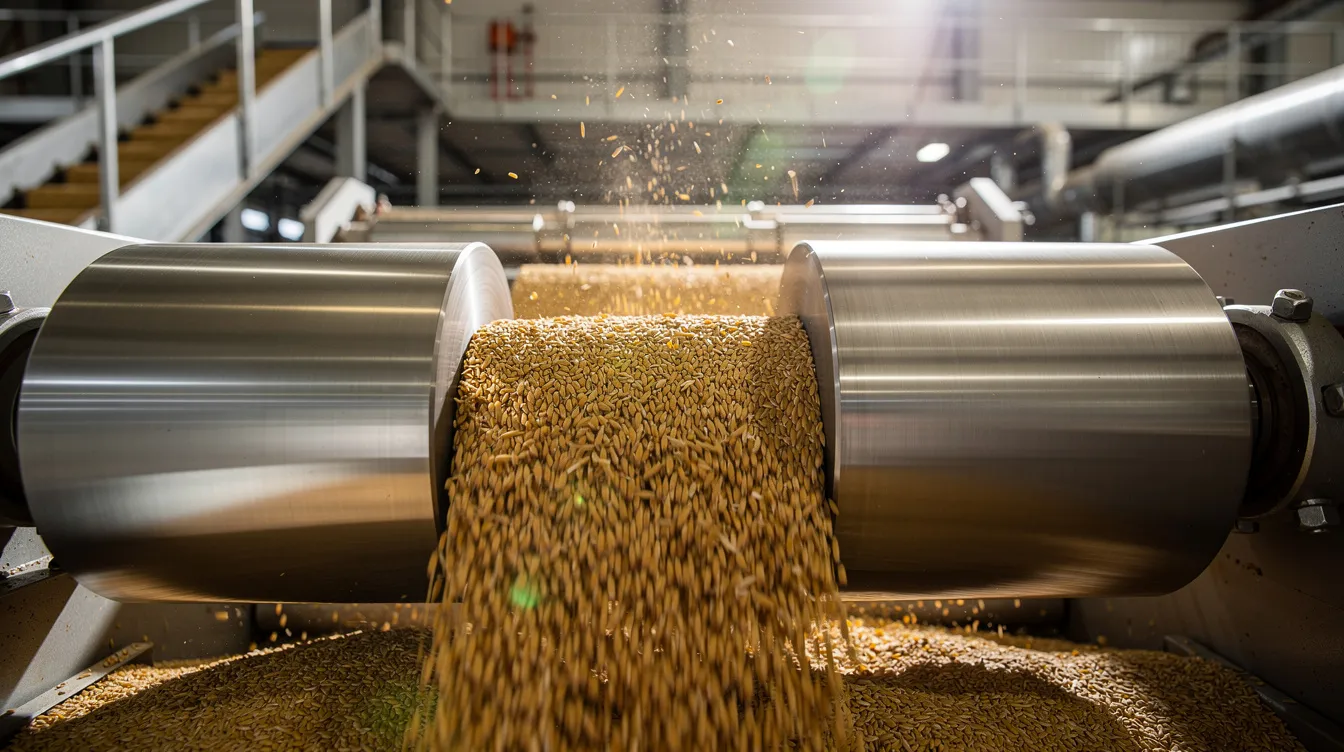
The processing cycle for poha involves cleaning, soaking, roasting, and flattening paddy-each stage contributing specific costs. Paddy is cleaned using a de-stoner and aspirator before soaking, requiring electricity and manpower. The paddy is then soaked for 24–26 hours, sometimes in hot water, consuming water and storage space. Roasting occurs at temperatures between 180°C and 220°C in a rotary roasting drum, consuming significant fuel. Heavy-duty rollers then flatten roasted paddy into poha flakes, and flaking roller gap settings determine poha thickness.
After flaking, flakes are graded and sieved. Grading determines how much output is saleable as best quality poha versus chura (broken flakes). Inefficient roasting or poor moisture control increases breakage, raises fuel cost per tonne and inflates flattened rice manufacturing cost. Entrepreneurs should study the Poha Manufacturing Process & Process Flow Chart to identify exactly where energy, labour and losses arise.
Fuel Cost in Poha Manufacturing
Thermal energy for roasting and parboiling is a significant component of poha plant utility cost. Common fuel sources include rice husk, paddy husk, firewood, briquettes, biomass pellets, LPG and diesel. Choice depends on local availability, pollution norms governing emissions, and furnace or boiler design.
Fuel cost in a poha plant should be analysed per tonne of finished output, not just as a monthly lump sum. A system using husk from the plant’s own operations may appear cheap, but the opportunity cost of selling that husk must be considered. DPR projections should capture realistic fuel consumption norms-kg of husk per tonne of poha-based on actual trials rather than optimistic machinery brochures.
Electricity and Utility Cost
Electrical loads in a poha plant include cleaners, conveyors, elevators, flakers, graders, blowers, packing machines and general lighting. Energy costs for a poha manufacturing plant therefore include both electricity and fuel. Connected load, operating hours per shift, unit tariff and fixed demand charges combine to determine power cost in poha manufacturing.
In areas with unreliable supply, backup DG sets add diesel cost. A BEE energy audit of a poha unit showed that replacing just two inefficient motors reduced energy consumption by approx 35%, saving roughly ₹2 lakh per year. Promoters can refer to the guide on poha plant utilities, power, fuel and manpower requirements for detailed norms at different capacities.
Labour and Manpower Cost
Key manpower categories in a poha manufacturing unit include machine operators, helpers, roaster operators, material handlers, packing staff, quality control technicians, mechanics, supervisors and administrative staff. Labor costs include wages for skilled and unskilled workers, plus statutory contributions like PF and ESI where applicable.
The level of automation-fully automatic versus semi automatic versus manual mini poha plant-directly affects poha plant manpower cost. Measuring labour cost both as total monthly expense and on a per kg basis enables performance monitoring and comparison across shifts.
Packaging Cost of Poha
Packaging materials for poha include plastic pouches and woven sacks for bulk, along with printed laminated films, labels, cartons and tapes for retail. A pouch-filling and sealing machine costs INR 60,000–1.5 lakh and becomes essential for branded retail packs.
Packaging cost of poha varies significantly: bulk 25–50 kg bags may add only ₹0.50–1 per kg, while branded retail pouches can add ₹2–4 per kg. Underestimating packaging cost in the poha plant cost sheet distorts gross profit margin projections and creates unpleasant surprises once production begins.
Repairs and Maintenance Cost
Maintenance involves servicing machinery and replacing parts due to wear and tear-rollers, bearings, belts, motors, gearboxes and electrical panels all require scheduled attention. Preventive maintenance reduces unplanned downtime, improves capacity utilisation and ultimately lowers production expenses per kg.
In DPR projections, an annual maintenance provision is typically estimated as a percentage of plant and machinery cost (illustratively 3–5%), spread monthly into factory running expenses. This is indicative; actual requirements depend on machine type, usage intensity and local labour rates.
Machinery Efficiency and Its Impact on Operating Cost
Choosing the right poha making machinery has a long-term impact on power consumption, fuel usage, labour requirement and product recovery. A cheaper machine poha setup may deliver higher rice flakes manufacturing cost per kg due to inferior yield, more chura generation, frequent breakdowns and costly repairs.
Efficiency factors include roller design, speed control, insulation of roaster, automation of feeding and discharge, and dust-control system. When sourcing equipment, do not simply get latest price from any company; instead evaluate life-cycle cost. Whether you source from a machine leading manufacturer in Pune, Gujarat or elsewhere, always compare output quality, recovery and maintenance track record. The guide on poha plant machinery and equipment cost helps evaluate these details. Many reputable manufacturers now offer made in India technology that balances cost with performance.
Capacity Utilisation and Cost per Kg
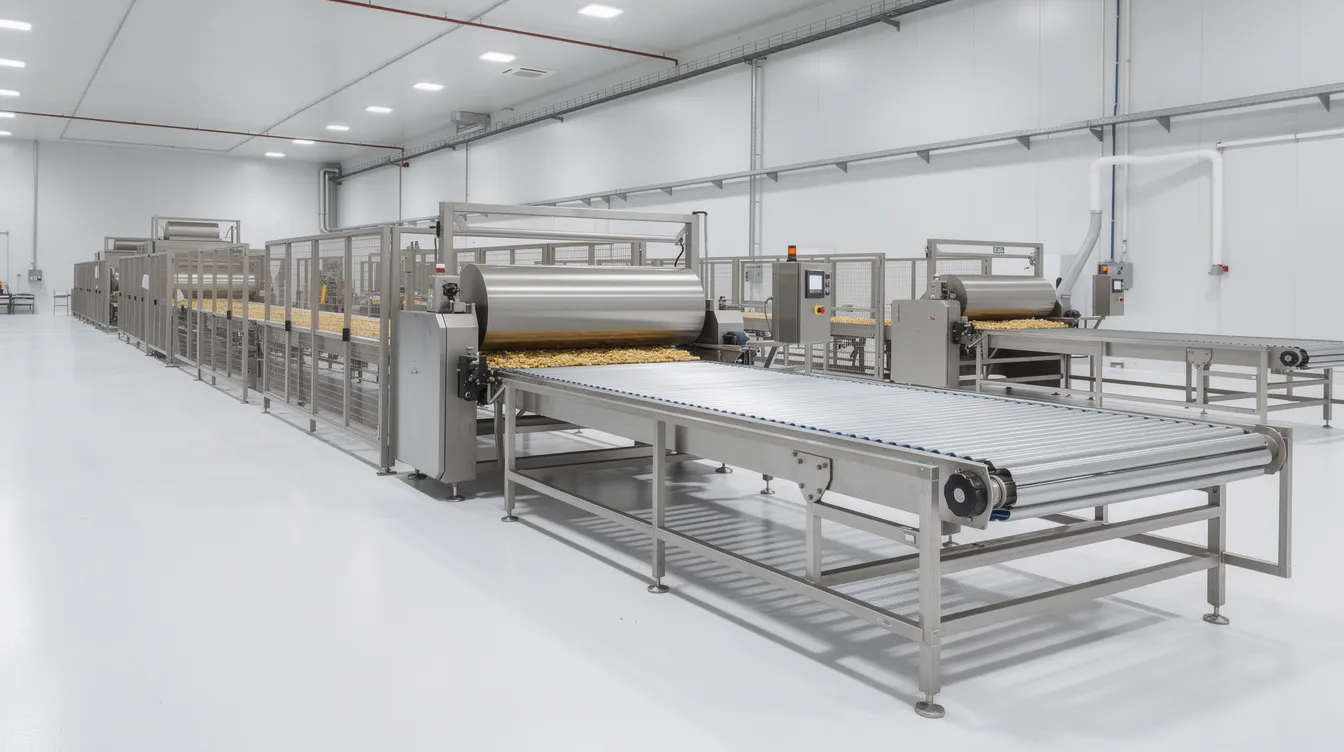
Higher plant utilization lowers overhead costs per kg. At 50% utilisation, fixed costs like salaries and insurance are absorbed by half the output, roughly doubling fixed cost per kg compared to 90% utilisation. Production capacity rated by machinery suppliers in kg per hour rarely translates directly to actual monthly output after accounting for shift length, cleaning, changeovers and downtime.
Realistic ramp-up assumptions-say 60% in Year 1, 75% in Year 2, 85–90% by Year 3-should be built into poha plant capacity planning and production capacity projections. Pushing utilisation too high without adequate maintenance, however, increases breakdowns and overtime, raising semi-variable costs.
Land, Building and Layout Impact on Operating Expenses
While land and building are project cost, plant layout affects ongoing poha factory running expenses. A logical flow-from paddy storage through cleaning, soaking, roasting, flaking, grading and packing to finished goods warehouse-reduces internal movement, spillage and re-handling. Adequate space to store fuel, paddy and finished goods prevents congestion and spoilage, indirectly lowering poha processing cost per tonne. The guide on poha plant land, building and layout requirements covers layout planning in depth.
Illustrative Poha Manufacturing Cost Sheet
The following illustrative cost sheet is for a hypothetical semi automatic plant producing approx 400 kg per hour across two shifts. Actual figures will vary depending on location, scale and specifications.
| Cost Head | Monthly Amount (₹) | Cost per Kg (₹) |
|---|---|---|
| Paddy / Raw Material | 5,50,000 | 19.50 |
| Fuel / Thermal Energy | 1,20,000 | 4.25 |
| Electricity & Utilities | 75,000 | 2.65 |
| Direct Labour | 60,000 | 2.15 |
| Packaging Material | 55,000 | 1.95 |
| Consumables & QC | 15,000 | 0.55 |
| Repairs & Maintenance | 20,000 | 0.70 |
| Factory Overheads / Admin | 30,000 | 1.05 |
| Outward Transport | 18,000 | 0.65 |
| Total Production Cost | ~9,43,000 | ~₹33.45 |
Assumed monthly output: approx 28 tonnes. Numbers are purely illustrative.
Total monthly production cost divided by monthly finished poha output gives cost of production per kg. Multiply per-kg cost by 1,000 for operating cost per tonne. This cost sheet becomes the base for profit and loss projections, pricing decisions and break-even analysis.
How to Calculate Cost of Production per Kg of Poha
- Calculate total paddy issued based on target output and recovery (e.g., 28 tonnes poha at 72% recovery needs approx 38.9 tonnes of paddy).
- Compute gross raw material cost (paddy price × quantity + transport + mandi fees).
- Subtract by-product credit (chura, husk sales) to arrive at net raw material cost.
- Add fuel, power and water consumed during the period.
- Add direct labour cost.
- Add packaging material consumed.
- Add consumables, quality control and sorting losses.
- Add repairs and maintenance allocation.
- Allocate factory overheads and administrative expenses proportionally.
- Divide total cost by total finished poha output in kg.
Interest and depreciation are usually excluded from manufacturing cost per kg and treated separately in financial projections.
Monthly Operating Expenses of a Poha Plant
Translating annual assumptions into a monthly operating budget helps entrepreneurs track actual versus projected performance. Typical monthly expenses include paddy purchases, fuel, electricity, wages, packaging, routine maintenance, inward and outward freight, quality control, administration and statutory fees. Operating expenses relate to production and selling; interest on term loan and working capital finance is a separate financing cost, usually shown below EBIT in financial statements.
Cost of Production vs Selling Price
The relationship is straightforward: selling price must cover total cost of manufacturing poha plus a reasonable margin. Different product mixes-thick vs thin poha, branded retail vs bulk institutional-realise different average prices while often sharing the same basic cost structure. Under-pricing below realistic rice flakes production cost may boost initial volumes but leads to cash flow stress. A detailed poha revenue model, product mix and market strategy analysis helps align pricing with cost realities.
By-Products, Recovery and Their Effect on Net Production Cost
Poha plants generate by-products: broken flakes (chura), husk and bran. These can serve animal feed or snack ingredient markets and provide additional income. By-product realisation may be deducted from total manufacturing cost to arrive at net operating cost per tonne. However, in bankable DPRs, keep by-product assumptions conservative. Focus should remain on improving main product recovery rather than relying heavily on by-product income.
Cost Difference Between Small, Medium and Larger Poha Plants
A micro-scale poha mill may cost ₹5–10 lakh to start, while a mini poha plant costs approximately INR 5,65,000 at the entry level. A 500 kg/day poha setup costs INR 5–10 lakh for machinery alone, with cleaning and grading equipment costing between ₹5–20 lakh depending on scale.
Larger plants enjoy better procurement bargaining power, lower packaging cost per unit from bigger volumes, and more efficient fuel systems. However, they also carry higher minimum fixed costs, need more complex management and face greater risk of underutilisation. There is no single “best” scale; the optimum must be derived from market analysis, raw material availability and promoter capability-all evaluated while preparing a poha plant project report.
Cost of Production at Different Capacity Utilisation Levels
| Utilisation | Fixed Cost / Kg (₹) | Variable Cost / Kg (₹) | Total Cost / Kg (₹) |
|---|---|---|---|
| 50% | ~6.50 | ~25.00 | ~31.50 |
| 60% | ~5.40 | ~25.00 | ~30.40 |
| 70% | ~4.65 | ~25.00 | ~29.65 |
| 80% | ~4.05 | ~25.00 | ~29.05 |
| 90% | ~3.60 | ~25.10 | ~28.70 |
Illustrative only. Variable cost may rise slightly at very high utilisation due to overtime and accelerated wear.
Working Capital Impact of Operating Cost
Higher operating cost means larger working capital requirements. Monthly working capital requirements for a typical poha plant range from ₹2–6 lakh, with raw material inventory costs ranging from ₹3–12 lakh depending on scale and storage strategy. Funds remain blocked in paddy inventory, packaging stock, work-in-process, finished goods and receivables.
While preparing a poha plant DPR, working capital assessment must consider realistic holding days for paddy, finished poha and debtors. Higher volatility in paddy or fuel prices demands additional margin to absorb price spikes. Accept that working capital estimates require regular revision as the business matures.
Project Cost vs Operating Cost
Project cost is one-time: land, building, poha making machine, roaster machine, graders, elevators, electrical installations, pre-operative expenses and contingencies. Total investment for a poha mill ranges from ₹25 lakh to ₹140 lakh depending on capacity and automation. Specific equipment costs include a de-stoner and aspirator at INR 30,000–60,000, a flaking mill with rollers at INR 2–4 lakh, and a rotary roasting drum at INR 1–2 lakh.
Operating cost is recurring: paddy, fuel, power, labour, packaging, maintenance, overheads, transport. Lenders finance a portion of project cost through term loan and separately assess working capital limits based on monthly operating cost. The guide on poha plant project cost and means of finance covers capital planning in detail.
Operating Cost in Poha Plant DPR
In an integrated DPR, operating cost assumptions flow into forecast profit and loss account, cash flow, balance sheet and DSCR analysis. Key assumptions include annual production capacity and utilisation ramp-up, raw material consumption norms per tonne, power and fuel norms, wage structure with annual increments, packaging consumption per kg, and maintenance as a percentage of machinery cost.
Financial projections usually include escalation in paddy price, power tariff and wages, which cumulatively increase operating cost year after year. Robust DPRs also test sensitivity: what happens to profitability if paddy price rises 15–20% or utilisation falls 10% below plan? This document becomes the foundation for every finance and loan discussion.
How Banks Evaluate Poha Plant Cost Assumptions
Banks examine whether proposed operating cost and revenue assumptions are realistic in context. A credit officer may review the raw material sourcing plan, paddy price trend, assumed recovery percentage, fuel and power consumption norms, labour strength, expected selling price and resulting EBITDA margin.
Lenders may compare your projected operating cost per tonne with comparable proposals or industry norms across regions. There is no single universal formula, but conservative, well-supported assumptions-backed by mandi quotes, trial-run data and realistic capacity ramp-up-improve credibility and the promoter’s chances of obtaining finance. Inform your banker proactively about any location-specific challenges.
How to Reduce Poha Manufacturing Cost Without Hurting Quality
- Procure paddy during harvest season in bulk to reduce price; store properly to prevent quality deterioration.
- Improve roasting efficiency through better insulation, burner maintenance and moisture control.
- Implement preventive maintenance schedules to reduce unplanned downtime.
- Optimise batch sizes and reduce changeovers to improve capacity utilisation.
- Negotiate packaging material procurement; explore bulk print runs.
- Train workers and deploy supervision to improve labour productivity.
- Monitor KPIs like fuel cost per tonne, electricity per tonne and packaging cost per kg for continuous improvement.
The aim is to reduce wastage and improve efficiency-not to deal in inferior raw material or compromise packaging standards that the market and modern retail demand.
Important KPIs for Monitoring Poha Production Cost
Track these monthly: paddy consumed per tonne of poha, recovery percentage, fuel cost per tonne, electricity units per tonne, labour cost per tonne, packaging cost per kg, maintenance cost per tonne, total operating cost per tonne, cost of production per kg, average selling price per kg, contribution per kg, gross margin and EBITDA margin.
Link KPIs to shop-floor records-daily production logs, fuel issue registers, power meter readings and packing reports. This feedback loop ensures your financial cost sheet reflects ground realities. Plants that continue to monitor these indicators monthly tend to sustain margins far better in the future than those treating the cost sheet as one-time paperwork.
Common Mistakes in Estimating Poha Plant Operating Cost
- Assuming unrealistically low paddy purchase price without accounting for transport and mandi tax.
- Ignoring seasonal price fluctuations in raw material and fuel.
- Using supplier-rated production capacity rather than practically achievable output after downtime.
- Underestimating packaging cost, especially upgrades required by modern retail and across different regions of the country.
- Neglecting maintenance provisions and backup power cost.
- Projecting 90–100% capacity utilisation from Year 1.
- Mixing capital expenditure with operating expenses in the DPR.
- Overestimating by-product income without local market evidence.
- Ignoring working capital interest when evaluating profitability.
Each mistake creates a gap between projected and actual profit margin that can threaten your ability to service the loan.
Practical View of CA Manish Gugliya
In my experience reviewing poha plant project reports and CMA data for MSME clients, I have consistently found that the difference between a successful unit and a struggling one is not the machinery brand or the page count of the DPR-it is the quality of operating cost assumptions.
Too many promoters ask only, “What is the cost of producing poha?” The right question is: at what paddy price and recovery? At what capacity utilisation? With which fuel and at what scale? With what packaging specification? At what labour productivity? At what realistic selling price and credit terms?
I have observed that plants where the promoter insisted on daily production logs, fuel meter readings and weekly cost per kg reviews maintained margins even through periods of paddy price volatility. Those that treated the cost sheet as a one-time bank document often found actual costs 15–25% higher than projected within the first year.
If you are planning a poha manufacturing unit of any size-whether a small setup in Gujarat or a larger plant near a rice-growing region-get your financial projections and cost assumptions vetted professionally before committing to large borrowings. Visit the ProjectReportBank.com website or reach out for services tailored to your specific project.

Frequently Asked Questions
Is interest on term loan part of poha plant operating cost?
Interest on a term loan is a financing cost, not a production cost. It is typically shown below operating profit (EBIT/EBITDA) in the profit and loss account. While it is not included in manufacturing cost per kg, lenders examine both operating cost and debt servicing capacity together during appraisal.
How often should I revise my poha plant cost sheet?
Revise the cost sheet at least quarterly. If there is a major change in paddy price, fuel price, electricity tariff or packaging specification, update immediately. This ensures selling prices and procurement decisions stay aligned with actual costs rather than outdated assumptions.
Can I use the same operating cost norms for different paddy varieties?
No. Different paddy varieties have different moisture content, flaking behaviour and recovery percentages. The same nominal paddy cost can produce very different effective costs per kg of finished poha. Maintain separate consumption and recovery norms for each variety you process.
Does switching to more automated machinery always reduce operating cost?
Not necessarily. Automation reduces labour cost and improves consistency, but may increase depreciation, power consumption and the need for skilled maintenance. Evaluate total life-cycle cost and projected tonnage before upgrading. A machine type suited for a 5 TPD unit may be over-engineered-and uneconomical-for a 500 kg/day setup.
What basic records should a small poha manufacturing unit maintain for cost control?
Maintain daily records for paddy issue and poha output, fuel consumption, power meter reading, labour deployment, packaging material usage and dispatch quantity. These records feed into a simple but effective cost sheet and KPI dashboard, helping you identify cost leaks before they erode your margins.
Conclusion
Poha plant operating cost per kg and per tonne-driven mainly by paddy, fuel, power, labour, packaging and maintenance-is the true measure of competitiveness for any poha manufacturing unit in India. Installed capacity or sand-cast machinery alone will never guarantee profitability.
Accurate, project-specific modelling of production cost, realistic capacity utilisation assumptions, and properly assessed working capital needs must form an integral part of every poha plant project report. Treat the cost sheet and KPIs as living tools-update them with real data month after month rather than filing them away after the loan is sanctioned.
If you are planning a poha plant and need a professionally prepared DPR, financial projections, CMA data, bank finance proposal, feasibility report or working capital assessment tailored to your location, capacity and business model, reach out to CA Manish Gugliya at ProjectReportBank.com. A well-prepared, realistic project report is the strongest foundation you can lay for a commercially viable poha manufacturing business.