
Key Takeaways
- Poha plant machinery cost in India ranges from approx ₹3-9 lakh for micro/manual units to ₹18-45 lakh or more for medium automatic plants, depending on installed capacity in kg/hr, automation grade, roasting technology and packaging requirements. Prices for individual poha making machines range from ₹55,000 to ₹18,00,000.
- Many online “poha making machine price” listings cover only one or two machines (such as a single flaker or roaster) and do not represent the complete poha processing plant machinery cost, which includes cleaning, soaking, roasting, flaking, drying, grading, packaging and material handling equipment.
- Poha plant equipment cost depends on processing capacity (e.g. 200 kg/hr vs 1000 kg/hr), level of automation (manual, semi automatic, automatic), material of construction, machine manufacturer reputation and packaging format.
- For a bankable DPR and poha plant bank finance, entrepreneurs must add freight, GST, electricals, civil foundations, erection, utility equipment and contingencies to basic machine prices; these additions can increase installed cost by 20-40% over ex-works quotations.
- CA Manish Gugliya, as a Chartered Accountant and DPR consultant, helps entrepreneurs convert vendor quotations into realistic poha plant capital investment figures and financial projections suitable for bank appraisal.
Introduction: Why Poha Plant Machinery Cost Matters
Poha (flattened rice / rice flakes) is one of the most widely consumed breakfast cereals and snack bases across India. In my experience preparing project reports for food-processing units, machinery consistently accounts for the single largest component of fixed-asset investment in a poha manufacturing project. Total project cost includes machinery, infrastructure and working capital expenses; getting the machinery number wrong cascades into every financial projection in the DPR.
The term “poha plant machinery cost” covers a wide spectrum. A mini poha plant rated at 100-200 kg/hr with semi automatic operation requires a fundamentally different machinery set than a fully automatic poha plant processing 1000 kg or more per hour. The product range matters too: thin poha, medium poha, thick poha and branded consumer packs each call for specific flaker settings, grading decks and packaging automation. Prices shown for individual poha making machines on marketplace portals are usually ex-works and exclude GST, freight, erection, cabling and civil interfaces. Those figures cannot be copied into a bankable DPR without adjustment.
This article walks through what machinery is required for a poha manufacturing plant, how poha processing plant machinery cost changes with capacity and automation, and how to treat these costs in a project report or bank loan proposal.
Understanding the Poha Manufacturing Line and Process Flow
The conversion of raw paddy into finished poha follows a linear sequence: paddy receiving, cleaning, grading, soaking/conditioning, roasting/heating, tempering, flaking, drying/cooling, sieving/grading, polishing (if required), quality checking and packing. Each stage generally requires dedicated poha processing plant machinery; the combination of all units forms the complete poha production line machinery and equipment.
Capacity is rated in kg/hr. Poha making machines can process 100 to 1000 kg of paddy per hour depending on machine type and configuration. Bottlenecks most often appear in roasting, flaking and drying sections. For a step-by-step breakdown, refer to the detailed Poha manufacturing process flow chart on ProjectReportBank. Plant layout, material flow direction and working shifts (single vs two-shift operation) all determine how much installed capacity is actually needed for the targeted annual production in the DPR.
Complete Poha Plant Machinery List and Roles
This section covers the practical poha plant machinery list from raw paddy receiving through packed product. Some micro units combine functions in fewer machines; industrial plants separate each function for higher throughput and control. The focus here is on generic equipment types that any poha plant machinery supplier in India can offer, with their purpose, impact on quality and basic capacity/cost logic.
Paddy Receiving and Cleaning Equipment
Raw paddy receiving starts with an intake hopper, feeding into pre-cleaners, vibratory cleaners, a destoner and aspiration system. Paddy cleaners remove impurities from raw paddy before processing. A paddy clean machinery unit costs approx ₹1,00,000 per piece for a basic capacity model. Cleaning and grading equipment include destoners, graders and paddy cleaners working together.
For small poha plants, a simple receiving hopper with a basic cleaner may suffice. Medium and large plants prefer integrated paddy cleaning lines with capacity matched to 500-2,000 kg/hr production. Higher capacity, more decks and better aspiration increase both capital cost and footprint but reduce contamination in finished poha. Bucket elevators and chain or belt conveyors are frequently underestimated in budgets, yet they form a real part of installed machinery cost.
Paddy Grading Equipment
Paddy graders or rotary separators sort paddy by size, improving roasting and flaking uniformity and reducing breakage. Grading may be optional for very small units but is strongly recommended for branded quality poha plants, especially when producing multiple product types like thin and thick poha. Better grading may add to initial investment but can improve yield and increase average selling price, strengthening the DPR’s profitability projections.
Soaking and Conditioning System
Soaking tanks and boiling equipment are necessary for preparing paddy before flaking. Paddy is soaked in hot water for 24-26 hours to soften grains and prepare them for roasting. Tanks may be masonry, mild steel or stainless-steel fabricated. SS construction increases poha plant machinery price in India but improves hygiene and durability.
Soaking systems may include water circulation pumps, overflow and drainage lines and temperature monitoring. Soaking capacity is usually sized at 2-3 times the daily paddy requirement to accommodate the 24-26 hour soaking cycle. In a DPR, soaking tanks should be treated as core processing equipment; their fabrication, foundations and piping cost must be factored into poha plant equipment cost.
Paddy Roasting Equipment
Roasting is a critical step. Roasting drums are used to control moisture content in paddy before flaking. In traditional practice, 5 kg of paddy is roasted with fine sand per batch, and roasting continues until two or three grains burst, indicating readiness. Options range from small cast-iron pan roasters with manual operation to fuel-fired rotary roasters and continuous paddy roaster machines with controlled temperature.
Paddy roaster machine cost strongly influences overall poha production line cost. Larger, continuous roasters with better insulation and automatic fuel feeding cost more than basic pans but reduce fuel consumption and labour. Fuel type (rice husk, wood, coal, LPG), thermal efficiency and automation all affect both capex and opex. In the project report, roasting capacity must meet or exceed flaker capacity; otherwise, roasting becomes a bottleneck even with a 200 kg/hr flaker.
Flaking Machine (Rice Flaker / Poha Flaking Machine)
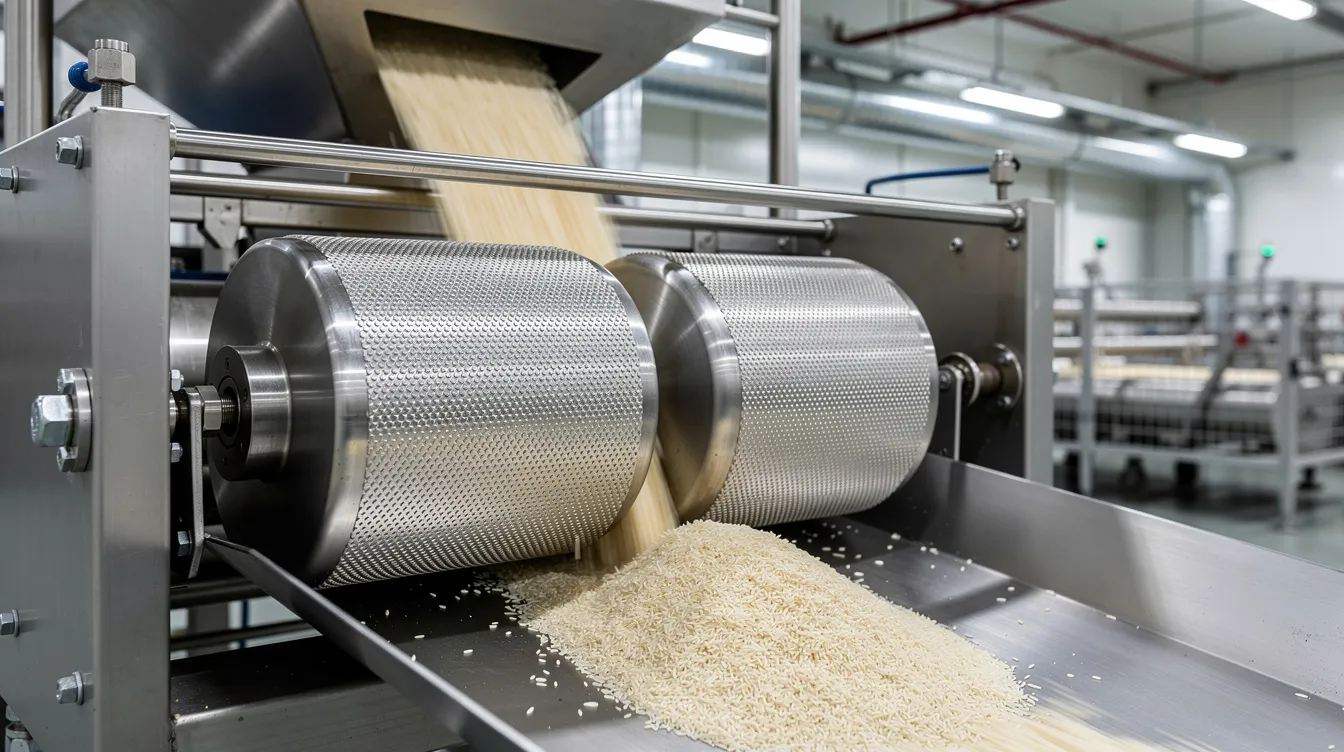
The flaking machine is the heart of the poha manufacturing plant machinery. After roasting, paddy is fed into the flaking machine, where heavy rollers flatten the grain into rice flakes. Key technical aspects include roller material (mild steel vs hardened), roller diameter, surface finish, speed, gap adjustment for thickness and drive mechanism. A 10 hp motor is common on smaller flakers; larger units require higher power consumption ratings.
A poha flaker machine is available for approx ₹4,00,000 for a 400 kg/hr polished-surface unit from suppliers in Pune. Common capacity ratings include 100, 200 kg, 500 and 1000 kg/hr. Vendors may quote capacities at ideal conditions; actual throughput may be 10-20% lower. Entrepreneurs should not select a flaker only on the lowest poha flaking machine price; selection must align with desired grade, raw paddy variety, roasting method and expected plant loading.
Drying and Cooling Equipment
After flaking, poha may retain excess moisture. Commercial plants use tray dryers, conveyor dryers or batch dryers to bring moisture to safe storage levels. Very small or traditional plants may rely on sun-drying, but commercial and branded units prefer mechanical poha dryer machines for hygiene and year-round consistency. Dryer heating may be electric, steam-based (requiring a boiler), thermic-fluid or hot-air; this cost overlaps with utility equipment. In financial projections, dryers influence both fixed-asset cost and operating expenses.
Sieving and Grading Equipment
Vibro sifters, rotary graders or planar sifters separate poha into different size grades and remove fines and broken flakes. For bulk, low-priced poha, simple grading suffices. For premium consumer packs, multi-deck vibrating graders may be justified. A poha grader machine or poha cleaning machine for finished product should be listed separately in the plant and machinery schedule of the DPR.
Polishing and Finishing Equipment
Some poha manufacturers use polishing or finishing drums to improve appearance, remove surface powder and give a uniform sheen for premium retail brands. Polishing is optional in many markets. If poha is sold in transparent pouches where visual appeal matters, a poha polishing machine is often worth the additional capital cost. These machines are typically less expensive than flakers or dryers.
Material Handling Equipment
Material handling for a poha plant includes bucket elevators, screw conveyors, belt conveyors, intermediate hoppers and bins. Entrepreneurs frequently underestimate this cost. Beyond a micro 100 kg/hr setup, elevators and conveyors become essential. The number and length of conveyors depends heavily on plant layout (single-floor vs multi-floor, building shape). Drive motors, gearboxes and supporting structures must be included in installed poha plant machinery cost.
Dust Collection and Aspiration System
Cleaning, grading and polishing generate husk, powder and dust affecting worker health and product contamination. Common systems include cyclones, bag filters, aspiration ducts and blowers. While dust collection equipment adds to poha processing plant machinery cost, it is increasingly necessary for compliance with food safety and labour regulations. DPRs aimed at bank finance should not ignore this line item.
Packing and Weighing Machinery
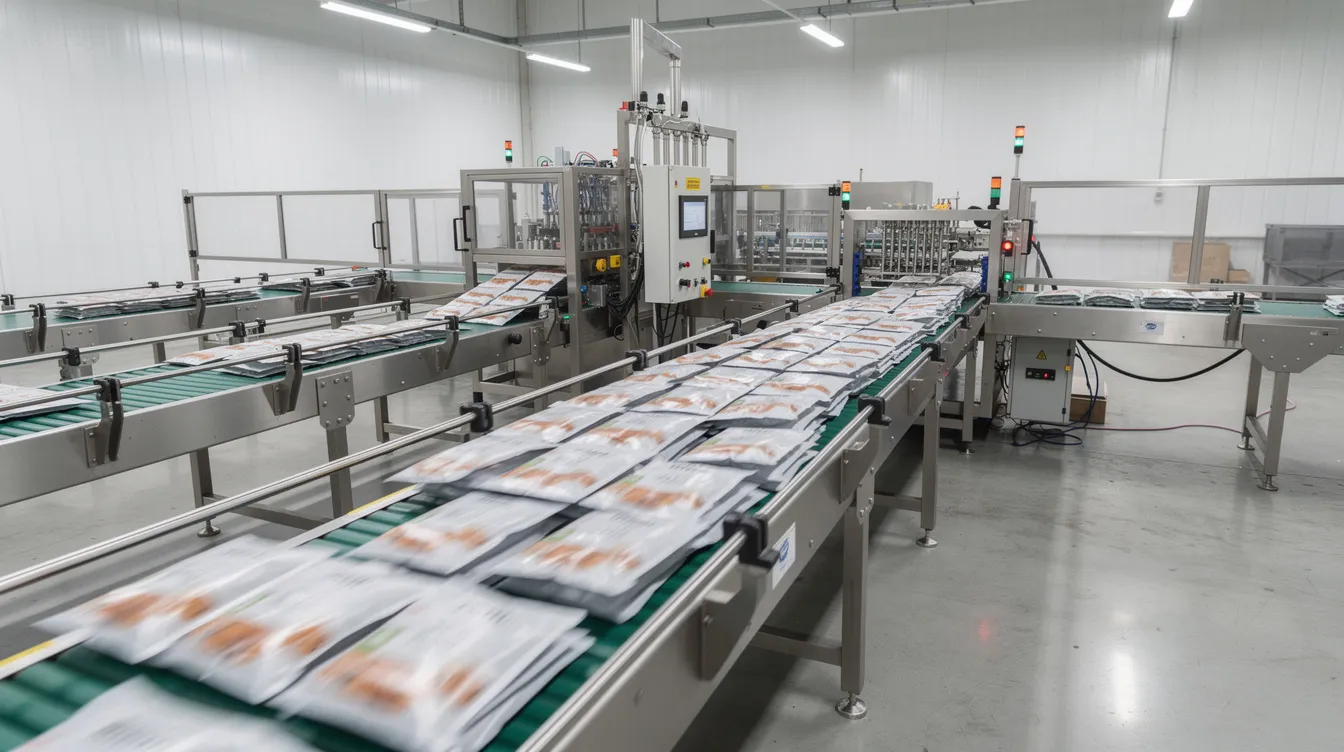
Packaging machines are required for preparing retail-ready poha products. Poha packaging machine price depends on pack size range, speed, automation level and material type. Three typical options exist:
| Packaging Level | Equipment | Relative Cost |
|---|---|---|
| Bulk (25-50 kg bags) | Platform scales, bag stitching | Lowest |
| Semi-automatic retail | Electronic weigh-fillers, separate sealers | Moderate |
| Fully automatic retail | Vertical form-fill-seal, coders, check weighers | Highest |
Branded retail poha businesses targeting supermarkets need higher packaging investment. Ancillary equipment includes band sealers, batch coding/inkjet printers and metal detectors.
Poha Plant Machinery Cost by Capacity
Machinery required for a poha manufacturing plant and its cost varies with installed capacity. All numeric ranges below are indicative planning estimates only. Final costs depend on supplier quotations, specification, location, taxes and project configuration.
| Plant Scale | Typical Capacity | Approx Machinery Cost Range | Automation Level |
|---|---|---|---|
| Micro / very small | 100-150 kg/hr | ₹3-9 lakh | Manual / basic semi automatic |
| Small | 200-300 kg/hr | ₹6-15 lakh | Semi automatic |
| Medium | 400-800 kg/hr | ₹15-45 lakh | Semi automatic to automatic |
| Large industrial | 1,000 kg/hr and above | ₹45 lakh to several crores | Fully automatic |
Small-scale poha plants typically have a capacity of 100 to 200 kg per hour. Medium-scale plants generally operate at 500 kg per hour. Large industrial-scale poha plants can handle 1 ton to over 4 tons per hour. Equipment costs tend to increase with production capacity because machines must be structurally stronger, motors more powerful and utilities scaled accordingly.
Small Poha Plant Machinery Cost (Mini / Micro Units)
A mini poha plant typically covers 100-250 kg/hr rated capacity, serving local or district-level markets. A poha making machine costs approx ₹2,00,000 per piece for a basic unit. A mini poha plant costs approximately ₹5,65,000 in some configurations, while more complete mini poha plant units cost approximately ₹10,00,000 per piece depending on scope. Both configurations referenced above are manufactured in Pune, India, with some suppliers having been in business for over 10 years.
Machinery usually included: basic paddy cleaner, simple soaking tanks, small paddy roaster, one poha flaking machine, occasional tray dryer or sun-drying arrangement, basic grader, manual or semi-automatic packing and minimal conveyors. Small poha plant machinery cost is kept low by using semi automatic handling and lower-spec material of construction, but this increases labour intensity. For DPR preparation, such plants show lower fixed-asset cost but slightly higher per-kg operating cost; the breakeven point must reflect both factors.
Semi-Automatic Poha Plant Machinery Cost
A typical semi automatic poha plant operates at 300-600 kg/hr with mechanised paddy handling, controlled batch or semi-continuous roasting, mechanically driven flaker, mechanical grading and semi-automatic pouch packing. Compared to micro units, these plants have higher investment in paddy pre-cleaning, better roasters, more robust flakers and more extensive conveyor systems.
Such plants are often chosen by regional brands who want higher production and better quality than basic setups without jumping to fully automatic, PLC-based systems. Semi automatic poha plant machinery cost also includes more substantial electrical panels, motor control centres, enhanced dust collection and possibly simple in-house lab equipment. A government tender for a 500-550 kg/hr fully automatic poha mill unit was awarded at approx ₹13,68,000, offering a useful benchmark for complete mid-capacity line procurement.
Fully Automatic Poha Plant Cost (Industrial Poha Processing Lines)
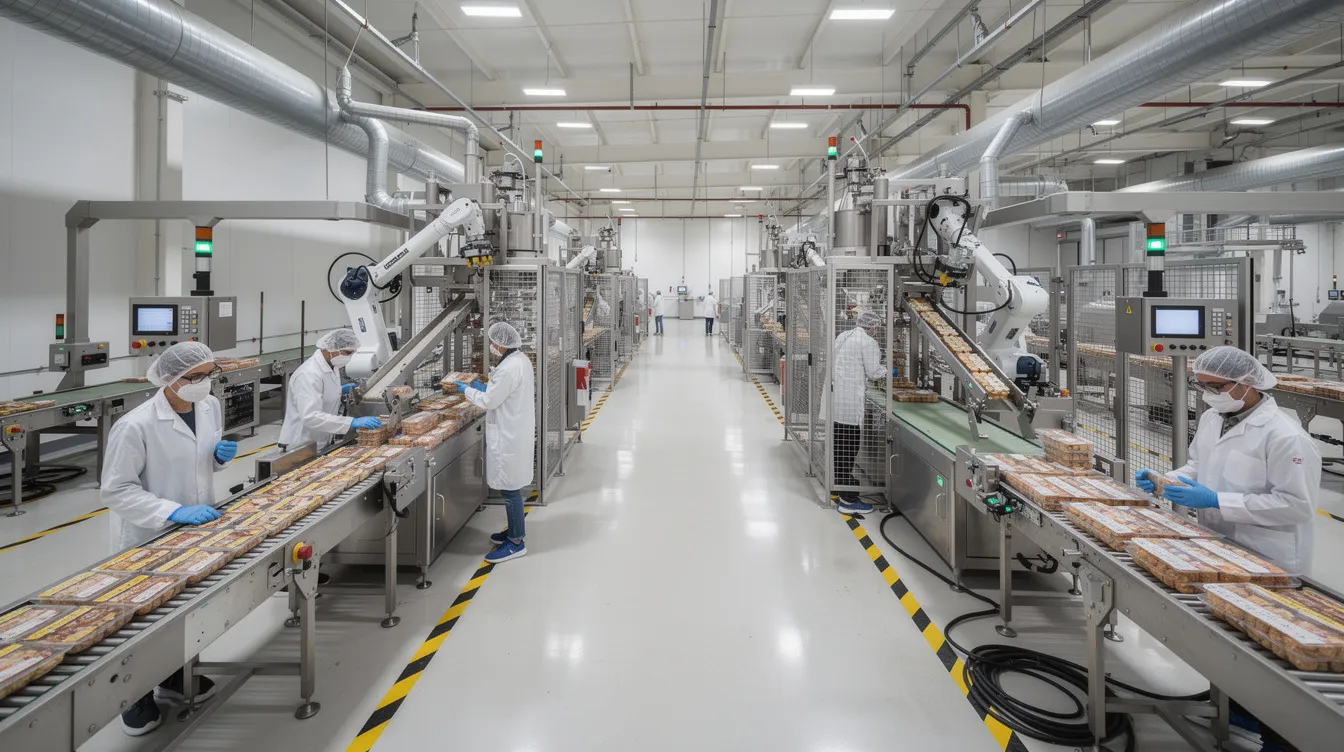
A fully automatic poha plant is an industrial poha processing line rated at 800-2,000 kg/hr or more with continuous feeding, automatic level controls and integrated process monitoring. Key cost drivers include automated paddy intake and cleaning, continuous controlled paddy roasters, automated feeding to high-capacity flakers, centralised dust collection, PLC/SCADA-based process control, continuous dryers, multi-head weighers and high-speed form-fill-seal packaging.
An automatic poha making plant is priced at approx ₹14,55,000 for a basic automatic configuration. A higher-spec automatic poha plant with 200 kg/hr capacity is priced at approximately ₹18,00,000. Automatic poha plants are manufactured in Pune, India, among other locations. The machinery cost for a poha production plant varies based on scale and level of automation; fully automatic lines for industrial capacity often involve multi-crore investment including utilities and building. In DPRs for such plants, detailed sensitivity analysis on capacity utilisation, power/fuel cost and sales realisation per kg is essential to justify the higher capital outlay to lenders.
Factors Affecting Poha Making Machine Price and Plant Equipment Cost
Two suppliers may quote very different prices for poha manufacturing plant machinery of the same nominal capacity. The reasons are structural.
Processing Capacity (kg/hr or Tonnes/Day)
Rated capacity in kg/hr is the single biggest driver. Doubling capacity requires larger motors, stronger structures and sometimes multiple parallel lines. A 500 kg/hr line running 16 hours/day produces far more than a 200 kg/hr line running 8 hours/day; this must match sales projections in the DPR. Oversizing inflates interest burden; undersizing causes lost sales.
Degree of Automation
Manual, semi automatic and fully automatic poha plants differ in feeding, discharge and process control. Semi automatic plants may rely on operators for feeding but use mechanical elevators and simple control panels. Fully automatic plants use sensors, variable-frequency drives and PLC controls. Higher automation reduces direct labour per tonne but increases training needs and spare-part requirements. Poha making machines are available in semi-automatic and automatic types, and the automation grade selected shapes the entire project economics.
Material of Construction and Hygiene Requirements
Machinery may be built from mild steel, partly stainless-steel contact surfaces or full stainless steel. As SS content increases, poha plant equipment cost rises. Food-safety expectations and FSSAI registration requirements for food safety compliance in India increasingly push manufacturers toward SS contact parts, especially for soaking tanks and conveyors handling wet material.
Machine Manufacturer, Engineering Quality and Service Support
Different poha making machine manufacturers and machine manufacturers for roasters, flakers and dryers quote different prices for similar capacities due to engineering quality, fabrication standards and service reputation. A machine leading manufacturer with a strong track record may charge more but deliver lower downtime and better long-term value. Getting at least two to three quotations from credible machine suppliers is advisable. Country of origin also matters; most Indian poha plants rely on made in India machinery with local spares and service.
Energy Efficiency and Operating Cost
Machines with better insulation, efficient drives and optimised burner design may have higher initial cost but consume less power and fuel per tonne produced. In high-capacity plants, fuel and electricity often exceed depreciation in the cost structure, making energy efficiency a key economic driver. Entrepreneurs should ask suppliers for specific power consumption figures and use them in DPR operating-cost calculations.
Product Quality Requirements and Product Mix
Consistency of thickness, low breakage, colour and cleanliness affect the choice and specification of flakers, graders, roasters and polishing equipment, thereby affecting poha production line cost. Plants targeting thin, medium and thick poha simultaneously need more adjustable settings, increasing complexity. The intended product type and product mix should be agreed at project-concept stage.
Plant Layout, Building Constraints and Packaging Format
Plant layout (single-floor vs multi-level), building height and flow direction influence conveyor length, elevator count and platform structures. Packaging format has a direct impact: bulk 25 kg bags require simpler weighers and bag sealers, whereas small retail SKUs push the project toward multi-head weighers and form-fill-seal machines with higher capital cost. The usage application of the finished poha drives this decision.
Basic Machinery Cost vs Installed Poha Plant Machinery Cost
A “basic machinery price” in supplier quotations or when you get latest price on an online portal represents only ex-works supply. The following additions must be loaded on top to arrive at installed cost:
- GST and applicable taxes
- Packing, forwarding, freight and transit insurance
- Unloading, handling and storage at site
- Erection, alignment and commissioning
- Civil foundations, platforms and mezzanine
- Electrical panels, cabling, motor control centres
- Piping, ducting and instrumentation
- Trial-run expenses and initial spares
- Contingency for price variation
These additions can increase the final poha plant equipment cost by 20-40% over ex-works machine prices. Ignoring them leads to underestimation of the term-loan requirement and cash-flow strain during project execution.
Utility and Support Equipment for a Poha Processing Plant
Beyond core poha processing plant machinery, a complete project requires utility equipment: electrical sub-station or transformer, main LT panel, diesel-generator set (backup), boiler or thermic-fluid heater for roasters/dryers, water storage and treatment, air compressors, firefighting system, laboratory instruments and weighing equipment. These items are often missed when entrepreneurs focus only on headline poha making machine price but can account for a substantial share of fixed-asset cost. Government schemes may provide subsidies for setting up poha manufacturing units, partially offsetting utility and infrastructure investment.
Packaging Machinery Cost and Options
Poha packaging strategy can materially change overall poha plant machinery cost. Automatic poha packaging machine price is higher but improves speed, accuracy, wastage control and appearance for brands supplying modern retail and e-commerce. Ancillary equipment such as nitrogen flushing, inkjet coders and metal detectors adds incremental cost but can justify higher selling price. In the DPR, packaging machinery cost must align with the projected SKU mix for realistic per-kg cost estimates.
Imported vs Indian Poha Plant Machinery
Most poha plants in India use domestically manufactured poha making machinery. Imported rice flakes making lines may offer specific technologies but carry higher base price, foreign-exchange risk, longer lead time and sometimes limited on-ground service compared to Indian suppliers. Indian poha plant machinery manufacturers understand local paddy characteristics, labour practices and fuel availability. Banks finance both categories, but for imported equipment they may require additional forex-related documentation. Entrepreneurs should compare lifecycle cost, spares, warranties and service network before choosing.
New vs Used Poha Machinery and Its Impact on Project Cost
Some entrepreneurs consider second-hand poha making machines to reduce initial investment. Potential advantages include lower upfront price and quicker availability. Risks include unknown wear, outdated technology, higher power consumption, limited spare-part availability and difficulty obtaining financing. Lenders are cautious toward projects heavily based on used machinery because of valuation issues and shorter remaining useful life. If used machinery is considered, conservative efficiency assumptions should be used in financial projections.
Machinery Cost Treatment in a Poha Plant DPR
In my practice preparing poha manufacturing project reports, I start by obtaining detailed quotations listing each major machine with capacity, price and tax, then prepare a schedule showing basic machine value, GST, freight, erection, electricals and contingencies. Useful life and depreciation rates are assigned as per income-tax and accounting norms. Annual depreciation is built into projected profit and loss and cash-flow statements to assess loan-repayment capacity.
Plant capacity, shift pattern and assumed capacity utilisation (e.g. 50-60% in Year 1, ramping up later) must be consistent with machinery installed, working-capital availability and marketing plans. The DPR should include sensitivity analysis showing how changes in poha plant machinery cost or utilisation affect DSCR and project viability. Initial working capital involves expenses for raw materials and operational costs, and these must be funded separately from term-loan proceeds meant for fixed assets.
Obtaining Machinery Quotations for Poha Plant Bank Finance
Banks ask for machinery quotations to verify the reasonableness of poha plant machinery cost in the project report. Good practices: seek quotations from experienced suppliers with relevant installations, ensure quoted capacities match DPR assumptions, verify if GST is included, and obtain a clear break-up of ex-works price, freight and installation charges. Check warranty terms, scope of erection and commissioning, delivery schedule and payment terms. Each batch of the plant uses about 5 kg of paddy for roasting per cycle in smaller units; ensuring the machinery quote reflects the actual process scale helps avoid mismatches. All quotations should be dated and on the supplier’s letterhead so that banks accept them as credible documents.
Common Mistakes While Estimating Poha Plant Machinery Cost
- Assuming the price of one poha making machine (a single 200 kg/hr flaker) equals total plant cost, while ignoring cleaners, roasters, dryers, conveyors, dust collection and packaging equipment.
- Choosing a flaker too small for the roaster capacity, or vice versa, creating bottlenecks that limit throughput below DPR assumptions.
- Preparing DPRs with machinery prices pulled from old or incomplete online advertisements and not adding contingency margins.
- Overlooking spare sets of critical components (rollers, bearings, belts), power-connection charges and internal electrical work, all of which later push real project cost beyond the sanctioned amount.
- Ignoring the difference between a deal on a standalone machine poha quote and the complete installed poha processing plant machinery cost.
Capacity Utilisation, Machinery Economics and Cost of Production
Poha plant machinery should not be evaluated only on purchase price. Rated capacity rarely equals practical capacity after accounting for changeovers, maintenance, operator efficiency and paddy quality variation. Higher-quality, moderately more expensive machinery can reduce per-kg manufacturing cost through better yields (less breakage and fines), lower power consumption and reduced downtime. These variables feed directly into gross profit per kg, contribution margin, breakeven volume and DSCR in the DPR.
Consider two scenarios: a very low-cost plant running at 60% uptime due to frequent breakdowns versus a moderately higher-cost plant running at 85% uptime. The second plant produces roughly 40% more output annually from the same number of shifts, absorbs fixed costs more effectively and generates stronger cash flow for loan repayment.
How CA Manish Gugliya Can Assist with Poha Plant DPR and Finance
CA Manish Gugliya assists entrepreneurs with preparation of bankable poha manufacturing project reports, estimation of poha plant machinery cost and total project cost, means-of-finance structuring, projected profit and loss, balance sheet, cash-flow statements, working-capital assessment, DSCR calculation, breakeven analysis, ROI/IRR analysis, sensitivity analysis and CMA Data preparation for bank finance proposals. His role includes translating technical machine quotations and buy decisions into a coherent financial model for bank evaluation. He does not certify supplier data or guarantee loan sanction; his work is advisory, focused on ensuring that machinery selection and project economics support long-term viable operations. Entrepreneurs looking to sell product in local or regional markets can benefit from structured financial planning before committing capital.
Frequently Asked Questions on Poha Plant Machinery Cost
How long does it take from ordering Poha machinery to commissioning the plant?
Smaller standard poha making machines may ship in 4-8 weeks. Complete semi-automatic or automatic poha processing lines typically take 10-16 weeks including fabrication, dispatch and installation. Civil work, power-connection approvals and boiler installation run in parallel and can extend overall project implementation to 4-8 months. Payment schedules with machinery suppliers should align with expected loan disbursement milestones to avoid cash-flow stress. Entrepreneurs should build realistic timelines and contingency into their DPR.
Can I start with a mini Poha plant and upgrade capacity later?
Many entrepreneurs begin with a mini poha plant at 100-200 kg/hr and add roasters, flakers or dryers as demand grows. Expansion is easier if plant layout and utilities are designed with future capacity in mind from the start. Some machines can be duplicated in parallel (a second flaker, for instance), while dust-collection systems and control panels may be sized upfront for higher capacity. Expansion still requires fresh capital; promoters should plan internal accruals or additional term loans.
What regulatory or food-safety standards influence Poha machinery selection?
FSSAI registration is necessary for food safety compliance in India. While there is no single poha-specific equipment standard, FSSAI’s GMP requirements influence material of construction, cleanability and dust control. State pollution-control norms for fuel-fired roasters and boilers may require dust collectors or emission-control devices that need to be budgeted in the poha plant machinery and utility cost. Consulting local authorities early prevents unexpected compliance expenses.
What machinery-related documents do banks usually ask for with a Poha plant loan application?
Banks generally request supplier quotations or proforma invoices for each major machine with details on capacity, price and tax. They also expect a summary machinery list in the DPR matching these quotations. For larger projects, banks may ask for layout drawings showing placement of major poha processing plant machinery, expected power load and basic specifications for key machines. At disbursement, banks may require purchase orders and payment proofs confirming funds are used for approved machinery. Having this documentation organised and consistent with the company’s DPR numbers shortens sanction and disbursement timelines.
How often should Poha plant machinery cost estimates be updated during project planning?
Machinery prices for steel-intensive equipment like roasters, flakers and dryers change with raw-material costs, labour rates and exchange rates. As a good practice, refresh key supplier quotations before finalising the DPR and again before signing term-loan documents, especially if 3-6 months have elapsed. The DPR can include a contingency margin to cushion limited price increases. Keeping poha plant machinery cost estimates current avoids cost overruns that force promoters to arrange additional margin money at a late stage.
Conclusion: Evaluating Poha Plant Machinery Cost in Overall Project Economics
Poha plant machinery cost is not about the price tag on a single poha making machine. It is about the complete processing line; cleaning, roasting, flaking, drying, grading, packaging and utilities; installed and ready for commercial production. Machinery investment decisions must align with plant capacity, desired automation level, product mix, marketing strategy and realistic assumptions on demand, power and labour.
Accurate estimation of poha plant equipment cost, including all on-costs like GST, freight, erection, electricals and contingencies, is essential for preparing a bankable DPR and avoiding underfinancing. A professionally prepared poha manufacturing project report, backed by credible quotations and realistic projections, helps banks, investors and entrepreneurs evaluate the project on sound economic parameters. If you are planning a poha manufacturing business, consider working with an experienced DPR consultant like CA Manish Gugliya to ensure your machinery selection and financial structure support sustainable, profitable operations.