
Key Takeaways
A Ghee Butter Milk Fat Processing Plant Project Report / DPR is a comprehensive, bankable document that integrates technical design, market analysis and financial projections for an industrial facility producing ghee, butter, cream, anhydrous milk fat and related dairy fat products. It serves as the foundation for both internal investment decisions and term-loan appraisal by banks and financial institutions. Without a properly structured DPR, promoters risk underestimating project cost, overestimating returns and failing to secure project finance.
The viability of such a plant project depends on the interplay of raw material economics, capacity planning, product mix, manufacturing process efficiency, project cost, working capital and debt-servicing capacity. Ghee production alone requires high-quality milk or cream as its primary raw material, while adding butter and AMF lines increases both revenue potential and capital complexity. The DPR must model these interactions realistically, with year-wise financial projections, DSCR schedules and sensitivity analysis under adverse scenarios.
- This hub article is the central guide on ProjectReportBank.com, connecting 21 detailed supporting articles covering setup cost, machinery, manufacturing process, factory layout, raw material procurement, project cost, financial projections, working capital, DSCR, ROI, IRR and sensitivity analysis.
- All figures cited here are illustrative. Actual cost, profitability and investment returns depend on capacity, technology, location, milk-fat procurement price, product mix and financing structure.
- The article is written from a project-finance and lender’s perspective by CA Manish Gugliya, whose practice at ProjectReportBank.com focuses on bankable DPRs, term-loan appraisal support and financial feasibility assessment for dairy processing and food processing projects.
Introduction – Ghee Butter Milk Fat Processing Plant Project Report / DPR
India produces over 3 million tonnes of ghee annually, making it one of the most consumed dairy products in the country. Ghee consumption is driven by rising demand for natural foods, growing household incomes, and expanding use in the food industry, from sweet manufacturers to hotel and restaurant chains. Alongside ghee, butter, cream and anhydrous milk fat represent distinct value-added dairy fat products with strong domestic and international market demand. The global ghee market was valued at USD 58.99 billion in 2025, and the ghee market is expected to reach USD 97.32 billion by 2034, reflecting sustained market growth across geographies.
Establishing an industrial ghee manufacturing plant, butter manufacturing plant, or integrated milk fat processing facility is far more than a machinery purchase. A project report for ghee, butter, and milk fat processing must include technical specifications, detailed project cost, market assessment, financial projections and risk analysis. Simply obtaining equipment quotations and calling it a business plan leads to poor investment decisions and weak bank submissions. A bankable Ghee Butter Milk Fat Processing Plant Project Report connects capacity, raw material availability, manufacturing process design, land and building requirements, utilities, working capital, profitability, DSCR and sensitivity analysis into a single coherent document.
This hub article provides a strategic overview for entrepreneurs, dairy promoters, MSMEs, investors and corporate dairy companies evaluating this space. The 21 specialised supporting articles linked throughout offer depth on individual topics – from ghee manufacturing plant machinery to financial projections, DSCR computation and term-loan assessment. The rest of this article is written from a project-finance and lender’s perspective by CA Manish Gugliya for ProjectReportBank.com, focusing on how to structure a viable ghee manufacturing business and related milk fat products.
What Is a Ghee, Butter & Milk Fat Processing Plant?
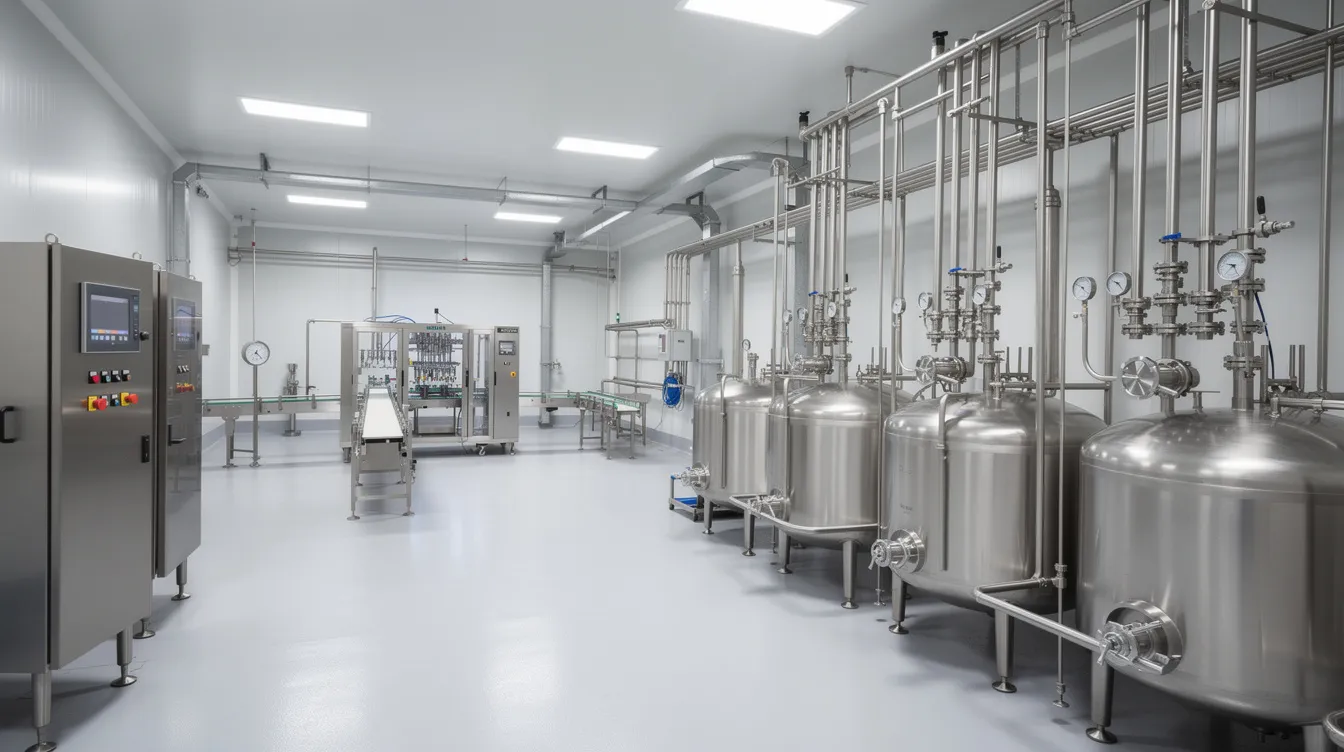
An integrated dairy fat processing facility converts milk, cream or white butter into higher-value products such as ghee (clarified butter), table butter, industrial butter, cream products and anhydrous milk fat (AMF). The exact configuration depends on the promoter’s investment capacity, raw material access and target markets.
The typical process pathways in such a plant follow a logical progression: Milk → cream separation → cream processing → butter production → ghee / butter oil / AMF. A plant can also operate on a shorter chain – procuring cream or white butter directly and converting it into ghee or AMF without upstream milk handling. Critical planning considerations for a processing plant include raw material supply, quality control and the degree of upstream integration.
From a DPR perspective, the chosen configuration fundamentally impacts project cost, building and utility requirements, labour, working capital and risk profile. A standalone ghee manufacturing unit buying cream from external dairies has lower capital costs but higher procurement risk. An integrated plant with captive milk collection requires investment in chilling centres, transport and cream separation infrastructure but offers better control over raw material quality and cost. The DPR must clearly describe which configuration is proposed and justify it with procurement data and market rationale.
This broad concept encompasses more specific documents such as a ghee manufacturing plant project report, butter manufacturing plant project report, cream processing plant project report and milk fat processing plant DPR – each addressing different product scopes within the same industrial framework.
Major Products and Revenue Streams
A Ghee Butter Milk Fat Plant DPR must clearly define the intended product basket because it drives capacity planning, machinery selection, revenue model and profitability.
Ghee – or clarified butter fat – remains the anchor product in most dairy fat processing projects. It serves households, HoReCa (hotels, restaurants and caterers), sweet manufacturers and the broader food processing industry. Cow ghee, buffalo milk ghee, traditional ghee and organic ghee command different price premiums. Packaging for ghee includes jars, pouches and tins, considering shelf life and regulatory standards. The global ghee market will hit ₹5 lakh crore by 2027, driven by rising disposable incomes and growing awareness of the health benefits and nutritional benefits of traditional dairy products.
Butter and industrial butter add a second revenue stream. Table butter in salted and unsalted variants targets retail and institutional markets. Industrial butter serves bakeries, confectioners and food processors in bulk. Butter must contain a minimum of 80% milk fat for quality ghee production downstream. Cold chain requirements for butter significantly affect capital costs and operating costs.
Anhydrous Milk Fat – a high-purity, low-moisture clarified butter fat – finds application in bakery, confectionery and recombined dairy products. An AMF manufacturing plant is generally considered at higher capacities where the technology requirements and quality assurance systems can be justified economically.
Cream processing – whether for fresh cream, whipping cream or bulk cream – offers a flexible intermediate product. Selling a portion of cream versus converting all available fat into ghee or butter directly impacts realisation and working capital. Selecting the right capacity and product mix is among the most consequential decisions in the entire DPR.
Comparison of Key Milk-Fat Products – DPR View
The following table summarises how the major milk-fat products differ from a project-report and financial-feasibility standpoint:
| Product | Typical Feedstock | Market Orientation | Key DPR Consideration |
|---|---|---|---|
| Ghee | Cream / White Butter / Milk Fat | Retail + Institutional + Sweets | Fat recovery efficiency, regional price premiums, shelf life |
| Table Butter | Pasteurised Cream | Retail + HoReCa | Cold chain investment, wrapping material cost, brand positioning |
| Industrial Butter | Cream | B2B / Bulk | Volume contracts, capacity utilisation, minimal branding cost |
| AMF | Concentrated Milk Fat / Butter | Industrial / Ingredient / Export | Advanced technology, stringent quality standards, global pricing exposure |
| Cream | Milk / Separated Cream | Retail / Industrial / Intermediate | Short shelf life, cold chain, continuous utilisation balancing |
Each product line changes the assumptions for capacity utilisation, cold chain requirement, selling price, marketing strategy and risk profile. Promoters should use this comparison when finalising their product mix in the detailed project report. For instance, a plant weighted towards industrial butter and AMF may achieve higher volumes but thinner margins, while a ghee-dominant plant with retail branding may have higher realisation per kg but greater marketing and distribution expenses.
Industrial Ghee Manufacturing Plant Setup – Overview
Setting up an industrial ghee manufacturing plant involves far more than installing ghee kettles. Promoters must evaluate land selection, building planning, choosing the right plant capacity, identifying reliable raw-material sources, dimensioning utilities and establishing packaging and quality control infrastructure. The setup cost for a ghee plant varies based on capacity and technology – from roughly ₹1–3 crore for a small-scale unit (1–2 TPD) to ₹3–10 crore or more for a mid-range (5–10 TPD) facility, and significantly higher for large integrated complexes.
Ghee manufacturing plants can produce 5,000 to 10,000 MT annually at industrial scale. Typical capacity bands in India range from micro units processing 500–1,000 litres per day to medium plants handling 5–10 TPD of finished ghee, and larger integrated facilities exceeding 20 TPD. Ghee production typically takes 12 to 18 months to establish, covering land acquisition, construction, equipment installation, commissioning and trial production. Implementation schedules should cover key milestones from site development to production start.
From a project-report perspective, industrial ghee manufacturing plant setup cost in India is comprised of land, building and civil works, plant and machinery, refrigeration, boiler and utilities, electrical installations, laboratory, pre-operative expenses and margin for working capital. Generic per-tonne cost multipliers are unreliable – the DPR must build costs from vendor quotations and site-specific estimates.
Ghee Manufacturing Plant Machinery & Equipment
Machinery layout must follow the process flow and hygienic zoning of the plant, while also accommodating future expansion and balancing different sections by capacity. Ghee manufacturing equipment includes cream separators and ghee kettles as core process items, supported by cream storage tanks, butter churns or continuous butter-making systems, clarifiers, filters, settling tanks and CIP (clean-in-place) systems.
Supporting utilities and packaging machinery include boilers or thermal fluid heaters, heat exchangers, refrigeration systems, automatic filling and sealing machines for tins, bottles and pouches, coding and labelling equipment, and compressed air systems. The choice between batch ghee kettles and continuous ghee production lines affects equipment costs, labour requirements and fat-recovery efficiency.
From a DPR perspective, machinery quotations should be vendor-backed and capacity-specific. The grade of stainless steel, level of automation and expected fat-recovery rates have direct long-term effects on plant economics. A detailed breakdown is covered in the article on automatic ghee manufacturing plant machinery and equipment cost.
Industrial Ghee Manufacturing Process & Production Line
The industrial ghee manufacturing process involves sequential steps: milk or cream reception, standardisation, cream separation (if starting from liquid milk), cream maturation or butter preparation, heating and clarification, removal of moisture and milk solids, filtration, cooling and packing. Technical processes involve milk reception, cream separation, and butter making as foundational stages before actual ghee making begins.
Industrial ghee production lines can be batch-based (using traditional ghee kettles) or semi/fully continuous. This choice affects total capital investment, labour requirement, flavour profile – a rich nutty taste is prized in traditional ghee – and operating flexibility. Quality control measures for ghee include testing for moisture, acidity and fat content at multiple stages.
The DPR should capture process-related assumptions: expected fat losses at clarification and settling stages, energy consumption per kg of ghee, expected yield from cream or butter, and required manning levels. Different markets demand different quality parameters – for instance, desi ghee commands premium pricing but requires flavour-emphasising process controls. Those requiring detailed process engineering can refer to the industrial ghee manufacturing process and production line article.
Butter Manufacturing Plant – Role in a Milk-Fat Project
Many ghee butter milk fat plants include a butter manufacturing section because it stabilises cream utilisation, provides access to table-butter markets, and generates feedstock for ghee or AMF production. Fresh cow or buffalo milk with at least 3.5% fat is essential as the starting point for cream recovery, and the cream must then be processed into butter through established dairy processing protocols.
Key functional blocks of a butter manufacturing plant include cream pasteurisation, ageing/maturation, churning, butter working, salting where applicable, moulding/packaging and cold storage. Lactic acid bacterial cultures enhance flavor in cultured butter variants, adding product differentiation. From a DPR perspective, adding a butter line modifies capital cost (cold rooms, wrapping lines), operating cost (refrigeration energy, packaging material) and revenue opportunities across retail and industrial segments.
Butter plants are more sensitive to cold chain reliability and storage planning than ghee units. The butter manufacturing plant project report and setup requirements article covers these considerations in detail, including extended shelf life strategies and cold-storage dimensioning.
Industrial Butter Manufacturing Process & Production Line
The distinction between a “butter plant” as an investment project and the “butter manufacturing process” as an engineering topic matters – the DPR must summarise both in a lender-friendly way. The industrial butter production line flows through cream standardisation → pasteurisation → maturation → continuous or batch churning → butter working → salt/culture incorporation where applicable → extrusion/slicing → packaging → cold storage.
The degree of automation – from manual moulding to automatic wrapping lines, carton erectors and palletisation – directly influences labour cost assumptions and hence the profitability section of the ghee butter plant DPR. Deeper technical details on equipment ratings, processing parameters and product variants are available in the industrial butter manufacturing process and production line design article.
Anhydrous Milk Fat (AMF) / Butter Oil Manufacturing Opportunity
AMF is a high-purity milk fat product with very low moisture and non-fat solids content (typically ≈99% fat). Unlike traditional ghee, AMF has a neutral flavour profile and is designed for industrial applications – bakery, confectionery, recombined dairy products and export markets.
Promoters of medium-to-large ghee butter plants sometimes plan an AMF manufacturing plant as an additional module to capture export potential and serve food processing industry demand. From a financial-feasibility perspective, AMF plants are typically viable at higher capacities and require tighter process control, advanced equipment and more stringent quality systems. The market-analysis section of the DPR must account for global dairy-fat pricing trends, not just local ghee market prices.
The Anhydrous Milk Fat (AMF) manufacturing plant project report explores project structuring, investment opportunities and viability parameters for this product line.
AMF Manufacturing Process, Machinery & Technology
The AMF manufacturing process starts from cream or butter, concentrating fat through phase inversion or centrifugation, removing moisture and non-fat solids, polishing/clarification and hygienic bulk packing. Key technology elements include energy-efficient evaporation, precise temperature control, hygienic design, CIP systems and automated monitoring of moisture and free-fatty-acid levels.
The DPR should summarise the chosen AMF production technology, list major equipment – fat concentrators, evaporators, polishers, vacuum systems and storage tanks – and justify the configuration relative to projected capacity and quality specifications. Detailed engineering specifications and vendor comparisons are covered in the article on AMF manufacturing process, machinery and production technology.
Cream Processing as Part of the Project
Cream is both an intermediate product and a marketable one. Decisions regarding cream selling versus further processing into butter or ghee directly affect plant economics, fat utilisation and working capital requirements.
Main cream processing activities include cream separation from milk, standardisation of fat content, pasteurisation, cooling, storage and transfer to butter/ghee/AMF sections or to cream packaging lines. From a DPR perspective, cream yields and losses must be modelled correctly – small percentage differences in fat recovery significantly impact available fat for downstream ghee production and butter manufacturing.
The cream processing plant project report, machinery and setup cost article provides deeper coverage of equipment specifications, layout details and cost structures for dedicated cream handling facilities.
Plant Capacity Planning & Product Mix – Core DPR Decision
This is one of the critical project-structuring decisions. Over-optimistic capacity depresses DSCR and ROI through under-utilisation of fixed assets, while under-designed capacity may waste raw material availability and market opportunity. Plant capacity and production programming must align with raw material availability and market demand.
Key factors include regional milk and milk-fat availability, seasonal procurement patterns, access to cream or white butter, target markets (retail versus institutional versus industrial), distribution radius and expected ramp-up period. The DPR should model multiple capacity-utilisation scenarios – for example, 50–70% in the first year, rising to 80–90% by Year 3 – rather than assuming full utilisation from Day 1. This directly affects revenue, profitability and debt-servicing ability.
The product mix – share of ghee versus butter versus AMF versus cream – influences average realisation per kg fat, margin, storage requirements and working capital cycle. A detailed treatment of capacity planning and product mix for a ghee, butter and milk fat plant is available in the dedicated supporting article.
Land, Building, Factory Layout & Utilities
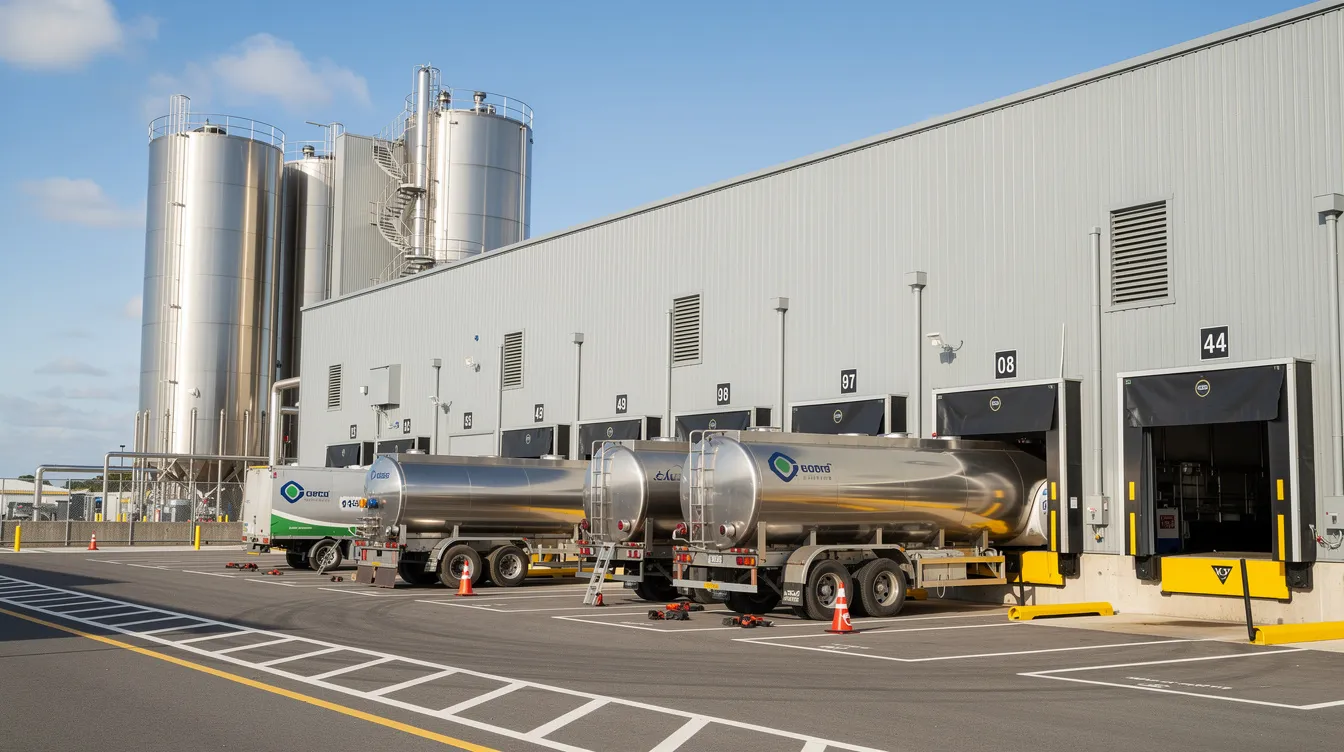
Lenders review not only machinery but also the adequacy and hygiene design of land, building and utilities as described in the DPR. The plant design should ensure adequate zoning for raw materials, processing and storage areas to maintain consistent quality and comply with food safety regulations.
Main building zones include raw milk/cream reception, processing halls for cream, butter, ghee and AMF, packaging halls, finished-goods warehouse, cold stores, QC/QA laboratory, administrative block and utility block housing the boiler, chiller, compressor, DG set and effluent treatment plant (ETP). Dairy plants must demonstrate proper waste and by-product management strategies, and environmental management in dairy processing includes effluent treatment and waste valorisation.
The DPR should include a conceptual plant layout showing hygienic zoning, product and personnel movement, and provision for future expansion. Key utilities to be dimensioned include steam/thermal fluid, refrigeration tonnage, electrical load, water requirement and compressed air. Utilities often constitute 10–15% of total capital investment. The Ghee Butter plant factory layout – land, building and utilities from a DPR perspective article covers these in comprehensive detail.
Raw Material & Milk Fat Procurement Strategy
From both a lender’s and promoter’s perspective, milk fat procurement economics are the single most critical risk area in a ghee manufacturing business and broader dairy fat processing project. Raw materials account for approximately 75–90% of the variable operating costs in ghee and butter plants. Milk or butter accounts for 85–90% of total operating expenses in typical models.
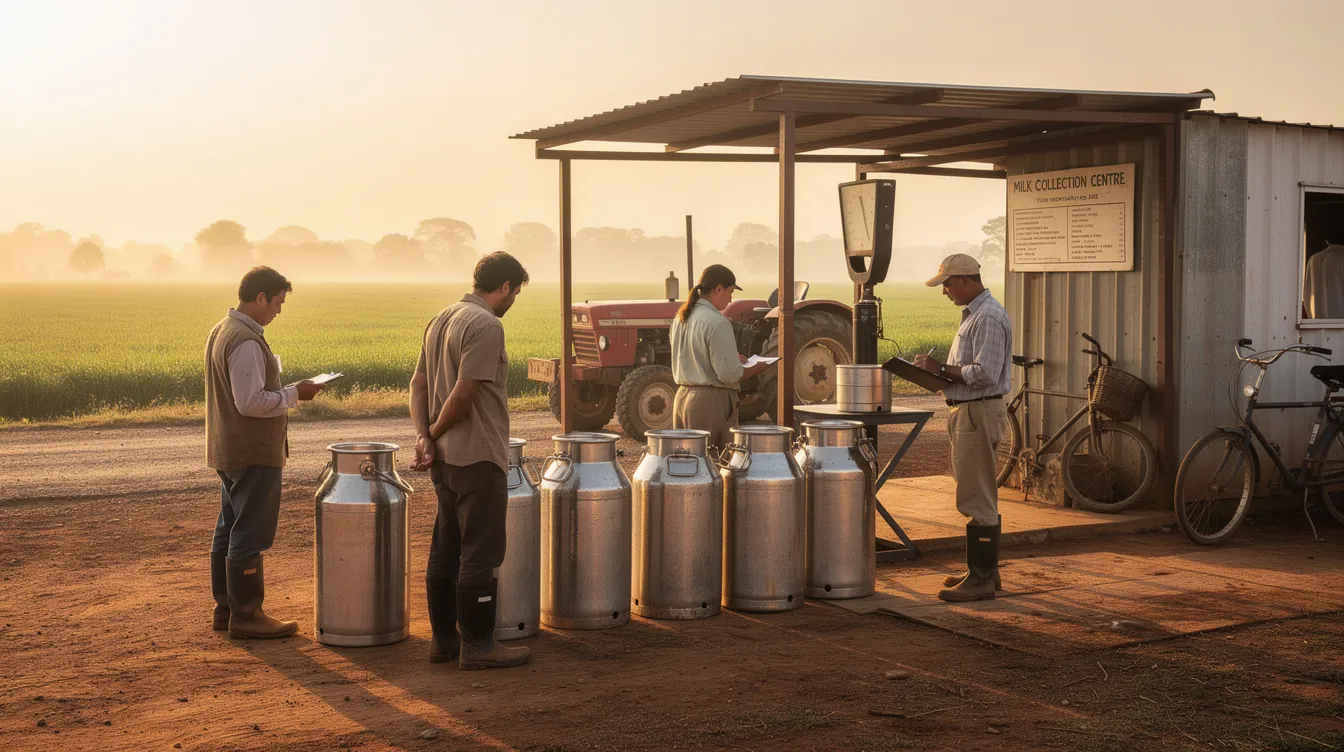
Procurement options include raw milk through collection routes, cream from other dairies, white butter from cooperatives or private processors, or a mix. Ghee production requires high-quality milk or cream with 80% fat content at the cream stage, while starting from fresh cow or buffalo milk with at least 3.5% fat is essential for viable cream recovery. Each procurement route changes the investment in upstream infrastructure, working capital and risk exposure.
The DPR must clearly state average fat percentage assumptions, expected procurement price per litre or per kg fat, seasonal variations, transportation and chilling cost, and quality control at reception. A seemingly small increase in procurement cost can dramatically squeeze contribution margin and DSCR – this variable must be explicitly tested in sensitivity analysis. The detailed raw material and milk fat procurement strategy for ghee and butter plants article explores these dynamics further.
Project Cost of Ghee, Butter & Milk Fat Processing Plant
Project cost must be built from the ground up for each case. Multiplying capacity by a generic “cost per litre” is not acceptable from a serious DPR or bank-finance perspective. Ghee manufacturing plant setup costs vary based on capacity, ranging from ₹1–3 crore for small units to tens of crores for large integrated facilities.
Major cost heads include land acquisition or leasehold premium, site development, civil construction, plant and machinery (processing and utilities), electrical installations, laboratory and QA equipment, cold storage infrastructure and packaging systems. Operating-support costs capitalised into project cost include pre-operative expenses, interest during construction, contingencies and margin for working capital.
The DPR should present a structured project cost table broken into fixed assets, other assets and working capital margin, with estimates backed by vendor quotations or standard engineering norms. The Ghee, Butter and Milk Fat processing plant project cost and means of finance article provides a detailed treatment of cost-head construction and financing structures.
Means of Finance, Capital Investments & Debt–Equity Structure
Even a technically sound ghee manufacturing plant DPR can fail during term-loan appraisal if the means of finance are not properly structured. Lenders verify that the promoter contribution is genuine, sourced transparently and adequate relative to project risk.
Typical components include promoter’s equity, unsecured loans from promoters or group entities (subject to bank policy on subordination), term loan from banks or financial institutions, and subsidies or incentives only where eligibility is confirmed and timing is realistic. Government schemes like AHIDF may offer interest subvention for eligible dairy processing units, but these must not be assumed without verification.
An appropriate debt–equity ratio affects DSCR, interest burden and resilience under adverse scenarios. Many lenders prefer moderate gearing in dairy projects given raw-material price volatility. Working capital finance – cash credit, WCDL, bill discounting – is separate from term loan and must be sized based on the working-capital assessment discussed later. For deeper analysis, refer to the article on capital investments and means of finance structure for a ghee butter milk fat plant.
Revenue Model, Product Mix & Market Strategy
The revenue model for a ghee butter milk fat plant combines product mix, packaging formats, customer segments and geography. Market analysis must identify target customers such as retailers, hotels, institutional buyers, sweet manufacturers and food processors. Key market analysis components include demand trends for ghee and butter, competitive landscape, and pricing power across channels.
The DPR should break down expected selling prices, volumes and realisation by major SKU groups – consumer-pack ghee, bulk ghee tins, table butter, industrial butter, AMF and cream – rather than using a single average rate. In illustrative NABARD models, ghee sale prices of approximately ₹290/kg and cream prices of approximately ₹120/kg have been assumed at specific procurement cost levels.
Branding, private labelling, contract manufacturing and export opportunities for domestic and international markets should be reflected in the market-strategy section, with marketing expenses modelled consistently in the P&L projections. The Ghee Butter plant revenue model, product mix and market strategy article covers these elements comprehensively.
Profitability & Break-Even Analysis – Overview
Lenders and promoters look beyond top-line revenue to gross margin, EBITDA, PAT and cash accrual. Gross profit margins for ghee typically range from 20–30%, but actual margins depend heavily on procurement cost and selling-price realisation. Operating costs are primarily driven by raw material expenses. A small ghee manufacturing unit can earn ₹50,000–₹1,00,000 monthly at stable operations, though larger plants target substantially higher absolute returns.
Break-even for ghee manufacturing typically ranges from 2 to 4 years, depending on capacity, product mix and financing structure. The DPR should present fixed-cost estimates, contribution per unit and the capacity utilisation level at which contribution covers fixed costs – with sensitivity to changes in selling price and raw material cost.
Any margin or profit-percentage figures in the DPR are projections based on stated assumptions, not guaranteed outcomes. Lenders may stress-test these during appraisal. The ghee manufacturing plant profitability and break-even analysis in India article explores these drivers in detail.
Financial Projections Required in a Bankable DPR
A bankable Ghee Butter Milk Fat Plant DPR must include integrated multi-year financial projections, usually covering 7–10 years for term-loan assessment. Financial projections should include capital expenditure and working capital requirements alongside revenue and cost projections. A one-page profit summary is insufficient.
Key projection statements include: projected sales and production volumes, cost of production and revenue schedules, projected Profit & Loss account, projected Balance Sheet, projected Cash-Flow Statement, and supporting schedules for depreciation, interest, tax, term-loan repayment, working-capital assessment, DSCR computation, break-even analysis and ratio analysis including ROI and IRR summary.
From a lender’s perspective, realistic ramp-up assumptions, conservative price modelling and consistency between technical, market and financial sections are essential. The financial projections for Ghee, Butter & Milk Fat Plant DPR article details how these statements are constructed and validated.
Working Capital Requirement & Funding
Working capital in a ghee, butter and milk fat business can be substantial due to continuous raw-material procurement, inventory holding and credit extended to customers. Underestimation of working capital is one of the most common project risks in dairy fat processing.
The working-capital cycle runs through procurement of milk, cream or white butter → processing time → storage of finished ghee, butter or AMF → dispatch → credit sales → collection, alongside supplier-credit terms. The DPR should quantify current assets (raw materials, packing materials, WIP, finished-goods stock, receivables, cash) and current liabilities (creditors, expenses payable), computing working-capital requirement for a normal level of operations.
Banks typically finance a portion through cash credit or similar facilities, while the remaining margin must come from promoters. Interest cost on working capital should be modelled separately from term-loan interest. The working capital requirement for ghee and butter manufacturing plant article covers computation methodology and common pitfalls.
DSCR & Loan Repayment Capacity
DSCR – Debt Service Coverage Ratio – measures the ratio of cash accrual available for debt repayment (interest plus principal) to actual debt obligations in a given year. It is a key metric in lender appraisal of any Ghee Butter Milk Fat plant DPR.
A year-wise DSCR schedule should be generated using projected cash accrual and debt obligations. Lenders generally examine both average DSCR over the loan tenure and the minimum DSCR in any single year. Practical factors that can weaken DSCR even in a seemingly profitable project include delayed capacity utilisation, higher-than-expected raw-material cost, lower selling-price realisation, implementation delays and cost overruns.
Promoters should review DSCR under base-case and stressed scenarios during their own decision-making, adjusting debt–equity mix, moratorium period or loan tenure if required. The DSCR and loan repayment capacity for ghee and butter manufacturing project article provides a detailed analytical framework.
Feasibility Study & Project Viability
A proper feasibility study for a ghee manufacturing plant or broader dairy fat processing project combines technical, market, financial and management feasibility into a cohesive assessment.
Technical feasibility evaluates suitability of proposed technology and machinery, adequacy of utilities, availability of raw materials and compatibility of plant capacity with expected milk-fat supply. Technological advancements in continuous processing and automation can significantly improve fat recovery and reduce operating costs.
Market feasibility assesses demand for ghee, butter, AMF and cream in target regions, competition mapping, pricing trends, distribution network and potential for brand positioning. Market research and industry trends – including the expanding Indian markets and growing ghee manufacturing sector globally – must be substantiated with credible data, not assumptions. Research reports from industry bodies can support demand projections.
Financial feasibility examines projected profitability, cash flows, DSCR, payback, ROI and IRR, along with sensitivity to key variables. The report must assess financial viability and regulatory compliance for a ghee and butter processing plant. The regulatory framework for dairy processing in India is guided by FSSAI standards.
Management feasibility considers promoter experience in dairy or FMCG, strength of technical and marketing team, procurement capability and governance systems. The Ghee and Butter manufacturing plant feasibility study and project viability article elaborates on each dimension.
Bank Loan & Project Finance for Ghee Manufacturing Plant
Entrepreneurs looking for a ghee plant project report for bank loan or a Ghee Butter Plant bankable project report need to understand what lenders expect. Banks evaluate promoter profile and financial background, detailed project description, capacity and product mix, technical process summary, machinery list with quotations, land and building details, project cost and means of finance, market analysis, raw-material tie-ups and regulatory compliance.
For term-loan appraisal, lenders also examine projected financial statements, working-capital assessment, DSCR, security details, risk management analysis and consistency across all DPR sections. Compliance requirements include FSSAI licence (mandatory for ghee manufacturing), Factory Licence for production facilities, Trade Licence to operate a ghee manufacturing business, compliance with pollution control regulations, AGMARK certification for quality standards, and environmental compliance documentation.
A well-prepared DPR improves the quality of appraisal dialogue with lenders, but it does not guarantee sanction. Creditworthiness, bank policy, security adequacy and project financials will still apply. The bank loan for ghee manufacturing plant – DPR and project finance requirements article details what banks specifically look for.
Term Loan Assessment & Appraisal Parameters
Term-loan assessment for a Ghee Butter Milk Fat plant involves banks deriving eligible project cost, determining permissible debt, and assessing repayment capacity based on projected cash flows. Common appraisal elements include verification of project cost estimates, adequacy of promoter contribution, assessment of repayment schedule (including moratorium), alignment of loan tenure with asset life, and examination of security and collateral.
The DPR should clearly state the implementation schedule, expected commercial operation date and assumptions for capacity build-up. Term-loan appraisal also considers the interaction between term loan and working capital – a project faces stress if both are not structured and phased sensibly. The term loan assessment for ghee and butter manufacturing plant article provides detailed parameters used in appraisal.
ROI, IRR, Payback & Sensitivity Analysis
Promoters and lenders should focus not only on accounting profit but also on investment returns and risk-adjusted metrics. ROI measures return generated relative to total capital investment over a multi-year period. In illustrative NABARD models for dairy processing plants, IRR has been observed around 32% at specific capacity and price assumptions, though actual figures vary significantly by project.
IRR – the discount rate at which the project’s net present value becomes zero – considers timing of cash flows and serves as a key benchmark for comparing investment opportunities and finance options. Payback period indicates when cumulative cash flows recover the initial investment, but in capital-intensive processing plants it should be evaluated alongside DSCR and IRR rather than used as a standalone decision metric.
A comprehensive risk analysis should address supply chain disruptions, price volatility, and equipment reliability through sensitivity analysis. This involves modelling downside scenarios: higher milk-fat cost, lower selling prices, slower capacity ramp-up, higher project cost or interest rates. The ROI, IRR, payback and sensitivity analysis of ghee and butter plant article provides the analytical framework.
DPR-Based Decision Framework – Key Questions Table
Before committing to a ghee manufacturing plant or integrated dairy fat project, promoters should systematically test their proposal against a set of DPR-based questions. This framework serves both promoters for internal decision-making and lenders during appraisal discussions.
| Area | Key DPR Question |
|---|---|
| Capacity | Is sufficient milk fat available within the procurement radius to sustain planned capacity? |
| Product Mix | Which combination of ghee, butter, AMF and cream provides optimal realisation and margin? |
| Technology | Is the proposed technology suitable for the target scale and product quality? |
| Machinery | Are equipment capacities balanced across sections with room for expansion? |
| Project Cost | Are quotations and estimates realistic, vendor-backed and inclusive of all cost heads? |
| Working Capital | Is sufficient liquidity available to cover daily procurement and credit cycles? |
| Profitability | Are contribution margins sustainable under realistic raw-material and selling-price assumptions? |
| DSCR | Can projected cash accrual service the proposed debt across all years of the loan tenure? |
| Market | Are selling-price assumptions achievable given competition and channel mix? |
| Risk | What happens to DSCR and returns if key assumptions deteriorate by 10–15%? |
This framework ensures that the DPR addresses all critical areas. The subsequent sections on information requirements and risk identification help promoters gather the data needed to answer these questions accurately.
Information Required to Prepare a Ghee Butter Milk Fat Plant DPR
Entrepreneurs preparing to engage with a DPR consultant or financial advisor should compile the following inputs for a comprehensive ghee butter milk fat processing plant project report:
- Promoter details, background and existing business financials where applicable
- Proposed location, land documents and details of land acquisition or lease terms
- Planned plant capacity and intended product mix (ghee, butter, AMF, cream)
- Details of raw material sources – milk, cream, white butter – with indicative volumes and pricing
- Preliminary machinery quotations, preferred suppliers and process configuration
- Building and civil requirements, including cold storage and warehouse planning
- Utility requirements – steam, refrigeration tonnage, power load, water source and treatment
- Staffing plan and standard operating procedures for production and quality assurance
- Implementation schedule with milestones
- Sales and distribution plan, expected selling prices by product and channel
- Raw material price assumptions with seasonal variations
- Financing requirement, proposed promoter contribution and any subsidy applications
Accurate inputs at this stage improve the quality of financial analysis, DSCR calculations and sensitivity analysis, resulting in a stronger, bank-ready DPR. ProjectReportBank.com structures this information into a bankable DPR format aligned with typical requirements of Indian banks and financial institutions.
Key Risks in a Ghee, Butter & Milk Fat Processing Project
A realistic DPR should not only present investment opportunities but also identify major risks and propose mitigation strategies. Lenders actively evaluate risk analysis during project appraisal.
Key risk categories include:
- Procurement risk: Milk-fat procurement price volatility and seasonal availability of milk and cream can squeeze margins rapidly. Even a 5–10% rise in raw material cost per kg fat can materially affect DSCR.
- Capacity risk: Slow ramp-up or inability to source sufficient milk fat leads to underutilisation and higher per-unit fixed costs.
- Market risk: Competitive pressure on selling prices from established ghee manufacturers and private-label operators. Product-price volatility, especially in the ghee manufacturing industry, can erode projected margins.
- Operational risk: Quality-control failures, energy-cost fluctuations, equipment breakdowns and cold-chain disruption affect production continuity and ensure consistent quality is maintained.
- Financial risk: Inadequate working capital, elongated receivables cycle, project-cost escalation, delays in commissioning increasing interest during construction, and excess leverage weakening DSCR.
- Regulatory risk: Non-compliance with FSSAI, pollution control, AGMARK or environmental compliance standards can result in production stoppages. Supplier audits and rigorous quality assurance systems are essential.
Typical mitigation measures include long-term procurement relationships with dairy farmers and cooperatives, diversified product mix, phased capacity utilisation assumptions, conservative leverage in the means of finance, comprehensive insurance, robust QA/QC systems with stringent quality standards, and disciplined project management. The sensitivity-analysis and feasibility sections of the DPR should clearly reflect how the project behaves under adverse but plausible conditions, not only under ideal assumptions.
Professional DPR & Project Finance Support – Role of CA Manish Gugliya
Most serious ghee manufacturing plant and dairy fat processing investments require a structured DPR and financial model for internal decision-making as well as for bank term-loan appraisal. Professional support typically covers preparation of bankable Detailed Project Reports, financial modelling and projections, working-capital assessment, DSCR and viability analysis, and assistance in structuring means of finance.
From a project-finance perspective, involving a Chartered Accountant experienced in dairy and food processing projects helps promoters align technical plans with lender expectations and financial realities. A business consultant with DPR expertise can bridge the gap between engineering ambitions and bankable financial structuring.
Such professional support focuses on preparation, assessment and structuring – it does not guarantee sanctions, subsidies or specific financial outcomes, which remain subject to lender policies and market conditions. Promoters contemplating a Ghee Butter Milk Fat Processing Plant Project Report / DPR can use the guidance in this hub article to frame their ideas before seeking professional DPR preparation through ProjectReportBank.com.
Conclusion – Using the Ghee Butter Milk Fat Processing Plant Project Report / DPR
A ghee manufacturing unit or integrated Ghee Butter Milk Fat processing plant is not just a machinery purchase but a long-term capital investment that must be evaluated through an integrated DPR covering technical, market and financial aspects. The ghee manufacturing business and broader dairy fat processing sector offer genuine investment potential, but the difference between a successful project and a troubled one lies in the quality of planning and financial structuring.
Project viability depends on raw-material economics, yield and fat recovery, realistic capacity utilisation, well-chosen product mix, project cost and means of finance, adequate working capital, and robust DSCR and investment returns. The 21 internally linked articles on ProjectReportBank.com – covering everything from the industrial ghee manufacturing process and butter plant design to working capital, DSCR, ROI and sensitivity analysis – provide deeper analysis on each component discussed in this hub.
A well-prepared, bankable Ghee Butter Milk Fat Processing Plant Project Report / DPR allows both promoters and lenders to evaluate opportunities and risks on realistic assumptions before committing substantial capital. Whether the objective is a competitive edge in Indian markets, expansion into domestic and international markets, or securing project finance from a bank, the DPR remains the foundational document for every informed investment decision.
Frequently Asked Questions (FAQ)
What is a Ghee, Butter & Milk Fat Processing Plant Project Report used for?
It serves as both an internal investment decision document and a bankable DPR for term-loan and working-capital assessment. The report contains integrated technical specifications, market analysis, cost and revenue projections, DSCR computation and risk analysis. Lenders use it to understand project cost, means of finance, projected cash flows and risk profile before sanctioning loans for a ghee manufacturing plant or butter and AMF facility.
Can a single plant produce Ghee, Butter, Cream and AMF together?
With appropriate process design and machinery raw materials handling, a single integrated milk fat processing plant can produce ghee, table butter, industrial butter, cream and AMF. However, this requires careful capacity balancing, hygienic zoning in the plant layout and a well-planned product mix. The DPR should clearly show how cream flows between products, how capacities are balanced and how the product mix affects revenue and utilisation throughout the year.
How early should promoters start working on the DPR before approaching banks?
Promoters should begin DPR preparation soon after shortlisting location, tentative capacity and product mix – ideally several months before approaching banks. This allows time for obtaining machinery quotations, conducting market research, validating raw material requirements and completing financial modelling. Approaching lenders with an incomplete or generic estimate often results in repeated queries and delays during term-loan appraisal.
Do banks insist on a minimum DSCR for Ghee Butter Milk Fat projects?
Each bank has its own internal guidelines, but generally lenders look for a satisfactory average DSCR over the loan tenure and also check minimum DSCR across individual years. Rather than targeting a specific number, promoters should ensure realistic projections, moderate leverage and adequate moratorium to maintain healthy DSCR even under modest stress scenarios. In many dairy project appraisals, banks expect DSCR of approximately 1.20–1.30 or higher as an indicative comfort level.
Is it necessary to have prior dairy experience to set up a Ghee manufacturing plant?
Prior dairy or FMCG experience is helpful but not mandatory. What matters from a lender’s perspective is that the project has competent technical, procurement and marketing support – either in-house or through experienced professionals. The DPR should highlight the management team’s capability, any technical tie-ups or consultants engaged, and the governance systems planned for operating the plant efficiently. This is particularly important for ensuring consistent quality, regulatory compliance and competitive advantage in the market.