
Key Takeaways
- For mudra loans above ₹2–3 lakh for manufacturing units, banks almost always conduct a physical factory visit before sanction.
- Officers mainly verify: actual existence of the unit, installed machinery, production possibility, documents, and whether the project report under Pradhan Mantri Mudra Yojana matches reality.
- Common failure reasons include locked premises, machinery not installed, address mismatch, zero raw material, and inflated project costs.
- Genuine, operational units with proper records, correct address, and realistic project reports usually clear the Mudra loan site inspection smoothly.
- Preparing one week in advance – installing machines, stocking raw material, organising documents – dramatically improves approval chances.

Most first-time manufacturing entrepreneurs believe that submitting documents at the bank branch is the finish line. It is not. For manufacturing business proposals, banks also conduct a physical site inspection before approving the loan. This visit helps the bank or financial institution verify whether your factory genuinely exists, whether machinery is available, whether production is possible, and whether the loan amount requested actually matches your real business needs. If you understand what happens during this visit, you can prepare properly and avoid unnecessary rejection.
In my 20+ years of practice as a Chartered Accountant working with MSMEs, I have seen dozens of genuine entrepreneurs lose time – and sometimes lose their application entirely – simply because they did not know what the bank officer would check during the factory visit. This article will walk you through every detail so you can face the inspection with confidence.
Table of Contents
What Is Mudra Loan Site Inspection for Manufacturing Units?
A Mudra loan site inspection is a physical visit by a bank officer (or a field staff member from an NBFC or MFI) to your factory or workshop before approving your loan application under the Pradhan Mantri Mudra Yojana (PMMY). This visit goes over and above the standard document and KYC verification. It is part of the internal credit assessment process used by commercial banks, small finance banks, and NBFCs to evaluate manufacturing loan proposals.
The scheme was launched on April 8, 2015, and since then over ₹40.07 lakh crore has been sanctioned via more than 57 crore accounts across India. MUDRA stands for Micro Units Development and Refinance Agency, and it functions as a refinance agency supporting lending institutions that provide financial assistance to non corporate, non-farm small enterprises. Mudra Yojana supports micro and small businesses in India by providing collateral-free loans – Mudra Yojana offers collateral-free loans up to ₹20 lakh, and loans up to ₹10 lakh require no collateral security.
Why do banks conduct this inspection? Because mudra loans are collateral-free, the bank has no security to fall back on if things go wrong. A Mudra loan site inspection verifies the legitimacy of the enterprise. It helps the bank confirm that the business is real, the borrower is serious, and the funding will be used as declared in the project report. Without this step, the risk of fake units, inflated costs, or non-use of funds is too high. Media investigations have exposed cases where ₹1.41 crore was lost to 15 fake companies set up solely to exploit the mudra scheme – units that existed only on paper.
When does inspection usually happen? Typically for Kishore and Tarun category loans, especially where the proposed activity is manufacturing, food processing, fabrication, or small factories. Here is how the loan categories work:
- Shishu loans offer up to ₹50,000 for startups and very small micro units.
- Kishore loans range from ₹50,001 to ₹5 lakh for businesses entering the next phase of growth.
- Tarun loans provide ₹5 lakh to ₹10 lakh for established businesses needing expansion.
- Tarun Plus loans range from ₹10 lakh to ₹20 lakh, available to those who have successfully repaid previous loans under the Tarun category.
For very small shishu loans, banks may rely more on field staff reports or an existing relationship with the borrower. But for fresh manufacturing units – even at modest ticket sizes – a physical visit is common practice. Mudra loans can be applied online or offline through banks, NBFCs, or MFIs, and applications are processed within a few days if documents are complete, but the site inspection step can add time if the unit is not ready.
The key difference between document verification and physical verification is simple. Document verification means the bank checks your PAN, Aadhaar, Udyam, GST, bank statements, and other documents at the branch. Physical verification means the officer actually visits your premises, sees your machines, talks to you and your workers, and checks whether your project report matches reality on the ground. Both are important, but for manufacturing businesses, the physical visit often carries more weight in the final approval decision.
Site inspections help build lender confidence and support faster credit decisions. They are not something to fear – they are something to prepare for.
Why Manufacturing Units Face Detailed Mudra Loan Physical Verification
Compared to trading or services businesses, manufacturing proposals involve significantly more complexity. A trader may need working capital to stock goods. A service provider may need a laptop and a rented space. But a manufacturing enterprise needs machinery, raw materials, electricity, water, skilled labour, production workflows, and storage – all under one roof. This is exactly why a Mudra loan factory inspection for manufacturing units goes deeper.
Here are the specific risk points bankers evaluate:
- Higher investment in capital assets: Machinery costs form a large part of the loan amount. Banks need to confirm that quoted machinery actually exists, is correctly priced, and is installed.
- Dependence on electricity and water: Manufacturing needs adequate power load (often a separate commercial meter) and water supply. A domestic connection cannot run heavy machines.
- Skilled labour and necessary skills: Officers want to see whether the promoter has knowledge of the production process and whether workers with the necessary skills are present.
- Raw material availability and cash flow: Is there a reliable source of raw material? Can the business maintain steady cash flow to buy inputs and sell output?
- Market demand: Banks want evidence that finished goods have buyers – even basic customer orders or job-work agreements help.
Lenders assess the operational status of a manufacturing unit during inspections. Inspectors evaluate the layout and workflow of production facilities to determine if the setup can realistically produce what the business plan claims. Environmental compliance is assessed during Mudra loan site inspections, especially for units involved in chemicals, plastics, or food processing. Adequate safety measures and utilities are checked during inspections as well.
Under PMMY, many proposals come from first-time entrepreneurs – individual borrowers without a long satisfactory credit track record. This is why Mudra loan manufacturing unit verification also focuses on the promoter’s seriousness: permanent signboard, basic stocks already purchased, tools and raw material visible. For home-based or rented manufacturing premises, officers are extra careful about address correctness and continuity of business at that location. You can learn more about how banks verify rented business premises for Mudra loans.
One thing many applicants do not realise: the interest rate and loan amount approval are indirectly influenced by how strong the site inspection report is. A positive report supports full sanction of the requested limit under Kishore or Tarun instead of a downward revision.
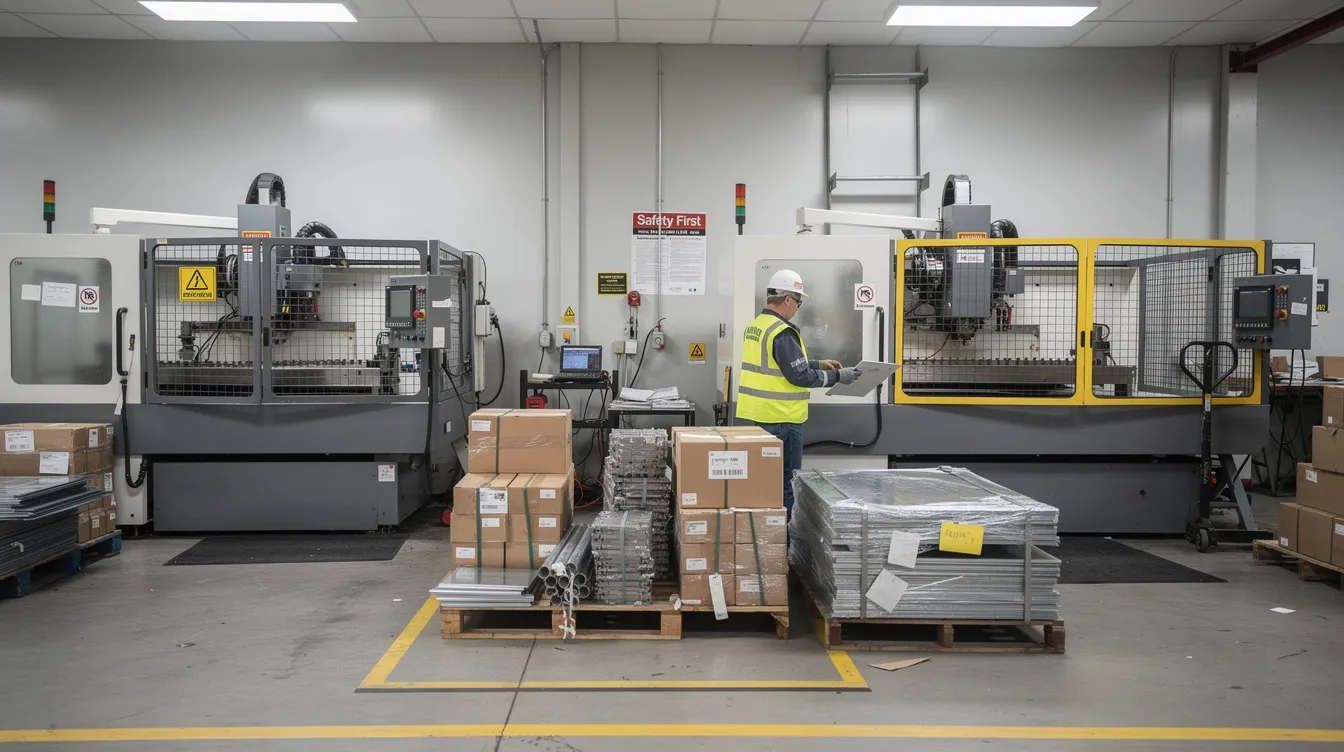
Complete Manufacturing Unit Mudra Loan Inspection Checklist (With Table)
Below is a comprehensive table summarising what officers check during a Mudra loan bank site inspection, why they check it, common mistakes found, and practical preparation tips. Inspection includes reviewing machinery, equipment, raw materials, and inventory – and this checklist covers all of it. Keep this as a reference point before your visit.
| Inspection Item | Why Bank Checks It | Common Mistakes Noticed | How Entrepreneur Should Prepare |
|---|---|---|---|
| Business location & address board | Site inspections involve verifying the business’s existence at the declared address | Factory locked; temporary paper signboard; address differs from Aadhaar | Install permanent metal/painted board with business name and owner name; match address with all documents |
| Ownership / rent proof | Confirms legal right to operate at premises | No rent agreement; verbal arrangement with landlord; expired lease | Keep registered rent agreement with clear tenure; if owned, keep property tax receipt or sale deed copy ready |
| Factory building condition | Assesses if structure is suitable for manufacturing | Cracked walls; no proper roof; open drains; residential layout | Ensure basic structural safety; clean surroundings; proper flooring |
| Electricity connection & load | Manufacturing needs adequate power | Domestic meter used for heavy machines; pending connection; low sanctioned load | Get commercial electricity connection; keep latest electricity bill copy; ensure load matches machinery requirement |
| Water facility | Many processes (food processing, chemicals) need water | No piped water; reliance on neighbours | Arrange own water source or borewell; keep water bill if municipal supply |
| Installed machinery | Core verification – does the machine exist and match project report? | Machinery kept packed/uninstalled; borrowed machine; different make than quoted | Install at least core machines; keep original purchase invoices and warranty cards |
| Machinery quotations & invoices | Cross-checks cost claimed in DPR vs actual | Invoices not in applicant’s name; inflated quotation; photocopied bills | Ensure invoices are in your name; quotations should match project report figures |
| Raw material stocks | Proves production readiness | Zero raw material; no evidence of procurement | Stock at least minimum raw material; keep purchase bills for recent procurement |
| Finished goods / WIP | Shows business is operational or ready | No output visible; goods don’t match declared product | Keep at least one batch of finished/semi-finished goods ready |
| Workers on duty | Confirms labour availability | No workers present; workers unaware of business activity | Have at least 1–2 workers present; brief them on what the business produces |
| Production activity demonstration | Proves machines work and process is real | Machines non-functional; no trial run done | Run a small trial batch before visit; demonstrate if officer requests |
| Storage area | Proper storage for raw material and finished goods | No dedicated storage; goods lying in open | Arrange covered storage even if basic |
| Fire safety & safety gear | Inspectors verify safety preparedness | No fire extinguisher; no first aid; exposed wiring | Install at least one fire extinguisher; provide basic safety gear to workers |
| GST registration | Tax compliance proof for eligible turnover businesses | Not registered despite turnover above threshold | Register on GST portal if applicable; keep certificate printed |
| Udyam certificate | Official MSME proof required for the beneficiary micro unit | Not registered; old EM-II certificate | Get free Udyam Registration online; keep printout displayed |
| Pollution / factory licence | Environmental compliance for specific industries | Not obtained; “will get later” excuse | Apply before inspection; at least show application receipt |
| Shop & establishment / trade licence | Legal permission to operate | Missing or expired | Obtain from local municipal body; keep original |
| Books of accounts | Financial discipline check | No records maintained; only rough notes | Maintain basic cash book, purchase-sales summary |
| Last 12 months bank statements | Verifies cash flow and transaction pattern | Statements older than 3 months; dormant account | Get latest statements printed; ensure regular transactions are visible |
| Purchase & sales invoices | Proves trading and revenue activity | Invoices in someone else’s name; no invoices at all | Keep organised file of recent purchase and sales bills |
| Project report & CMA data | The primary document – must match ground reality | Copy-paste report from internet; numbers don’t match actual setup | Get professional project report prepared reflecting actual machinery, capacity, costs |
| Business photographs | Visual record for bank file | No photos; blurry images | Take clear photos of factory, machines, signboard; bank may take geotagged photos during visit |
| Owner identity (Aadhaar, PAN) | KYC verification – identity and proof of the applicant | Name mismatch between documents; address proof issues | Ensure name and address match across all documents |
| Contact numbers | For follow-up and verification | Wrong number; unreachable | Provide active mobile number linked to Aadhaar |
Keep this checklist handy. Print it out, tick each item, and make sure nothing is missing before the officer arrives.
What Bank Officers Actually Verify During Mudra Loan Factory Visit
Let me walk you through what actually happens when the bank officer reaches your manufacturing unit. Lenders may conduct pre-sanction and post-sanction inspections, but the pre-sanction visit is the critical one that determines whether your loan gets approved.
Factory Location and Access
The officer first confirms whether the factory is at the declared address. They check if the location is accessible by road – important for raw material delivery and finished goods dispatch. A unit tucked inside a residential colony with no vehicle access raises questions. Make sure your Google Maps pin matches reality and that any signboard is clearly visible from the main approach.
Factory Size and Layout
Inspectors evaluate the layout and workflow of production facilities. The officer walks through the space to check if it is adequate for the type of manufacturing you have described. For example, in a garment stitching unit in Tiruppur applying for ₹8 lakh under Tarun category, the officer would check if there is enough space for cutting tables, stitching machines, pressing area, and packing. A cramped single room claiming to produce 500 pieces a day will not be convincing.
Installed Machinery
This is the single most important checkpoint. The officer matches the machinery physically present against what is listed in your project report. They note the type, make, model, and approximate year of manufacture. If your DPR shows ₹4 lakh worth of machinery but only ₹1.5 lakh worth is installed, expect questions. Keep original purchase invoices and delivery challans right next to the machines.
Machinery Working Condition
Inspectors verify if production is taking place during the site inspection. If the officer asks for a demonstration, you should be able to switch on the machine and show a basic operation. Machines that are packed, dusty, or non-functional send a clear negative signal. Even a short trial run – grinding a small batch of spices, stitching a sample piece – makes a powerful impression.
Raw Material Availability
A manufacturing unit without raw material is like a restaurant without ingredients. The officer checks whether you have procured inputs. For a namkeen unit in Indore, this means seeing sacks of besan, oil drums, spice packets, and packaging material. Keep at least 7–10 days’ worth of raw material visible and organised.
Production Process Flow
The officer mentally traces the flow: raw material entry → processing → quality check → finished goods → packing → dispatch. If the flow makes logical sense within your factory layout, it builds confidence. If machines are randomly placed with no logical sequence, it raises doubt.
Workers Present
Having at least one or two workers present during the visit matters. The officer may ask basic questions to workers – what do you make here, who is the owner, how long have you been working. Workers who are clueless about the business raise red flags. Brief your team beforehand.

Inventory and Finished Goods
The officer checks for finished goods or work-in-progress. Even a small quantity – 50 packets of namkeen, 20 stitched shirts, a stack of fabricated metal parts – shows that the business is real. This is especially important if your business is not yet fully operational.
Safety and Cleanliness
Fire extinguisher, basic first aid box, proper electrical wiring (no exposed wires), adequate ventilation, and a clean workspace – these are all observed. Manufacturing units dealing with food processing face additional scrutiny on hygiene.
Business Name Display and Licences
A permanent signboard with your business name, owner’s name, and contact number is expected. Officers also look for GST certificate, Udyam certificate, and any applicable licences displayed on the wall. This creates a professional impression and signals that you are running a legitimate enterprise.
Customer Orders and Vendor Details
If you have any purchase orders from customers, job-work agreements, or even WhatsApp conversations showing regular orders, keep them ready. Similarly, having vendor details – who supplies your raw material, at what price – helps the officer understand your market linkages.
Inspectors verify that requested loan amounts match business needs. If you have asked for ₹7 lakh but the officer sees a setup that realistically needs only ₹3 lakh, the bank may reduce the sanctioned amount. Be honest about your requirements in the business plan and ensure your project report reflects reality.
Documents and Records Bank Officers May Ask During Mudra Loan Site Inspection
Although most documents are submitted at the branch, many officers still re-check key originals and ask for additional papers during the Mudra loan physical verification at your premises. For mudra loans, documentation like KYC and business registration is required, and the officer may want to see originals on-site.
KYC and identity documents: The officer may ask to see your Aadhaar card and PAN card in original, along with recent passport-size photographs. Applicants must be aged between 18 to 65 years. If there is a co-applicant, their documents may be checked too. Any mismatch between name on Aadhaar and PAN – or between address on documents and actual factory address – can cause delays or rejection.
Business registration documents: Udyam Registration Certificate, GST registration (where applicable), partnership deed or proprietorship declaration form, shop and establishment licence, and factory licence or local trade licence. Proprietorship and partnership firms can apply for mudra loans, and so can other legal entity types that qualify. Even students above 18 years can apply for mudra loans if they meet the eligibility criteria for a non-farm business.
Premises-related papers: Latest electricity bill, rent agreement with clear duration and amount, property tax receipt or sale deed copy if premises are owned, and NOC from landlord if sub-letting is involved.
Manufacturing-specific records: Machinery purchase invoices, machinery quotations that were submitted with the project report, delivery challans, warranty papers, and any AMC or service agreements where available.
Operational and financial documents: Last 6–12 months bank statements (preferably of the account mentioned in the application), purchase bills for raw material, sales invoices or job-work bills, a simple stock register, basic books of accounts (cash book, purchase-sales summary), and the prepared project report with CMA data printout. These other documents help the officer assess whether the business has a realistic chance of repaying the loan extended by the bank.
My advice: keep all documents neatly in a single “Mudra Loan File” with tab separators. When the officer finds everything organised and ready, it saves their time, creates a professional impression, and improves your chances of faster approval.
Common Reasons Manufacturing Units Fail Mudra Loan Inspection
Many technically eligible borrowers fail at the site inspection stage, leading to rejection or heavy reduction of the requested Mudra loan limit. Here are the practical reasons I have observed repeatedly:
Factory locked during visit. The officer arrives, finds the premises locked, and no one is available. This is an immediate negative mark. Always ensure the unit is open during working hours and that you have informed the bank about the best time to visit.
Owner not available. Staff present but have no knowledge of the loan application, cannot answer questions about production capacity or costs. The bank needs to talk to the applicant or authorised partner directly.
Machinery not purchased despite being shown as “installed” in the project report. This is one of the most common deal-breakers. If your DPR says machines worth ₹5 lakh are installed, the officer expects to see them. Machinery borrowed from a friend just for photographs will not survive a physical inspection.
No electricity connection or very low domestic connection. You cannot run a flour mill on a 2kW domestic meter. If your business needs 10kW commercial load, get it sanctioned before the inspection.
Zero raw material and no sign of recent production. An empty factory floor with no input material and no finished goods tells the officer that the enterprise is not operational.
Address mismatch. The factory address is different from what was declared in the application, or the applicant has shifted premises without informing the bank.
Business activity different from application. The applicant applied for a manufacturing Mudra loan but the officer finds a trading shop or a completely different proposed activity at the premises.
Inflated machinery quotations. Quotations show ₹6 lakh for machinery that the officer knows costs ₹3 lakh in the market. This kind of inflated project cost raises suspicion of fund diversion – exactly the kind of industry-specific project report mistake that gets proposals rejected.
Fake or photocopied invoices. Invoices not in the applicant’s name or that look doctored are serious red flags. Previous loans that were defaulted upon, discovered through CIBIL during discussion, also contradict what the applicant told the banker.
The reassuring part: genuine entrepreneurs who correct these issues – install machines, start trial production, update the project report honestly – can often re-apply and succeed in the second attempt.
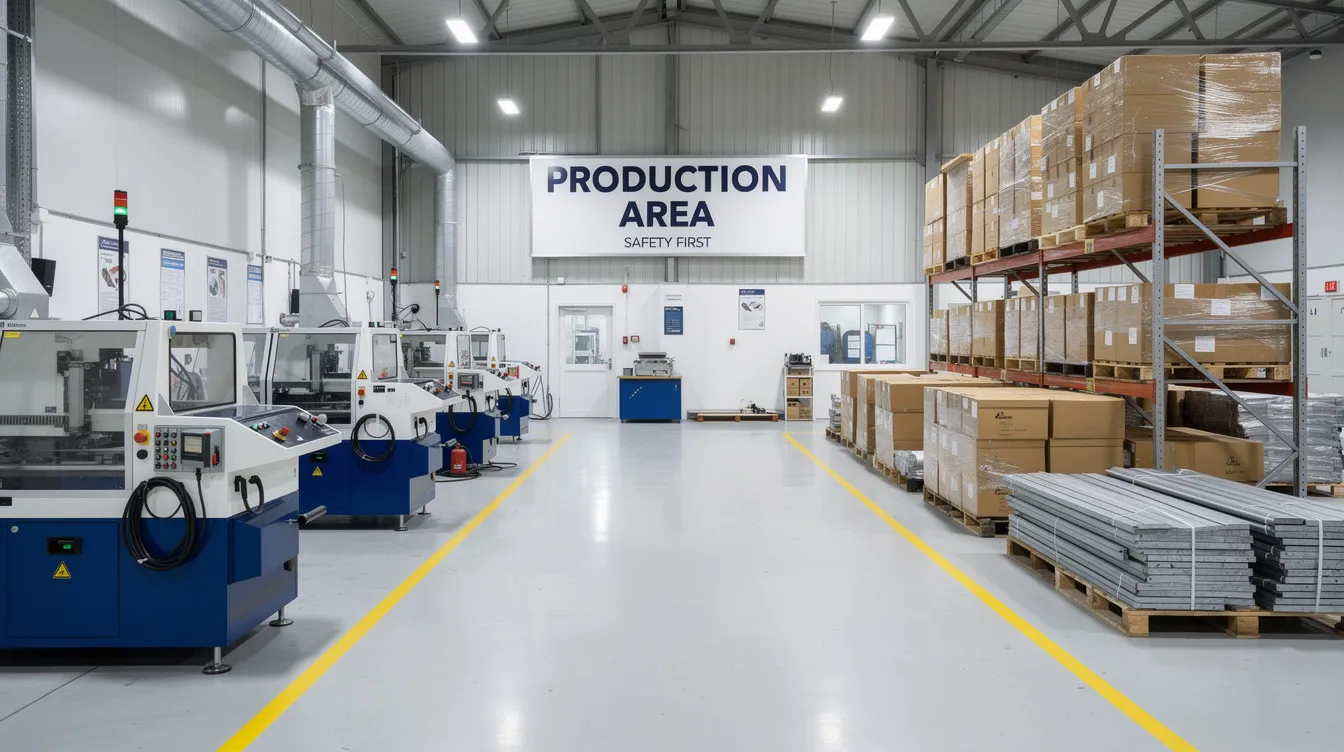
How to Prepare Step‑by‑Step for Mudra Loan Factory Inspection
Here is a practical, time-based action plan that I share with my clients. Think of it as your preparation roadmap.
One Week Before Inspection
Confirm your application status with the bank branch. Ask the branch manager or credit officer about the tentative inspection date. Then focus on the following:
- Install at least the core machinery. Even if you are buying in phases, the primary machine should be physically present and operational.
- Get your electricity connection sorted. If the commercial meter is pending, at least show the application receipt and expected date.
- Procure minimum raw material. Buy at least one week’s worth of inputs so the factory looks production-ready.
- Update your project report if anything has changed since submission. The DPR must match what is on the ground. If machine cost has changed, revise the figures. A mismatched project report is one of the top reasons for Mudra loan rejection due to incorrect project cost.
- Organise all documents into a single file: KYC, business registration, licences, invoices, bank statements, project report, CMA data.
One Day Before Inspection
- Clean the factory area thoroughly. Remove clutter, organise raw material neatly, stack finished goods visibly.
- Check signboard visibility from the road or entrance.
- Test all machines and electrical connections. Fix anything that is not working.
- Prepare a simple one-page summary of your business: what you produce, daily/monthly capacity, main customers, raw material sources, approximate costing per unit.
- Confirm that the owner or managing partner will be present during the visit.
On Inspection Day
- Be at the factory before the officer arrives. First impressions matter.
- Remain polite, transparent, and confident. Answer questions clearly without exaggeration. If you do not know something, say so honestly rather than making up numbers.
- If the officer asks for a live demonstration, show a small production run if it is safe to do so.
- Provide photocopies of any document the officer requests – keep a few extra sets ready.
- Note down any additional information or document the officer wants you to submit later.
After Inspection
- Immediately comply with any extra document requests. Do not delay.
- Follow up with the branch once in 3–4 days. Avoid calling daily – it does not help.
- If you have received new customer orders or purchased additional machinery after the visit, inform the branch. Positive developments strengthen your file before sanction.
Only non-farm small businesses can apply for mudra loans – agricultural activities are not eligible. But eligible businesses include shop owners, service providers, and of course manufacturing enterprises across India. Whether you run a flour mill, a garment unit, a spice processing setup, or an engineering workshop, the preparation process remains the same.
FAQs – Mudra Loan Site Inspection for Manufacturing Units
These frequently asked questions address doubts that are not fully covered in the main article above.
Is Mudra Loan site inspection compulsory for all manufacturing units?
For most Kishore and Tarun category loans involving factory-type activities, physical verification is standard practice across commercial banks and small finance banks. However, very small shishu loans or cases where the borrower is an existing customer with a satisfactory credit track record may sometimes be exempt based on internal bank policy. There is no single government guideline mandating inspection at a specific threshold – each bank or financial institution decides based on its own credit guidelines. As a general rule, if your loan amount is above ₹2–3 lakh and you are a manufacturing enterprise, expect a visit.
Can I get a Mudra Loan for a manufacturing unit on rented premises?
Yes, rented premises are fully acceptable. Many micro enterprises engaged in manufacturing operate from rented factories. The bank will verify your rent agreement, check that it has reasonable tenure (ideally 3–5 years or matching the loan repayment period), and may ask for a landlord NOC. Your electricity bill and address proof should match the factory address. Loans under Mudra Yojana are approved quickly without collateral even for rented premises, provided everything checks out.
Will the bank reject my Mudra loan if machines are not fully installed at the time of inspection?
It depends. For a brand-new unit where you are applying for funding to purchase machinery, banks understand that installation may not be complete. But you should show evidence of intent: advance payment receipts, delivery challan, genuine quotations with expected delivery dates, and the margin money already invested by you. For existing units applying for expansion, machinery should be installed and operational. The Mudra loan scheme supports micro-enterprises in acquiring capital assets, so partial installation is acceptable if your explanation and documents are credible. Being honest about the timeline is always better than showing borrowed or non-existent machines.
How long after site inspection does Mudra loan approval usually take?
Typically 3–15 working days, depending on the bank, documentation completeness, and internal sanction authority level. If your file is clean, the inspection report is positive, and all documents are in order, some banks process within a week. If modifications are required – say, the bank wants an updated quotation or a revised business plan – it can take longer. Polite follow-up after 4–5 working days is fine. The eligibility criteria being met and the inspection being positive together determine how fast things move. Inspectors verify that requested loan amounts match business needs, and once that is confirmed, processing moves to the sanction stage.
Do bank officers take photographs during a Mudra Loan Factory Visit?
Yes, many banks now require geotagged photographs of the premises, machinery, signboard, and sometimes even the raw material area. These photos form part of the bank’s internal record and help during audits. Some banks also use mobile inspection apps where the officer uploads photos with GPS coordinates. This is normal procedure – cooperate fully, as it strengthens your loan file. Applicants whose inspection files include clear, geotagged evidence tend to get faster approvals and face fewer queries at the sanction stage.
Final Word from CA Manish Gugliya
The Mudra loan site inspection is not a hurdle – it is an opportunity. An opportunity to show the bank that your manufacturing business is real, well-planned, and capable of generating revenue. Under the Pradhan Mantri Mudra Yojana, the government of India has created a powerful scheme that provides financial assistance to entrepreneurs without collateral. Mudra Yojana provides collateral-free loans to micro units – and you can apply online through the Jan Samarth portal or offline at any participating bank, NBFC, or MFI.
The credit guarantee mechanism and the subsidy support that the government provides through various state-level schemes make this one of the most accessible forms of business loans for small enterprises in India today. Eligible borrowers – whether proprietorship firms, partnership firms, or any other legal entity involved in manufacturing, trading, or services – can avail this finance. Even those without formal educational qualification but with genuine business interest and the necessary skills can apply. What matters is that your business is real, your documents are genuine, and your project report matches what the bank officer sees on the ground.
The loan can be availed for working capital, for purchasing assets, or for covering loans needed to expand production capacity. Whether you are a first-time entrepreneur or someone who has successfully repaid previous loans and is moving to the next phase, the Mudra loan assessed based on your on-ground readiness is your gateway to growth.
Whether your enterprise deals in food processing, garment stitching, steel fabrication, printing, packaging, or any other manufacturing activity – prepare professionally, keep your records honest, and face the inspection with transparency. That is the surest path to approval.
If you need professional help preparing your project report, CMA data, or complete loan documentation file, do not hesitate to seek expert guidance. A well-prepared application saves weeks of back-and-forth and significantly improves your chances of getting the full loan amount sanctioned at a competitive interest rate.
– CA Manish Gugliya, FCA, DISA (ICAI)
- Mudra Loan Rejection Reasons: Complete Guide to Why Banks Reject Applications


- How to Identify the Actual Reason Behind Your Mudra Loan Rejection

- How Banks Assess Mudra Loan 2026 Risk Before Rejecting an Application

- Mudra Loan Interview Rejected: Common Mistakes and How to Prepare Successfully (2026 Guide)

- Mudra Loan Rejected Because the Proposed Business 2026 Already Has High Local Competition

- Mudra Loan Rejected Because Business Category Is Outside Bank Lending Preference 2026

- Mudra Loan Rejected Because of Inconsistent Information in the Application 2026 – Common Mistakes & How to Fix Them

- Mudra Loan Rejected Due to Doubts About Business Continuity – Why Banks Lose Confidence & How To Avoid It (2026 Guide)

- Mudra Loan Rejected After Site Inspection 2026 – What Banks Usually Observe

- Mudra Loan Rejected Because Previous Loan Was Declined (2026 Guide by CA Manish Gugliya)

- Mudra Loan Rejected Due to Multiple Risk Factors – How Banks Decide (2026 Complete Guide)


- Mudra Loan Rejected Because Loan Purpose Not Eligible – Expert Guide by CA Manish Gugliya (2026)

- Mudra Loan Rejected Because the Proposed Business Is Not Viable 2026

- Mudra Loan Rejected Due to Business Type 2026 – Practical Guide by a CA

- Mudra Loan Rejected Despite Meeting Eligibility – Why It Happens & What You Can Do (Guide by CA Manish Gugliya)