If you’re reading this, chances are you’re tired of hearing the same recycled list of business ideas-open a grocery store, start a coaching center, launch a clothing brand. These are fine businesses, but the competition is brutal, margins are thin, and standing out feels almost impossible.
I’m CA Manish Gugliya, and over the past decade of advising entrepreneurs, preparing project reports, and helping people secure business loans, I’ve noticed a clear pattern: the entrepreneurs who build a successful business in today’s India aren’t doing what everyone else is doing. They’re finding gaps, solving problems nobody else is addressing, and building ventures that practically sell themselves.
India’s startup ecosystem has exploded. Digital transformation is reshaping every industry. Rural and semi-urban markets are coming online at unprecedented speed. E-commerce in India is projected to grow at 51% annually, and entirely new categories of businesses are emerging that didn’t exist even two years ago.
In this guide, I’ve put together 50+ unique business ideas that are genuinely different-low investment, high profit margin, and importantly, less competition. Whether you’re a student, a working professional looking for a side business, a housewife wanting to start from home, or someone in a small town looking for the next big opportunity, there’s something here for you.
Let’s get into it.
Table of Contents
What Makes a Business Truly Unique?
A unique business idea isn’t about being weird or exotic. It’s about solving a real problem in a way that other businesses haven’t figured out yet.
Definition of Unique Business Ideas vs Traditional Ventures
Traditional ventures compete on price in saturated markets. A unique business competes on value in underserved markets. When you open the 15th mobile repair shop on a street, you’re fighting for scraps. When you launch a drone-based agricultural inspection service in a district where nobody’s offering it, you own the market.
Key Characteristics: Innovation, Market Gaps, Customer Pain Points
Every great business idea sits at the intersection of three things:
- Innovation: A new product, service, process, or business model
- Market gap: A need that exists but isn’t being adequately served
- Customer pain point: A specific frustration people will pay to solve
For example, India’s elderly population is expected to reach 230 million by 2036, yet senior living facility penetration is barely 1.3%. That’s a massive gap.
Business Model Innovation and Technology Advantages
You don’t always need a new product. Sometimes the innovation is in the business model-subscription-based, platform, marketplace, or freemium. AI-powered workflow automation is a trending business concept that’s creating entirely new service categories. The Indian government’s plan to build shared computing facilities with 38,000+ GPUs is lowering barriers for AI startups dramatically.
First-Mover Advantage and Branding Opportunities
When you enter a space early, you set the standards. You become the reference point. Your brand becomes synonymous with the category. This is why unique businesses outperform conventional ones-less competition means better margins, stronger customer loyalty, and easier scaling.
How We Selected the Best Unique Business Ideas
I didn’t just throw together a random list. Each idea here was evaluated against specific criteria:
| Selection Criteria | Threshold |
|---|---|
| Investment required | Under ₹5 lakhs |
| Profit margin potential | 30%+ net returns |
| Competition level | Low to moderate in Indian market |
| Scalability | Replicable across geographies or digitally |
| Future demand | Growing market trend for 5+ years |
| Regulatory complexity | Manageable licensing and compliance |
| Skill accessibility | Learnable within 3-6 months |
Why these thresholds matter: According to industry benchmarks, software and consulting businesses regularly achieve 30-50% net margins, while traditional food and hospitality hover around 6-12%. I’ve focused on ideas that give you room to breathe financially.
Every idea also had to pass the “small town test”-could someone in a Tier-II or Tier-III city realistically start this? If the answer was no, it needed an exceptionally strong reason to make the list.
Top 50+ Unique Business Ideas for India (2026)
1. AI-Powered Personal Shopping Assistant
Overview: Build a platform or service that uses AI to recommend products based on individual preferences, budget, and local availability. Think of it as having a personal shopper who knows every store in town-and online.
Why it stands out: India’s online selling landscape is exploding, but most consumers still feel overwhelmed by choices. AI consultants help small businesses implement AI solutions for operations, and the same technology can be consumer-facing. This bridges the gap between the full fledged ecommerce store experience and personalized local shopping.
Best for: Tech-savvy entrepreneurs with e-commerce knowledge.
| Parameter | Details |
|---|---|
| Investment required | ₹2-3 lakhs |
| Profit margin | 40-60% |
| Target customers | Urban millennials, busy professionals, NRI shoppers |
| Revenue model | Commission per sale, subscription fee, affiliate income |
| Break-even | 6-9 months |
Growth potential: A subscription model can support services like AI life administration, and this can expand into corporate gifting, event shopping, and B2B procurement assistance. The target market is essentially anyone who shops online-which is most of urban India.
Expert take: I’ve seen entrepreneurs start this with just a WhatsApp-based service and a laptop. The AI tools available today make this accessible even without deep technical knowledge. Start small, validate with 50-100 customers, then build the app.
2. Vertical Farming Consultation Services
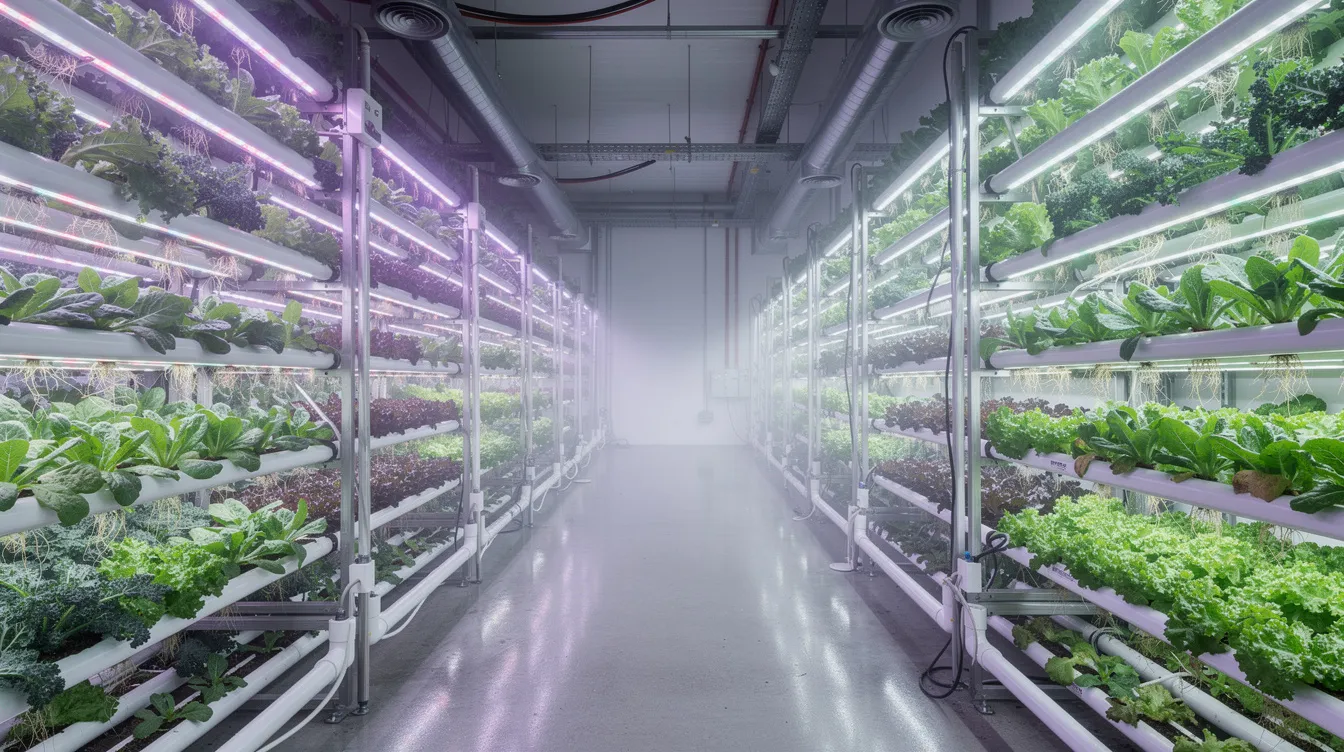
Overview: Help urban entrepreneurs, restaurants, hotels, and housing societies set up indoor vertical farms. You don’t need to own a farm-you consult, design systems, source equipment, and train staff.
Why it stands out: India’s vertical farming market was roughly USD 100 million in 2025 and is projected to reach $700 million+ by 2034. Vertical farming presents growth opportunities for restaurants and hotels looking for fresh, pesticide-free produce. Hydroponics dominates with ~58% market share.
Best for: Agriculture graduates, sustainability enthusiasts, anyone with a science background.
| Parameter | Details |
|---|---|
| Investment required | ₹1-2 lakhs (consultation model) |
| Profit margin | 50-70% |
| Target customers | Urban restaurants, organic stores, housing societies, schools |
| Revenue model | Consulting fees, equipment commissions, maintenance contracts |
| Break-even | 4-8 months |
Implementation challenges: Clients worry about electricity costs and pest management in controlled environments. Address this upfront with renewable energy integration plans and sealed-environment protocols.
Expert take: This is one of my favorite small scale business ideas because you’re selling knowledge, not produce. Your overhead costs are minimal-a laptop, a small demo unit, and domain expertise. I’ve helped clients prepare project reports for vertical farming setups, and the demand from urban restaurateurs is genuinely strong.
3. Elderly Care Technology Platform
Overview: Build a platform connecting elderly citizens with caregivers, telemedicine services, safety monitoring, and social engagement. India’s silver economy is one of the most underserved markets in the country.
Why it stands out: The senior living market is projected to grow 300% to USD $7.7 billion by 2030. AI-driven health monitoring applications offer personalized patient care, making tech-enabled elder care both scalable and deeply needed.
Best for: Healthcare professionals, tech developers, social entrepreneurs.
| Parameter | Details |
|---|---|
| Investment required | ₹3-5 lakhs (MVP development) |
| Profit margin | 25-40% |
| Regulatory requirements | Health service licenses, data privacy compliance |
| Revenue streams | Subscription plans, caregiver commissions, health product sales |
| Break-even | 12-18 months |
Scalability: Start in one city, expand digitally. The service model (connecting caregivers with families) requires minimal physical infrastructure. As India’s 60+ population heads toward 15% of the total population, this market will only grow.
Expert take: The regulatory side needs attention-the Maintenance and Welfare of Parents and Senior Citizens Act applies, and health service licenses are essential. But if you get the compliance right, this is a business with recurring revenue and enormous social impact.
4. Drone-Based Inspection Services
Overview: Offer drone inspection services for construction sites, agricultural land, solar panel installations, telecom towers, and infrastructure projects. You’re replacing expensive and dangerous manual inspections with faster, cheaper, and more accurate drone surveys.
Why it stands out: Manual inspections of large structures cost 5-10x more and take significantly longer. With DGCA drone licensing becoming more streamlined, this is accessible to entrepreneurs with an engineering mindset.
Best for: Engineering background with drone pilot certification.
| Parameter | Details |
|---|---|
| Investment required | ₹3-5 lakhs (professional drone + software) |
| Profit margin | 45-65% |
| Target customers | Construction firms, farmers, solar companies, government projects |
| Revenue model | Per-project fees, annual maintenance contracts |
| Break-even | 8-14 months |
Market demand: The construction and agriculture sectors alone represent a massive target audience for inspection services. As smart city projects expand across India, demand for drone surveys is climbing rapidly.
Expert take: Get your DGCA Remote Pilot Certificate first. That’s non-negotiable. Then start with agricultural surveys in your district-farmers are increasingly open to tech-driven solutions, and local businesses in agriculture are underserved by organized players.
5. Personalized Nutrition Planning
Overview: Combine health data analysis, dietary preferences, and meal planning into a personalized nutrition service. Consumers favor personalized health services over one-size-fits-all solutions, and this trend is accelerating post-pandemic.
Why it stands out: The global wellness market is valued at over $4.5 trillion. Nutritionists help clients navigate various dieting trends and healthy eating, but few offer truly data-driven, personalized plans using technology.
Best for: Nutritionists, dietitians, health professionals, fitness enthusiasts with certification.
| Parameter | Details |
|---|---|
| Investment required | ₹1-2 lakhs |
| Profit margin | 50-70% |
| Target customers | Health-conscious urban professionals, fitness enthusiasts, people with chronic conditions |
| Revenue model | Monthly subscriptions, corporate wellness programs, digital products |
| Break-even | 3-6 months |
Technology integration: Use apps for meal tracking, integrate with wearable health devices, and offer video consultations. Online fitness classes can be started with minimal overhead costs, and you can bundle nutrition plans with workout programs.
Expansion: Corporate wellness retreats are an emerging investment in employee health-pitch your services to HR departments. Create online courses to generate passive income alongside your consultation practice.
Expert take: This business has one of the best margin profiles I’ve seen. Your only investment is your expertise, a website, and a consultation setup. Start by building a social media presence on Instagram and YouTube-content creation in the health space drives organic client acquisition like nothing else.
Remaining 45+ Unique Business Ideas Across Categories
Now let me walk you through the remaining ideas, organized by category. Each one meets our selection criteria for low investment, high margins, and limited competition.
Manufacturing & Product-Based Ideas
6. Upcycled Fashion Brand Create clothing and accessories from waste textiles. Upcycled products appeal to eco-conscious consumers, and sustainability is a major driver of modern consumer habits. Start with just a small investment in sewing equipment and source waste fabric from garment factories. Profit margins of 40-60% are realistic once you build a brand.
7. Personalized 3D-Printed Products Offer custom 3D-printed items-phone cases, home décor, prototypes, architectural models. Investment: ₹2-4 lakhs for a quality printer. Target market includes architects, product designers, and gift buyers.
8. Organic Skincare Manufacturing Small-batch, natural skincare products made from locally sourced ingredients. Register under MSME, get cosmetic licenses, and sell through online platforms. This small business can start from home with ₹1-2 lakhs.
9. Bamboo Product Manufacturing Bamboo is abundant in India, and demand for eco-friendly alternatives to plastic is surging. Products range from toothbrushes to furniture. Great for village business ideas with export potential.
10. Handmade Artisan Goods Selling handmade goods on Etsy can be a profitable venture. Personalized art can be sold through platforms like Etsy, reaching global customers. Investment under ₹50,000. Ideal for women entrepreneurs and home-based operations.
11. Sustainable Packaging Solutions With regulatory pressure on single-use plastics increasing, businesses need alternatives. Manufacture biodegradable packaging for local businesses, restaurants, and e-commerce companies. Investment: ₹3-5 lakhs.
12. Decentralized Biofuel Production Decentralized fuel production offers eco-friendly alternatives to traditional oil refining. Mobile fuel systems can capture CO₂ and convert it to synthetic fuel. This is a high-investment, high-reward manufacturing concept for entrepreneurs with chemistry or engineering backgrounds.
Service-Based Ideas
13. Customized Gifting Services Customized gifting services are in high demand for events-weddings, corporate events, festivals. Curate personalized gift boxes, corporate hampers, and occasion-specific packages. Investment: ₹50,000-1 lakh. This is a great small business idea for women and students.
14. Pet Grooming and Care Services Pet grooming services have low startup costs and high demand. The pet care industry is rapidly growing, especially in urban areas. Pet grooming services are in high demand among pet owners, and pet grooming courses are widely available for aspiring groomers. Investment: ₹1-2 lakhs for equipment and a small setup. Most pet owners are willing to pay premium prices for quality grooming.
15. House Cleaning Business (Premium) A house cleaning business targeting premium apartments and gated communities with trained, background-verified staff. Cleaning services are always in demand, but organized, reliable providers are rare. Investment: ₹1-2 lakhs for equipment and initial staff training.
16. Pet Sitting and Dog Walking Pet sitting services can be started with minimal startup costs. Dog walking can be a lucrative business in cities-not just New York, but Mumbai, Bangalore, and Delhi too. Build an app or use social media platforms to connect with pet owners in your neighborhood.
17. Event Planning Services An event planner who specializes in niche events-pet birthdays, eco-friendly weddings, milestone celebrations-stands out. Event planning and catering can serve large events like weddings and corporate banquets. Strong project management skills are essential. Catering services require strong project management skills as well.
18. Virtual Interior Design Consultancy Virtual interior design consultancies can be operated remotely, making this a location-independent business. Offer 3D renderings, mood boards, and shopping lists via video calls. Investment: ₹50,000-1 lakh for software licenses.
19. Personal Chef Services Private chef services cater to specific dietary needs-keto, vegan, Jain, diabetic-friendly meals. A personal chef serving 5-10 families can earn ₹80,000-1.5 lakhs monthly. This sits firmly in the food and beverage industry but with far less competition than restaurants.
20. Mobile Car Detailing Go to customers instead of making them come to you. A mobile car detailing service needs ₹1-2 lakhs for equipment and can serve 4-6 cars daily at ₹1,500-3,000 per car. Great for small town business ideas.
21. Personal Trainer (Home/Online) Personal training requires certification to ensure client safety and trust. The online fitness market is projected to reach $59 billion by 2027. Start as a personal trainer offering in person sessions and online coaching simultaneously. Yoga and meditation centers are increasingly popular due to rising stress levels-consider adding these to your offerings.
22. Repair Services Hub A one-stop shop for electronic, appliance, and gadget repair services. Most repair services are unorganized. Build a brand, offer warranties, and create a pickup-delivery model. Investment: ₹2-3 lakhs.

Online and Digital Business Ideas
23. Social Media Management Agency Social media management is not new, but specializing in specific niches-healthcare providers, law firms, local restaurants-makes this unique. Freelance graphic design services are in high demand and can be bundled. Digital marketing is essential for businesses to succeed online, and you can offer comprehensive agency business ideas under one roof. Social media marketing drives client acquisition when you practice what you preach.
24. Dropshipping Business (Niche Products) Dropshipping allows starting a business with minimal investment. Focus on niche products-specialty kitchen tools, eco-friendly home goods, pet accessories. A dropshipping business eliminates inventory risk entirely. The online reselling market offers high profit margins when you find the right niche. Online reselling can provide significant profit margins with careful product selection.
25. Online Tutoring Platform (Regional Languages) Online tutoring in regional languages is massively underserved. Microlearning is replacing general education by offering quick, digestible content. Tutoring services can be started with minimal investment-a laptop, good internet, and subject expertise. Online courses are expected to reach $325 billion by 2025, and creating online courses can generate passive income alongside live tutoring.
26. Digital Products Store Sell digital products-templates, planners, spreadsheets, design assets, printables. Zero inventory, infinite scalability. Perfect for business ideas for students with design or content skills. Once created, these generate revenue on autopilot.
27. Freelance Writing Agency Freelance writing requires low initial investment and offers flexibility. Build a team of writers and offer content services to businesses. Freelance writing can be a flexible and profitable business when you specialize in high-value niches like finance, health, or technology. Freelance accounting can be pursued with a CPA license as an adjacent service.
28. Online Reselling Business Online reselling can yield high profits with minimal investment. Source products from wholesale markets or manufacturers and sell through online marketplaces and social media. The business online model is proven-buy low, add value through presentation and marketing, sell at a premium.
29. Niche E-commerce Store Instead of competing with Amazon, focus on a specific niche-organic baby products, artisan coffee, specialty spices. Build a full fledged ecommerce store around a passionate community. Investment: ₹2-3 lakhs.
30. Creating Specialized Software Creating specialized software for underserved professions creates business opportunities. Think billing software for small dairy farms, inventory management for street food vendors, or scheduling tools for salons. This is a rare business idea with massive B2B potential.
AI and Technology-Based Ideas
31. AI Content Creation Agency Offer AI-assisted content creation for businesses-blogs, social media, product descriptions. This consulting business model works because most small business owners lack the time or skills to leverage AI tools effectively.
32. AI-Powered Resume and Career Services Help job seekers with AI-optimized resumes, LinkedIn profiles, and interview preparation. Investment: under ₹1 lakh. High demand among fresh graduates and career changers.
33. Chatbot Development for Local Businesses Most local businesses don’t have customer support after hours. Build and maintain AI chatbots for restaurants, clinics, salons, and shops. Recurring revenue through maintenance contracts.
34. AI-Based Market Research Services Help businesses with market research using AI tools-competitor analysis, consumer sentiment, trend forecasting. This is a profitable business for someone with analytical skills. Investment: ₹1-2 lakhs.
35. Automation Services for SMEs Set up workflow automation for small businesses-invoicing, inventory alerts, customer follow-ups. Unique business ideas combining specialized services, AI, and sustainability offer high growth potential in this space.
Green and Sustainability Business Ideas
36. Solar Panel Installation and Maintenance With government subsidies making rooftop solar affordable, the installation and maintenance market is booming. Investment: ₹3-5 lakhs for tools and certification. Explore dealership business ideas for solar equipment distribution.
37. E-Waste Recycling Service Collect and process electronic waste from offices, households, and institutions. Regulatory tailwinds support this-e-waste management rules are tightening. A profitable small business idea with social impact.
38. Carbon Credit Consulting Help businesses measure, reduce, and offset their carbon footprint. As ESG reporting becomes mandatory for more companies, demand for this niche consulting business will skyrocket.
39. Composting Solutions Business Sell composting kits, vermicomposting setups, and organic waste management services to apartments and restaurants. Low cost business ideas don’t get greener than this.
40. Green Cleaning Products Manufacturing Manufacture eco-friendly cleaning products using natural ingredients. The market gap is real-most consumers want green alternatives but can’t find affordable local options.
Food and Beverage Ideas
41. Cloud Kitchen (Regional Cuisine) A food truck business or cloud kitchen focusing on hyper-regional cuisine-Chettinad, Kashmiri, Northeastern-in cities where these aren’t available. Food trucks have lower operating costs than traditional restaurants, and a food truck can be started for less than $10,000 (roughly ₹8-9 lakhs, though basic setups in India start at ₹3-5 lakhs). The food truck industry is growing at 7% annually.
42. Specialty Coffee Roasting Source single-origin beans from Indian estates, roast in small batches, and sell through online platforms and local cafes. Investment: ₹3-5 lakhs. Premium pricing with 40-50% margins.
43. Meal Prep Delivery for Fitness Enthusiasts Pre-portioned, macro-calculated meal deliveries. Combine this with the personalized nutrition business model for maximum impact. Growing high demand in metros.
Healthcare and Wellness Ideas
44. Corporate Wellness Program Provider Design and deliver wellness programs for companies-stress management workshops, fitness challenges, mental health support. Corporate wellness retreats are an emerging investment in employee health. A lucrative business targeting HR departments of mid-to-large companies.
45. Telehealth Platform for Rural Areas Connect rural patients with urban specialists via video consultations. Government health schemes support this. A business venture with both social impact and commercial viability.
46. Mental Health App (Regional Languages) Most mental health apps are in English. Build one with content and therapist connections in Hindi, Tamil, Telugu, Bengali. The market demand is immense and largely unmet.
Education and Skill Development Ideas
47. Skill-Based Micro-Courses Create and sell short, practical courses-GST filing, Excel for business, basic coding, digital marketing services. Online courses can generate passive income with expertise in any domain. Sell through online platforms like Udemy, Skillshare, or your own website.
48. STEM Learning Kits for Kids Design and sell science experiment kits, robotics starter kits, and coding games for children. Ship across India via e-commerce. Investment: ₹2-3 lakhs.
Ideas for Women Entrepreneurs and Home-Based Businesses
49. Home-Based Baking and Confectionery Specialize in custom cakes, healthy snacks, or regional sweets. Many low-investment businesses can be operated from home, and this one has proven demand. Check out more business ideas for housewives for similar concepts.
50. Handmade Jewelry Brand Design contemporary jewelry using traditional Indian techniques. Sell on Instagram, online marketplaces, and at exhibitions. Low-investment businesses can be started with minimal capital-sometimes under ₹20,000.
51. Bridal Styling and Consultation Offer personalized bridal styling-outfit selection, accessory coordination, pre-wedding skincare plans. Charge per event. A side business that can grow into a full time business.
Rural and Small Town Ideas
52. Agri-Tourism Experience Convert a farm into a tourism experience-farm stays, organic cooking classes, nature walks. Small town business ideas like this capitalize on the urban desire for rural experiences. Even a landscaping business element can be added to beautify the property.
53. Rural Digital Services Center Offer digital services in villages-online form filling, government scheme applications, digital payments, photography business services (passport photos, ID cards). This is how you build a successful business in Tier-III India.
54. Organic Dairy and Value-Added Products Process milk into paneer, ghee, yogurt, and flavored milk. Sell directly to urban customers through delivery networks. A tried and tested idea with a modern distribution twist.
B2B and Export Ideas
55. B2B Supply Chain Platform Connect manufacturers with retailers in a specific niche-textiles, hardware, agricultural inputs. Most other businesses in traditional B2B still rely on physical agents.
56. Export of Indian Spices and Superfoods Source turmeric, moringa, ashwagandha, and specialty spices from farmers and export to international markets. Register as a private limited company for export credibility.
57. Industrial Safety Equipment Trading Supply safety equipment to factories, construction sites, and warehouses. A shop business with recurring B2B customers and 25-40% margins.
Real Estate and Related Ideas
58. Real Estate Photography and Videography A photography business specializing in property shoots for real estate agents and developers. Drone photography adds premium pricing. Investment: ₹2-3 lakhs.
59. Co-Working Space in Small Towns A real estate business model adapted for Tier-II cities where freelancers and startups need affordable workspace. Investment: ₹3-5 lakhs for a basic setup.
Franchise and Scalable Ideas
60. EV Charging Station With government subsidies and growing EV adoption, setting up charging stations in residential areas and highways is a smart bet. This is genuinely among the best small business ideas for 2026-2030.
If you’re exploring more comprehensive lists, check out this collection of top business ideas covering thousands of options, and also business ideas for men who want to start something of their own.
Quick Comparison of Top Unique Business Ideas
Investment-Wise Comparison
| Business Idea | Investment | Profit Margin | Break-Even | Competition | Scalability | Skill Level |
|---|---|---|---|---|---|---|
| AI Shopping Assistant | ₹2-3L | 40-60% | 6-9 months | Low | High | Intermediate |
| Vertical Farming Consult | ₹1-2L | 50-70% | 4-8 months | Low | High | Intermediate |
| Elderly Care Platform | ₹3-5L | 25-40% | 12-18 months | Very Low | Very High | Advanced |
| Drone Inspection | ₹3-5L | 45-65% | 8-14 months | Low | High | Advanced |
| Personalized Nutrition | ₹1-2L | 50-70% | 3-6 months | Low-Medium | High | Intermediate |
| Pet Grooming | ₹1-2L | 35-50% | 4-8 months | Medium | Medium | Entry |
| Dropshipping | ₹50K-1L | 20-40% | 2-4 months | Medium | High | Entry |
| Social Media Agency | ₹50K-1L | 40-60% | 3-6 months | Medium | High | Entry |
| Cloud Kitchen | ₹3-5L | 25-40% | 6-12 months | Medium | High | Intermediate |
| Solar Installation | ₹3-5L | 20-35% | 10-18 months | Medium | High | Intermediate |
By Investment Tier
Under ₹1 Lakh: Freelance writing, digital products, online tutoring, pet sitting, customized gifting, online reselling
₹1-3 Lakhs: Personalized nutrition, pet grooming, social media agency, AI content agency, handmade products, repair services hub
₹3-5 Lakhs: Drone inspection, elderly care platform, cloud kitchen, solar installation, EV charging, co-working space
How to Choose the Right Unique Business for You
Assess Your Investment Capacity
Be honest about what you can invest without putting your family’s finances at risk. Keep your business finances separate from personal accounts from day one.
- Under ₹1 lakh: Start with service or online business ideas. A low cost business can still be incredibly profitable if you pick the right niche
- ₹1-3 lakhs: You can afford basic equipment, initial marketing, and 3-6 months of operating expenses
- ₹3-5 lakhs: Physical businesses, tech platforms, and equipment-heavy models become viable
For funding, explore options like Mudra Loan (up to ₹20 lakh collateral-free) or the Startup India Seed Fund Scheme for early-stage support.
Evaluate Your Skills and Experience
Match the business to your background:
- Technical skills? AI services, software development, drone operations
- People skills? Event planning, consulting, elderly care
- Creative skills? Content creation, personalized gifting, handmade products
- Domain expertise? Nutrition planning, vertical farming consultation, carbon credit advisory
Don’t start a business that requires skills you’ll need 12 months to develop. Either pick something you already know or plan for a realistic learning curve.
Consider Market Demand in Your Location
Urban metros have different demands than small towns. A pet grooming service makes sense in Bangalore or Pune where pet grooming services are in high demand in urban areas. An agri-tourism experience makes more sense near a village with scenic farmland.
Do basic market research: talk to potential customers, check if similar businesses exist in your area, and validate willingness to pay before investing.
Future-Proofing Your Business Choice
Ask yourself:
- Will AI make this irrelevant in 5 years?
- Is the underlying trend growing or fading?
- Can this business adapt to regulatory changes?
- Does it have digital scalability?
A great business idea is one that rides a multi-year wave, not a seasonal fad.
Which Unique Business Idea Is Best for You?
Here’s my quick decision framework:
- Choose AI-powered services if you have a tech background and ₹2-3 lakhs. High margins, location-independent, massive demand.
- Choose consultation businesses if you have domain expertise and prefer low investment. Vertical farming, nutrition, carbon credits-sell your knowledge.
- Choose manufacturing ideas if you have ₹3-5 lakhs and want high scalability. Sustainable packaging, organic skincare, bamboo products.
- Choose service businesses if you want immediate cash flow with minimal investment. Pet grooming, cleaning services, repair services.
- Choose online businesses if you prefer location independence. Dropshipping, digital products, online tutoring, freelance services.
Your risk tolerance, time commitment, and growth ambitions should drive the final call. Someone looking for a side business has different needs than someone going all-in on their own business as a full time business.
Real Success Stories from Unique Business Ventures
Note: Names and specific details have been modified to protect privacy, but these are based on real cases I’ve worked on.
The Vertical Farming Consultant from Pune Raghav, an agriculture graduate, started offering vertical farming consultation to restaurants in Pune. His only investment was ₹80,000-a small hydroponic demo unit at home and a website. Within 8 months, he was earning ₹1.5 lakhs monthly from consultation fees and equipment commissions. He now trains others to do the same.
The Drone Inspection Entrepreneur from Chennai Meera, a civil engineer, got her DGCA drone pilot certificate and started offering construction site inspections. Her first client was a real estate developer who needed regular progress documentation. Within a year, she had 12 regular clients and two employees. Her small scale business venture grew because she solved a genuine pain point-manual inspections were expensive and slow.
The Housewife Who Built a Nutrition Empire Priya, a certified nutritionist in Jaipur, started offering personalized meal plans via WhatsApp. She charged ₹2,000/month per client. Within 6 months, she had 80 paying subscribers. She then created an online course on “Indian Meal Prep for Diabetes Management” that generates passive income. Her business started with minimal investment-just her certification, a phone, and consistent content on social media.
Key lessons across all stories:
- They started small and validated before scaling
- They focused on solving specific customer pain points
- They used digital marketing services to acquire customers cheaply
- They kept overhead costs brutally low in the early months
Future Business Trends (2026–2030)
Based on what I’m seeing across my consulting practice and market data:
| Trend | Business Opportunity | Growth Horizon |
|---|---|---|
| AI & Automation | AI service agencies, chatbot development, automation consulting | 2026-2030+ |
| Sustainability | Green packaging, carbon consulting, upcycling, organic farming | 2026-2035+ |
| Aging Population | Elder care platforms, senior living, health monitoring | 2026-2040+ |
| Digital Education | Regional language courses, micro-learning, skill platforms | 2026-2030+ |
| EV Ecosystem | Charging stations, EV maintenance, battery recycling | 2026-2035+ |
| Rural Entrepreneurship | Agri-tourism, digital service centers, organic products | 2026-2030+ |
| Health & Wellness | Personalized nutrition, mental health tech, corporate wellness | 2026-2035+ |
The GENESIS scheme from MeitY allocates ₹490 crore over 5 years specifically to support startups in Tier-II/III cities-a clear signal that the government is betting on decentralized entrepreneurship.
Funding Your Unique Business Venture
You don’t need to fund everything from savings. Here are your options:
Government Schemes
- Mudra Loan (PMMY): Collateral-free loans up to ₹20 lakh for micro and small enterprises. Three categories-Shishu (up to ₹50K), Kishore (up to ₹5L), Tarun (up to ₹20L)
- Startup India Seed Fund (SISFS): Grants and convertible debentures for proof-of-concept and commercialization. Non-dilutive funding between ₹20 lakh to ₹2.5 crore
- Credit Guarantee Scheme (CGSS): Collateral-free business loan guarantees for startups through financial institutions
- Fund of Funds for Startups: SIDBI-managed, with over ₹25,547 crore invested in 1,371 startups by December 2025
Other Options
- Bank loans: Present a solid business plan and project report. Cash flow projections matter more than collateral for small loans
- Angel investors: For tech-enabled, scalable ventures with clear unit economics
- Bootstrapping: Start with services (high margin, low cost), reinvest profits into product development
- Crowdfunding: Works well for consumer products with strong story appeal
Low-investment businesses can be started with minimal capital-many profitable business ideas on this list need under ₹1 lakh to launch.
Common Mistakes to Avoid
After helping hundreds of entrepreneurs, here are the mistakes I see repeatedly:
- Copying business models without local adaptation. What works in the US won’t work identically in Indore. Adapt everything.
- Underestimating regulatory and licensing requirements. Don’t skip FSSAI, GST, MSME registration, or industry-specific licenses. They catch up with you.
- Poor market research and customer validation. Talking to 5 friends isn’t market research. Talk to 50 strangers who would actually pay.
- Inadequate financial planning. Not maintaining a cash flow forecast is the single biggest killer of otherwise good businesses.
- Neglecting digital marketing and online presence. If you’re not visible on social media and Google, you essentially don’t exist for most customers.
- Scaling too quickly without solid foundation. Earn money consistently for 6-12 months before expanding. Premature scaling kills more startups than competition does.
- Ignoring customer feedback and market changes. Your first version won’t be perfect. Listen, iterate, improve.
- Insufficient differentiation. If you can’t explain in one sentence why you’re different from the other businesses doing something similar, you’re not different enough.
- Over-dependence on single revenue stream. Build multiple revenue sources from day one-services, products, digital products, commissions.
- Not keeping business finances separate. Open a separate bank account. Track every rupee. This isn’t optional.
- Choosing based on passion alone, ignoring profit. Passion matters, but your target market needs to be willing to pay. Validate the economics.
- Skipping the business plan. A business plan isn’t bureaucracy-it’s your roadmap. Without it, you’re guessing.
- Ignoring the marketing strategy entirely. “Build it and they will come” has never worked. Plan your customer acquisition from day one.
- Treating it as a hobby, not a business. If you want a successful future business, treat it professionally from the start-even if it’s a side business.
- Not seeking professional advice. A good CA or business advisor can save you lakhs in mistakes. The cost of advice is always less than the cost of ignorance.
Frequently Asked Questions
1. Which is the most unique business in India right now? AI-powered services, elderly care technology platforms, and vertical farming consultation are among the most uncommon business ideas with genuine market demand and very few organized competitors.
2. Which unique business requires the lowest investment? Freelance writing, online tutoring, social media management, and pet sitting can all be started with under ₹50,000. These are genuinely low cost business ideas with high returns on effort.
3. Which business has the least competition in India? Elderly care technology, drone-based inspection services, and carbon credit consulting have extremely limited organized competition, especially outside metros.
4. What business is future-proof in India? Businesses built on AI, sustainability, health/wellness, and aging demographics. These trends are structural, not cyclical-they’ll grow for decades.
5. Which unique business is best for villages? Agri-tourism, organic dairy processing, rural digital services centers, and bamboo product manufacturing are excellent village business ideas with proven demand.
6. What business is best for students? Digital products, freelance graphic design, online tutoring, dropshipping, and content creation are ideal business ideas for students because they need minimal investment and can be done part-time.
7. Which unique business has the highest profit margin? Consulting businesses (vertical farming, nutrition, AI) and digital services typically offer 50-70% net margins because they sell expertise, not physical goods.
8. Can I start a unique online business from home? Absolutely. Many low-investment businesses can be operated from home-online tutoring, freelance writing, dropshipping, digital products, social media management, and AI content agencies all work perfectly as home-based setups.
9. How much investment do I need to start a unique business? Many ideas on this list start with just a small investment of ₹50,000 or less. The most capital-intensive ones on the list cap at ₹5 lakhs, which is still considered a low initial investment for a business with high growth potential.
10. Do I need a specific degree to start these businesses? Most don’t require specific degrees. Personal training requires certification, nutrition planning benefits from a dietetics background, and drone services need DGCA certification. But many profitable small business ideas require only practical skills and domain knowledge.
11. How do I validate if my unique business idea will work? Start with a minimum viable product (MVP). Offer the service to 10-20 customers at a discounted rate. If they pay and come back, you’ve validated demand. If they don’t, pivot before investing more.
12. What government schemes support unique businesses? Mudra Loan, Startup India Seed Fund, CGSS, Fund of Funds, and the GENESIS scheme for Tier-II/III cities. These cover everything from collateral-free loans to equity funding.
13. Can I run a unique business as a side business? Yes. Online businesses, consulting, freelance services, and digital products can all run alongside a job. Many entrepreneurs start part-time and transition to full time business once revenue stabilizes.
14. What are the best niche business ideas for 2026? Carbon credit consulting, AI automation for SMEs, personalized nutrition, elderly care tech, and specialized software development for underserved professions.
15. How important is digital marketing for unique businesses? Non-negotiable. Digital marketing services-SEO, social media marketing, content marketing-are how customers discover you. Budget at least 10-15% of revenue for digital marketing.
16. What are profitable unique business ideas for women? Handmade jewelry, personalized gifting, home baking, virtual interior design, online tutoring, and nutrition consulting are excellent options. Explore more business ideas for housewives as well.
17. Is dropshipping still profitable in 2026? Yes, if you niche down. Generic dropshipping is saturated, but a dropshipping business focused on specific product categories (pet accessories, eco-friendly products, specialty kitchen tools) still offers strong margins.
18. How long does it take to break even on a unique business? Service-based and digital businesses: 3-6 months. Product and manufacturing businesses: 12-18 months. Tech platforms: 12-24 months.
19. What is the best business model for unique businesses? Subscription and recurring revenue models work best. They provide predictable cash flow and higher lifetime customer value. A subscription model can support services like AI life administration, nutrition planning, and maintenance contracts.
20. Can I start a food truck business in India? Yes. Food trucks can be started for less than $10,000 in basic configurations. You’ll need FSSAI license, municipal permissions, and a marketing strategy. The food truck industry is growing at 7% annually.
21. What are some uncommon manufacturing ideas? Bamboo products, sustainable packaging, upcycled fashion, organic skincare, and 3D-printed custom products are rare business ideas with strong market demand.
22. Which business can I start with just a laptop? AI content agency, freelance writing, social media management, online tutoring, digital products, and market research consulting-all need only a laptop, internet, and your skills.
23. How do I earn money quickly from a unique business? Service businesses generate the fastest cash flow. Offer consulting, freelance services, or event-based services. You can earn money within the first month if you price competitively and market well.
24. What makes a small scale business idea successful? Clear differentiation, validated demand, low overhead costs, strong digital presence, and consistent customer experience. It’s not about size-it’s about solving a real problem well.
25. Should I register as a sole proprietorship or private limited company? For most small businesses, start as a sole proprietorship or LLP. Register as a private limited company when you need to raise external funding or establish corporate credibility for B2B contracts.
Final Thoughts
India in 2026 is overflowing with opportunity for entrepreneurs willing to look beyond the obvious. The ideas I’ve shared aren’t theoretical-they’re grounded in real market gaps, verified demand, and practical implementation paths.
Here’s what I want you to remember:
- Unique doesn’t mean untested. Every idea here has a growing market behind it. The uniqueness lies in solving familiar problems in better ways.
- Start small, validate fast. Don’t invest ₹5 lakhs on day one. Test with ₹50,000. If it works, scale. If it doesn’t, pivot.
- Your own small business is a marathon, not a sprint. The entrepreneurs who win are the ones who plan properly, adapt continuously, and stay patient.
- The only investment that never fails is preparation. Before you put money into any business venture, prepare a detailed business plan, understand your target audience, and know your numbers inside out.
Whether you choose an AI-powered service, a green manufacturing unit, or a simple home-based gifting business-the key is to start with a clear plan and take that first step.
I strongly recommend preparing a professional project report and business plan before investing. It not only sharpens your thinking but also helps when applying for a business loan or government scheme. Explore the resources at Project Report Bank for ready-to-use project reports that can save you weeks of preparation time.
The best unique business ideas are the ones that actually get executed. So stop scrolling, pick one, and get to work.
- Integrated Value-Added Rice Products Processing Plant Project Report & DPR
- Integrated Rice Plant Bank Loan, Feasibility, ROI, IRR, Payback & Sensitivity Analysis

- Integrated Rice Processing Plant Financial Projections, Working Capital & DSCR
- Integrated Rice Products Revenue Model, Market Strategy & Profitability
- Integrated Value-Added Rice Plant Project Cost & Means of Finance

- Raw Material Procurement & Inventory Planning for Integrated Value-Added Rice Plant
- Common Utilities, Warehousing, Packaging & Material Handling for Integrated Rice Plant

- Integrated Rice Processing Plant Land, Building & Multi-Line Plant Layout – A Practical Guide for DPR & Bank Finance

- Integrated Rice Processing Plant Capacity Planning & Product Mix
- Integrated Value-Added Rice Plant Machinery & Equipment Cost – A Practical DPR-Oriented Guide

- Integrated Poha, Puffed Rice & Rice Snacks Manufacturing Process & Line Integration
- Instant Poha Manufacturing Plant Project Report & DPR – Bankable Guide by Project Report Bank
- Ready-to-Cook Rice Breakfast Mixes Manufacturing: Products, Process & Plant Setup

- Cup Poha Manufacturing, Packaging & Business Model – A Practical Guide for Entrepreneurs in India

- Instant Poha Market Potential, Pricing, Branding, Sales Channels & Distribution Strategy