Key Takeaways
Banks can disburse mudra loans in installments based on specific terms mentioned in the sanction letter, the nature of the project, and internal bank policy. This is a standard practice under Pradhan Mantri Mudra Yojana and does not signify loan rejection.
- Installment-wise disbursement is a risk-control and monitoring tool, not a negative sign. Banks use it to verify that loan funds are being used for the approved business purpose before releasing the next phase of funding.
- Many small working capital loans (especially Shishu loans upto rs 50,000) are released in one shot. Project-based and machinery-based loans under Kishore and Tarun categories are more likely to be released in stages with conditions attached.
- Borrowers have the right to receive clear written terms about disbursement conditions, required documents, and reasons for any delay. Banks must explain these in simple, non-technical language.
- With proper documentation, regular communication, and compliance with eligibility criteria and sanction conditions, the remaining installments are normally released smoothly and without unnecessary delay.
Introduction: Mudra Loans and Installment Disbursement
A few months ago, a young entrepreneur from Rajasthan walked into my office after receiving a sanction letter for ₹5 lakh under Pradhan Mantri Mudra Yojana. He was planning to set up a small food processing unit. He expected the full amount to land in his account within days. When the bank told him the loan would be released in two or three parts, he assumed something had gone wrong. His worry was common but unfounded.
PMMY was launched on April 8, 2015, to provide collateral-free credit to non corporate micro enterprises engaged in manufacturing, trading, services, and allied agricultural activities. Mudra loans can be up to ₹20 lakh and are available for non-corporate, non-farm enterprises across India. Loans are available for non-corporate, non-farm enterprises through a variety of financial institutions including commercial banks, RRBs, NBFCs, and small finance banks.
Under this scheme, banks can structure mudra loan disbursement depending on the business nature, project cost break-up (machinery, renovation, working capital), and actual cash-flow requirements. The short answer to the core question: yes, banks can release a Mudra loan in installments, provided this is mentioned in the sanction terms and is aligned with the project’s requirements and the bank’s internal policy.
This article covers what installment disbursement means, when and why banks use it, how the process works step by step, what documents are needed before each tranche, your rights as a borrower, and what to do if the next installment is delayed.

Table of Contents
What Does Installment Disbursement of Mudra Loan Mean?
Installment (or tranche-based) disbursement means the total sanctioned Mudra loan amount is not credited to your account at once. Instead, the bank releases it in two, three, or more parts based on the progress of your business or project. For example, if your sanction letter shows ₹8 lakh approved, you might receive ₹4 lakh initially, ₹2.5 lakh after machinery installation, and ₹1.5 lakh for working capital after the business begins operations.
The distinction between “sanction amount” and “released amount” trips up many borrowers. Your sanction letter may show a full eligibility of ₹7 lakh under the Kishore category, but your bank account initially reflects only a portion. The sanction is a limit; it represents the maximum loan the bank has approved. It does not always mean an immediate full credit. To understand this distinction better, you can read about the difference between Mudra loan approval, sanction, and disbursement.
Loans under PMMY are classified as Shishu, Kishore, and Tarun. Mudra loans are categorized into Shishu (up to ₹50,000), Kishore (₹50,001 to ₹5,00,000), and Tarun (₹5,00,001 to ₹10,00,000). A newer Tarun Plus category extends the maximum loan upto rs 20 lakh for entrepreneurs who have successfully repaid previous Tarun loans.
One-time disbursement works like this: a borrower takes a ₹1.5 lakh Shishu loan for trading stock. The entire amount is transferred to her account immediately after signing documents because the need is purely working capital with no asset purchase involved.
Partial disbursement means the bank releases only a portion at first, say ₹3 lakh out of ₹6 lakh, keeping the balance for later stages based on bills and invoices. This is recorded in the same loan account and is not a separate loan.
Stage-wise (milestone-based) disbursement ties each release to a project milestone: shop renovation first, machinery installation next, working capital last. Each stage unlocks the next tranche upon verification by the branch.
Banks sometimes use the term “tranche-based release” in the sanction letter for larger Mudra loans close to the upper PMMY limit, especially for manufacturing units requiring phased equipment delivery.
| Aspect | One-time Disbursement | Installment Disbursement |
|---|---|---|
| Timing of credit | Full amount credited within days of document execution | Released in 2-4 parts over weeks or months |
| Documentation after sanction | Minimal; standard loan documents only | Bills, invoices, inspection reports needed before each tranche |
| Bank monitoring | Post-disbursement check (if any) | Active monitoring at each stage before releasing next part |
| Common loan types | Small working capital, Shishu loans, simple trading setups | Machinery-based projects, Tarun/Kishore with fixed assets, composite loans |
Can Banks Legally Release Mudra Loan in Installments? (Rules and Practical Reality)
Under PMMY guidelines and general RBI norms, banks have flexibility to structure disbursement in line with project needs. Installment-wise release is legally permitted when justified and properly documented. The disbursement schedule is governed by the lender’s appraisal guidelines, and lenders use internal policies and RBI guidelines for mudra loan disbursements.
PMMY does not mandate that every loan must be disbursed in a single lump sum. MUDRA does not require a single payment for all loans. The scheme focuses on end-use for eligible micro enterprises, adherence to eligibility criteria, and proper documentation rather than prescribing a uniform disbursement method.
Installment disbursement is standard in project-based lending. A small food processing unit does not buy, install, and commission all equipment on a single date. A fabrication workshop receives machines in batches. These realities make stage-wise release practical and, in many cases, necessary.
Partial disbursal is not a loan rejection or cancellation. The sanctioned amount remains valid as long as the borrower complies with conditions and the project continues as planned. Mudra loans are provided by various financial institutions, and each has its own credit policy governing how and when funds are released.
Bank officers are expected to inform the borrower at the time of sanction about whether the loan will be released in stages, what conditions apply, and what documents or inspections will be required before each tranche. If you see terms like “disbursement shall be need-based” or “stage-wise release on submission of invoices” in your sanction letter, those are indicators of installment disbursement. Read the sanction letter and its annexures carefully before signing.
Situations Where Banks May Release Mudra Loan in Installments
Based on over 20 years of working with project reports and MSME finance, I see stage-wise disbursement most often in the following types of PMMY projects where expenses occur in phases.
Machinery purchase: A ₹9 lakh Tarun loan for a small fabrication unit where the bank first pays advance to the machinery supplier, then clears the balance after installation upon receiving the invoice and completing a site visit. Term loans for capital assets may be disbursed in stages upon verification of delivery and installation. Indian Bank’s Tarun Plus product, for instance, specifies that the bank remits term loan amounts directly to dealers or suppliers.
Equipment installation and shop setup: For a salon, gym, mobile repair shop, or computer centre where interior work is done first and equipment is purchased later, the bank may release the first installment for renovation and the next for equipment bills.
Construction-related or civil work: Building a small shed for a dairy or workshop, where the bank releases funds as work progresses. Disbursement for asset purchase often follows project milestones and verification. The branch may rely on site inspection photographs and an engineer’s or branch officer’s report.
Vehicle-based loans: Small commercial vehicle or e-rickshaw finance where the bank makes payment directly to the dealer in two stages: booking advance and final delivery. Both count as tranches of the same mudra loan.
Working capital linked to stock purchase: Working capital loans can be released in tranches aligned with cash-flow needs. The bank may release initial working capital first, and later release the remaining sanctioned amount after seeing proof of stock purchase and account turnover.
Vendor-direct payments: In many PMMY cases, banks pay machinery, equipment, or franchise fees directly to vendors instead of crediting full cash to the borrower. This effectively becomes a controlled installment disbursement where the bank ensures the asset mentioned in the project report is actually purchased.
Why Banks Prefer Installment Disbursement of Mudra Loans
PMMY is a collateral-free facility. No collateral is required for Mudra loans. Since there is no security in the form of property or fixed deposits backing the loan, banks rely on monitoring and proper use of funds. Installment release is one of the most practical ways to manage risk for both bank and borrower.
Better fund utilization: Releasing money as and when required for machinery, furniture, or stock ensures that loan funds are not diverted to non-business purposes such as personal expenses, old debt repayment, or land purchase. This discipline protects the borrower’s own business interests.
Project monitoring and asset verification: Stage-wise disbursement allows the bank to visit the site, check physical installation of equipment, verify invoices, and confirm that the beneficiary micro unit is genuinely being set up. Banks may require proof of progress for releasing subsequent disbursements.
Fraud prevention: Controlled disbursement reduces the risk of fake invoices, ghost units, or borrowers taking high-limit Tarun loans and disappearing without establishing the proposed business. Release of funds often requires verification of prior fund utilization.
Vendor payment confirmation: Banks can pay large machinery suppliers, franchise companies, or vehicle dealers directly from the loan account, confirming that the asset described in the project report was actually purchased.
NPA management and employment creation: Once the business starts generating cash flow, further working capital installments can be released with more confidence. A functioning micro enterprise contributes to employment creation and repayment stability, which reduces the chance of the loan becoming overdue. This approach benefits the borrower, the bank, and the broader government scheme.
How Installment Disbursement of Mudra Loan Actually Works
The process varies slightly between public sector banks, private banks, and RRBs, but the basic flow of a tranche-based Mudra disbursement is usually similar. Disbursement structure depends on the loan type and lender policies.
Step 1: Application. The borrower submits a PMMY application with a project report, KYC documents, business proof, quotations, and eligibility criteria documents. Borrowers can apply online through the JanSamarth portal or directly at the bank branch. The application shows how much is needed for machinery, renovation, and working capital separately.
Step 2: Loan sanction. The credit officer appraises the project, decides the mudra loan amount and category (Shishu, Kishore, or Tarun), and issues a sanction letter. This letter clearly mentions whether disbursement will be one-time or need-based / stage-wise. If you want to understand what happens after a Mudra loan is sanctioned, that resource covers the post-sanction process in detail.
Step 3: Execution of loan documents. The borrower signs the loan agreement, hypothecation documents, undertakings about using funds for the stated business only, and any special conditions linked to future installments.
Step 4: First installment release. The bank either credits a part of the loan to the borrower’s current or savings account or pays vendors directly. For example, 60% advance for machinery ordered from a supplier, with the loan account updated to reflect the amount disbursed.
Step 5: Business progress verification. After a defined period, branch staff or field officers may visit the business place, take photographs, verify that machinery is installed or renovation is complete, and record a brief inspection note. Physical inspection may be conducted before releasing further funding for larger loans.
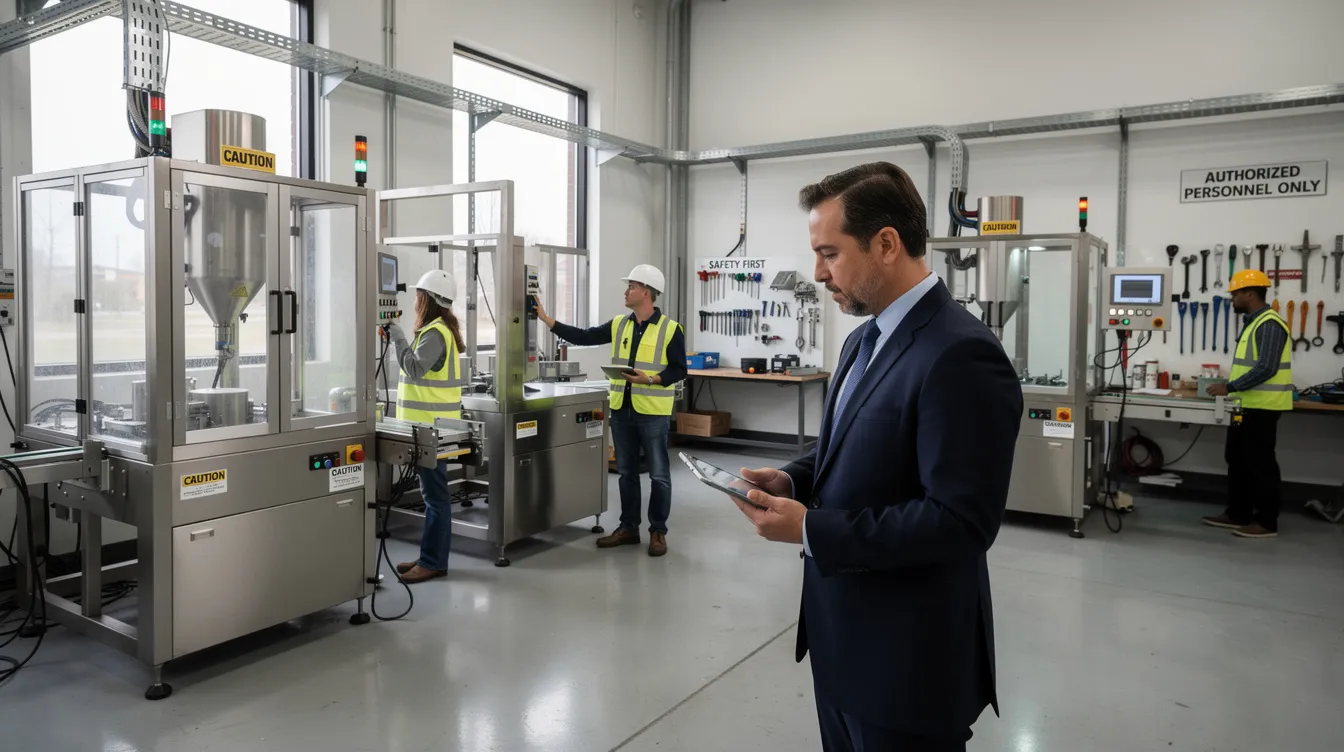
Step 6: Submission of bills and invoices. The bank asks for GST invoices, delivery challans, or vendor receipts for assets purchased out of the first installment before releasing the next tranche.
Step 7: Second and subsequent installments. Once verification is satisfactory, the bank releases the next part of the Mudra loan. This might cover the remaining machinery payment, working capital stocking, or other approved expenses.
Step 8: Final verification. After full disbursement, the bank confirms that the project is fully implemented, the business is operational, and EMI or repayment will now continue on the total disbursed amount.
Does Every Mudra Loan Get Released in Installments?
No. Many PMMY loans, especially small-ticket Shishu loans (up to ₹50,000) and simple working capital limits, are disbursed fully in one go. Smaller loans are typically disbursed as a single payment due to lower risk and straightforward end-use.
Banks prefer one-time disbursement where the purpose is simple: purchase of trading stock, small tools, or basic service setups that do not involve multiple project stages. If a tailor borrows ₹40,000 for fabric stock, the bank has little reason to split the disbursement.
Installment disbursement is more common for higher-ticket Kishore and Tarun loans (₹3 lakh to ₹10 lakh) where funds are split between fixed assets and working capital, or where there is a clear implementation schedule with separable stages.
Even within the same bank, two borrowers with the same loan amount may have different disbursement patterns depending on their project structure, quotations submitted, and risk profile. A ₹5 lakh loan for an existing shop’s stock replenishment may be released at once, while a ₹5 lakh loan for a new salon with interior work and equipment purchase may come in three parts.
| Mudra Loan Type / Purpose | Typical Disbursement Pattern |
|---|---|
| Small trading loan (Shishu, ₹30,000–₹50,000 for stock) | One-time, full credit to account |
| Working capital for existing business (Kishore, ₹2 lakh) | Usually one-time or OD facility with drawing power |
| Vehicle purchase (e-rickshaw, auto, commercial vehicle) | 1–2 tranches; booking advance + delivery payment to dealer |
| Salon / beauty parlour setup (Kishore, ₹4 lakh) | 2–3 stages; interior, equipment, working capital |
| Manufacturing unit setup (Tarun, ₹8–10 lakh) | 3–4 stages; machinery order, installation, trial run, working capital |
| Composite term loan + working capital | Term loan portion in stages, working capital separately |
A MUDRA Card allows funds to be withdrawn and repaid dynamically as needed, which is another mechanism that avoids the need for a single lump-sum credit. This is sometimes availed for working capital components.
Documents Bank May Ask Before Releasing Next Installment
Banks must ensure end-use of mudra loans before releasing further installments. The document requirements are practical, not arbitrary, and are rooted in verification of how earlier funds were spent.
Purchase invoices and GST bills: For machinery, equipment, or furniture bought from the first installment. The bank matches these against the quotations and estimates in your original project report.
Vendor quotations (updated): If there has been a gap between sanction and the next phase of purchases, the bank may ask for updated quotations or proforma invoices to confirm current pricing.
Progress photographs: Banks may ask for photographs of the shop, machinery installation, or site development. These are sometimes attached to the inspection report of the branch officer who visits the business premises.
Business proof updates: Once the business is operational, the bank may require Udyam registration, GST registration, trade license, or other registration certificates that were not available at the time of initial sanction.
Utilization certificate or self-declaration: Some banks request the borrower to sign a simple declaration confirming that the first installment has been used for the sanctioned business purpose only.
For a comprehensive checklist of everything banks may request, refer to the detailed guide on documents required before Mudra loan disbursement. You can also understand how the bank verifies documents before disbursement to prepare in advance.
Keep all bills in an organised file and share copies quickly when asked. Delays in providing documents are one of the most common reasons for slow release of the next tranche.
Can Banks Delay the Next Installment of Mudra Loan?
Banks can defer or hold the next installment when certain conditions are not met. They should have valid, documented reasons and communicate them clearly to the borrower.
Pending verification or inspection: The branch officer has not yet completed the site visit, or the inspection report is awaiting approval from a senior authority.
Incomplete documentation: A missing GST invoice, incomplete KYC update, or mismatch between what was sanctioned in the project report and what is seen on the ground can hold up disbursement.
Internal process delays: Branch-level approval pending, regional office or controller approval required for deviations from standard terms, or temporary system or technical issues that slow down processing.
Compliance-related concerns: If the bank finds serious discrepancies, non-cooperation from the borrower, or suspected misuse of the earlier installment, they may temporarily stop further release until the issue is rectified.
A delayed installment does not automatically mean cancellation. It is often a signal that some formalities, verification steps, or documents are still outstanding. If you are wondering why your sanctioned amount has not been released, the article on why Mudra loans get sanctioned but not disbursed covers the most common reasons. If disbursement was approved but the amount has not appeared in your account, the guide on Mudra loan amount not credited after disbursement approval addresses that specific situation.
What Should Borrowers Do If Installments Are Delayed?
Most installment delays in mudra loans are solvable with proper communication and documentation. There is rarely a situation where a bank permanently withholds sanctioned funds without documented cause.
Visit or call the branch. Meet the concerned officer, politely ask about the exact reason for the delay, and request a clear list of pending requirements. Write down what they tell you.
Submit all documents promptly. Prepare and submit all required invoices, bills, photographs, and business proofs as early as possible. Confirm receipt via email or get a written acknowledgment from the branch.
Ask for written clarification. If the bank is refusing or delaying the next installment without a clear reason, request a brief written note or email stating the reason. This creates a record for both parties.
Escalate when needed. If there is no response after a reasonable time, approach the branch manager first. If that does not resolve the issue, contact the regional office. As a last resort, use the bank’s grievance redressal mechanism or file a complaint online. The Reserve Bank’s banking ombudsman scheme is available if the bank fails to respond within 30 days.
Track your disbursement status. Monitor your mudra loan disbursement through net banking, SMS alerts, or relevant government portals. The guide on how to check Mudra loan disbursement status online walks through the exact steps.
Borrower’s Rights During Installment Disbursement
Even though banks control the timing of installments, PMMY borrowers retain important rights regarding transparency, information, and fair treatment under the scheme.
Right to receive sanction terms. Every borrower has the right to receive a copy of the sanction letter and any annexures that clearly mention disbursement terms, installment conditions, interest rate (the interest rate for Mudra loans is currently 9.05% p.a.), and repayment schedule.
Right to know pending requirements. The bank should inform you about pending documents and reasons for withholding the next installment. This communication should be in writing or through a clearly documented discussion at the branch.
Right to simple explanations. Borrowers can request the bank staff to explain any technical term, such as drawing power, margin, tranche, or OD (overdraft) facility, in plain English or local language. This is not a favour; it is part of the bank’s customer service obligation.
Right to escalate. Borrowers have the right to approach higher authorities, grievance cells, or the banking ombudsman if they face arbitrary denial or unexplained delays even after fulfilling all conditions. The government monitors PMMY performance at the central level, and large unexplained undisbursed amounts attract attention.
Keep your own records. Maintain a personal file with copies of all documents submitted, site inspection acknowledgements, and communication with the bank. This reference point helps in any future clarification, escalation, or audit.
Common Myths About Installment-Wise Mudra Loan Disbursement
Many micro entrepreneurs misunderstand installment disbursement and panic, assuming something has gone wrong with their loan. Here are the myths I encounter most often.
“The bank is cheating me.” Staged release with proper documentation and bank records is a standard practice. The bank cannot pocket the undisbursed portion; it remains sanctioned in your name and is tracked in the bank’s core banking system. The amount is recorded and audited.
“Installment means loan rejection.” As long as you meet the conditions in the sanction letter, remaining installments are released. Rejection would require a separate written communication with specific reasons. Installment disbursement and rejection are two entirely different things.
“The balance amount will never come.” Banks are monitored internally by their audit departments and externally by RBI and the government’s PMMY tracking systems. They cannot arbitrarily hold sanctioned amounts without documented reasons. As of March 2026, PMMY has disbursed about ₹32.40 lakh crore against ₹33.19 lakh crore sanctioned, indicating that the vast majority of sanctioned funds reach borrowers.
“Every Mudra loan is always released together.” Working capital-only loans may be one-time, while project-based ones are stage-wise. Both patterns are valid under the scheme. The disbursement method depends on the loan’s purpose and cost structure, not on a universal rule.
“Installments equal cancellation.” Cancellation of the undisbursed portion happens only in specific cases: project not started within a reasonable period, serious misuse of funds, or voluntary surrender by the borrower. Cancellation requires written communication and a formal process. Regular installment-based release is the opposite of cancellation; it is a controlled, ongoing process.
Common Mistakes Borrowers Make in Installment-Based Mudra Loans
Avoiding a few common mistakes can speed up installment releases and reduce stress for PMMY borrowers.
Starting large expenses before the loan arrives. Some borrowers commit to major purchases (like ordering custom machinery) before the first installment is even released. This creates cash-flow gaps and forces them to use personal funds or borrow informally at high interest rates.
Ignoring sanction conditions. Many borrowers do not read the clause about “submission of invoices before second installment” or “site inspection required before next tranche.” This causes surprise and delay when the bank asks for things the borrower was unaware of.
Not maintaining bills and invoices. If you spend the first installment without collecting proper GST bills or receipts, proving end-use to the bank becomes difficult. No proof of utilization means no next phase of funding.
Diverting funds to non-business purposes. Using part of the first installment for family needs, old debts, or unrelated expenses makes it difficult to complete the project. The bank may notice incomplete asset creation and withhold further disbursement.
Assuming the balance will arrive automatically. Some borrowers believe the remaining amount will be credited on a specific date without any action on their part. In reality, you often need to actively follow up, submit documents, and cooperate with site inspections to trigger the next release.
Practical Case Examples of Installment Disbursement
These examples are based on the patterns I see regularly in consulting work. Names and locations are generic, but the situations reflect how installment disbursement actually plays out in different PMMY-funded micro units.
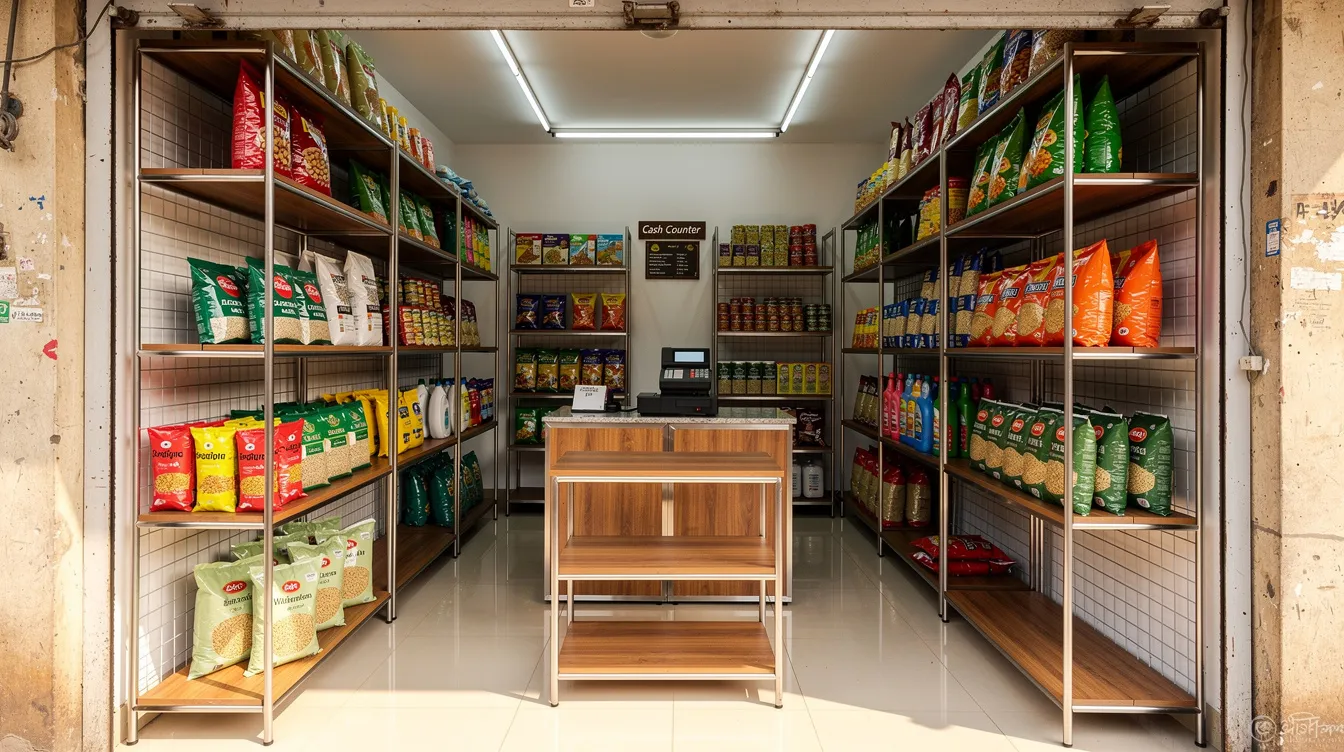
Example 1: Retail shop (Kirana store, Kishore category, ₹3 lakh)
A borrower in a semi-urban town took a ₹3 lakh Kishore mudra loan to renovate her existing kirana store and add new product categories. The bank released ₹1.5 lakh first for shop renovation, including new racks, counters, and signage. After she submitted renovation bills and the branch officer verified the updated shop with photographs, the remaining ₹1.5 lakh was released for stocking goods. Total time from first to final tranche: about 5 weeks.
Example 2: Dairy business (Kishore category, ₹5 lakh)
A dairy farmer in a rural area needed ₹5 lakh to build a small cattle shed and purchase dairy equipment (milking machine, storage containers, cooling unit). The bank paid ₹2 lakh to the shed contractor as the first tranche. After the shed was built and inspected, the bank released ₹2 lakh directly to the dairy equipment supplier. The remaining ₹1 lakh for working capital (cattle feed, veterinary supplies) was credited to the borrower’s account after the dairy began operations. Three tranches over about 10 weeks.
Example 3: Manufacturing unit (Tarun category, ₹9.5 lakh)
A small fabrication workshop owner applied for ₹9.5 lakh to buy two welding machines, a cutting machine, and raw material. The machines were supplied in two lots by different vendors. The bank released ₹4 lakh against the first vendor’s order confirmation and delivery challan. After the machines were installed and the branch officer verified the installation along with a trial run, the bank released ₹3.5 lakh for the second vendor and ₹2 lakh for raw material working capital. Four tranches total, spread over about 3 months.
Example 4: Beauty salon (Kishore category, ₹4 lakh)
A first-time entrepreneur availed a ₹4 lakh loan to set up a salon. The bank paid ₹1.8 lakh directly to the interior contractor for renovation, verified completion through a site visit, and then released ₹1.5 lakh for salon chairs, mirrors, and cosmetic equipment (paid directly to the vendor). The final ₹70,000 for consumable stock and initial expenses was credited to the borrower’s account. Three tranches over 6 weeks.
Example 5: Mobile repair and accessories shop (Kishore category, ₹2 lakh)
A borrower took ₹2 lakh to purchase repair tools, display cases, and accessories stock for a mobile phone repair shop. Since there was no large machinery component and the setup was simple, the entire disbursement was one-time. The bank credited ₹2 lakh to the borrower’s account within a week of signing loan documents. Not all Mudra loans are installment-based; this is a clear example of a straightforward one-time release.
Frequently Asked Questions (FAQs)
These questions come up repeatedly in discussions with small borrowers seeking mudra loans under Pradhan Mantri Mudra Yojana. Each answer addresses a practical concern that may not have been fully covered in the sections above.
Can the bank release only 50% of my Mudra loan at first and keep the rest on hold?
Yes. Banks can release a lower first installment, such as 50% or even 40%, if the project requires staggered payments or if that is what your sanction letter specifies. The remaining amount is not lost; it stays sanctioned in your name. It is usually released after you meet conditions like submitting invoices for purchases made from the first installment and allowing the bank to complete a site inspection. The exact percentage of each tranche depends on your project’s cost break-up and the bank’s appraisal of how your expenses are distributed across stages.
Will I pay interest on the full sanctioned amount or only on the amount actually disbursed?
Interest is calculated only on amounts disbursed in staged disbursement, not on the undisbursed sanctioned limit. For instance, if ₹3 lakh out of ₹6 lakh sanctioned has been released, you pay interest only on ₹3 lakh. Once further installments are released, interest begins on those additional amounts from their respective disbursement dates. This protects borrowers from paying interest on money they have not yet received or used.
Can I request the bank to change from installment-wise to full one-time disbursement?
You may make such a request, but approval depends on the bank’s credit policy, risk assessment, and whether your project technically justifies one-time disbursement. If your business has no fixed asset component and is purely working capital based, the bank might agree. Submit the request in writing with an updated project report before signing final documents. If the bank declines, ask for the specific reason so you can address it.
Can the bank directly pay the machinery supplier instead of crediting money to my account?
Direct payment to suppliers is a common and acceptable practice in mudra loans, especially for high-value machinery or vehicles. The payment is treated as part of your loan disbursement and reflects in your loan account. Banks prefer this method because it confirms that the asset described in your project report is actually purchased. It benefits you too, since you get the asset without handling large cash amounts. Many banks in the public sector follow this practice for Tarun and Tarun Plus category loans.
What happens to the undisbursed portion if my project gets delayed for many months?
If a project is delayed beyond the expected timeline, the bank may review the sanction, seek reasons for the delay, and in some cases reduce or cancel the undisbursed portion. This is not automatic; banks usually give reasonable time and consider genuine reasons such as vendor delays, seasonal issues, or personal emergencies. Keep the bank informed in writing about any genuine delays and request reasonable extensions where needed. Proactive communication prevents the bank from assuming project abandonment.
Expert Guidance by CA Manish Gugliya
Over 20 years of working with project reports, CMA data, MSME finance, and Mudra loan consultancy have taught me one consistent lesson: borrowers who prepare well and stay engaged with their bank rarely face serious issues with installment disbursement.
Read your sanction letter carefully before signing any documents. Discuss with the bank whether your loan will be disbursed in one shot or in stages. Know the conditions attached to each tranche so that you can prepare documents and invoices in advance.
Maintain proper records from day one. Your project report, machinery quotations, GST invoices, site photographs, and business registration documents should all be in one file, ready to share at short notice. Banks release installments faster when they receive clean, organised documentation.
Use Mudra funds strictly for the approved business purpose. Diverting even a small part to non-business expenses creates problems during verification and can trigger closer scrutiny or cancellation of remaining tranches. The guarantee of smooth disbursement lies in disciplined fund usage.
Stay in regular contact with the branch. Respond quickly to document requests. Treat installment disbursement as a constructive tool for disciplined business growth rather than a negative sign. Banks in India across all categories, from large public sector to small finance banks, follow this practice to protect both lending capital and borrower interests.
If you need professional help preparing your project report for a Mudra loan, accurate cost break-ups and financial projections can make the difference between a smooth multi-stage disbursement and months of delays.
Conclusion
Banks are allowed to release mudra loans in installments under Pradhan Mantri Mudra Yojana, especially for project-based and machinery-heavy proposals. This is a standard risk-management practice used by lending institutions across India, and it serves both the bank’s and the borrower’s interests.
Installment-wise disbursement does not mean loan rejection. It links the release of funds with project progress, documentation, and verification. Borrowers who understand their sanction terms, cooperate fully with verifications, maintain transparent records, and actively follow up on pending installments experience smooth and timely releases.
With proper planning and guidance, installment-based Mudra loans from any sector can effectively support stable, sustainable growth for small businesses across India. The extended opportunity that PMMY provides to micro units across manufacturing, trading, and services becomes most powerful when borrowers approach the disbursement process with updated knowledge and organized preparation.
- Can You Delay Accepting Mudra Loan Disbursement? Everything Borrowers Should Know


- What Happens on Mudra Loan Disbursement Day? (Practical Guide by CA Manish Gugliya)

- Partial Mudra Loan Disbursement: Reasons and Next Steps
- Can Banks Release Mudra Loan in Installments? (Practical Guide by CA Manish Gugliya)

- Does the Bank Verify Documents Again Before Disbursement?
- Can a Sanctioned Mudra Loan Be Cancelled Before Disbursement? (Practical Guide by CA Manish Gugliya)
- How to Check Mudra Loan Disbursement Status Online
- Mudra Loan Amount Not Credited After Disbursement Approval: Reasons, Timeline & What You Should Do
- Documents Required Before Mudra Loan Disbursement: Complete Post‑Sanction Checklist