Key Takeaways
- An integrated maize wet milling plant fractionates maize kernels into corn starch, liquid glucose, dextrose monohydrate, corn oil and animal feed by products through a continuous wet milling process involving steeping, grinding and centrifugation; industrial maize wet milling yields 60-70% starch and 30-40% by products from each tonne of maize processed.
- Project cost in India varies widely depending on capacity (100 to 500+ TPD), level of integration (basic starch vs starch plus derivatives), automation and site-specific infrastructure; for reference, a 100 TPD unit may cost around ₹14-15 crore while a 600 TPD integrated plant with derivative lines can reach ₹300 crore.
- Bankability of the project depends on realistic financial projections, comfortable DSCR through the loan tenure, detailed working capital analysis and sensitivity testing under adverse scenarios rather than optimistic sales assumptions.
- Income from co-products (corn gluten meal, corn germ, fibre, steep liquor) impacts the overall economics of maize wet milling and must be modelled carefully in the detailed project report.
- Project Report Bank, led by CA Manish Gugliya (FCA, DISA), prepares professional DPRs, CMA Data, financial models and bank loan proposals for integrated maize wet milling projects across India.
Integrated Maize Wet Milling Plant Project Report & DPR in India
An integrated maize wet milling plant project report is the foundation document for any serious investment in maize fractionation and starch derivative manufacturing. Maize wet milling is an industrial separation process that takes cleaned maize kernels (Zea mays) and systematically breaks them down into commercially distinct fractions: starch (the primary volume product), germ (the oil-rich fraction), gluten (the protein-rich fraction), fibre (hulls and pericarp) and steep liquor (soluble nutrients). The maize wet milling process uses steeping with dilute acids or sulphur dioxide, coarse and fine grinding, hydrocyclones, screens and centrifuges to achieve this separation.
Unlike dry milling, which produces grits, flour and semolina for direct food consumption, corn wet milling focuses on recovering purified corn starch and converting it into downstream food ingredients such as liquid glucose, dextrose monohydrate and maltodextrin for industrial demand across food processing, pharmaceuticals, paper, textiles and chemical industries.
An “integrated” plant goes further. It simultaneously recovers corn germ for maize germ oil extraction, processes corn gluten into gluten meal for animal feed, monetises fibre-rich fractions as cattle feed ingredients and captures corn steep liquor for sale to fermentation and feed industries. This approach extracts value from every fraction of the kernel rather than discarding or undervaluing recoverable streams.
The detailed project report for such a plant must cover technical configuration, the complete machinery list, maize processing plant capacity, land and building requirements, total project cost, means of finance, working capital assessment, profitability projections, ROI, IRR and DSCR analysis. This article is written from the professional perspective of CA Manish Gugliya for entrepreneurs and MSME investors in India evaluating maize wet milling plant setup cost, feasibility and bank finance requirements.
Overview of the Integrated Maize Wet Milling Industry in India
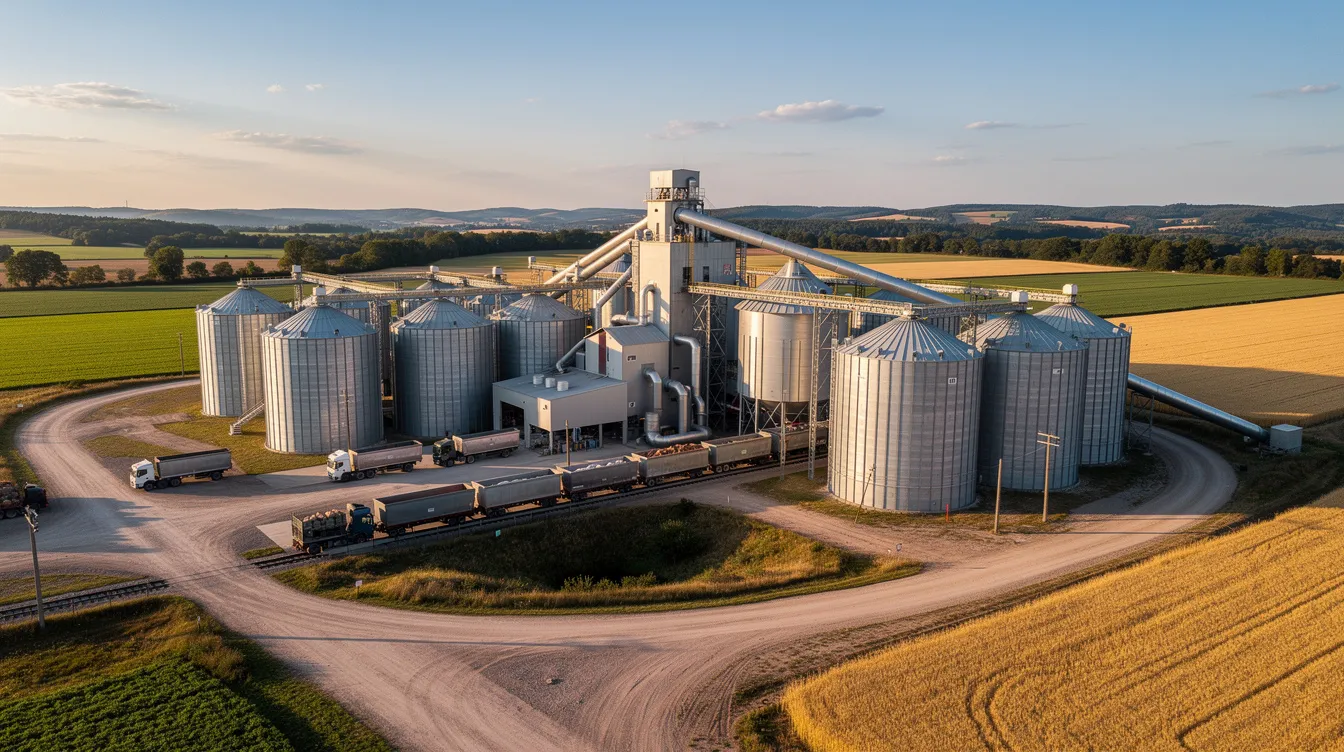
India is a major maize-producing economy, and maize production has been on a growth trajectory. India’s maize production is projected to reach 42 million tons by 2025, yet only about 20-25% of annual output enters industrial processing for starch and derivatives. The remainder goes to poultry and animal feed (55-60%) or direct food consumption. Maize is both a staple food in several Indian states and an important crop for industrial processing, but the gap between raw production volume and value-added processing capacity represents a clear opportunity for new integrated plants.
Demand for corn starch and starch derivatives spans several sectors. Food manufacturers use native starch, liquid glucose and maltodextrin as food ingredients in confectionery, bakery, dairy, sauces and beverages. The paper industry consumes starch for sizing and coating. Textile industries use starch in yarn sizing. Pharmaceutical companies require high-purity dextrose monohydrate for tablets, IV fluids and fermentation media. Chemical industries use starch derivatives in adhesives and industrial formulations. The global maize starch market was 90.32 million tons in 2025 and is expected to grow to 109.38 million tons by 2034, indicating steady growth in demand.
Animal feed sectors absorb corn gluten meal, corn gluten feed and fibre-rich by products, supporting poultry, cattle feed and aquaculture nutrition. Import substitution potential exists for pharma-grade dextrose monohydrate, modified starch and sorbitol. These investment opportunities must, however, be assessed location-wise in the DPR through a proper market analysis to assess demand for maize derivatives in various industries, rather than relying on generic national averages.
What Is an Integrated Maize Wet Milling Plant?
The corn wet milling process begins with cleaning and grading raw maize, followed by steeping the kernels in a warm aqueous solution (often containing sulphur dioxide) for an extended period. Steeping softens the kernel and loosens the bond between starch, protein and fibre. The steeped maize is then coarsely ground to release the germ, which is separated using hydrocyclones. Fine grinding follows, after which fibre is screened out, and centrifuges separate the starch slurry from the gluten fraction. Each stream is then washed, dewatered, dried and packaged for sale or further processing.
Three distinct project configurations exist:
- Basic maize starch manufacturing plant: Produces native corn starch and sells germ, gluten and fibre as unprocessed by products. Lower capital cost but limited revenue diversification.
- Integrated maize wet milling plant with systematic by product recovery: Processes germ, gluten, fibre and steep liquor into marketable products (dried gluten meal, corn oil, feed-grade fibre, concentrated steep liquor). Higher machinery and utility requirements, but better overall plant economics.
- Integrated starch and derivatives plant: Adds enzymatic hydrolysis and conversion lines for liquid glucose, dextrose monohydrate, maltodextrin or modified starch. This configuration has the highest capital investment, the broadest product range and the strongest revenue potential.
These configurations differ in plant layout, machinery, energy consumption, water usage and automation needs. Not all derivative lines need to be installed at inception; promoters can phase in liquid glucose or maltodextrin after stabilising native starch operations. The DPR must define which products will be manufactured from day one to avoid overestimating revenue and underestimating capital cost.
Products and By-Products of an Integrated Maize Wet Milling Plant
The combined realisation from corn starch, liquid glucose, dextrose monohydrate, corn oil and animal feed products determines overall profitability. The downstream processing in maize milling may involve producing sweeteners and modified starch, each with distinct equipment and market requirements. This section covers each product stream and its contribution to the project’s revenue.
Maize Starch
Maize starch is the primary volume product of wet milling, accounting for 60-70% of the wet milling yield on a dry solids basis. It serves as a base raw material for food, paper, textile, pharmaceutical and adhesive applications. Commercial grades include food grade (for confectionery, bakery, sauces), industrial grade (for paper and textiles) and pharmaceutical grade (meeting stricter purity and microbial limits). Viscosity, whiteness, moisture content and microbial quality influence customer acceptance and achievable pricing.
The DPR should map likely end-use segments near the project location, such as paper mills, biscuit plants and confectionery units, to estimate achievable corn starch sales realisation. Proximity to starch-consuming industries enhances the marketability of the milling plant’s products. Packaging typically ranges from 25 kg and 50 kg bags to bulk bags, with implications for warehousing and handling equipment.
Liquid Glucose and Glucose Syrup
Liquid glucose is produced by enzymatic hydrolysis of purified starch slurry, followed by filtration, decolorisation and evaporative concentration to target DE (dextrose equivalent) and Brix values. It is widely used as a sweetener and bodying agent by food manufacturers in confectionery, bakery, ice cream, beverages and pharmaceutical formulations.
Incremental machinery includes liquefaction tanks, saccharification reactors, evaporators and syrup storage tanks. Product quality parameters such as clarity, colour and microbiological stability directly affect pricing and customer retention, especially for bulk tanker deliveries to large food industry buyers.
Dextrose Monohydrate
Dextrose monohydrate is a crystalline form of D-glucose produced through starch hydrolysis, purification, concentration and controlled crystallisation. Its uses span pharmaceuticals (tablets, IV fluids), confectionery, bakery and fermentation industries requiring high-purity fermentable sugars, including production of amino acids.
The DPR should account for additional equipment: crystallisers, centrifuges, dryers and milling systems. Utility loads are higher than liquid glucose production. Dextrose monohydrate normally commands higher realisation but demands more stringent process control, quality assurance and market development effort.
Maltodextrin
Maltodextrin is a partially hydrolysed starch product with lower sweetness, used in instant powders, flavour carriers, sports nutrition and specialised food formulations. Production lines share part of the hydrolysis and drying infrastructure with liquid glucose but require fine control of DE value, bulk density and solubility. Adding maltodextrin helps diversify the product basket and reduces dependence on a single market. Food safety and labelling compliance under FSSAI are required for maltodextrin destined for human consumption.
Modified Starch
Modified starches (oxidised, cationic, pre-gelatinised, cross-linked) are created through physical, enzymatic or chemical modification of native corn starch. These products serve specialised requirements in paper sizing, textile finishing, adhesives, snacks, sauces and instant food products, often earning premium pricing. Manufacturing requires dedicated reaction vessels, chemical dosing systems, safety protocols and application support to customers. The DPR should not assume all modified starch variants initially; selecting a few high-demand grades aligned with local industry clusters is more practical.
Corn Gluten Meal
Corn gluten meal is a high-protein product, with maize gluten meal containing at least 60% protein on a dry basis. This yellow-coloured powder is used in poultry, aquaculture and pet food formulations. Its commercial value depends on protein content, colour, fat level and absence of mycotoxins. Tie-ups with feed manufacturers near the plant can ensure consistent offtake. Corn gluten meal revenue supports overall project contribution, especially when starch prices face downward pressure.
Corn Gluten Feed and Fibre
Corn gluten feed combines fibrous fractions, steep liquor and fines into a mid-protein animal feed ingredient. Maize fibre is rich in phytosterols and dietary fiber, making it suitable for cattle feed and, with further processing, certain high-fibre food applications. Monetising fibre reduces effluent load and helps minimize environmental impact. Pricing tracks regional feed ingredient markets and benefits from local feed-mill relationships.
Corn Germ and Corn Oil
Maize germ constitutes about 7% of the total kernel yield and is the oil-rich fraction separated early in the wet milling process. Maize germ contains 80-84% of the kernel’s total oil. Two project options exist: selling wet or dried germ to external edible oil processors, or integrating a corn oil extraction and refining unit within the plant.
The DPR should compare the economics of standalone germ sale against integrated crude and refined corn oil production, factoring in additional machinery, utilities and working capital. High-quality refined corn oil serves edible oil markets, snack manufacturers and food service industries. Maize germ oil extraction adds a meaningful revenue stream to the overall project.
Corn Steep Liquor
Corn steep liquor is the concentrated steeping liquid rich in soluble proteins, amino acids and minerals. It is used as a nutrient-rich feed additive and steep liquor from maize wet milling is used in antibiotic production and other fermentation media. Handling systems (storage, pumping, tankers) and local demand determine whether it becomes a revenue source or simply a disposal cost. Optimum product mix selection across all streams affects integrated plant viability.
Integrated Maize Wet Milling Manufacturing Process and Flow Chart
The maize wet milling process is continuous, water-intensive and requires careful control of moisture, temperature and residence time to achieve high starch recovery. Maize starch production involves grinding, separation, and drying processes across multiple stages. The process demands large amounts of demineralized water and generates high biological oxygen demand (BOD) wastewater that requires treatment for regulatory compliance.
The major process steps in sequence are:
- Grain receiving, cleaning and grading: Removal of stones, dust, broken kernels and foreign matter using pre-cleaners, destoners and magnetic separators.
- Storage and conditioning: Cleaned maize stored in silos with moisture and temperature monitoring.
- Steeping: Maize kernels soaked in warm water (with SO₂ where applicable) for 24-48 hours to soften the kernel and begin separation of components using dilute acids or sulphur dioxide.
- Coarse grinding and germ separation: Degermination mills break the kernel; lighter germ is separated using hydrocyclones and washed.
- Fine grinding: The remaining slurry is finely milled to release starch granules from the protein matrix.
- Fibre separation: Screens and classifiers remove hull and fibre particles from the starch-protein slurry.
- Starch-gluten separation: Centrifuges are essential for separating maize starch from gluten. The lighter gluten fraction is separated from the heavier starch slurry.
- Starch washing and concentration: Multiple-stage hydrocyclone washing purifies the starch slurry to the required quality.
- Dewatering and drying: Vacuum filters or peeler centrifuges remove moisture; flash dryers produce the final product.
- Gluten, fibre and germ processing: Separate drying, handling and packaging lines for each co-product.
- Product storage and packaging: Finished starch and by products are weighed, packed and stored.
- Optional derivative manufacturing: Enzymatic hydrolysis lines convert starch slurry into liquid glucose, dextrose monohydrate or maltodextrin.
Text-Based Process Flow Chart:
Raw Maize → Cleaning & Grading → Steeping (SO₂) → Coarse Grinding → Germ Separation → Fine Grinding → Fibre Separation → Starch-Gluten Separation → Starch Washing → Dewatering → Drying → Corn Starch
Side streams: Germ → Corn Oil; Gluten → Corn Gluten Meal; Fibre → Corn Gluten Feed; Steep Water → Steep Liquor
Optional: Starch Slurry → Enzymatic Hydrolysis → Liquid Glucose / Dextrose Monohydrate / Maltodextrin
Process water quality and recycling, SO₂ handling, heat recovery, CIP (clean-in-place) systems and effluent treatment are essential for uninterrupted production, food safety and compliance with environmental norms. The exact process flow depends on the chosen technology provider, but the DPR must map a complete, step-by-step flow aligned with machinery and utilities sizing.
Maize Wet Milling Plant Capacity Planning and Product Yield
Capacity in maize processing is described in tonnes of maize processed per day (TPD) multiplied by annual operating days (typically 300-330 days). A typical commercial wet milling plant requires 1,000 to 2,000 metric tons of corn per day at global scale; Indian plants typically range from 100 TPD (entry-level) to 500-750 TPD (large-scale).
Illustrative capacity scenarios:
- 100 TPD (entry-scale): Lower capital outlay (~₹14-15 crore in earlier studies), but higher per-unit fixed costs. Suitable for promoters entering the starch industry with limited derivative lines.
- 300 TPD (medium-scale): Better fixed cost absorption, scope for one or two derivative lines (e.g. liquid glucose), stronger negotiating position for raw material procurement.
- 500+ TPD (larger-scale): Best economies of scale, as demonstrated by Regaal Resources which expanded from 180 MTPD to 750 MTPD. Requires larger land, stronger logistics and higher capital investment.
Maize wet milling yields 60-70% starch from kernels on a dry solids basis. Germ recovery is typically 6-8%, gluten meal 5-6%, fibre 11-13% and steep water solubles 6-8%. Indian maize, particularly harder endosperm varieties, tends to yield 2-3% less starch extractability compared with softer U.S. dent corn, especially from Kharif harvests. This affects the physicochemical properties of the starch and must be accounted for in the DPR.
The DPR must prepare a reconciled material balance showing maize input (with moisture), all saleable outputs on both dry and as-is basis, and process losses, ensuring totals balance. Yields for derivatives like liquid glucose and dextrose monohydrate depend on conversion efficiency and product purity, which must be modelled separately in the financial projections.
Land, Building and Infrastructure Requirements
Land requirement depends on plant capacity, level of integration and future expansion plans. A 200 TPD plant typically needs 8-10 acres including ETP and expansion space; larger plants need proportionally more. The DPR should give capacity-specific estimates rather than a single generic figure.
Major functional blocks include:
- Raw maize unloading area, weighbridge and storage silos
- Cleaning and steeping section
- Wet milling and processing building
- Starch and derivative processing hall
- Germ and oil section (if installed)
- Gluten and fibre drying area
- Finished goods warehouse
- Quality control laboratory
- Administrative block and staff amenities
- Boiler house, utility installations and cooling towers
- Water treatment plant and ETP/ZLD systems
- Internal roads, parking and open storage
Water and energy infrastructure are critical for wet milling due to its resource intensity. A 200 TPD plant requires approximately 800,000 litres of water per day. Site selection criteria for a milling plant include proximity to maize-growing areas and water supply, ensuring a consistent supply of both raw material and process water. Reliable power supply (or captive generation), approach roads for heavy truck movement and access to railheads or logistics hubs are equally important.
Layout considerations include segregation of food-contact and non-food areas, hygienic design for food ingredients manufacturing, traffic flow planning and provision for future capacity expansion. Fire safety systems, rainwater drainage, security arrangements and weighbridge installations should also be addressed in the DPR.
Maize Wet Milling Plant Machinery and Equipment
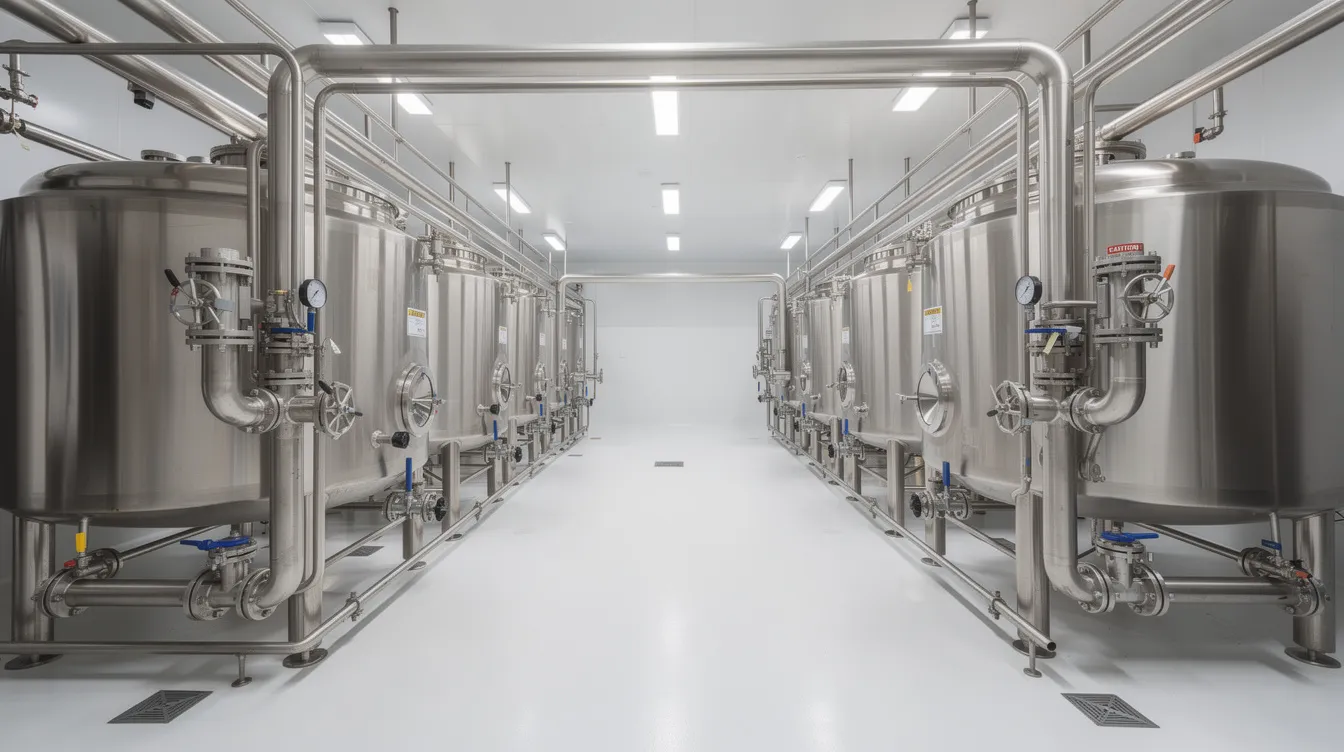
Key machinery in maize wet milling includes degerminators and centrifuges, along with extensive wet-process equipment spanning cleaning, steeping, grinding, separation, washing, drying and packaging operations.
Major equipment blocks and their functions:
| Equipment Group | Primary Function |
|---|---|
| Pre-cleaners, destoners, magnetic separators | Remove foreign matter, stones, metals from raw maize |
| Storage silos | Controlled storage of cleaned maize with monitoring |
| Steeping tanks with agitation and SO₂ dosing | Soften kernels, begin protein-starch separation |
| Degermination mills | Coarse grinding to release germ from endosperm |
| Hydrocyclone clusters | Separate lighter germ from heavier starch-protein slurry |
| Fine mills | Release starch granules from protein matrix |
| Screens and classifiers | Separate fibre from starch-gluten slurry |
| Centrifugal separators | Separate starch from gluten; critical for product purity |
| Starch washing systems (multi-stage hydrocyclones) | Purify starch to required quality and whiteness |
| Vacuum filters / peeler centrifuges | Dewater starch cake before drying |
| Flash dryers / rotary dryers | Dry starch, gluten and germ to target moisture |
| Boiler and steam distribution | Supply steam for steeping, drying, evaporation |
| Air compressors and process pumps | Pneumatic conveying, process fluid movement |
| Water treatment plant | Produce demineralized/softened water for process use |
| Effluent treatment plant (ETP) | Treat high-BOD wastewater to meet discharge norms |
| Electrical substation, MCCs, PLC/SCADA | Power distribution, process automation and control |
The choice between domestic and imported machinery should be evaluated on throughput guarantees, starch and germ recovery efficiency, energy consumption per tonne, availability of local service support and compliance with industry standards. Quality assurance in maize processing includes testing for starch, moisture, and microbial quality; a well-equipped laboratory with instruments for viscosity, protein and microbiological testing is essential for food and pharmaceutical customers expecting product quality consistency.
Integrated Maize Wet Milling Plant Setup Cost in India
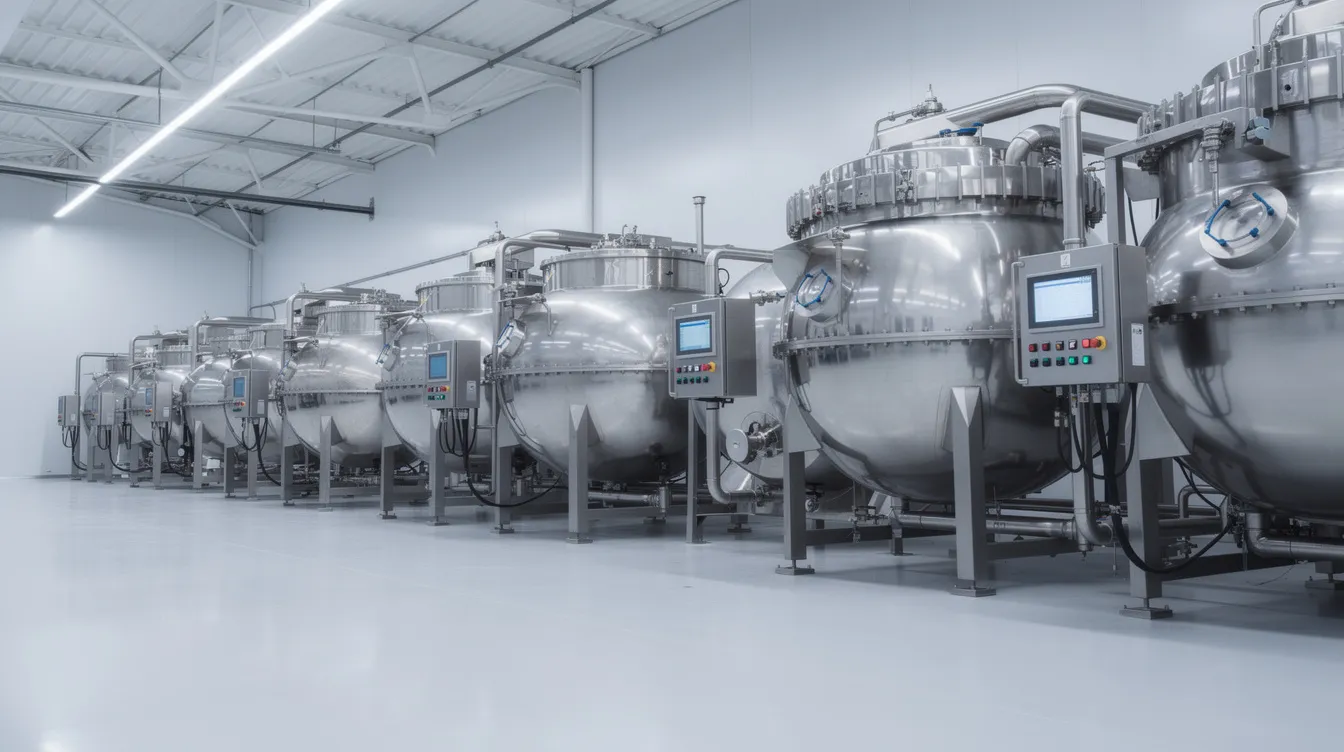
Investors searching for maize wet milling plant setup cost in India should note that costs vary sharply by capacity, technology level, inclusion of derivative manufacturing lines (liquid glucose, dextrose monohydrate) and site-specific civil works. Integrated maize wet milling projects involve higher capital intensity than basic dry milling operations because of large wet-process equipment, extensive water treatment and product drying sections.
Major cost heads:
- Land and site development
- Plant buildings and civil construction
- Main processing machinery (cleaning through packaging)
- Utilities: boilers, cooling towers, compressors, chilled water
- ETP and ZLD systems
- Electrical infrastructure and automation (PLC/SCADA)
- Storage silos and finished goods warehouses
- Laboratory setup and QC instruments
- Preliminary and pre-operative expenses
- Interest during construction
- Contingencies and working capital margin
For reference, total capital investment for a maize starch plant is approximately ₹164.85 crore at medium-to-large capacity. A 600 TPD integrated plant like Jayaditya Agro’s project in Kurnool, Andhra Pradesh, entailed total investment of ₹300 crore including native starch (450 TPD), liquid glucose (100 TPD), dextrose monohydrate (50 TPD) and all by product recovery lines. At the entry end, a 100 TPD study by the Indian Maize Development Association estimated total fixed capital at approximately ₹14.3 crore.
Promoters should compare vendor quotations on a like-for-like basis, verifying battery limits, utilities included in scope, automation depth and erection and commissioning services before finalising machinery cost for the DPR.
Project Cost and Means of Finance
Effective project planning must consider capital investment, operational costs, and financing. A DPR consolidates all CapEx items into a total project cost: land, civil work, machinery, pre-operative expenses, contingencies and margin for working capital. The means of finance section then maps how this cost will be funded.
Typical financing structures for Indian manufacturing projects include:
- Promoter equity: Usually 30-40% of project cost. In the Jayaditya Agro case, equity was ₹105.30 crore (~35%).
- Bank term loan: Typically 60-65%. The same project had a bank term loan of ₹195 crore (~65%).
- Government incentives/subsidies: Applicable under MoFPI or state-level schemes; Jayaditya Agro’s project was eligible for incentives of approximately ₹101.90 crore over five years.
The DPR should comment on acceptable promoter contribution levels, expected repayment periods (often 7-10 years), moratorium possibilities and security expectations. Final terms always depend on the lending institution and project risk profile. Project Report Bank provides project finance advisory and loan structuring support to help promoters structure the means of finance realistically.
Raw Material Procurement and Working Capital Requirements
Raw maize procurement strategy is a critical determinant of operating margin. Maize typically constitutes the largest portion of operating costs. Operating costs account for 65-72% of total expenses in a wet milling operation, and maize purchase price is the primary driver within that range.
Key procurement considerations include seasonal maize availability in India (Kharif and Rabi harvests), regional price variations, quality parameters (moisture 15-16%, broken kernels, aflatoxin limits), storage infrastructure (silos vs conventional godowns) and maize procurement strategies include securing high-volume supply and assessing quality parameters to maintain production efficiency. For a 200 TPD plant operating 330 days, annual maize requirement is approximately 66,000 MT.
Working capital assessment must cover inventories of maize, processing chemicals (SO₂, enzymes), packaging material, finished goods (corn starch, liquid glucose and other products), receivables based on customer credit terms, and payables to suppliers. Banks expect a detailed monthly working capital cycle in the DPR and CMA Data, not a flat percentage of project cost. Cash credit limits should be based on a realistic operating cycle analysis, factoring in seasonal procurement peaks when maize inventory holdings increase.
Financial Projections for Integrated Maize Wet Milling Plant
A bankable DPR for maize wet milling includes 5-7 year projected financial statements: income statement, balance sheet and cash-flow statement. Cash flow analysis is crucial for evaluating project sustainability and loan repayment capacity, and projections must be internally consistent across all statements.
Key modelling assumptions to be addressed:
- Installed capacity and annual operating days
- Capacity utilisation ramp-up schedule (typically starting at 50-60% in year one, rising to 80-90% over 3-4 years)
- Product-wise sale prices for corn starch, liquid glucose, dextrose monohydrate, corn oil, corn gluten meal and other food products
- Maize procurement cost trends and seasonal variation
- Utility tariffs (power, fuel, water) and their escalation
- Manpower cost, repairs, maintenance and administrative expenses
Operating costs account for 65-72% of total expenses in a well-run plant. The projections should incorporate product-wise quantity and value tied back to the reconciled material balance, avoiding double counting of starch converted into derivatives. Standard outputs include EBITDA, PAT, cash accruals and fund-flow statements as tools for lenders to review repayment capacity. Project Report Bank uses structured financial modelling with scenario capability to support realistic projections.
Profitability, ROI, IRR, DSCR and Payback Period
Accounting profit and cash-flow-based returns are not the same. A plant may show positive net profit on the income statement while facing cash shortfalls if working capital is poorly estimated or receivables stretch beyond projections.
Key indicators the DPR should cover:
- Gross contribution per tonne of maize processed: The spread between product realisation and maize cost. Gross profit margins for maize starch range from 18-26%, depending on product mix and procurement cost.
- EBITDA margin and net profit margin: Measures of operational efficiency and bottom-line performance. In the Jayaditya case, projected net profit margin reached approximately 15.97% by stabilisation year.
- Return on investment (ROI): Maize processing plants can achieve a return on investment of 23% under favourable conditions, though actual returns depend on scale, product mix and market pricing.
- Internal rate of return (IRR) and equity IRR: The financial feasibility of a maize wet milling project includes analyzing IRR and NPV. Project IRR in the Jayaditya 600 TPD case was ~20.84%; equity IRR was ~27.63%. A smaller 100 TPD study showed IRR of ~34.21%.
- DSCR: The ratio of cash available for debt service to total debt obligations. Lenders typically expect an average DSCR above 1.5 through the loan tenure. Jayaditya’s project showed average DSCR of ~2.09.
- Break-even capacity: The utilisation level at which the plant covers all costs. Jayaditya’s break-even was ~43.8%.
- Payback period: The time required to recover the initial investment from project cash flows.
No generic “assured” IRR or DSCR should be promised. Returns depend on plant size, maize and product price spreads, production efficiency, leverage and market conditions. Sensitivity of these metrics to small changes in maize price, corn starch realisation or capacity utilisation should be tested to support prudent risk assessment.
Integrated Maize Wet Milling Plant Feasibility Study
A project feasibility study for an integrated maize processing plant should cover five dimensions:
Commercial feasibility: Local and regional demand for corn starch, liquid glucose, dextrose monohydrate and animal feed; competition intensity from established players like Gujarat Ambuja Exports Limited and other large processors; transport costs to key customers; potential for long-term offtake arrangements. Gujarat Ambuja Exports is among India’s largest corn wet milling operators, and understanding regional competitive dynamics is essential.
Technical feasibility: Reliability of chosen wet milling technology, availability of skilled manpower, adequacy of utilities (power, water, steam), effluent treatment solutions and scope for future process upgrades or additional products. Optimizing processes and adopting advanced technologies improves production efficiency over time.
Financial feasibility: Ability to service debt, adequacy of promoter contribution, working capital cushion, resilience under moderate adverse scenarios and alignment with promoter risk appetite.
Environmental feasibility: Water consumption volume, effluent load (particularly high-BOD steeping and process water), solid waste utilisation via by products and regulatory compliance requirements.
Organisational feasibility: Management capability, technical team experience and operational excellence to run a continuous, 24×7 integrated manufacturing plant.
The feasibility report should determine the preferred project configuration through this integrated assessment rather than machinery cost alone.
Risk Assessment and Sensitivity Analysis
Large integrated maize wet milling projects face multiple risk categories that the DPR must identify and quantify:
- Maize price volatility: As the dominant operating cost, a ₹1-2/kg increase in maize price can compress margins substantially. Seasonal shortages add procurement risk.
- Product price pressure: Domestic competition and potential imports can depress corn starch and liquid glucose realisations. Industry trends and competitive dynamics must be monitored.
- Yield and recovery shortfalls: Indian maize kernel quality varies between seasons and regions. Lower starch recovery by even 2-3% affects revenue directly.
- Energy cost escalation: Drying and evaporation are heat-intensive; fuel and power tariff increases flow through to operating cost.
- Water scarcity and environmental compliance: High biological oxygen demand wastewater treatment plants are important for compliance. States increasingly mandate ZLD systems, adding to investment.
- Commissioning and ramp-up risk: Achieving rated capacity can take months; underutilisation during this period reduces DSCR and tests working capital reserves.
Sensitivity analysis should test the impact on profitability and DSCR when maize cost rises by 10-15%, average product realisation drops by 5-10%, capacity utilisation falls short by 10-15%, and power costs escalate. Sensitivity analysis helps in understanding the potential financial impacts of variable costs and enables the promoter to plan contingency buffers. Project Report Bank incorporates risk and sensitivity analysis in its DPR preparation to support more informed investment decisions.
Licences, Approvals and Statutory Compliance in India
Licensing requirements vary by state, product range and plant scale. Regulatory compliance is required for air emissions and wastewater discharges in wet milling, and the DPR should provide a location-specific compliance checklist.
Common registrations and approvals include:
- Business entity registration, PAN and GST registration
- Factory licence and labour registrations under applicable state laws
- Local body approvals for building plan, layout and land-use conversion
- Electricity connection or sanctioned load enhancement
- State Pollution Control Board: Consent to Establish and Consent to Operate
- Effluent discharge permissions and air emissions norms for boilers
- Water extraction permissions where groundwater is used
- Boiler registration and fire safety certifications
- FSSAI licence for food-grade starch, liquid glucose, dextrose monohydrate and other food products
- Adherence to relevant BIS standards and international standards where required by customers
- Pharmaceutical customer audits where dextrose monohydrate is supplied to pharma units
Sustainable practices in environmental compliance, including ZLD systems and biomass-based boilers, are becoming industry expectations. Promoters should consult local authorities and professional advisors for exact approvals, as requirements change over time and differ by industrial area.
Bank Loan and DPR Requirements for Maize Wet Milling Projects
Banks and financial institutions appraise industrial manufacturing proposals by examining multiple dimensions. Detailed Project Reports should cover project feasibility, technical specifications, and financial projections in an integrated, consistent document.
Key evaluation areas include:
- Promoter background, net worth, relevant experience
- Technical feasibility and machinery selection with supplier quotations
- Total project cost reasonableness (verified against vendor quotes and civil estimates)
- Land and building status (owned/leased, title clarity)
- Raw material sourcing plan and important raw material availability
- Market analysis for corn starch, food ingredients and derivatives
- Financial projections: income statement, balance sheet, cash flow
- DSCR analysis demonstrating comfortable repayment capacity
- Break-even analysis and sensitivity analysis under downside scenarios
- CMA Data for working capital assessment
- Statutory and environmental compliance status
Banks routinely reject or delay proposals where projections are inconsistent, capacity utilisation assumptions are unrealistic, cost effectiveness of operations is unsubstantiated, or working capital provisions are inadequate. A well-prepared feasibility report and bank finance DPR improve appraisal outcomes. Financial assistance from banks requires clear demonstration that the project can sustain debt service through its operational cash flows.
How CA Manish Gugliya and Project Report Bank Assist in DPR and Project Finance Planning
CA Manish Gugliya (FCA, DISA, ICAI) is a practising Chartered Accountant with more than 20 years of experience in DPR preparation, financial modelling, CMA Data, project finance advisory and industrial project planning through Manish Gugliya & Company.
Professional services relevant to integrated maize wet milling projects include:
- Customised Detailed Project Reports for banks and investors
- CMA Data preparation for term loan and working capital applications
- Five-to-seven-year financial projections and scenario-based financial modelling
- Project cost estimation and means of finance planning
- Working capital assessment based on monthly operating cycle analysis
- DSCR and repayment capacity analysis
- Sensitivity and risk analysis for key operating variables
- Investor-ready DPR and fundraising documentation for equity discussions
- Guidance on banker presentations and loan query responses
Project Report Bank works with promoters to define capacity, product mix (e.g. native starch plus liquid glucose and corn oil), technology options and phased implementation strategies before finalising financial projections. The objective is to produce a project report that supports informed decisions rather than simply completing a formality.
Serious project promoters are invited to contact Project Report Bank via WhatsApp or the website enquiry form with their proposed capacity, location, product mix and investment plan for a tailored maize wet milling DPR and finance advisory engagement.
Frequently Asked Questions
What is an integrated maize wet milling plant?
An integrated maize wet milling plant processes raw maize kernels into multiple product streams using a wet fractionation process. The plant produces corn starch as its primary output and systematically recovers corn germ (for corn oil extraction), corn gluten meal (high-protein animal feed), fibre-based feed products and corn steep liquor. “Integrated” means both main products and by products are recovered and monetised, improving overall plant economics compared with basic single-product starch units. Typical plant capacities in India range from 100 to 500+ TPD of maize input, contributing positively to sustainable growth in India’s starch industry.
Can maize starch and liquid glucose be manufactured in the same plant?
Yes. An integrated plant can produce native maize starch and convert a portion of the starch slurry into liquid glucose by installing additional enzymatic conversion and syrup processing equipment. Promoters choose the proportion of starch sold as native corn starch versus converted into liquid glucose each season based on market demand and margin analysis. The DPR should model both product streams separately to capture their specific prices, costs and working capital requirements, avoiding double-counting.
How is the profitability of a maize wet milling plant evaluated?
Profitability assessment involves projecting product-wise revenues from corn starch, liquid glucose, dextrose monohydrate, corn oil and animal feed by products, then comparing these with maize cost, utilities, manpower, maintenance and overheads. Financial models calculate EBITDA, net profit, ROI, IRR, DSCR and payback period. Sensitivity analysis on maize price and selling prices tests base-case, best-case and downside profitability scenarios before investment. The final product mix, scale and operational efficiency determine achievable margins.
How long does it take to prepare a bankable DPR for a maize wet milling project?
A comprehensive, bank-ready DPR typically requires several weeks once basic project parameters (capacity, product mix, location and technology preferences) and preliminary machinery quotations are available. Timelines depend on how quickly promoters share required information and how soon machinery suppliers provide technical and commercial offers. Project Report Bank follows a structured process: gathering data, building financial models, testing assumptions with the promoter and preparing a robust document for submission to banks or investors.
What working capital is needed for a maize processing plant?
Working capital requirements depend on the operating cycle: maize inventory holding (which increases during seasonal procurement), chemical and consumable stocks, finished goods inventory of corn starch and liquid glucose, customer receivables and supplier payables. A monthly cycle analysis produces more accurate working capital estimates than applying a flat percentage of project cost. Banks evaluate this cycle through CMA Data and may sanction cash credit limits based on projected inventory and receivable levels during peak and lean months.
Conclusion
Integrated maize wet milling allows Indian entrepreneurs to convert maize into high-value food ingredients, corn oil and animal feed by products, creating diversified revenue streams from a single important raw material. The process is technically demanding, capital-intensive and subject to procurement, market and operational risks; success depends on correct capacity selection, reliable maize procurement, appropriate technology, optimised product mix, robust utility and environmental systems, adequate working capital and a well-planned capital structure.
A professionally prepared detailed project report with realistic financial projections, DSCR analysis, break-even assessment and sensitivity testing remains the foundation for informed investment decisions and productive discussions with lenders and investors. Financial projections are estimates, not guarantees of future results; the DPR’s value lies in helping the promoter understand the project’s financial structure clearly before committing capital.
For customised DPR preparation, CMA Data, financial modelling and project finance advisory for integrated maize wet milling projects in India, contact CA Manish Gugliya at Project Report Bank via WhatsApp or the website enquiry form with your proposed capacity, location, product mix and investment plan.
CA Manish Gugliya FCA, DISA (ICAI) www.projectreportbank.com