

Key Takeaways
- Term loan assessment for a ghee and butter manufacturing plant goes far beyond machinery cost. Banks evaluate the full project cost, means of finance, promoter contribution, projected cash flows, DSCR, and repayment capacity before deciding how much to lend.
- The total project cost of a ghee manufacturing plant-including land, building, and machinery expenses-is rarely funded 100% through a term loan. Banks separately appraise project cost, promoter equity, term loan eligibility, and working capital requirement.
- DSCR, capacity utilization assumptions, milk fat procurement price, and working capital sufficiency are the most critical financial drivers that determine whether a ghee plant term loan gets sanctioned and whether repayment remains comfortable.
- A bankable DPR with realistic financial projections, proper project structuring, and transparent sensitivity analysis significantly improves the chances of securing a bank loan for a ghee manufacturing business.
- This article reflects the practical term loan appraisal approach typically adopted by banks in India and draws on the consulting experience of CA Manish Gugliya in dairy and ghee manufacturing projects.
What Is Term Loan Assessment for a Ghee & Butter Manufacturing Plant?
When a promoter approaches a bank to finance a ghee and butter manufacturing plant, the bank does not simply look at machinery quotations and sanction a loan. Term loan assessment for a ghee butter plant is the structured process by which a lender evaluates how much long-term finance the project genuinely requires, whether projected cash flows can service the proposed debt, and on what terms the borrowing should be structured.
A term loan in this context is long-term borrowing used to finance fixed assets-land, factory building, ghee and butter processing machinery, utilities, and related capital expenditure. The tenure is typically indicative at 5 to 10 years, depending on asset life and bank policy, though actual tenure may differ based on appraisal.
To understand how the assessment works, it helps to clearly distinguish five components:
- Total project cost: All capital expenditure including land, building, plant and machinery, utilities, pre-operative expenses, contingency, and eligible margin money for working capital.
- Means of finance: The combination of promoter equity, unsecured promoter loans, bank term loan, government subsidy or capital assistance, and any other long-term funding.
- Term loan requirement: The portion of project cost to be funded by the bank term loan after deducting promoter contribution and other long-term sources.
- Working capital borrowing: Separate fund-based and non-fund-based limits needed for raw materials, packaging materials, finished goods stock, and receivables-funded through cash credit or overdraft.
- Promoter contribution: Equity capital plus acceptable quasi-equity brought in by promoters, demonstrating commitment and reducing lender risk.
Banks do not normally finance 100% of total project cost for a ghee manufacturing business. A meaningful portion must come from the promoter’s own funds, and where applicable, from government subsidy or unsecured loans from promoters or relatives.
Typical fixed asset components in a ghee butter manufacturing project cost include:
- Land and site development
- Factory building and civil works
- Ghee and butter processing plant and machinery
- Utilities such as boiler, refrigeration, electrical panels, water treatment, and effluent treatment
- Technical know-how and consultancy fees
- Pre-operative and preliminary expenses, including interest during construction
- A reasonable contingency provision
An industrial ghee manufacturing project report should clearly separate project cost from working capital assessment, since both are appraised differently by the bank.
Why Banks Carry Out Detailed Term Loan Appraisal
Lenders do not sanction a ghee butter manufacturing plant term loan based only on supplier quotations. They need comfort across multiple dimensions before committing funds. Evaluating a term loan requires examining the project’s technical feasibility and economic viability together.
The key appraisal dimensions include:
- Technical feasibility: Suitability of the ghee manufacturing process (cream method, direct butter-to-ghee route, or continuous processing), plant capacity, equipment quality, layout, utilities adequacy, and regulatory compliance with food safety norms like FSSAI. Technical feasibility includes plant size and quality of equipment.
- Commercial feasibility: Demand for cow ghee, desi ghee, table butter, industrial ghee, clarified butter, and related milk fat products in the target geography. Assessing the marketing strategy includes examining potential distribution channels-retail, institutional, HoReCa, and export demand.
- Financial viability: Profitability projections, break even analysis, DSCR, interest coverage, and overall economic viability. Financial viability assesses projected cash flows and debt service coverage ratio. Economic viability involves market demand for ghee and pricing.
- Management capability: Promoters’ experience in dairy processing or FMCG, existing business track record, team strength, and ability to manage procurement and marketing.
- Repayment ability: Adequacy and stability of projected cash accruals to service principal and interest throughout the repayment period.
- Project implementation risk: Clarity of implementation schedule, dependence on single vendors, pending regulatory approvals, and risks of delay or cost overrun.
Even a technically sound ghee manufacturing unit can face term loan difficulties if financial projections are over-optimistic, DSCR is weak, or promoter contribution is inadequate. A deeper understanding of ghee and butter manufacturing plant feasibility and project viability helps promoters address these concerns upfront.
Major Components of Project Cost for a Ghee & Butter Plant
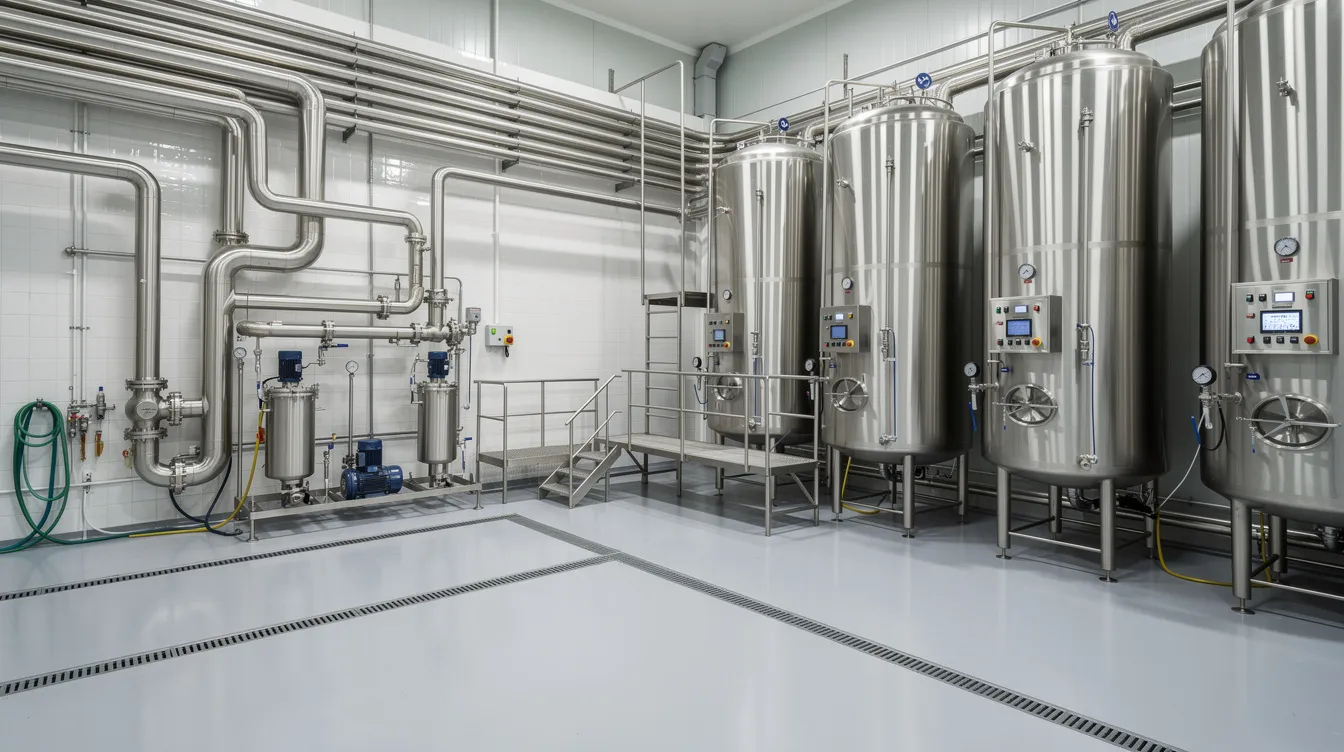
Project cost for a ghee butter plant is broader than just machinery. It encompasses land, building, utilities, pre-operative expenses, and contingency. A clear, itemized breakup is essential for both the detailed project report and the bank loan appraisal. Total project cost estimates must include pre-operative and commissioning expenses.
For a mid-sized 10–15 TPD combined ghee and butter manufacturing plant, an illustrative project cost structure could look like approximately ₹28 crore, with roughly 30% allocated to plant and machinery, 21% to building and civil works, 12% to utilities, and 9% to working capital margin-though these proportions are illustrative only and vary significantly by location, automation, and product mix. Detailed cost and means of finance modelling is covered in the guide on Ghee, Butter & Milk Fat Processing Plant Project Cost & Means of Finance.
Land and Site Development
- A small-to-medium ghee manufacturing unit processing 5–10 TPD may require approximately 1,000–2,000 sq. metres of land (illustrative, varies by layout and local requirements).
- Cost components include land purchase or long-term lease, site levelling, boundary wall, gate, internal roads, drainage, borewell, and basic external electrification and water connections.
- Banks verify that the land is in the borrower’s name or validly leased, free from major legal encumbrances, and zoned for industrial use under local regulations.
- Treatment of land cost-whether financed through the term loan or considered as promoter’s margin-depends on bank policy and how the project is structured in the DPR.
Factory Building and Civil Construction
- Key built-up areas include raw milk and cream receiving bay, processing hall, ghee and butter production area, packaging room, cold rooms (especially for butter storage), finished goods storage, utilities area, laboratory and quality control room, admin office, and staff amenities.
- Civil estimates should be based on realistic plinth-area rates from a civil engineer or contractor, broken down into production, storage, and office blocks.
- FSSAI compliance, hygiene zoning, material flow design, and provision for future expansion are assessed by banks while reviewing industrial ghee manufacturing plant setup cost in India.
- Underestimation of civil costs can disrupt project finance closure or force last-minute changes in means of finance, weakening the proposal. Planning for land, building, utilities, and factory layout is closely linked to accurate cost estimation.
Plant and Machinery
- Major equipment lines include cream separator (if processing liquid milk), butter churn or continuous butter maker, ghee boiler or ghee kettles, clarifier and filters, butter melting tanks, ghee storage tanks, homogenizer (where needed), packaging machines for pouches, jars, and tins, and CIP system.
- Machinery cost varies significantly by capacity (for example, a 3 TPD line versus a 10 TPD line), level of automation, process technology, and whether equipment is indigenous or imported. Accuracy of machinery quotations is vital for bank credit risk assessment. Banks usually ask for at least two or three competitive quotations to validate cost.
- Installed cost can be 15–30% higher than ex-works price once installation, piping, electrical connections, and taxes are included. Detailed equipment cost breakdowns are discussed in the guide on ghee manufacturing plant machinery and equipment cost.
- Where the promoter plans industrial butter production lines or possible AMF (anhydrous milk fat) diversification, equipment selection and cost will be influenced accordingly. Understanding the industrial butter manufacturing process and production line helps align technical design with financial planning. Similarly, the industrial ghee manufacturing process and production line should be referenced to show bankers that equipment selection follows a standard clarified butter process flow.
Utilities and Supporting Infrastructure
- Major utilities include steam boiler, hot water system, refrigeration and chilling plant (critical for butter), compressed air, electrical panels and cabling, water treatment, effluent treatment plant, DG set (for areas with unreliable power), CIP system, and fire-fighting system.
- Utility sizing should match planned capacity utilization and shift pattern. Over-sizing raises fixed costs; under-sizing creates production bottlenecks.
- Banks examine whether ETP and environmental compliance costs are adequately provided, especially for larger dairy processing units.
- Utilities are an integral part of the ghee butter plant project cost-not an afterthought to be added later.
Pre-operative Expenses
- Pre-operative expenses include interest during construction (IDC), establishment and salary costs during implementation, preliminary and company formation expenses, consultancy and DPR fees, regulatory approvals and licences, and trial run costs.
- IDC is calculated based on the implementation schedule and expected drawdown pattern of the term loan.
- Banks review the basis and timeline for these expenses, so assumptions in the DPR must be realistic and consistent with the moratorium period sought.
Contingency
- A reasonable contingency provision-often calculated as a percentage of plant and machinery plus civil cost-covers unforeseen expenses, design changes, or moderate cost escalations.
- Too low a contingency makes the project vulnerable to cost overrun. An excessively high contingency without justification may dilute project clarity and raise questions during appraisal.
- The contingency percentage and its calculation basis should be clearly disclosed in the ghee butter manufacturing project report for loan to improve transparency with lenders.
Means of Finance for Ghee & Butter Manufacturing Project
Once total project cost is estimated, the next step is structuring how the project will be funded. The means of finance must exactly equal total project cost in the DPR.
Typical sources include:
- Promoter’s equity share capital – cash or assets brought in by promoters.
- Unsecured loans from promoters or relatives – subject to bank norms on subordination and lock-in tenure.
- Bank term loan – the core ghee butter plant bank finance component.
- Government subsidy or capital assistance – through dairy processing or food processing schemes such as PMEGP, PMFME, or state-level incentives. Food processing enjoys strong government support through various schemes. Ghee manufacturing project reports are required for PMEGP loans. Eligibility and quantum must be verified for latest norms.
- Other long-term sources – venture debt, financial institution assistance, or retained earnings in expansion projects.
Any gap between total project cost and total means of finance must be explained through contingency adjustments, phasing, or revised capital structure. An optimal mix of term loan and equity helps maintain a reasonable debt-equity ratio and reduces repayment stress.
Promoter Contribution and Margin Requirement
Promoter contribution is the portion of project cost funded by promoters through equity and acceptable unsecured loans. It is a key factor in ghee butter project loan eligibility. Promoter contribution usually enhances lender confidence by reducing debt load.
The expected contribution level depends on:
- Risk profile of the ghee manufacturing project (greenfield versus expansion)
- Strength of promoters and existing business track record
- Availability and quality of collateral and security
- Size of the proposed project and banking relationship
- Specific refinance or subsidy scheme norms (subject to latest guidelines)
Illustrative example (not a banking norm): For a ₹12 crore ghee and butter plant project cost, one possible structure could be ₹3.5 crore as promoter contribution (~29%), ₹8 crore as bank term loan (~67%), and ₹0.5 crore as expected subsidy (~4%).
Promoters should plan their equity infusion schedule realistically. Front-loading equity during land and civil works strengthens the proposal. Banks also verify the source of promoter contribution-own funds, past profits, or sale of assets-and may ask for bank statements or net worth statements as evidence.
How to Calculate the Term Loan Requirement
The ghee butter plant term loan calculation follows a structured approach:
Indicative Term Loan Requirement = Eligible Project Cost − Promoter Contribution − Other Eligible Long-Term Sources (subsidy, quasi-equity)
Illustrative example (all figures are for illustration only):
| Component | Amount (₹ Crore) |
|---|---|
| Total project cost (10 TPD ghee & butter plant) | 10.00 |
| Promoter contribution | 3.00 |
| Expected subsidy (subject to eligibility) | 0.50 |
| Indicative term loan requirement | 6.50 |
The final sanctioned term loan may differ based on bank appraisal, security cover, scheme limits, and internal policies. Working capital limits are appraised separately and should not be combined into the term loan amount in the financial projections.
Assessment of Ghee & Butter Plant Capacity
Capacity planning is a core input for term loan appraisal for a ghee manufacturing plant because it drives revenue projections, raw material requirements, and ultimately profitability.
Critical capacity parameters include:
- Installed capacity in TPD (tonnes per day) or litres per day of milk or cream
- Shift structure-single shift, double shift, or continuous operations
- Capacity utilization ramp-up over 5–7 years (realistic DPRs show gradual increase)
- Product mix: cow ghee, table butter, white butter, industrial ghee, organic ghee, and possibly AMF
- Flexibility to handle seasonal milk variations and festival-driven demand peaks
Assuming 80–90% capacity utilization from the first year typically appears unrealistic. Banks prefer projections showing gradual ramp-up-perhaps 40–50% in year one, rising to 65–75% by year three-as market presence and procurement stabilize.
Planning for multiple SKUs (pouches, jars, tins, institutional packs) affects packaging line capacity and changeover times. Detailed capacity modelling is discussed in the resource on ghee, butter, and milk fat plant capacity planning and product mix.
Raw Material Availability and Milk Fat Procurement
Milk fat-in the form of raw milk, cream, or butter-is the single most critical raw material for a ghee manufacturing business. Raw material availability significantly impacts the ghee and butter manufacturing process. Even a 5–10% change in procurement price can sharply affect DSCR and repayment capacity.
Key procurement aspects include:
- Local milk availability in litres, fat percentage, and seasonal variation. Seasonal volatility in milk supply can affect input pricing and availability.
- Cream procurement from nearby chilling centres or dairies, including cream separation at the plant level using a cream separator.
- White butter or butter procurement in bulk for conversion to ghee.
- Procurement radius and logistics-chilling, transportation, and milk collection timing.
- Vendor diversification versus dependence on a single dairy cooperative or bulk supplier.
Raw material price assumptions in the financial projections must consider historical milk price trends in the state, seasonal spikes during lean months, and competition from other ghee manufacturers and dairies for the same milk supply. For detailed procurement planning, the resource on raw material and milk fat procurement for ghee and butter plants provides a structured framework.
Banks often stress-test projections by increasing raw material cost by 8–10% to assess the impact on profitability and DSCR.
Revenue Assessment for Loan Appraisal
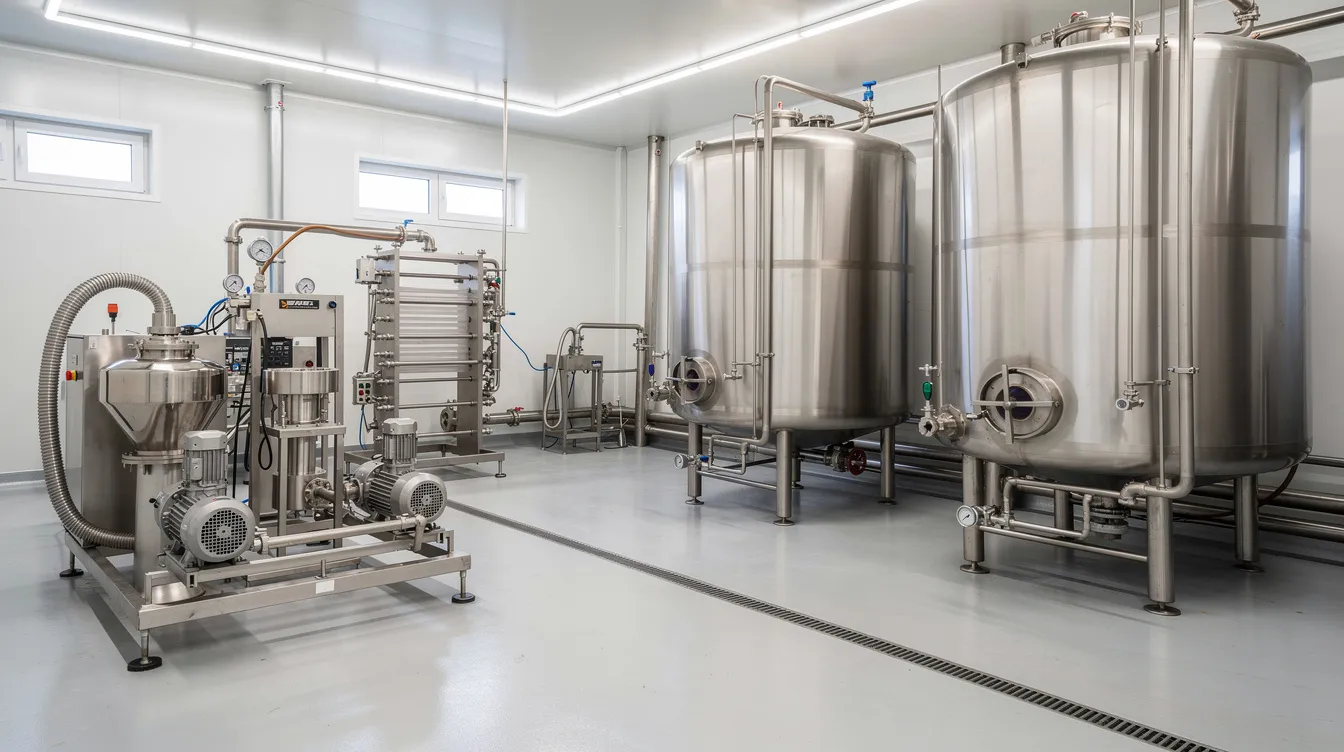
For butter manufacturing plant bank loan assessment, banks pay close attention to how projected sales volumes and selling prices are derived and whether they align with plant capacity and market potential.
India’s dairy market is worth ₹13 lakh crore, and the global ghee market was valued at USD 58.99 billion in 2025. The ghee market is expected to grow at a CAGR of 5.7% until 2034, with the global ghee market projected to reach ₹5 lakh crore by 2027. India produces over 3 million tonnes of ghee annually. With 55% of consumers preferring snacks made with natural ingredients and rising disposable incomes driving market growth, the demand outlook for traditional dairy products remains strong.
Main revenue streams to consider:
- Branded retail ghee-cow ghee, desi ghee, clarified butter variants
- Bulk and industrial ghee for sweet shops, bakers, and food processors
- Table butter and white butter for retail and institutional buyers
- By-products such as buttermilk or skimmed milk, where the plant is integrated
Selling prices should be benchmarked against local wholesale rates, competitor products, existing sales of the promoter, and institutional contracts. Where export demand exists, packaging compliance and international standards add cost but improve realization. Banks assess whether sales growth, distribution expansion, and product mix are consistent with the marketing strategy outlined in the DPR. Detailed revenue planning is covered in the guide on ghee and butter plant revenue, product mix, and market strategy.
Operating Cost Assessment
Operating costs determine whether the ghee butter plant debt service capacity will be adequate. Raw materials account for 85–90% of operating expenses in most ghee manufacturing units. Operating costs include labor, maintenance, and utilities beyond the dominant raw material component.
Major cost heads include:
- Milk, cream, butter, or white butter procurement cost (key raw materials)
- Packaging materials: pouches, cartons, jars, tins, labels
- Fuel and power: boiler fuel (rice husk, briquettes, LDO), electricity, refrigeration
- Direct and indirect labour: operators, helpers, supervisors, quality staff, sales team
- Repairs and maintenance for dairy machinery and cold storage equipment
- Transportation and distribution expenses
- Selling and marketing costs: trade schemes, commissions, promotional expenses
- Quality control, laboratory consumables, and compliance costs (FSSAI audits)
- Insurance, office overheads, and miscellaneous factory expenses
Each cost item should be linked to logical drivers-fuel consumption per kg of ghee produced, labour cost per shift, transport cost per tonne delivered-rather than arbitrary percentages of sales. Annual cost escalation assumptions for raw materials and utilities should be explicitly stated in the DPR.
Financial Projections Required for Term Loan Assessment
A banker assessing ghee butter plant bank finance will normally expect 5–7 year projections. Financial projections cover 5 years of revenue and expenses at minimum. Key statements include:
- Projected Profit and Loss Account
- Projected Balance Sheet
- Cash Flow Statement
- Fund Flow Statement (if required)
- Detailed depreciation schedule for each asset category
- Loan amortization and interest schedule
- Working capital assessment and projected drawing power
Projections must be internally consistent:
- Production and capacity utilization must reconcile with sales volume
- Raw material consumption should match expected fat recovery and yield from the manufacturing process
- Interest expense must tie to opening and closing term loan balances
- Equity, term loan, and subsidy flows should be consistent across balance sheet, cash flow, and means of finance
Properly prepared ghee, butter, and milk fat plant financial projections for DPR demonstrate the financial logic to lenders and reduce the number of clarification queries during appraisal. CMA Data, prepared for the overall business including the proposed ghee manufacturing unit, supports bank appraisal by presenting past performance alongside projections in a standardized format.
DSCR and Loan Repayment Capacity
DSCR (Debt Service Coverage Ratio) measures the ability of a ghee butter plant to generate enough cash to pay term loan principal and interest in each year.
Conceptual formula: DSCR = Cash Available for Debt Service ÷ Total Debt Service (principal + interest)
Cash available for debt service in a ghee manufacturing plant context typically includes: net profit after tax + depreciation + other non-cash expenses − drawings or dividends (if considered) ± working capital changes where relevant.
Lenders check:
- Year-wise DSCR, especially in the initial 3–4 years when capacity utilization is still ramping up
- Average DSCR over the full tenure of the term loan
- Minimum DSCR in the projected period under base-case assumptions
Banks typically require a Debt Service Coverage Ratio of 1.25 to 1.50 for loans, though the DAHD dairy scheme guidelines reference a minimum of 1.25×. No single DSCR number is universally applicable-each bank and scheme may have its own comfort range.
Illustrative example (for understanding only): If annual cash available for debt service is ₹2 crore and total term loan principal plus interest due in that year is ₹1.2 crore, the DSCR works out to approximately 1.67×.
A dedicated analysis of DSCR and loan repayment capacity for ghee and butter manufacturing project helps structure an appropriate repayment schedule. Lenders evaluate project assumptions under various stress scenarios, and the sensitivity of DSCR to changes in raw material cost, selling price, and capacity utilization should always be included in the bankable DPR. DSCR must be greater than 1.5 for loan approval in many practical banking situations.
Determining Suitable Repayment Period
Repayment tenure for a term loan for dairy processing plant must balance faster loan clearance with comfortable annual debt service obligations.
Factors influencing repayment period include:
- Economic life of key assets-machinery, building, utilities
- Time required for the ghee manufacturing business to reach stable capacity utilization and healthy growth in sales
- Level of annual cash accrual projected in early years versus later years
- Overall leverage and debt-equity ratio
- Risk appetite and policies of the lending bank
Illustrative comparison: A 7-year repayment term with a 1–2 year moratorium results in lower annual instalments but higher total interest cost compared to a 5-year term without moratorium. The DPR should present the schedule that balances liquidity comfort with total borrowing cost.
Too short a tenure can strain liquidity even when the project is profitable on paper. An unduly long tenure increases interest cost and may not align with scheme or policy limits.
Moratorium Period
The principal moratorium is the initial period during which only interest is serviced and principal instalments are not yet payable. This period is typically aligned with project implementation and stabilization. Interest may be payable during this period or capitalised, depending on sanction terms.
Three phases are relevant:
- Implementation period: Time for land acquisition, building construction, machinery procurement, installation, commissioning, and statutory approvals.
- Trial run period: Initial test runs of the ghee and butter manufacturing process, product quality checks, and packaging trials.
- Market stabilization period: Time to build distribution channels, achieve brand acceptance, and reach breakeven volumes.
The moratorium sought in the loan appraisal should realistically reflect these stages. An artificially short moratorium can cause repayment stress even before full commercial ghee production begins. For example, if implementation takes 12 months and trial production takes 3 months, the bank may consider a 15-month moratorium on principal, with repayment starting from month 16 over the balance tenure.
Working Capital Is Separate from Term Loan
The term loan finances fixed assets of the ghee manufacturing plant. Working capital finance covers day-to-day operating needs. Both are appraised separately but must be consistent in the DPR.
Main working capital components for a ghee making unit include:
- Raw material stock: milk, cream, butter, packaging material, and fuel
- Work-in-process and finished goods inventory: ghee in bulk tanks, packed ghee, butter in cold storage. Ghee production requires significant working capital tied up in inventory.
- Trade receivables from distributors, wholesalers, and institutional buyers
- Minimum cash and bank balances
- Less: trade creditors, suppliers’ credit, and other short-term liabilities
Working capital limits may include cash credit, overdraft, packing credit (for exports), and non-fund facilities like bank guarantees or LC limits.
Inadequate working capital can prevent the ghee manufacturing unit from achieving projected capacity utilization, even if the term loan has fully funded all machinery and building. A detailed assessment of working capital requirement for ghee and butter manufacturing plant should be included in every bank finance proposal.
Break-Even Analysis
Break-even is the level of sales or capacity utilization at which total revenue equals total cost and the project neither makes profit nor incurs loss.
Key concepts:
- Fixed costs: Salaries of core staff, depreciation, interest, minimum utilities, insurance, and overheads that do not change immediately with production volume.
- Variable costs: Milk fat procurement, packaging, fuel, power, and other costs linked directly to production quantity.
- Contribution: Sales minus variable costs, which contributes toward covering fixed costs and generating profit.
Illustrative calculation: If fixed costs are ₹1.2 crore per year, variable cost per kg of ghee is ₹200, and average selling price is ₹300 per kg, the contribution margin is ₹100 per kg. Break-even sales would be 1,20,000 kg annually. Ghee production can break even in 2 to 4 years for many projects, depending on scale and market acceptance.
Lenders use break-even analysis to judge how quickly the plant can cover its fixed costs and at what capacity level DSCR becomes comfortable. Professional break-even workings for a bank-focused DPR are discussed in the resource on ghee and butter manufacturing plant profitability and break-even analysis.
Profitability Assessment
Beyond top-line sales, banks assess margins and profitability to ensure sustainable cash accrual for loan servicing.
Key profitability metrics:
- Gross profit and gross margin percentage: Gross profit margins for ghee range from 20–30% depending on scale, procurement efficiency, and product positioning. A small ghee unit can earn ₹50,000 to ₹1,00,000 per month.
- EBITDA (Earnings Before Interest, Tax, Depreciation, and Amortisation) and EBITDA margin
- Profit After Tax (PAT) and net profit margin
- Cash accrual: PAT plus depreciation and other non-cash charges
Accounting profit and cash available to repay term loans are not identical. Non-cash expenses like depreciation do not generate cash, and working capital changes (such as rising receivables) consume cash. Changes in selling price or raw material cost can compress EBITDA margin and, in turn, reduce cash accrual and DSCR-making sensitivity analysis essential.
Debt-Equity Ratio and Capital Structure
Debt-equity ratio compares total long-term debt (term loans, long-term unsecured loans) to the promoter’s net worth or equity invested in the project.
Why banks examine leverage:
- Higher debt relative to equity increases fixed interest and principal obligations
- Excessive leverage makes the project vulnerable to market shocks or procurement cost spikes
- A balanced capital structure provides room for future borrowing if required
Acceptable debt-equity levels depend on project characteristics, promoter strength, scheme norms, and security coverage. There is no single universal ratio applicable to all ghee butter plant projects. For example, if total long-term debt is ₹6.5 crore and promoter equity is ₹3.5 crore, the debt-equity ratio is approximately 1.86:1-which may be reasonable for a mid-sized project with adequate security and comfortable DSCR.
Security and Collateral Considerations
For a typical ghee manufacturing plant bank finance proposal, banks create a primary charge on the assets financed and may also seek collateral.
Key components of security structure:
- Primary charge over plant and machinery, factory building, and other fixed assets financed by term loan
- Mortgage of land and building where owned by the borrower or guarantor
- Hypothecation of movable assets including machinery, vehicles, and inventories (for working capital)
- Collateral security such as additional property or other acceptable assets if required
- Personal or corporate guarantees from promoters or directors
Under certain government schemes or guarantee mechanisms, collateral-free term loans may be possible for eligible ghee making units, but this remains subject to scheme conditions and lender approval.
Security alone does not replace the need for a viable project. Banks still assess DSCR, project viability, and promoter contribution alongside collateral coverage.
Existing Business Versus Greenfield Project
The term loan appraisal approach for an established dairy or ghee manufacturer differs meaningfully from a new greenfield ghee manufacturing plant.
For existing units, banks typically review:
- Last 3–5 years audited financial statements
- GST turnover data and income tax returns
- Existing banking conduct, including working capital utilisation and repayment track record
- Current production capacity and utilization of existing ghee manufacturing process lines
- Past profitability and cash accrual trends, including current DSCR on existing loans
For greenfield projects, greater emphasis is placed on:
- Promoter’s background, qualifications, and relevant experience in dairy processing or the food industry
- Quality and depth of the ghee butter manufacturing project report for loan, including market research, technical details, and financial analysis
- Availability of own funds for equity contribution and project implementation capability
- Robustness of assumptions related to procurement, pricing, and capacity ramp-up
Even for expansion projects, banks may insist on a structured DPR demonstrating how the new ghee butter plant capacity integrates with existing operations and what incremental revenues and costs are expected.
Sensitivity Analysis Before Finalizing the Term Loan
Sensitivity analysis tests how robust the project is under adverse but plausible scenarios. It is a key part of dairy manufacturing plant term loan assessment.
Common sensitivity variables:
- 5–10% increase in milk, cream, or butter procurement cost
- 5–10% decrease in selling price of ghee or butter
- Lower capacity utilization than planned in initial years
- Higher interest rates or shorter repayment period
- Project cost overrun or delay in commissioning
Impact on:
- Profitability and EBITDA margins
- Cash accrual available for debt service
- Year-wise and average DSCR
- Break-even level and payback period
The DPR should present at least a base case, optimistic case, and conservative case, with a brief summary table for the banker’s review.
Documents Generally Required for Term Loan Proposal
While exact requirements vary by bank and scheme, a ghee butter plant term loan proposal usually requires a comprehensive documentation set. A project report includes 14 mandated sections for banks in many standard formats. A project report must detail raw material and machinery costs alongside market and financial projections.
Practical checklist:
- Detailed project report covering technical, financial, and market sections
- Promoter KYC documents (PAN, Aadhaar, photographs, address proofs)
- Constitution documents (Partnership Deed, MOA/AOA, LLP Agreement, Udyam registration)
- Land ownership or lease documents and related approvals
- Building plans or estimates from a qualified engineer or architect
- Machinery quotations and proforma invoices from suppliers
- Project implementation schedule and bar chart
- 5–7 year financial projections and CMA Data where required
- Past 3 years audited financials and bank statements for existing businesses
- Income tax returns and GST filings
- Net worth statements of promoters and directors
- Licences and approvals applicable to dairy and ghee plants (FSSAI registration or licence, pollution NOC, factory licence, etc.)
Borrowers should confirm the latest documentation checklist with their chosen bank or financial institution, as requirements evolve.
Importance of a Bankable DPR
A bankable DPR for a ghee and butter manufacturing plant should present a coherent story, linking technical design, market opportunity, and financial projections into a single integrated document.
Essential DPR sections include:
- Executive summary and proposed project concept
- Promoter profile and management team background
- Overview of the ghee market, industry trends, and target markets in the Indian market and beyond
- Description of the ghee manufacturing process and butter production line
- Plant capacity, product mix, and projected capacity utilization
- Raw material requirements and milk fat procurement plan
- Land, building, utilities, and factory layout
- Detailed project cost and means of finance structure
- Working capital requirement and assessment
- 5–7 year financial projections including DSCR and break even analysis
- Sensitivity analysis and risk mitigation plan
- Implementation schedule with key milestones
Simply inflating turnover or margins to achieve the required DSCR is not a sound approach. Assumptions must be realistic and evidence-based. Professional DPR preparation for bank loan and project finance for ghee and butter plant follows this integrated approach.
Common Mistakes in Ghee & Butter Plant Term Loan Proposals
Typical errors seen in ghee butter plant loan appraisal cases include:
- Assuming unrealistically high capacity utilization from the first year (for instance, projecting 85% utilization when the brand is new and distribution is not established)
- Underestimating raw material requirement and ignoring seasonal milk price volatility
- Ignoring detailed working capital requirement or mixing working capital with term loan in the means of finance
- Using a selling price that is too high (aspirational) or too low (which destroys margins) without market justification
- Miscalculating interest or presenting a loan repayment schedule that does not align with projected cash flows
- Overlooking implementation time, resulting in inadequate moratorium and IDC estimation
- Presenting inconsistent numbers across project cost, means of finance, balance sheet, and financial projections
- Ignoring maintenance, quality control, product quality testing, and distribution expenses in operating costs
- Relying solely on collateral comfort while neglecting DSCR and profitability
In practice, a proposal that projects ₹50 crore annual revenue from a plant that has never sold a single kg of ghee-without a credible distribution plan-will face pointed questions from the bank’s credit team. Consistency and realism are more persuasive than ambition.

Illustrative Term Loan Assessment Example
All numbers in this example are illustrative only and are not a benchmark or guarantee of loan sanction.
Consider a mid-sized ghee and butter plant:
| Parameter | Illustrative Figure |
|---|---|
| Installed capacity | 8 TPD ghee + 4 TPD table butter |
| Total project cost | ₹9.00 crore |
| – Land and building | ₹2.20 crore |
| – Plant and machinery | ₹3.50 crore |
| – Utilities | ₹1.20 crore |
| – Pre-operative and contingency | ₹1.10 crore |
| – Working capital margin | ₹1.00 crore |
| Promoter contribution | ₹3.00 crore |
| Proposed term loan | ₹5.50 crore |
| Expected subsidy | ₹0.50 crore |
| Working capital (cash credit) | ₹1.50 crore (separate facility) |
Key projection highlights (Year 3, illustrative):
- Capacity utilization: 65% for ghee, 60% for butter
- Projected annual sales: approximately ₹18 crore
- EBITDA: approximately ₹2.4 crore
- Cash accrual (PAT + depreciation): approximately ₹1.8 crore
- Annual debt service (principal + interest): approximately ₹1.1 crore
- DSCR: approximately 1.64×
If milk fat procurement cost increases by 10% in this scenario, EBITDA may drop by approximately ₹1.2 crore, reducing cash accrual to around ₹1.0 crore, and DSCR could fall to approximately 0.91×-below comfort level. This illustrates why prudent assumptions, sensitivity analysis, and adequate margin are critical.
Investment for a commercial ghee plant ranges from ₹50 lakh to ₹2 crore for smaller setups, while a small ghee unit can start with as little as ₹2–5 lakh investment at cottage scale. Ghee manufacturing plant setup costs include machinery and raw materials, and total capital investment must be structured carefully against the means of finance.
Professional Support for Ghee & Butter Manufacturing Project Finance
In my practice as a chartered accountant and project finance consultant, I have worked on bankable DPRs, CMA Data, and financial projections for dairy and ghee manufacturing units across different scales and geographies. The term loan assessment process benefits significantly from professional structuring, and I assist entrepreneurs with:
- Preparation and review of detailed project reports for ghee, butter, and milk fat processing plants
- Structuring of project cost and means of finance, including promoter contribution planning and a clear business plan
- Preparation of CMA Data and 5–7 year financial projections aligned with banking formats
- DSCR analysis, loan repayment scheduling, and break even analysis for the proposed project
- Working capital assessment integrated with term loan appraisal
- Sensitivity analysis and financial feasibility studies for ghee butter plant project finance in India
For professional assistance with your ghee and butter manufacturing project, you may reach out through www.projectreportbank.com.
CA Manish Gugliya
Frequently Asked Questions
How is the term loan amount calculated for a ghee manufacturing plant?
- Banks start from total eligible project cost, deduct promoter contribution and other long-term sources (like subsidy), and the balance becomes the indicative term loan requirement-subject to appraisal and bank policy.
- Not all items may be fully financed. Speculative pre-operative items or excess margin money may be excluded. Exact eligibility varies by lender and scheme.
- A properly prepared DPR and financial model help demonstrate and justify the proposed term loan amount transparently.
How much promoter contribution is typically required for a ghee and butter plant?
- There is no single fixed percentage applicable to all projects. Required promoter contribution depends on risk level, project size, security cover, existing business strength, and applicable government schemes.
- Banks generally expect meaningful skin in the game from promoters and often prefer higher equity for new greenfield projects compared to expansions.
- Promoters should plan for a realistic equity buffer to handle cost escalations or delays rather than targeting the bare minimum margin.
Is working capital included within the term loan for a ghee manufacturing business?
- Working capital is generally assessed and sanctioned separately from the term loan, typically as cash credit or overdraft, and is not clubbed into the main term loan.
- In some schemes, margin money for working capital may be included as part of project cost for appraisal, but the funding product remains distinct.
- Accurately estimating working capital-particularly stocks of ghee, butter, and receivables-is essential to avoid liquidity stress after commissioning.
What DSCR is required for a ghee manufacturing project?
- Most banks look for a minimum DSCR of 1.25× to 1.50× under base-case projections, though specific requirements depend on the lender, project risk, and applicable scheme norms.
- Year-wise DSCR is scrutinized, especially in initial repayment years when the ghee manufacturing unit is still building capacity.
- A comfortable average DSCR across the loan tenure, backed by sensitivity analysis, strengthens the proposal significantly.
Why is a DPR necessary for term loan assessment of a ghee and butter plant?
- A DPR provides the bank with a structured view of the proposed ghee manufacturing unit-technical details, market analysis, raw material requirements, project cost, means of finance, and financial projections-enabling professional appraisal.
- A well-prepared DPR answers most standard queries in advance, shortens appraisal time, and improves the credibility of assumptions related to DSCR and repayment capacity. Regulatory compliance with food safety norms and manufacturing licenses must be addressed.
- Bankers rely on the DPR, along with promoter discussions and site inspections, as the primary basis for deciding sanction terms and conditions.
Conclusion
Correct term loan assessment for a ghee butter plant requires an integrated view of project cost, means of finance, promoter contribution, capacity utilisation, raw material economics, operating costs, working capital, and DSCR-based repayment capacity. The loan amount cannot be safely determined by simply applying a flat percentage to machinery cost-it must follow a structured calculation backed by realistic financial projections and sensitivity analysis.
Entrepreneurs can significantly strengthen their bank loan for ghee butter manufacturing plant proposal by investing time in a bankable DPR, clear financial modelling, and transparent documentation. Whether the project involves a small ghee making unit or a large-scale dairy processing plant handling buffalo milk and cow milk, the fundamentals of appraisal remain the same: demonstrate that the project is a profitable business with adequate cash generation and manageable risk.
Professional assistance from specialists like CA Manish Gugliya, through www.projectreportbank.com, can help promoters develop robust project reports, DSCR analysis, and financial projections tailored to the specific ghee and butter manufacturing project. The rising demand for clarified butter fat, traditional dairy products, and the rich nutty taste of pure desi ghee-combined with population growth, health benefits awareness, and the nutritional benefits including fat soluble vitamins-support the growth aspects of this sector. With several animal species including cow and buffalo providing the base milk for ghee production, the Indian cooking and food processing industry offers substantial opportunity for well-structured, bankable ghee manufacturing projects. Whether you are a business consultant putting forward a proposal or a promoter exploring this manufacturing business, getting the term loan assessment right is where the journey begins.