Key Takeaways
- When your mudra loan application status shows “branch manager signature pending,” it usually means your file has crossed basic checks like KYC verification, credit appraisal, and officer recommendation. It is now at the final in-branch scrutiny stage – not a rejection signal.
- A mudra loan waiting for branch manager signature does not automatically mean rejection. In most banks, it indicates final verification, internal compliance review, or simple workload-related delay at the bank branch.
- In normal cases, the branch manager’s signature takes about 2–7 working days after the officer’s recommendation. During busy periods, festival seasons, or when clarifications are pending, this can stretch to 10–15 working days.
- The most frequent causes of branch manager signature delay include incomplete documents submitted, pending site visit reports, risk flags in CIBIL, internal audit observations, regional office queries, or the manager being on leave or transfer.
- There are professional, polite ways to follow up, escalate, and ethically speed up the mudra loan approval signature process. You do not need agents, pressure tactics, or unethical shortcuts to get your loan approval moving.
- Approval typically takes 7-10 working days according to guidelines for most Shishu and Kishore category loans once complete documentation is in place.
Introduction: Why Applicants Panic When the Signature Is Pending
Imagine this: Ramesh, a shopkeeper in a small town, applied for a Kishore loan of ₹2 lakh in June 2026. He submitted every document the bank asked for. Five days later, the loan officer told him, “Your file is with the branch manager for signature.” Ramesh waited. And waited. By day seven, he started worrying – is the bank manager refusing to sign? Is his loan rejected? Should he withdraw?
This is one of the most common anxieties among small business owners who apply for a mudra loan under Pradhan Mantri Mudra Yojana (PMMY). The mudra loan scheme was launched in 2015 to provide financial assistance to income generating micro enterprises. It covers four categories: Shishu loans cover amounts upto rs 50,000, Kishore loans range from Rs. 50,001 to Rs. 5 lakhs, Tarun loans range from Rs. 5 lakhs to Rs. 10 lakhs, and the newer Tarun Plus loans can go up to Rs. 20 lakhs for those who have successfully repaid previous loans.
When the status shows “branch manager signature pending mudra loan,” it usually means most verification is done and the file is at the final in-branch approval step. A pending branch manager’s signature indicates an internal approval step – not a hidden rejection.
The delay is often procedural: workload, holidays, internal checking, or a clarification from the regional office. It is rarely a secret negative decision.
In this article, I will explain exactly where the signature fits in the loan process, why delays happen, typical timelines, what you should do, what you must avoid, when to escalate, and practical advice based on my experience preparing hundreds of project reports and CMA data for MSME applicants across India.
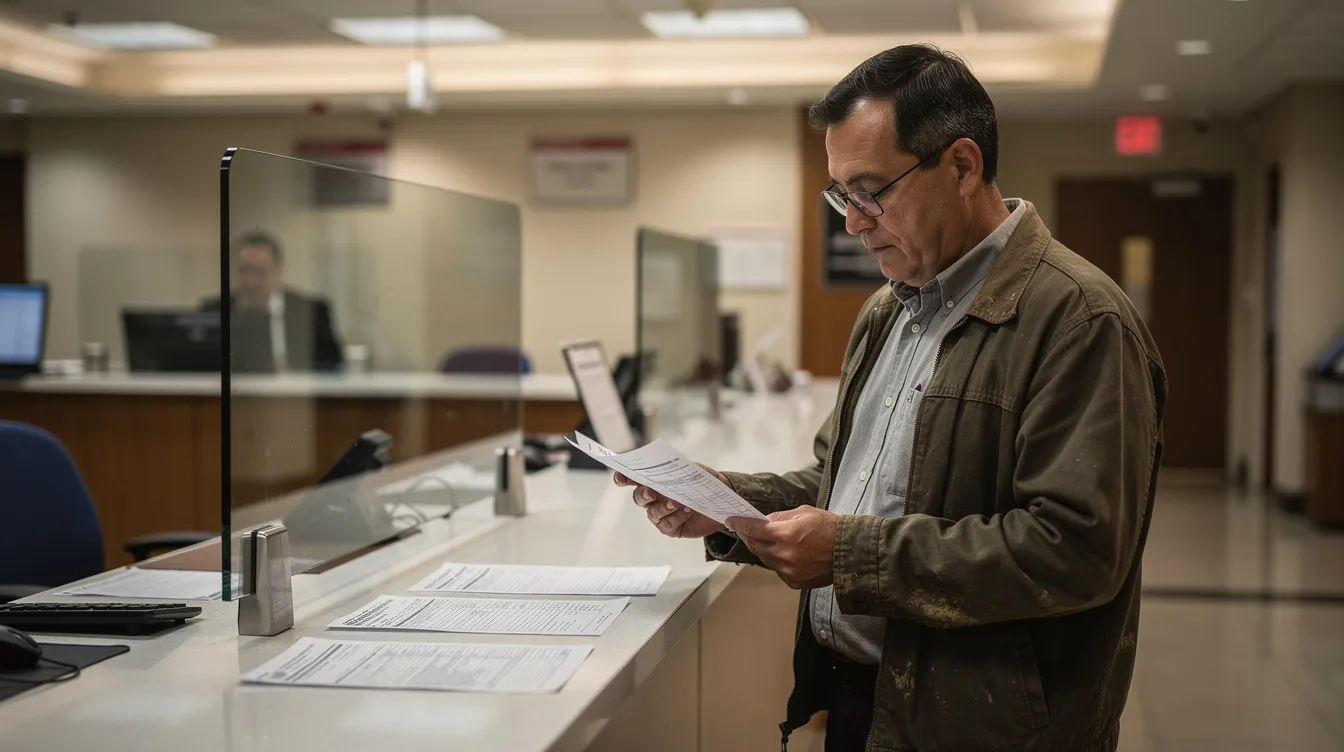
Quick Answer: What “Branch Manager Signature Pending” Really Means
If you are in a hurry, here is the core information:
- What the signature represents: The branch manager’s signature is the final in-branch authorization after the loan officer has finished credit appraisal and recommended your file for sanction.
- Common reasons it is pending: Last-minute document cross-check, CIBIL or credit bureau observations, minor KYC mismatch, site visit report not yet attached, manager on leave, or internal compliance queries.
- Average waiting time: Normal cases take 2–5 working days. Busy branches or festival periods may take 7–10 working days. New businesses or higher Tarun loans with risk flags may take up to 15 working days.
- Does it guarantee loan approval? In most public sector banks, the manager’s signature indicates near-final approval. However, in some banks, a sanction order or system entry is still needed after the signature. It is close, but not a guarantee.
- What should you do right now?
- Stay calm for the first 3–5 working days.
- Call or visit the bank once every few days.
- Confirm if any documents or clarifications are pending.
- Keep a written note of every discussion with bank staff.
Table of Contents
What Does the Branch Manager’s Signature Mean in a Mudra Loan?
The branch manager’s signature is not just a formality. It is the final in-branch approval step that confirms the bank is ready to move your mudra loan application towards sanction and disbursement.
Inside a typical Indian bank branch, the loan process works like this:
- The loan officer collects your mudra loan application form and documents required.
- Data is entered into the bank’s Core Banking Solution (CBS).
- The officer completes credit appraisal, checks your CIBIL report, and verifies repayment capacity.
- For Kishore and Tarun loans, a site or business verification visit may happen.
- The officer prepares a recommendation note.
- The file goes to the bank manager for final review and signature.
- Sanction order is entered in the system.
- Disbursement happens to your savings or current account.
By the time your file reaches the manager’s desk, key checks like KYC verification, basic eligibility criteria, preliminary credit appraisal, and field inspection are usually completed. The branch manager has administrative and financial sanctioning power for mudra loans and performs a final review of business viability and repayment capacity.
The difference is simple: the loan officer checks your numbers and documents. The bank manager takes overall responsibility for risk and compliance. Loan applications are not officially approved without the branch manager’s signature.
In some banks, especially for larger Tarun loans, the manager’s signature opens the path but a higher authority at the regional office may still need to give concurrence before sanction is final.
Where Does the Signature Stage Come in the Mudra Loan Process?
Many borrowers have no idea at which exact step their mudra loan is sitting. This creates confusion when they hear “pending at manager’s table.” The application process can be done online or offline, and a unique application number is generated upon submission.
Here is the complete journey in a simple table:
| Stage | Responsible Person | What You Usually See |
|---|---|---|
| Application & submission of loan application form | You / Bank clerk | “Application received” |
| Document verification & KYC | Loan officer / Clerk | “Under process” |
| Site verification / Pre-sanction visit | Field officer | “Verification pending” |
| Credit appraisal & CIBIL scoring | Loan officer | “Under appraisal” |
| Branch officer recommendation | Loan officer | “Recommended” |
| Branch manager signature | Bank manager | “Awaiting manager’s signature” |
| Sanction / Loan approval order | System entry by officer | “Sanctioned” |
| Disbursement to account | Accounts section | “Disbursed” |
The branch manager signature stage comes after most checks are complete but before money is credited to your account. It is close to final approval – but it is not the same as cash in your hand.
You can track your mudra loan application status on portals like JanSamarth or UdyamiMitra, though portal updates may lag behind actual internal progress by a few days.

Why Is the Branch Manager Not Signing My Mudra Loan File?
When the branch manager is not signing your loan file, there is almost always a specific operational reason – not personal bias. Let me break down the most common causes.
Pending Document or KYC Verification
Even one missing or unclear document can hold up the manager’s signature. Common issues include:
- Aadhaar mismatch with bank records, PAN not updated, or expired GST registration.
- Missing identity proof, address proof documents, business proof, or utility bills.
- Shishu loans require proof of identity and residence. Kishore loans need two years of balance sheets and income tax returns. Tarun loans require a project report detailing technical viability.
- All Mudra loan applications need a recent passport-sized photograph, and proof of business identity is required for all loan types.
- Incomplete documentation can result in loan application rejection.
Always ask the loan officer for a precise checklist of documents required for your category (Shishu, Kishore, or Tarun) and get written confirmation when all documents submitted are complete.
Credit Observations and CIBIL Issues
The bank’s system automatically pulls CIBIL and other credit bureau reports. If these show past delays, write-offs, or high unsecured exposure, the branch manager will pause to re-check before signing.
- Applicants must not be defaulters to any bank. This is a strict rule under the mudra scheme.
- The applicant should have a satisfactory credit track record.
- High default rates lead banks to tighten approval criteria across all lending institutions.
- Branch managers have discretion over creditworthiness assessments.
Even for collateral-free mudra loans, the bank must judge creditworthiness. I recommend that you obtain your own credit report, understand any negative remarks, and keep genuine explanations or settlement proofs ready.
Site Inspection or Business Verification Pending
For Kishore and Tarun loans, many public sector banks insist on a pre-sanction visit to the shop, workshop, or service sector unit. Mudra loans support micro enterprises in various sectors including small manufacturing units, food service units, and service sector units.
Example: A small manufacturing unit applying for a ₹7 lakh Tarun loan in March 2026 – the officer visited but has not yet submitted photos and remarks, causing 3–4 days of signature delay.
Cooperate fully during the visit: keep premises open, basic business records available, and relevant bills ready for inspection.
Clarification from Regional or Zonal Office
Some banks require the branch manager to send certain proposals to the regional office for concurrence – especially when the loan amount is near the maximum loan amount or falls in a sensitive sector.
- If the loan amount exceeds the manager’s limit, higher clearance is required.
- The regional office may query debt-equity ratio, projected sales in the business plan, or unusual cash flow assumptions.
If you applied for a Tarun Plus loan (covering loans upto rs 20 lakh), expect additional layers. Provide a realistic, simple project report or CMA data when requested.
Workload, Leave, or Branch Transfer
In busy months – March year-end, September half-year closing, festival seasons – branch managers handle audits, targets, and reporting. The application can be delayed if the branch manager is busy or traveling.
The manager may be on training, medical leave, or already relieved due to transfer. The acting manager needs time to study pending files before signing.
Politely ask staff about such situations and request a realistic timeline.
Internal Compliance, Risk Assessment, and Audit Queries
Internal audit or concurrent audit teams regularly review MSME and mudra loans at every bank branch. If they raise queries – missing income proof, unusual cash deposits, or inconsistent bank statements – the manager holds the file.
- Banks may reject applications without a current account for larger loans.
- Even small business loans undergo risk assessment and documentation review under RBI norms.
Respond quickly if the bank asks for extra proofs like GST returns, bank statements, or supplier bills.
Technical Discrepancies and System Issues
Sometimes the loan amount, category (Shishu/Kishore/Tarun), or interest rate entered in the CBS system does not match the paper file. Managers usually correct these before signing.
- A pending signature can cause communication delays if discrepancies arise.
- System upgrades, server downtime, or PMMY portal integration issues can slow the mudra loan final approval process by 1–2 days.
Stay patient when staff mention “system problem,” but still ask for a clear timeframe.

Does Waiting for the Branch Manager’s Signature Mean My Mudra Loan Is Approved?
Let me be straightforward: a mudra loan file awaiting signature is a positive sign, but it is not an iron-clad guarantee of approval.
Here are three practical scenarios:
- In many PSBs, once the manager signs, sanction is almost certain. Only documentation execution and disbursement remain. Once the signature is logged, the status changes to sanctioned and triggers documentation.
- In some banks, the manager’s signature is a recommendation to a higher authority – especially for Tarun or Tarun Plus loans near the maximum limit.
- If serious risk issues appear just before signing – like a new default surfacing in CIBIL or a mismatch in your business plan – the manager can return the file for corrections or even reject it.
| Status | What It Means for You |
|---|---|
| At Credit Officer | File still under appraisal |
| At Manager for Signature | Near-final; manager reviewing |
| Sanctioned in System | Approved; documentation next |
| Disbursed | Money in your account |
Eligible borrowers include individuals and partnership firms. Whether you are an individual borrower or running a partnership firm, avoid making big financial commitments – like paying large advances to suppliers – until you have a written sanction letter in hand.
For Tarun loans close to ₹10 lakh–₹20 lakh, politely ask the bank whether any further authority is involved after the branch manager.
How Long Does Branch Manager Signature Usually Take?
This is the most common question. The answer depends on branch size, season, loan amount, and file quality.
| Situation | Expected Time for Signature |
|---|---|
| Shishu loan, existing customer, complete documentation | 2–3 working days |
| Kishore loan, existing current account customer | 3–5 working days |
| Tarun loan, new business, business plan required | 7–10 working days |
| Festival or financial year-end period | Add 3–5 extra days |
| Regional office clarification needed | 10–15 working days |
| CIBIL or audit issues being resolved | 10–15+ working days |
According to PMMY guidelines, most banks try to process Shishu proposals within 7-10 working days once all documents are correct. The manager’s signature fits within this window.
Online status on portals may lag behind actual internal progress by a few days. Do not panic if the portal still shows “under process.”
It is reasonable to ask for an expected completion date after ten working days of delay. Wait at least 3–5 working days after hearing “file is with branch manager” before considering escalation.
Common Reasons for Signature Delay and How Serious They Are
Not all delays are equally serious. Here is a quick reference:
| Reason for Delay | Serious? | Suggested Action |
|---|---|---|
| Incomplete KYC or ID proof | Low-Medium | Submit missing documents immediately |
| Unclear business proof or rental agreement | Low | Provide clear copies with attestation |
| Pending site visit report | Medium | Cooperate with inspection team |
| CIBIL score below bank’s comfort level | High | Prepare explanations, settlement proofs |
| High existing unsecured loan exposure | High | Discuss with officer; may need to reduce loan required |
| Manager on leave or transferred | Low | Wait or ask who is acting manager |
| Internal audit query on bank statements | Medium | Provide additional records quickly |
| Mismatch between GST returns and turnover | Medium-High | Get CA help to reconcile figures |
| Holiday backlog | Low | Simply wait |
| Net worth or assets created concerns | Medium | Submit updated balance sheet |
Understanding the seriousness helps you decide whether to be patient or start preparing for escalation.
What Should You Do If the Branch Manager’s Signature Is Delayed?
Here is a step-by-step guide if your mudra loan is pending at branch manager level beyond the normal period:
- Verify your checklist. Confirm with the loan officer that every document on the documents required list has been received and recorded. Ask specifically about address proof documents, income tax returns, and business proof.
- Request a status update. Call or visit the bank branch once every 3–4 working days. Ask clearly: “Is any document, clarification, or report still pending?”
- Ask about additional proofs. Sometimes the bank needs extra documents like GST returns, a rental agreement, or updated bank statements. Provide these within 1–2 days.
- Keep copies of everything. Maintain photocopies of every document you submit and get acknowledgment in writing wherever possible.
- Note names and dates. Write down the name and designation of every bank staff member you speak with, along with the date and what was discussed.
- Send a polite written request. If more than 7–10 working days have passed, email or write a letter summarizing your application number, date of submission, type of loan (Shishu/Kishore/Tarun), and politely request a tentative date for decision.
- Use official channels. Check your status on JanSamarth or UdyamiMitra. Do not rely on agents or middlemen.
- Request a written reason for delay if the application remains pending beyond 15 working days with no clear explanation.
To expedite a pending application, visit the branch and ask for a status update – but do it politely, not aggressively.
Mistakes Applicants Make During Signature Delay
Many genuine borrowers unintentionally harm their own case during the waiting period. Here are the most common mistakes:
- Visiting the bank every single day and arguing with staff. This creates irritation, not urgency.
- Demanding immediate signature or threatening complaints without understanding the actual issue.
- Submitting the same documents repeatedly without clarity on what is actually missing.
- Assuming rejection and telling friends or family that the bank is corrupt or deliberately blocking their loan.
- Applying for another Mudra loan with a different bank while the first application is still pending. PMMY and CIBIL records will show multiple enquiries, which creates suspicion among individual borrowers.
- Posting angry but incomplete complaints on social media tagging RBI and the bank before even understanding the delay reason.
- Trusting agents who promise quick processing fee settlement or guaranteed approval through “connections.”
Each of these actions can create a negative impression, slow down cooperative efforts, or trigger flags in the bank’s system. Calm, documented, and polite follow-up always leads to better outcomes.

Can You Speed Up the Branch Manager’s Signature Process Ethically?
You cannot control internal bank workload. But you can remove every avoidable delay from your side:
- Submit a complete, well-organised document file from day one. Include complete documentation: ID proof, address proof, business proof, bank statements for the last 6–12 months, and income tax returns.
- For Kishore and Tarun loans, provide a simple one- or two-page business plan showing projected sales, expenses, and repayment period clearly.
- Ensure your GST and Udyam registrations are updated and consistent with bank records.
- Respond to every query from the bank within 24–48 hours. Slow responses increase signature delay.
- If invited, attend a short 10–15 minute meeting with the branch manager to explain your business model, cash flow, and repayment capacity honestly.
Do not use agents, offer bribes, or try to influence through local politicians. This can permanently block your relationship with the bank or even lead to legal consequences.
Maintain a healthy banking relationship: route your sales through the same current account, avoid cheque bounces, and keep your financial institution dealings clean. This track record helps with future business loans too.
When Should You Escalate the Matter and Whom to Contact?
Escalation is a serious step. Use it only after reasonable waiting and local resolution attempts have failed.
When is escalation appropriate? If your mudra loan is pending at the branch manager signature stage for more than 10–15 clear working days despite complete documents and no new queries raised, escalation becomes reasonable.
3-level escalation path:
- Branch Manager (in writing): Write a formal letter or email to the branch manager with your application number, date of submission, type of Mudra loan, summary of follow-ups, and a polite request for a decision within a specific timeframe. Address it as a request, not a threat.
- Regional or Zonal Office / PMMY Nodal Officer: If the branch does not respond, write to the bank’s regional office. Most banks have a designated nodal officer for PMMY loan complaints. Reference the bank’s citizen charter.
- Bank Grievance Cell or RBI Integrated Ombudsman: If rules are clearly not being followed – for example, if there is a refusal to process your application without valid reason – you can approach the bank’s central grievance redressal mechanism or the RBI Ombudsman. In the case of Umakant Ashok Giri vs SBI, it was ruled that banks must communicate sanction or rejection within 14 working days after accepting complete applications.
Escalate the issue to higher authorities if there is no progress after reasonable time. But avoid legal threats unless there is clear misconduct.
Expert Advice from CA Manish Gugliya on Handling Signature Delay
Based on my experience preparing project reports and CMA data for hundreds of MSME applicants since the pm mudra scheme started, here are my practical tips:
- Prepare a clear business plan with realistic sales and expense figures. Do not overestimate turnover just to get a higher loan amount. Banks verify your claims against bank statements and GST data.
- Keep your GST and income tax filings updated. If you apply for a mudra loan and your returns show inconsistent numbers, the branch manager’s recommendation will be delayed.
- Open and maintain a proper current account for your business. Route sales through banking channels. This is critical – especially for Kishore and Tarun applicants.
- For loans above ₹2–3 lakh, consider getting a simple CMA data or financial projections prepared by a CA. This helps the bank manager answer internal queries without holding your file.
- Be realistic about the amount. Sometimes accepting a slightly lower loan amount recommended by the bank leads to faster manager signature and safer repayment period.
- Educational qualifications depend on the proposed activity’s requirements – do not let anyone tell you that you need specific degrees to apply for a mudra loan. What matters is your repayment capacity and business viability.
- Remember: a “mudra loan signature pending” status is just one stage in a longer relationship with the lending institution. Smart borrowers use this period to strengthen financial discipline.
Use this waiting time wisely. When you apply for a mudra loan through the entire application process – from loan application form to disbursement – the bank is also evaluating you as a long-term customer for term loan and working capital facilities in the future.

Frequently Asked Questions on Branch Manager Signature Pending Mudra Loan
Why is my Mudra loan still waiting for the branch manager’s signature after a week?
One week can still be normal, especially during busy periods at public sector banks, commercial banks, or regional rural banks. Confirm with the loan officer whether any document, site visit report, or internal approval is pending. If nothing specific is flagged, the delay is likely workload-related, not a rejection signal.
Does the branch manager’s signature guarantee Mudra loan approval?
In many banks, the manager’s signature means the proposal is approved at the branch level. However, final sanction and disbursement also depend on system entries and, for larger Tarun loans, regional concurrence or higher authority approval. It is near-final, but not a written guarantee.
Can another officer sign if the branch manager is on leave or transferred?
Only an authorised officer with similar or higher powers – like an acting branch manager or officially designated second in command – can sign. Ordinary bank staff cannot sign on the manager’s behalf without formal delegation from the bank or financial institution.
Should I apply for another Mudra loan with a different bank while my file is pending signature?
I advise against parallel applications. PMMY and CIBIL records will show multiple enquiries from different lending institutions – whether small finance banks, micro finance institutions, or commercial banks – which creates suspicion. Resolve your current bank’s decision first or formally close the mudra loan application before approaching another lender.
What happens immediately after the branch manager signs my Mudra loan file?
Typically, the bank issues a sanction letter, finalises terms (loan amount, interest rate, repayment period), completes execution of the loan agreement and security documents (usually no third party guarantee for Shishu), and then disburses funds to your savings or current account. This usually happens within a few working days after branch manager approval.
Can the branch manager reject my Mudra loan even at the signature stage?
Yes, though it is uncommon at this late stage. If serious issues emerge – like discovering the applicant is a defaulter to another bank, or a major mismatch in income generating activities claimed versus actual business activity – the manager can return the file or reject it.
Does the processing fee get refunded if my loan is rejected at signature stage?
Most banks charge a minimal processing fee only after sanction. If your file is returned before sanction, there is usually no fee to refund. However, policies vary across business enterprises served by different banks – ask your specific bank.
How does the signature process differ for a Shishu loan versus a Tarun loan?
For a shishu loan (upto rs 50,000), many banks use Straight Through Processing (STP) or e-Mudra for existing customers, which reduces or eliminates the manual signature step. For Tarun loans covering loans upto rs 10 lakh, the branch manager personally reviews the project report, cash flow projections, and net worth before signing.
Can holidays or weekends delay the branch manager’s signature?
Absolutely. Bank holidays, weekends, festival seasons, and financial year-end closings all affect the timeline. A mudra loan file awaiting signature on a Friday may not be reviewed until Tuesday or Wednesday the following week.
What if the manager asks for documents I already submitted?
This happens more often than you would expect. Politely point out the date and acknowledgment of your earlier submission. If the documents were physically misplaced, resubmit promptly with a fresh acknowledgment slip. Keeping copies of all documents submitted protects you.
Are there specific timelines banks must follow for Mudra loan processing?
Yes. Bank guidelines and the MSME Know Your Lender handbook mandate timely disposal. For Shishu loans, the target is often 7-10 working days. For micro and small enterprises applying for Kishore or Tarun loans, the overall timeline is generally within 2–3 weeks, though it may take longer for complex cases requiring verification of assets created or employment creation potential.
Can I check my loan status online during the signature pending stage?
Yes. Use portals like JanSamarth or UdyamiMitra to check your mudra loan application status. Note that online status may not update in real-time – there can be a 2–3 day lag between the manager signing and the portal reflecting it.
Conclusion
The status “branch manager signature pending mudra loan” is a normal and often positive stage in the entire application process. It means your file has crossed initial checks – document verification, credit appraisal, officer recommendation – and is under final scrutiny at the bank branch.
Delays happen for real reasons: documentation gaps, pending site verification, workload pressure, regional office clarifications, or audit queries. These do not automatically mean rejection. In fact, most files that reach the manager’s desk eventually get sanctioned.
Your best approach is to respond quickly to any bank requests, follow up politely but firmly every few days, and use formal escalation channels only after reasonable waiting and proper documentation of your follow-up efforts.
Understanding the full mudra loan final approval process – from the loan application form to the branch manager’s signature to disbursement – puts you in a stronger position. It removes fear and helps you focus on what you can control: complete documentation, honest communication, and patience.
Use this waiting period to strengthen your financial discipline. Maintain clean bank statements, keep your GST and income tax returns current, and build a solid relationship with your bank. This approach improves not just this loan outcome but every future business loan opportunity you pursue – whether it is working capital, a term loan, or a larger facility for your growing business activity and income generation goals.
- Mudra Loan Branch Manager Issues: Complete Guide to Manager’s Role, Powers & Common Problems


- How Branch Workload Affects Mudra Loan Processing


- Can a Branch Manager Return a Mudra Loan File for Corrections? Complete Practical Guide
- Why Is My Mudra Loan Waiting for the Branch Manager’s Signature?

- Why Does the Branch Manager Ask for Clarification Before Loan Approval?

- Branch Manager Recommendation in Mudra Loan: Full Meaning, Next Steps & Practical Guidance

- Can a Branch Manager Reduce the Requested Mudra Loan Amount?

- Does Branch Manager Have Final Authority to Approve Mudra Loan?

- What Happens If the Branch Manager Is Transferred During Mudra Loan Processing?