If you have a running Mudra Loan and surplus funds in your business, the question is natural: can you simply pay off the remaining balance and close the loan early? The short answer is yes, in many cases a Mudra Loan can be repaid before the scheduled maturity. However, the exact process, applicable charges, and documentation requirements depend on your specific lender and the terms of your loan agreement.
This guide covers everything you need to know about Mudra Loan foreclosure, from understanding what it actually means, to calculating the payable amount, to collecting your NOC after closure. I have written this from over 20 years of hands-on experience advising MSME borrowers on business loans, project reports, and Mudra Loan consultancy.
Key Takeaways
- In many cases, a Mudra Loan can be foreclosed or pre-closed before the tenure ends. However, exact rules and charges depend on the specific lender, loan agreement, and the type of interest rate on your facility. There is no single rule that applies identically across every bank or NBFC.
- Mudra Loan foreclosure means paying the full outstanding amount (principal plus interest accrued till the closure date, plus any applicable charges) in one payment and getting the account closed with proper documents like a NOC and loan closure certificate.
- Before making any payment, borrowers must check their sanction letter, loan agreement, and obtain an official foreclosure statement from the bank. Relying on rough calculations, verbal figures, or third-party website estimates can lead to residual dues and complications.
- Foreclosure or prepayment charges are not uniform across lenders. Some banks explicitly charge nil for Mudra Loan pre closure, while others may apply fees depending on product type, interest rate structure, and internal policy. Always verify in writing.
- From a Chartered Accountant’s perspective, the borrower should compare interest saving, possible foreclosure charges, and impact on business cash flow before deciding to foreclose. Becoming debt-free at the cost of crippling your working capital is rarely a sound decision.
What Does Foreclosure of a Mudra Loan Mean?
Mudra Loan foreclosure (also called pre-closure) means repaying the entire outstanding loan amount in a single payment before the scheduled end of the loan tenure. Once this payment is made and accepted by the lender, no further EMIs are due and the Mudra Loan account is treated as fully closed.
This is fundamentally different from paying your regular monthly EMIs. When you foreclose, you are settling the remaining principal and all accrued interest in one shot, rather than spreading it over the remaining months or years of the original tenure.
Banks and borrowers often use terms like “Mudra Loan foreclosure,” “Mudra Loan pre closure,” “Mudra Loan prepayment,” and “Mudra Loan early repayment” interchangeably when referring to full early repayment. The core meaning is the same: you pay everything outstanding and close the account before its natural end date. Foreclosure means paying off the entire remaining loan balance ahead of schedule.
A practical example: Suppose you took a Shishu Mudra Loan of Rs 3 lakh in April 2024 with a repayment period of 5 years. By August 2026, you have been paying EMIs for about 28 months and the outstanding principal has reduced to approximately Rs 1,65,000 (depending on your interest rate and EMI structure). If you decide to foreclose, you would pay this outstanding principal plus interest accrued up to the foreclosure date, plus any applicable charges, in one payment. After that, no more EMIs, and the account closes.
The mudra scheme was launched on April 8, 2015, under the vision of the Hon’ble Prime Minister, and mudra loans provide financing upto rs 20 lakh to support small businesses across the country. These loans are available for micro enterprises in various sectors including manufacturing, trading, and services. The scheme categorizes loans into ‘Shishu’, ‘Kishor’, and ‘Tarun’ to signify different stages of growth for the beneficiary micro unit, with each phase covering a different loan amount range.
Since mudra loans are disbursed by a wide range of institutions (commercial banks, RRBs, small finance banks, NBFCs, MFIs, and co-operative banks), foreclosure rules and procedures can differ from one financial institution to another. The repayment period typically ranges from 1 to 5 years, and larger loans have a tenure close to 5 years. This means the potential interest saving from early closure also varies considerably.

Can You Foreclose a Mudra Loan Before the End of Tenure?
Yes, in many cases you can foreclose a Mudra Loan before the Mudra Loan repayment period ends. However, this is always subject to the lender’s policy, the terms mentioned in your sanction letter, and the conditions in your executed loan agreement.
The PMMY (Pradhan Mantri Mudra Yojana) framework provides the overall guidelines for mudra loans, but specific operational rules around foreclosure, prepayment, and part-prepayment are governed by each bank or NBFC’s own approved product policies. This is why two borrowers with identical loan amounts from different banks may face different foreclosure conditions.
The sanction letter is your most important reference point. It usually specifies whether foreclosure or part-prepayment is allowed, from which date it becomes permissible, and whether any Mudra Loan foreclosure charges or pre-closure fees apply. If you did not retain your sanction letter, request a copy from your lending branch before proceeding.
Additionally, the detailed loan agreement you signed at the time of sanction may contain specific clauses under headings like “Prepayment,” “Pre-closure,” “Foreclosure,” or “Prepayment Penalties.” These clauses matter, especially for fixed rate versus floating rate products.
Borrowers can choose a flexible repayment schedule under the mudra scheme, and this flexibility also extends to the ability to consider early repayment. However, since not all banks follow identical foreclosure rules, it is essential to verify whether all banks follow the same Mudra Loan rules before making assumptions about charges or process.
Table of Contents
Mudra Loan Foreclosure vs Prepayment vs Regular Closure
Borrowers often confuse part-prepayment, full foreclosure, and normal closure. These are three distinct outcomes, and mixing them up can lead to wrong expectations about EMIs, interest savings, and documentation.
Regular closure means you complete all scheduled EMIs over the full loan tenure. The loan automatically closes on the last EMI date with zero outstanding. No extra process or payment is needed beyond collecting your NOC and confirming account closure. This is the simplest path and requires no special action from the borrower.
Part-prepayment means paying an additional lump sum (for example, Rs 50,000 or Rs 1,00,000) over and above your regular EMI. The loan continues, but depending on the lender’s policy, either your EMI amount reduces or the remaining tenure shortens. Some lenders may have minimum part-prepayment amounts or frequency restrictions. The loan account remains active after part-prepayment.
Full prepayment or foreclosure means paying the entire outstanding amount (principal plus interest to date plus any applicable charges) before the loan’s maturity date, so that the account balance becomes zero and EMIs stop permanently.
When communicating with the branch, be precise. If you say “prepayment,” the bank officer may not be sure whether you mean part-prepayment or full closure. Clearly state that you want “full foreclosure” or “complete pre-closure” to avoid confusion.
Here is how the three situations compare in practice:
- In regular closure, you pay the maximum total interest over the full tenure but have predictable, manageable monthly outflows.
- In part-prepayment, you reduce either the remaining EMI or tenure, saving some future interest while keeping the loan active.
- In full foreclosure, you eliminate all future interest from the date of closure but need a large lump sum payment upfront.
Are Mudra Loan Foreclosure Charges Applicable?
Some lenders may not levy any Mudra Loan foreclosure charges, while others may have certain pre-closure or prepayment fees depending on their internal guidelines, the product type, and the terms accepted by the borrower. There is no single blanket rule that guarantees zero charges for every Mudra Loan.
RBI regulations prohibit prepayment charges for certain loan categories. Specifically, under the RBI Pre-payment Charges on Loans Directions, 2025, for floating-rate loans given to individuals and micro/small enterprises for business purposes, lenders cannot levy any prepayment or foreclosure charges on loans sanctioned or renewed after January 1, 2026. Under RBI guidelines, no pre-closure fees can be charged on mudra loans that fall within this floating-rate, MSE/individual borrower category.
However, the picture is different for fixed-rate mudra loans, or for loans sanctioned before January 1, 2026, where the sanction letter may include specific prepayment charge clauses. Some banks have voluntarily adopted nil prepayment charges for all Mudra Loan categories. For example, Bank of Maharashtra explicitly states that prepayment charges are nil for its Mudra Loan products. Similarly, Bank of Baroda’s Digital Mudra Loan (for amounts up to Rs 50,000) also lists prepayment charges as nil.
On the other hand, some lenders include clauses in the sanction letter prescribing charges such as 3% to 5% of the outstanding amount, sometimes varying based on how early you foreclose. GST may be applicable on any such charges, increasing the effective cost of closure.
For small ticket Shishu loans, many banks in practice do not charge foreclosure fees. But borrowers must confirm this rather than assume it. Never rely only on hearsay or third-party websites for foreclosure cost; always verify in writing with the lending institution before arranging funds.
How to Check Mudra Loan Foreclosure Charges and Exact Payable Amount
Before making any large payment toward early closure, the borrower should obtain the official Mudra Loan foreclosure statement and understand each component of the amount shown. Here is how to go about it:
- Check the sanction letter first. Look at the “Charges” or “Other Conditions” section. This is where any Mudra Loan pre closure charges, processing fees, or prepayment penalties are typically mentioned. If there is no mention of prepayment charges, that is a good sign, but still confirm with the branch.
- Read the loan agreement. Specifically look for clauses titled “Prepayment,” “Foreclosure,” “Pre-closure Charges,” or “Part-prepayment.” These clauses provide full clarity on applicable rules, including whether charges differ for fixed rate versus floating rate products.
- Request a foreclosure statement. Contact the lending branch or customer care and specifically ask for a “Mudra Loan foreclosure statement” or “full pre-closure statement” mentioning your proposed closure date. Some banks generate this on request within 1-2 working days.
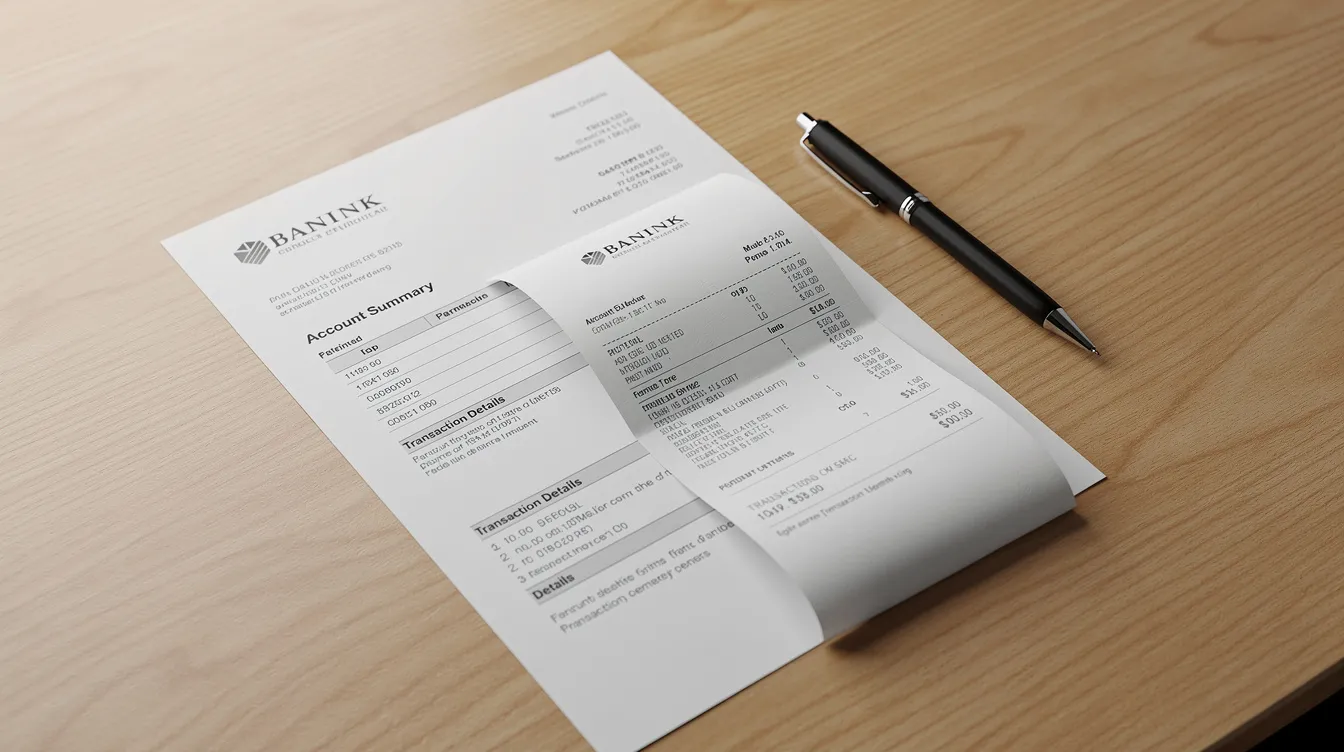
- Understand the statement contents. The foreclosure statement normally shows: outstanding principal as on date, interest calculated up to a particular future date, any Mudra Loan prepayment charges, other applicable fees, GST on charges if any, and the total payable amount with a validity date.
- Confirm the validity period. Get this statement in writing (email, letter, or online download) and confirm the last date up to which the quoted foreclosure amount remains valid. Paying after this date will require a fresh interest calculation, and the amount may change.
Step-by-Step Mudra Loan Foreclosure Process
The Mudra Loan foreclosure process is generally straightforward if you follow a clear sequence and keep written proof at each step.
Step 1 – Contact the lending branch. Visit or call the branch handling your Mudra Loan. Inform them clearly that you want full early repayment or foreclosure. Mention your loan account number and the tentative date by which you plan to make the payment.
Step 2 – Submit a foreclosure request. Some banks require a simple written letter on plain paper or business letterhead. Others may have a standard foreclosure request form. Clearly write “Mudra Loan foreclosure” or “Mudra Loan pre closure” in the subject. Include your loan account number, applicant name, and proposed closure date.
Step 3 – Obtain the foreclosure statement. The bank generates a Mudra Loan foreclosure statement mentioning the outstanding principal, interest up to a given date, any prepayment charges and taxes, and the total outstanding amount payment required to close the account.
Step 4 – Review the statement carefully. Cross-check the principal outstanding with your own records (passbook, account statement, or loan schedule). Verify the interest period matches your proposed payment date. Identify any Mudra Loan prepayment charges and ensure the calculation date is correct.
Step 5 – Arrange funds and make payment. Pay through an accepted mode: account transfer, RTGS/NEFT, cheque, or demand draft as per lender policy. The full amount shown in the statement must be paid within its validity period to avoid residual interest accumulation.
Step 6 – Obtain payment acknowledgement. Collect a stamped receipt or transaction proof showing that payment was received against your specific Mudra Loan account number. This is needed documentation for your records.
Step 7 – Confirm zero outstanding and account closure. Get written confirmation or a Mudra Loan loan closure certificate showing that the account balance is nil and the facility is closed. Do not leave the branch without this confirmation.
Step 8 – Collect NOC and release of security. After closure, the bank should issue a Mudra Loan NOC after closure (No Objection Certificate) and release any hypothecation or charge on movable assets. Mudra loans do not require collateral from borrowers in most cases, but if any assets were hypothecated, the charge must be formally released.
Step 9 – Check EMI mandate and credit bureau reporting. Review your bank statements for 1-2 months to ensure no further EMI is debited via NACH or standing instruction. After 30-60 days, check your CIBIL or credit report to confirm that the loan status has been updated to “Closed.”
Documents You May Need for Mudra Loan Foreclosure
Each lender may have its own documentation checklist, but certain basic documents are commonly required for Mudra Loan foreclosure.
- Identity documents: Aadhaar, PAN, or any other officially valid KYC document of the proprietor, partner, or director, as applicable to the enterprise.
- Loan-related details: Mudra Loan account number, a copy of the sanction letter, loan agreement reference, and any security documents originally executed (such as a hypothecation deed or guarantee documents).
- Foreclosure request letter: A written application on plain paper or business letterhead, clearly stating the intention to close the loan, loan details, and proposed closure date. Some banks provide their own standard form for this purpose.
- Payment source details: For payments from a different bank account, some lenders may require proof of source or confirmation of remitter details, especially for larger Kishor or Tarun category loans.
- Security-related documents: For facilities backed by hypothecation, carry your RC book, charge registration papers, or property documents for marking release of charge, where relevant.
How Is the Mudra Loan Foreclosure Amount Calculated?
The foreclosure amount is a combination of outstanding principal, accrued interest till the chosen closure date, any permissible charges, and applicable taxes, adjusted for any advance payments or unapplied credits.
The basic formula in text form:
Outstanding principal + Interest accrued up to foreclosure date + Foreclosure/prepayment charges (if applicable) + GST on charges − any unapplied credits (if any) = Mudra Loan foreclosure amount
In every EMI you pay, a portion goes toward interest and the rest reduces the principal. As time passes, the principal component of each EMI increases while the interest component decreases. This means closing the loan earlier generally results in less total interest paid over the life of the loan.
Illustration: Suppose you took a Mudra Loan of Rs 5 lakh at a fixed interest rate for 5 years. After 2 years of regular EMI payments, you decide to foreclose. The lender calculates the outstanding principal as of the closure date (say Rs 3,25,000), adds interest accrued from your last EMI date to the proposed closure date (say Rs 2,700), adds any applicable prepayment charge (say 2% of outstanding, which would be Rs 6,500 plus GST), and arrives at the total foreclosure amount. The exact figures depend on your interest rates and EMI schedule.
Different banks may follow slightly different internal interest calculation methods (daily reducing balance, monthly reducing, etc.), so borrowers should rely on the official Mudra Loan foreclosure statement rather than their own approximate calculations. Always check the exact period for which interest has been calculated, and avoid making partial or rounded-off payments unless specifically advised in writing by the bank.
Can You Foreclose a Mudra Loan Immediately After Taking It?
Some lenders may allow immediate foreclosure or prepayment, while others may prescribe a minimum lock-in period or date after which Mudra Loan pre closure is permitted. This is typically mentioned in the sanction terms or loan agreement under prepayment conditions.
A “lock-in” or “minimum period before prepayment” means the lender has set a stage during which the loan cannot be fully pre-closed or where higher charges apply if you do. This is more common with fixed-rate products and certain NBFC or small finance bank products.
A suitable moratorium period may be available before repayments start on some mudra loans, and during this period, foreclosure terms may also differ. For very short-tenure facilities, immediate foreclosure does not significantly change the interest burden, so banks may or may not allow it depending on product design.
Even where foreclosure is allowed from day one, charges might be different for the early months versus later months, depending on the lender’s internal policy. If you are an entrepreneur or applicant planning to close the loan very early, discuss this with the lender at the time of sanction itself so that you are aware of any conditions that may apply in the first 6-12 months.
Does Foreclosing a Mudra Loan Save Interest?
Early full repayment generally reduces the total future interest payable because interest is not charged for the remaining tenure. However, the actual saving must be weighed against any foreclosure or prepayment charges and the impact on business cash flow.
Paying off a Mudra Loan early eliminates future interest accumulation. In most EMI-based term loans, interest each month is calculated on the outstanding principal. By clearing the principal earlier, you stop further interest from accruing. Voluntary pre-closure decreases future financial liabilities on the loan.
Example: Consider a Mudra Loan of Rs 7 lakh for 5 years at a given interest rate. If the borrower plans to foreclose after 3 years, the interest for the remaining 2 years (approximately 24 months) would be avoided entirely. However, if the lender charges, say, 2% foreclosure fee on the outstanding amount, that cost must be deducted from the gross interest saving to determine the net benefit.
Where foreclosure charges are high, or when only a short tenure is left (say the last 6-9 months), the incremental interest saving may be small and may not justify deploying large business funds for early closure.
I recommend that borrowers ask the bank for an amortisation schedule or interest break-up so that they can compare “interest remaining if loan continues” versus “foreclosure charges and immediate cash outflow” more accurately.
Should You Foreclose Your Mudra Loan? (Practical Perspective)
The decision to foreclose should be taken after evaluating both numbers and business realities, not only the emotional goal of becoming debt-free.
As CA Manish Gugliya, I have seen many MSME owners rush to foreclose their mudra loans the moment they receive a lump sum from a large customer payment or seasonal sales. While the instinct to be debt-free is understandable, it is not always the smartest financial move.
Foreclosure may make sense when:
- You have genuine surplus idle funds in the business that are not earning meaningful returns
- The effective interest rate on your Mudra Loan is significantly higher than safe investment returns
- A long remaining tenure means substantial interest saving
- The lender charges nil or very low foreclosure fees
- Your business has stable, predictable cash flow with adequate reserves
Continuing EMIs may be wiser when:
- Your cash flow is tight or uncertain, especially in the next phase of business growth
- You need working capital for inventory, receivables, or upcoming seasonal demand
- There is a better alternative use of funds, such as buying machinery or raw material that directly increases profit in the enterprise
- Forcing premature closure can impair a business’s cash flow and leave you unable to cover wages, rent, or statutory dues
Before using all available cash for foreclosure, calculate the interest saving versus foreclosure cost versus working-capital requirement, and ensure that at least 3-6 months of essential business expenses remain available.
Choosing not to foreclose does not signify poor financial discipline. Sometimes, from a financial planning perspective, maintaining adequate liquidity is more valuable than a slightly lower interest outgo.
For borrowers facing difficulty in repayment rather than having surplus funds, the opposite approach applies. Instead of foreclosure, they may need to explore options like Mudra Loan repayment period extension or restructuring. Borrowers can restructure loans instead of allowing them to slip into foreclosure or default. Loan foreclosure can lead to classification as a Non-Performing Asset if defaults occur, so staying in communication with the lender is always better than going silent.

What Happens After Mudra Loan Foreclosure?
Once full payment is made and accepted, several important post-closure formalities must be completed so that the Mudra Loan is fully and cleanly closed in all records.
Account closure confirmation: The loan account status in the bank’s core system should reflect zero outstanding and be marked as “Closed” or “Adjusted.” Obtain a written Mudra Loan loan closure certificate showing that the account balance is nil and the facility is closed.
Stopping future EMIs: Auto-debit mandates, NACH, ECS, or standing instructions linked to the Mudra Loan must be cancelled or deactivated by the bank. Verify in your own bank statements that no further EMI is debited in the following 1-2 months.
Release of security and hypothecation: If business assets, vehicles, or any movable property were hypothecated, the bank must issue a release letter. This is needed so that the charge can be cancelled with the RTO or relevant registrar. Even though mudra loans do not require collateral from borrowers in most cases, some facilities (especially OD or higher-value Tarun loans) may involve hypothecation of assets covered under the loan.
Return of documents: Post-dated cheques, security documents, or guarantees should be returned to the borrower or endorsed as cancelled. Check that no undated security cheques remain with the bank.
Credit bureau reporting: After closure, the lender updates credit bureaus like CIBIL and Experian with the account status as “Closed.” Borrowers should check their credit report after 30-60 days to confirm correct and updated reporting.
Mudra Loan NOC / No Dues Certificate
The Mudra Loan NOC (No Objection Certificate) or No Dues Certificate is an official letter from the lender confirming that the Mudra Loan has been fully repaid and there are no dues outstanding. Borrowers need to obtain a No Objection Certificate after loan foreclosure.
This document typically contains: borrower name, business name (if any), Mudra Loan account number, date of closure, confirmation of zero dues, and confirmation of release of security or hypothecation if applicable.
The NOC is essential because it serves as proof in case of any future dispute, is needed for updating your RC book or property records, and helps in rectifying any erroneous recovery or CIBIL reporting later. Without it, you have no documentary proof that your obligation has been fully discharged.
Store the original NOC safely with other key financial documents and keep scanned copies as backup. This is especially important for loans closed many years earlier, as banks may merge branches or change systems over time.
If the NOC is not received within a reasonable time (typically 15-30 days) after foreclosure, follow up in writing with the branch, referring to your payment date and closure confirmation.
What If the Bank Continues Deducting EMI After Foreclosure?
Due to operational delays or system lag, there are instances where one additional EMI may still be debited even after foreclosure, especially if closure and NACH cancellation are not synchronized on the same day.
If this happens, take these steps immediately:
- Contact the branch with proof of full payment, foreclosure statement, loan closure certificate, and your bank statement showing the extra EMI debit
- Submit a written request for refund or adjustment
- In most cases, if the loan is already closed, the extra EMI amount becomes a credit in the closed account and is refunded to your bank account after internal verification
- Confirm that the EMI mandate or standing instruction has actually been cancelled in the system and ask for written confirmation or email from the bank
If the issue is not resolved within a reasonable time, escalate to the branch manager, nodal officer, or the bank’s grievance redressal channel, attaching all supporting documents.
Does Mudra Loan Foreclosure Affect CIBIL Score?
Foreclosure itself does not guarantee a specific increase in CIBIL score. However, a properly closed Mudra Loan with timely repayments can contribute positively to your overall credit profile. Credit scores are positively impacted when loans are closed after timely payments.
CIBIL and other bureaus primarily evaluate repayment history, overdue status, and current outstanding amounts. A “Closed” status with zero overdue is generally viewed more favourably than an active loan with irregular payments.
That said, some lenders and scoring models prefer to see a healthy mix of credit maintained over time. Foreclosing all loans too early is not automatically “best” for your score. Regular on-time EMI payments also build credit history, which contributes to a strong credit profile.
After Mudra Loan foreclosure, check your credit report in 30-60 days. Verify that the account is shown as “Closed” with the correct closure date and zero outstanding. If there is any error (such as the loan showing as “Settled” instead of “Closed”), raise a dispute with the bureau or bank immediately.
Avoid taking fresh high-cost short-term funding only to foreclose an existing Mudra Loan. Such behaviour may not improve creditworthiness and can even increase financial strain.
Common Mistakes While Foreclosing a Mudra Loan
In practice, many MSME borrowers make avoidable mistakes when closing mudra loans, which can lead to residual dues, unexpected EMIs, or documentation problems months or years later.
Mistake 1: Paying an approximate amount instead of the exact official figure. Some borrowers calculate a rough number and transfer funds without requesting the official Mudra Loan foreclosure statement. This often leaves small residual interest or charges unpaid, and the account does not fully close.
Mistake 2: Ignoring the validity date on the foreclosure statement. The foreclosure amount is valid only until a specified date. Paying after that date without taking a fresh statement causes a mismatch in interest calculation, and the account may show a small balance outstanding.
Mistake 3: Not obtaining written closure proof. Paying a round figure and getting a verbal “done” from the branch is not sufficient. Without a written loan closure certificate or NOC, you have no proof of closure if a dispute arises later.
Mistake 4: Forgetting to cancel the EMI mandate. If NACH, ECS, or standing instructions for EMI auto-debit are not cancelled, further EMIs may be deducted from your account even after foreclosure. This creates unnecessary hassle and delays in getting refunds.
Mistake 5: Not checking credit reports after closure. Some borrowers discover years later that their Mudra Loan is still shown as “Active” or “Settled” instead of “Closed” in the credit report. This can negatively affect eligibility criteria for future business loans. Check your report 30-60 days after closure.
Mistake 6: Exhausting all working capital to become debt-free. Using almost all available cash or emergency reserves only to foreclose the loan and then facing cash-flow stress for inventory, salaries, or statutory dues is a common and costly mistake. Mudra loans are designed to support small businesses, and the loan should be closed only when doing so does not compromise the enterprise’s operating ability.

Practical Advice from CA Manish Gugliya
I am CA Manish Gugliya (FCA), a Chartered Accountant with over 20 years of practical experience in MSME finance, business loans, CMA data preparation, and Mudra Loan consultancy through ProjectReportBank.com.
Before deciding on Mudra Loan foreclosure, every business owner should prepare a simple comparison:
- (a) How much interest do you save if you continue versus closing today?
- (b) What are the Mudra Loan pre closure charges and taxes, if any?
- (c) What is the impact on your working capital and day-to-day liquidity?
From my experience, for many small businesses in the manufacturing, trading, and services sector, maintaining healthy day-to-day liquidity for purchases, wages, and emergencies is more critical than becoming absolutely debt-free a little earlier. I have seen borrowers who foreclosed their loan proudly, only to apply for a fresh OD or emergency credit within weeks because they had no operating funds left.
I recommend that borrowers ask their CA or financial advisor to run basic scenarios using the lender’s amortisation schedule and foreclosure statement. A simple spreadsheet comparing total interest payable under both options (continue versus foreclose) makes the decision evidence-based rather than emotional.
Carefully read all sanction and loan documents. Keep copies of the Mudra Loan foreclosure letter, NOC, and closure certificate safely. Always insist on written communication from the bank for amounts and conditions relating to Mudra Loan prepayment and foreclosure.
Also, understand what happens after a Mudra Loan is sanctioned so that you are aware of all the documentation and terms right from the beginning, rather than discovering conditions only at the time of closure.
An informed, well-documented foreclosure decision typically leads to better financial outcomes and fewer disputes. The goal is not just to close a loan but to provide your business with the best financial position for the next phase of growth.
FAQ – Mudra Loan Foreclosure and Pre-Closure
Can I foreclose my Mudra Loan before the tenure ends?
In many cases, yes. Borrowers can foreclose or pre-close a Mudra Loan before the scheduled end of the repayment period. However, you must first check the sanction letter, loan agreement, and confirm the lender’s policy on prepayment, including any charges that may apply. Conditions vary by lender.
Are there always foreclosure charges on Mudra Loans?
There is no universal rule. Some banks explicitly do not levy Mudra Loan foreclosure charges, while others may apply pre-closure or prepayment fees as per their internal guidelines and the terms in your sanction letter. For floating-rate loans to MSE borrowers sanctioned after January 1, 2026, RBI Directions prohibit prepayment charges. For other categories, obtain the official foreclosure statement from your lender to know the exact cost.
How do I get a Mudra Loan foreclosure statement?
Contact the branch where your Mudra Loan account is maintained. Submit a written or verbal request for a “foreclosure” or “full pre-closure” statement, mentioning your proposed payment date. Ask the bank to provide this statement in writing or via email, showing principal outstanding, interest accrued, any charges, and the total amount payable with a validity date.
Can I make part-prepayment instead of full foreclosure on a Mudra Loan?
Many lenders allow part-prepayment, but conditions such as minimum amount, frequency, and any part-prepayment charges vary from bank to bank. After part-prepayment, either your EMI amount may reduce or the remaining tenure may shorten, depending on lender policy. Check your sanction terms and discuss the specifics with your branch.
What documents should I collect after closing my Mudra Loan?
After foreclosure, collect a written loan closure confirmation, Mudra Loan NOC or No Dues Certificate, any loan closure certificate issued by the bank, and all original security documents (property papers, RC, hypothecation release letters). Verify a few weeks later that your credit report shows the Mudra Loan as “Closed” with zero outstanding. Keep these documents safely for future reference.
- Mudra Loan Closure Process: How to Properly Close a Mudra Loan After Full Repayment

- Mudra Loan NOC After Closure: Step-by-Step Guide by CA Manish Gugliya
- Mudra Loan Closed but Still Showing Active in CIBIL: What to Do?
- Can a Bank Refuse to Renew a Mudra Loan? Reasons, Rules & Next Steps
- What Documents Are Required for Mudra Loan Renewal? (Practical Guide by CA Manish Gugliya)

- Can a Mudra Loan Be Renewed? Eligibility, Process & Practical Guide (By CA Manish Gugliya)

- How to Check Mudra Loan Outstanding Balance? (Practical Guide for Borrowers)
- Can You Foreclose a Mudra Loan? Process, Charges & Rules (Expert Guide by CA Manish Gugliya)

- Can Mudra Loan Repayment Period Be Extended? (Practical Guide by CA Manish Gugliya)