A Mudra Loan rejection can be disappointing, but it does not always mean the process has ended. In many cases, applicants still have practical options to challenge the decision, resolve misunderstandings, correct errors, or raise a formal complaint against improper handling of the application.

Depending on the reason for rejection or delay, you may be able to:

  • Appeal the loan decision
  • File a complaint with the bank
  • Escalate the matter to a higher authority
  • Submit additional documents or supporting evidence
  • Correct errors in your CIBIL report
  • Request reconsideration of the application
  • Approach the bank’s grievance officer or other competent authorities

However, the correct action depends on the actual problem. A weak appeal, incomplete complaint, or premature escalation may delay the matter further. You should first identify the real reason, collect proper evidence, and follow the correct escalation process.

This complete guide explains every stage of the Mudra Loan appeal and complaint journey. It also connects you with detailed guides on appeal letters, complaint timelines, evidence requirements, CIBIL disputes, processing delays, complaint tracking, legal escalation, and common mistakes.

Explore every Mudra Loan appeal and complaint process step-by-step below.

Understanding Mudra Loan Appeals & Complaints

If your Mudra Loan application has been rejected or you have faced delays, poor communication, or procedural issues, it is important to understand the difference between an appeal and a complaint. Choosing the correct approach can save time and improve your chances of getting the issue resolved.

This cluster covers every stage of the Mudra Loan appeal and complaint process—from preparing an appeal letter and collecting supporting evidence to tracking complaint status, escalating unresolved cases, and understanding your legal options. The detailed guides linked throughout this page explain each topic step by step.

Appeal vs Complaint

📄 Appeal 📝 Complaint
✅ Challenges a Mudra Loan rejection. ✅ Reports a service-related issue.
✅ Focuses on the loan approval decision. ✅ Focuses on the bank's conduct, delay, or service quality.
✅ Submitted to the sanctioning authority or reviewing officer. ✅ Submitted to the bank's grievance officer or complaint cell.

When Should You Appeal?

An appeal is generally appropriate when you believe the loan rejection was based on incorrect information, missing documents, or a misunderstanding. Before submitting an appeal, understand the actual reason for rejection and prepare supporting evidence. Our dedicated guides explain how to draft an effective appeal and improve its chances of success.

When Should You File a Complaint?

A complaint is suitable when the issue relates to the bank’s service rather than the loan decision itself. Common examples include unnecessary processing delays, lack of communication, repeated document requests, or other service-related concerns. The linked articles explain the complaint process and available remedies.

When Should You Escalate the Matter?

If your appeal or complaint remains unresolved after following the bank’s internal process, you may need to escalate the matter to higher authorities. This cluster includes detailed guidance on escalation timelines, complaint tracking, and the next steps if your issue is still pending.

Bank Review & Grievance Process

Banks generally review appeals by examining the original application, supporting documents, credit information, and any additional evidence submitted by the applicant. If you are dissatisfied with the response, you should first use the bank’s internal grievance mechanism before considering external remedies such as the RBI’s Integrated Ombudsman Scheme.

Continue exploring the guides below to learn about appeal letters, complaint timelines, required evidence, CIBIL disputes, legal options, complaint tracking, and common mistakes during the Mudra Loan appeal and complaint process.

Common Situations Where You Can Appeal or File a Complaint

Not every Mudra Loan issue requires the same solution. Some situations call for an appeal against the loan decision, while others require a formal complaint or escalation to higher authorities. Understanding your specific situation is the first step toward choosing the right course of action. Below are the most common scenarios faced by Mudra Loan applicants, along with links to detailed guides that explain each topic in depth.

Loan Rejected Without a Clear Reason

Many applicants receive a loan rejection without a detailed explanation, making it difficult to understand what went wrong. Before submitting a fresh application, identify the actual reason for rejection and prepare a professional appeal supported by proper evidence. Read our detailed guides on Mudra Loan Appeal Letter and Mudra Loan Rejected Due to Misunderstanding to learn the correct approach.

Application Ignored

If your Mudra Loan application has been pending for weeks without any response, don’t assume you have to wait indefinitely. Banks have internal grievance procedures for such situations. Learn how to follow up effectively, escalate the matter, and protect your rights in our guide What to Do if Your Mudra Loan Application Is Ignored.

Processing Delay

Unnecessary processing delays can affect your business plans and financial commitments. If your application has been delayed despite submitting all required documents, you may be entitled to raise a complaint or seek appropriate remedies. Read How to Claim Compensation for Mudra Loan Processing Delay to understand your options.

Incorrect CIBIL Interpretation

Sometimes a Mudra Loan is rejected because of incorrect, outdated, or misunderstood credit information. Before accepting the rejection, review your CIBIL report and verify whether any errors influenced the bank’s decision. Our guide How to Challenge an Incorrect CIBIL-Based Mudra Loan Rejection explains the complete process.

Bank Misunderstood Your Documents

A loan application may be rejected simply because the bank misunderstood your project report, business information, or supporting documents. In many cases, additional clarification can help the reviewing authority reconsider the decision. Learn how to handle such cases in Mudra Loan Rejected Due to Misunderstanding and Evidence & Documents Required for a Strong Complaint.

Bank Demanded Unnecessary Conditions

Some applicants face requests for unnecessary documents or conditions that appear unrelated to their loan application. Before filing a complaint, understand what the bank is legally allowed to ask for and maintain proper records of every communication. Our guides on Evidence & Documents and Legal Banking Options provide practical guidance.

Complaint Not Answered

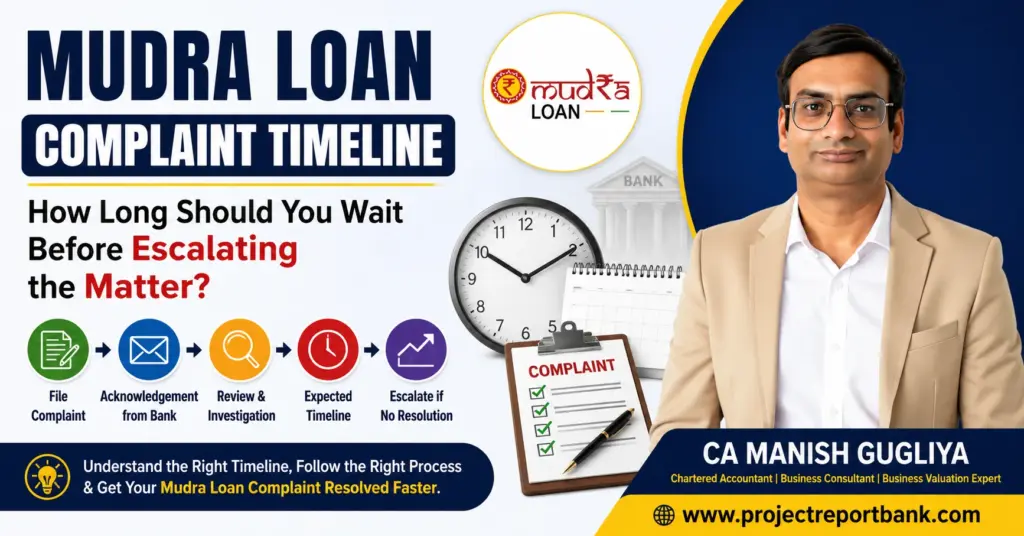
Submitting a complaint is only the first step. If the bank fails to respond within a reasonable period, you should know how to track your complaint and when to escalate it. Explore Track Mudra Loan Complaint Status and Mudra Loan Complaint Timeline & Escalation for the complete process.

Repeated Requests for Documents

Repeatedly asking for the same documents can delay loan processing and create unnecessary inconvenience. Maintaining complete records of every submission helps strengthen your position if you later need to file an appeal or complaint. Learn what evidence you should preserve in Mudra Loan Complaint Evidence & Documents, and avoid common filing errors with Top Mistakes in Mudra Loan Appeals & Complaints.

Branch Refused to Accept the Application

Occasionally, applicants report that a bank branch refuses to accept their Mudra Loan application without providing a valid reason. If this happens, document every interaction and follow the official grievance process before escalating the matter. Our guides on Application Ignored & Legal Escalation and Legal Banking Options explain the next steps.

Application Rejected Despite Eligibility

Meeting the eligibility criteria alone does not guarantee loan approval. Banks also evaluate documentation, repayment capacity, business viability, credit history, and overall risk. If you believe your application was rejected unfairly, don’t lose hope. Read Mudra Loan Appeal Letter to prepare an effective appeal and Top Mistakes in Mudra Loan Appeals & Complaints to avoid errors that could weaken your case.

This section introduces the most common appeal and complaint scenarios. Click the relevant guide to explore detailed procedures, practical examples, required documents, and expert recommendations for resolving your specific Mudra Loan issue.


Complete Mudra Loan Appeal & Complaint Journey

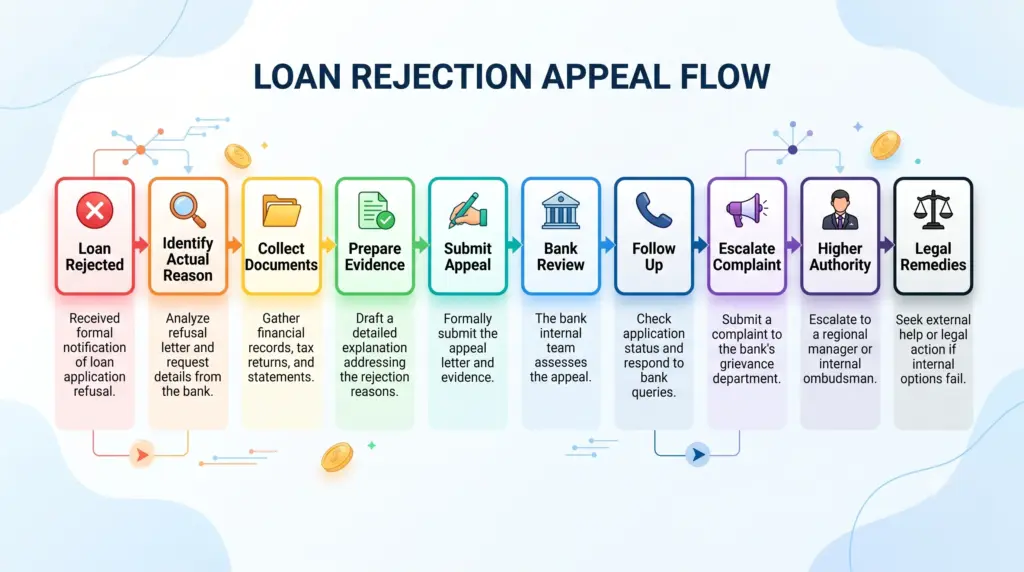
If your loan application gets turned down, don’t worry—rejection isn’t always final. Follow this simple 10-step horizontal guide to understand the decision, gather the necessary evidence, and successfully appeal the bank’s decision.

A horizontal flowchart diagram detailing a 10-step loan rejection appeal process. The sequential steps move left to right: Loan Rejected, Identify Actual Reason, Collect Documents, Prepare Evidence, Submit Appeal, Bank Review, Follow Up, Escalate Complaint, Higher Authority, and Legal Remedies. Each step features a distinct colored card with a icon and brief explanation.

Complete Guide Library

Whether your Mudra Loan application has been rejected, delayed, ignored, or affected by documentation or CIBIL issues, finding the right solution starts with understanding the actual problem. This resource library brings together all the essential guides related to Mudra Loan appeals, complaints, grievance redressal, and legal escalation in one place. Each guide explains a specific issue in detail and provides practical steps to help you take informed action.

1. Top Mistakes in Mudra Loan Appeals & Complaints

Many borrowers unknowingly weaken their case by making avoidable mistakes while filing an appeal or complaint. Submitting incomplete documents, writing emotional appeal letters, skipping the bank’s grievance process, or escalating too early can reduce the chances of a successful outcome. This guide highlights the most common mistakes and explains how to avoid them before taking further action.

👉 Read More: https://projectreportbank.com/top-mistakes-mudra-loan-appeals-complaints/

2. How to Claim Compensation for Processing Delay

If your Mudra Loan application has been pending for an unreasonable period despite submitting all required documents, you may have valid grounds to raise a complaint. This guide explains when a processing delay becomes unreasonable, the rights available to borrowers, and the steps you can take to seek compensation or faster resolution.

👉 Read More: https://projectreportbank.com/claim-compensation-mudra-loan-processing-delay/

3. Legal Banking Options if Your Complaint Is Rejected

Receiving an unsatisfactory response from the bank does not always mean your options have ended. This guide explains the next legal and banking remedies available after a complaint is rejected, including internal grievance mechanisms, escalation procedures, and other appropriate forums that may help resolve your issue.

👉 Read More: https://projectreportbank.com/mudra-loan-complaint-rejected-legal-banking-options/

4. Track Mudra Loan Complaint Status

Filing a complaint is only the first step. It is equally important to monitor its progress and take timely follow-up action. This guide explains how to track your complaint status, maintain proper records, communicate effectively with the bank, and know when further escalation becomes necessary.

👉 Read More: https://projectreportbank.com/track-mudra-loan-complaint-status-follow-up/

5. Application Ignored? Legal Escalation Guide

Sometimes applicants receive no response even after submitting a complete Mudra Loan application. This guide explains what to do if your application is ignored, how to follow up professionally, and when to escalate the matter through the bank’s grievance redressal system or higher authorities.

👉 Read More: https://projectreportbank.com/mudra-loan-application-ignored-legal-escalation/

6. Mudra Loan Complaint Timeline & Escalation

Understanding the correct complaint timeline helps you avoid unnecessary delays and premature escalation. This guide explains the typical stages of complaint handling, expected response timelines, and when you should move your complaint to the next level within the banking system.

👉 Read More: https://projectreportbank.com/mudra-loan-complaint-timeline-escalation/

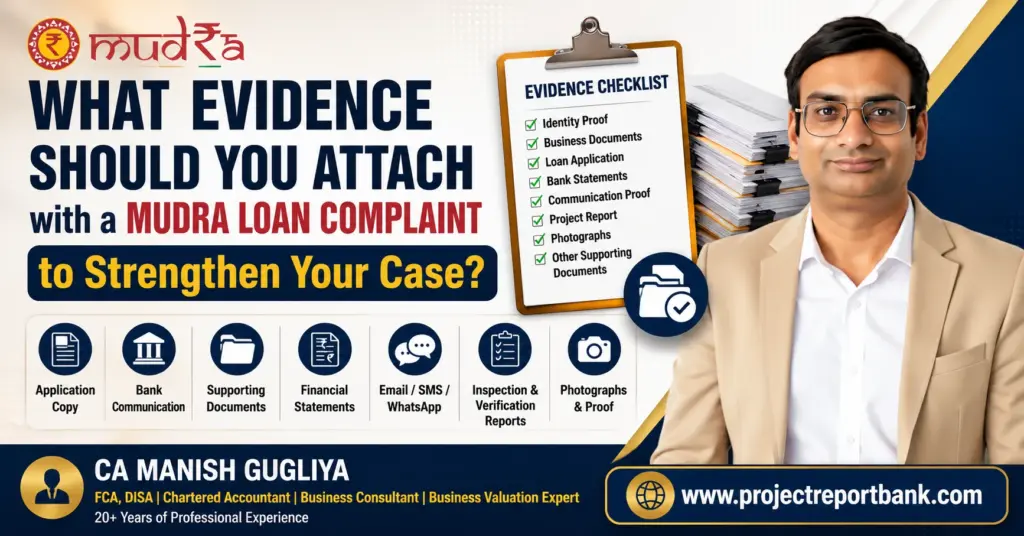
7. Evidence & Documents Required for a Strong Complaint

A successful appeal or complaint depends largely on the quality of supporting documents. This guide provides a detailed checklist of evidence you should preserve, including loan applications, correspondence, acknowledgement receipts, financial documents, and other records that strengthen your case.

👉 Read More: https://projectreportbank.com/mudra-loan-complaint-evidence-documents/

8. Challenge an Incorrect CIBIL-Based Rejection

A Mudra Loan application may sometimes be rejected because of incorrect or outdated CIBIL information. This guide explains how to verify your credit report, identify reporting errors, dispute inaccurate information, and request a fresh review of your application after correcting the issue.

👉 Read More: https://projectreportbank.com/challenge-incorrect-cibil-mudra-loan-rejection/

9. Mudra Loan Rejected Due to Misunderstanding

Not every rejection is caused by poor eligibility or weak financials. In some cases, the bank may misunderstand your business model, project report, or supporting documents. This guide explains how to clarify such misunderstandings, provide additional information, and improve the chances of a successful reconsideration.

👉 Read More: https://projectreportbank.com/mudra-loan-rejected-due-to-misunderstanding/

10. Mudra Loan Appeal Letter

A professionally written appeal letter can make a significant difference when requesting a review of a rejected Mudra Loan application. This guide explains the proper structure, essential information to include, common mistakes to avoid, and provides a practical format that you can adapt to your own situation.

👉 Read More: https://projectreportbank.com/mudra-loan-appeal-letter/

Explore the guide that matches your situation and follow the recommended steps carefully before submitting an appeal, filing a complaint, or escalating your Mudra Loan case.
 

Mudra Loan Complaint Escalation Levels

Mudra Loan Complaint Escalation Levels

If your Mudra Loan complaint is not resolved at the branch level, you have the right to escalate it through higher authorities. The table below explains each complaint escalation level, the responsible authority, and its purpose. Following the correct escalation process improves the chances of obtaining a timely and fair resolution.

Level Authority Purpose
Level 1 Branch Manager Submit your initial complaint and request a resolution at the branch level.
Level 2 Regional Office Seek a review if the branch fails to resolve the complaint satisfactorily.
Level 3 Bank Nodal Officer Escalate the matter to the bank's designated grievance redressal authority.
Level 4 RBI Integrated Ombudsman Request an independent review if the bank does not provide a satisfactory resolution.
Level 5 Legal Remedies Pursue appropriate legal options in exceptional cases where other remedies have been exhausted.

Documents Checklist Before Filing an Appeal

Documents Checklist Before Filing an Appeal

Before submitting a Mudra Loan appeal or complaint, ensure that you have all the necessary documents ready. A complete set of records helps the bank or grievance authority review your case more efficiently and increases the likelihood of a fair assessment.

Loan Application Copy
Application Acknowledgement Receipt
Loan Rejection Letter (if issued)
Latest CIBIL / Credit Report
Business Project Report
Financial Statements
Recent Bank Statements
Business Registration Documents
Identity Proof
Address Proof
Communication Records with the Bank
Supporting Evidence & Additional Documents
Pro Tip: Keep both printed and scanned copies of all documents. Organizing them in chronological order makes it easier for bank officials, grievance officers, or the RBI Integrated Ombudsman to review your appeal quickly.

Expert Advice by CA Manish Gugliya

Appealing a Mudra Loan rejection is not simply about requesting the bank to reconsider its decision. A successful appeal is based on facts, proper documentation, and a clear understanding of the actual reason behind the rejection. With over 20 years of practical experience in MSME finance, project reports, banking documentation, and Mudra Loan consultancy, I have observed that many applicants weaken their own case by making avoidable mistakes during the appeal or complaint process.

Before submitting an appeal or escalating a complaint, keep the following practical recommendations in mind.

💡 Tip 1: Don’t Appeal Emotionally

A loan appeal should be based on facts, documents, and logical explanations—not frustration or emotions. A professional approach always creates a better impression.

💡 Tip 2: Identify the Actual Rejection Reason First

Never assume why your application was rejected. Speak with the bank, review your documents, and identify the real issue before preparing your appeal.

💡 Tip 3: Never Hide Financial Information

Always disclose your existing loans, liabilities, repayment history, and financial position honestly. Incorrect or incomplete information can reduce your credibility.

💡 Tip 4: Keep Documentary Evidence

Maintain copies of your loan application, acknowledgement receipt, emails, letters, project report, bank statements, and every communication with the bank. Proper evidence strengthens your appeal.

💡 Tip 5: Correct CIBIL Issues Before Appealing

If your rejection is linked to incorrect or outdated credit information, resolve the CIBIL issue first and then request the bank to review your application again.

💡 Tip 6: Follow the Official Escalation Process

Always begin with the branch and follow the bank’s official grievance redressal mechanism before approaching higher authorities or external forums.

💡 Tip 7: Keep Written Communication

Whenever possible, communicate through emails or written letters instead of relying only on verbal discussions. Written records provide valuable evidence if the matter needs further escalation.

💡 Tip 8: Use a Professional Appeal Letter

A clear, concise, and well-structured appeal letter explaining the facts, supported by relevant documents, is far more effective than a generic request.

💡 Tip 9: Track Every Complaint

After filing a complaint, regularly monitor its status and note important dates, complaint numbers, and responses. Timely follow-up helps prevent unnecessary delays.

💡 Tip 10: Escalate Only After a Reasonable Waiting Period

Avoid escalating the matter immediately after filing a complaint. Give the bank sufficient time to respond through its internal process. If the issue remains unresolved, proceed to the next level of escalation with complete documentation.

CA Manish Gugliya’s Recommendation:

A Mudra Loan rejection should be viewed as an opportunity to identify and correct weaknesses in your application—not as the end of the process. A well-prepared appeal supported by proper evidence, accurate financial information, and a systematic grievance strategy significantly improves the chances of obtaining a fair review.

Appeal vs Fresh Application: Which Is Better?

Choosing between filing an appeal and submitting a fresh Mudra Loan application depends on the actual reason for rejection. If the rejection resulted from a misunderstanding, incorrect CIBIL information, or missing documents that can be clarified, an appeal is usually the better option. However, if your business, financial position, or eligibility has changed significantly, submitting a fresh application may offer better chances of approval.

SituationAppealFresh Application
Documentation issue✅ Recommended❌ Usually Not Required
Wrong CIBIL information✅ Recommended❌ After correcting CIBIL, appeal first
Business model has changed❌ Not Ideal✅ Recommended
Financial position has improved❌ Limited Benefit✅ Recommended
Bank misunderstood your application✅ Recommended❌ Usually Not Required
Eligibility criteria have changed❌ Not Suitable✅ Recommended
Missing or incorrect documents✅ Recommended❌ Usually Not Required
New supporting evidence is available✅ Recommended❌ Usually Not Required
Previous rejection due to temporary issue✅ Recommended❌ Only if appeal fails
Major changes in business operations❌ Not Ideal✅ Recommended

Frequently Asked Questions (FAQs)

1. Can I appeal a Mudra Loan rejection?

Yes. If you believe your Mudra Loan application was rejected due to incorrect information, missing documents, or an unfair assessment, you can submit an appeal to the bank along with supporting documents and a written explanation.

2. Is every Mudra Loan rejection eligible for appeal?

Not always. Appeals are generally appropriate when the rejection is based on correctable issues, procedural errors, or incomplete information. If the application does not meet the basic eligibility criteria, an appeal may not succeed until those issues are resolved.

3. How long does the Mudra Loan appeal process take?

The timeline varies from one bank to another. In many cases, banks review appeals within a few weeks, provided all required documents and explanations have been submitted.

4. What documents are required for a Mudra Loan appeal?

Common documents include the loan application copy, acknowledgement receipt, rejection letter (if available), project report, CIBIL report, financial statements, bank statements, identity proof, address proof, and any supporting evidence relevant to your case.

5. Can I complain if the bank delays my Mudra Loan application?

Yes. If your application remains pending for an unreasonable period without proper communication, you may first contact the Branch Manager and, if necessary, escalate the complaint to higher authorities within the bank.

6. Can incorrect CIBIL information be challenged?

Yes. If your CIBIL report contains inaccurate information, you should first raise a dispute with the credit bureau and provide supporting evidence. After the error is corrected, you may request the bank to reconsider your application.

7. What should I do if my complaint is rejected?

If you are not satisfied with the bank’s response, you can escalate the matter to the bank’s Nodal Officer. Where applicable, you may also approach the RBI Integrated Ombudsman or explore appropriate legal remedies.

8. Can I approach the RBI Integrated Ombudsman?

Yes. If you have already followed the bank’s internal grievance process and the issue remains unresolved or you receive an unsatisfactory response, you may file a complaint under the RBI Integrated Ombudsman Scheme, subject to its eligibility requirements.

9. Should I reapply for the loan or file an appeal?

It depends on the reason for rejection. If the issue is due to missing documents or errors that can be corrected, reapplying may be appropriate. If you believe the rejection was unfair or based on incorrect facts, filing an appeal may be the better option.

10. Will filing a complaint affect my future Mudra Loan applications?

No. Filing a genuine complaint through the proper grievance redressal process should not, by itself, negatively affect future loan applications. Banks are expected to assess each new application on its own merits.

11. Can I apply to another bank after my Mudra Loan is rejected?

Yes. A rejection by one bank does not automatically prevent you from applying to another eligible bank. However, you should first understand and address the reasons for the previous rejection before submitting a fresh application.

12. What is the best way to improve the chances of a successful appeal?

Prepare a well-documented appeal with clear explanations, submit all supporting documents, correct any deficiencies identified by the bank, provide an updated project report if required, and maintain professional communication throughout the process.

Conclusion

A Mudra Loan rejection is not always the end of the road. In many cases, applicants successfully resolve rejection issues by identifying the actual reason, submitting the required documentary evidence, and following the correct appeal or grievance process. Rather than filing complaints without understanding the underlying issue, take a structured approach by reviewing your application, correcting any deficiencies, and escalating the matter only when necessary.

Before taking your next step, identify the real cause of the rejection and choose the most appropriate solution—whether it is an appeal, a complaint, or a fresh application after improvements. The detailed guides in this Mudra Loan Appeals & Complaints cluster will help you understand each situation and select the right strategy to improve your chances of obtaining Mudra Loan approval.

Facebook
Twitter
LinkedIn