Introduction
India’s food industry is experiencing a massive shift. Urbanization, rising disposable incomes, and a growing preference for authentic homemade food have created an unprecedented opportunity for home-based food entrepreneurs. With platforms like Swiggy and Zomato now operating in over 700 Indian cities, the barrier between your home kitchen and thousands of hungry customers has practically disappeared.
Starting a food business from home allows for high creativity and lower overhead costs. You skip the commercial rent, the massive staffing bills, and the heavy capital expenditure that traditional restaurants demand. Yet your revenue potential remains substantial. For perspective, the global cloud kitchen market was valued at USD 73.18 billion in 2024, and a significant share of that growth is driven by home-based operators in India.
The indian food industry is also benefiting from several macro trends. The plant-based meat market was valued at USD 16.69 billion in 2024. Health conscious consumers are actively seeking healthier alternatives, organic options, and regional specialty food items. Meanwhile, food delivery apps have made it possible for even a single-person operation to reach hundreds of customers daily.
I’m CA Manish Gugliya (FCA, DISA ICAI), and over the past 20+ years, I’ve helped thousands of entrepreneurs establish successful food businesses through proper project reports, CMA data preparation, and financial planning. From homemakers launching tiffin services to engineers pivoting into spice manufacturing, I’ve seen what works, what fails, and what separates a hobby kitchen from a profitable food business.
This guide breaks down the 10 most practical and profitable home based food businesses you can start in India in 2026.
Table of Contents
How We Chose the Best Home-Based Food Business Ideas
Not every food business idea deserves your time and money. We evaluated dozens of business ideas against six practical criteria that matter most when you’re operating from home:
Investment Requirements We prioritized businesses requiring ₹10,000 to ₹2 lakhs in initial capital. This range is realistic for most first-time entrepreneurs and aligns with what Mudra Loan and PMFME schemes support.
Profit Margins Each idea on this list offers 30-60%+ profit potential. Home kitchens can support businesses that have high profit margins and strong local demand because your fixed costs are inherently lower.
Licensing Ease All food businesses must comply with FSSAI regulations in India. We focused on ideas where Basic FSSAI Registration (costing approximately ₹100/year for turnover up to ₹12 lakh) is sufficient to get started. Home-based food businesses require specific licenses and permits, but the compliance burden should not be overwhelming at the start.
Market Demand We analyzed current consumer trends, food delivery service growth, and demand patterns. Successful food businesses often solve specific problems and encourage repeat orders. We selected ideas with consistent demand, not just seasonal spikes.
Scalability Potential Each idea can grow from a home setup to commercial operations, whether that means adding delivery routes, entering retail, or exploring export markets.
Time Investment Some ideas suit part-time operators; others need full-time commitment. We’ve been transparent about this for each idea.
Top 10 Home-Based Food Business Ideas for Indian Entrepreneurs
1. Cloud Kitchen / Home-Based Tiffin Service
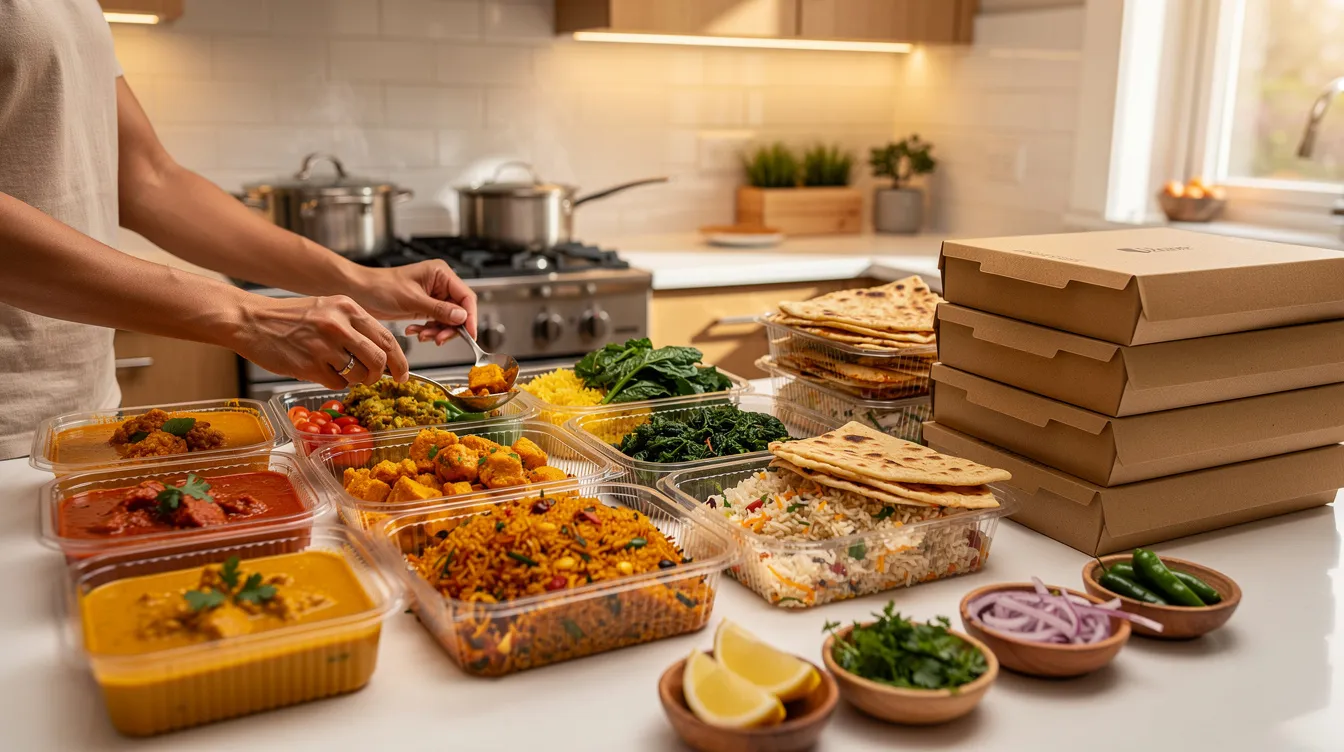
A cloud kitchen is a delivery-only food business operating from your home kitchen, focused on serving healthy meals to working professionals, students, and PG residents. Cloud kitchens can operate without a physical storefront, which means zero rent and minimal overhead.
Why It Stands Out: The growing demand for home-cooked food, particularly among busy professionals who want nutritious daily meals, makes this one of the best food business ideas for 2026. Subscription tiffin services are reliable as customers often order frequently, giving you predictable revenue.
Best For: Homemakers, experienced cooks, and entrepreneurs wanting flexible working hours with steady income.
Key Strengths:
- Investment: ₹50,000–₹2 lakhs
- Profit margins: 30–45%, improving with scale and route density
- Revenue model: 50 subscribers × ₹120/day × 22 working days = ₹1,32,000/month
- Break-even typically in 2–3 months
- Scalable through delivery apps and direct WhatsApp orders
Possible Limitations:
- Daily cooking commitment required without breaks
- Dependency on food delivery apps and their commission structures (15–25%)
- Maintaining consistent quality across 50–100+ meals daily
- Delivery logistics and route density directly impact profitability
For a detailed financial model and bank loan documentation for this business, check out our Tiffin Delivery Business Project Report.
2. Home Bakery Business
A home bakery involves baking cakes, pastries, cookies, bread, and custom celebration items from your kitchen. This is one of the most popular food business ideas among women entrepreneurs and creative individuals.
Why It Stands Out: Home bakeries can start with low investment requirements. Specialized baking can focus on niche items such as sourdough or gluten free products, commanding premium pricing. Single-serving desserts are popular for delivery due to their appeal on social media, making Instagram your primary marketing channel. Online bakeries can reach a broader customer base without overhead costs.
Best For: Skilled bakers, creative individuals, and those targeting celebration and corporate markets.
Key Strengths:
- Investment: ₹3,000–₹1 lakh (depending on equipment)
- Profit margins: 40–70% depending on product and stage
- Early stage revenue: ₹8,000–₹20,000/month
- Established bakeries: ₹55,000–₹3,00,000+/month
- Custom orders for birthdays and weddings command significant premiums
Possible Limitations:
- Seasonal demand fluctuations (peaks around festivals and wedding season)
- Equipment investment required for scaling (commercial oven, mixer)
- Preservation challenges in Indian climate, especially during summers
- Premium desserts have good potential for repeat customers, but building that loyal customer base takes time

3. Pickle and Preserve Manufacturing
Traditional Indian pickles, jams, chutneys, and fermented products made with authentic family recipes represent one of the most profitable food business ideas with minimal investment.
Why It Stands Out: Pickles and chutneys usually have excellent margins and long shelf life. This cultural attachment to traditional flavors is irreplaceable by factory products. There’s also strong export potential to NRI markets across the US, UK, and Middle East.
Best For: Those with family recipes, knowledge of traditional preservation methods, and interest in scaling to retail or export markets.
Key Strengths:
- Investment: ₹20,000–₹1 lakh
- Profit margins: 60–80%
- Long shelf life (6–12 months for most products)
- Growing organic food market demand for chemical-free preserves
- Can sell at farmers markets, online through an online store, or via D2C channels
Possible Limitations:
- Seasonal raw material availability (mangoes, green chillies, etc.)
- Packaging and labeling compliance under food safety regulations
- Competition from established brands requires strong differentiation
- Need to invest in proper food safety compliance and testing
4. Spice Blending and Packaging
Custom spice mixes, garam masala, regional specialties, and organic spice products are a natural fit for home-based operations. India’s reputation as the spice capital of the world gives you inherent credibility.
Why It Stands Out: Homemade spice blends require little equipment and create repeat customers. Once someone trusts your blend, they keep coming back. The masala business has year-round demand and genuine export opportunities.
Best For: Entrepreneurs with knowledge of spice combinations, regional cuisine expertise, and quality sourcing abilities.
Key Strengths:
- Investment: ₹40,000–₹1.5 lakhs
- Profit margins: 40–60%
- Export opportunities through IEC registration
- Year-round consistent demand
- Low spoilage risk with proper storage
Possible Limitations:
- Quality control challenges (adulteration concerns mean customers need to trust you)
- Price fluctuations in raw materials, especially turmeric, cardamom, and saffron
- Need for proper storage facilities to maintain freshness
- Competing with deeply entrenched local brands
5. Organic Food Products
Chemical-free food products including organic grains, cold-pressed oils, natural sweeteners, millet-based foods, and health foods are premium products with premium margins.
Why It Stands Out: The organic food market is expected to grow to $658.38 billion by 2034, making this one of the fastest-growing segments globally. Health conscious consumers in Indian metros are willing to pay 30–50% premiums for verified organic food products.
Best For: Health-conscious entrepreneurs, those with access to organic raw materials through FPOs or direct farmer connections, and those targeting urban premium markets.
Key Strengths:
- Profit margins: 50–70% on premium-priced products
- Growing market demand aligned with healthy eating trends
- Premium positioning reduces price-based competition
- Can combine with other food businesses like cold-pressed oils or millets
- Microgreen farming is a fast-cash cycle business with high demand that fits well within this category
For entrepreneurs interested in related agribusiness opportunities, organic food is a natural extension.
Possible Limitations:
- Higher raw material costs compared to conventional alternatives
- Certification requirements (India Organic, NPOP) add time and cost
- Limited target audience initially; requires market research and education
- Building trust takes longer than conventional food products
6. Healthy Snacks Manufacturing
Nutritious alternatives to traditional snacks, including baked chips, protein bars, millet-based products, roasted namkeen, and diabetic-friendly options, are riding a massive health trend.
Why It Stands Out: The healthy snacks market will expand to USD 144.64 billion by 2030. Indian consumers, especially in urban areas, are actively seeking guilt-free snacking options. Gourmet snack boxes cater to gift-giving markets and busy professionals, opening up corporate gifting as an additional revenue stream.
Best For: Health enthusiasts, nutritionists, and entrepreneurs targeting fitness-conscious consumers.
Key Strengths:
- Investment: ₹50,000–₹2 lakhs
- Profit margins: 40–50%
- Health trend alignment ensures growing demand
- Corporate gifting potential during festivals
- Can sell through quick commerce platforms like Blinkit and Zepto
Possible Limitations:
- Shelf life management requires proper packaging technology
- Competition from established brands (Yoga Bar, True Elements)
- Need for nutritional analysis and labeling compliance
- Dietary restrictions awareness needed for product development
7. Specialty Condiments and Sauces
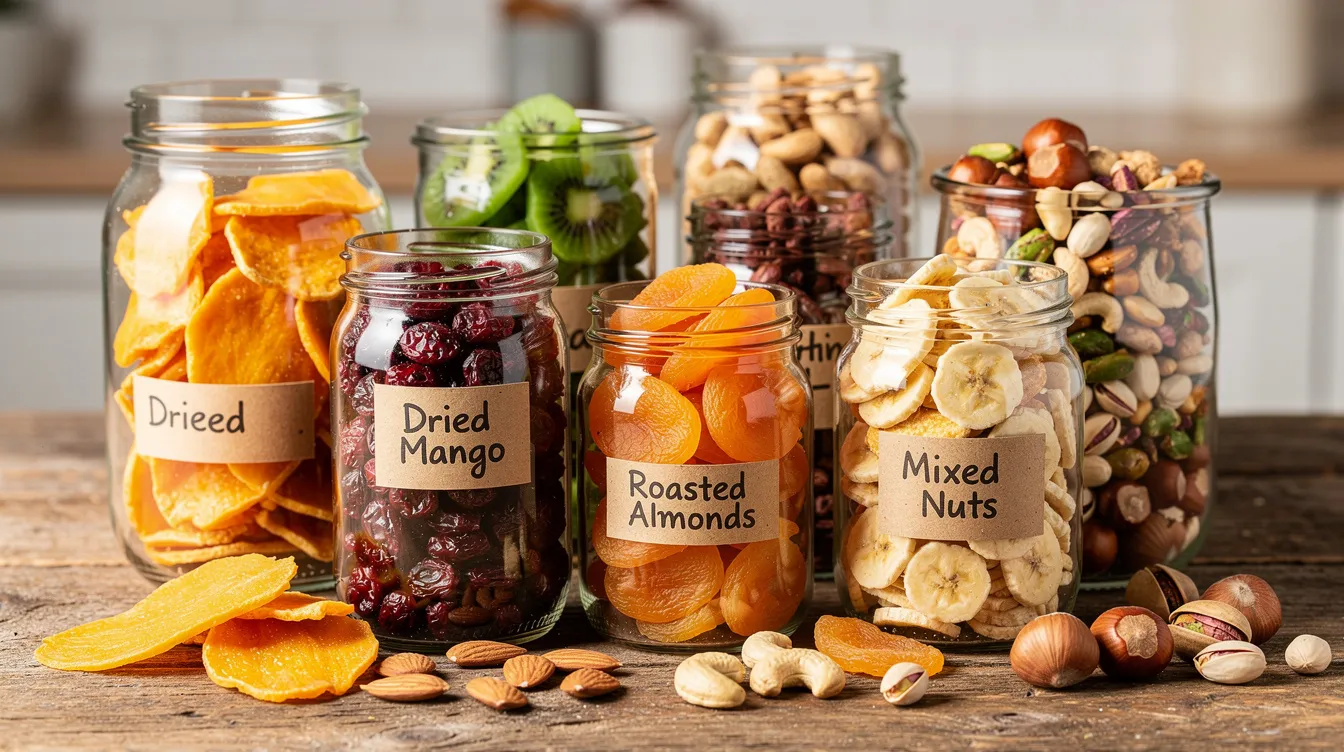
Artisanal sauces, hot sauces, chutneys, mayonnaise, salad dressings, and ethnic condiments represent a relatively low-competition niche markets opportunity.
Why It Stands Out: Artisan production allows for significant markup with low operating costs. The specialty condiment segment has less organized competition compared to other food businesses, giving new entrants room to establish a brand. Unique flavor profiles and regional recipes create strong differentiation.
Best For: Creative cooks, food lovers with unique recipes, and entrepreneurs targeting the gourmet food segment.
Key Strengths:
- Investment: ₹30,000–₹1 lakh
- Profit margins: 60–70%
- Product differentiation through unique recipes
- Restaurant and café supply potential for B2B revenue
- Strong D2C potential through Instagram and specialty food store partnerships
Possible Limitations:
- Preservation challenges require food safety knowledge
- Packaging requirements for sauces and liquids are more complex
- Need for unique recipe development and testing
- Building distribution beyond direct sales takes effort
8. Meal Kit Delivery Service
Pre-portioned ingredients with step-by-step recipes for home cooking, targeting busy professionals and cooking enthusiasts who want convenience without sacrificing quality.
Why It Stands Out: The meal kit delivery market revenue is forecasted to hit US$14.14 billion by 2025. A meal prep service can charge $10–20 per meal (approximately ₹800–₹1,600), and the subscription business model provides recurring revenue. Healthy meal kits are in demand as healthy convenient at-home options across Indian metros.
Best For: Organized individuals with culinary skills, those with culinary knowledge, and entrepreneurs targeting urban working professionals.
Key Strengths:
- Recurring revenue model through subscriptions
- Profit margins: 30–40%
- Growing market in metro cities
- Scalability potential through standardized packaging
- Healthy meal prep services cater to fitness-focused customers
Possible Limitations:
- Daily logistics management is operationally intensive
- Ingredient sourcing challenges for consistent quality
- Customer retention requirements are high; churn can be expensive
- Higher packaging costs per order compared to other food businesses
9. Traditional Sweet Manufacturing
Regional sweets, festival specialties, sugar-free variants, and custom celebration sweets tap into India’s deep cultural attachment to mithai.
Why It Stands Out: Festival seasons (Diwali, Raksha Bandhan, Holi, Navratri) create massive peak sales opportunities. Premium desserts have good potential for repeat customers, especially when you offer sugar-free or health-conscious variants. Single-serving desserts packaged attractively also work well for delivery and corporate gifting.
Best For: Those with traditional sweet-making skills, knowledge of regional preferences, and festival market targeting abilities.
Key Strengths:
- Investment: ₹40,000–₹1.5 lakhs
- High festival season profits (Diwali alone can generate 3–4 months of revenue)
- Cultural market attachment ensures consistent demand
- Custom order premiums for celebrations and corporate events
- Can offer cooking classes as an additional revenue stream
Possible Limitations:
- Seasonal demand variations create cash flow challenges
- Short shelf life for most traditional sweets
- Competition from established sweet shops with decades of brand trust
- Requires maintaining hygiene standards rigorously due to dairy content
10. Home-Based Catering Service
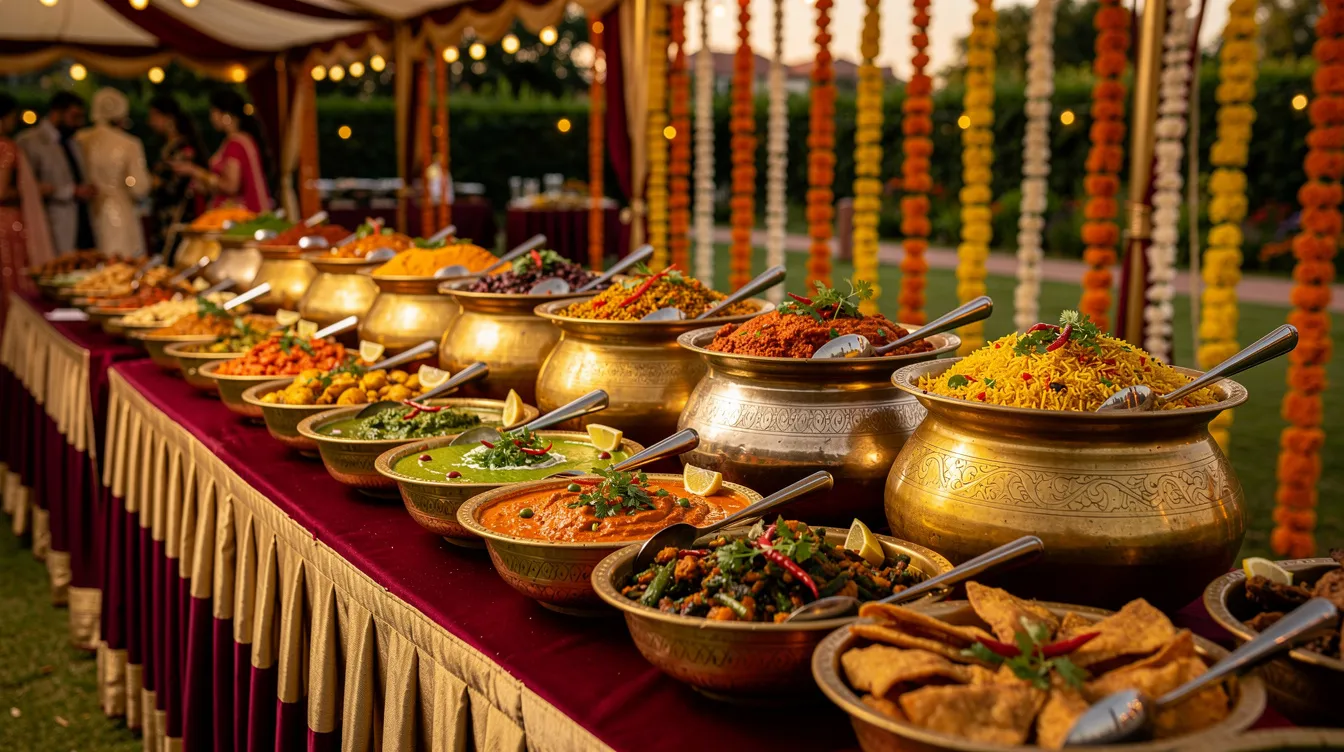
Small-scale catering services for birthday parties, corporate lunches, religious functions, and family gatherings. Catering businesses can start from a home kitchen and scale based on demand.
Why It Stands Out: Catering businesses can earn between $100,000 and $500,000 annually (approximately ₹85 lakh–₹4.2 crore at scale). Even at a modest home-based level in India, the per-event revenue is significantly higher than daily meal services. Building a reputation around a single cuisine can simplify marketing efforts.
Best For: Experienced cooks with event management skills, personal chef aspirations, and entrepreneurs targeting local community events.
Key Strengths:
- Investment: ₹30,000–₹70,000
- Profit margins: 35–50%
- High revenue per event (₹15,000–₹50,000+ per event)
- Relationship-based business growth through word-of-mouth
- Can serve corporate events, which provide higher-ticket bookings
Possible Limitations:
- Event-based income variability makes cash flow unpredictable
- Advance planning requirements for ingredients, staff, and logistics
- Equipment and manpower management during large events
- Need for business registration and food safety compliance for commercial catering
Quick Comparison of Best Home-Based Food Businesses
| Business Idea | Investment Range | Profit Margin | Best For | Revenue Model |
|---|---|---|---|---|
| Cloud Kitchen/Tiffin | ₹50K–₹2L | 30–45% | Daily recurring income | Subscription |
| Home Bakery | ₹3K–₹1L | 40–70% | Creative individuals | Custom orders |
| Pickle Manufacturing | ₹20K–₹1L | 60–80% | Traditional recipe holders | Retail/D2C |
| Spice Blending | ₹40K–₹1.5L | 40–60% | Regional cuisine experts | Repeat purchases |
| Organic Food Products | ₹50K–₹1.5L | 50–70% | Health-focused entrepreneurs | Premium D2C |
| Healthy Snacks | ₹50K–₹2L | 40–50% | Nutrition enthusiasts | Retail/Corporate |
| Specialty Condiments | ₹30K–₹1L | 60–70% | Unique recipe creators | D2C/B2B |
| Meal Kits | ₹80K–₹2.5L | 30–40% | Organized entrepreneurs | Subscription |
| Traditional Sweets | ₹40K–₹1.5L | 35–60% | Festival-focused sellers | Seasonal + custom |
| Home Catering | ₹30K–₹70K | 35–50% | Event-focused entrepreneurs | Per-event billing |
A few other food businesses worth considering if these don’t match your profile include the food truck model (food trucks can generate $250,000 to $500,000 annually, though starting a food truck typically costs between $50,000 and $200,000) or coffee shops, which have favorable profit margins compared to many other food service industry models. For food truck entrepreneurs specifically, we have a detailed Food Truck Project Report available.
Similarly, if you’re considering a fast food restaurant or a ready to eat meals business, those require higher startup costs but offer different scalability advantages.
How to Choose the Right Home-Based Food Business
Choose Based on Your Investment Capacity
Your available capital should be the first filter. Here’s a practical breakdown:
- Under ₹50,000: Home bakery, pickle manufacturing, specialty condiments
- ₹50,000–₹1 lakh: Spice blending, traditional sweets, home catering
- ₹1–₹2 lakhs: Cloud kitchen/tiffin service, healthy snacks, organic food products, meal kit delivery
Don’t forget to factor in working capital for raw materials (typically 2–3 months of operating expenses), initial marketing spend (₹5,000–₹15,000 for social media and packaging design), and FSSAI licensing expenses.
In my 20 years of preparing bank loan project reports, I’ve seen entrepreneurs underestimate working capital more than any other cost. Your startup costs are just the beginning; plan for at least 3 months of operating expenses as buffer.
Choose Based on Your Skills and Experience
Your cooking skills, recipe knowledge, and food industry experience should directly inform your choice:
- Strong daily cooking skills: Cloud kitchen, tiffin service, meal prep business
- Baking or dessert expertise: Home bakery, traditional sweets
- Knowledge of preservation: Pickles, condiments, sauces
- Sourcing and quality assessment: Spice blending, organic food business
- Event management ability: Catering business
Also evaluate your time availability. Daily meal services (tiffin, cloud kitchen, meal prep) need 6–8 hours of consistent daily work. Event-based businesses (catering) are intensive but intermittent. Product-based businesses (pickles, spices, snacks) allow more flexible scheduling.
Consider your marketing abilities too. If you’re comfortable creating content, food photography and food bloggers collaborations can drive significant sales. Many successful home food entrepreneurs are essentially running a food blog alongside their business.
Choose Based on Market Demand in Your Area
Conduct thorough market research before committing:
- High-density urban areas: Cloud kitchen, tiffin service, meal kits work best (route density improves delivery economics)
- Areas with festivals and cultural traditions: Traditional sweets, pickles, and regional specialties have stronger demand
- Corporate hubs and IT parks: Healthy snacks, meal prep, and tiffin services targeting busy professionals
- Tourist or cosmopolitan areas: Specialty condiments, organic products, and artisanal offerings
Evaluate your delivery logistics honestly. If you’re located 15 km from your nearest customer cluster, a daily delivery service model becomes expensive. Product-based businesses with longer shelf life or event-based catering are better suited for such locations.
Pay attention to market trends. The growing demand for health food store alternatives, pet foods (the pet food industry is growing rapidly with health conscious pet owners driving premium demand), and baby food business opportunities show that niche markets can be highly profitable. Even an organic baby food line from home can attract a dedicated target audience.
Which Home-Based Food Business Is Best for You?
Here’s a direct recommendation framework:
- Choose Cloud Kitchen/Tiffin Service if you want daily recurring income with minimal setup investment and can commit to consistent daily cooking. The delivery service model, when combined with subscription plans, creates predictable cash flow.
- Choose Home Bakery if you have baking skills and want to target celebration and corporate markets. This is the most Instagram-friendly food business and attracts customers through visual appeal. Food bloggers and food photography can be your primary marketing tools.
- Choose Pickle/Preserve Manufacturing if you have traditional recipes and want food products with long shelf life. This is also among the best food business ideas for entrepreneurs interested in eventually scaling to retail distribution or export.
- Choose Organic Food Business if you can access premium markets and source quality organic ingredients. The organic food market continues to expand, and the health benefits messaging resonates strongly with urban consumers focused on healthy eating.
- Choose Healthy Snacks if you want to align with health trends and create an innovative food business ideas portfolio targeting fitness-conscious consumers. This pairs well with a health food store or online food business approach. Also consider offering cooking tips and cooking classes as value-added services to attract customers.
- Choose Home Catering if you prefer event-based income and have strong local community connections. A personal chef or catering business builds on relationships and word-of-mouth, creating a loyal customer base over time.
Regardless of which model you pick, you’ll need a well structured business plan. A solid business plan is not just a document; a business plan is essential for securing funding and guiding growth. It helps you anticipate challenges, plan cash flow, and present your case convincingly to banks or investors.

Final Thoughts
Starting your own food business from home is one of the most accessible entrepreneurial paths in India today. The combination of low investment, high margins, digital marketing tools, and a competitive market hungry for authentic homemade food creates a genuine opportunity.
But let me be direct based on my experience preparing thousands of project reports: the entrepreneurs who succeed are those who treat their home kitchen as a real business from day one. That means:
- Getting FSSAI registration before your first sale
- Maintaining rigorous hygiene and food safety standards
- Starting small, validating market demand with 10–20 customers, then scaling gradually
- Tracking every rupee of cost and revenue
- Investing in proper packaging and branding
The food business ideas list we’ve covered ranges from daily meal services to seasonal specialty products. Each serves a different niche market and matches different skill sets. Your job is to pick the one that aligns with your capital, your skills, and your local market demand, then execute it with discipline.
For entrepreneurs looking to start a food business with bank financing, a professionally prepared project report is not optional. Banks need to see clear financial projections, break-even analysis, CMA data, and a viable business model before they approve loans under Mudra, PMFME, or CGTMSE schemes.
At ProjectReportBank, I’ve personally helped entrepreneurs across India secure bank loans for food businesses ranging from ₹50,000 tiffin services to ₹50 lakh food processing units. Our project reports include detailed cost analysis, revenue projections, machinery requirements, raw material planning, and complete bank documentation.
Ready to turn your food business idea into reality? Get a professional Bank Loan Project Report from ProjectReportBank and start your entrepreneurial journey with the financial clarity and documentation that banks demand.
The best time to start your food business was yesterday. The second-best time is right now.
- Roasted Chana, Sattu & Value-Added Pulses Manufacturing Project Report & DPR

- Integrated Roasted Chana & Sattu Plant Feasibility Study, ROI & Bank Finance
- Roasted Chana & Sattu Plant Financial Projections, CMA Data & DSCR
- Value-Added Pulse Snacks & Integrated Food Processing Plant Project Report
- Roasted Chana & Sattu Manufacturing Plant Setup Cost & Investment in India
- Fully Automatic Roasted Chana Plant: Machinery, Capacity & Project Planning Guide

- Integrated Roasted Chana Sattu Pulse Processing Plant Project Report

- Besan Manufacturing Project Report – Plant Setup, Cost, Machinery & Bank Finance Guide

- Besan Plant Modernisation, Expansion & Automation Planning: Cost, Machinery, ROI & DPR in India

- Besan & Pulse Flour Packaging: Bulk, Retail & Private-Label Models

- Masoor & Pea Flour Manufacturing Project Report – Cost, Machinery, Profit & Bank Finance

- Moong Flour Manufacturing Project Report: Complete Guide for Dal Mill Entrepreneurs

- Besan Plant ROI – Financial Returns, Investment Analysis & Project Viability

- Besan Manufacturing Feasibility Study & Project Viability in India

- Besan Production Cost per Kg, Selling Price & Profit Margin in India