
Puffed rice plant capacity planning is one of the most consequential decisions an entrepreneur makes before investing in a murmura manufacturing unit. Getting it wrong cascades into oversized machinery, bloated project costs, strained working capital and a DPR that no banker will take seriously. This guide, written from my experience as a project-finance consultant preparing bankable DPRs for food processing projects across India, walks you through every layer of capacity planning with practical formulas, real Indian project data and worked examples.
Key Takeaways
This article gives DPR-level guidance on puffed rice plant capacity planning in India – not generic business tips. Every section is structured around how capacity assumptions flow into machinery selection, financial projections, DSCR calculations and bank loan appraisals.
- A rice puff making machine rated at a certain kg/hour will almost never deliver that output consistently across a full year. Practical puffed rice production capacity depends on bottlenecks across the entire line, downtime, yield losses and actual market demand.
- Correct capacity planning directly impacts project cost, machinery sizing, working capital requirements, bank loan eligibility, profitability, DSCR and repayment capacity.
- The article covers hourly, daily, monthly and annual capacity calculations with simple formulas and worked numerical examples applicable to murmura plants of all scales.
- Puffed rice is a popular low-cost breakfast cereal worldwide, and demand is high in India, with the market expected to grow significantly. It is low in calories and fat, a reliable source of fiber, and contains vitamins like thiamin and niacin – making it a commercially attractive product. It even lowers total cholesterol levels, reinforcing its appeal in the health-conscious segment.
- All numbers in this article are indicative and must be validated with actual quotations from muri making plant and machinery suppliers before finalising any DPR.
Understanding Puffed Rice Plant Capacity: Key Definitions
In the context of Indian MSME and food processing projects, “puffed rice plant capacity planning” means determining the right scale of production – and then expressing it in a format that is technically defensible, financially consistent and acceptable to lenders.
Here are the key terms every entrepreneur must understand:
- Machine rated capacity (kg/hour): The maximum throughput a specific machine claims under ideal test conditions – continuous feed, optimal moisture, skilled operator, zero downtime. Puffed rice machines can output 200 kg/hr to 1 ton/hr depending on technology and automation.
- Installed capacity (annual theoretical capacity): Machine rated capacity × operating hours per shift × shifts per day × working days per year. This does not account for any real-world losses.
- Practical/achievable capacity: Real output after adjusting for maintenance downtime, labour inefficiencies, cleaning, raw-material variability and packaging bottlenecks. Often 60–80% of installed capacity in established plants.
- Operating capacity: Maximum daily or shift output when all lines are running, but after internal losses.
- Annual capacity: Total output per annum at either theoretical or practical levels.
- Capacity utilization: Actual production divided by installed capacity, expressed as a percentage.
Quick numerical example: A muri making machine rated at 500 kg/hour, operating 8 hours/day for 300 days/year, gives an installed capacity of 1,200 tonnes/year. At 60–80% utilization, realistic annual output is only 720–960 tonnes. Puffed rice is lighter and crispier than regular rice because rice grains expand to a greater volume during puffing – made by heating rice kernels under high pressure – which means that even small percentage differences in yield or utilization translate into large differences in storage, transport and revenue.
Lenders and appraising agencies in the puffed rice industry compare your stated capacity with similar units before sanctioning finance.
Why Capacity Planning is Critical for a Puffed Rice / Murmura Project
Capacity selection is one of the first and most sensitive decisions when planning a puffed rice manufacturing business in India. Capacity planning for a puffed rice manufacturing plant must balance multiple operational factors simultaneously. Market demand for puffed rice is often seasonal, impacting production planning and making it risky to size a plant purely on peak-season projections.
Capacity decisions directly affect:
- Size and cost of puffed rice plant machinery, muri making machine count, boiler and burner sizing, construction area and utilities (power, fuel, water)
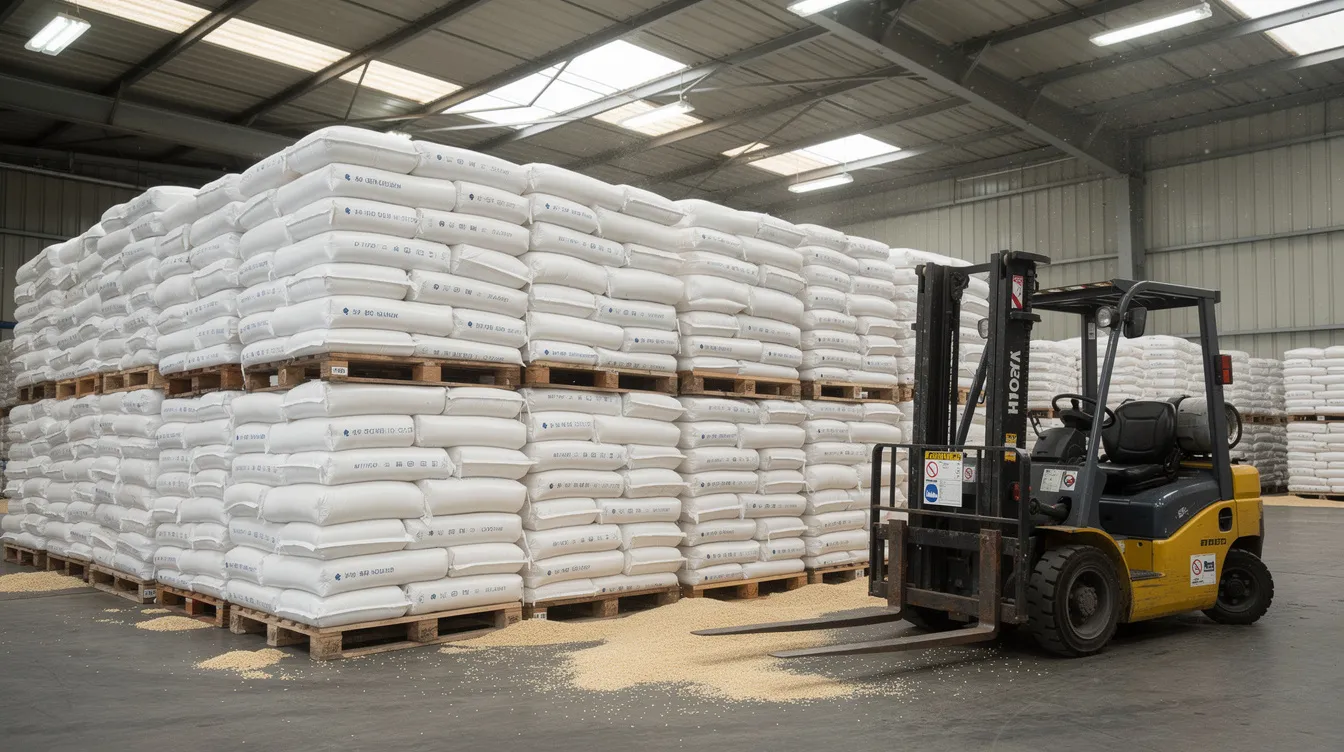
- Raw material procurement – the rice requirement for murmura production, storage godowns, packing material stock, labour planning and warehouse space for bulky finished product
- Financial exposure – higher capacity increases term-loan requirement, working-capital need, interest burden and payback risk if the market is not yet developed
Overestimating puffed rice plant achievable capacity or showing aggressive utilization in the DPR will make projections look unrealistic to bankers and investors.
Typical Puffed Rice Plant Capacity Options in India
Capacities vary by technology – traditional batch roaster versus automatic continuous line – but entrepreneurs usually think in terms of kg/hour or tonnes/day. The minimum investment for a small-scale puffed rice unit is approximately ₹10 lakhs.
| Plant Scale | Indicative Machine Capacity (kg/hr) | Operating Hours/Day | Approx. Daily Output | Automation Level | Typical User Profile |
|---|---|---|---|---|---|
| Micro / Starter | 50–100 | 8 | 400–800 kg | Manual / semi-auto | Village unit, SHG, home enterprise |
| Small Commercial | 200–400 | 8–10 | 1,600–3,200 kg | Semi-automatic | MSME promoter, local market |
| Medium Industrial | 500–750 | 8–10 | 4,000–7,500 kg | Fully automatic | Brand manufacturer, regional distribution |
| Large Industrial | 1,000+ | 10–16 (multi-shift) | 8,000+ kg | Continuous, integrated | Tier-1 snack company, exporter |
These values are illustrative only. Actual commercial puffed rice plant capacity should be confirmed with specific machinery quotations. Different machine types – batch roasters, continuous roasters, integrated automatic lines – influence capacity ranges and manpower requirements significantly.
Product positioning also matters: if you plan to sell loose bulk muri, a smaller plant may suffice initially; branded packaged puffed rice for FMCG channels may justify investing in a medium-scale automatic plant from the start to maintain quality parameters and consistency.
Puffed Rice Plant Capacity per Hour and Line Bottlenecks
Hourly production capacity in kg/hour is how most food processing machines are advertised by manufacturers. However, puffed rice production requires synchronization of processing stages to prevent bottlenecks. Identifying the weakest step in the production line is key for improving overall throughput.
Typical sections affecting hourly capacity:
- Pre-cleaning and sizing of rice grains
- Soaking/conditioning (where used)
- Pre-drying
- Roasting/puffing (the core puffing stage, sometimes using gun puffing, steam pressure or hot-sand roasting)
- Cooling conveyors
- Grading/sieving
- Seasoning (if applicable – salt, spices, sugar for flavoured variants)
- Packaging and sealing
The bottleneck machine with the lowest throughput defines the effective puffed rice machine production capacity. Bottleneck analysis is essential to determine the effective capacity of a puffed rice plant.
Example: A 600 kg/hour roaster paired with a 400 kg/hour packaging line limits the whole plant to approximately 400 kg/hour – unless you add a second packaging line. This is a mistake I see frequently in project profiles submitted for bank appraisal.
Daily, Monthly and Annual Production Capacity Calculations
DPRs for puffed rice manufacturing must convert hourly machinery capacity into daily, monthly and annual output figures with clearly stated assumptions.
Daily Production Capacity (kg) = Effective Hourly Capacity (kg/hr) × Effective Operating Hours per Day
“Effective hours” means shift hours minus downtime for cleaning, changeovers, loading/unloading, minor breakdowns and labour breaks.
Worked examples:
- 500 kg/hr × 7 effective hours = 3,500 kg/day (3.5 tonnes/day)
- 200 kg/hr × 6.5 effective hours = 1,300 kg/day (1.3 tonnes/day)
- 750 kg/hr × 10 effective hours (double shift) = 7,500 kg/day (7.5 tonnes/day)
Monthly and annual formulas:
- Monthly Capacity = Daily Capacity × Working Days per Month (typically 25–26)
- Annual Installed Capacity = Daily Capacity × Working Days per Year (typically 300 days for Indian MSME units)
Illustration: 3,500 kg/day × 300 days = 1,050 tonnes/year installed annual puffed rice production capacity.
Installed Capacity vs Capacity Utilization in a Murmura Plant
Installed capacity is the theoretical full-load annual capacity at planned shifts and working days. Capacity utilization is what you actually produce as a percentage of installed capacity. Overall Equipment Effectiveness (OEE) typically ranges from 75% to 85% in food processing lines, and new plants usually start well below that.
Example utilization ramp-up for a new puffed rice plant DPR:
| Year | Capacity Utilization | Annual Output (if installed = 1,050 tonnes) |
|---|---|---|
| Year 1 | 50–60% | 525–630 tonnes |
| Year 2 | 65–75% | 683–788 tonnes |
| Year 3+ | 75–85% | 788–893 tonnes |
Factors to consider: market development speed, distribution reach, brand building for packaged popped rice products, working-capital availability, raw material supply consistency, and operator learning curve.
Annual Production = Annual Installed Capacity × Capacity Utilization %
Banks examine whether this number aligns with realistic sales forecasts and the growing demand in your target geography.
Capacity Calculation Framework for DPR & Bankable Project Reports
Here is the step-by-step method I typically follow while preparing puffed rice plant DPRs:
- Decide target markets and expected sales volume – local wholesale, retail, institutional, or online.
- Define product mix: loose murmura, retail SKUs, seasoned variants, bhel puri mixes.
- Select technology: manual, semi-automatic, or automatic puffed rice processing plant.
- Obtain quotations for each key machine from reliable suppliers.
- Identify the bottleneck equipment (often the puffing unit or packaging machine) and fix effective hourly capacity around that bottleneck.
- Select hours/shift, number of shifts/day, and working days/year.
- Calculate installed annual capacity.
- Apply realistic ramp-up utilization for each of the first 5 years.
- Cross-check against raw-material availability, working-capital capacity and market size.
- Link production to sales projections, break-even analysis and DSCR in the financial section of the murmura plant project report.
Demand forecasting should incorporate historical data and market trends to optimize production capacity rather than relying on gut feeling alone.
Machinery Capacity, Process Flow and Bottleneck Analysis
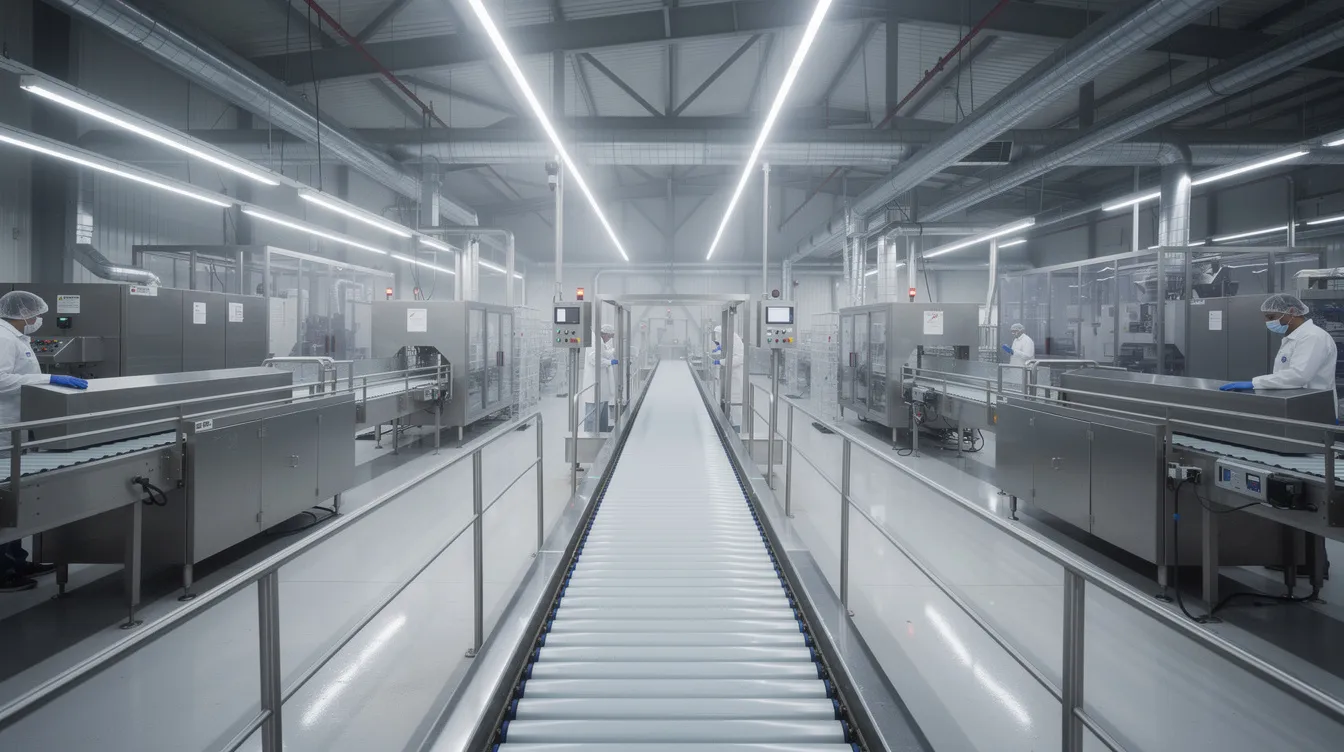
Puffed rice plant capacity and machinery selection are inseparable. All upstream and downstream food processing machines must be balanced around the bottleneck stage. Puffed rice production requires a husker, dryer, and packaging unit at minimum.
Major equipment stages include:
- Raw rice cleaning and de-stoning
- Soaking/conditioning tanks (if used)
- Dryer (tray, rotary or fluidized bed)
- Roasting/puffing units – the core muri making machine or rice puff making machine
- Cooling conveyors
- Grading/sieving screens
- Seasoning mixer (optional)
- Packaging machines (manual, semi-automatic or fully automatic form-fill-seal)
Each machine’s rated capacity must equal or exceed the bottleneck capacity so that no section starves or chokes production. The production process for puffed rice includes multiple sequential stages that must be well-coordinated.
Capacity choices must be evaluated together with capital expenditure, and I recommend reviewing the puffed rice and murmura plant machinery cost before finalising any DPR numbers.
Production Process, Cycle Time and Their Impact on Capacity
Cycle time at each stage of the puffed rice manufacturing process determines how many kg/hour can realistically be produced. Key considerations for puffed rice production include raw material quality and moisture content, which directly affect cycle time.
Key cycle-time drivers: moisture conditioning of rice, pre-drying time, batch roasting or extrusion duration, residence time in the puffing chamber (often just seconds at high heat), cooling time, sieve speed and packaging speed.
For a given plant capacity, all process steps – from raw rice input to final packed output – must be mapped in a simple flow chart to identify where delays can occur. At higher ambient humidity, drying and cooling times increase, reducing effective hourly capacity even when machine ratings remain the same. High thermal energy is required for steaming, drying, and puffing processes, making fuel cost a significant variable.
Before freezing capacity assumptions in a DPR, understanding the full puffed rice manufacturing process and process flow chart is essential.
Raw Material Requirement, Yield and Recovery Based on Capacity
Puffed rice plant capacity per day directly determines daily rice requirement, storage needs and working-capital block in raw material. The main raw material for puffed rice is rice. India produces over 100 million tonnes of rice annually, yet only 10% of India’s rice is processed into value-added products like flaked rice, puffed rice and similar snacks – indicating significant headroom in this manufacturing business.
Key concepts:
- Input-output ratio: Quantity of raw rice needed per unit of finished puffed rice
- Recovery percentage: Finished output as a percentage of input. Varies by rice variety, moisture level and technology. A project report for a murmura manufacturing unit shows approximately 95% recovery from rice input.
Formula: Raw Rice Requirement (kg) = Finished Puffed Rice Output (kg) ÷ Recovery %
Example: At 95% recovery, producing 1,000 kg puffed rice requires approximately 1,053 kg raw rice. At 80% recovery (accounting for cleaning, husk removal and breakage from paddy), you would need 1,250 kg.
Moisture control is critical in the puffing process as it significantly affects yield and quality. Puffed rice production can be impacted by seasonal variations in raw material quality and availability. Wrong yield assumptions distort per-tonne production cost, gross margin, raw-material consumption in CMA data and working-capital limits sought from banks.
Product Mix, Packaging Capacity and Storage Constraints
Plant capacity planning is not only about bulk tonnes/day. It involves SKUs, pack sizes and packaging speed. Other raw materials beyond rice include salt, sugar, and spices for seasoned variants. You must package and label puffed rice before selling it – whether loose or branded.
Common product types:
- Loose/bulk murmura sold to snack manufacturers – popular street food ingredient for bhel puri and chivda
- Retail packaged puffed rice for domestic FMCG channels
- Flavoured/seasoned variants
- Institutional bulk packs
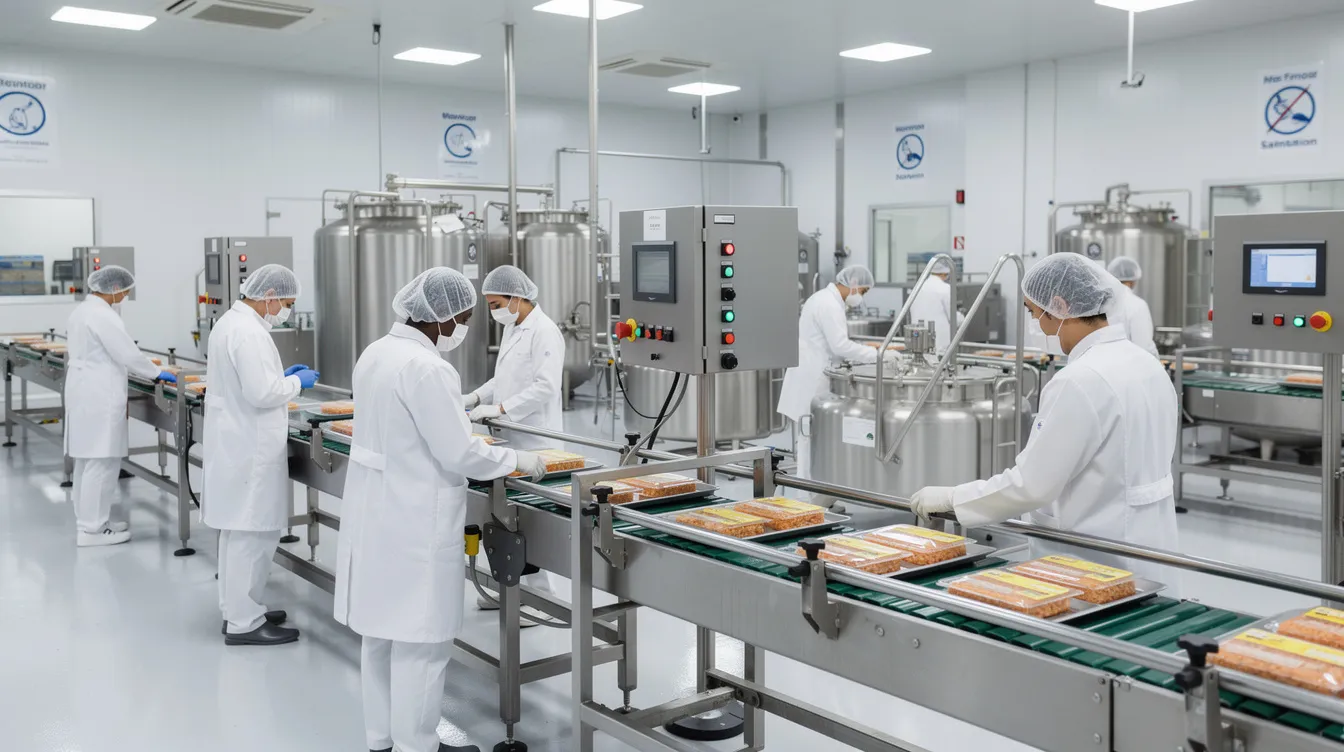
Automating the packaging and sealing processes can reduce moisture reabsorption in puffed rice. Packaging for puffed rice must prevent moisture absorption to maintain product quality and texture. Manual packaging versus semi-automatic sealing versus automatic pouching significantly affects effective daily production capacity, especially with multiple SKUs and frequent changeovers.
Puffed rice has high volume but low weight, creating special storage challenges. DPRs should include indicative storage capacities aligned with planned annual production.
Capacity, Utilities, Manpower and Factory Layout
Higher puffed rice plant capacity requires proportionately higher utilities, more manpower and a larger, better-planned factory layout.
Utilities: Increased connected electrical load for motors and packaging equipment (a puffed rice-making machine typically requires 2hp to 3hp power, but the full line requires considerably more), higher fuel requirement (coal, gas, diesel or electric heaters) for roasting and drying, and modest water requirement. Utilizing local agricultural waste for energy can reduce operational costs in puffed rice plants.
Manpower comparison:
| Role | Small Manual Unit | Medium Automatic Plant |
|---|---|---|
| Machine operators | 2–3 | 3–5 |
| Helpers/loaders | 3–4 | 4–6 |
| Packaging workers | 2–4 | 2–3 (machine-assisted) |
| QC / Supervisor | 1 | 1–2 |
| Maintenance | Part-time | 1 dedicated |
Designing a plant layout with linear material flow enhances efficiency and scalability – from raw rice unloading through to finished-goods dispatch. Well-planned layout reduces material-handling time and hidden downtime, improving effective plant operating capacity and lowering per-kg operating cost.
Capacity Expansion, Project Cost and Working Capital Linkages
Modular capacity planning is a practical approach: start with a moderate capacity and design building and infrastructure to add more muri making machines later as the market grows.
Puffed rice plant capacity and machinery selection directly drive project cost. However, project cost does not rise linearly with capacity – many costs (land, basic building, office, certain utilities) are semi-fixed, which can improve per-kg profitability at higher utilization if sales volumes are available.
Working-capital implications of higher capacity include more raw rice inventory, more packing material, larger finished-goods stock, higher electricity and fuel bills and higher wages. These must be reflected accurately in bank working-capital proposals.
Before committing to very high industrial puffed rice plant capacity, entrepreneurs should test market response and ensure term-loan limits, cash-credit facilities and internal funds are sufficient to sustain the larger scale. The puffed rice market has various health benefits driving consumer interest – the grain is low in fat, has fewer calories than many competing snacks and is a reliable source of fiber – but market share must still be built systematically.
Production Capacity, Revenue, Break-Even and Bank Appraisal
Annual Sales Quantity = Installed Capacity × Capacity Utilization Revenue = Quantity × Average Selling Price
Illustrative example: 840 tonnes/year × ₹45/kg average selling price = ₹3.78 crore annual turnover. This feeds directly into profit-and-loss projections in the DPR.
Break-even is the utilization level at which contribution covers fixed costs. Larger plants need higher absolute sales to reach break-even but may have lower per-kg fixed cost at high utilization.
Bankers expect to see in a puffed rice plant DPR: clear installed capacity, year-wise utilization schedule, realistic production quantity, consistent raw material and packing consumption, machinery quotations, working-capital assessment, DSCR calculations and a repayment schedule based on actual projected cash flows.
If puffed rice plant capacity in India is shown with unrealistic 90–100% utilization from Year 1, lenders will question feasibility and may reduce sanctioned limits or reject the project.
Factors Affecting Actual Puffed Rice Plant Production Capacity
A practical checklist of factors that make actual output different from the theoretical rated capacity of a muri making plant:
- Machinery-related: Efficiency of roasters and dryers, age of equipment, preventive maintenance practices, quality of automation controls, availability of spares
- Raw-material and process: Rice variety, grain size, moisture content, uniformity of conditioning, seasonal humidity, stability of heating temperature during roasting
- Operational: Operator skill, SOP adherence, shift discipline, labour absenteeism, power cuts, fuel quality (coal or gas consistency), safety stoppages
- Market and product-mix: SKU complexity, frequent flavour changeovers, quality rejections and returns – all reduce net saleable output relative to installed capacity
Common Capacity Planning Mistakes in Puffed Rice Projects
From actual MSME project appraisals I have handled, these mistakes recur frequently:
- Choosing machinery only on headline kg/hour without studying the full production line including packaging
- Assuming 2–3 shifts/day from the first year without proven market demand or sufficient working capital
- Neglecting cleaning and maintenance downtime (realistic estimate: 10–20% non-productive time)
- Assuming 330–350 working days/year when 300 is more realistic for most Indian units
- Overlooking process losses and recovery percentage in cost projections
- Underestimating storage space for bulky finished puffed rice
- Installing an oversized automatic puffed rice plant without assured demand – leading to poor break-even and difficulty servicing bank term loans
- Not accounting for the fact that puffed rice production efficiency depends heavily on moisture content – optimal is typically 10–14%
Cross-check your planned puffed rice processing plant capacity with at least two or three comparable units in your region before finalising DPR numbers.
Selecting the Right Puffed Rice Plant Capacity: Practical Framework
There is no single “ideal capacity.” The correct puffed rice plant capacity selection depends on the entrepreneur’s market, experience and financial strength.
Checklist:
- Assess target demand in local, regional and Indian market segments
- Evaluate distributor tie-ups and whether you will sell bulk murmura or build your own brand
- Available own capital and expected bank finance – minimum investment for a small-scale unit is ₹10 lakhs
- Comfort with EMI burden and ability to fund working capital for 3–6 months of operations
- Long-term availability of rice at feasible prices near the plant – choose a location with access to raw materials and labor
- Reliability of electricity or fuel supply for continuous roasting
- Obtain a food license from the FSSAI to start, and register your business with the Registrar of Companies
- Access to skilled operators for puffed rice manufacturing
Indicative starting suggestions (not prescriptive):
- First-time entrepreneurs: micro or small commercial unit, 200–400 kg/hour, single shift
- Existing food processing manufacturers or snacks companies planning capacity expansion: medium-scale automatic plant, 500–750 kg/hour
- Experienced producers with proven market and distribution: consider 1,000+ kg/hour industrial lines with multi-shift operation
Illustrative Capacity Planning Model for a Puffed Rice Plant
The following is purely illustrative, meant to show how capacity concepts connect in a DPR.
Table 1: Capacity Model
| Parameter | Assumed Value |
|---|---|
| Machine rated capacity | 500 kg/hour |
| Estimated practical capacity (after downtime) | 450 kg/hour |
| Effective operating hours/day | 7 hours |
| Daily output | 3,150 kg (3.15 tonnes) |
| Working days/month | 25 |
| Working days/year | 300 |
| Annual installed capacity | 945 tonnes |
| Year 1 utilization (60%) | 567 tonnes |
| Year 2 utilization (70%) | 662 tonnes |
| Year 3+ utilization (80%) | 756 tonnes |
Table 2: Raw Material and Revenue (Year 3 at 80%)
| Parameter | Value |
|---|---|
| Annual puffed rice output | 756 tonnes |
| Recovery % (rice to muri) | 95% |
| Raw rice required | ~796 tonnes |
| Indicative selling price | ₹45/kg |
| Approximate annual revenue | ₹3.40 crore |
All tonnage, yield, price and utilisation assumptions are purely for demonstration. Every actual puffed rice manufacturing project in India must be based on current quotations and local market data. This model flows into financial statements: projected profit and loss, fund-flow statement, DSCR calculation and bank loan repayment schedule for the murmura plant project report.
Frequently Asked Questions (FAQ) on Puffed Rice Plant Capacity Planning
These FAQs address common doubts especially relevant for first-time puffed rice manufacturers and food processing entrepreneurs in India.
What is a realistic starting capacity for a new puffed rice manufacturing unit?
Many first-time entrepreneurs begin with a micro or small commercial puffed rice plant in the range of about 200–500 kg/hour, usually operating in a single shift. This range balances investment risk, the learning curve and market development. The world of puffed rice manufacturing offers scalability – you can add machines later once demand justifies expansion.
How many hours per day should I plan to operate my murmura plant in the DPR?
Most new MSME projects should assume one shift of about 8 hours with 1–1.5 hours deducted for breaks, cleaning and changeovers, resulting in 6.5–7 effective operating hours/day in the first year. As systems stabilise, effective hours can increase, and some units eventually move to double shifts.
Can I rely fully on supplier brochures for puffed rice machine production capacity?
Brochures are a starting point only. Obtain written capacity guarantees with input specifications, confirm whether capacities are based on continuous running or batch cycles, and wherever possible, visit an existing puffed rice plant using similar machinery to see practical throughput. The leading manufacturer or exporter of a machine may quote ideal numbers that do not reflect your specific conditions.
When is it advisable to plan capacity expansion for a puffed rice plant?
Expansion makes sense when existing capacity utilization is consistently above 75–80% for several months, orders are being lost due to capacity constraints, working capital is adequate and profitability is stable. Avoid expanding purely based on optimistic future demand without proven sales and funding support. The puffed rice market is expected to produce strong returns in countries with growing demand, but the domestic overview should drive your decision.
How should I present capacity figures in a puffed rice plant project report for a bank loan?
Include a capacity table summarising rated machinery capacity, effective hours/shift, working days/year, annual installed capacity and year-wise utilisation. These figures must tie logically to raw-material consumption, power and fuel costs, manpower, sales volume and all financial projections. Bankers check for internal consistency – if your production numbers do not match your raw material purchases or your revenue does not match your output, the DPR loses credibility.
Professional Conclusion
Choosing the right puffed rice plant capacity is a strategic decision requiring balance between market demand, machinery capability, raw-material availability, packaging capacity, storage, working capital and project finance. It is not a number you pick from a brochure.
Robust capacity planning converts a simple kg/hour machine specification into a complete picture of daily, monthly and annual output, raw-material needs, investment size, profitability, break-even and DSCR – which is exactly what lenders and investors evaluate. Every feature of the project report, from revenue projections to the control of operating costs, rests on whether capacity assumptions are realistic.
I encourage entrepreneurs to validate all indicative figures with machinery suppliers, conduct small-batch trials where possible, and prepare a technically and financially consistent DPR before approaching banks for a puffed rice manufacturing business loan in India. ProjectReportBank.com can assist in preparing bankable puffed rice plant project reports – including realistic capacity planning, financial projections and CMA data tailored to your specific scale and location.
- CA Manish Gugliya