
Get Expert Mudra Loan Reports Online
Why Trust Project Report Bank for Mudra Loan Reports
Led by a Chartered Accountant with 20+ Years’ Experience
Seamless and Secure Online Process Nationwide

Proven Success in Mudra Loan Approvals
Mudra Loan Project Report Odisha – Complete Guide for Easy Bank Approval 2026
Key Takeaways
Mudra loans in Odisha are available under Shishu (up to ₹50,000), Kishor (₹50,001 to ₹5 lakh) and Tarun (₹5,00,001 to ₹10,00,000) categories through commercial banks, NBFCs and MFIs for small businesses, traders, manufacturers and service providers engaged in non-farm income-generating activities.
A professionally prepared mudra loan project report with the correct project report format, CMA data and realistic financial projections can significantly improve approval chances and reduce processing delays at Odisha bank branches.
Applicants must submit a project report to obtain a Mudra loan, especially for Kishor and Tarun categories. Reports that are incomplete, unrealistic or inconsistent with bank expectations are frequently rejected.
Our CA-led team prepares online, bank-approved Mudra loan project reports for applicants across all cities and towns of Odisha – including Bhubaneswar, Cuttack, Rourkela, Sambalpur, Berhampur, Puri, Balasore and 25+ other locations – without needing a physical visit.
This article covers eligibility, required documents, interest rates, step-by-step bank loan approval process, common mistakes, actionable tips and 12+ FAQs specific to Mudra Loan Project Report Odisha.
Introduction to Mudra Loan in Odisha
Pradhan Mantri Mudra Yojana (PMMY) has become one of the most accessible funding channels for micro enterprises and small business owners across India. For Odisha, a state with a rapidly growing base of self-employed traders, manufacturers, service providers and women entrepreneurs, the mudra scheme offers a real pathway to formal credit – often for the first time.
A mudra loan is a government-backed business loan of up to ₹10 lakh, designed specifically for non-farm income-generating activities. Whether you run a grocery shop in Bhubaneswar, a tailoring unit in Puri, a food processing unit near Sambalpur, or an auto-rickshaw service in Rourkela, this loan can help you start, stabilize or scale your enterprise. Mudra loans support Micro, Small, and Medium Enterprises (MSMEs) and are accessible through nationalized banks and MFIs, as well as private banks and NBFCs operating in Odisha.
Banks in Odisha such as SBI, UCO Bank, Bank of Baroda, Canara Bank, Odisha Gramya Bank and major private banks offer Mudra loans without collateral for eligible applicants. As of September 2024 in FY 2024-25, Odisha recorded a total of 11,90,965 Mudra loan accounts sanctioned across Shishu, Kishor and Tarun categories – a clear sign of strong demand and institutional willingness.
But here is what most applicants miss: getting a Mudra loan sanctioned is not automatic. It depends on the lender’s assessment of business viability. The key document that enables that assessment is a mudra loan project report – a bank-ready business plan that outlines business plans and financial needs, including financial projections and a clear repayment plan. We provide professional online project report preparation for Mudra loans, specially customized for Odisha-centric businesses and bank formats, similar to our work for clients applying for Mudra Loan Gujarat and Mudra Loan Project Report Rajasthan.
Why a Project Report is Critical for Mudra Loan Approval in Odisha
Clear Business Model Understanding: It gives the branch manager a clear view of your business model, products, and target market, helping them assess whether the loan amount requested is justified.
Demonstrates Repayment Capacity: It demonstrates your repayment capacity through projected income, expenses, and cash flow – the borrower’s ability to service EMIs without default.
Risk Evaluation: It allows the bank to evaluate risk: what happens if sales drop 20%? Is there a break-even analysis? Are margins realistic given local Odisha conditions?
Compliance with RBI Norms: It helps the bank comply with Reserve Bank of India (RBI) norms and internal credit policy. The reserve bank expects all financial institutions to appraise credit proposals with supporting documentation.
Shows Seriousness: It establishes seriousness – a structured, data-backed report shows the bank you’ve thought through your business idea and are committed to making it work.
Improves Approval Chances: A well-prepared mudra loan project report improves approval chances, helps justify the required loan amount, and bridges the communication gap between you and the credit officer.
Avoids Common Rejection Reasons: Many applications in Odisha are delayed or rejected because the project report format is incomplete, copied from generic templates, or lacks realistic financial projections and CMA data.
Value of CA-Prepared Reports: A CA-prepared, customized Mudra Loan Project Report Odisha can be especially valuable for first-time borrowers and rural applicants who may not be familiar with banking documentation standards.
Categories of Mudra Loan: Shishu, Kishor & Tarun
Under the PMMY, Mudra loans are divided into categories based on loan amounts and the stage of business development. All three categories are applicable across Odisha through banks, NBFCs and micro finance institutions.
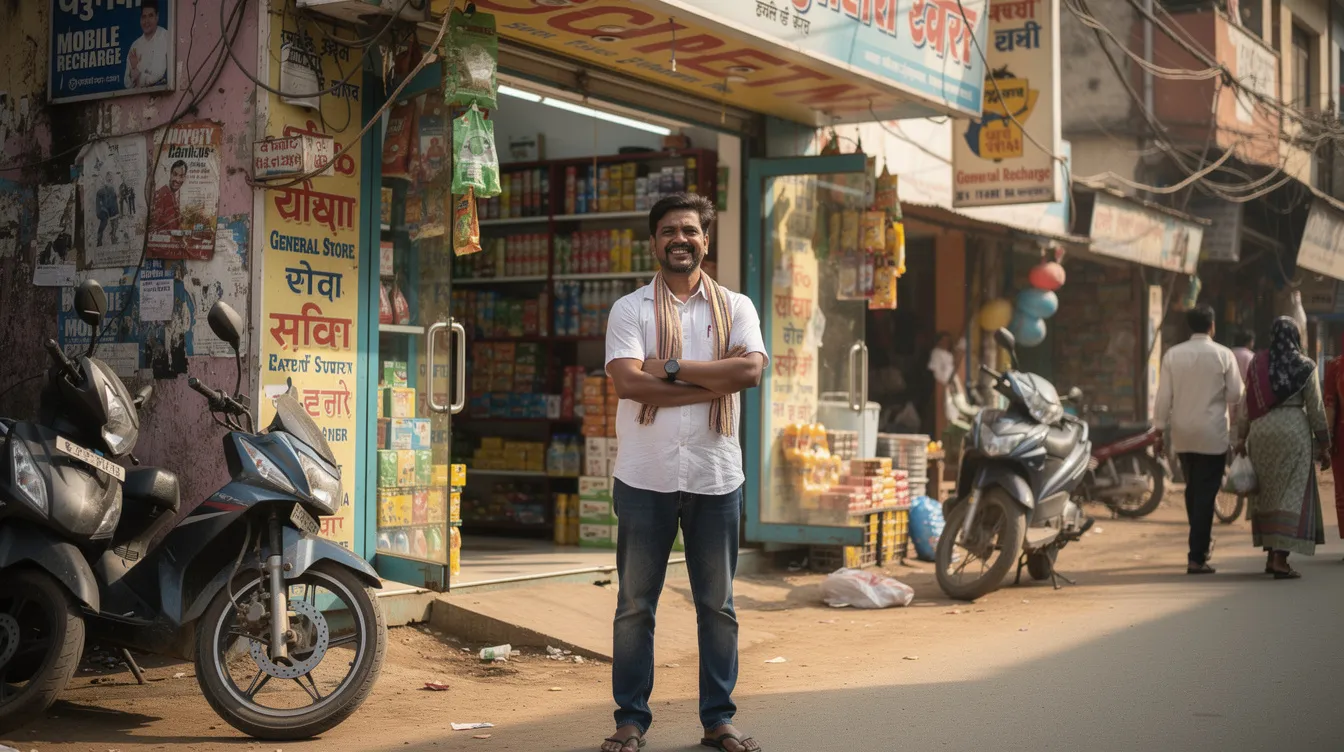
Shishu (up to ₹50,000): For businesses at the startup or very early stage. Example: a street food cart in Cuttack, a mobile recharge shop in Jajpur, or a small tailoring unit in a rural block of Ganjam.
Kishor (₹50,001 to ₹5,00,000): For existing businesses looking to expand operations, add inventory, or purchase equipment. Example: a small rice mill near Sambalpur upgrading its machinery, or a beauty parlor in Berhampur adding new services.
Tarun (₹5,00,001 to ₹10,00,000): For more mature micro enterprises needing larger capital for significant expansion. Example: a transport vehicle purchase in Rourkela, or a food processing unit setup in Balasore.
Mudra loans are categorized into three schemes – Shishu, Kishore, and Tarun – each with progressively higher documentation expectations. Banks often expect at least a simple project report even for Shishu in Odisha, but for Kishor and Tarun, a detailed project report with financial projections and CMA data is almost mandatory.
We tailor the depth of each project report to these categories: shorter and simpler for Shishu, and full-format with DSCR calculations, ratio analysis, and detailed cost breakdowns for Kishor and Tarun.
Eligibility Criteria for Mudra Loan in Odisha
Eligibility criteria for Mudra loans are set nationally, but the examples below are explained in Odisha context.
Who can apply:
Individuals, proprietary concerns, partnership firms and small companies
Women entrepreneurs and artisans
Traders, shopkeepers, transport operators and small manufacturers
Service providers (salons, repair shops, coaching centres, small clinics)
SC/ST/OBC entrepreneurs and persons with disability (additional forms or certificates may be needed; see the guide on Mudra Loan for SC/ST Applicants)
Key eligibility conditions:
Applicants must be Indian citizens between 18 and 65 years old.
Both new and existing businesses can apply, as long as the activity is non-farm and income-generating. Examples: dairy processing in Balasore, mobile repair shop in Berhampur, tailoring unit in Puri.
KYC compliance and clean banking habits are essential. Applicants must not be defaulters to any bank or financial institution.
A basic CIBIL score helps, but first-time borrowers with no credit history can still get approved if the project report is strong and savings account behavior is stable. For more on this, see Mudra Loan Without CIBIL Score.
Mudra loans can be availed as a term loan or working capital facility (including Mudra Card). Some banks may insist on Udyam/MSME registration for higher loan slabs.
For a broader understanding of MSME eligibility requirements, the MSME Mudra Loan Guide offers useful details information while this article stays focused on Odisha specifics.
Business Activities Eligible for Mudra Loan Odisha
Banks in Odisha finance a wide variety of small businesses under the mudra scheme, spanning both rural and urban areas across trading, manufacturing and services.
Eligible business types include:
Grocery, retail and general stores in Bhubaneswar, Cuttack or smaller towns
Tea stalls, fast-food shops and small hotels (dhabas)
DTP centres, cyber cafes and printing shops
Mobile and computer repair shops
Tailoring, boutique and readymade garment units
Beauty parlors and salons
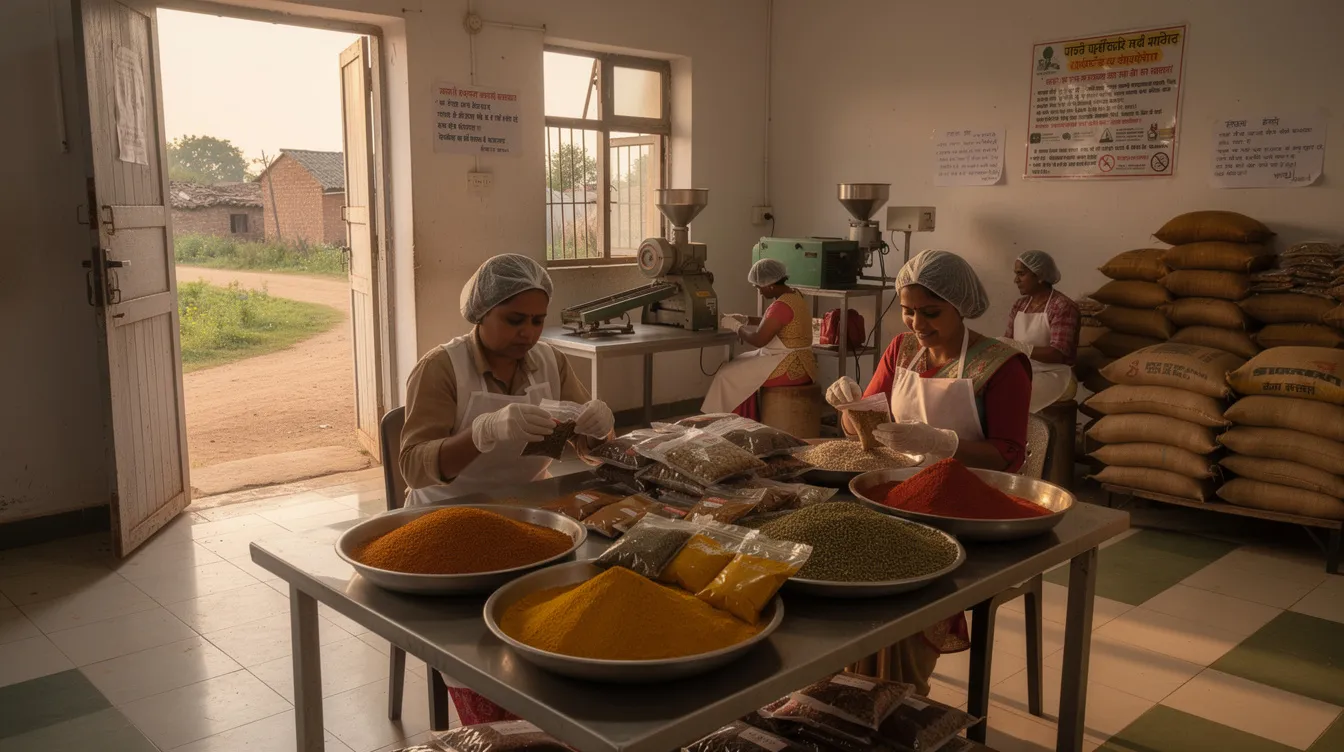
Small manufacturing units: agarbatti making, packaging, spice grinding, rice and pulse mills, handicraft production
Transport vehicles: auto-rickshaws, e-rickshaws, goods carriers
Coaching centres, tuition classes and diagnostic collection centres
Small clinics (non-hospital) and pharmacies
Various business types including shopkeepers and service providers are eligible for Mudra loans. The Mudra scheme also includes support for allied agricultural activities – meaning food processing of agricultural produce, cold storage, dairy processing and similar non-farm allied activities are generally eligible. Pure agriculture land purchase, however, is not financed under Mudra.
We customize each mudra loan project report based on the exact line of activity, local market of the Odisha town, and the specific bank loan product chosen.
Documents Required for Mudra Loan Odisha
The exact documentation differs slightly by bank, but most public and private banks in Odisha follow a broadly similar checklist. Documentation required includes proof of identity and business, along with income and address verification.
Personal KYC:
Aadhaar card
PAN card (note: some banks allow Mudra Loan Without PAN Card for very small loans subject to conditions)
Voter ID or passport
Recent passport-size photographs
Business KYC:
Udyam/MSME registration certificate
Shop & Establishment registration or trade license (Odisha state or municipal body)
GST registration certificate (where applicable; for smaller businesses, see Mudra Loan Without GST)
Partnership deed or company incorporation documents (if applicable)
Address proof (residence and business):
Electricity bill, rent agreement, property tax receipt
Gram Panchayat certificate for rural areas in Odisha
Municipal body document for urban applicants
Financial documents:
Last 6–12 months’ bank statements of savings or current account
Income tax returns (ITRs) if available
Existing loan or liability statements
Core document – the project report:
A properly structured Mudra Loan Project Report Odisha including financial projections, CMA data, repayment schedule and cost breakdowns is treated as a core document by sanctioning authorities.
For certain borrower categories such as senior citizens, women entrepreneurs and disabled persons, additional documents or specific forms may be needed. Specialized guides like Mudra Loan for Disabled Persons and Mudra Loan for Senior Citizens can help with those specifics.
Components of a Professional Mudra Loan Project Report (Odisha Format)
This section outlines a practical project report format that aligns with what Odisha banks typically expect for Mudra loans. A standard project report format is accepted by most public sector banks, so getting the structure right matters.
Key components of a bank-ready mudra loan project report:
Executive summary: A one-page overview of the business, loan requirement, and key financials
Project company profile / Promoter profile: Education qualification, relevant experience, local background in Odisha, achievements export orders (if any), and the company’s background
Business overview and description: All the products or services offered, commercial manufacturing processes (if applicable), raw material sourcing, production/service workflow
Location analysis: Space or land requirement, proximity to market, transport infrastructure, municipal permissions in the Odisha town
Market analysis and competition: Local demand, customer segments, advertising strategies, pricing strategy, competitor mapping in the relevant Odisha district
Project cost and means of finance: Detailed cost schedule for machinery, furniture, renovation, vehicle or inventory. Clear breakdown of own contribution vs loan amount
Project logistics details: Supplier details, required third party details, vendor quotations for capital purchases
Working capital assessment: Monthly operating expenses, inventory needs, receivable cycles
Projected profit & loss account: Monthly for Year 1, annual for Years 2–5
Projected balance sheet and cash flow: Complete financial information showing assets, liabilities and fund flows
DSCR (Debt Service Coverage Ratio): Shows whether expected revenue and profits can comfortably cover EMI payments
Repayment schedule: EMI calculations aligned with projected cash flows
Break even analysis: The sales level at which the business covers all costs
SWOT analysis and risk assessment: Including sensitivity to sales decline, cost inflation, and Odisha-specific factors like monsoon disruption or seasonal demand
The project report should include market analysis and funding needs, along with business details and financial information. It must clearly show the loan amount requested, use of funds, and realistic sales and expense assumptions backed by local Odisha market data.
A detailed project report can be up to 27 pages long, depending on loan size and business complexity. Our reports typically range from 15–27 pages and are customized as per bank-specific formats used across branches in Bhubaneswar, Cuttack, Rourkela, Sambalpur and other Odisha cities.
For readers who want to understand professional standards before approaching their bank, the Perfect Project Report Guide is a helpful resource.
CMA Data & Financial Projections for Mudra Loan Odisha
Many banks in Odisha, especially for Kishor and Tarun loans above ₹2–3 lakh, informally insist on CMA data and structured financial projections even for Mudra. This is where many applicants struggle – and where professional help makes the biggest difference.
What CMA (Credit Monitoring Arrangement) data typically contains:
Projected financial statements: profit & loss account, balance sheet, and cash flow for 3–5 years
Fund flow statement showing sources and uses of money
Working capital assessment based on inventory, receivables and payables
Key financial ratios: DSCR, interest coverage ratio, current ratio, gross margin and net profit margin
Although Mudra is technically up to ₹10 lakh and collateral-free, banks still evaluate DSCR, interest coverage and net profit margins to ensure the borrower has genuine repayment ability. Loan approvals depend on the lender’s assessment of business viability – and CMA data is where that assessment gets quantified.
What makes projections credible for Odisha businesses:
Sales assumptions must reflect local realities – a retail shop in Bhubaneswar has different footfall than one in Nuapada. Seasonality matters: tourism peaks in Puri, festival-driven demand in Cuttack, monsoon-affected transport in western Odisha.
Cost assumptions should use local price levels for raw materials, labor, rent and electricity rather than national averages.
Conservative growth rates (10–15% annually) with a buffer for unexpected cost overruns are far more convincing than aggressive projections.
We use 20+ years of CA experience to prepare accurate CMA data and financial projections tailored to each client’s business, the bank’s internal norms, and regional variations in Odisha. Similar financial projection principles apply to other collateral-free loan schemes – for more on that, see CGTMSE Loan Without Collateral.
Interest Rate, Loan Amount & Repayment Terms in Odisha
Interest rates for Mudra loans are not fixed centrally but decided by individual banks within RBI guidelines. Mudra loans are available at affordable interest rates that remain broadly similar across states, including Odisha.
Typical interest rate ranges (indicative, 2024–2026):
Shishu category: approximately 9%–12% p.a. in most banks
Kishor category: approximately 10%–13% p.a.
Tarun category: approximately 10%–14% p.a. depending on bank, risk profile and applicant’s credit history
Some banks like Odisha Gramya Bank have offered promotional rates as low as 8%–10% for select categories
Processing fee is usually nil for Shishu; banks may charge up to 0.50% for larger Tarun loans
Loan amount structure for Odisha applicants:
Category | Loan Amount Range | Typical Business Stage |
|---|---|---|
Shishu | Up to ₹50,000 | New / micro startup |
Kishor | ₹50,001 – ₹5,00,000 | Existing, needs expansion |
Tarun | ₹5,00,001 – ₹10,00,000 | Established, significant scaling |
The loan size and project cost must be logically aligned. Your project report should justify why you need the specific loan amount – overasking or underasking both raise red flags.
Repayment terms:
Term loan tenure: up to 5 years in most banks
Moratorium period on principal for certain projects (e.g., manufacturing units needing time to reach production capacity, or seasonal businesses) is possible at bank discretion
Working capital facilities may be structured as 1-year renewable limits or Mudra Card
Mudra itself does not provide a direct interest subsidy for most borrowers, but some state or central government schemes may offer interest subvention for special categories (women entrepreneurs, SC/ST in selected programs). Confirm availability with your specific bank branch in Odisha.
Showing EMI calculations and DSCR working in the Mudra Loan Project Report is essential – it lets the bank clearly see affordability. Our reports include automated EMI schedules aligned to the proposed repayment plan.
Bank Loan Approval Process for Mudra Loan Odisha
The typical workflow for getting a Mudra loan sanctioned in Odisha follows a predictable sequence. Applicants can apply both online and offline – though most banks still require physical documentation and a project report even when the initial application is digital.
Step-by-step process:
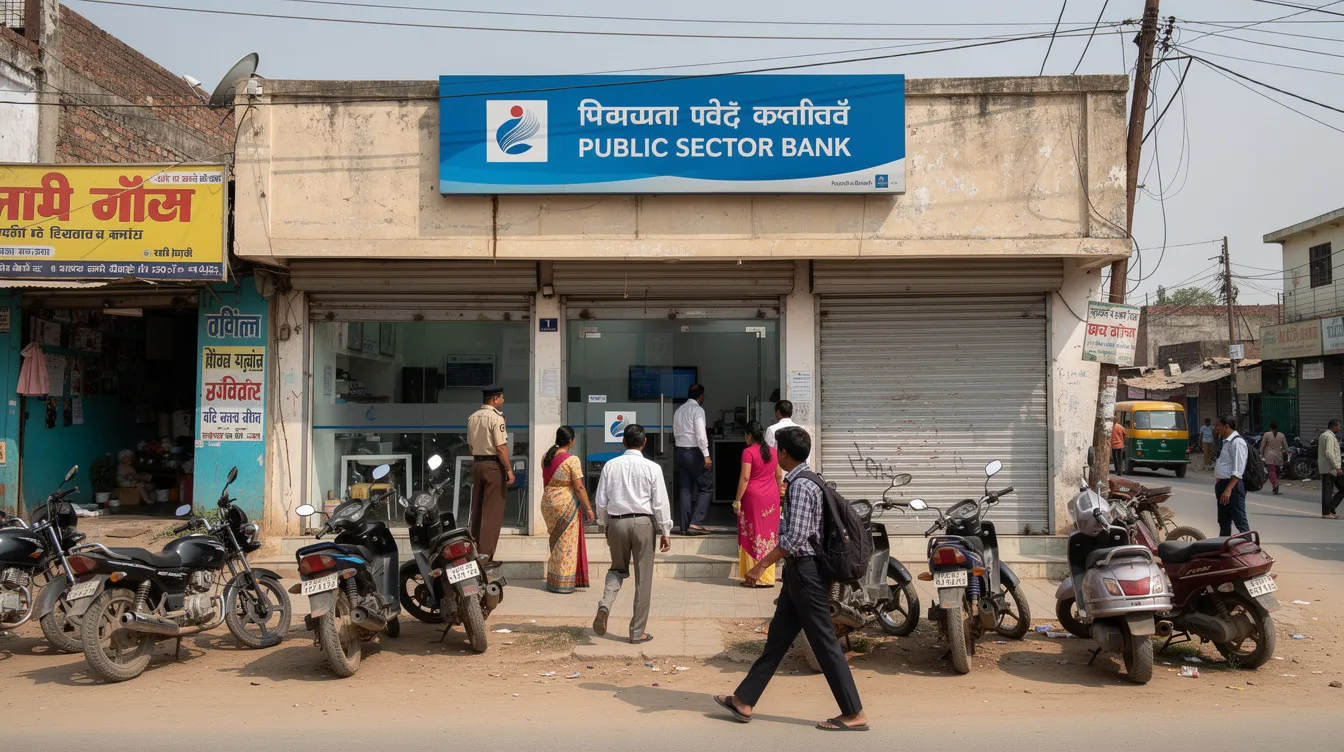
Choose the right bank and branch: Prefer a bank where you already have a savings or current account. Odisha Gramya Bank, SBI, UCO Bank, Bank of Baroda, Canara Bank and major private banks all offer Mudra.
Collect application form and Mudra checklist: Visit the branch or download forms from the bank’s website or the Jan Samarth Mudra Loan portal.
Prepare your project report and documents: Assemble all KYC, business and financial documents along with your mudra loan project report.
Submit the loan application: Submit everything at the branch counter or upload via the bank’s online portal. Ensure every page is signed and complete.
Branch-level appraisal: The credit officer reviews your application, verifies documents, may conduct a physical visit to your business premises, and checks CIBIL records.
Sanction letter issuance: If the appraisal is positive, the bank issues a formal sanction letter specifying loan amount, interest rate, tenure and conditions.
Documentation signing: Execute the loan agreement, hypothecation documents, and any other bank-specific forms.
Disbursement: Funds are released to your bank account or directly to the vendor/supplier for asset purchases. Some banks also issue a Mudra Card for working capital drawdowns.
Timelines: When the project report and documents are complete, most Odisha banks process Mudra loans within 7–21 working days. Delays almost always stem from missing documents, incomplete project report, or discrepancies that trigger additional queries.
A professionally prepared bank-approved project report and properly filled loan application reduce queries, cut down approval time and directly improve approval chances.
Common Mistakes That Lead to Mudra Loan Rejection in Odisha
A significant percentage of Mudra applications in Odisha are rejected or kept pending due to avoidable errors in the project report and documentation. Reports are rejected if they are incomplete or unrealistic – and the fix is almost always within the applicant’s control.
Typical mistakes that lead to rejection:
Incomplete project report: Missing sections like cash flow, DSCR, or repayment schedule. Incomplete reports lead to Mudra loan rejection more often than any other single reason.
Unrealistic sales projections: Projecting monthly revenue of ₹5 lakh for a grocery shop in a village of 2,000 people. Unrealistic financial projections can cause loan report rejection instantly.
Mismatch between loan amount and project cost: Requesting ₹8 lakh when the project cost breakdown only adds up to ₹4 lakh. This signals either padding or poor planning.
Missing KYC or business documents: Expired address proof, absent Udyam registration, or no GST certificate when the bank expects one.
Poor CIBIL record left unexplained: Past defaults or bounced cheques that surface during verification without any prior disclosure by the applicant.
Inconsistent information: Inconsistent information in reports results in rejection – for example, the application form states one business address while the project report mentions another.
Copied or generic project reports: Internet-downloaded templates that do not reflect the applicant’s actual business, local Odisha market conditions, or realistic cost structure. Reports not aligned with bank expectations are often rejected.
No clear repayment plan: Failing to show how EMIs will be serviced from business cash flows.
Non-disclosure of existing loans: Banks check credit bureau records. Hiding existing liabilities is a serious red flag that often leads to outright rejection.
For deeper guidance on handling rejections, see Reasons for Mudra Loan Rejected and the Rejected Mudra Loan Appeal Process.
Tips to Improve Mudra Loan Approval Chances in Odisha
Here are practical, experience-based tips from a Chartered Accountant who has seen hundreds of Mudra applications succeed and fail.
Bank relationship matters: Apply at a bank where you already have a savings or current account with at least 6–12 months of transaction history. Branches are more comfortable lending to existing customers.
Maintain clean bank statements: Avoid frequent cash deposits from unexplained sources. Keep deposits structured and linked to identifiable income.
Select a realistic loan amount: Don’t ask for ₹10 lakh if your business needs ₹3 lakh. Match the request to actual project cost and justify every rupee in the project report.
Present a properly formatted mudra loan project report: Include Odisha-focused market data, local cost assumptions, and industry-specific details. This is the single most impactful step you can take.
Be ready for the branch visit: The credit officer may visit your business premises. Keep your shop or workspace presentable and be ready to explain your business in simple Odia, Hindi, or English.
Respond quickly to bank queries: Delays in providing clarifications or additional documents can push your file to the bottom of the pile. Stay proactive.
Address CIBIL concerns upfront: If you have a low score or no credit history, provide additional comfort – a guarantor, proof of stable savings, or a stronger project report. Explore options for Mudra Loan Without CIBIL Score where applicable.
Leverage category-specific support: Women entrepreneurs, senior citizens, SC/ST applicants, salaried persons seeking to start side businesses, and disabled persons may have access to additional schemes or relaxed criteria. Use the appropriate guides to understand eligibility.
Get professional help for Kishor and Tarun: A bank-ready project report prepared by an experienced CA who understands local Odisha banking practices can substantially increase approval probability and speed.
Consider applying through multiple channels: If one branch is slow, you can approach another branch of the same bank or a different bank with the same project report (with minor format adjustments).
Online Mudra Loan Project Report Preparation Services for Odisha
We provide professional Mudra Loan Project Report preparation services for applicants across the entire state of Odisha, fully through online mode.
We currently do not have a physical office in Odisha. However, we successfully serve clients throughout Odisha via phone, email and WhatsApp – collecting necessary details remotely and delivering customized, bank-approved project reports in PDF and Word format.
Cities and towns we serve across Odisha:
Bhubaneswar, Cuttack, Rourkela, Sambalpur, Berhampur, Puri, Balasore, Baripada, Angul, Jharsuguda, Jajpur, Bhadrak, Dhenkanal, Rayagada, Koraput, Jeypore, Keonjhar, Kendrapara, Jagatsinghpur, Nayagarh, Bargarh, Bolangir, Sonepur, Nuapada, Bhawanipatna, Phulbani, Ganjam, Paradeep, Talcher, Sundargarh – and every other urban and rural location in Odisha.
How the online process works:
Initial discussion of your business idea and loan requirement via call or WhatsApp
Collection of basic data through a structured questionnaire (promoter details, business plan, cost estimates, employees working or planned, third party details, etc.)
Preparation of draft project report including project commercial aspects, financial projections, CMA data and repayment schedule
Client review, feedback and finalization
Delivery of final report in print-ready PDF/Word format with support for printing and signing before bank submission
Our experience includes project reports for a wide range of Mudra businesses – retail shops, pharmacies, small manufacturing, food processing, transport vehicles, home-based businesses, franchise businesses, and startup ventures – similar to examples delivered for clients in other states like Mudra Loan Project Report Tamil Nadu and Mudra Loan Project Report Telangana.
Contact us today for a customized Mudra Loan Project Report Odisha to match your bank’s format and significantly improve the chances of timely loan sanction.

Comparison: DIY Mudra Project Report vs CA-Prepared Report
Many Odisha entrepreneurs try to draft the project report themselves or use generic software templates downloaded from the internet. While that initiative is commendable, the results often fall short of what bank credit officers expect.
Here is a practical comparison:
Aspect | DIY / Template-Based Report | CA-Prepared Report |
|---|---|---|
Financial projections | Often generic or optimistic | Realistic, based on local Odisha data |
Bank format alignment | May not match branch expectations | Customized to specific bank format |
DSCR / ratio calculations | Frequently missing or incorrect | Accurately computed with explanations |
Handling past financial issues | Usually ignored | Addressed with appropriate disclosures |
Market analysis depth | Shallow, national-level data | Odisha town/district level analysis |
Approval rate | Lower – higher chance of queries | Significantly higher |
Time to sanction | Longer due to back-and-forth | Faster – fewer bank queries |
DIY or software-generated reports may work for initial planning but often lack the specific detailing, justifications and risk-mitigation explanations that credit officers in Odisha look for. A CA-prepared report is customized to your industry and locality, uses correct CMA data, and includes built-in answers to the typical questions bankers raise.
If you are serious about faster approval and higher loan amounts – especially for Kishor and Tarun categories or when a previous application has already been rejected – a CA-led mudra loan project report is the safer choice.
Sample Mudra Loan Project Profiles for Odisha Businesses
To help you visualize how an Odisha-specific project report looks, here are three brief sample scenarios. These are summaries, not full reports, but they illustrate the level of customization involved.
1. Retail Pharmacy in Bhubaneswar / Cuttack (Kishor Category – ₹3 lakh)
The promoter holds a B.Pharm degree with 3 years of experience in a local medical shop. The proposed pharmacy is located near a cluster of clinics on a busy road. Project cost covers shop renovation (₹80,000), furniture and fixtures (₹40,000), initial medicine inventory (₹1,50,000), and working capital (₹30,000). Expected revenue is ₹1.5–2 lakh per month with a gross margin of 18–22%. The report includes a 3-year projected P&L, DSCR above 1.5, and a repayment plan of 48 monthly EMIs.
2. Small Spice Processing Unit near Sambalpur (Tarun Category – ₹7 lakh)
A first-generation entrepreneur with 5 years of experience in wholesale spice trading plans to set up a small grinding and packaging unit. Land requirement is a rented 600 sq ft space in an industrial area. Machinery cost is ₹4 lakh, raw materials from local Odisha farmers at ₹1.5 lakh, and remaining for packaging, branding and working capital. The project report includes commercial manufacturing processes, local supplier details, sales projections based on demand from Sambalpur, Bargarh and Bolangir markets, and sensitivity analysis for raw material cost fluctuation.
3. Mobile Repair and Accessories Shop in Berhampur (Kishor Category – ₹1.5 lakh)
A young entrepreneur with ITI certification and 2 years of informal experience plans to formalize his mobile repair service and add accessories retail. Low fixed assets but strong service income. The project report focuses on operational model, expected revenue from repair services (₹30,000/month) and accessory sales (₹50,000/month), advertising strategies for local reach, and a lean cost structure. An exhaustive list of expense heads and a simple break even analysis round out the report.
In each scenario, the mudra loan project report is tailored with local demand data, municipal permissions if required, and realistic financial projections, maximizing the comfort level of the bank manager. Readers can also explore resources like Mudra Loan for Startup for more business idea inspiration.
Conclusion & Call to Action
Mudra Loan Odisha is a powerful tool for micro and small entrepreneurs, but success depends heavily on one thing: a clear, well-structured mudra loan project report with realistic financial projections, proper CMA data, and a credible repayment plan. The loan schemes under PMMY are designed to be accessible, but the enterprise must demonstrate viability before any bank will release the money.
Our CA-led team has over 20 years of experience preparing bank-ready project reports, CMA data and financial projections for business loans and Mudra loans throughout India – including extensive online work for clients in Odisha. Whether you are in Bhubaneswar, a small town in western Odisha like Bhawanipatna, or a coastal area like Paradeep, we create reports that align with what your specific bank branch expects.
Applicants in any city or town of Odisha can get a customized Mudra Loan Project Report Odisha online without visiting our office. The same report can be adapted for multiple banks if you choose to apply at more than one branch.
Ready to get your Mudra Loan approved? Contact us today through our website, phone, or email for a customized, bank-approved Mudra Loan Project Report that improves approval chances, reduces processing time, and gets you the right loan amount sanctioned. If you are also considering applying in another state, see our guides for Mudra Loan Andhra Pradesh, Mudra Loan West Bengal, and Project Report for Mudra Loan Maharashtra for cross-state perspectives.
Author – CA Manish Gugliya
CA Manish Gugliya is a practicing Chartered Accountant with over 20 years of professional experience in project report preparation, CMA data, financial projections, and bank loan documentation for SMEs, traders, manufacturers and service providers across India.
His specialization lies in preparing customized Mudra Loan Project Reports, MSME loan proposals and detailed financial projections for government-backed loan schemes like PMMY, PMEGP, CGTMSE and others. With deep understanding of how public sector banks, private banks and NBFCs appraise credit proposals, CA Manish Gugliya ensures that every report is aligned with internal bank norms and key areas of scrutiny.
Through fully online services from New Delhi, CA Manish Gugliya and his team support clients from all parts of Odisha as well as other states such as Karnataka, Madhya Pradesh, Tamil Nadu, Telangana, Bihar and Uttar Pradesh for Mudra loan-related documentation. The objective is simple: help every deserving entrepreneur access the finance and funding they need, backed by a project report that works.
Every Mudra Loan Project Report Odisha prepared by our team is realistic, bank-ready and aligned with the borrower’s long-term business goals. We believe in ethical, transparent and practical advice – no inflated numbers, no false promises, just solid documentation that helps you submit your best case to the bank.
Frequently Asked Questions – Mudra Loan Project Report Odisha
The following FAQs address practical doubts that Odisha applicants commonly raise beyond what is covered in the main sections above.
Most banks in Odisha process Mudra loans within 7 to 21 working days when the mudra loan project report and all documents are complete and error-free. The timeline depends on several factors: the internal approval hierarchy at the branch (small loans may be sanctioned at branch level while larger Tarun loans may need regional office approval), whether a physical verification visit is required, and how quickly you respond to any follow-up queries. In practice, a professionally prepared project report with accurate CMA data eliminates most reasons for delay. If documentation is incomplete, the same process can stretch to 30–45 days or result in the file being returned without action.
Yes, many first-time borrowers in Odisha have successfully obtained Mudra loans without a strong CIBIL score. While a good credit score helps, it is not the only factor that banks consider. If your project report demonstrates clear business viability, realistic financial projections, and a credible repayment plan, and if your savings account shows stable transaction behavior over 6–12 months, most banks will still consider your application. Some branches may ask for additional comfort – such as a guarantor, slightly reduced loan amount, or proof of own contribution to the project cost. The key is to make your application so well-documented that the credit officer has enough confidence to recommend approval despite the absence of a formal credit history.
For very small Shishu loans (under ₹25,000), some Odisha branches may accept a simplified business plan or just the standard loan application form. However, the trend is shifting – increasingly, bank branches prefer at least a brief project profile even for Shishu to satisfy internal audit and compliance requirements. Having even a simple, structured project report that outlines your business model, expected revenue, monthly expenses and repayment ability improves clarity for the bank officer and speeds up the process. For any Shishu loan above ₹25,000–₹30,000, a short project report is practically expected. It need not be a 20-page document – 3–5 pages with the right content is usually sufficient.
The core business plan, market analysis and financial projections can usually be reused across banks. However, specific elements need customization: the bank name and branch on the cover, interest rate assumptions used in EMI and DSCR calculations, and any bank-specific forms or formats. Some banks in Odisha use internal templates that require data to be presented in a particular order. We can easily adapt one base report to multiple bank formats, so you can submit to two or three banks simultaneously without starting from scratch each time. This flexibility is especially useful when one branch is slow or raises unexpected objections.
Yes. In addition to preparing fresh or improved project reports, we provide guidance on understanding rejection reasons, restructuring financial projections to address the bank’s specific concerns, and supporting the appeal or re-application process. Common reasons for rejection – such as weak projections, missing documents, or unexplained CIBIL issues – can often be fixed with a revised, professionally prepared report. In some cases, switching to a different bank with a better-prepared application is the more practical route. For detailed steps on the appeal process, refer to our guide on the Rejected Mudra Loan Appeal Process. Our goal is to help every legitimate beneficiary micro unit access the credit and finance they deserve from financial intermediaries operating under the refinance agency framework of Mudra – the Micro Units Development and Refinance Agency, headquartered in New Delhi.