
Installing a continuous butter-making machine and a ghee clarifier does not, by itself, generate profit. The commercial success of an industrial ghee and butter processing plant depends on what happens after the machinery is bolted down: where the milk fat comes from, what products are made, who buys them, at what price, on what credit terms, and whether the plant runs at a viable utilisation level. Ghee manufacturing plant setup costs vary by scale, but the revenue model is what determines whether those costs are recovered or become a liability. This article covers how to build a realistic ghee butter plant revenue model, design the right product mix, and develop a market strategy that supports bankability and long-term profitability.
Key Takeaways
An industrial ghee manufacturing plant or butter processing unit becomes profitable only when raw material economics, capacity utilisation, product mix, and market channels are aligned. Raw materials account for 85–90% of operating expenses, so even small procurement inefficiencies erode margins. The core ghee butter plant revenue model is built on saleable quantity of ghee and butter, net realisation per kg after all selling costs, and product-wise contribution, with realistic capacity utilisation over the first 5–7 years.
- The ghee butter plant product mix (bulk vs packaged, retail vs institutional, salted vs unsalted butter, white butter, private label) directly changes working capital needs, margins, and risk profile.
- Banks and investors look at DSCR, EBITDA, capacity utilisation ramp-up, and realistic market strategy, not ambitious turnover numbers or theoretical plant capacity.
- Break-even for a ghee manufacturing business typically ranges from 2 to 4 years, depending on procurement strength and channel maturity.
- Throughout this article, the perspective is of CA Manish Gugliya, DPR and project finance consultant at ProjectReportBank.com, writing for industrial and commercial ghee and butter processing plants, not ₹5–10 lakh micro units.
Understanding the Ghee & Butter Plant Revenue Model
The revenue formula looks simple: Sales Revenue = Saleable Quantity × Realisation per Unit. In an industrial ghee manufacturing plant, this equation is modified at every step by fat recovery, process losses, packaging waste, and channel-specific pricing. The revenue model for a ghee manufacturing plant relies on selling packaged clarified butter and bulk ghee, but the path from raw milk to saleable product involves multiple yield reductions.
The flow works like this: milk procurement (or cream/butter purchase) → cream separation → butter churning → ghee making through controlled heating and clarification → filtration → storage → packaging in consumer SKUs or bulk containers → dispatch. At each stage, quantity and value shrink. Yield efficiency is determined by the conversion rate of butter or cream to pure ghee, and losses at clarification, filtration, and packing stages are unavoidable.
Consider a hypothetical example (illustrative only): if a plant processes 10,000 litres/day of raw milk at 6.0% fat content, gross available fat is 600 kg. After cream separation losses, clarification evaporation, and reject batches (typically 5–8% combined), plus packaging and handling loss (2–3%), the saleable output of desi ghee might be around 540–570 kg per day. The gap between theoretical and actual output is where many promoters miscalculate revenue.
Factors that modify net saleable quantity include variation in fat percentage of incoming milk, process losses during the ghee manufacturing process, packaging wastage, and shelf-life expiry in slow-moving SKUs. Ghee must contain at least 99.5% milk fat and no more than 0.5% moisture according to FSSAI standards; batches that fail these parameters may be rejected or sold at lower realisation.
Pricing adds another layer of complexity:
- Bulk ghee sold to sweet shops at ₹380–400/kg yields different revenue than premium branded cow ghee at ₹550–600/kg MRP.
- Industrial butter sold at negotiated contract prices differs from retail table butter with distributor and retailer margins.
- Festive months (October–January) often bring higher ghee demand from Indian households and mithai manufacturers, while lean milk season drives up procurement cost.
Two points deserve emphasis:
- Installed capacity (say 10 TPD ghee) is not revenue. Actual revenue depends on capacity utilisation (50–80% is a realistic ramp-up range), supply of milk fat, and the chosen ghee butter processing plant business model.
- Revenue planning must be part of the detailed project report and business plan stage, not left for after commissioning. Machinery configuration and plant size should be derived from the target revenue model and market strategy.
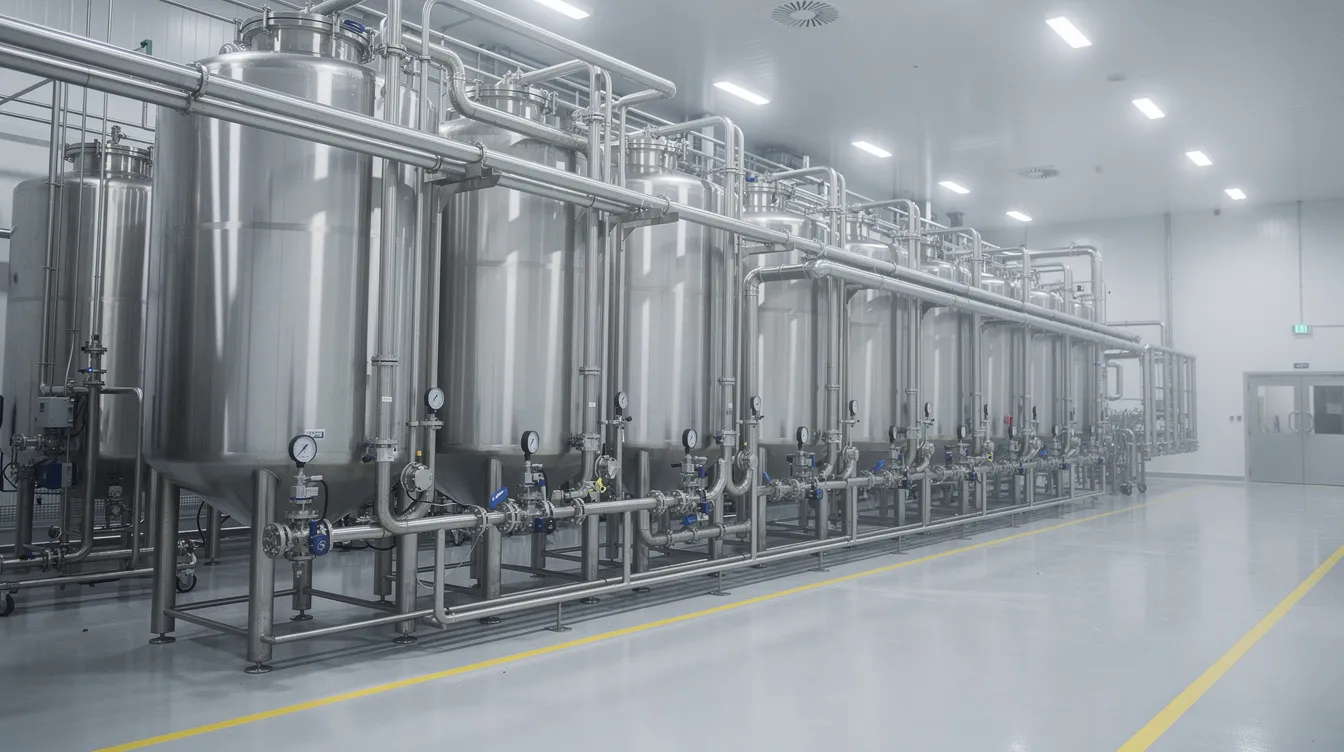
Major Revenue Streams of a Ghee & Butter Plant
An industrial plant rarely survives on one product. Different revenue streams carry different margin, volume, and working-capital profiles, all of which must be mapped in the ghee butter plant revenue model.
Packaged Ghee (Consumer & Premium): Revenue from AGMARK/FSSAI-compliant branded packs in 200 ml, 500 ml, 1 litre, and 5 litre tins. Premium lines include desi cow ghee, A2 ghee, organic ghee, and regional variants. High margins can be achieved through value-added products like organic or premium ghee variants. Direct-to-consumer retail involves selling branded glass jars or pouches through various platforms. Realisation per kg is higher, but so are marketing, packaging, and retail distribution costs.
Bulk Ghee (B2B/Institutional): Bulk B2B sales involve supplying large tins or drums of ghee to commercial kitchens, mithai manufacturers, bakeries, HoReCa segments, and food processors. Lower per-kg realisation but higher volume, simpler packaging, and faster offtake. Bulk ghee often provides the base-load revenue that keeps the plant running.
Retail Butter (Table Butter): Salted and unsalted butter in 100 g, 200 g, 500 g packs. Margin structure resembles FMCG; requires cold-chain infrastructure and brand strength. Can cross-sell ghee under the same brand.
Industrial Butter: Sales to biscuit, confectionery, bakery, and food processing companies. Typically sold in 20–25 kg blocks. Less emphasis on branding; more on specifications, consistency, and price.
White Butter / Traditional Butter: Used in some regional sweet shops and institutional kitchens. Sold in bulk at negotiated prices, often without heavy branding.
Contract Manufacturing & Private Label: An under-utilised ghee manufacturing unit can sell capacity to established brands or retail chains for their own label. Provides steady conversion margin but tight margin negotiation.
Export Sales: Export demand exists for desi ghee and industrial butter in the Middle East, North America, and UK, particularly targeting diaspora populations. India’s ghee exports between January–October 2025 reached approximately USD 109.6 million. However, export revenue requires compliance with target-country regulations, Halal or other certifications, and stronger documentation and logistics.
Efficient facilities also generate secondary revenue from by-products produced during the ghee-making process. By-product monetization can generate secondary revenue from products like buttermilk or milk solids.
An individual plant may not pursue all streams at once. The DPR should prioritise 3–4 main lines that fit its location, procurement strength, and ghee butter plant market strategy.
Designing the Right Ghee Butter Plant Product Mix
The ghee butter plant product mix is a deliberate commercial decision: how much capacity is allocated to desi ghee, bulk ghee, table butter, industrial butter, white butter, and private label.
- Product mix should be derived from local milk fat availability, nearby industrial demand (bakeries, sweet manufacturers, HoReCa), strength in branded marketing, and cold-chain infrastructure.
- Typical products in an industrial mix: retail desi ghee (500 ml, 1 litre), institutional ghee packs (5 litre, 15 kg tins), salted retail butter, unsalted/bakery butter, white butter, and specialised items like low-moisture ghee for certain processors.
- New plants often start with a higher share of B2B bulk ghee and industrial butter because volume is easier to secure. Own retail ghee and butter brand development typically takes 2–4 years as distribution builds.
- Product mix may be seasonally adjusted: more ghee in festive months for mithai and HoReCa demand; more butter for bakery season. Some plants convert unsold butter into ghee to balance inventories.
- DPR and business plan should model at least 3–5 years of evolving mix (Year 1 more institutional, Year 3–5 larger share of packaged retail ghee and butter) rather than a static pattern.
Keep SKUs manageable initially. Limited pack sizes and fewer variants avoid excessive packaging materials inventory and complexity in the early years.
Example Product Mix for an Industrial Plant
The following illustration is hypothetical and not a recommendation. It is for explaining the methodology of the ghee butter plant revenue model only.
Consider a notional plant processing fat equivalent to 10 TPD, operating 300 days/year. A ghee manufacturing plant at this scale requires 5,000 to 10,000 MT capacity overall. At Year 3 with approximately 70% capacity utilisation (illustrative):
| Product | Share of Production | Target Customer | Relative Margin | Working Capital Intensity |
|---|---|---|---|---|
| Packaged retail ghee | 35% | Distributors, retail, D2C | High | High |
| Bulk ghee (B2B) | 25% | Mithai, bakery, HoReCa | Medium | Medium |
| Retail butter (salted/unsalted) | 20% | Distributors, modern trade | Medium–High | High |
| Industrial butter | 15% | Biscuit, confectionery, food processors | Low–Medium | Low |
| White butter / institutional | 5% | Sweet shops, institutions | Low | Low |
If annual fat-based output is hypothetically 2,100 MT, then packaged ghee at 35% equals 735 MT/year, industrial butter at 15% equals 315 MT/year, and so on. Each product differs in contribution per kg and in receivable period (retail distributors pay faster than large institutional buyers). Revenue volume alone does not determine ghee butter plant profitability.
Serious promoters should commission a custom DPR using their actual location, procurement possibilities, and market research instead of copying any illustration.
Retail vs Institutional Ghee Market
The same plant can sell pure ghee through retail (B2C) and institutional/B2B channels. Each side behaves differently in terms of price, marketing spend, and credit.
Retail Model
Advantages: higher possible realisation per kg (MRP-driven), brand building, diversification of customer base, recurring household demand, ability to launch premium lines like A2 desi ghee or organic ghee.
Challenges: distributor and retailer margins often total 20–35% combined, marketing and scheme costs, requirement of packaging design and regulatory compliance, slower offtake in early years, frequent small shipments, and continuous promotion.
Institutional / B2B Model
Advantages: consolidation of volume in fewer accounts, simpler tin/drum packaging, lower branding cost, easier forecasting once contracts are established.
Challenges: intense price competition, risk of customer concentration (10–15 big buyers dominating sales), long credit periods (30–90 days), tender-based uncertainty.
A balanced approach often works: 50–60% bulk/institutional ghee for base-load volume and cash-flow stability, with the rest in retail ghee for better long-term margins and brand value. DPR financial projections should show separate selling prices, margins, and receivable days for retail vs institutional ghee markets instead of using a single blended assumption.
Bulk vs Packaged Ghee Profitability
Packaged ghee sells at a higher per-kg price but also carries higher costs. Bulk ghee sells cheaper but saves on packaging and marketing. The net result is not always obvious.
The formula for evaluating profitability at the plant level:
Net Realisation = Invoice Price – Trade Discounts – Sales Schemes – Freight – Selling Expenses – Distribution Cost
This is what should be used in DPR, not MRP.
Packaged ghee incurs higher costs for printed tins/pouches, labelling, retailer and distributor margins, display schemes, and promotional expenditure per kg. Optimizing packaging costs can impact the profitability of a ghee business more than many promoters realise.
Bulk ghee has advantages: cheaper or reusable tins/drums, no retail schemes, lower design cost, centralised dispatch in full-truck loads. But selling price is lower and price sensitivity is higher.
Hypothetical comparison (illustrative only): if packaged ghee has MRP ₹550/kg and average net realisation after all costs is ₹420/kg, while bulk ghee sells at ₹390/kg with minimal selling expense, the contribution per kg could be similar. Plants should evaluate profitability in terms of contribution per kg and per machine-hour of constrained capacity, not merely highest billing rate.
An optimal ghee butter processing plant business model typically uses bulk ghee to ensure steady base-load production and packaged ghee for incremental contribution and brand building.
Butter Product Mix and Market Segmentation
Butter revenue can be as important as ghee in some plants, especially where there is strong bakery and food processing industry demand. India’s butter market was valued at approximately USD 5,990 million in 2025, with about 60% of value from branded and packaged products.
Product segments include:
- Retail salted table butter for household use (100 g, 200 g, 500 g)
- Retail unsalted butter for home baking and premium cooking
- Bakery/industrial butter (higher fat, specific moisture limits) for biscuit and confectionery units
- White butter for traditional dairy products and certain sweets
- Institutional packs for hotels, quick-service restaurants, and catering (5 kg, 10 kg blocks)
Each segment has different pricing (MRP-based vs negotiated), packaging (printed laminates vs simple cartons), cold-chain requirements, credit periods, and margin structure. Bakery and industrial users buy on specification and price, while table butter consumers respond to brand, taste, and availability.
Ghee and butter lines must be jointly optimised, because cream and fat allocated to butter is not available for ghee, directly affecting the ghee butter plant product mix and overall contribution.
Product-Wise Contribution Analysis
Contribution = Net Sales Realisation – Variable Cost. Fixed costs (salaries, interest, depreciation) are covered by total contribution from all products.
Key components of operational expenses for ghee manufacturing include raw materials and utilities. Typical variable costs:
- Milk fat / cream / butter input
- Utilities (steam, electricity per batch)
- Packaging materials
- Direct consumables (filters, cleaning agents)
- Variable labour or contract labour
- Outward freight if borne by manufacturer
- Sales commissions linked to volume
Promoters should calculate contribution per kg for each major SKU category. Also calculate contribution per machine-hour or per constrained step (ghee clarifier or packing line), prioritising products with higher contribution per bottleneck unit when capacity is tight. Monitoring operational efficiency metrics can help optimize profitability in ghee production.
A realistic product-wise contribution analysis is essential input for lenders and investors assessing ghee butter plant profitability and DSCR. A well-monitored fat balance can enhance profitability in ghee production by identifying where losses occur.
Raw Material Cost and Its Impact on Revenue & Margin
The profitability of a ghee plant is driven by the economics of milk fat, not just processing capacity. Raw material costs typically account for 60–80% of total production expenses in ghee manufacturing at well-run plants; in cooperative dairy case studies, milk fat costs reached 87–90% of per-unit cost. Ghee production is energy-intensive and relies on consistent sourcing of high quality milk or cream.
Key procurement considerations:
- Choice between buying raw milk and separating cream in-house vs buying cream or white butter directly. If cream (40% fat) is bought at ₹130/kg, cost per kg fat is approximately ₹325; if whole liquid milk at ₹30/litre with 4.5% fat is used, cost per kg fat is approximately ₹667. This sharp difference shapes sourcing strategy.
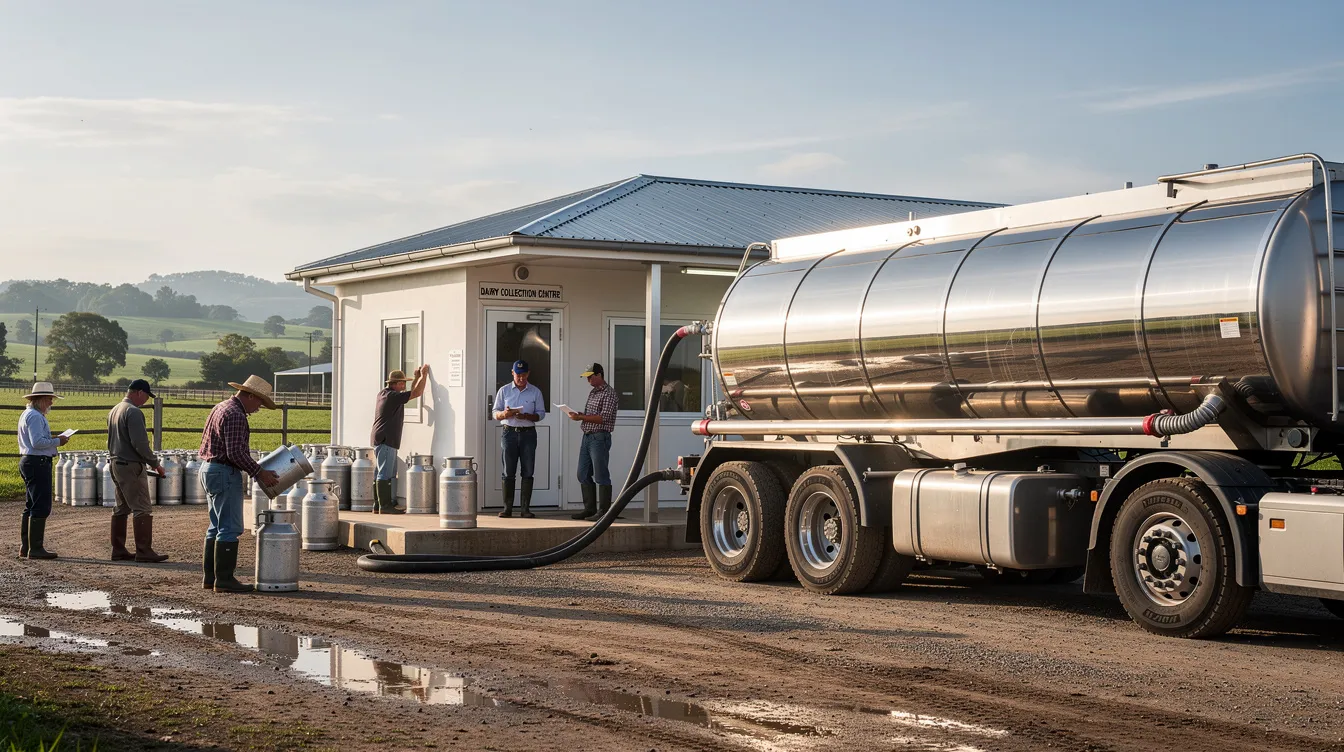
- Reliance on village milk collection routes, cooperatives, private dairies, or traders affects quality parameters like fat percentage, acidity, and microbial load.
- Seasonal patterns in India: flush season (winter, post-monsoon) brings more buffalo milk and liquid milk at potentially lower fat cost; lean summer season means higher fat prices and tighter availability.
- Long-term procurement contracts, chilling and storage capacity, and geographic sourcing change freight cost and leakages.
For detailed guidance, promoters should refer to the raw material and milk fat procurement strategy for ghee and butter plants when structuring their procurement model.
DPR sensitivity analysis should test scenarios where milk fat cost increases by 5–10%, because raw material price risk is the single largest commercial risk in a ghee manufacturing business.
Capacity Utilisation and Revenue Build-Up
Lenders expect realistic capacity utilisation in an industrial ghee manufacturing plant, not 100% from Year 1. Ghee production typically takes 12 to 18 months to set up before the plant even begins commercial production. Fixed operating costs are incurred whether a plant operates at 30% or 90% capacity, so utilisation directly determines whether fixed costs are recovered.
Industry data illustrates the challenge: cooperative butter plants in India average around 49–50% utilisation, while ghee manufacturing units in the cooperative sector averaged roughly 12.5% of installed capacity over 2018–2022.
Typical stages:
- Commissioning and stabilisation phase with low utilisation (trial runs, quality tuning, market samples)
- Initial market-entry phase where institutional volumes and private-label contracts help reach moderate utilisation
- Expansion phase where distribution deepens, retail brand gains traction, and utilisation climbs further
Capacity utilisation assumptions should consider confirmed supply of milk fat/cream, contracts or LOIs from key B2B buyers, realistic pace of distributor appointment and retail distribution rollout, and seasonal fluctuations. Those planning capacity alongside product mix should review the detailed article on ghee, butter and milk fat plant capacity planning and product mix.
Overly aggressive utilisation assumptions inflate projected revenue artificially and lead to unrealistic DSCR, which banks question during appraisal.
Pricing Strategy for Ghee and Butter
Pricing is both a marketing and finance decision. It must recover cost, provide adequate contribution, and stay competitive in the target segment.
Main approaches:
- Cost-plus pricing: base on full cost plus target margin
- Competitor-based pricing: aligning with regional and national brands in Indian markets
- Value-based pricing: charging a premium for niche qualities like A2, organic ghee, or specific regional pure desi ghee
The price structure in Indian dairy FMCG has multiple layers:
| Level | Example (1 kg ghee, hypothetical) |
|---|---|
| MRP | ₹550 |
| Retailer price | ₹490 (retailer margin ~11%) |
| Distributor price | ₹440 (distributor margin ~10%) |
| Net invoice after schemes | ₹425 |
| Net realisation after freight & selling expenses | ₹400–410 |
For institutional ghee and industrial butter: negotiated price per kg or tonne, volume discounts on annual contracts, and price revision clauses linked to dairy fat indices. Seasonal pricing also matters: better realisation in festive season for pure ghee, alongside promotional pricing strategies for launching a new retail butter brand regionally.
Ghee Butter Plant Market Strategy
A coherent ghee butter plant market strategy defines where to sell, to whom, and through which channels. It directly shapes the revenue model and working capital requirements. Ghee is typically marketed through various sales channels including retail and institutional B2B.
Geographic Strategy
- Focus on local district or milk belt for initial volumes and logistics efficiency
- Region/state-level expansion as capacity and brand grow
- Multi-state distribution through super-stockists
- Cautiously explored export to international markets after domestic base is stable
Customer Strategy
- General trade retailers via distributors
- Modern trade (supermarkets, hypermarkets) with listing fees
- Dairy outlets and milk parlours
- Institutional buyers (hotels, restaurants, caterers, sweet chains)
- Industrial users (biscuit, bakery, confectionery), part of the food processing industry
- Private-label and contract manufacturing clients
Channel Strategy
- Direct institutional sales teams for key accounts
- Distributor-led general trade model with super-stockist arrangements
- Modern trade and online marketplaces for branded ghee and butter SKUs
- D2C/own e-commerce where justified
- Private-label manufacturing to use spare capacity without undermining own brand
Each channel has unique cost-to-serve. DPR should allocate separate selling and distribution expenses by channel rather than using a flat percentage on turnover.
The global ghee market was valued at USD 58.99 billion in 2025 and is expected to reach USD 97.32 billion by 2034, exhibiting a CAGR of 5.7% from 2026 to 2034. India produces over 3 million tonnes of ghee annually, and growing demand is driven by rising disposable incomes and demand for natural dairy products and traditional dairy products. The global ghee market is also projected to reach ₹5 lakh crore by 2027.
B2B Market Strategy for Industrial Ghee
For many new ghee plants, industrial and institutional ghee sales provide the earliest and most predictable revenue stream.
Key B2B segments: mithai and namkeen manufacturers, bakeries, biscuit plants, large catering companies, hotels and restaurant chains, centralised institutional kitchens, and food processors using ghee in ready meals or mixes.
These buyers expect:
- Consistent quality and fat profile
- Competitive pricing, often benchmarked weekly or monthly
- Clear specifications (flavour, colour, moisture, peroxide limit)
- Timely delivery in bulk packs suitable for their operations
B2B customers may negotiate longer credit (30–90 days) and periodic price revisions. They may shift partial volumes between ghee manufacturers based on price. The receivable and price-risk implications must be factored into working capital planning.
Maintain a diversified B2B portfolio so the plant is not dependent on 1–2 large accounts. A stable contract cluster with mithai and sweet shops in a local market can help a plant reach 40–50% utilisation in the first two years (illustrative only).
Market Strategy for Industrial Butter
Industrial butter is a critical input for bakeries, biscuit plants, and confectionery units, often providing more predictable offtake than some retail products.
Primary user industries: large bakeries, biscuit manufacturers, chocolate and confectionery factories, ready-to-eat meal producers, processed-food brands, and some dairy formulators using butter as an intermediate dairy product.
Industrial buyers focus on technical specs (fat %, moisture, salt where applicable), functional performance (spreadability, heating butter behaviour in baking), price stability within contract periods, and on-time supply in required block/carton formats.
For readers seeking technical-process depth, the industrial butter manufacturing process and production line article covers equipment and process flow in detail.
Industrial butter volumes can provide a base load for cream utilisation. Pricing decisions for this segment should be aligned with the overall ghee butter plant revenue model and fat allocation plan.
Role of Manufacturing Technology in Product Strategy
Chosen technology and level of automation in the ghee manufacturing plant or butter line constrain which products, formats, and quality levels can be produced reliably.
Technical aspects that influence product mix:
- Cream separators and cream separation systems affecting fat recovery from raw milk
- Type and capacity of butter churners or continuous butter-making equipment
- Ghee kettles for heating butter and clarification, with temperature control for flavour and shelf life
- Filtration units that remove impurities from ghee during production
- Storage tanks used for holding processed ghee before packaging
- Automated packaging machines necessary for filling and sealing containers across multiple SKUs (pouches, jars, tins, bulk cans)
Key equipment includes cream separators and ghee kettles. Ghee production requires cream separators and butter churners as foundational processing steps. For a structured view of machinery selection and budgets, refer to ghee manufacturing plant machinery and equipment cost. Those needing detailed processing steps before finalising product mix can review the industrial ghee manufacturing process and production line.
Higher automation can reduce unit labour cost and variability but increases capital cost. DPR should evaluate whether projected revenues and margins justify technologically advanced equipment over simpler alternatives.
Ghee Butter Plant Revenue Projection for DPR
A detailed project report must convert technical capacity and market assumptions into a yearly revenue projection, typically over 5–7 years, using a transparent approach. Capital expenditures for ghee production include processing equipment, utilities, and infrastructure, and these must be justified by projected revenue.
Step-by-step structure for a financial analysis:
- Installed capacity for ghee and butter (kg/day or TPD)
- Operating days per year (e.g., 300 days, illustrative)
- Capacity utilisation year-wise
- Planned ghee butter plant product mix
- Gross production quantity by product before losses
- Process losses and fat recovery assumptions
- Net saleable quantity by product
- Selling price per kg by product and segment
- Expected discounts, freight, and selling expenses to arrive at net realisation
- Product-wise revenue (saleable quantity × net realisation)
- Total projected turnover per year
Hypothetical mini-example: if Year 2 saleable output is 1,000 MT of ghee at average net realisation of ₹410/kg and 600 MT butter at ₹360/kg, revenue from ghee is ₹41 crore and from butter is ₹21.6 crore, totalling ₹62.6 crore. All numbers here are illustrative.
Inflationary price increase assumptions should be conservative and linked to expected cost escalation. Banks scrutinise these projections line-by-line.
Illustrative Revenue Model
The following table is a simplified, hypothetical illustration solely to explain structure. It is not a forecast or guarantee.
| Product Category | Annual Sale Qty (MT) | Avg Net Realisation (₹/kg) | Projected Revenue (₹ lakh) |
|---|---|---|---|
| Packaged retail ghee | 700 | 420 | 2,940 |
| Bulk ghee (B2B) | 500 | 390 | 1,950 |
| Retail butter | 300 | 380 | 1,140 |
| Industrial butter | 400 | 350 | 1,400 |
| White butter / speciality | 100 | 340 | 340 |
| Total | 2,000 | 7,770 |
Revenue per line = quantity in kg × net realisation per kg. Actual numbers will differ based on location, brand positioning, raw materials availability, and market conditions. Any real-life DPR must be based on project-specific technical data and confirmed or realistic markets, not template models.
How Product Mix Affects Profitability
Two plants with similar annual turnover (say ₹80 crore) may produce very different profit and DSCR because of different product mix and channel mix.
- Plant A focuses 70% on packaged ghee with heavy marketing spend; Plant B sells 70% bulk ghee and industrial butter with low brand spend. Plant A has higher gross margin per kg but also higher selling expenses. Plant B has lower margin per kg but lower overheads.
- A plant selling mostly through distributors has lower receivable days but pays distributor margins. A plant selling to institutional buyers has higher receivable risk but saves on distribution infrastructure.
- Higher-packaging-intensity SKUs raise conversion cost and working capital (stock of many SKUs), while bulk products reduce these but limit pricing power.
DPR should present at least 2 alternative mix scenarios (Scenario A: more retail ghee; Scenario B: more B2B), showing how EBITDA and DSCR are affected.
Revenue vs Profitability
High turnover does not guarantee good profitability or repayment capacity. Operating a ghee manufacturing plant requires careful navigation of narrow margins typical of commodity dairy processing. Gross profit margins for ghee manufacturing range between 20–30%, but net profit depends on fixed costs, interest, and working capital efficiency.
Key financial layers:
- Gross revenue (billing)
- Net revenue (after discounts and returns)
- Contribution (after variable costs)
- EBITDA (after fixed operating expenses)
- Profit before tax (after depreciation and interest)
- Cash accrual and DSCR (after tax and debt servicing)
Lenders focus on EBITDA margin, interest coverage, DSCR, and ability to withstand a drop in selling price or utilisation. A ₹50 crore turnover plant with 25% of revenue spent on marketing and distribution may end up with lower net profit than a ₹35 crore plant with 8% selling expenses, superior product mix, and tighter working capital (hypothetical illustration). The focus must be on sustainable cash flows, not only accounting profits.
Relationship Between Revenue Model and Project Cost
Selected product mix and market strategy determine not only revenue but also total project cost. The machinery cost, packaging lines, cold storage, warehouse, and marketing infrastructure all depend on what the plant intends to sell.
- More retail SKUs → more advanced packaging machines, more SKU-specific packaging inventory, larger finished-goods warehouse
- More butter and chilled products → higher total capital investment in cold-room and refrigerated transport
- Heavier focus on institutional bulk ghee → more bulk filling and can-handling facilities, but comparatively lower marketing infrastructure
Working capital needs are influenced by the number of SKUs and channel mix. Detailed evaluation of these linkages is covered under ghee, butter and milk fat processing plant project cost and means of finance.
Oversizing the plant relative to a realistic revenue model creates high fixed costs and underutilised machinery, adversely affecting profitability and DSCR.
Infrastructure Needed for the Chosen Market Strategy
Infrastructure should be aligned with the intended sales pattern. A suitable site must have access to reliable utilities and transportation. A retail-focused plant and a B2B-heavy plant look different even at the same capacity.
Retail-heavy operations need:
- More packaging and labelling lines
- Greater finished-goods storage for multiple SKUs and batches
- More dock space for LTL shipments to distributors
- Back-office for order processing, claims, and trade schemes
B2B/institutional setups typically feature bulk storage tanks for ghee, drum and tin-filling stations, dock arrangements for full-truck-load shipments, and a smaller finished goods area with fewer SKUs.
Any combination strategy will need hybrid infrastructure. For planning how layout supports the revenue and market plan, refer to ghee and butter plant land, building, utilities and factory layout.
Working Capital Impact of Sales Strategy
Sales growth in a dairy business will usually require more money locked in raw materials, packaging, finished goods, and receivables. Cash flow management is crucial as working capital can be tied up in inventory and receivables.
Working-capital components:
- Raw milk/cream/butter stock (buffer for seasonality)
- Packing materials stock (printed tins, pouches, cartons)
- Finished goods inventory by SKU
- Trade receivables from distributors, supermarkets, and institutional buyers
- Less: supplier credit on milk fat and materials
Retail-focused strategy implies higher inventory and sometimes shorter credit to distributors, whereas institutional model may run lower inventory but higher receivables and slower collections. Rapid increase in turnover without matching bank working-capital limits strains liquidity.
DPR should estimate working capital cycle in days (inventory days + receivable days – payable days) separately for major channels, and ensure the raw material requirements and funding are planned accordingly.
Market Risk and Revenue Sensitivity
Any revenue model for a ghee processing plant must acknowledge key factors and risks instead of assuming straight-line market growth.
Major risks:
- Spikes in milk fat/cream prices
- Fall in selling price due to competition or oversupply
- Slower-than-planned capacity utilisation
- Dependence on a few large distributors or B2B buyers
- Longer receivable periods and bad debts
- Increase in packaging and freight costs, tied to industry trends
- Regulatory compliance changes affecting labelling or quality standards
Sensitivity analysis in the DPR should test scenarios such as selling price down by 5%, raw-material cost up by 5%, capacity utilisation 10% lower than plan, and collection period extended by 15–30 days. These are modelling tools, not predictions. Conservative and transparent risk assessment improves credibility of the ghee butter plant revenue model in the eyes of bankers and investors.
Role of AMF and Broader Milk-Fat Product Diversification
Larger or more advanced dairy-fat processors may consider producing Anhydrous Milk Fat (AMF) for specialised industrial and export markets. AMF differs from ghee in purity (higher fat, very low moisture), regulatory requirements, and customer profile (chocolate manufacturers, recombined dairy plants, export buyers). It requires larger batch sizes and more advanced technology.
Diversification into AMF changes product mix, capital cost, and market focus. It should be evaluated only when base ghee and butter operations are stable. Promoters interested in AMF can refer to the Anhydrous Milk Fat (AMF) manufacturing plant project report for project-specific considerations, and to the AMF manufacturing process, machinery and production technology for equipment aspects.
AMF can open additional B2B and export revenue streams with access to the global ghee market and international markets, but increases technical and marketing complexity. It should be integrated carefully into the overall ghee butter processing plant business model.
Common Mistakes in Revenue Planning
In project appraisal work, many ghee and butter plant proposals fail because of optimistic or weak revenue projections.
Recurring mistakes:
- Assuming 90–100% capacity utilisation from the first year
- Treating MRP as revenue without deducting distributor and retailer margins
- Ignoring or underestimating process losses and packing wastage
- Assuming uniform high margin on all SKUs without product-wise analysis
- Ignoring credit period and bad-debt risk in institutional sales
- Underestimating marketing and trade-scheme expenditure for a brand launch
- Overlooking the impact of seasonality on both cream procurement and sales
- Assuming unrealistic price escalation each year without market support
- Not accounting for freight and last-mile distribution costs
- Treating ghee production and ghee business plan as identical exercises
Promoters should cross-check revenue numbers against assumed market strategy, infrastructure, working capital, and total project cost for internal consistency. Engaging a professional business consultant and DPR support at the planning stage helps avoid these errors, without guaranteeing automatic loan approvals.
What Banks and Financial Institutions Examine
Bankers focus on viability and repayment capacity, not on how attractive the dairy product appears in the market.
Key focal points:
- Promoter profile and experience in dairy or FMCG distribution
- Technical feasibility and sourcing of machinery for the ghee manufacturing plant
- Raw-material linkage and cream procurement arrangements
- Evidence of market understanding (MOUs, trial contracts, market research)
- Projected turnover and growth pattern in the business plan
- Product-wise contribution and blended EBITDA margin
- Working-capital cycle and adequacy of bank limit
- DSCR and break-even analysis at the utilisation level
- Capital structure and promoter’s own contribution toward total capital investment
Banks stress-test projections by reducing selling price or utilisation to ensure the loan can still be serviced. Even a professionally prepared, CA-led DPR and project report do not guarantee loan sanction; final decisions depend on lender policies, collateral, and risk assessment. Investment opportunities in the ghee business must be evaluated on their own merits.
Building a Bankable Revenue Model
A credible, bankable ghee butter plant revenue model must show a logical link from technical inputs to cash generation and debt servicing.
The framework:
- Production Capacity (ghee and butter lines) →
- Capacity Utilisation (year-wise realistic ramp-up) →
- Product Mix (ghee vs butter, bulk vs retail, B2B vs B2C) →
- Saleable Quantity (after process and packing losses) →
- Net Realisation per kg (after discounts and selling expenses) →
- Revenue (product-wise and total) →
- Variable Costs (key raw materials, utilities, packaging, freight) →
- Contribution and EBITDA →
- Cash Accrual (after interest and tax) →
- Debt Servicing (term-loan instalments and interest, targeting adequate DSCR)
Underlying assumptions must be evidence-based, consistent with market conditions, and internally cross-checked with project cost and infrastructure plans. The nutritional value and health benefits of ghee (gut health, traditional cooking advantages) support consumer demand, but revenue models must be grounded in commercially defensible numbers, not health claims. Ghee consumption is driven by rising demand for natural dairy products, and rising disposable incomes support long-term market growth, but these trends do not substitute for plant-level financial analysis.
Practical Perspective of CA Manish Gugliya
In my DPR and project-finance work across dairy business projects, I have reviewed dozens of proposals for ghee production plants and butter lines. Many are strong on machinery quotations and plant layouts but weak on answering core questions: where will the milk fat come from, which SKUs will be sold, who will buy them, at what net realisation, and on what credit terms.
In a typical assignment, I focus on:
- Verifying realistic procurement cost and quality of cream/butter (fat content, acidity, consistency of supply)
- Defining a practical product mix based on local demand and promoter strengths, not aspiration alone
- Mapping out retail distribution structure and channel margins
- Building revenue projections that align with capacity utilisation and working capital
- Running sensitivity scenarios on prices and utilisation to test whether the project remains a profitable business under stress
I do not promise guaranteed profitability, subsidies, or bank approvals. My goal is to help promoters and lenders see a transparent picture of risks and opportunities in the proposed ghee butter processing plant business model.
My advice to promoters: engage with financial and technical experts early, at the business plan and detailed project report stage, so that product mix and market strategy are integrated with plant design and funding structure from day one. Operating costs, shelf life considerations, and regulatory compliance all affect viability, and these cannot be retrofitted after the manufacturing plant is built.
Conclusion
Sustainable success for an industrial ghee manufacturing plant or butter plant depends on an integrated approach: sound raw-material economics, appropriate plant capacity, a carefully chosen ghee butter plant product mix, realistic pricing, and a well-thought-out market and distribution strategy.
Capacity alone does not create value. Product-wise contribution, consistent capacity utilisation, disciplined working-capital management, and conservative risk assumptions are central to ghee butter plant profitability and bankability. Decisions on ghee vs butter split, bulk vs packaged sales, retail vs institutional share, and private label vs own brand should be finalised alongside machinery selection, layout, and funding plan, not after commissioning.
Promoters planning medium to large-scale ghee, butter, or milk-fat processing units may require project-specific DPRs, financial projections, CMA Data, feasibility analysis, and bank-finance assessment tailored to their capacity, location, procurement model, and product strategy. If you are evaluating an industrial ghee or butter project, reach out for a professional, project-specific assessment rather than relying on generic templates.
FAQs – Ghee & Butter Plant Revenue Model and Strategy
The following questions address practical issues that arise during initial planning of an industrial ghee and butter manufacturing business, beyond what has been covered in the main sections above.
What minimum scale is generally suitable for a bankable industrial ghee and butter plant?
While the exact minimum depends on location and market, many bank-funded industrial projects in India today start around 5–10 TPD fat-processing equivalent, with total project cost commonly above ₹5–7 crore including plant, machinery, and working capital. A small ghee unit requires ₹2–5 lakh investment and can earn ₹50,000–₹1,00,000 monthly profit, but such micro units follow a different business logic and are not the focus of this article or of industrial DPRs.
Can a ghee and butter plant rely only on private-label or contract manufacturing?
A plant can technically operate as a pure contract manufacturer for large brands or retailers, which may give stable volumes but usually at thinner margins and with dependence on a few clients. Combining private-label work with at least some own-brand or institutional sales provides better margin diversification and reduces concentration risk.
How long does it typically take for a new plant to reach stable capacity utilisation?
Many industrial ghee and butter plants require 2–4 years to reach a stable utilisation level, because milk-fat procurement and market networks need time to stabilise. DPRs should reflect a ramp-up period rather than assuming full utilisation from Year 1.
Are export markets a reliable primary revenue source for a new ghee plant?
Export markets can be attractive, with growing demand for desi ghee from diaspora populations and rising export values from India. However, they should usually be treated as an additional opportunity, not the sole pillar. Export requires compliance with importing-country regulations, consistent quality, currency risk assessment, and recognition that export orders are rarely guaranteed in advance.
How frequently should the revenue model and product mix be reviewed after commissioning?
Promoters should review product-wise sales, margins, and working-capital performance at least quarterly in the first two years, and formally update their revenue and product-mix plan annually. This keeps capacity, procurement, and market strategy aligned with actual results and changing market conditions in the ghee market and dairy sector.