
Key Takeaways
- PM Mudra Loan under 5 lakh can fund practical small businesses like cloud kitchen, candle making, delivery services, event planning, digital marketing agency, and many more across manufacturing, retail, and services.
- Interest rates on mudra loans (typically 9–14% p.a.) are far lower than informal money lenders, and no collateral is usually required up to ₹10 lakh, subject to bank policy.
- Choosing the right business idea based on your skills, local market demand, and realistic cost planning matters more than simply getting the loan.
- A professional Mudra loan project report prepared by an experienced CA improves documentation quality and chances of smooth processing (without guaranteeing approval).
- Nearly 70% of Mudra loan beneficiaries are women, showing the scheme’s reach among first time entrepreneurs across India.
Table of Contents
Introduction: Mudra Loan Business Ideas Under ₹5 Lakh in 2026
Small business in India is growing faster than ever. After COVID, the digital payment boom and growing popularity of online business platforms have made it possible for entrepreneurs in Tier-2 and Tier-3 cities to start small and expand steadily. Government schemes like PMMY, PMEGP (which provides subsidies of 15–35% for new businesses), and the Mukhyamantri Yuva Udyami Vikas Abhiyan (offering interest-free loans up to ₹5 lakh) help reduce the capital burden for startups significantly.
Many first time entrepreneurs now look for business ideas under 5 lakh because this range fits perfectly within the Shishu and Kishore categories of PM Mudra Loan. These mudra loan business ideas span trading, manufacturing, and service businesses that can realistically operate with a budget up to ₹5 lakh.
This article is written from the perspective of a Chartered Accountant with 20+ years of experience in MSME loans, bank loan documentation, and Mudra loan project reports. Here is what you will learn:
- Basics of PMMY and eligibility criteria
- 25 best business ideas fundable under ₹5 lakh
- Interest rates overview and repayment terms
- Common mistakes and how a professional project report helps
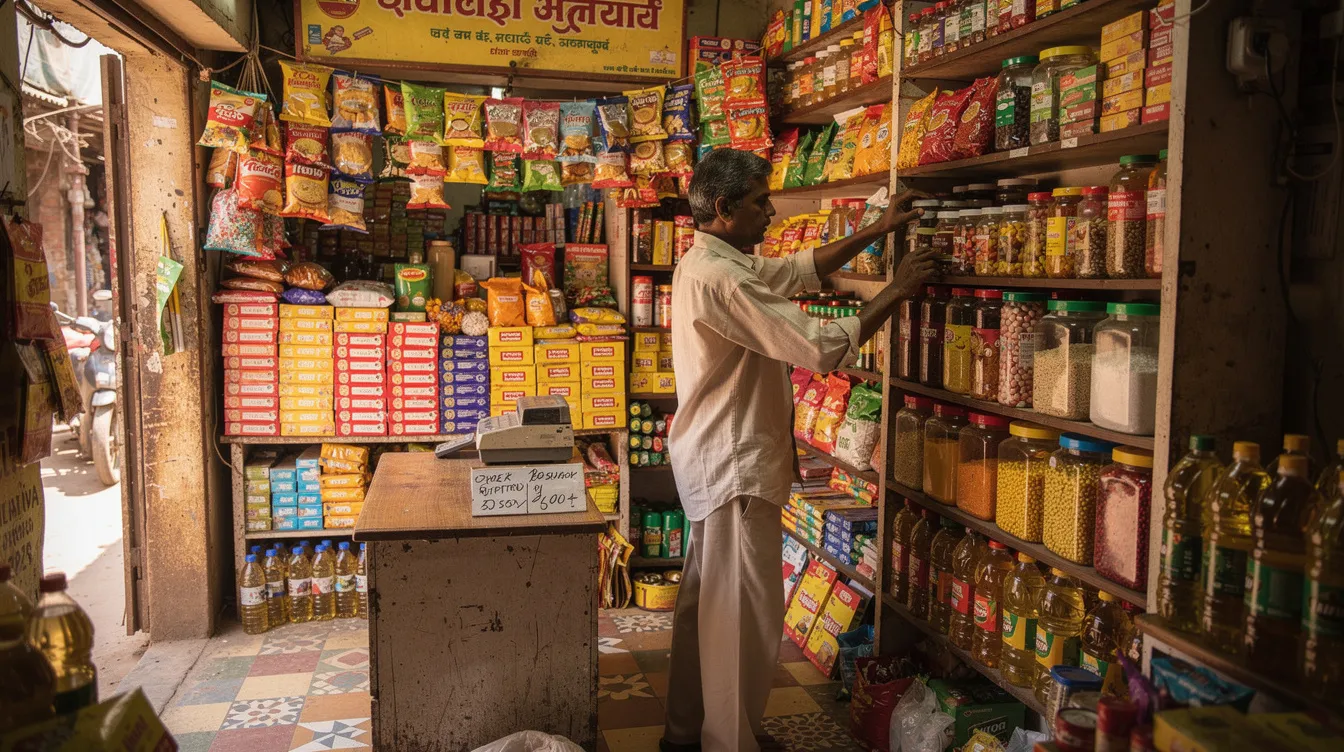
PM Mudra Loan Explained in Simple Language (2026 Update)
Pradhan Mantri MUDRA Yojana (PMMY) – where MUDRA stands for micro units development and Refinance Agency – was launched on April 8, 2015, by the Prime Minister to support micro and small enterprises across India. It offers loans up to ₹10 lakh through commercial banks, NBFCs, RRBs, and small finance banks. The scheme supports collateral-free financing through banks and financial institutions, empowering small entrepreneurs without requiring collateral.
As of early 2025, more than 52 crore loans have been sanctioned under the scheme, and cumulative sanctions under the Mudra scheme exceed ₹33 lakh crore. Mudra loans have empowered millions of small businesses across India and helped transition informal street vendors to permanent retail operations.
The three loan categories:
- Shishu – up to ₹50,000 (shishu loans for testing a simple idea)
- Kishore – ₹50,001 to ₹5,00,000 (scaling with equipment and inventory)
- Tarun – The Tarun tier provides from ₹5 lakh to ₹20 lakh for business growth
Key terms at a glance:
- Interest rates: typically 9%–14% p.a. depending on bank, credit score, and business type
- Repayment tenure: generally 3–5 years
- Collateral: usually not required up to ₹10 lakh
- Exact rates vary – always check with your bank or the JanSamarth portal
Mudra Loan Eligibility Criteria and Who Can Apply
Who can apply: proprietorships, partnership firms, small manufacturing units, service providers, shopkeepers, traders, and small transport operators. Age is usually 18–65 years, Indian resident, running or planning to start a non-farm business with acceptable credit history.
Examples: a woman starting candle making from home, a youth opening a mobile repair shop, someone launching a cloud kitchen, or running delivery services. Existing businesses can also apply for expansion – it is not only for new startups. Borrowers with previous loan defaults or CIBIL issues should first regularise old loans before applying.
Documents Required for Mudra Loan up to ₹5 Lakh
- Aadhaar card, PAN card, passport-size photographs, address proof
- Bank statements for 6–12 months, quotations for machinery/equipment
- Simple project report or business plan
- For existing businesses: GST returns (GST registration is mandatory if turnover exceeds ₹40 lakh for goods), old balance sheets, ITR copies
- Udyam Registration is free and takes 15–30 minutes online; the Udyam Registration Number serves as proof of MSME status
- Shop and Establishment registration is required for commercial premises
- Food businesses need an FSSAI Food Business Operator licence
Requirements differ between banks – always check your branch’s checklist. A well-prepared Mudra loan project report makes your documentation look complete and professional.
Why Starting a Business Under ₹5 Lakh Is Practical in India
In 2026, ₹5 lakh is a workable starting point for micro enterprises in smaller cities. This amount can cover basic registration, licences, small machinery, first stock, and 2–3 months of working capital. The risk is far lower compared to borrowing ₹20–25 lakh – lower EMI burden, easier to pivot, and less pressure on family finances.
For service businesses like a digital marketing agency, tuition, event planning, or small delivery services, even ₹2–3 lakh may be enough to start. Success depends on correct capital allocation between setup costs and working capital, not only on loan amount.
Common Capital Allocation Mistakes with ₹5 Lakh Mudra Loans
- Overspending on interior decoration or heavy machinery not needed at start
- No budget kept for marketing or customer acquisition
- Ignoring emergency buffer – keep at least 20–30% of your budget for working capital
- First-time entrepreneurs often spend 60–70% on setup costs, leaving too little for operations
- Paying full year’s rent upfront instead of keeping cash free for supply and inventory
An experienced CA can build a realistic cost breakup in the project report so bank and borrower both see a balanced plan.
How to Use Mudra Loan: Shishu, Kishore and Tarun for Business Under ₹5 Lakh
Different Mudra categories suit different stages of the same business idea:
- Shishu: test demand with investment below ₹50,000 – perfect to start small
- Kishore: scale up to ₹5 lakh with more equipment, staff, and inventory
- Tarun: take a successful business model beyond ₹5 lakh
Example: A home-based tiffin service starts under Shishu with ₹40,000 for utensils and packaging. Once it gets 30+ daily subscribers, the owner applies for Kishore funding to set up a proper cloud kitchen. Successful borrowers use loans to purchase equipment or machinery and increase working capital. Each stage is a fresh loan assessment – borrowers do not get all three automatically.
25 Profitable Mudra Loan Business Ideas Under ₹5 Lakh
This section covers practical ideas under 5 lakh that can be funded under Shishu or Kishore mudra loans. Mudra loans can fund a variety of micro-enterprises in manufacturing, trading, and services. Employing low overhead and addressing local demand is key. All rupee figures are approximate for 2026; actual costs vary by city.

1. Candle Making and Scented Product Unit
- Investment: Candle making requires ₹2.5 lakh to ₹4 lakh for moulds, wax melting equipment, fragrances, packaging, and branding
- Margin: Gross margin 30–40% with consistent orders from retail and online buyers
- Demand: The Indian candle market is expected to grow to $1.3 billion by 2030, with strong demand during festivals and gifting seasons
- Licences: Udyam, trade licence, GST if threshold crossed
- Project report recommended to explain seasonality and working capital cycle
2. Cloud Kitchen or Home-Based Food Delivery
- Investment: Cloud kitchens can be set up with ₹2 lakh to ₹5 lakh for kitchen equipment, chimney, freezer, raw material, online listing, and packaging
- Licences: FSSAI registration, municipal licence, fire safety norms
- Revenue sources: Swiggy/Zomato, WhatsApp orders, own website, nearby offices
- Growth: Strong repeat demand and daily cash flow make this one of the best business ideas for food lovers
3. Home Tiffin and Corporate Lunch Delivery Services
- Investment: ₹80,000–₹2.5 lakh for utensils, storage, packaging, and tie-up with local delivery services
- Income: A tiffin service can generate ₹62,500 to ₹1.6 lakh monthly from 25–50 subscribers
- Strength: Homemade food has strong demand in Tier-2/Tier-3 towns and near offices for corporate events and corporate functions
- Maintain hygiene standards and clear costing in your project report
4. Digital Marketing and Content Creation Agency
- Investment: ₹50,000–₹2 lakh for laptop, internet, paid tools (including instagram ads management), and small office
- Services: Social media management, basic SEO, ad campaigns, content writing for local businesses
- Income model: Monthly retainers from 8–12 clients paying ₹5,000–₹15,000 each; no inventory needed
- Ideal online business for educated youth with digital skills
5. Event Planning and Small Event Decor Services
- Investment: ₹1.5–₹4.5 lakh for decor material, lighting, sound, transport, and marketing
- Revenue: Per-event fees; 4–8 events per month in wedding season can generate strong income
- Items purchased once can be rented to clients multiple times, improving ROI
- Project report should explain seasonal nature and cash flow pattern
6. Mobile and Computer Repair Shop
- Investment: ₹1.5–₹3 lakh for tools, spares, accessories stock, and shop deposit
- Income: Mobile repair shops can earn ₹80,000 to ₹1.6 lakh monthly depending on volume
- Repair services are in steady demand in every town due to high smartphone usage
- A short technical course (3–4 weeks) is recommended before taking loan
7. Delivery Services and Local Courier Operations
- Investment: ₹1.5–₹4 lakh for 1–2 two-wheelers, fuel budget, app/WhatsApp setup, and basic office
- Revenue: Per-delivery charges or monthly contracts with restaurants, kirana stores, and pharmacies for customer convenience
- Rising demand in smaller towns where big apps do not operate or charge high commissions
8. Grocery Store with WhatsApp Ordering
- Investment: ₹2–₹4 lakh for initial stock (staples, FMCG, dairy), weighing machines, shelves, and small fridge
- Margins: 8–12% on FMCG, higher on local products; UPI and QR payments from day one
- Strong retail model for the Indian market; read more about shop business ideas
9. Housekeeping and Deep Cleaning Business
- Investment: ₹50,000–₹1.5 lakh for vacuum cleaners, pressure washers, chemicals, uniforms
- Services: Deep cleaning for flats, post-construction cleanup, sofa/carpet shampooing
- 2–3 jobs per day can generate healthy revenue with proper team management
10. Candle, Agarbatti, and Home Fragrance Combo Unit
- Investment: Agarbatti manufacturing requires ₹1.5 lakh to ₹3 lakh for mixing, drying, packaging equipment
- Revenue: Agarbatti production can yield ₹4,000 to ₹16,000 daily with consistent demand from religious shops and gift stores
- Combining with candle making diversifies your product line as a manufacturing business
11. Spice Grinding and Packaging Unit
- Investment: ₹2–₹4.5 lakh for pulveriser, sealing machine, packing material, raw whole spices
- Products: chilli powder, turmeric, garam masala, regional mixes under a local brand
- Strong market among retailers, hotels, and direct customers; explore the masala business idea in detail
12. Homemade Snacks, Pickles, Papad and Ready-to-Eat Foods
- Investment: ₹1.5–₹4 lakh for kitchen equipment, FSSAI, packaging, and branding
- Growing demand for hygienic, homemade-style products on e commerce sites and social media
- Selling through local shops and online platforms creates a side income stream that can become full time
13. Paper Bag and Eco-Friendly Packaging Manufacturing
- Investment: ₹2–₹4.5 lakh for semi-automatic machine, cutting unit, paper rolls, printing setup
- Clients: grocery shops, boutiques, bakeries, restaurants seeking sustainable packaging
- Strong growth due to plastic bans and changing customer behaviour
14. Handicrafts and Gift Item Manufacturing / Trading
- Investment: ₹1–₹4 lakh for raw material, basic tools, display stock, and online marketing
- Sell at exhibitions, local shops, tourist markets, and own website or marketplaces
- Add customised gifting for festivals and corporate orders to expand revenue
15. Small Toy Manufacturing or Assembly Unit
- Investment: ₹3–₹5 lakh for moulds, small machines, safety testing, and BIS compliance
- Target markets: wholesalers, retail toy shops, schools, and e commerce platforms
- Detailed project report needed due to compliance requirements
16. Home-Based Boutique and Tailoring Business
- Investment: ₹1–₹3 lakh for sewing machines, overlock machine, cutting table, iron, mannequin
- Services: custom stitching, alterations, bridal wear, school uniforms
- Low-risk business idea that can start from home; suitable for housewives
17. Beauty Parlour or Unisex Salon
- Investment: ₹2–₹4.5 lakh for chairs, mirrors, cosmetic kits, steamer, hairdryer, and branding
- Services: bridal makeup, party grooming, routine care; strong demand in residential areas
18. Fitness Studio, Yoga or Personal Wellness Training
- Investment: ₹3–₹5 lakh for mats, mirrors, equipment, sound system, and interior work
- Revenue: monthly membership, personal training, and corporate tie-ups create recurring income
19. Small Stationery, Gift and Custom Printing Shop
- Investment: ₹2–₹4.5 lakh for printer, laminator, photocopy machine, sample gifts
- Steady daily footfall near schools and offices; seasonal demand peaks during exams
20. Photography, Videography and Short-Video Content Services
- Investment: ₹2–₹4 lakh for camera, lenses, tripod, lights, and editing system
- Income: wedding shoots, birthday events, corporate functions, social media reels for brands
21. Daycare / Creche for Working Parents
- Investment: ₹2–₹4.5 lakh for child-safe furniture, toys, CCTV, soft mats, and kitchen
- 10–15 children can generate steady monthly revenue; emphasise safety measures in project report
22. Freelance Services and Small Agency Model
- Includes graphic design, bookkeeping, tax filing, language coaching, career guidance
- Home tutoring can start with ₹50,000 to ₹1.5 lakh for laptop, software, and basic website
- Grow from solo freelance to small agency by hiring 1–2 team members; acquire clients through networking
23. LED Bulb Assembly Unit
- LED bulb assembly can be started with ₹3 lakh to ₹4.5 lakh for assembly tools, components, testing equipment, and packaging
- Strong demand in both urban and rural markets; good manufacturing business for semi-skilled entrepreneurs
24. Dry Fruits Retail and Wholesale Trading
- Investment: ₹2.5–₹5 lakh for initial stock, packaging, weighing, and small shop setup
- Year-round demand with peaks during festivals; explore dry fruits business ideas further
25. Mobile Accessories and Electronics Retail
- Investment: ₹2–₹4 lakh for display, initial stock of covers, chargers, earphones, and small repairs setup
- High footfall business in market areas; good margins on accessories
Quick Comparison Table of Best Mudra Loan Business Ideas Under ₹5 Lakh
| Business Idea | Approx. Investment | Monthly Income Range | Profit Margin | Risk | Skill Needed | Future Demand | Mudra Suitability |
|---|---|---|---|---|---|---|---|
| Cloud Kitchen | ₹2–5L | ₹40K–₹1.5L | 25–35% | Medium | Medium | High | Strong |
| Candle Making | ₹2.5–4L | ₹30K–₹80K | 30–40% | Low | Low | High | Strong |
| Delivery Services | ₹1.5–4L | ₹25K–₹70K | 20–30% | Medium | Low | High | Strong |
| Digital Marketing | ₹0.5–2L | ₹40K–₹1.2L | 35–45% | Low | High | High | Strong |
| Spice Unit | ₹2–4.5L | ₹35K–₹90K | 25–35% | Medium | Medium | High | Strong |
| Boutique Tailoring | ₹1–3L | ₹20K–₹60K | 30–40% | Low | Medium | Medium | Strong |
| Daycare | ₹2–4.5L | ₹30K–₹80K | 30–40% | Low | Medium | High | Strong |
| Grocery Store | ₹2–4L | ₹25K–₹60K | 8–12% | Low | Low | High | Strong |
Choose based on your skills, not just the highest profit numbers. A successful business is built on what you know and what your local market needs.
Highest ROI Mudra Loan Business Ideas Under ₹5 Lakh
ROI (Return on Investment) means how much profit you earn compared to what you invested. Example: if you invest ₹2 lakh and earn ₹80,000 profit in a year, your ROI is 40%.
Top high-ROI ideas: digital marketing services, candle making, cloud kitchen, snacks manufacturing, delivery services, and boutique tailoring. Why? Low fixed costs, strong repeat demand, good margins, and ability to scale without huge extra investment.
CA Expert Notes: Keep daily records of income and expenses from day one. Review your selling prices every quarter. Control overhead costs ruthlessly – every saved rupee adds to your ROI.
Common Mistakes While Selecting Mudra Loan Business Ideas
- Choosing a trending business without understanding it or copying others blindly
- Misjudging local demand and ignoring competition in your area
- Underestimating working capital – many startups fail due to inadequate market research before launch
- Starting two unrelated businesses at the same time with one ₹5 lakh loan
- Depending only on festival or wedding season income without backup cash reserves
- Skipping formal registration can lead to missing government scheme access
- Not having a clear customer acquisition plan can jeopardize survival
CA Manish’s Tips: Talk to 10–20 potential customers and 3–4 existing business owners before finalising your idea. Test demand through small pilots before committing full investment.
Importance of a Professional Mudra Loan Project Report
A project report is a written plan with numbers that tells the bank what business you will do, how much money you need, and how you will repay the loan. Many Mudra loan rejections happen due to weak project reports, not because the idea is bad.
A good project report should include: business overview, promoter profile, cost of project, revenue projections, expense breakup, and repayment schedule. The credit guarantee fund trust for Micro and Small Enterprises (CGTMSE) provides collateral-free loans from ₹10 lakh to ₹10 crore, and banks look at project quality when considering such coverage.
Why Banks Ask for CMA Data and Financial Projections
CMA (Credit Monitoring Arrangement) data is a set of detailed financial statements that help banks understand your cash flow. Banks look at projected Profit & Loss, Balance Sheet, Cash Flow Statement, and repayment schedule.
DSCR (Debt Service Coverage Ratio) tells the bank whether your business can earn enough to pay EMIs. Example: if your annual net income after expenses is ₹1,80,000 and annual loan repayment is ₹1,33,000, your DSCR is 1.35 – above 1.25 is usually comfortable. Even for a small business loan under ₹5 lakh, clear projections speed up processing. CA-prepared CMA data reduces back-and-forth queries.
Step-by-Step Process to Apply for Mudra Loan Under ₹5 Lakh
- Choose your business idea and prepare a basic plan
- Collect all required documents (Aadhaar, PAN, bank statements, quotations)
- Get a professional project report prepared
- Fill the application form at your nearest bank branch
- Submit documents and attend verification visit
- Track status – follow up politely with credit officer
- If delayed or rejected, ask reasons in writing, correct issues, and reapply if needed
Both offline (branch) and online (JanSamarth portal) routes are available.
Our Professional Online Services for Mudra Loan Project Reports
We provide professional online project report services for mudra loans across India. Our services include:
- Customised bank-ready project reports for specific business ideas
- CMA data preparation and financial projections for 3–5 years
- Project cost estimation, profitability and ROI analysis
- Cash flow, balance sheet, ratio analysis, and break-even calculations
- Revision support and fast online delivery via email (PDF/Excel)
The entire process is online – clients share details through email or WhatsApp. We do not guarantee loan approval; the final decision always lies with the bank. Readers from states like Maharashtra, Rajasthan, or Tamil Nadu can refer to specialised pages on our website.
How to Choose the Right Mudra Loan Business Idea for You
Not every business idea suits every person, even if it looks profitable on paper. Use this self-check:
- Do you have the skills and interest for this business?
- Can you give it full time attention, or only part-time?
- Is there real demand in your city or town?
- How strong is local competition?
- Does your family support this decision?
If 3–4 checks are positive, explore deeper. If only 1–2 match, reconsider. Start small, test the model, and then use further Mudra or MSME finance to scale once you have proof of demand.
Conclusion: Turn Your Mudra Loan into a Sustainable Business
- Mudra loan up to ₹5 lakh is a useful tool, but success finally depends on a good business idea, correct planning, and disciplined execution
- Select a business idea based on your skills, local market, and risk comfort – not fashion or hype
- Professional help for preparing project reports, CMA data, and projections saves time and prevents common errors
- PMMY offers loans up to ₹10 lakh for small enterprises – use this opportunity wisely
Contact CA Manish Gugliya and team for customised, bank-ready reports prepared online for any city or state in India. Bank approval depends on the bank’s assessment and applicable guidelines.
About the Author – CA Manish Gugliya
CA Manish Gugliya is a Chartered Accountant with more than 20 years of professional experience in project finance and MSME lending. He specialises in Mudra loan project reports, startup finance, bank loan documentation, CMA data preparation, and ratio analysis. He has helped thousands of small entrepreneurs across India prepare professional project reports for banks. His practical exposure to real bank credit appraisal processes allows him to guide clients on presenting realistic numbers. All guidance in this article is educational and general – readers should also consider their banker’s latest policy and local regulations.
Frequently Asked Questions (FAQs)
Is Mudra loan available for home-based businesses like candle making or cloud kitchen?
Yes, many banks give mudra loans for genuine home-based businesses such as candle making, homemade snacks, tiffin services, and digital marketing, provided basic licences and a project report are available. The bank may conduct a field visit to confirm how production or services will run from home. Borrowers should show a clear plan for using the loan amount – buying equipment, raw materials, and initial marketing.
Can I get a Mudra loan without GST registration and without existing business income?
Many very small borrowers get Shishu or small Kishore loans without GST registration if their turnover is below legal limits. For brand new businesses, banks check personal income, household stability, and project report quality instead of past business returns. Discuss your exact situation with the branch manager and do not delay registration where law requires it.
How much own contribution (margin money) do I need for a Mudra loan under ₹5 lakh?
Some banks finance up to 100% for very small loans, but many expect 5–15% margin from borrower’s own savings. For a ₹4 lakh project, the bank may ask you to contribute ₹40,000–₹60,000 from own funds. Exact margin depends on bank policy, borrower profile, and business type.
How long does it usually take to get a Mudra loan sanctioned?
If documents and project report are complete, small mudra loans are often processed within 7–15 working days. Factors that delay: incomplete KYC, unclear business idea, missing quotations, CIBIL issues, or high workload at the branch. Follow up politely and provide any extra information promptly.
Can I use one Mudra loan to run more than one business idea at the same time?
Banks generally prefer one clear primary business activity per Mudra loan because it is easier to monitor. Using one small loan across too many activities increases confusion and cash flow problems. Focus the loan on one main business idea until it becomes stable, and fund additional ideas separately later.
- Can Bank Reduce Mudra Loan Amount Without Your Consent? Complete Practical Guide (2026)


- What to Do If You Cannot Pay Your Mudra Loan EMI (2026 Guide)

- Can a Bank Refuse a Mudra Loan Because the Target Is Completed? Complete Guide (2026)

- Bank Refused My Mudra Loan Application – What Are My Rights?

- Mudra Loan for Used Vehicles (2026): Eligibility, Documents, Bank Rules & Complete Guide

- Rejected Mudra Loan – What to Do Next? Appeal Process Explained (2026)

- Mudra Loan Project Report Madhya Pradesh – Bank-Ready DPR & CMA Guide

- Project Report for Mudra Loan Maharashtra: Complete Guide for MSMEs, Startups and Small Businesses (2026)

- Mudra Loan Uttar Pradesh: Complete Guide for MSMEs, Startups and Small Businesses (2026)

- Mudra Loan Bihar 2026: Eligibility, Documents, Online Application Process & Project Report Guide

- Jan Samarth Mudra Loan 2026: Complete Guide to Online Application, Eligibility, Documents & Approval Process

- MSME Mudra Loan: Complete Guide for Small Businesses, Startups & Manufacturing Units in India (2026)

- Is the Mudra Loan Subsidy Real or Fake? Get the Facts Here

- Mudra Loan Without CIBIL Score: How to Qualify and Apply

- Mudra Loan for Used Machine (2026 Guide) – Eligibility, Documents, Valuation & Approval Tips