India is the world’s second-largest producer of crude steel, and steel consumption is growing at 8-9% in 2026. The construction sector consumes around 50% of steel produced, while automotive, railways, defence, and renewable energy projects are adding fresh demand every quarter. India is also a net exporter of finished steel as of 2026, which opens doors for entrepreneurs who want to export steel products to global markets.
With government support through Make in India, the PLI Scheme for Specialty Steel, and strong MSME incentives, there has never been a better time to evaluate steel business ideas seriously. Whether you are considering manufacturing, steel fabrication, steel trading, processing, or steel scrap recycling, the Indian steel industry offers multiple entry points at different investment levels.
In this guide, I have outlined the most practical and profitable business ideas in the steel sector, complete with investment ranges, profit margins, and actionable selection criteria.
How We Chose the Best Steel Business Ideas
Every steel business requires a different combination of capital, skill, and market access. Here is how I evaluated each opportunity before recommending it:
- Market demand and growth potential – focused on sectors with consistent demand from construction, automotive industry, and infrastructure projects
- Investment requirements – categorized ideas from low (₹10-30 lakhs) to high investment (₹1+ crore) so entrepreneurs at every level can find a fit
- Profit margins and ROI – evaluated realistic gross and net margins based on current steel prices and raw material costs
- Raw material availability – checked whether wire rods, billets, stainless steel sheets, and steel scrap have a reliable supply chain in major Indian markets
- Government policy support – prioritized businesses that benefit from PLI incentives, Udyam registration, and export promotion schemes
- Skill requirements and competition – assessed whether the business needs skilled labor, technical expertise, or primarily business acumen
- Scalability – selected ideas that can grow from small manufacturing units to medium enterprises without requiring complete overhaul
Top 8 Steel Business Ideas for Profitable Growth
1. Steel Fabrication Workshop
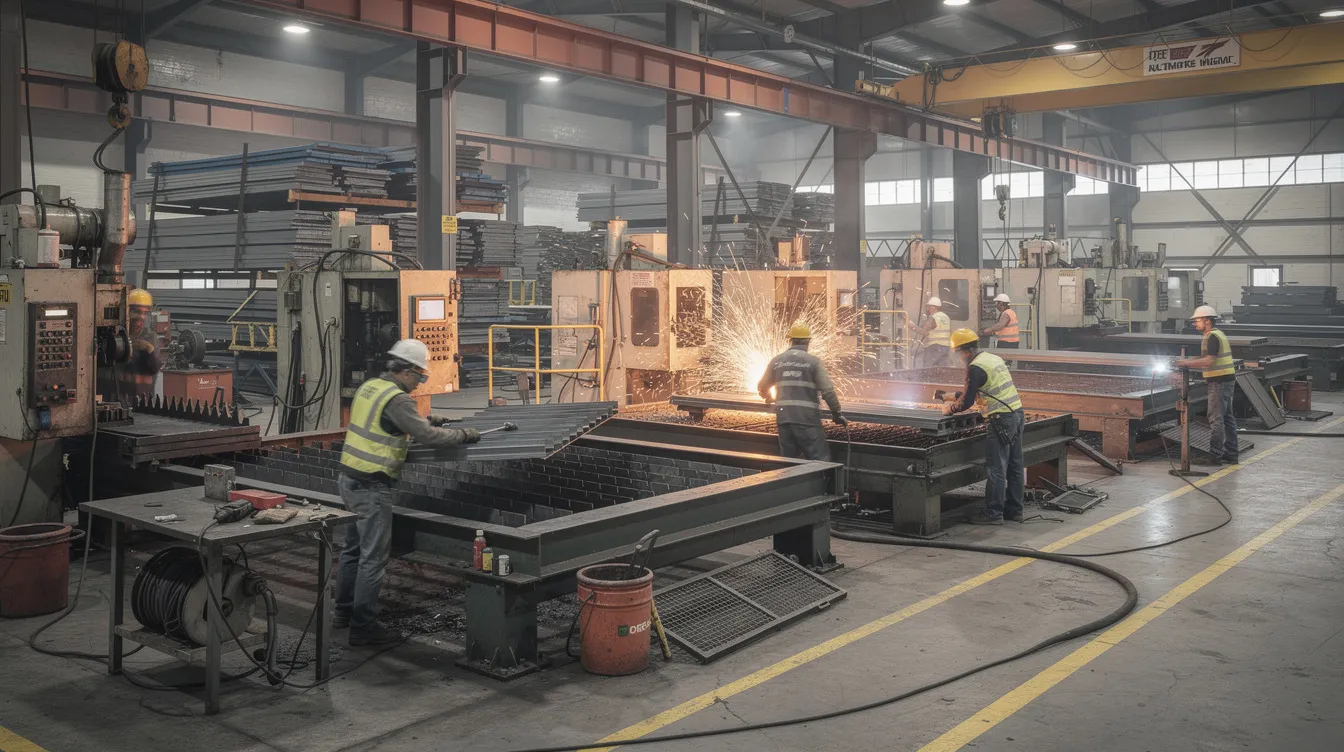
A steel fabrication unit produces custom structural steel components – beams, columns, trusses, frames, stairs, and railings – for construction companies, factories, and commercial projects. You shape steel plates and sections using cutting, welding, bending, and assembly processes.
Pre-engineered building structures are in high demand for factories and warehouses, and modular construction using light-gauge steel framing allows faster building assembly. Value-added services are increasingly preferred by customers over basic steel sales, making fabrication a strong differentiator.
Why It Stands Out
Infrastructure projects across India are driving growing demand for custom steel fabrication. Construction firms need fabricated components delivered to specification and on schedule. This creates a steady pipeline of orders for well-run workshops.
Best For
Entrepreneurs with technical skills and moderate investment capacity (₹25-50 lakhs).
Key Strengths
- Steady demand from construction and infrastructure projects
- High customization potential and value addition
- Relatively lower raw material investment compared to manufacturing
- Scope for both B2B and B2C markets
Possible Limitations
- Requires skilled welders and fabricators
- Working capital needs for material procurement
2. Wire Nail Manufacturing
Wire nail manufacturing is one of the most accessible steel manufacturing business ideas. You convert steel wire rods into nails of various sizes using nail-making machines, then polish and pack them for distribution.
Steel wire products include barbed wire and weld mesh for construction, but nails remain the highest-volume product. A small unit producing 100-300 kg/day can start with an investment of ₹6-14 lakhs, with gross margins of 15-25%.
Why It Stands Out
Steel prices fluctuate almost daily, but wire nails maintain relatively stable local demand because construction activity is continuous. You can also explore the Wire Nail Manufacturing Project Report for bank loan documentation.
Best For
First-time entrepreneurs with limited investment (₹15-30 lakhs).
Key Strengths
- Low investment requirement with proven demand
- Simple manufacturing process with good profit margins (₹10-25/kg profit)
- Strong export potential to neighboring countries
- Raw materials (wire rods) easily available from steel mills
Possible Limitations
- Price competition from established manufacturers
- Quality control critical for market acceptance
3. Stainless Steel Utensils Manufacturing
Producing stainless steel utensils – pots, pans, pressure cookers, tiffin boxes, and cutlery – is a profitable venture with both domestic and export potential. Stainless steel is widely used for kitchenware and industrial applications, making this a market with consistent demand.
India’s stainless steel cookware market is projected to grow from ~US$934 million in 2025 to ~US$1,734 million by 2033, at roughly 8% CAGR. Annual exports of stainless steel products from India already exceed US$1.5 billion.
Why It Stands Out
This manufacturing business combines strong domestic demand with global demand for quality Indian kitchenware. The brand-building potential in retail and e-commerce makes it a high-margin opportunity.
Best For
Entrepreneurs targeting consumer markets with moderate investment (₹30-60 lakhs).
Key Strengths
- Growing middle-class demand for quality cookware
- Strong export potential with higher margins
- Brand building opportunities in retail market
- Government support for MSME kitchen utensil exports
Possible Limitations
- Higher raw material costs with stainless steel (SS-304 food grade)
- Need for food safety certifications and quality control
4. Steel Trading and Distribution
Steel trading involves sourcing steel products – TMT bars, steel pipes, sheets, angles, channels – from steel suppliers and distributing them to construction firms, fabricators, and industrial buyers. Digital steel marketplaces are evolving traditional steel trading into technology-enabled distribution, reducing friction and improving price discovery.
Why It Stands Out
This business model requires no manufacturing complexities. Your competitive edge comes from efficient sourcing, strong supplier relationships, and understanding your target market’s buying patterns.
Best For
Business-minded entrepreneurs with good networking skills (₹20-50 lakhs working capital).
Key Strengths
- No machinery investment required
- Quick cash flow cycles compared to manufacturing
- Scalable business model with territory expansion
- Lower risk with established supplier networks and supply contracts
Possible Limitations
- Requires strong working capital for inventory
- Dependent on supplier credit terms and buyer payment cycles
5. Steel Scrap Recycling Business
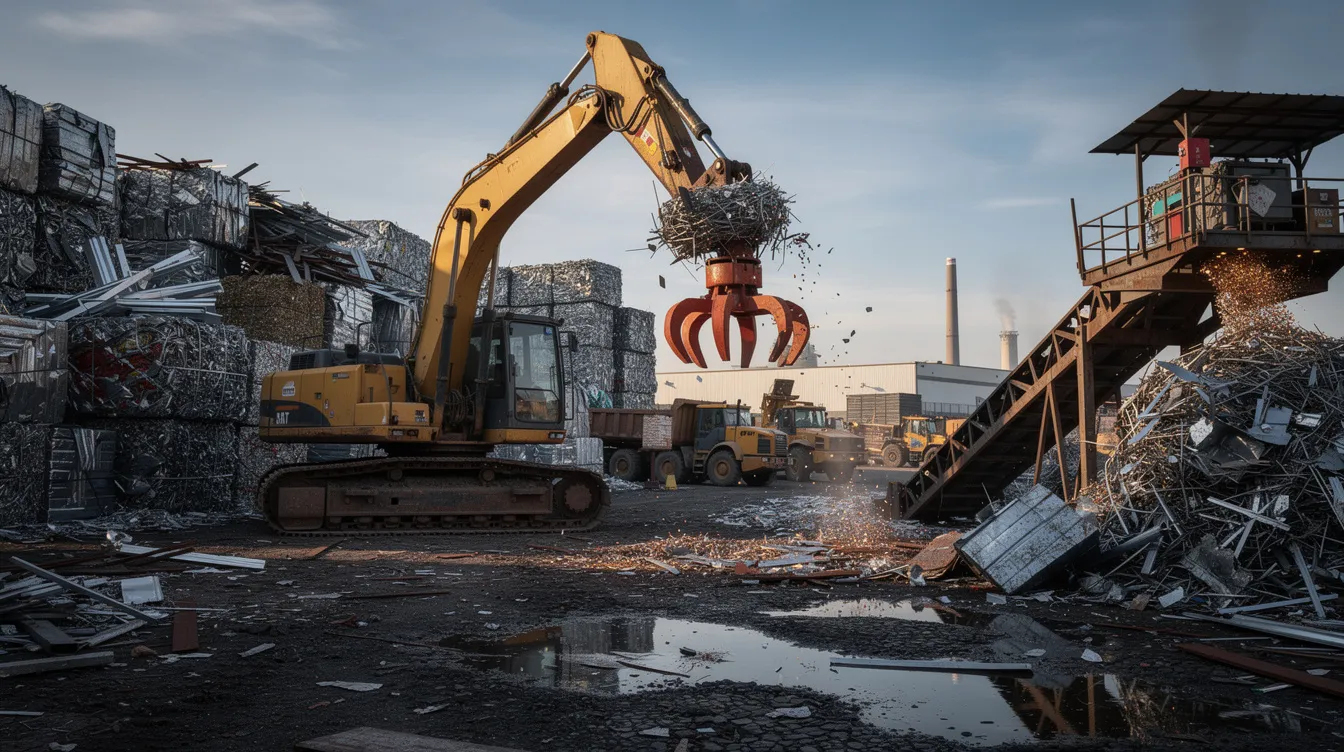
Steel scrap recycling is crucial for profitability in small mills. India’s scrap demand is projected to reach approximately 45 million tonnes in FY 2026, but domestic generation covers only ~25 million tonnes. India imports a large quantity of steel scrap due to this domestic shortage, creating opportunity for processors and collectors.
Steel scrap recycling is promoted under India’s Steel Scrap Recycling Policy, and steel scrap is becoming a strategic resource as more production shifts toward electric arc furnaces.
Why It Stands Out
Circular economy approaches can attract customers and access green procurement incentives. The Vehicle Scrappage Policy adds a growing stream of quality scrap steel. Sorted HMS-1 grade scrap commands ₹32-38/kg in metro hubs.
Best For
Entrepreneurs interested in sustainable business with local market knowledge (₹10-40 lakhs).
Key Strengths
- Growing demand from steel mills and steel plants for scrap-based production
- Government incentives for recycling and waste management
- Environmental sustainability advantage
- Local sourcing reduces transportation costs
Possible Limitations
- Price volatility in scrap metal markets
- Need for pollution control and environmental clearances from the state pollution control board
6. TMT Bar Manufacturing
TMT bars are the backbone of reinforced concrete construction. With India’s housing schemes, metro rail expansion, and highway projects, the steel market for reinforcement bars shows consistent demand. A rolling mill with 300,000-500,000 TPA capacity is needed for economies of scale.
Growing demand persists in developing regions driven by massive infrastructure projects. BIS certification is recommended for quality assurance in steel products, and it is practically mandatory for TMT bars sold to construction companies.
Why It Stands Out
The construction industry alone accounts for around 50% of India’s steel demand, and government allocation of ₹12.2 lakh crore for infrastructure in FY 2026-27 directly benefits TMT bar manufacturers.
Best For
Serious manufacturers with substantial investment capacity (₹2-5 crores).
Key Strengths
- Huge demand from housing and infrastructure projects
- Government focus on construction and housing schemes
- High volume business with steady cash flow
- BIS certification provides quality assurance advantage
Possible Limitations
- High initial investment for rolling mill machinery (billets make up 85-90% of operating costs)
- Intense competition from established brands
- Gross margins typically 10-15%, net margins 3-7%
7. Steel Pipe Manufacturing
Steel pipes are essential for oil, gas, and water supply industries. You manufacture ERW (Electric Resistance Welded) or seamless pipes for plumbing, irrigation, industrial fluids, and structural applications. Galvanized steel is used in roofing sheets and industrial panels, and GI pipe coating adds value.
Why It Stands Out
Government water supply and sanitation projects like Jal Jeevan Mission drive strong domestic demand. The diverse application base – from construction to oil & gas – reduces dependence on a single sector.
Best For
Manufacturers targeting industrial and infrastructure markets (₹50 lakhs – 2 crores).
Key Strengths
- Multiple application sectors including oil & gas, water supply
- Government sanitation projects drive demand
- Export opportunities to developing countries
- Value addition potential with powder coating, threading, and galvanizing
Possible Limitations
- Competition from organized sector players
- Quality certifications required for government projects
8. Steel Furniture Manufacturing
Steel furniture includes office desks, almirahs, racks, hospital beds, school benches, lockers, and storage systems. The manufacturing process involves steel cutting, bending, welding, finishing with powder coating, and assembly.
Why It Stands Out
Institutional demand from schools, offices, and hospitals creates a reliable supply of orders. Steel furniture outlasts wooden alternatives and costs less over its lifecycle. Related metal business opportunities like Lock Manufacturing and storage systems complement this segment.
Best For
Creative entrepreneurs with design focus and moderate investment (₹25-75 lakhs).
Key Strengths
- Growing institutional demand from schools, offices, hospitals
- Durability and cost advantage over wooden furniture
- Design innovation opportunities for premium markets
- Export potential with modern designs
Possible Limitations
- Design and marketing strategy skills required for success
- Competition from imported furniture in premium segment
Quick Comparison of Best Steel Business Ideas
| Business | Best For | Investment Range | Entry Difficulty |
|---|---|---|---|
| Steel Fabrication Workshop | Skilled entrepreneurs, moderate investment | ₹25-50 lakhs | Medium |
| Wire Nail Manufacturing | First-time entrepreneurs, low investment | ₹15-30 lakhs | Low |
| Stainless Steel Utensils | Consumer market focus, export potential | ₹30-60 lakhs | Medium |
| Steel Trading Business | Business-minded, no manufacturing | ₹20-50 lakhs | Low |
| Steel Scrap Recycling | Environmentally conscious, local networks | ₹10-40 lakhs | Low-Medium |
| TMT Bar Manufacturing | Serious manufacturers, high capital | ₹2-5 crores | High |
| Steel Pipe Manufacturing | Industrial market targeting | ₹50L-2 crores | Medium-High |
| Steel Furniture Manufacturing | Design-focused entrepreneurs | ₹25-75 lakhs | Medium |
How to Choose the Right Steel Business for You
Choose Based on Investment Capacity
A steel business in India requires capital for setup and operations. If your budget is under ₹30 lakhs, steel scrap recycling, wire nail manufacturing, or a small steel fabrication unit are practical starting points. Above ₹50 lakhs, you can consider steel pipes, stainless steel utensils, or steel furniture. TMT bar manufacturing and rolling mills need ₹1+ crore commitment.
Choose Based on Technical Skills
Manufacturing businesses require technical knowledge – welding, metallurgy, machine operation. Steel trading needs business acumen, market research skills, and relationship management. Assess whether skilled labor is available in your area before committing to a manufacturing setup.
Choose Based on Market Access
If your location has strong local demand from construction firms, fabrication and TMT bars make sense. If you are near industrial zones, steel pipes and components are better fits. For export steel products, stainless steel utensils and fasteners have proven global demand.
Choose Based on Risk Tolerance
Steel trading carries inventory risk but no machinery risk. Manufacturing has higher fixed costs but better margins. Scrap recycling margins depend on volatile metal industry pricing. Starting a steel business requires disciplined financial planning and understanding your working capital cycle.
Which Steel Business Is Best for You
- Choose Wire Nail Manufacturing if you want proven demand with low investment
- Choose Steel Trading if you prefer business operations without manufacturing complexities
- Choose Steel Fabrication if you have technical skills and want customization advantage
- Choose TMT Bar Manufacturing if you have substantial capital and want high-volume business
- Choose Stainless Steel Utensils if you want to build a consumer brand with export potential
Investment Comparison Table
| Business | Investment | Profit Margin | Difficulty | Demand | Export Potential | Bank Loan Suitability |
|---|---|---|---|---|---|---|
| Steel Fabrication | ₹25-50L | 15-20% gross | Medium | High | Low | Good |
| Wire Nails | ₹15-30L | 15-25% gross | Low | High | Medium | Excellent |
| SS Utensils | ₹30-60L | 10-25% gross | Medium | High | High | Good |
| Steel Trading | ₹20-50L WC | 5-12% | Low | High demand | Low | Moderate |
| Scrap Recycling | ₹10-40L | 10-18% | Low-Med | Growing | Low | Good |
| TMT Bars | ₹2-5 Cr | 10-15% gross | High | Very High | Low | Excellent |
| Steel Pipes | ₹50L-2Cr | 12-18% | Med-High | High | Medium | Good |
| Steel Furniture | ₹25-75L | 15-25% | Medium | Growing | Medium | Good |
Government Schemes and Support
The Indian steel industry benefits from several government initiatives:
- MSME Registration (Udyam) – mandatory for accessing subsidies, priority sector lending, and government tenders
- CGTMSE – collateral-free loan guarantee up to ₹5 crore for MSMEs, highly relevant for steel manufacturing units
- Mudra Loan – up to ₹10 lakh for micro steel businesses under Shishu/Kishore/Tarun categories
- PLI Scheme for Specialty Steel – now in its third round (PLI 1.2), offering 4-15% incentives on incremental sales. India plans to increase specialty steel production capacity significantly through this program
- State Industrial Subsidies – capital investment subsidies, stamp duty exemptions, and power tariff concessions vary by state
- Export Promotion – schemes like MEIS/RoDTEP support entrepreneurs who want to export. Exporting steel can be a profitable business for India
Electrical steel demand is soaring due to renewable energy growth, and specialty components for the renewable energy sector require rugged engineering standards – both creating new incentive opportunities.
Licenses and Legal Requirements
Steel businesses must obtain a Factory License under the Factories Act for any unit employing 10+ workers with power (20+ without). Additional requirements:
- GST Registration – mandatory for annual turnover above ₹20 lakhs
- Trade License – required to run a steel shop or office from your local municipal body
- Pollution Control NOC – required for operations creating emissions; obtain from state pollution control board
- BIS/ISI Certification – essential for TMT bars, pipes, and other structural steel products
- IEC (Import Export Code) – needed if you plan to export or import raw materials
- Company Registration – proprietorship, partnership, LLP, or private limited based on scale
- Labour Registration – under applicable state shops and establishments acts
Steel business licenses require regular renewal to avoid shutdowns. Documentation must be maintained in both digital and printed formats for compliance audits. Steel businesses must comply with local pollution control regulations at all times.
Common Mistakes to Avoid
- Underestimating working capital – raw materials, utilities, and labor need 3-6 months of buffer
- Ignoring quality control and BIS certifications
- Poor supplier relationship management leading to inconsistent supply
- Inadequate market research and competition analysis before setup
- Overlooking environmental and safety compliances
- Pricing products without understanding full costs including overheads
- Starting without proper business plan and financial projections
- Over-investing in machinery without confirming order pipeline
- Ignoring digital marketing for lead generation and brand building
- Not maintaining a reliable supply chain for consistent raw material flow
- Extending excessive credit to buyers without credit assessment
- Neglecting maintenance schedules for machinery
- Choosing location without evaluating logistics and local manufacturers’ proximity
- Hiring unskilled workers for precision tasks
- Ignoring the importance of efficient sourcing to protect margins from raw material costs fluctuations
Future Outlook and Opportunities
The future of steel in India is being shaped by several forces:
- Infrastructure – railways, highways, metros, smart cities, and warehousing will sustain strong domestic demand for various industries
- Electric Vehicles – demand for high-strength steels is rising, especially in automotive and aerospace applications. MSMEs can produce high-tensile steel for auto manufacture and defense
- Solar & Renewable Energy – electrical steel demand is soaring due to renewable energy projects, and India imports specialty steels like high-tensile and electrical steel, creating domestic production opportunities
- Green Steel – producing green steel using lower-carbon processes is a major differentiator. The market for low-carbon steel is growing due to regulations and corporate sustainability goals. Sustainability is a core focus as the steel industry aims to decarbonize
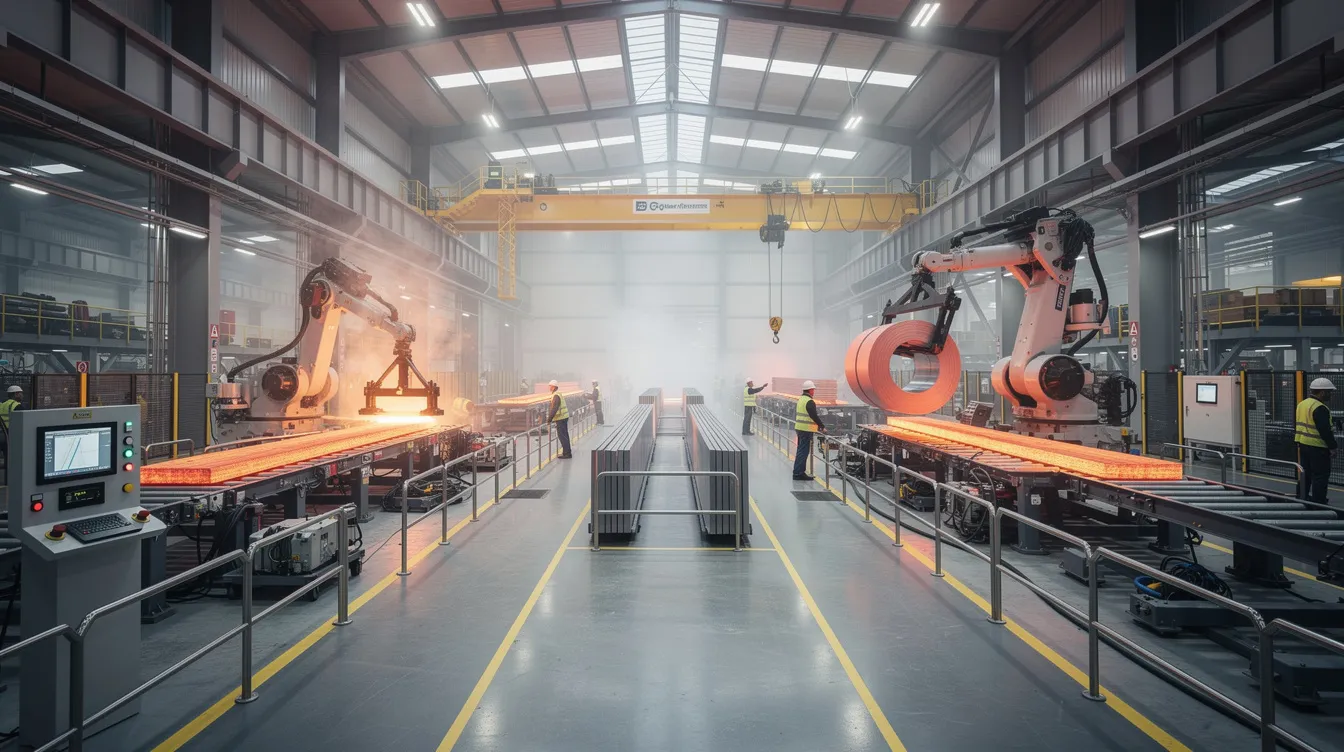
- Technology – digital technologies are increasingly important in steel operations. Advancements in AI and robotics are impacting predictive maintenance in steel manufacturing
- Exports – growing demand persists in developing regions. India can leverage its position as net exporter of finished steel
Related downstream opportunities include Spring Manufacturing, Screw Manufacturing, Water Tap Manufacturing, Bathroom Fittings Manufacturing, and Bicycle Manufacturing – all steel-intensive manufacturing sectors with proven demand. Cast iron parts and fasteners for industrial and commercial applications also remain profitable business ideas.
Final Thoughts
The steel industry rewards entrepreneurs who match their skills and capital with the right opportunity. Whether you start a new steel business with ₹10 lakhs in scrap recycling or ₹5 crores in TMT bar production, success depends on three things: disciplined financial planning, consistent quality, and understanding your local demand dynamics.
A steel business profitable enough to sustain long-term growth requires proper market research, a solid business plan, compliance with all regulatory requirements, and a marketing strategy that reaches your target market effectively. The metal related business space offers multiple entry points – pick the one that aligns with your resources and grow from there.
Professional Project Report Services
About CA Manish Gugliya: With over 20 years of experience in project finance, manufacturing feasibility studies, bank loan documentation, and startup advisory, I have helped hundreds of entrepreneurs across manufacturing sectors navigate the journey from idea to funded, operational business.
Services offered:
- Detailed Project Report (DPR) Preparation for bank loans
- CMA Data and financial projections
- Mudra & CGTMSE loan documentation
- Business valuation reports
- Investor pitch decks and financial models
- Custom manufacturing feasibility reports
If you are planning to start a steel business and need a professionally prepared project report to improve your chances of bank loan approval, reach out for a consultation. A well-prepared DPR is often the difference between loan approval and rejection.
Frequently Asked Questions
Which steel business is most profitable in India?
Stainless steel utensils manufacturing and steel fabrication consistently show strong margins (15-25% gross). However, profitability depends on location, scale, and operational efficiency. A steel business profitable in one region may not work in another without proper market research.
What is the minimum investment required to start a steel business?
You can start a small steel scrap recycling unit or wire nail manufacturing with ₹10-15 lakhs. Steel trading requires ₹20-50 lakhs in working capital.
Do I need technical knowledge to start a steel trading business?
No formal technical degree is needed, but you must understand steel grades, specifications, and pricing. Business acumen and relationship management matter more than engineering knowledge.
What licenses are mandatory for steel manufacturing?
GST registration (mandatory above ₹20 lakhs turnover), factory license, pollution consent from state pollution control board, trade license, and BIS certification for relevant products.
How much working capital is needed for steel business?
Typically 3-6 months of raw material, labor, and utility costs. For trading, you need enough to carry inventory and manage receivable cycles.
Which steel products have good export potential?
Stainless steel utensils, fasteners, steel pipes, and high quality products like specialty flat steel have strong global demand across various industries.
What are the main risks in steel business?
Steel price volatility, working capital stress, competition from larger players, power costs, and credit sales risk are the primary concerns.
How to get bank loan for steel manufacturing unit?
Prepare a detailed project report (DPR) with CMA data, register under Udyam MSME, and apply through CGTMSE or regular term loan routes. Professional documentation significantly improves approval rates.
Which location is best for setting up steel business?
Near steel mills or major steel markets – Gujarat, Maharashtra, Tamil Nadu, Haryana, and Odisha have strong ecosystems for local manufacturers and steel suppliers.
What is the profit margin in different steel businesses?
Wire nails: 15-25% gross. Utensils: 10-25%. TMT bars: 10-15% gross, 3-7% net. Trading: 5-12%. Fabrication: 15-20%.
How to find reliable steel suppliers?
Visit steel markets, attend industry exhibitions, use digital steel marketplaces, and build relationships with steel plants directly. Consistent supply is critical.
What machinery is required for steel fabrication unit?
Steel cutting machines, welding equipment, bending machines, drilling machines, grinding and finishing tools, and material handling equipment.
How long does it take to break even in steel business?
Wire nails: 6-12 months. Trading: 6-9 months. Utensils: 12-24 months. TMT bars: 3-5 years.
What are the tax benefits available for steel MSME units?
Udyam-registered MSMEs get priority lending, reduced interest rates, capital subsidy under state schemes, and access to government tenders with relaxed criteria.
How to compete with large steel manufacturers?
Focus on local delivery speed, customization, customer service, niche products, and building a reliable supply chain. Large players cannot match the agility of small, well-run local units in every market.
- Integrated Value-Added Rice Products Processing Plant Project Report & DPR
- Integrated Rice Plant Bank Loan, Feasibility, ROI, IRR, Payback & Sensitivity Analysis

- Integrated Rice Processing Plant Financial Projections, Working Capital & DSCR
- Integrated Rice Products Revenue Model, Market Strategy & Profitability

- Integrated Value-Added Rice Plant Project Cost & Means of Finance
- Raw Material Procurement & Inventory Planning for Integrated Value-Added Rice Plant
- Common Utilities, Warehousing, Packaging & Material Handling for Integrated Rice Plant

- Integrated Rice Processing Plant Land, Building & Multi-Line Plant Layout – A Practical Guide for DPR & Bank Finance

- Integrated Rice Processing Plant Capacity Planning & Product Mix
- Integrated Value-Added Rice Plant Machinery & Equipment Cost – A Practical DPR-Oriented Guide
- Integrated Poha, Puffed Rice & Rice Snacks Manufacturing Process & Line Integration
- Instant Poha Manufacturing Plant Project Report & DPR – Bankable Guide by Project Report Bank

- Ready-to-Cook Rice Breakfast Mixes Manufacturing: Products, Process & Plant Setup

- Cup Poha Manufacturing, Packaging & Business Model – A Practical Guide for Entrepreneurs in India

- Instant Poha Market Potential, Pricing, Branding, Sales Channels & Distribution Strategy