
If you are exploring stationery business ideas in India, you are looking at one of the most resilient sectors in the economy. With over 26 crore students, 15 lakh schools, 40,000+ colleges, and a growing corporate sector, the demand for stationery products never dries up. As a practicing CA, I have reviewed hundreds of business plans across industries – and the stationery business consistently delivers profit margins of 25% to 45% with remarkably low risk.
The Indian stationery industry is growing at 8-10% CAGR, and the global stationery market is projected to touch USD 205 billion by 2031. Stationery products have a low return rate and minimal storage risk, making this a forgiving sector for first-time entrepreneurs. The office stationery segment alone generated $81.5 billion in 2024.
Whether you are a student, housewife, retired professional, or existing retailer, this guide covers 25 actionable stationery business ideas – each with real investment figures, profit potential, and practical steps. For detailed project reports, business plans, and bank loan documentation, visit www.projectreportbank.com.
Table of Contents
How We Chose the Best Stationery Business Ideas
Every idea on this list was evaluated against seven criteria drawn from my experience preparing CMA reports and stationery business plan documents for bank loans:
- Investment requirement – prioritizing ideas starting from ₹50,000 to ₹15 lakh
- Market demand – backed by India’s education infrastructure and corporate expansion
- Profit margin potential – ranging from 10% on basic items to 60%+ on premium and customized products
- Ease of starting and scalability – from home-based setups to full manufacturing units
- Competition level – generic stationery products face high competition, so we favored niche and underserved segments
- Required skills – manufacturing needs technical know-how; retail and online need sales and digital skills
- Export and future scope – eco-friendly, premium, and design-led stationery have strong international demand
The stationery industry is highly competitive. Success in the stationery market requires targeting specific underserved audiences. You must conduct market research to understand customer needs before committing capital.
Top 25 Stationery Business Ideas in India
1. Stationery Shop / Retail Store
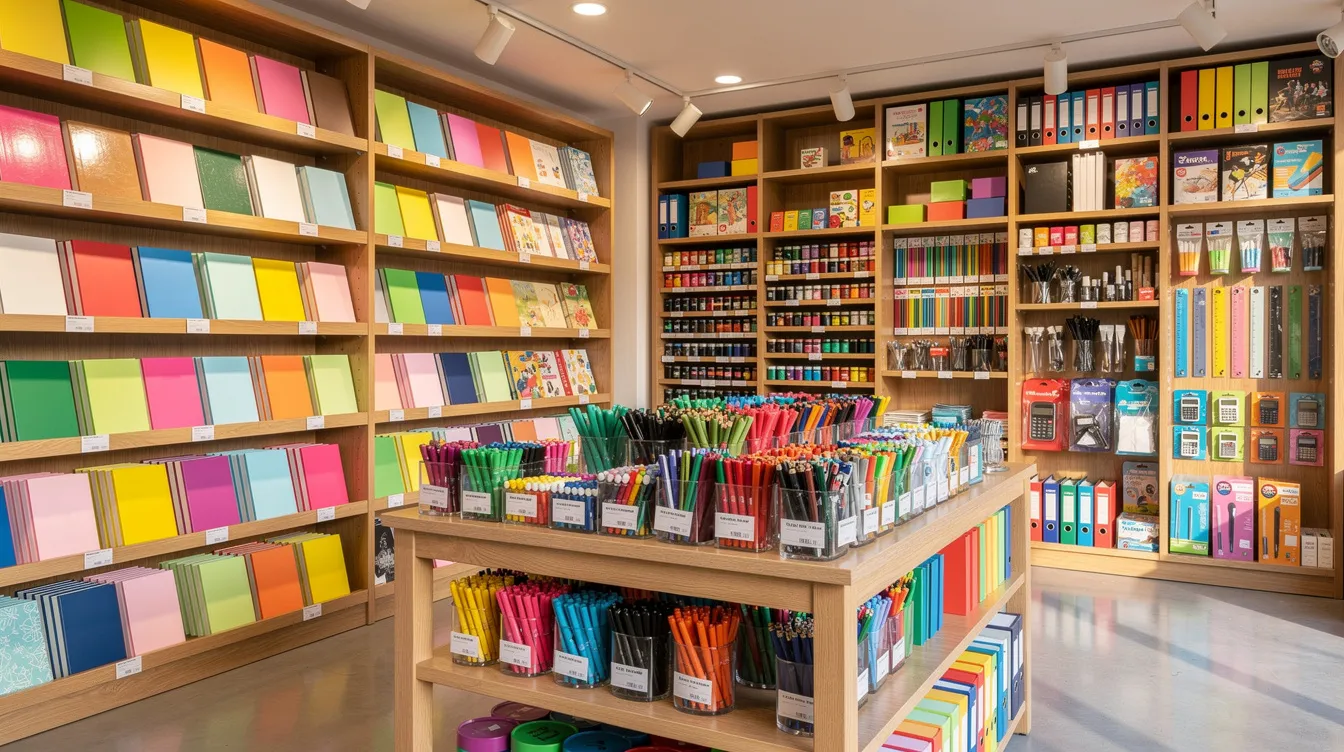
The traditional stationery shop remains the most accessible entry point. Retail stationery stores target local customers near schools, colleges, and coaching institutes, generating repeat customers through daily-use products like pens, notebooks, and school supplies.
A small stationery shop can start with ₹2-5 lakh investment. A well-located small stationery shop can earn ₹90,000 to ₹1,80,000 monthly. Investment recovery for a stationery shop typically occurs within 6 to 12 months.
- Best for: Beginners, small towns, near educational institutions
- Profit margin: 25-40% gross on most stationery items
- Limitations: Location dependency, competition from online marketplaces
2. Notebook and Exercise Book Manufacturing
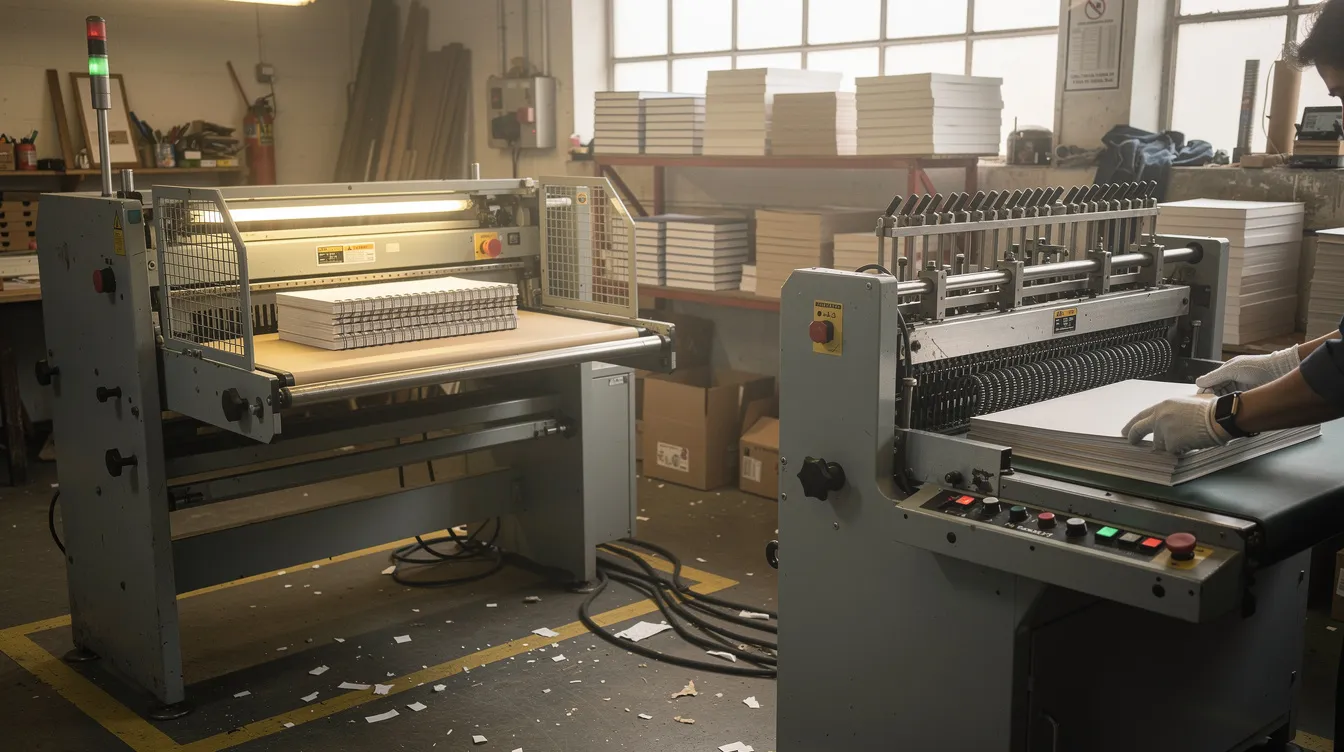
India’s school system creates massive, recurring demand for notebooks. A semi-automatic notebook machine costs ₹4-6 lakh, with total setup around ₹8-14 lakh including binding, cutting, and raw materials.
Raw material cost for a 160-page notebook is approximately ₹60-70 per unit. Retail margins on notebooks run 30-40%, with strong export potential for eco-friendly variants.
- Best for: Entrepreneurs with manufacturing interest, medium capital
- Limitations: Paper price volatility, electricity costs, machinery maintenance
3. Pen Manufacturing (Ball Pens and Refills)
The global writing instruments market stands at USD 25.3 billion (2025), growing at ~4.1% CAGR. Ball pens are daily-use items with universal demand across offices, schools, and homes. Margins on basic pens are modest (10-25%), but premium and branded pens push margins significantly higher.
- Investment: ₹5-15 lakh depending on automation level
- Best for: Technical entrepreneurs, bulk B2B supply focus
- Limitations: Plastic raw material costs, competition from established brands
4. Online Stationery Store
Online stationery stores can reach customers nationwide without the overhead of a physical location. Online stores can reach a wider audience without high physical costs. You can start an online store with ₹50,000-₹2,00,000, focusing on niche categories like aesthetic stationery, eco-friendly products, or premium writing supplies.
- Best for: Tech-savvy entrepreneurs, those targeting national or niche audiences
- Profit margin: 20-50% on premium and custom items
- Limitations: Shipping costs, returns, and heavy competition on Amazon and Flipkart
If you are exploring business ideas for students, an online stationery store is among the lowest-risk options.
5. Wholesale Stationery Distribution
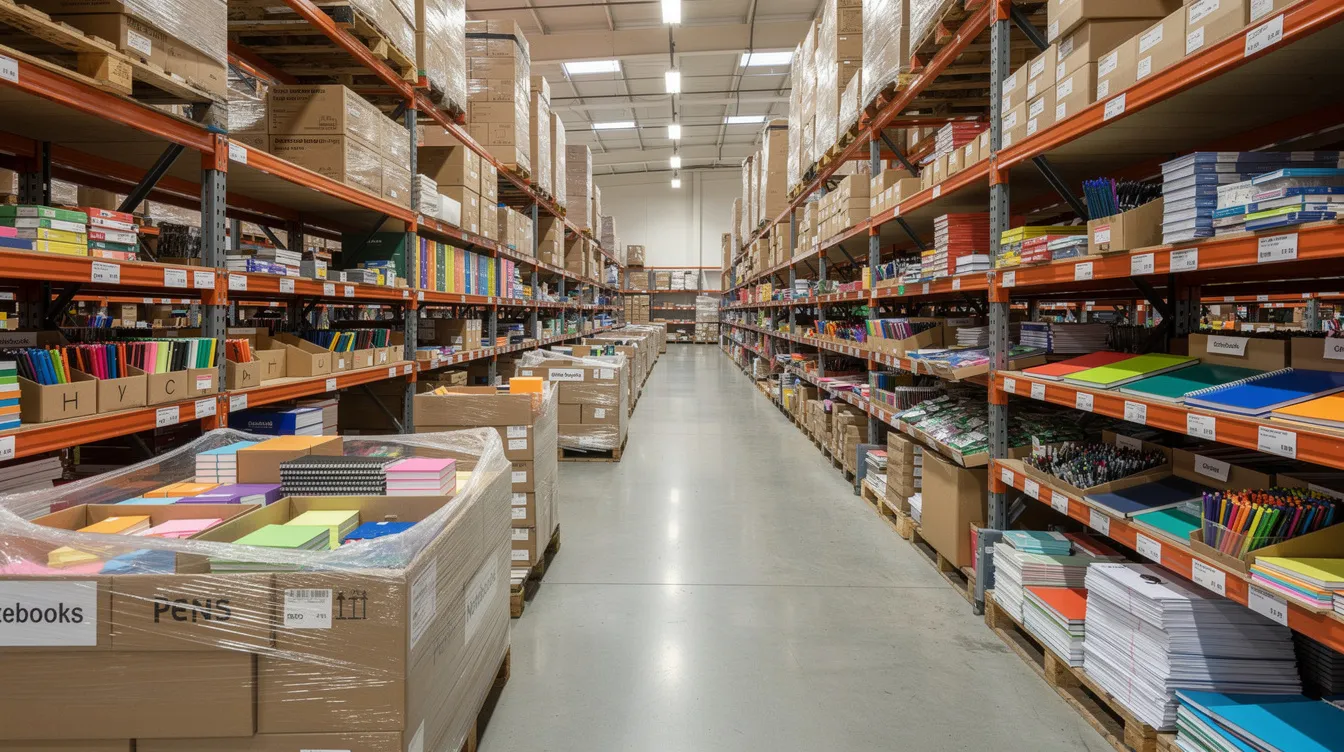
Wholesale stationery businesses supply large quantities to retailers, schools, and offices. Distributors typically receive 30-40% margin from brands, supplying to retailers at 25-35% margin. This is a volume-driven business model requiring significant working capital.
- Investment: ₹5-15 lakh+ (inventory and warehousing)
- Best for: Experienced traders with B2B relationships
- Limitations: Capital tied in inventory, credit default risk
For more wholesale business ideas, explore our detailed guides.
6–25: Complete Stationery Business Ideas
| # | Business Idea | Investment | Profit Margin | Best For |
|---|---|---|---|---|
| 6 | Customized/Personalized Stationery | ₹1-5 lakh | 40-70% | Creative entrepreneurs |
| 7 | Office Stationery Supply | ₹3-8 lakh | 20-35% | B2B focused sellers |
| 8 | School Stationery Kits | ₹2-5 lakh | 30-45% | Near schools, bulk supply |
| 9 | A4 Paper Trading | ₹3-10 lakh | 10-20% | Volume traders |
| 10 | Art and Craft Supplies Store | ₹3-8 lakh | 50-60% | Creative communities |
| 11 | Pencil Manufacturing | ₹5-12 lakh | 25-35% | Manufacturing interest |
| 12 | Corporate Stationery Solutions | ₹5-15 lakh | 30-50% | B2B, corporate gifting |
| 13 | Eco-friendly Stationery | ₹2-8 lakh | 35-55% | Sustainability-focused |
| 14 | Wedding and Event Stationery | ₹2-6 lakh | 50-70% | Design skills |
| 15 | Printing + Stationery Combo | ₹5-12 lakh | 30-45% | High-footfall areas |
| 16 | Geometry Box and Instruments | ₹3-8 lakh | 25-40% | School supply chain |
| 17 | Luxury Pen Store | ₹5-15 lakh | 40-60% | Metro cities, niche |
| 18 | Handmade Paper Products | ₹1-4 lakh | 50-70% | Artisans, home-based |
| 19 | File and Folder Manufacturing | ₹3-8 lakh | 25-40% | Office supply segment |
| 20 | Stationery Franchise Business | ₹5-20 lakh | 20-35% | Brand-backed start |
| 21 | Gift Wrapping and Stationery | ₹1-3 lakh | 40-60% | Gift shops, events |
| 22 | Educational Charts and Maps | ₹2-5 lakh | 35-50% | Schools, coaching centers |
| 23 | Stationery Vending Machines | ₹3-8 lakh | 30-45% | Colleges, transit hubs |
| 24 | Export-oriented Stationery | ₹10-25 lakh | 25-40% | International markets |
| 25 | Stationery Subscription Boxes | ₹1-4 lakh | 35-55% | Online, recurring revenue |
Key highlights across these ideas:
- Customization can significantly raise profit margins in stationery sales. Customised stationery items can enhance customer engagement and loyalty – wedding invitations and corporate gifts are prime examples.
- Corporate stationery supplies can generate predictable income through annual contracts with corporate offices.
- Educational stationery kits around specific needs can improve sales, especially during admission seasons.
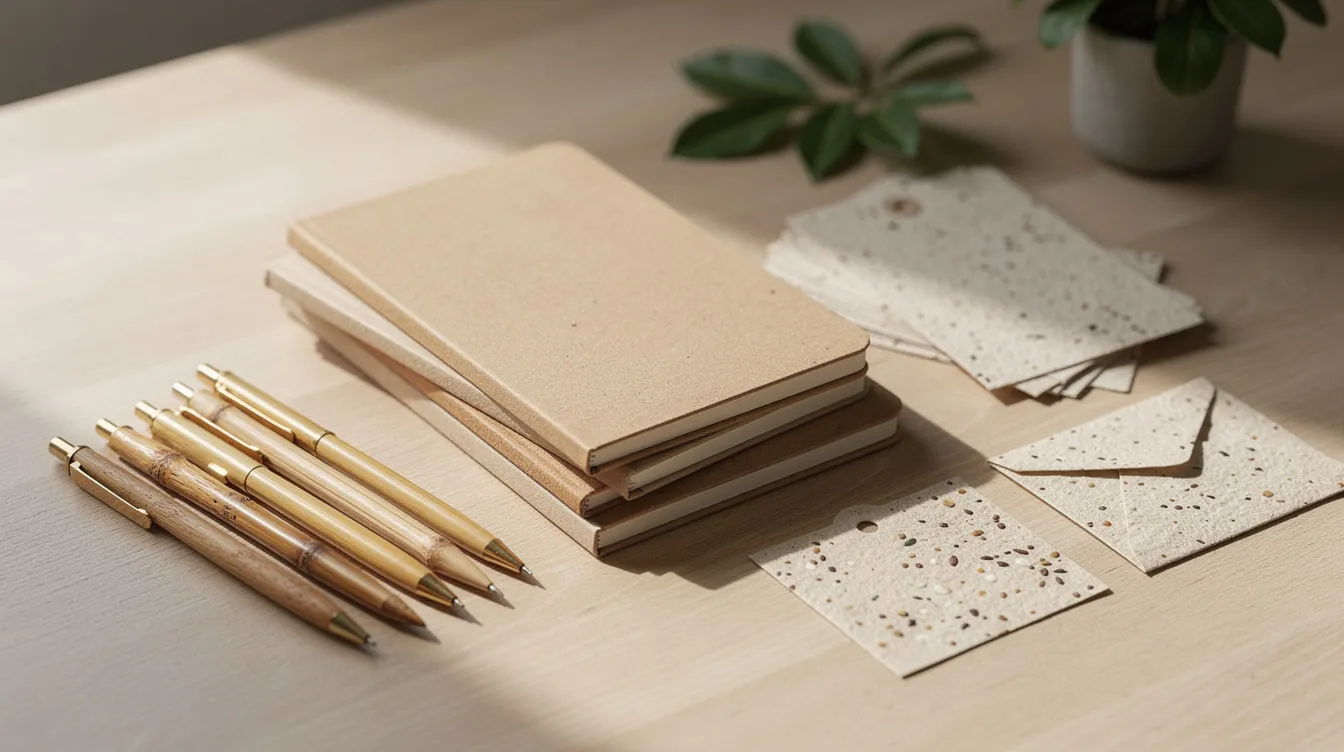
- Eco-friendly stationery products are gaining popularity among consumers. Plantable stationery products cater to eco-conscious consumers, and sustainable practices are increasingly influencing stationery purchasing decisions.
- Luxury pens and personalised journals target niche audiences willing to pay more. Specialty stationery stores focus on unique, high-quality products for this target audience.
- Monthly subscription boxes for stationery can create predictable recurring income – a model gaining traction through social media platforms.
- Interactive stationery combines physical and digital features for added value, appealing to tech-forward students.
- The most lucrative niches combine paper goods with specific cultural trends – think festival-themed notebooks or regional language planners.
- Stationery products can focus on themes like productivity and creativity, attracting the growing planner community.
- Creative journaling supplies are driven by social media trends, making art materials and photo albums strong sellers.
- Aesthetic and personalized stationery designs are in high demand among young consumers.
- The stationery market includes artisanal and creative products for diverse needs – handmade paper products and gift wrappers are good examples.
For shop business ideas beyond stationery, explore our comprehensive directory.
Quick Comparison of Top Stationery Business Ideas
| Business Model | Risk Level | Investment | Monthly Profit Potential | Best For |
|---|---|---|---|---|
| Stationery Shop | Low | ₹2-8 lakh | ₹25,000-₹3,00,000 | Beginners, local shop near schools |
| Notebook Manufacturing | Medium | ₹8-14 lakh | ₹40,000-₹2,00,000 | Bulk orders, school supply |
| Online Store | Low-Medium | ₹0.5-2 lakh | ₹20,000-₹1,50,000 | Wider reach, lower overhead |
| Wholesale Distribution | Medium | ₹5-15 lakh | ₹50,000-₹3,00,000 | High-volume B2B sales |
| Custom Stationery | Low | ₹1-5 lakh | ₹30,000-₹2,00,000 | Premium market, higher margins |
How to Choose the Right Stationery Business
Choose Based on Your Investment Capacity
- Low (₹1-3 lakh): Retail stationery store, online stationery business, gift wrapping, subscription boxes
- Medium (₹3-10 lakh): Wholesale distribution, printing combo, art supplies store, A4 paper trading
- High (₹10+ lakh): Notebook or pencil manufacturing, export-oriented business, franchise operations
Choose Based on Your Skills and Experience
- Technical skills: Manufacturing businesses (notebooks, pens, pencils, files)
- Sales skills: Retail, wholesale, corporate supply – these need strong inventory management
- Digital skills: Online store, subscription boxes – requires managing your own website and digital marketing
- No specific skills: Franchise model or a simple local shop near schools
This framework also works well for business ideas for housewives – home-based custom stationery and online stores require minimal infrastructure.
Choose Based on Your Target Market
- Local market: Retail shops, printing services, school kit supply
- Regional market: Wholesale, manufacturing with distribution network
- National market: Online stores, export business
- Niche market: Custom, luxury, eco-friendly – premium stationery products for specific target market segments
Which Stationery Business Is Best for You?
- Choose a stationery shop if you want guaranteed daily income and low startup costs
- Choose manufacturing if you have technical skills and ₹8-15 lakh to invest
- Choose an online store if you want to sell business stationery nationwide from home
- Choose wholesale if you have good capital and B2B business experience
- Choose custom stationery if you want premium margins and enjoy creative work
The average profit margin for stationery shops is 25% to 45%. Your actual returns depend on your pricing strategy, competitive pricing approach, shop size, and product mix. A good business plan accounts for all the costs involved – rent, stock, staff, utilities, and marketing.
Investment Requirements and Profit Margins
| Business Type | Investment Range | Gross Margin | Net Margin | Licenses Needed |
|---|---|---|---|---|
| Retail Shop | ₹2-8 lakh | 25-40% | 8-20% | GST, Trade License, Shop License |
| Manufacturing | ₹5-15 lakh | 30-45% | 10-20% | GST, MSME, Trade License, PAN |
| Online Store | ₹0.5-2 lakh | 20-50% | 10-25% | GST, PAN |
| Wholesale | ₹5-15 lakh | 15-30% | 5-15% | GST, Trade License |
| Custom/Premium | ₹1-5 lakh | 40-70% | 20-40% | GST, Trademark (optional) |
You need a trade license to operate a stationery shop. GST registration is mandatory if turnover exceeds the threshold. MSME registration unlocks government subsidies and loan benefits. For bank loan applicants, a professionally prepared stationery shop project report significantly improves approval chances.
Bank loan options: Mudra Loan (up to ₹10 lakh), CGTMSE-backed term loans, working capital limits, and cash credit facilities are all available for stationery businesses. A solid business plan with CMA data is essential for loan approval.
Future Scope and Growth Opportunities
The stationery business is far from declining in the digital age. Here is what is driving future demand:
- Eco-friendly products: Recycled paper, biodegradable materials, refillable writing supplies, and paper based products made from sustainable sources
- Corporate gifting: Premium stationery, own brand corporate kits, and personalized journals
- Export potential: India’s cost advantage makes it competitive in Asia, Africa, and the Middle East for paper products and writing instruments
- Subscription models: Curated monthly boxes for students, artists, and professionals
- Digital-physical hybrid: Planners that integrate with apps, QR-coded notebooks
Creating a strong brand identity differentiates your stationery business in this evolving landscape. The big market opportunity lies in combining quality products with targeted marketing strategies.
Frequently Asked Questions
Which stationery business is most profitable in India? Customized and premium stationery businesses are the most highly profitable, with margins reaching 40-70%. However, a well-run retail stationery store near schools also delivers strong, consistent returns.
How much investment is required to start a stationery business? A small stationery shop requires an investment of ₹2 to ₹5 lakh. Online stores can start with ₹50,000. Manufacturing units need ₹5-15 lakh depending on machinery.
Can I start a stationery business from home? Yes. Custom stationery, online stationery business, and subscription boxes are ideal home-based business models with minimal startup costs.
What licenses are required? GST Registration, Shop & Establishment License, Trade License, PAN, and optionally MSME Registration and Trademark.
How much profit can I earn monthly? A small town stationery shop earns ₹30,000-₹70,000 monthly. Metro stores can earn ₹1,00,000-₹3,00,000. The stationery business is fairly profitable across most formats.
Is online stationery business profitable? Yes. Lower overhead combined with nationwide reach makes it viable. Optimizing product listings improves visibility and attracts buyers on online marketplaces like Amazon and Flipkart.
Which location is best for a stationery shop? Near schools, colleges, coaching institutes, residential areas, and district headquarters. A stationary shop in a high-footfall area can attract customers consistently through word of mouth and local promotions.
Can I get a bank loan for stationery business? Yes. Mudra Loan, CGTMSE, and working capital loans are available. A professional stationery shop business plan with CMA reports strengthens your application.
What products sell the most? Notebooks, pens, pencils, printer paper, printer ink, paper clips, office supplies, and school supplies are top sellers. Art supplies and high quality products like luxury pens serve niche but profitable segments.
How to increase sales in stationery business? Stock good quality products, use social media platforms for marketing, build school tie-ups, offer competitive pricing, create an own website, and use email marketing to retain potential customers. Using influencer marketing can expand your reach significantly. Social media marketing increases customer engagement and brand visibility.
Do I need market research before starting? Absolutely. Conduct market research to understand your target audience, local competition, and customer preferences. A stationery business plan without market research is incomplete.
Is the stationery business suitable for men and women equally? Yes. Explore our guides on business ideas for men for more options across sectors.
Can I develop my own line of stationery products? Yes. Many successful stationery business owners develop their own line of better quality notebooks, planners, or writing instruments to build brand loyalty and attract more customers through a differentiated customer experience.
What about managing inventory and seasonal demand? Managing inventory is critical. Stock up before admission seasons (March-July). Use inventory management software to track bestsellers and avoid dead stock. Stationery businesses can recover their investment in 6 to 12 months with proper planning.
How do I build a marketing plan for my stationery store? Combine Google Business Profile optimization, WhatsApp marketing, Instagram content, school and office supply contracts, and local promotions. A clear marketing plan aligned with your business structure ensures sustainable growth and helps you reach more customers.
Final Thoughts
The stationery business remains evergreen – driven by India’s massive education sector, growing corporate demand, and increasing demand for premium and eco-friendly products. Whether you open a local shop, launch a successful stationery business online, or set up a manufacturing unit, the fundamentals are strong.
Your success depends on choosing the right business model based on your skills, capital, and target market. Proper planning, thorough market research, and a solid business plan make all the difference between a struggling shop and a thriving enterprise.
Visit www.projectreportbank.com to download professionally prepared project reports, business plans, CMA reports, and bank loan documentation for stationery businesses.
- CA Manish Gugliya
- Dal Mill Power Consumption, Dryers & Utility Requirements – Complete Guide


- Dal Mill Colour Sorter, Grading, Polishing & Packaging Machinery – Types, Capacity, Cost & Selection Guide

- Pulse Conditioning, Dehusking & Splitting Process – Improving Dal Recovery

- Dal Mill Recovery Ratio, Dal Yield, Broken Percentage & Milling Losses

- Masoor Dal Processing Plant Project Report & DPR in India

- Chana Dal Manufacturing Plant Project Report & DPR in India

- Urad Dal Mill Project Report & DPR in India

- Moong Dal Processing Plant Project Report & DPR in India

- Toor Dal (Arhar Dal) Mill Project Report & DPR in India

- Fully Automatic vs Semi-Automatic Dal Mill – Cost, Efficiency & Investment Comparison

- Dal Mill Land, Building & Plant Layout Requirements in India

- Dal Mill Capacity Planning – 5 TPD, 10 TPD, 20 TPD & 50 TPD Plants

- Dal Milling Process & Flow Chart – Cleaning, Dehusking, Splitting & Packaging

- Dal Mill Machinery, Equipment & Cost – Complete Plant Guide

- Dal Mill Plant Setup Cost in India – Investment & Cost Breakdown