
India’s textile industry contributes around 2% to GDP and remains one of the most resilient sectors in the indian economy. As a practicing Chartered Accountant who has prepared hundreds of project reports for textile entrepreneurs, I can tell you this: the textile sector is one of the few industries where you can start with as little as ₹25,000 and scale to a multi-crore enterprise within a few years.
The indian textile industry is currently valued at approximately ₹16.66 lakh crore (US$190 billion), with the government targeting US$350 billion by 2030. The textile sector employs over 45 million people in India, and textile exports account for roughly 13% of India’s total exports. The indian textile market shows increasing government support for MSMEs through Production Linked Incentive schemes, PM MITRA parks, and dedicated missions for technical textiles.
Whether you are exploring small scale textile business ideas or planning a large-scale textile manufacturing business, this guide covers 35+ profitable textile business ideas with practical investment figures, profit margins, and actionable steps.
How We Chose the Best Textile Business Ideas
Over two decades of preparing CMA data and financial projections for textile entrepreneurs, I have developed a clear framework for evaluating textile business opportunities. Here is what matters:
- Market demand: Market research identifies demand for textile products and reveals best-selling textiles and fabrics. Proper research helps locate target audiences in textiles.
- Investment range: Ideas spanning ₹25,000 to ₹50+ lakhs covering every budget level.
- Profit potential: Expected margins based on actual client data and industry benchmarks.
- Supply chain accessibility: Raw material availability and raw material suppliers within reach.
- Government support: Eligibility for Mudra Loan, CGTMSE, PLI, and state MSME incentives.
- Scalability: Ability to grow from trading to manufacturing to export.
- Competitive landscape: Analyzing competitors aids in understanding market dynamics. Identifying market gaps is crucial for textile business success.
Conduct market research to identify profitable textile products before committing capital. A textile business without proper market research is like a ship without a compass.
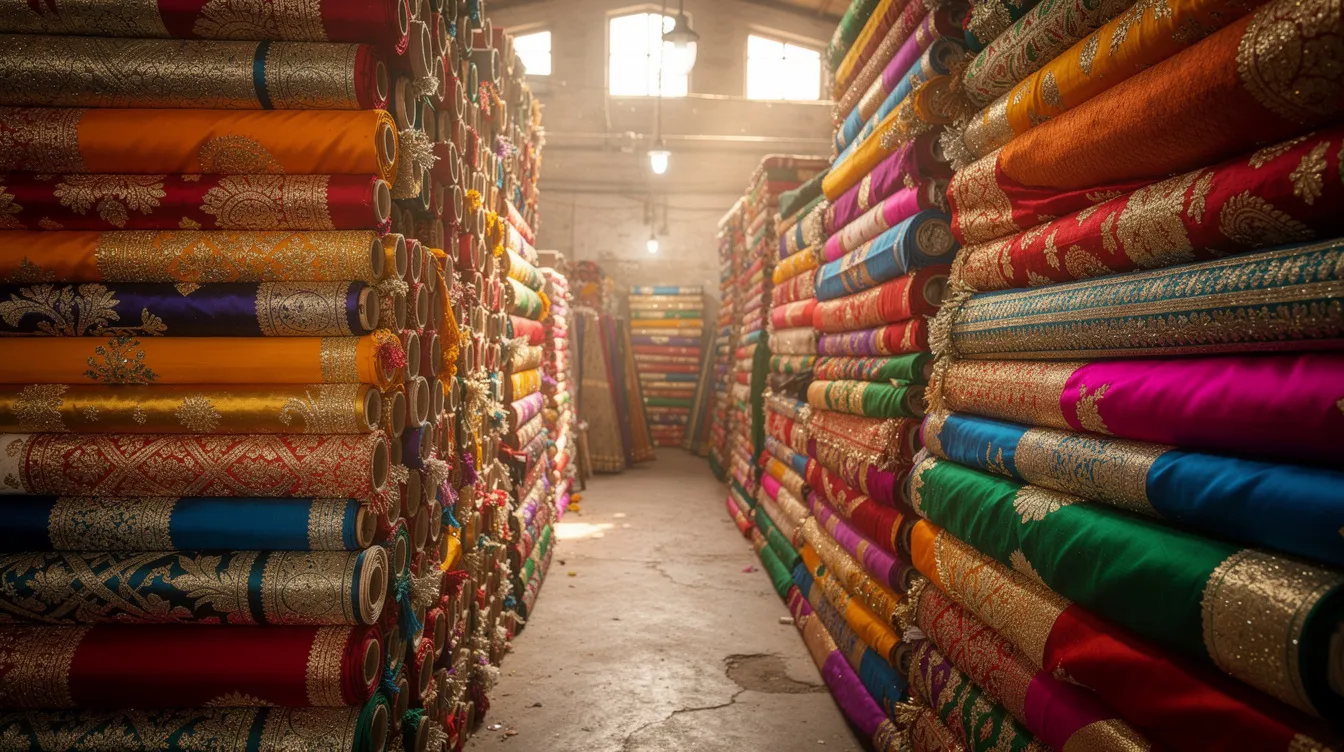
Top 35+ Textile Business Ideas in India
1. Garment Manufacturing & Export Business
Garment manufacturing is a highly profitable textile business idea covering readymade apparel production for the domestic market and international markets. India’s apparel exports exceeded US$14 billion in FY 2024-25, making this the largest textile export segment.
Why It Stands Out
The garments industry benefits from proven global demand, with brands diversifying sourcing away from China and Bangladesh. As a textile manufacturer, you can tap into export earnings through established buyer networks.
Best For
Experienced entrepreneurs with ₹10–50 lakh initial investment capacity who can register as a private limited company or LLP.
Key Strengths
- High export potential with PLI scheme support and RoSCTL rebates
- Scalable from small units to large manufacturing facilities
- Direct-to-consumer models can enhance profit margins in the textile sector
- Growing demand in everyday wear, ethnic wear, and kids wear categories
Possible Limitations
- Manufacturing costs include equipment, labor, and operational expenses – expect labour costs to account for 25–35% of operating costs
- Mandatory licenses include factory license, GST registration, IEC code, and pollution clearance
- Quality control compliance with international standards (OEKO-TEX, ISO) is non-negotiable
Expert Tip: A comprehensive business plan includes marketing strategies for both domestic and export channels. Register your business, acquire necessary licenses like GSTIN and trade license, and prepare a detailed project report before approaching banks.
2. Saree Manufacturing & Trading
Sarees are a high-demand textile business across age groups – from daily wear to bridal collections. Sarees are needed across age groups and regions in India, making this an evergreen business opportunity.
Why It Stands Out
Cultural significance ensures consistent demand during festivals, weddings, and religious occasions. The clothing business around sarees has strong domestic and NRI market demand.
Best For
Beginners and women entrepreneurs with ₹2–15 lakh investment. This is among the most popular textile business ideas for housewives looking to start a business.
Key Strengths
- Low cost startup – saree reselling can begin with just ₹25,000 as initial stock
- High demand product with profit margins of 30–60% depending on segment
- Utilizing social media is essential for promoting textile businesses – Instagram and WhatsApp drive significant sales
- Effective marketing strategies help reach potential customers quickly through online platforms
Possible Limitations
- Seasonal fluctuations during non-festival periods require working capital planning
- Understanding customer preferences across regional markets (Banarasi, Kanjeevaram, Pochampalli) is essential
Expert Tip: Start with trading before investing in manufacturing. Advertising increases product awareness in the target market – invest in good product photography and social media marketing before scaling production.
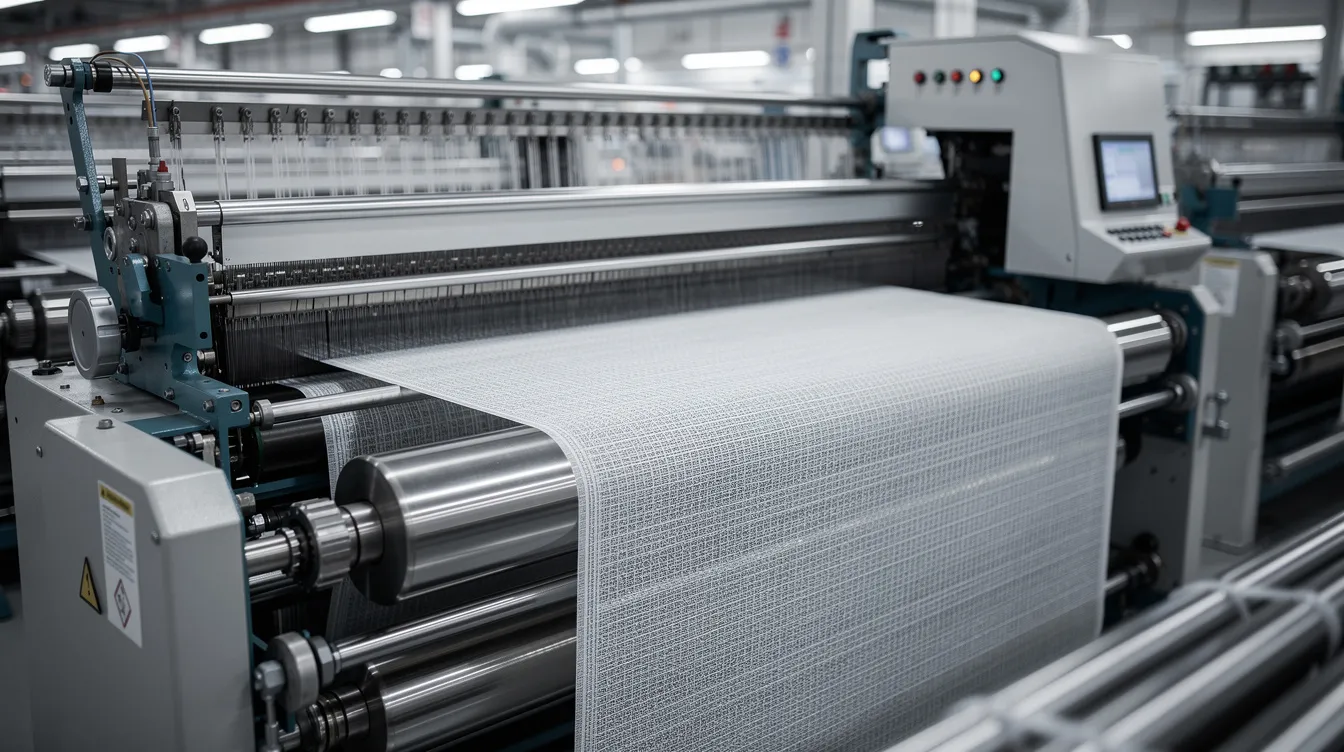
3. Technical Textiles Manufacturing
Technical textiles include materials used for agriculture, construction, healthcare, automotive, and industrial applications. India’s technical textiles market is projected to grow from US$21.44 billion in 2025 to US$34.45 billion by 2033 at a CAGR of 6.1%.
Why It Stands Out
High-performance materials are gaining traction in the textile industry, with segments like geotech (16.94% CAGR), indutech (13.04% CAGR), and oekotech (14.76% CAGR) showing exceptional growth rates.
Best For
Technology-oriented entrepreneurs with ₹25–100 lakh investment and interest in B2B business models.
Key Strengths
- Technical textiles often have higher margins than traditional fabrics (40–70% gross margins)
- Strong government support through the National Technical Textiles Mission (₹1,480 crore outlay)
- Growing demand in infrastructure, healthcare, and agriculture – niche markets in textile manufacturing have high potential for profitability
- AI-powered fabric design can improve efficiency for textile brands entering this space
- Growing global demand as industries adopt performance-focused materials
Possible Limitations
- Requires specialized machinery and technical expertise
- Longer customer acquisition cycles in B2B markets
Expert Tip: Focus on one sub-segment first – meditech (surgical textiles, surgical cotton products) or agrotech (crop covers, shade nets) have lower entry barriers than mobiltech or indutech.
4. Home Textiles Manufacturing
Home textiles like bedsheets and towels have strong domestic and export demand. The Indian home textile market was valued at US$4.51 billion in 2025, projected to reach US$6.78 billion by 2034.
Why It Stands Out
Increasing urbanization, rising disposable income (per capita textile consumption grew from ₹2,119 in 2010 to ₹6,066 in 2024), and e-commerce growth drive steady demand.
Best For
Entrepreneurs targeting middle-class consumers with ₹5–25 lakh investment. Choose a location that minimizes transportation costs for your textile business, preferably near cotton belts.
Key Strengths
- Steady demand with repeat purchase patterns in the domestic market
- Good export potential to Middle East and European export markets
- Investment in machinery is crucial for textile production efficiency – basic setups start at ₹5–8 lakh
- Consumer demand for organic and recycled fabrics is growing in this segment
Possible Limitations
- Competition from established brands and imported products at competitive prices
- Location costs are essential for both manufacturing and retail business models
Expert Tip: Start with bed sheets or towel manufacturing – these have simpler production process requirements and consistent market demand. Add curtains and woven fabric products as you scale.
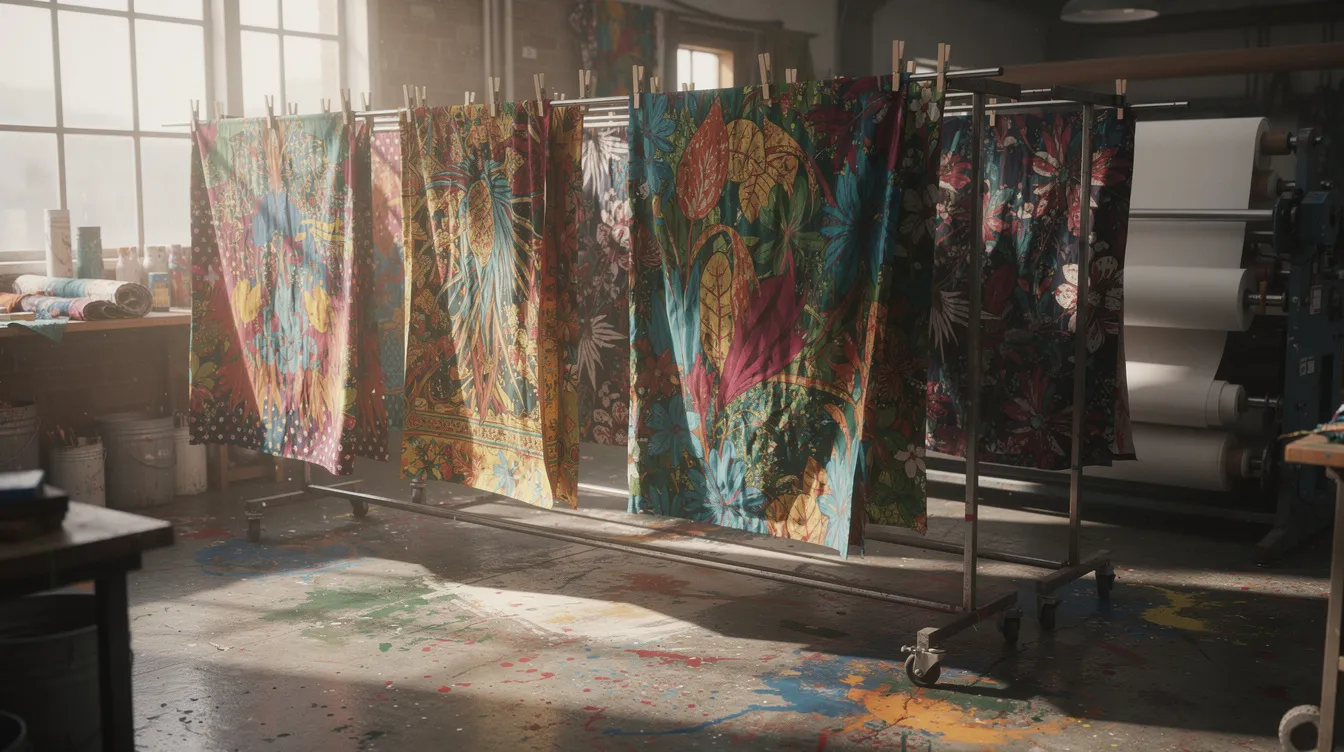
5. Textile Dyeing & Printing Services
Job work for fabric dyeing, digital printing, and finishing services forms an essential part of the textile value chain.
Why It Stands Out
Every textile company needs dyeing and finishing – this service-based model provides recurring revenue from established manufacturers.
Best For
Technical entrepreneurs with ₹15–40 lakh proper investment and capability to handle environmental compliance.
Key Strengths
- Lower inventory risks compared to manufacturing
- Customization in textile products is facilitated by digital printing – this is a rapidly growing segment
- Digital textile printing reduces waste through on-demand services
- Eco-friendly dyes minimize the environmental impact of textile dyeing
- Textile quality inspection using AI improves production efficiency in finishing operations
Possible Limitations
- Sustainable dyeing solutions are increasingly important to meet regulatory standards – effluent treatment plants add ₹5–15 lakh to setup costs
- Continuous technology upgrades needed to stay competitive
Expert Tip: Digital printing is the future. Traditional screen printing requires minimum order quantities, but digital printing allows small-batch customization at premium pricing.
Remaining 30+ Profitable Textile Business Ideas
Here are additional business ideas in india covering every investment level and skill set:
| # | Business Idea | Investment Range | Difficulty |
|---|---|---|---|
| 6 | School Uniform Manufacturing | ₹3–15 lakh | Medium |
| 7 | Boutique Business | ₹2–10 lakh | Beginner |
| 8 | Textile Trading & Wholesale | ₹5–25 lakh | Beginner |
| 9 | Bed Sheet Manufacturing | ₹5–20 lakh | Medium |
| 10 | Pillow & Cushion Manufacturing | ₹3–10 lakh | Beginner |
| 11 | Curtain Manufacturing | ₹4–12 lakh | Medium |
| 12 | Towel Manufacturing | ₹8–30 lakh | Medium |
| 13 | Embroidery Unit (embroidery services) | ₹2–8 lakh | Skill-based |
| 14 | Knitting Unit | ₹5–20 lakh | Medium |
| 15 | Yarn Trading | ₹5–15 lakh | Beginner |
| 16 | Cotton Processing (cotton spinning mills are crucial for India’s textile industry) | ₹20–100 lakh | Advanced |
| 17 | Handloom Business (using traditional tools) | ₹1–5 lakh | Skill-based |
| 18 | Powerloom Business | ₹10–50 lakh | Advanced |
| 19 | Textile Export Business | ₹10–50 lakh | Advanced |
| 20 | Denim Fabric Manufacturing (the denim garment market is a thriving sector; denim is a strong and long-lasting fabric popular worldwide) | ₹15–60 lakh | Advanced |
| 21 | Organic Fabric Business (organic fabric sourcing targets ethical fashion brands) | ₹5–25 lakh | Medium |
| 22 | Waste Fabric Recycling (circular textile recycling addresses environmental sustainability) | ₹3–15 lakh | Medium |
| 23 | PPE & Protective Wear Manufacturing | ₹10–40 lakh | Advanced |
| 24 | Jute Bags & Jute Products (jute garments are a sustainable alternative; the jute garment industry exports around 500,000 tonnes annually; India is the world’s top exporter of cotton and jute) | ₹2–10 lakh | Beginner |
| 25 | Undergarment Manufacturing (the undergarment market is rapidly expanding across all income levels) | ₹5–25 lakh | Medium |
| 26 | Sewing Thread & Accessories (sewing thread reels, buttons, zippers) | ₹3–12 lakh | Beginner |
| 27 | Fashion Accessories Manufacturing | ₹2–8 lakh | Skill-based |
| 28 | Leather Garments Manufacturing | ₹10–40 lakh | Advanced |
| 29 | Tailoring & Alteration Unit | ₹1–5 lakh | Beginner |
| 30 | Kids Wear Manufacturing (kids wear has consistent demand) | ₹5–20 lakh | Medium |
| 31 | Textile Machinery Dealership (agency business model) | ₹10–50 lakh | Medium |
| 32 | Surgical Cotton Manufacturing (surgical cotton for meditech) | ₹8–30 lakh | Advanced |
| 33 | 3D Knitting Unit (3D knitting technology enables seamless garment production with less waste) | ₹15–50 lakh | Advanced |
| 34 | Sustainable Dyeing Solutions Unit | ₹10–30 lakh | Advanced |
| 35 | Textile E-commerce Platform (digital platforms facilitate transactions between textile mills and buyers) | ₹2–10 lakh | Medium |
Small-scale textile businesses require investments of ₹5–10 lakhs on average. The apparel industry and clothing industry continue expanding – even students can start with trading models using personal savings.
The textile industry is undergoing a transformation driven by sustainability – sustainable and circular textiles focus on recycling old clothes into new fiber. The demand for sustainable textiles is increasing globally, creating new business prospects for entrepreneurs who adopt eco-friendly practices. Digital technology influences changes in the textile sector, from AI-powered design to automated quality inspection.
Quick Comparison of Top Textile Business Ideas
| Business | Best For | Investment | Profit Margins | Export Potential |
|---|---|---|---|---|
| Garment Manufacturing | Export-focused entrepreneurs | ₹10–50L | 15–30% | High |
| Saree Business | Beginners, cultural market | ₹2–15L | 30–60% | Medium |
| Technical Textiles | B2B, technology-oriented | ₹25–100L | 40–70% | High |
| Home Textiles | Steady demand seekers | ₹5–25L | 20–35% | High |
| Dyeing Services | Service-oriented technical | ₹15–40L | 25–40% | Low |
| Embroidery Units | Artisan businesses | ₹2–8L | 35–50% | Medium |
| Jute Products | Eco-conscious entrepreneurs | ₹2–10L | 25–40% | Medium |
| Knitting Business | Fashion-focused manufacturers | ₹5–20L | 20–35% | Medium |
How to Choose the Right Textile Business
Choose Based on Investment Capacity
When entrepreneurs ask me how much investment is needed, I break it down:
- Low investment (₹25,000–₹2 lakh): Saree reselling, embroidery services, tailoring units, handloom trading. Fund through personal savings or Mudra Shishu loans.
- Medium investment (₹2–15 lakh): Home textiles, knitting units, printing services. Eligible for Mudra Kishor and PMEGP schemes.
- High investment (₹15 lakh+): Garment manufacturing, technical textiles, integrated units. Requires bank term loans with detailed DPR, CMA data, and DSCR analysis.
Choose Based on Market Focus
- Domestic market: Ethnic wear, home textiles, kids wear – sell through local markets, retail business outlets, and online platforms
- Export market: Garments, technical textiles, cotton yarn – target international markets through IEC registration and buyer platforms
- B2B market: Textile services, industrial fabrics, dyeing units – sell to other textile companies at competitive prices with longer payment cycles
Choose Based on Skill Level
- Beginner-friendly: Trading, reselling, boutique business – focus on understanding your target audience and target market
- Skill-required: Embroidery, tailoring, textile designing using synthetic materials and natural fibers
- Technical expertise: Dyeing, technical textiles, textile production with advanced machinery
Which Textile Business Is Best for You?
- Choose Garment Manufacturing if you have export connections and can handle operational costs of a larger setup contributing to total exports
- Choose Saree Business if you want low-risk entry – this clothing business offers maximum profit potential relative to investment
- Choose Technical Textiles if you have a technical background and access to B2B markets with growing demand
- Choose Home Textiles if you prefer steady domestic demand with moderate investment and simpler manufacturing process
- Choose Textile Services if you want recurring revenue without inventory risks – the market value of job work services continues rising
Final Thoughts
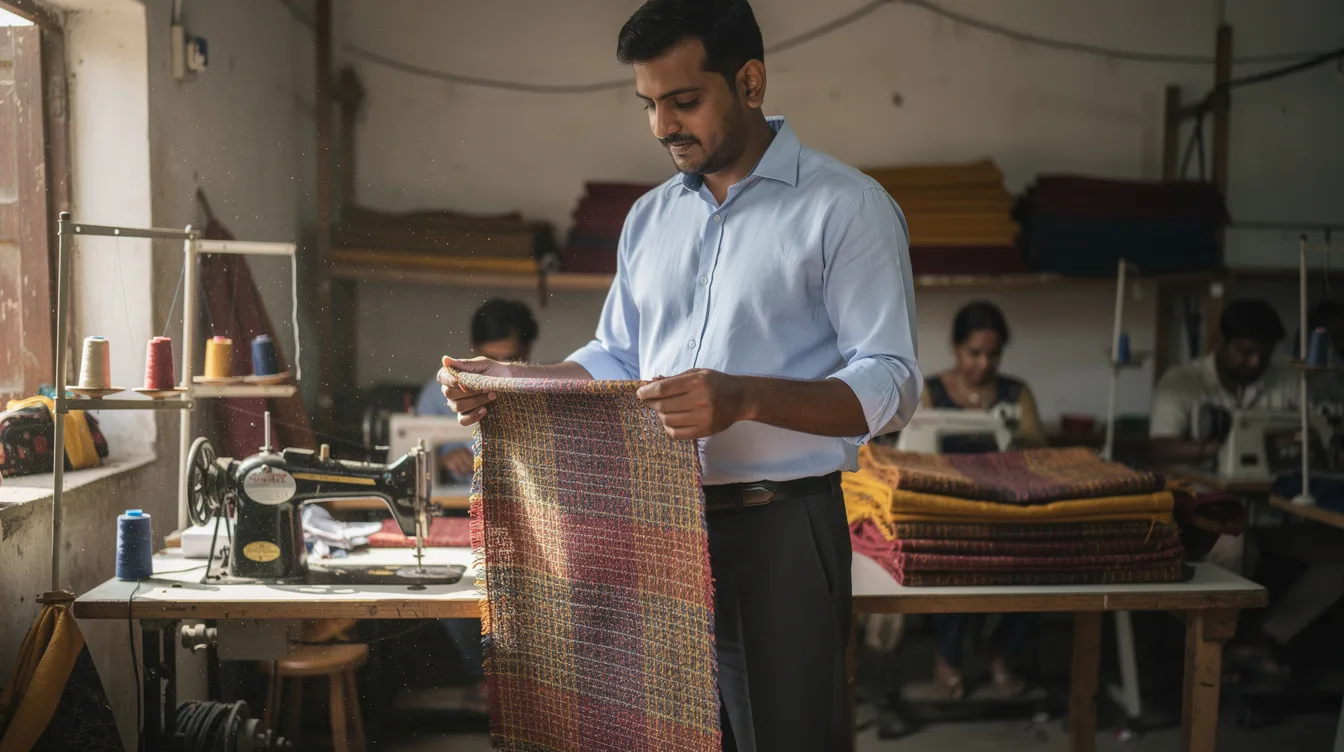
India’s textile industry offers diverse opportunities – from a ₹25,000 saree reselling business to crore-level technical textile manufacturing enterprises. Having prepared project reports and financial projections for hundreds of textile entrepreneurs, I can tell you that success depends on three things: proper market research, disciplined quality control, and sound financial planning.
The business prospects in this sector are exceptional. With the government’s US$350 billion target by 2030, new businesses entering the textile sector today are positioning themselves for substantial growth. Digital technology, sustainable practices, and export-oriented manufacturing are reshaping this industry.
My advice as a CA with 20+ years of MSME advisory experience: do not skip the planning stage. A well-prepared business plan with realistic financial projections, break-even analysis, and working capital assessment is what separates successful textile entrepreneurs from those who struggle.
Whether you are starting your own textile business with ₹25,000 or planning a ₹50 lakh manufacturing unit, professional documentation – DPR, CMA data, DSCR calculations – makes the difference between loan approval and rejection.
Need help getting started? Visit ProjectReportBank.com for bank-ready project reports, CMA data preparation, Mudra Loan documentation, startup business plans, and customized financial feasibility reports for textile manufacturing businesses. CA Manish Gugliya and team specialize in preparing investor-ready documentation that gets results – from Mudra Loan project reports to detailed DPRs for CGTMSE and Stand-Up India schemes.