Author: CA Manish Gugliya, FCA, DISA (ICAI) 20+ Years in Project Reports, DPR Preparation, Financial Modelling, Project Feasibility, CMA Data and Bank Finance Advisory
Key Takeaways
- A wheat bran processing plant project report covers the full spectrum of value addition options-from basic cleaning and packaging for animal feed to advanced extraction of dietary fibre, ferulic acid, lactic acid and other bioactive phytochemicals-each requiring distinct investment levels, technologies and margins.
- Wheat bran is a low-cost by-product of the milling industry, constituting about 14–19% of total grain weight. Instead of selling it as bulk cattle feed at commodity prices, flour mill owners and independent entrepreneurs can process it into higher-value products with better margins.
- Different project models (simple grading and packing, feed pellet manufacturing, food-grade bran ingredients, fibre concentrates and biochemical extraction) carry different capital intensity, technical complexity and commercial risks. A single “average” cost or profitability figure would be misleading.
- This article is written from a CA-led project finance perspective and covers DPR preparation, project cost, means of finance, DSCR, ROI, IRR, working capital planning and sensitivity analysis under clearly stated assumptions.
- All numbers presented are illustrative scenarios, not supplier quotations. Actual investment varies depending on plant capacity, machinery configuration, automation level, location and prevailing market conditions.
Wheat Bran Processing & Value Addition Project Report – Industry Overview
Wheat is the world’s second most produced grain, reaching approximately 780 million tons in 2021–2022. India is among the largest producers, and with this scale of wheat production comes a substantial volume of milling by-products. Globally, wheat bran production reached approximately 150 million tons annually, driven by the massive flour milling industry across both developing and developed economies.
When roller flour mills in India process wheat into atta, maida, suji and bakery flour, the milling process generates roughly 20–25% milling offals by weight, primarily composed of bran, germ and middlings. Much of this output is sold as bulk cattle feed or loose animal feed material at relatively low prices. Yet wheat bran is a promising feedstock for high-value products-from pelleted animal feed and food-grade dietary fibre to functional ingredients and substrates for enzyme production, organic acids and even biofuel production.
The wheat bran processing plant project report focuses on Indian conditions: integration with an existing flour mill, standalone plants near wheat milling clusters, and diversification by existing agro-processors or feed manufacturers. Demand drivers include the growth of organised animal feed, functional foods, nutraceuticals and biotechnological applications such as lactic acid, ferulic acid and enzyme production. India’s wheat bran consumption alone is estimated at around 8.8 million tonnes domestically, with the vast majority going into the feed industry.
From my professional experience in preparing Detailed Project Reports across agro-processing sectors, the single most important decision in a wheat bran value addition project is product selection. The machinery requirements, capital investment, operating margins and buyer profiles differ fundamentally between a basic bran cleaning unit and an advanced dietary fibre extraction plant. A feasibility-based DPR must therefore evaluate each model on its own merits before a promoter commits capital.
What Is Wheat Bran and How Is It Generated in Flour Mills?
The wheat grain has three principal components: the starchy endosperm (which becomes white flour or atta), the germ, and the outer layers collectively referred to as bran. The bran includes the pericarp, seed coat, testa and the nutrient-rich aleurone layer. In commercial roller flour milling, the objective is to separate the endosperm as cleanly as possible, and the bran fractions are removed through successive break rolls, reduction rolls and sifting systems.
Wheat bran constitutes about 14–19% of total grain weight, though the actual recovery in a mill depends on extraction rate, wheat variety and milling configuration. In typical Indian roller flour mills producing whole wheat flour, maida and suji, the flour extraction rate ranges from 72–75%, leaving approximately 20–23% as bran, germ and middlings combined. Wheat bran constitutes about 10% of the total weight of milled wheat when true bran is separated from middlings and other offals, although many mills combine these fractions.
An illustrative material balance for a 100 MT/day flour mill might look like this:
| Component | Approximate Share |
|---|---|
| Atta / Maida / Suji / Flour | 72–75 MT |
| Bran (coarse + fine) | 13–19 MT |
| Middlings / Pollard / Germ | 4–8 MT |
| Cleaning loss / Moisture loss | 2–3 MT |
Assumptions: Indian hard wheat, standard roller mill extraction, combined break and reduction systems.
The quality and commercial value of wheat bran obtained from a mill depend on several factors: the wheat variety, extraction rate, number of milling passes, moisture content, ash content, contamination from endosperm or foreign matter, and storage hygiene. Correct segregation of true bran from middlings matters significantly because food-grade applications require cleaner, better-defined wheat bran fractions, while feed-grade use is more tolerant of mixed offals.
Readers planning an integrated wheat milling and bran processing project can explore the Roller Flour Mill Project Report & DPR for a detailed understanding of the upstream milling business.
Wheat Bran Value Addition – Major Commercial Business Opportunities
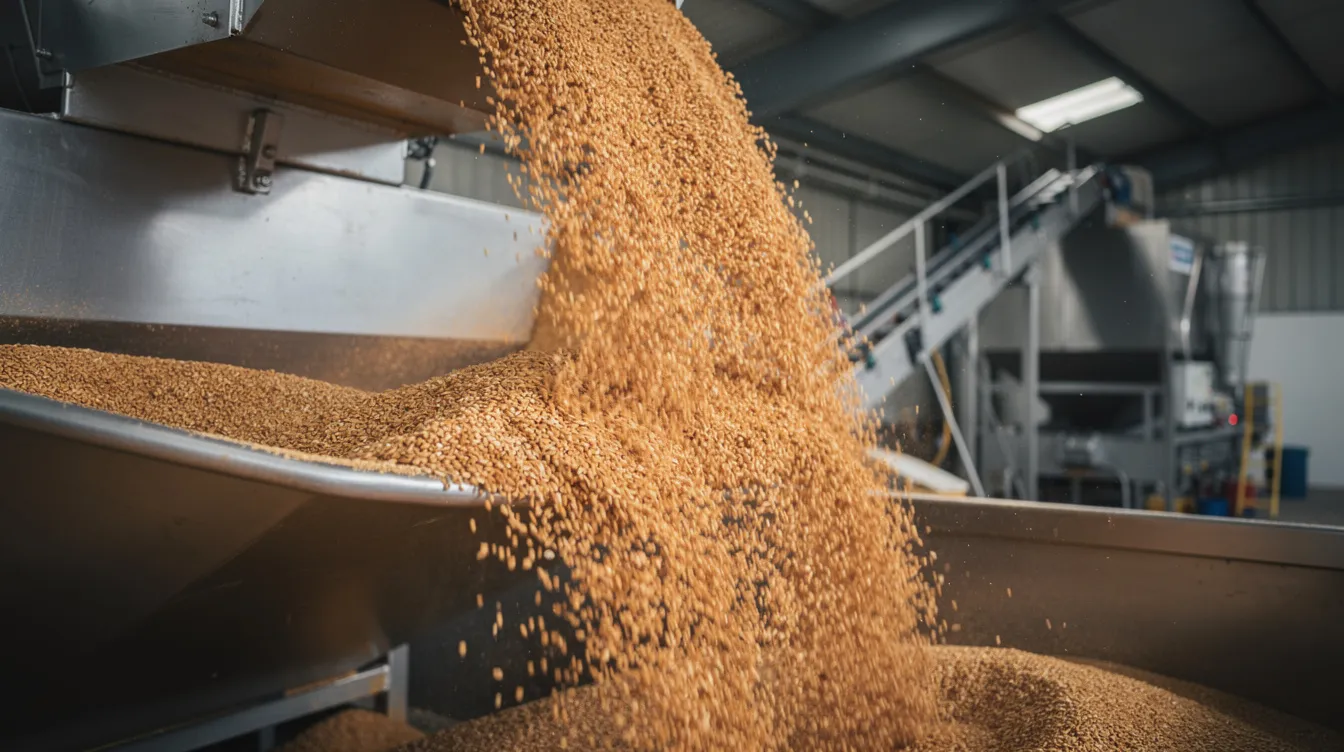
This section serves as the options map for a wheat bran processing entrepreneur. The models range from simple cleaning and packaging-requiring minimal capital-to advanced biochemical extraction of arabinoxylan, ferulic acid and other phenolic compounds, which demand R&D partnerships, specialised equipment and niche market development. Each sub-section outlines the concept, target market, typical plant scale and indicative risk-return profile.
Wheat bran is utilized in livestock feed, poultry feed, dietary fiber supplements, and baking additives. A comparative summary table appears at the end of this section for quick reference.
Bulk Wheat Bran Cleaning, Grading and Packaging
The simplest form of value addition involves cleaning raw bran to remove stones, iron particles and other foreign matter, grading it by particle size, controlling moisture and packing into 25–50 kg bags. This is a small scale unit model suitable for entrepreneurs near flour milling clusters who want consistent product quality without heavy machinery investment.
Buyer segments include feed mills, dairy farms, poultry integrators and bulk traders. The margin over unprocessed bran is modest-perhaps 5–10%-but the investment is low and payback is quick. Basic branding, traceability and quality documentation can differentiate even this simple product.
Wheat Bran Animal Feed and Feed Pellet Manufacturing
Converting loose bran into denser cattle feed pellets or mixed animal feed pellets improves handling efficiency, reduces wastage and lowers transport cost per tonne. Wheat bran can be pelletised alone or blended with other ingredients such as deoiled rice bran, oil cakes, minerals and vitamins to create a nutritionally balanced compound feed.
The distinction matters: simple wheat bran pellets are compacted bran, while compound feed requires formulation expertise, multiple raw materials and possibly regulatory compliance under animal feed regulations. For entrepreneurs considering a full Cattle Feed Project Report, the formulation and market dynamics are substantially different from basic bran pelletisation.
Required machinery includes a conditioner, pellet mill (ring-die or flat-die), cooler, crumbler and packing system. A 20 HP ring-die pellet machine with 150–200 kg/hour capacity costs approximately ₹2.50 lakh in India, while larger 40 HP units for higher throughput range from ₹3–4 lakh for the machine component alone.
Food-Grade Wheat Bran Processing
Food-grade wheat bran commands a premium of 20–50% over feed grade, but the processing requirements are more demanding. Bran processing necessitates stringent adherence to food-grade safety parameters: selected input from hygienic flour mills, tighter control on foreign matter, mycotoxin levels, microbiological load and full traceability.
Additional processing steps include heat treatment or thermal stabilisation to control lipase activity and reduce rancidity, fine grinding to controlled particle size, in-line metal detection and food-grade packaging. Target users are bakery flour plants, breakfast cereal manufacturers, biscuit and snack companies, and functional food ingredient blenders making dietary fibre claims.
High-Fibre Bakery and Functional Food Ingredients
Wheat bran is a rich source of dietary fibre, and its use in high-fibre bread, biscuits, pasta, breakfast cereals and health mixes is growing. However, particle size significantly influences texture and loaf volume-coarser bran can reduce loaf volume and create a gritty mouthfeel in cooked noodles or bread, while finer milling improves integration.
Developing branded high-fibre premixes for industrial bakeries requires basic R&D, pilot bakery trials and coordination with end-users’ flour specifications. This model works well when combined with other cereal grains processing from atta, maida and suji production lines.
Wheat Bran Dietary Fibre Concentrates
Wheat bran contains 55–60% non starch carbohydrates, 14–25% starch, and 13–18% protein content. It also contains 46% non-starch polysaccharides, making it attractive for dietary fibre concentrate manufacturing. The process involves removing part of the starch and soluble fractions through dry or wet processing, air classification, and sometimes enzymatic hydrolysis.
Such plants require more sophisticated milling, quality testing for total dietary fibre (TDF), insoluble dietary fibre (IDF) and soluble dietary fibre (SDF), heavy metals and microbiology. Potential customers include functional food brands, nutraceutical companies and dietary supplement manufacturers. Daily intake of 10g of wheat bran fiber has been shown to accelerate intestinal transit, supporting digestive health claims for these products.
Advanced Extraction of Arabinoxylan and Other Fractions
At the higher end of the value chain, specialised biorefinery models extract specific wheat bran constituents: arabinoxylan, ferulic acid, phenolic acids, protein concentrates and wheat bran oil. Ferulic acid extracted from wheat bran is used in cosmetics and pharmaceuticals due to its antioxidant properties.
CSIR-CFTRI has developed a cost-effective process for arabinoxylan extraction from wheat bran, including both soluble and insoluble types, with applications in bakery and meat food products. However, these technologies are capital and R&D intensive, often starting with pilot-scale plants and requiring specialist equipment such as reactors, membrane filters and chromatographic systems.
A wheat bran processing plant project report for such models must include detailed sensitivity scenarios and risk-sharing mechanisms with technology suppliers or off-take partners.
Other Emerging Wheat Bran Utilisation Opportunities
Wheat bran can be used to produce enzymes and organic acids through microbial fermentation processes. It serves as a low-cost substrate for enzyme production-xylanase, amylase and protease-via solid state fermentation and solid fermentation techniques. Bran fermentation can yield lactic acid using lactic acid bacteria, as well as itaconic acid, fumaric acid and other organic acids relevant to the chemical and bioplastics industries.
Wheat bran is also being evaluated as agricultural waste feedstock for ethanol production and biofuel production. While laboratory and pilot work show promise, commercial-scale viability requires rigorous techno-economic analysis. The purification process for such products is complex, and response surface methodology is often used in R&D to optimise fermentation process parameters including temperature, pH and substrate concentration. Carbon dioxide management during fermentation is another technical consideration.
Comparison of Wheat Bran Value Addition Models
The choice of processing model should be driven by available raw material volume, promoter capabilities, marketing strength and access to skilled technical manpower. Moving up the value chain increases potential margin but also increases technology risk, market development effort and investment in QA/QC.
| Processing Model | Main Products | Target Buyers | Machinery Complexity | Capital Intensity | Technical Risk | Value Addition |
|---|---|---|---|---|---|---|
| Cleaning & Packaging | Graded bran | Feed mills, traders | Low | Low (₹50–80 lakh) | Low | Modest |
| Feed Pellets | Bran pellets, compound feed | Dairy, poultry, feed industry | Medium | Medium (₹1.5–3 crore) | Low–Medium | Moderate |
| Food-Grade Bran | Stabilised, fine-ground bran | Bakeries, cereal makers | Medium–High | Medium (₹1–3 crore) | Medium | Good |
| Fibre Concentrates | Dietary fibre ingredients | Nutraceutical, functional foods | High | High (₹3–6 crore) | High | High |
| Advanced Extraction | Arabinoxylan, ferulic acid, phenolic compounds | Pharma, cosmetics, biotech | Very High | Very High (₹5 crore+) | Very High | Very High |
All cost figures are illustrative, based on Indian market conditions for 10–20 TPD capacity. Actual investment varies depending on automation, imported equipment share and building specifications.
Wheat Bran Processing Technologies and Manufacturing Process
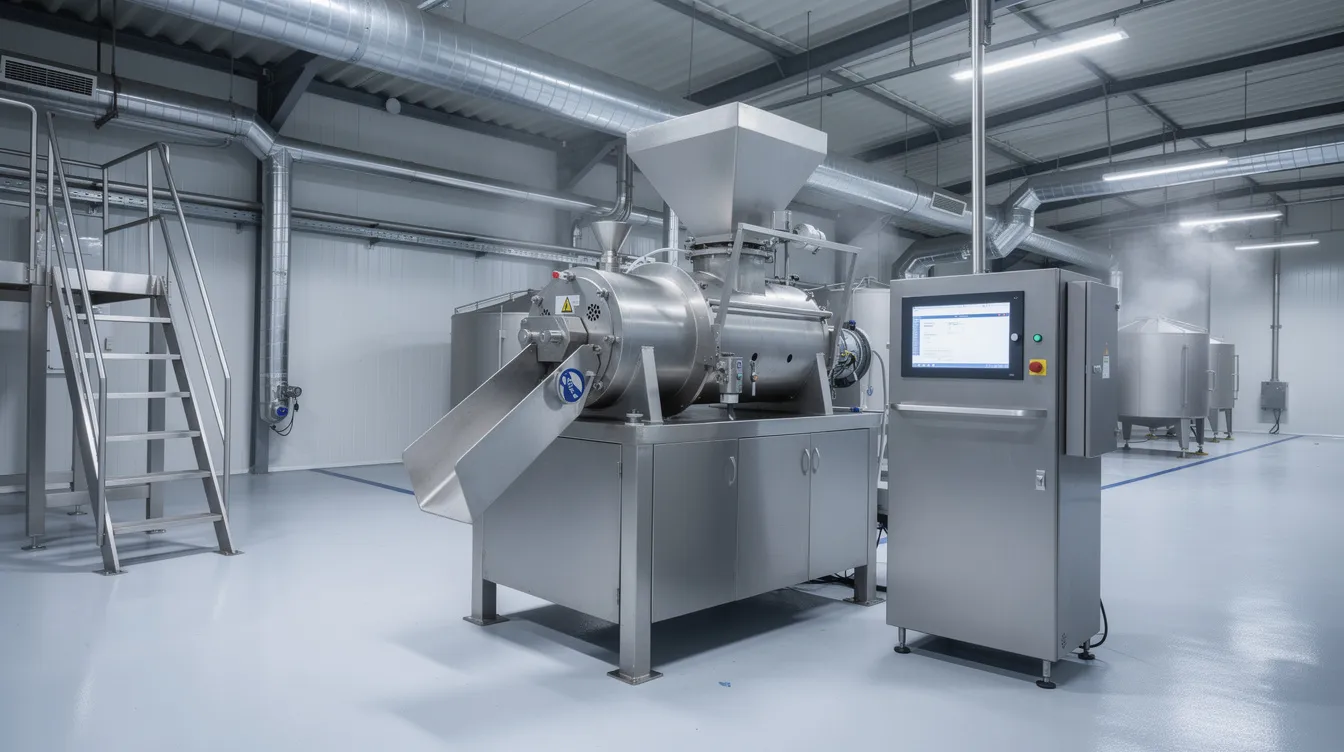
There is no single standard process for wheat bran processing; the technology depends entirely on the chosen product. Process technology for wheat bran includes cleaning, separation, and stabilisation stages as the foundation, with additional complexity layered on for higher-value outputs.
Conventional Cleaning & Packing Plant:
Raw bran reception → Quality inspection (moisture, foreign matter) → Pre-cleaning (vibrating screen) → De-stoning → Magnetic separation → Sieving/grading by particle size → Moisture check → Weighing → Packing (25–50 kg bags) → Storage → Dispatch
Animal Feed Pellet Plant:
Ingredient dosing → Grinding to uniform particle size → Mixing (if blending with other ingredients) → Conditioning with steam → Pelletising (ring-die or flat-die) → Cooling → Screening/crumbling → Bagging → Storage
Food-Grade Bran Processing:
Controlled unloading → Foreign matter removal → Heat treatment or stabilisation → Controlled grinding → In-line metal detection → Microbiological testing → Food-grade packing (with nitrogen flushing where needed) → Labelled storage → Dispatch
Dietary Fibre Concentrate / Biochemical Extraction:
Pre-treatment (enzymatic or chemical) → Solid-state or submerged fermentation (for enzyme or lactic acid production) → Separation → Purification → Concentration → Drying (spray or drum) → Quality testing → Packaging
Research indicates that thermal treatments can increase soluble dietary fibre and bioactive compounds in wheat bran, though the effect varies depending on wheat variety and treatment parameters. Native soluble dietary fibre content in bran is approximately 1–1.1%, while insoluble dietary fibre ranges from 38–44%. Heat treatment can improve the functional properties of bran for food applications.
Wheat Bran Processing Plant Machinery and Equipment
Machinery selection depends on plant capacity (5–50 TPD) and value addition level. Not every model requires every machine listed below.
| Equipment Category | Equipment | Required For |
|---|---|---|
| Receiving & Handling | Receiving hoppers, screw conveyors, bucket elevators | All models |
| Cleaning | Pre-cleaners, vibrating screens, air separators | All models |
| Separation | De-stoners, magnetic separators | All models |
| Grading | Multi-deck sieves, rotary sifters | All models |
| Size Reduction | Pulverisers, pin mills, hammer mills | Food-grade, fibre, pellets |
| Conditioning | Steam conditioner, moisture control | Pellets, food-grade |
| Pelletising | Ring-die or flat-die pellet mills, coolers, crumblers | Pellet plants only |
| Stabilisation | Microwave or thermal stabilisation systems | Food-grade, fibre |
| Extraction | Reactors, membrane systems, centrifuges | Advanced extraction only |
| Drying | Fluid bed dryers, drum dryers, spray dryers | Fibre, extraction |
| Dust Control | Cyclone separators, bag filters, aspiration lines | All models |
| Packing | Weighing scales, bagging machines, stitching/sealing | All models |
| Utilities | Compressors, boilers/steam generators, transformers | Medium and above |
| Automation | PLC/SCADA panels, motor control centres | Semi/fully automatic |
| Quality Control | Laboratory equipment (moisture, fibre, protein, microbiology) | All models |
Bran processing generates fine particulate matter requiring dust-collection systems-this is not optional but a critical requirement for both operational safety and environmental compliance.
Selection criteria from a project finance perspective include throughput (kg/hour or TPD), energy efficiency, abrasion resistance, ease of cleaning (particularly for food-grade lines), safety features, and after-sales support. For comparison with upstream flour milling machinery, readers may refer to Roller Flour Mill Machinery & Equipment Cost.
Plant Capacity, Land, Building and Utility Requirements
A structured approach is required for setting up a wheat bran processing plant, beginning with expected bran availability from one or multiple flour mills and target utilisation levels. The production capacity should be aligned with raw material supply rather than optimistic demand projections.
| Parameter | 5 TPD Micro | 10–20 TPD MSME | 50 TPD Regional |
|---|---|---|---|
| Processing hall (covered) | 1,500–2,500 sq ft | 3,000–6,000 sq ft | 8,000–15,000 sq ft |
| Raw material storage | 500–1,000 sq ft | 1,500–3,000 sq ft | 5,000–8,000 sq ft |
| Finished goods store | 500–1,000 sq ft | 1,500–2,500 sq ft | 4,000–6,000 sq ft |
| Total land (approx.) | 2,000–5,000 sq ft | 8,000–15,000 sq ft | 25,000–50,000 sq ft |
| Connected load | 15–30 kW | 50–150 kW | 200–500 kW |
| Operating shift | 1 shift | 1–2 shifts | 2–3 shifts |
| Operators + staff | 4–8 | 10–20 | 25–50 |
These are indicative figures. Actual requirements vary depending on machinery layout, storage policy, building construction type and local regulations.
A bran processing unit located inside an existing flour mill premises benefits from lower incremental land and building cost, shared utilities, existing infrastructure and reduced statutory compliances. An independent greenfield plant needs separate land acquisition, building construction, utility connections and a full set of factory and environmental approvals.
Wheat Bran Processing Plant Setup Cost in India
All cost figures below are indicative ranges based on 2024–2026 price levels and should not be treated as supplier quotations. Comprehensive project reports analyze capital expenditure and operating costs for financial planning, and the structure below reflects how a professional DPR would organise the investment estimate.
Model A: Basic 10 TPD Cleaning & Packing Unit
| Cost Head | Indicative Range (₹ Lakh) |
|---|---|
| Land / lease deposit | 5–15 |
| Building & civil works | 10–20 |
| Plant & machinery | 15–25 |
| Electricals & controls | 3–5 |
| Dust control & utilities | 2–4 |
| Pre-operative & preliminary | 3–5 |
| Contingency | 2–4 |
| Margin for working capital | 5–8 |
| Total | 45–86 |
Model B: 10–20 TPD Feed Pellet Plant
| Cost Head | Indicative Range (₹ Lakh) |
|---|---|
| Land & site development | 15–40 |
| Building & civil works | 25–50 |
| Plant & machinery (pellet line + ancillaries) | 50–120 |
| Electricals, boiler, compressor | 10–25 |
| Dust control, material handling | 5–15 |
| Pre-operative & preliminary | 5–10 |
| Contingency | 5–10 |
| Margin for working capital | 15–30 |
| Total | 130–300 |
Model C: 10–20 TPD Food-Grade Bran / Fibre Concentrate Unit
| Cost Head | Indicative Range (₹ Lakh) |
|---|---|
| Land & site development | 20–50 |
| Building (hygienic finish) | 40–80 |
| Plant & machinery | 100–250 |
| Electricals, automation | 15–30 |
| Utilities, lab, QC equipment | 15–30 |
| Pre-operative & preliminary | 8–15 |
| Contingency | 8–15 |
| Margin for working capital | 20–40 |
| Total | 226–510 |
Combining very simple and very advanced technologies into a single average cost number would be misleading. Each model should be evaluated within its own cost framework. The variation within each model is driven by automation level, imported equipment share, quality of building construction and local land prices.
Project Cost and Means of Finance
A Detailed Project Report includes financial projections and cost assessments structured to demonstrate how the proposed investment will be funded and repaid. DPRs are essential for securing bank finance and investor funding.
Illustrative Project Cost – 20 TPD Feed Pellet Plant (Reference Model)
| Item | ₹ Lakh |
|---|---|
| Land & site development | 30 |
| Building & civil works | 40 |
| Plant & machinery | 80 |
| Electricals & utilities | 18 |
| Pre-operative expenses | 7 |
| Contingency | 8 |
| Margin for working capital | 22 |
| Total Project Cost | 205 |
Means of Finance:
| Source | ₹ Lakh | % |
|---|---|---|
| Promoter’s equity | 65 | ~32% |
| Term loan | 118 | ~58% |
| Working capital (CC/OD facility) | 22 | ~10% |
| Total | 205 | 100% |
Assumptions: Debt-equity approximately 65:35 on fixed assets. Term loan tenure 6 years with 6-month moratorium. Interest rate 10.5% p.a. (illustrative). Working capital facility separate from term loan.
From a project finance perspective, promoter contribution should be planned to avoid liquidity stress during implementation. Maintaining adequate contingency-typically 5–7% of fixed capital-is prudent given that machinery installation, civil works and utility connections frequently involve cost adjustments.
Wheat Bran Raw Material Procurement and Working Capital Planning
Raw material quality influences the yield percentage of separated wheat bran and directly impacts product quality and buyer acceptance. Key procurement models include:
- Captive bran from own roller flour mill (most reliable, lowest logistics cost)
- Off-take agreements with nearby roller flour mills
- Spot purchases from traders in wheat milling clusters
- Participation in e-marketplaces where relevant
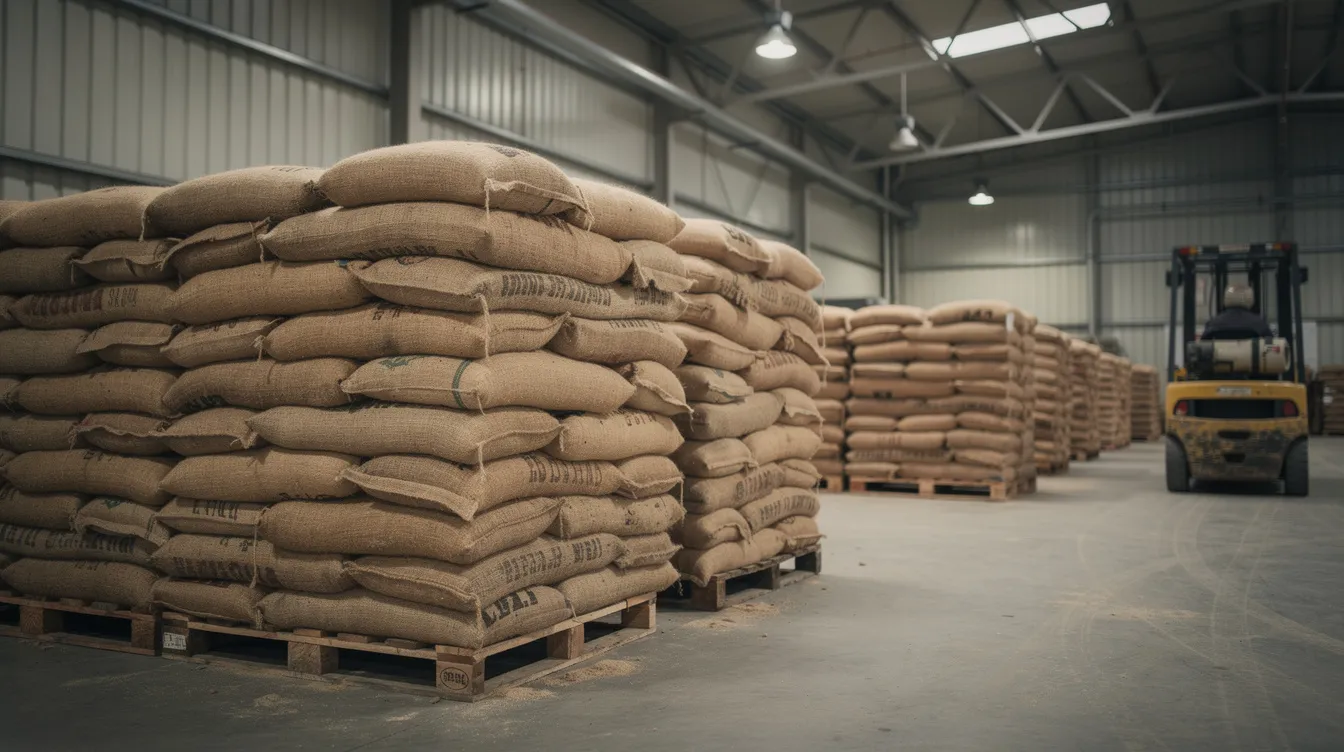
Quality assurance involves evaluating moisture, protein, and contamination levels in wheat bran at the procurement stage. Moisture content and foreign matter must be regularly checked for quality control. Moisture management is essential for storing wheat bran to prevent spoilage-bran with moisture above 12–13% is susceptible to microbial deterioration and rancidity.
Wheat bran is a byproduct of milling that requires careful quality assessment. Wheat bran production can target either animal feed or food-grade dietary applications, and procurement specifications differ accordingly.
Illustrative Working Capital Calculation (20 TPD Feed Pellet Plant):
| Parameter | Assumption | Amount (₹ Lakh) |
|---|---|---|
| Monthly raw material requirement | ~500 MT @ ₹12,000/MT | 60.0 |
| Raw material stock (15 days) | 30.0 | |
| Finished goods stock (10 days) | 18.0 | |
| Receivables (30 days) | 52.0 | |
| Less: Creditors (15 days) | (30.0) | |
| Net Working Capital Gap | 70.0 | |
| Bank facility (say 75% of current assets) | ~52.0 | |
| Promoter margin | ~18.0 |
Bran from own flour mill should be valued at a realistic transfer price linked to prevailing market rate when preparing the wheat bran processing plant project report. Treating captive bran as free raw material would overstate profitability and misrepresent incremental value addition. For reference on how working capital interacts with flour milling economics, see Roller Flour Mill Financial Projections & Working Capital.
Wheat Bran Processing Plant Profitability and Financial Projections
The economic viability of a bran processing plant is heavily influenced by supply volume and quality. Raw materials typically account for 85–90% of operating expenses in wheat-based processing, so even small changes in procurement price significantly affect margins.
Illustrative 5-Year Projection – 20 TPD Feed Pellet Plant
Assumptions: Installed capacity 20 TPD, 300 operating days/year, capacity utilisation ramp-up from 50% to 80%, bran purchase price ₹12,000/MT, average selling price ₹16,500/MT for pellets, processing loss 3%, raw material share ~85% of variable cost.
| Parameter | Year 1 | Year 2 | Year 3 | Year 4 | Year 5 |
|---|---|---|---|---|---|
| Capacity utilisation | 50% | 60% | 70% | 75% | 80% |
| Input processed (MT) | 3,000 | 3,600 | 4,200 | 4,500 | 4,800 |
| Saleable output (MT) | 2,910 | 3,492 | 4,074 | 4,365 | 4,656 |
| Revenue (₹ lakh) | 480 | 576 | 672 | 720 | 768 |
| Raw material cost | 360 | 432 | 504 | 540 | 576 |
| Power & fuel | 18 | 20 | 22 | 23 | 24 |
| Wages & salaries | 18 | 19 | 20 | 21 | 22 |
| Repairs & maintenance | 4 | 5 | 5 | 6 | 6 |
| Other overheads | 10 | 11 | 12 | 12 | 13 |
| EBITDA | 70 | 89 | 109 | 118 | 127 |
| Depreciation | 14 | 13 | 12 | 11 | 10 |
| Interest | 12 | 10 | 8 | 7 | 5 |
| PBT | 44 | 66 | 89 | 100 | 112 |
| Tax (indicative 25%) | 11 | 17 | 22 | 25 | 28 |
| PAT | 33 | 49 | 67 | 75 | 84 |
Processing losses are accounted for (input ≠ output). Figures are illustrative. Actual results depend on procurement prices, product category, realised selling prices, conversion costs, financing terms and capacity utilisation.
Sensitivity to selling price and raw material cost is significant. A ₹500/MT increase in bran purchase price without a corresponding rise in selling price would reduce annual EBITDA by approximately ₹15–24 lakh depending on utilisation. Food-grade bran products typically command better contribution margins than feed-grade, but also require higher processing costs and quality infrastructure.
Wheat Bran Processing Project Feasibility, DSCR, ROI, IRR and Payback
Project feasibility is a combination of technical, market and financial viability. Banks insist on this analysis for term loans because it establishes whether projected cash flows can service the proposed debt. DPRs assess project feasibility and viability for investors and lenders alike.
Technical Feasibility
The machinery configuration must match the targeted products. A cleaning and packing unit requires relatively simple equipment, while a food-grade bran line needs stabilisation systems, fine grinders and quality control infrastructure. For advanced biochemical extraction, proven technology suppliers, realistic throughput guarantees and after-sales support are essential.
Feasibility studies analyze local and export demand for wheat bran alongside technical capabilities. The available technical manpower in the project location-operators who understand pellet mill maintenance, quality staff familiar with food safety protocols-directly affects project success.
Market Feasibility
Market analysis assesses competitive landscape, pricing trends, and demand dynamics for wheat bran. Prior buyer discussions, sample approvals and price discovery for feed manufacturers, bakeries, nutraceutical brands and biotech users should happen before freezing plant design.
Market feasibility should consider competing raw materials such as rice bran, soybean meal, imported fibres and other grains. The availability of sugar cane bagasse and other agro industrial residues as competing substrates for fermentation applications also affects the market for wheat bran in biotech segments. Regional demand patterns in India-with major wheat milling concentrated in UP, Rajasthan, Madhya Pradesh, Punjab and Haryana-determine logistics costs and buyer accessibility.
Financial Feasibility
Contribution margin, EBITDA margin and cash flow sufficiency are evaluated in a detailed wheat bran processing plant DPR. Interest, principal repayment, tax and working capital needs must all be factored into feasibility, not just gross profit. A project may show attractive EBITDA but still face cash flow stress if receivables are delayed or working capital is underestimated.
DSCR and Bank Loan Repayment
DSCR (Debt Service Coverage Ratio) measures the relationship between cash available for debt service and the annual debt obligations (interest + principal repayment). Banks typically require DSCR of 1.25–1.50 or higher for agro-processing term loans.
Illustrative DSCR Calculation (Year 3 of 20 TPD Pellet Plant):
- Cash accrual (PAT + Depreciation) = ₹67 + ₹12 = ₹79 lakh
- Debt service (Principal ₹20 lakh + Interest ₹8 lakh) = ₹28 lakh
- DSCR = 79 ÷ 28 = 2.82
Under-estimating expenses or over-stating selling prices can artificially inflate DSCR and later create repayment stress. For context on how DSCR analysis works in related agro-processing projects, see DSCR & Loan Repayment Capacity for Puffed Rice Project.
ROI, IRR and Payback
ROI measures the return on total capital invested. IRR (Internal Rate of Return) represents the discount rate at which the net present value of project cash flows equals zero-a higher IRR indicates better return on invested capital relative to assumed risks. Comparing IRR to the weighted average cost of capital helps decide whether the wheat bran project creates value for the promoters.
For simpler feed pellet or cleaning plants, IRR may range from 18–25% with payback in 3–5 years, assuming favourable capacity utilisation and market conditions. Advanced extraction units may have longer payback periods (5–7 years) but potentially higher IRR if product demand materialises.
Sensitivity Analysis
Sensitivity analysis in project economics explores effects of changes in raw material costs and selling prices-both critical variables in commodity-linked bran processing.
| Scenario | Bran Price (₹/MT) | Selling Price (₹/MT) | Utilisation (Year 3) | IRR (Approx.) | DSCR (Year 3) |
|---|---|---|---|---|---|
| Base Case | 12,000 | 16,500 | 70% | ~22% | 2.82 |
| Pessimistic | 13,500 | 15,500 | 60% | ~12% | 1.55 |
| Optimistic | 11,000 | 17,500 | 80% | ~30% | 3.80 |
This analysis is particularly important in bran-based businesses exposed to commodity price swings and seasonal supply variations.
Wheat Bran Market Demand, Buyers and Sales Strategy
Wheat bran is primarily used in animal feed applications in India. The main demand segments include:
- Bulk cattle feed and animal feed manufacturers
- Poultry and dairy integrators
- Pet food producers
- Food processing companies using bran as a functional ingredient
- Bakery flour blenders requiring dietary fibre enrichment
- Nutraceutical and functional food firms
- Biotech companies using bran for enzyme and organic acid production
Typical buyer requirements include consistent product quality, regular supply, competitive pricing, technical data sheets and, for food-grade applications, FSSAI-compliant labelling. DPRs help identify potential market opportunities for wheat bran products across these segments.
Sales strategies for new plants should include long-term off-take agreements with feed manufacturers, distributor networks, direct institutional sales and participation in B2B platforms. Plant location relative to wheat milling clusters and animal feed hubs significantly impacts delivered cost-pelletised products have a logistics advantage over loose bran for long-distance transport.
Entrepreneurs should avoid over-reliance on one or two large buyers and plan for customer diversification in the DPR.
Licences, Regulatory Approvals and Quality Standards
Regulatory approvals must be obtained for pollution control and food safety. The specific requirements depend on the business model:
- All models: Business registration, Udyam registration (if MSME-eligible), factory licence, local municipal NOC, GST registration
- Feed-grade plants: Compliance with relevant animal feed quality norms under state Feed Acts or central Feed & Feed Additives Regulations
- Food-grade plants: FSSAI licence (State or Central depending on turnover), food safety management, packaging and labelling compliance per FSSAI regulations, adherence to food additives limits where applicable
- Wet processing / extraction: Pollution control board consent (water and air), potentially hazardous waste management if using chemicals
Dust management is vital for environmental compliance in bran processing. Plants generating significant dust emissions may require pollution control consents even for dry processing.
Optional quality certifications such as ISO 22000, HACCP, GMP or FAMI-QS support marketing but are not always legally mandatory. Government schemes may support agricultural processing grants and capital subsidies-promoters should check current PMFME, PMKSY or state-level notifications rather than relying on generic figures, as eligibility criteria and subsidy percentages change periodically.
GST rates apply based on the actual product classification (animal feed ingredients, food-grade bran, processed food products) and must be verified from current notifications.
Major Risks in Wheat Bran Processing and Value Addition
Operational risks:
- Volatility in bran supply and price, dependency on nearby flour mills
- Moisture and microbiological spoilage during storage
- Dust explosion hazards in enclosed processing areas
- Machinery breakdowns and skilled labour shortages
Market risks:
- Price competition from alternative raw materials (rice bran, soybean meal, gluten proteins-based feed, imported fibres, durum wheat by-products)
- Buyer concentration risk-losing a single large buyer can destabilise revenues
- Quality rejections, especially for food-grade and nutraceutical buyers
- Regulatory changes affecting animal feed or functional food segments
Financial risks:
- Cost overruns during installation
- Higher-than-expected working capital requirement
- Interest rate fluctuations and weaker-than-planned cash flows affecting DSCR
Mitigation approaches:
- Multi-supplier sourcing with long-term contracts
- Quality assurance protocols at procurement and processing stages
- Adequate insurance coverage
- Proper dust control systems with regular maintenance
- Preventive maintenance schedules for all machinery
- Maintaining liquidity buffers of at least 2–3 months of operating expenses
A project report must include an implementation schedule detailing key project milestones and a formal risk analysis section with probability-impact assessment.
How to Prepare a Bankable Wheat Bran Processing Plant DPR
A wheat bran processing plant report serves as a technical and financial blueprint. A bankable DPR goes far beyond a machinery quotation-it integrates technical design, market study and detailed financial modelling into a coherent proposal that a bank credit officer can evaluate.
Key sections of a robust DPR include:
- Promoter profile and business background
- Project concept, product mix and value-addition model
- Industry and market analysis
- Technical process description and flow
- Machinery specifications with quotations
- Plant layout and implementation schedule
- Project cost estimate and means of finance
- Raw material planning and sourcing strategy
- Sales assumptions and buyer validation
- Working capital assessment
- 5–7 year projected profit & loss, balance sheet and cash flow
- Break-even analysis, DSCR, ROI, IRR and payback
- Sensitivity analysis
- Risk assessment and mitigation
CMA data plays a critical role in bank loan appraisal and should align with the DPR projections and working capital requirements. CMA data and projections are prepared using reasonable assumptions and promoter-provided information-they are not certified forecasts.
For professional assistance with loan proposal preparation, explore Bank Finance DPR & Loan Proposal Assistance, CMA Data Preparation Services and Financial Projections & Financial Modelling Services.
A project feasibility report must delimit raw material sources and processing requirements clearly-this is what distinguishes a professional DPR from a generic document.
Professional Wheat Bran Processing DPR and Feasibility Advisory
CA Manish Gugliya brings over 20 years of professional experience in preparing industrial project reports, including agro-processing and grain-based units across India. Through ProjectReportBank.com, entrepreneurs receive support in evaluating wheat bran value-addition concepts, choosing between feed-grade and food-grade models, preparing customised solutions through DPRs and financial projections, and structuring project finance and loan repayment plans.
Services include Project Feasibility Study & Project Viability assessments, DSCR and sensitivity analysis for proposed wheat bran plants, and Project Finance Advisory & Loan Structuring support aligned with bankers’ expectations.
Professional advisory improves preparedness and the quality of loan applications but does not guarantee bank sanction or project profitability. The objective is to help promoters make informed investment decisions based on defensible financial analysis.
Planning a Wheat Bran Processing or Value Addition Project? Get professional assistance with project feasibility, investment planning, financial projections, CMA data and bank finance DPR preparation from CA Manish Gugliya, FCA, DISA (ICAI), through ProjectReportBank.com. Reach out through the website’s contact page for customised advisory.
Linkages with Flour Milling and Other Wheat-Based Projects
Strategic synergies exist when integrating wheat bran processing with an existing roller flour mill, maida, suji or bakery flour plant. Shared infrastructure-utilities, administrative overheads, loading/unloading facilities and existing food grains procurement channels-reduces incremental capital and operating costs.
Product mix optimisation in an integrated flour mill directly impacts the quantity and quality of bran available for value addition. A mill producing more maida (lower extraction, more bran separation) generates different wheat bran fractions than one focused on whole wheat flour or atta. Readers exploring integrated milling ventures may refer to the Maida Manufacturing Plant Project Report & DPR, Suji Manufacturing Plant Project Report & DPR and Bakery Flour Manufacturing Plant Project Report & DPR.
Integrated projects should model combined cash flows and shared costs properly in financial projections for accurate DSCR and ROI assessment. Assigning a cost effective internal transfer price for bran-rather than treating it as zero-cost-is essential for meaningful incremental analysis.
Future Trends in Wheat Bran Value Addition and Biotechnological Applications
Beyond traditional animal feed, wheat bran is gaining attention for its nutritional properties and as feedstock for biotechnological applications. Wheat bran provides essential minerals like iron and magnesium, and is rich in dietary fibre, improving bowel health. Its health benefits and bioactive compounds-including phenolic compounds, fatty acids, ferulic acid with antioxidant properties, and other bioactive phytochemicals-are driving interest from functional foods and nutraceutical manufacturers. Research into reduced risk of colon cancer associated with high-fibre diets further supports these applications.
Emerging R&D directions include improved fractionation technologies, green extraction methods (such as supercritical CO₂ and enzymatic processes), and integrated biorefinery concepts that extract multiple products from a single bran stream. The wheat starch market itself is predicted to exceed $4 billion by 2024, indicating the broader commercial value of wheat processing streams.
Entrepreneurs should track collaborations between academia, technology companies and industry consortia for scalable, commercially viable technologies. The transition from laboratory-scale to large scale commercial production requires validated techno-economics, secured off-take and patient capital-factors that a well-prepared DPR should explicitly address.
Frequently Asked Questions About Wheat Bran Processing Plants
What is the minimum viable capacity for a wheat bran processing plant in India?
Viability depends on the business model and local raw material availability. Many MSME units start with 5–10 TPD for simple cleaning and packaging and 10–20 TPD for pellet plants, provided they have secure bran supply and assured buyers. For food-grade processing or fibre concentrate plants, a minimum of 10–20 TPD is generally more practical to justify the higher fixed costs of stabilisation, quality control and food-safe infrastructure.
Can a small entrepreneur start with basic bran trading and later move into processing?
Yes, a phased approach is practical. Starting with sourcing and bulk trading helps the entrepreneur understand quality parameters, buyer needs and seasonal price patterns. Once market linkages and cash flows are established, investing in cleaning and packaging machinery is a logical next step, followed by pelletising or food-grade value addition. This approach reduces initial capital risk and builds operational knowledge before larger commitments.
How long does it typically take to implement a wheat bran processing project?
Typical timelines are: 1–2 months for DPR preparation and finance tie-up; 2–4 months for machinery procurement and installation for simple cleaning or pellet units; 6–9 months or more for food-grade or biochemical plants, assuming timely funding and regulatory approvals. Complex extraction units may take 12–18 months from concept to commissioning, including pilot testing.
Is it necessary to locate a wheat bran processing unit next to a flour mill?
Co-location reduces logistics costs and raw material risk substantially. However, independent units can operate viably if located close to milling clusters and backed by long-term supply contracts with multiple roller mills. The cost of transporting loose bran over long distances (low bulk density, moisture sensitivity) makes proximity to supply a significant factor in feasibility.
When should I approach a professional adviser for a wheat bran processing plant project report?
Ideally, once the promoter has a broad idea of target products and raw material source-but before finalising machinery orders or bank applications. This allows the DPR, financial projections and CMA data to be aligned with actual bank requirements, and ensures that machinery selection is validated against the financial model rather than driving it. ProjectReportBank.com supports promoters at this pre-investment stage with feasibility assessment and financial structuring.
Conclusion – Evaluating Wheat Bran Value Addition as an Industrial Investment
Wheat bran offers multiple value-addition pathways-from simple cattle feed enhancement to advanced biotechnology products-but each path has distinct technical requirements, capital intensity and commercial risks. The wheat bran processing plant project report should be the decision-making tool that guides capacity selection, machinery configuration, financing structure, working capital planning and risk management.
From a project finance perspective, the numbers should tell a logical business story. Validating buyer interest before committing capital, securing steady bran supply from reliable sources, conducting realistic DSCR and IRR analysis under sensitivity scenarios, and maintaining adequate liquidity buffers are not optional extras-they are the foundations of project success.
Wheat bran is a low-cost by-product of the milling industry, but converting it into a commercially valuable product requires deliberate planning, appropriate technology and disciplined financial management. An existing roller flour mill may have a raw material supply advantage, but an independent wheat bran processing unit must evaluate procurement risks and supplier concentration carefully.
Planning a Wheat Bran Processing or Value Addition Project? Get professional assistance with project feasibility, investment planning, financial projections, CMA data and bank finance DPR preparation from CA Manish Gugliya, FCA, DISA (ICAI), through ProjectReportBank.com.