
Key Takeaways
- From 24 October 2024, the overall Mudra loan ceiling has been increased to ₹20 lakh through a new category called Tarun Plus (above ₹10 lakh and up to ₹20 lakh).
- Tarun Plus Mudra Loan is meant specifically for borrowers who have already availed and successfully repaid a Tarun-category (₹5–₹10 lakh) Mudra loan – it is not available to every first-time applicant.
- ₹20 lakh is the maximum scheme limit, not a guaranteed or automatic sanction amount; banks still evaluate business viability, repayment capacity and documentation before deciding the final loan amount.
- Tarun Plus loans are collateral-free for eligible businesses in line with PMMY norms, but standard security mechanisms like hypothecation of assets created from the loan, credit guarantee coverage, and the borrower’s full repayment obligation still apply.
- MUDRA loans are classified into four categories: Shishu, Kishore, Tarun, and Tarun Plus – each targeting a different stage of business growth.
Introduction: New ₹20 Lakh Tarun Plus Mudra Loan – What Has Actually Changed?
For years, Pradhan Mantri Mudra Yojana (PMMY) was known for financial assistance to micro enterprises with a ceiling of ₹10 lakh. That changed on 24 October 2024, when the government introduced a fourth tier – Tarun Plus – extending the mudra scheme limit to ₹20 lakh for eligible borrowers.
But here is where most people get it wrong: the ₹20 lakh Mudra loan is not a blanket offer for every new applicant. Tarun Plus is specifically linked to entrepreneurs who have previously taken and repaid a Tarun loan successfully. It rewards proven repayment discipline with higher funding access.
I am CA Manish Gugliya (FCA), a Chartered Accountant with over 20 years of practical experience in MSME finance, project reports, CMA data, and Mudra/PMMY advisory work. This article covers the meaning of Tarun Plus, eligibility rules, loan amount limits, documents, interest rate considerations, repayment structure, and how banks actually evaluate these proposals – all based on official guidelines and real banking practice.

Table of Contents
What Is Tarun Plus Mudra Loan? (Concept & Simple Explanation)
Tarun Plus Mudra Loan (also referred to as Mudra Tarun Plus or PMMY Tarun Plus) is a new category under Pradhan Mantri Mudra Yojana for loans above ₹10 lakh and up to ₹20 lakh. It is available only to businesses that repaid Tarun loans – meaning the borrower must have earlier availed and successfully repaid a Tarun-category Mudra loan (₹5–₹10 lakh).
MUDRA stands for Micro Units Development and Refinance Agency. It functions as a refinance agency supporting lenders who fund micro units across India. Tarun Plus fits within this framework as the fourth tier after Shishu, Kishor, and Tarun – designed for more advanced expansion funding rather than first-time setups. The Tarun Plus category is specifically designed for growing micro-entrepreneurs requiring higher capital.
The product is meant primarily for legitimate business growth: purchasing machinery, adding production capacity, expanding working capital, upgrading infrastructure. It is not intended for personal consumption.
In simple words: If you earlier took a Tarun loan and repaid it properly, you may now be considered for a bigger Mudra loan between ₹10 lakh and ₹20 lakh, depending on your business need and the bank’s appraisal. Each beneficiary micro unit must demonstrate genuine expansion requirements.
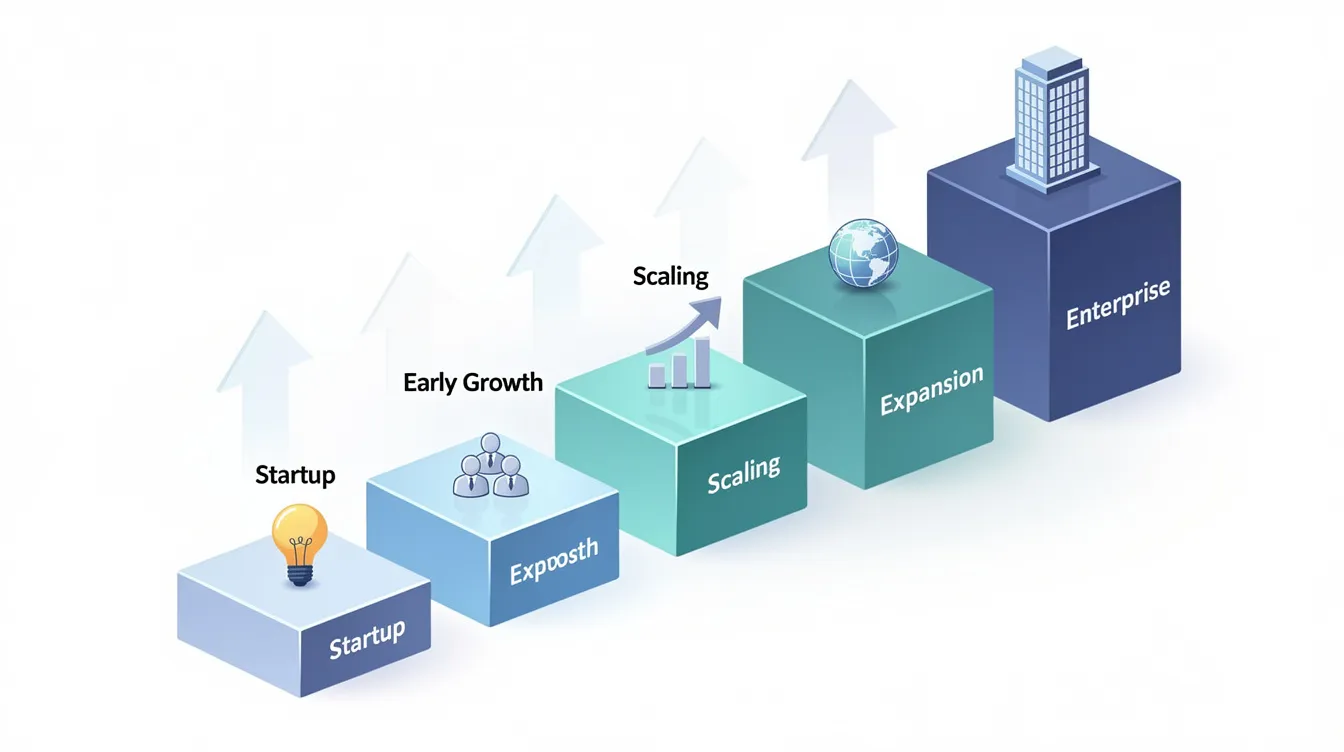
Mudra Categories Now: Shishu, Kishor, Tarun and Tarun Plus
Here is the complete PMMY ladder as it stands today:
- Shishu: Shishu loans provide up to ₹50,000 for startups and very small, early-stage ventures including street vendors and small shopkeepers.
- Kishor: Kishore loans range from ₹50,001 to ₹5 lakhs – for growing micro enterprises needing basic machinery or working capital. Sometimes called a kishore loan in common usage.
- Tarun: Tarun loans offer ₹5 lakhs to ₹10 lakhs for established businesses with some track record.
- Tarun Plus: Tarun Plus loans extend from ₹10 lakhs to ₹20 lakhs – exclusively for those who have successfully handled a tarun category loan earlier.
The maximum loan limit under Tarun Plus was increased to ₹20 lakhs on 24 October 2024 via gazette notification S.O. 4658(E).
All four categories target non corporate, non-farm small and micro enterprises engaged in manufacturing, trading, services, and certain allied agricultural activities. Regular agriculture farming is not covered under the mudra scheme.
Tarun Plus Mudra Loan Limit: Minimum, Maximum & What Borrowers Actually Get
The official Tarun Plus limit band is clear:
- Minimum bracket: Strictly above ₹10 lakh
- Maximum bracket: Up to ₹20 lakh
But there are three different numbers that matter:
- Scheme ceiling: ₹20 lakh is the upper limit notified under PMMY for Tarun Plus. Tarun Plus offers loans up to ₹20 lakh.
- Borrower’s request: The loan amount the entrepreneur applies for, based on actual project cost and working capital needs.
- Sanctioned amount: What the bank actually approves after credit appraisal – which may be lower than the requested or maximum amount.
In practice, the maximum scheme limit and the amount a bank considers justified for a particular business can be very different. As of June 2025, approximately 34,697 Tarun Plus accounts were sanctioned with a total value of about ₹4,930 crore – that works out to an average of roughly ₹14.2 lakh per account, well below the ₹20 lakh ceiling.
Quick comparison:
- Tarun: >₹5 lakh–₹10 lakh
- Tarun Plus: >₹10 lakh–₹20 lakh (for eligible previous Tarun borrowers)
Who Is Eligible for Tarun Plus Mudra Loan?
The core official condition: the applicant must have previously availed and successfully repaid a Tarun-category Mudra loan. This earlier Tarun component is non-negotiable for Tarun Plus eligibility.
Basic PMMY-type eligibility attributes:
- Indian citizen. Applicants must be Indian citizens aged 18 to 65.
- Non corporate micro or small business – proprietorship, partnership, or in some cases a private limited entity operating at micro/small scale.
- Businesses must be non-corporate, non-farm small/micro-enterprises in manufacturing, trading, services, or certain eligible allied agricultural activities.
- Eligible businesses include small manufacturers and service providers, among other conditions defined by the scheme.
- A clean credit track record is essential for eligibility.
Official scheme conditions vs. bank appraisal factors – they are different:
- Official conditions: Loan band above ₹10 lakh to ₹20 lakh, linkage to previous Tarun borrowing and repayment, non-farm micro/small enterprise by nature.
- Bank appraisal considerations (not government rules but common practice): Satisfactory banking conduct, stable turnover, viable business plan, acceptable CIBIL score, manageable existing liabilities and EMI obligations.
First-time Mudra applicants without prior Tarun history are not the intended beneficiaries for Tarun Plus. They would normally be considered for Shishu, Kishor, or Tarun categories. New units without any previous loans may start at lower tiers.
Individual lenders may impose their own additional criteria – minimum years of operation, Udyam Registration, specific financial documentation – and these are institution-specific guidelines, not universal government rules.
Is Previous Tarun Mudra Loan Mandatory for Tarun Plus?
Direct answer: Yes. Tarun Plus is specifically designed for borrowers who have already availed and successfully repaid previous loans under the Tarun category. This is not a generic ₹10–₹20 lakh bracket for brand-new applicants.
The policy logic is straightforward: the government and lenders are more comfortable extending a larger, collateral free Mudra loan to someone who has already handled and closed a smaller Tarun facility responsibly. Tarun Plus supports businesses needing significant capital for expansion – but only after they have demonstrated credit discipline.
Practical example: A small manufacturing unit took ₹7.5 lakh under Tarun in 2022, repaid on time, and now in 2026 wants to install additional machinery requiring ₹15–16 lakh. Tarun Plus becomes relevant here – subject to bank appraisal.
The common confusion arises because people hear “Mudra limit is now ₹20 lakh” and assume any new borrower can walk into a bank and demand that money. That is not how PMMY Tarun Plus works. Banks will look for documented proof of earlier Tarun borrowing and closure before treating a proposal under this category.
What Does “Successfully Repaid Tarun Loan” Mean in Practice?
There is no elaborate statutory definition. In practical terms, it means the earlier Tarun loan has been repaid in full and not treated as a default or NPA (Non-Performing Asset).
What banks typically check:
- Outstanding balance on the Tarun account is zero – loan fully paid
- Loan account status shows as “closed/settled” in the bank’s system
- Repayment track record shows no serious delinquency
- Credit bureau (CIBIL or equivalent) report reflects the Tarun loan as closed with satisfactory conduct
- A No Dues Certificate or NOC is available or can be issued
Action items for borrowers:
- If the earlier loan is paid, ensure it is properly closed in the bank’s records. For process guidance, refer to resources on how to close a Mudra loan after full repayment and obtaining a Mudra loan NOC after closure.
- If the previous Tarun loan shows overdue or write-off status in credit reports, the bank may treat this as not “successfully repaid,” which can derail your Tarun Plus application.
- Some borrowers find their Mudra loan closed but still showing active in CIBIL. Such discrepancies should be corrected with the earlier bank before applying.
Tarun Plus vs Tarun Mudra Loan
The main differences, concisely:
- Loan Amount:
- Tarun: above ₹5 lakh and up to ₹10 lakh
- Tarun Plus: above ₹10 lakh and up to ₹20 lakh
- Borrower Stage:
- Tarun: business with some track record, moving beyond basic stage
- Tarun Plus: business that has already handled a Tarun loan successfully and now needs larger expansion finance
- Previous Mudra Borrowing:
- Tarun: can be for first-time Mudra borrowers (subject to eligibility)
- Tarun Plus: specifically linked to earlier Tarun borrowing and repayment where the borrower has successfully repaid previous loans
Other features like the collateral free nature under PMMY, credit guarantee coverage through CGFMU covering loans under these categories, and purpose for eligible business use remain broadly similar. Tarun Plus should be viewed as a continuation after Tarun – not a standalone separate subsidy scheme. It is a loan, not a grant.
Is Tarun Plus Mudra Loan Collateral-Free? Security, Hypothecation & Guarantee
Tarun Plus Mudra loans are generally intended to be collateral free loans in line with Pradhan Mantri Mudra Yojana norms.
But “collateral-free” requires careful understanding:
- Collateral security: Separate security like property mortgage or third-party guarantee – generally not required under PMMY for eligible micro loans. No collateral is required for loans up to ₹10 lakhs, and the extended Tarun Plus framework maintains the collateral-free principle.
- Hypothecation: A charge on the assets created from the loan – machinery, equipment, stock – is standard. This is normal even when the loan is called collateral-free. For more context, see understanding hypothecation in Mudra loans.
- Credit guarantee: Coverage through CGFMU provides protection to the bank, not a waiver for the borrower. The borrower remains fully responsible to repay.
Banks often take personal guarantee of proprietors or partners even without property collateral. For guarantor and security considerations, separate guidance is available.
Bottom line: “Collateral-free” does not mean no documentation, no legal obligation, and no security over financed assets.
Permitted Uses: What Can Tarun Plus Loan Be Used For?
Tarun Plus can be used for business expansion, purchasing equipment, and managing working capital. Eligible sectors for Tarun Plus include manufacturing, trading, services, and certain agriculture-allied activities.
Practical examples of acceptable uses:
- Purchase of additional machinery or equipment
- Expansion or renovation of shop, workshop, or service centre
- Adding production capacity or a new product line
- Setting up another branch of an already running business
- Working capital – inventory, raw material, seasonal stocking
- Upgrading technology, computers, or commercial tools
- A mudra card may be issued for working capital drawdowns in some cases
Using funds for personal expenses, home renovation, marriage, or speculative trading is not aligned with PMMY objectives and may breach loan terms. The bank will match the proposed use with your project report, quotations, past turnover, and expected cash flows. Vague descriptions weaken proposals.
Documents Required for Tarun Plus Mudra Loan
Exact documents vary by bank and by the nature of the business, but loans of ₹10–₹20 lakh generally require more robust documentation compared to very small shishu loans. Documents required include identity proof and business details at minimum.
KYC and identity:
- PAN card (proprietor/partners/company)
- Aadhaar or equivalent KYC documents, address proof
- Recent photographs, PMMY application forms
Business and registration:
- Business registration (Shop & Establishment, partnership deed, Udyam Registration, incorporation documents for entities)
- GST registration and returns where applicable
- Sector-specific licences (FSSAI, trade licence, etc.)
Financial and banking:
- Latest 6–12 months’ bank statements
- Income Tax Returns (last 2–3 years)
- Profit & Loss account, Balance Sheet if maintained
- Existing loan details and liability statement with EMI schedules
Tarun-specific and project-related:
- Sanction letter and account details of previous Tarun loan
- Proof of full repayment/closure (closure letter, NOC)
- Quotations for proposed machinery or equipment
- Project report and CMA data with financial projections
- Clear business plan describing expansion
Not every document is mandatory in every case. But for Tarun Plus level funding, solid paperwork significantly strengthens your case.
Importance of a Good Project Report for Tarun Plus (View of CA Manish Gugliya)
From my experience working with MSME finance proposals, at the Tarun Plus level (₹10–₹20 lakh), banks are more sensitive to business viability and repayment capacity. A structured project report is not just helpful – it can make or break the application.
Key elements a practical project report should cover:
- Background of existing business – what it does, since when, current turnover and profit trend
- Details of proposed expansion – new machinery, location, services
- Cost of project – machinery, civil work, pre-operative expenses, margin for working capital
- Means of finance – promoter contribution versus required bank loan
- Estimated sales and income after expansion with clear assumptions
Additionally:
- Projected Profit & Loss for 2–3 years
- Cash-flow statement showing how EMIs will be serviced
- Break-even analysis
- Debt Service Coverage Ratio (DSCR) showing ability to repay
Numbers should be realistic. Banks quickly sense inflated projections and respond by either reducing the sanction or becoming hesitant. Professional help from an experienced CA or MSME finance consultant can help align the report with typical bank appraisal formats.
How Banks May Assess a Tarun Plus Application
Beyond official eligibility, each bank performs its own credit appraisal. The assessment of Tarun Plus eligibility requires evaluation of business and repayment capacity at multiple levels.
Major appraisal areas:
- Previous Tarun conduct: Repayment history, closure status, internal performance rating
- Credit history: Banks check credit reports – CIBIL score, other loans, write-offs, delays
- Existing obligations: Banks check existing loans – total EMI burden versus income
- Business performance: Turnover trend (bank statements, GST, ITRs), profitability, cash-flow stability
- Project viability: Whether requested amount corresponds to actual project cost, promoter’s own contribution, sensitivity to market risks
- Verification: Bank account analysis, credit bureau enquiries, sometimes site visits
Meeting the basic eligibility criteria does not create automatic entitlement to sanction. The final decision rests with the lending institution.
Tarun Plus Mudra Loan Interest Rate
There is no single, fixed, nationwide Tarun Plus Mudra Loan interest rate mandated for all banks. Interest rates for Tarun Plus loans are deregulated.
Factors influencing pricing:
- Type of lender – public sector bank, private bank, RRB, small finance banks, NBFC, or micro finance institutions
- Cost of funds and operational costs
- Borrower’s credit profile and track record
- Business risk and sector considerations
- Credit guarantee premium costs
Borrowers should directly check current applicable rates with their bank and compare where possible. Each sanction letter will specify the approved interest rate and reset conditions. Do not assume all Mudra loans carry the same rate.
Tarun Plus Mudra Loan Repayment Period & Structure
There is no single universal repayment period for all Tarun Plus loans. The maximum period depends on:
- Whether the facility is a term loan or working capital limit
- Type of asset financed
- Business cash-flow cycle
- Lender’s internal norms
Common practice:
- Term loans for machinery may have tenures of 5–7 years with monthly EMIs and a possible moratorium of 2–3 months
- Working capital limits (cash credit/overdraft) are reviewed annually
- The Mudra loan repayment period varies by project type and lender assessment
Choose a tenure where monthly EMIs are comfortably payable from projected cash flows. The shortest possible tenure saves interest but may strain cash flow.
How to Apply for Tarun Plus Mudra Loan (Step-by-Step)
MUDRA loans can be applied online or offline. Approval for MUDRA loans can take a few days to a few weeks depending on documentation readiness. Tarun Plus loans are offered through commercial banks, regional rural banks, and microfinance institutions.
Step-by-step process:
- Confirm eligibility: Verify that you previously availed a Tarun Mudra loan and it has been fully repaid/closed. Obtain closure letter or NOC.
- Check credit report: Review your CIBIL report to see how the earlier Tarun loan appears.
- Calculate requirement: Work out actual funding needs – machinery cost, renovation, working capital – not just “maximum ₹20 lakh.”
- Prepare project report: Include realistic numbers, cash-flow projections, and repayment capacity.
- Collect documents: KYC, business registration, GST, ITR, bank statements, previous Tarun documents.
- Choose lender: Often the same bank that gave the original Tarun loan is a practical first choice.
- Submit application: Through branch visit, or where available through platforms like the JanSamarth portal. You can apply online where the lender supports digital submission.
- Cooperate with appraisal: Respond to site visits, queries, and document requests.
- Review sanction letter: Check loan amount, interest rate, tenure, margin requirements, guarantee fee, and conditions carefully.
- Complete formalities: Sign documents, create hypothecation charges, complete insurance requirements, and take disbursement.
Applying does not guarantee approval. Sanction is always subject to the lending institution’s appraisal.
Can You Take Tarun Plus from a Different Bank Than the Tarun Lender?
There is no widely publicised rule forcing a borrower to take Tarun Plus only from the same bank. However:
- Many borrowers prefer the same bank as it already holds their track record
- Some banks are more comfortable extending Tarun Plus to their own successful Mudra customers
If approaching a new bank, that lender must independently verify previous Tarun borrowing and successful repayment through documents and credit bureau data, and run its own full credit appraisal. You can check with other eligible institutions – PSBs, RRBs, small finance banks, NBFCs – about their current Tarun Plus policies.
Final acceptance from a different bank is always subject to that institution’s internal policy and comfort level.
Can a Bank Reject Tarun Plus Mudra Loan Even After Successful Tarun Repayment?
Yes. Successful repayment improves eligibility but does not create an automatic legal right to receive funding.
Typical reasons for decline or scaling down:
- Current turnover or profit insufficient to service higher EMIs
- Excessive existing borrowings or high total EMI-to-income ratio
- Weak or inconsistent bank account conduct
- Unviable or poorly justified expansion plan
- Negative credit bureau history – past write-offs or multiple overdues
- Incomplete documentation or mismatch between declared and actual turnover
- Sector-specific risk concerns or internal exposure limits
Rejection is usually tied to risk appraisal, not personal bias. If refused, borrowers can ask for feedback, rectify documentation, close overdue obligations, and rework their project before reapplying with stronger preparation.
Common Misunderstandings About Tarun Plus Mudra Loan (Myths vs Facts)
- Myth: Every new Mudra applicant can directly get ₹20 lakh now. Fact: Only eligible borrowers who have successfully repaid previous Tarun loans may be considered for Tarun Plus, subject to bank appraisal.
- Myth: ₹20 lakh is guaranteed once you qualify. Fact: ₹20 lakh is the upper category limit. The bank sanctions what the project cost and repayment capacity justify.
- Myth: Collateral-free means I do not need to repay because it is government money. Fact: Collateral-free only refers to not requiring property mortgage. The borrower is fully responsible to repay principal and interest. Defaults affect your credit record.
- Myth: All banks charge the same interest rate. Fact: Actual pricing varies by lender, borrower profile, and applicable norms. There is no fixed nationwide rate.
- Myth: No collateral means no security documentation whatsoever. Fact: Banks typically hypothecate machinery and stock financed, and may take personal guarantees – this is normal even when external collateral is not taken.
Practical Example: How Tarun Plus Might Work for a Growing Business
Consider a proprietor running a small engineering workshop in Jaipur. In 2022, he took an ₹8 lakh Tarun Mudra loan to purchase a CNC machine. Over the next two and a half years, turnover increased, EMIs were paid on time, and the loan was fully repaid by mid-2025.
By 2026, the workshop wants to expand with another CNC machine and a compressor, plus additional working capital. Total requirement: approximately ₹16 lakh, with 20% margin from own savings and about ₹12–13 lakh as a term loan plus some working capital.
Because the earlier tarun loan was successfully handled and business performance supports expansion, the entrepreneur applies for Tarun Plus. The bank checks updated ITRs, GST, bank statements, and the project report. After appraisal, it approves ₹15 lakh – not the full ₹20 lakh – because that is what the proposal justifies.
This illustrates: Tarun Plus is a growth tool for businesses that have proven themselves. Approval is conditional on fresh appraisal, not automatic after Tarun closure.
Checklist Before Applying for Tarun Plus Mudra Loan
- ✅ Previous Tarun Mudra loan fully repaid and closed; closure letter or NOC available
- ✅ Credit report checked; no unresolved major defaults appearing
- ✅ Latest bank statements, ITRs, and GST returns collected and consistent with declared turnover
- ✅ Business expansion idea clearly thought through; genuine requirement for ₹10–₹20 lakh calculated
- ✅ Quotations for machinery, equipment, or renovation obtained
- ✅ Project report prepared showing cost, means of finance, and cash-flow-based repayment capacity
- ✅ Existing loan obligations and EMIs listed; self-assessment done to confirm additional EMI burden is manageable
- ✅ All KYC and business registration documents updated with correct address and contact details
Complete this checklist before visiting the bank. It shifts the conversation from missing paperwork to actual credit appraisal.
Expert Guidance from CA Manish Gugliya: How to Approach Tarun Plus Sensibly
Tarun Plus should be viewed as an opportunity to fund solid business expansion – not as free government money up to ₹20 lakh.
Before deciding your loan amount, answer these questions honestly:
- How much exactly does your expansion cost? (Not a round figure just because 20 is the limit.)
- Where will each rupee go – machinery, interior, working capital, marketing?
- Realistically, how much additional sales and profit can this investment generate?
- After all existing EMIs and expenses, can the business safely handle the new EMI?
In actual banking practice, asking for the maximum ₹20 lakh without a clear project often weakens the case. A well-thought-out proposal for ₹13–16 lakh backed by numbers and documents looks far more credible.
My advice to entrepreneurs:
- Maintain transparent financial records – proper invoices, banked turnovers, regular ITRs
- Plan to expand gradually rather than jumping to the largest permissible limit if cash flows are not ready
- Use professional help to align your project report and documentation with what banks practically expect
The strongest Tarun Plus applications I see are those where the requested amount emerges logically from the project cost and repayment capacity – not from the scheme ceiling.

FAQs on Tarun Plus Mudra Loan
Is Tarun Plus Mudra Loan available for completely new businesses with no past loans?
Tarun Plus is primarily meant for borrowers who have already availed and successfully repaid a tarun category Mudra loan. Completely new businesses would normally fall into Shishu, Kishor, or Tarun categories depending on their size. If a lender offers ₹10–₹20 lakh to a first-time borrower, it is usually under a different small business loan product, not under the official PMMY Tarun Plus category.
Can a private limited company apply for Tarun Plus Mudra Loan?
PMMY is primarily aimed at non corporate micro and small enterprises in India. However, some banks may consider closely held private limited companies that effectively operate as small businesses, subject to their interpretation of PMMY guidelines. Such entities should check directly with their bank on whether their profile fits the Tarun Plus policy.
Will I definitely get Tarun Plus if my CIBIL is good and previous Tarun is closed?
A closed, well-conducted Tarun loan and healthy CIBIL score are strong positives, but they do not create automatic entitlement. The bank still assesses current business performance, turnover, profit, cash flows, overall liabilities, and project viability before deciding whether to sanction and how much to sanction.
Is there any subsidy or interest subvention in Tarun Plus Mudra Loan?
Tarun Plus is not a subsidy scheme. It is a loan that must be repaid with interest as per sanction terms. While separate government programmes in some sectors may offer interest subvention, Tarun Plus itself should be treated as a collateral-free business loan – not a grant or waiver.
When did Tarun Plus start and are these rules valid for 2026?
Tarun Plus and the extended Mudra limit of up to ₹20 lakh became effective from 24 October 2024. As of 2026, Tarun Plus continues as the fourth PMMY category. Borrowers should reconfirm any subsequent changes with their bank or official government sources before applying.
- Is Previous Tarun Loan Repayment Mandatory for Tarun Plus? (Tarun Plus Eligibility & Previous Loan Clarified)

- Kishor to Tarun Plus Mudra Loan: Can You Skip Tarun and Apply Directly?

- Can First-Time Mudra Borrowers Get ₹20 Lakh Under Tarun Plus?
- Mudra Loan Interest Rate 2026 – Has It Really Changed in FY 2026-27?

- Is There Any New Subsidy on Mudra Loan in 2026? Latest Update for FY 2026-27

- Is Mudra Loan Available in 2026? Latest PMMY Status Explained for 2026-27

- Mudra Loan Latest Update 2026-27: What Borrowers Should Know (By CA Manish Gugliya)
- Mudra Loan Old vs New Rules: What Has Changed in 2026-27?

- Can You Get a Mudra Loan Up to ₹20 Lakh? Latest Rules Explained