
Establishing an integrated rice processing plant involves far more financial evaluation than simply adding up machinery costs and applying for credit. Banks in India assess the entire financial architecture of your project-project cost, promoter contribution, term loan sizing, working capital cycle, revenue realism, profitability, cash accruals, DSCR, break-even, ROI, IRR, payback and sensitivity to adverse scenarios-before putting a single rupee on the table. A technically excellent project can still be declined if the financial model is weak, assumptions are inflated, or repayment capacity is doubtful. This article, written in the professional voice of CA Manish Gugliya, provides a detailed, bank-finance-oriented guide for promoters, investors and consultants working on integrated rice plant bank loan proposals across India.
Key Takeaways
- Banks appraising an integrated rice plant bank loan look beyond machinery: they evaluate total project cost, means of finance, working capital, DSCR (typically expecting an average above 1.25–1.50), ROI, IRR, payback and detailed sensitivity analysis before sanction.
- Integrated rice processing plants and upstream integrated rice farming systems are capital-intensive ventures. Lenders focus on realistic assumptions for rice yield, rice fields utilisation in the catchment area, soil quality impact on paddy consistency, and environmental sustainability compliance.
- A bankable Detailed Project Report must connect project cost, means of finance, revenue model (rice plus by-products like bran and husk), working capital requirement, and debt-servicing capacity into one coherent, internally consistent financial story.
- Promoter contribution requirements for bank loans usually range from 20% to 40% of the project cost, and banks typically finance 75% to 80% of the total eligible project cost.
- Project Report Bank, led by CA Manish Gugliya, specialises in bankable DPRs, CMA data and sensitivity analysis for integrated rice processing projects across India.
Integrated Rice Plant Bank Loan – How Banks Really Look at Your Project
An integrated rice plant bank loan assessment goes far beyond verifying machinery quotations or checking land title. Banks evaluate the full spectrum: project cost composition, term loan adequacy, working capital sizing, profitability under realistic assumptions, DSCR adequacy, ROI and IRR attractiveness, payback period, and the project’s resilience under adverse risk scenarios. Applying for a bank loan requires a well-structured approach that addresses each of these dimensions credibly.
An “integrated rice plant” in this context means a value-added rice processing complex-not just a basic huller-that handles paddy intake, cleaning, milling, grading, sorting, packaging, and by-product management. It may also be linked with modern rice farming systems and paddy storage infrastructure serving surrounding rice fields in the procurement catchment.
Lenders in India-scheduled commercial banks, MSME-focused institutions, and major NBFCs-typically ask for a bankable DPR, CMA data, KYC documentation, collateral details, business registration documents, proof of identity, and regulatory compliance papers before sanctioning a term loan. Banks will evaluate the project’s technical feasibility and economic viability before loan approval, and banks will conduct a credit appraisal evaluating technical feasibility, financial viability, and collateral value in detail.
Weak financial structuring or over-optimistic rice yield and selling price assumptions are among the most common reasons why technically sound projects struggle to obtain integrated rice plant term loans. A strong financial model shows the project’s income-generating capability to bankers-without that, even a well-designed plant may be turned down.
This article is written for promoters, investors and consultants who need a detailed, finance-oriented roadmap for securing integrated rice plant project finance.
What Exactly Is an Integrated Rice Plant in the Indian Context?
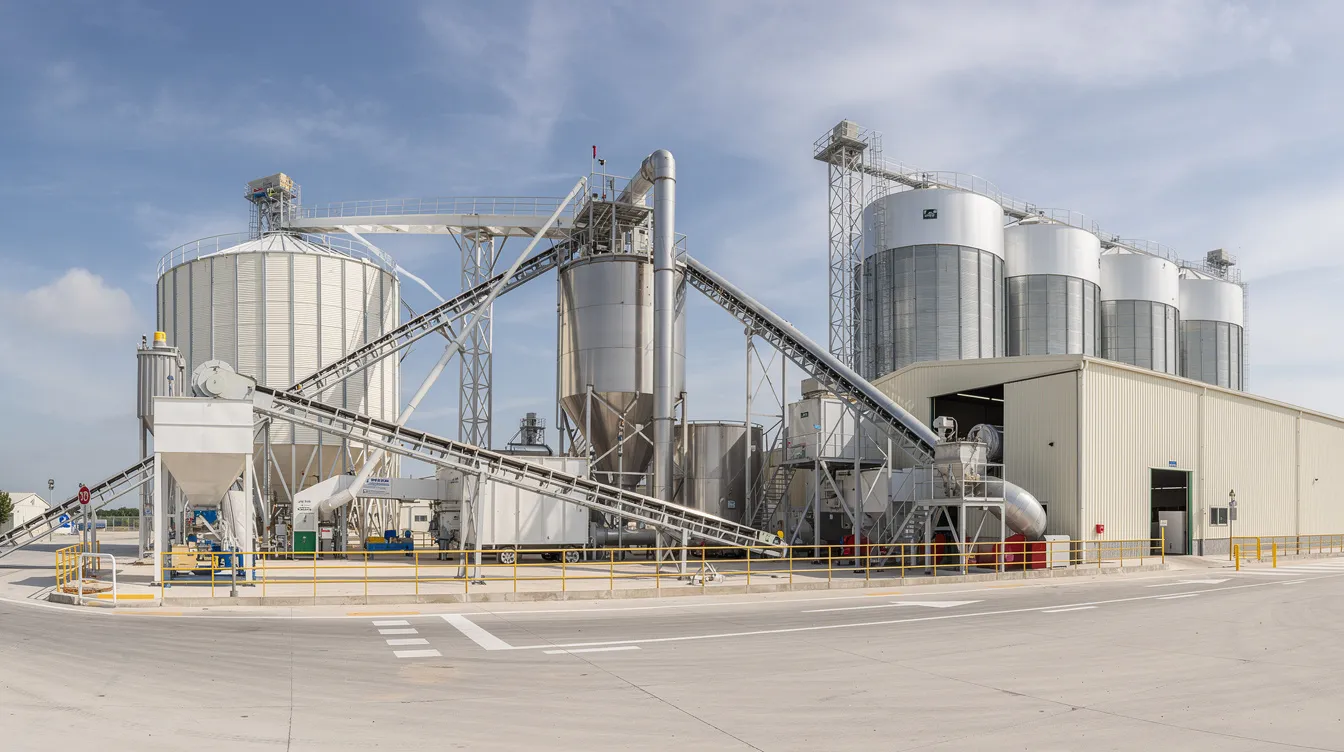
An integrated rice processing plant is a facility that covers paddy intake from rice farming areas, drying, storage, milling, grading, colour sorting, packaging, and by-product processing (bran, husk, broken rice). An integrated rice plant requires substantial capital investment because it combines multiple process stages that would otherwise operate independently.
Typical process blocks include:
- Paddy cleaning, destoning, and aspiration
- Dehusking (rubber roll or centrifugal huskers)
- Paddy separation
- Whitening and polishing
- Grading (length, width, thickness sorters)
- Colour sorting and blending
- Packing line (manual, semi-auto, or fully automated)
- Optional: parboiling, paddy drying, flat-bottom silos, rice bran handling, husk-fired boiler, and material-handling conveyors and elevators
Integration enhances value capture from each tonne of paddy but raises project cost, financing complexity, and the need for robust integrated rice plant financial feasibility analysis. Understanding rice mill machinery cost at an early stage helps promoters size their capex realistically.
It is worth noting that in some regions, integrated farming systems such as rice-fish co-culture and rice-aquaculture arrangements influence supply quality and environmental sustainability standards. In China, integrated rice farming covers 2.86 million hectares as of 2022, and globally, such systems demonstrate how aquatic species can reduce pesticide use by controlling insect pests naturally. Technical expertise is required for successful integrated farming systems, and these practices can improve soil health and biodiversity in rice fields. While these upstream agricultural production models are distinct from the processing plant itself, banks may now consider such factors indirectly in credit appraisal, especially where paddy sourcing quality depends on sustainable agriculture practices in surrounding paddy fields.
Project Cost Structure of an Integrated Rice Plant
Accurate estimation of total project cost is the foundation for determining integrated rice plant term loan eligibility and bankable ROI and IRR calculations. Understate the cost, and you face a funding gap mid-construction. Overstate it, and you burden the project with unnecessary debt.
Key cost heads in an integrated rice plant include:
| Cost Head | Key Drivers |
|---|---|
| Land and site development | Area needed (2–3 acres for 5 TPH, 4–6 for 10 TPH, 8+ for 20 TPH); state/zone land price; levelling, internal roads, fencing |
| Civil construction | Mill building, warehouses, paddy godowns; PEB structures can save 20–25% vs. RCC and offer faster execution |
| Plant and machinery | Milling line, sorters, packaging equipment; typically 50–65% of fixed asset cost; domestic vs. imported brands can differ by 30–45% |
| Electricals and utilities | Boiler (husk-fired for parboiling), DG set, power substations, water supply; connected load for 10–20 TPH can reach 1–2 MVA |
| Paddy and finished rice silos | Flat-bottom silos with aeration reduce storage losses; favoured by banks for inventory management |
| Pollution-control equipment | Dust collection, effluent treatment (especially for parboiled plants), boiler emission controls |
| Lab, weighbridge, material handling | Quality control, intake management, internal conveyors and elevators |
| Pre-operative expenses and contingencies | Often 5–10% of fixed assets; includes interest during construction (IDC), which is frequently overlooked |
| Margin money for working capital | Banks expect working capital margin included in project cost; can be as large as fixed capital for mid-scale mills |
When integrated features like parboiling, captive husk-based power generation, or bran oil extraction are added, both capex and subsequent operating cost structures change materially. For reference, capex for a 5–10 TPH modern integrated raw rice mill in 2026 ranges broadly from ₹18–45 crore, while a 20 TPH integrated raw plus parboiled setup may cost ₹65–100 crore including working capital margin.
Promoters should benchmark their estimates against realistic integrated rice mill setup cost data before finalising their DPR.
Means of Finance and Integrated Rice Plant Financing Structure
Total project cost is normally financed through a combination of sources:
- Promoter’s equity contribution
- Bank or FI term loan
- Unsecured loans (subject to bank acceptance and subordination norms)
- Capital subsidy or grant, if eligible under government schemes
- Internal accruals (in expansion or brownfield cases)
Government schemes can provide interest subsidies and capital grants for agricultural projects, and promoters should check eligibility under current food-processing or MSME programmes. Banks prefer to see some promoter stake in the project, even if it is small, as it signals risk-sharing commitment.
For MSME integrated rice plant project finance in India, promoter contribution typically ranges from 20% to 40% of project cost, with debt covering the remainder. Under schemes like FABUS, term loans up to 75% of project cost are sanctioned for agro-processing units. However, excessive debt can improve promoter leverage on paper but weaken DSCR and repayment comfort-a point banks are vigilant about.
Illustrative Means of Finance (for a hypothetical ₹25 crore project)
| Source | Amount (₹ Crore) | % of Project Cost |
|---|---|---|
| Promoter equity | 6.25 | 25% |
| Term loan | 17.50 | 70% |
| Unsecured loan / subsidy | 1.25 | 5% |
| Total | 25.00 | 100% |
These figures are purely illustrative. Actual financing patterns depend on bank policy, promoter strength, and project specifics.
Banks examine not just the quantum of promoter contribution but its timing-whether land cost has been paid, statutory expenses cleared, and margin money deposited before disbursement begins.
Bank Loan & Project Finance Appraisal for Integrated Rice Processing Plant
Here is how a bank typically processes an integrated rice plant bank loan:
- Initial discussion and expression of interest
- Submission of DPR, CMA data, KYC, and compliance documents
- Bank’s site visit and preliminary assessment
- Technical and financial appraisal by the bank’s credit team
- Sanction terms and conditions
- Documentation and security creation
- Disbursement (often staged, linked to project milestones)
Essential documents for loan proposals include the Detailed Project Report and financial statements. Rice milling projects typically require extensive documentation and compliance with regulations covering factory licensing, pollution control, food safety (FSSAI), and boiler approvals where applicable.
Key appraisal dimensions include:
- Promoter track record in rice farming, rice mill operations, or agro-processing
- Net worth and existing liabilities
- Credit history (CIBIL score, banking conduct)
- Quality and coverage of collateral offered
- Land title, NA conversion (if applicable), and statutory clearances
- Realistic project implementation schedule
- Technology selection supported by credible machinery quotations
- Alignment of project scale with local paddy supply from rice fields
Lenders closely evaluate the DPR’s assumptions regarding paddy procurement price, rice yield, product mix, power cost, labour, and working capital cycle to judge the integrated rice plant debt servicing capacity. Understanding all costs associated with borrowing, including interest rates and processing fees, is essential before signing loan agreements.
For a deeper understanding of how bank loan for rice processing plant applications are evaluated, promoters should study bank-specific appraisal checklists.
Term Loan Assessment for Integrated Rice Plant Assets
An integrated rice plant term loan typically finances fixed assets: land development, civil structures, plant and machinery, electrical installation, utilities, bulk storage facilities, and essential material-handling systems.
Lenders determine the maximum permissible term loan based on:
- Total eligible project cost (excluding ineligible items)
- Required promoter margin percentage
- Recommended debt-equity ratio norms
- Projected cash flows and DSCR over the loan life
- Asset life and obsolescence risk
Common repayment tenures in India range from 6 to 9 years including moratorium for substantial integrated plants. Under certain cluster finance schemes-for example, Central Bank of India’s Cent Food Processing Rice Mill Cluster-door-to-door tenure can extend to 10 years including up to 18 months of moratorium. Under the IND Agro Mortgage scheme, term loans up to ₹10 crore are possible with repayment tenors up to 120 months.
Term loan assessment for rice milling projects also factors asset life and technology obsolescence risk. Advanced automated colour sorters and integrated value-added lines may have shorter economic lives than core milling equipment, which banks consider when structuring repayment.
Working Capital Requirement and Cash Credit for Integrated Rice Plant
Integrated rice plants are typically inventory-heavy. Rice production is heavily dependent on seasonal paddy availability and market price fluctuations, which means paddy procurement is concentrated in harvest months while sales of milled rice, by-products, and packaged products may be spread across the year.
Key components of working capital requirement for rice mill operations include:
- Paddy stock (sometimes 3–6 months of inventory)
- In-process inventory
- Finished rice stock
- Bran and husk inventory
- Packing material
- Trade receivables
- Less: Trade creditors
Banks size cash credit and working capital demand loans using methods like operating cycle assessment and projected balance sheet analysis, with emphasis on realistic holding days and credit terms. Overestimation of paddy inventory can inflate working capital finance requirement and may make DSCR and IRR look artificially poor. Underestimation, on the other hand, can lead to liquidity stress during peak procurement months.
Paddy Procurement, Soil Quality and Raw Material Risk
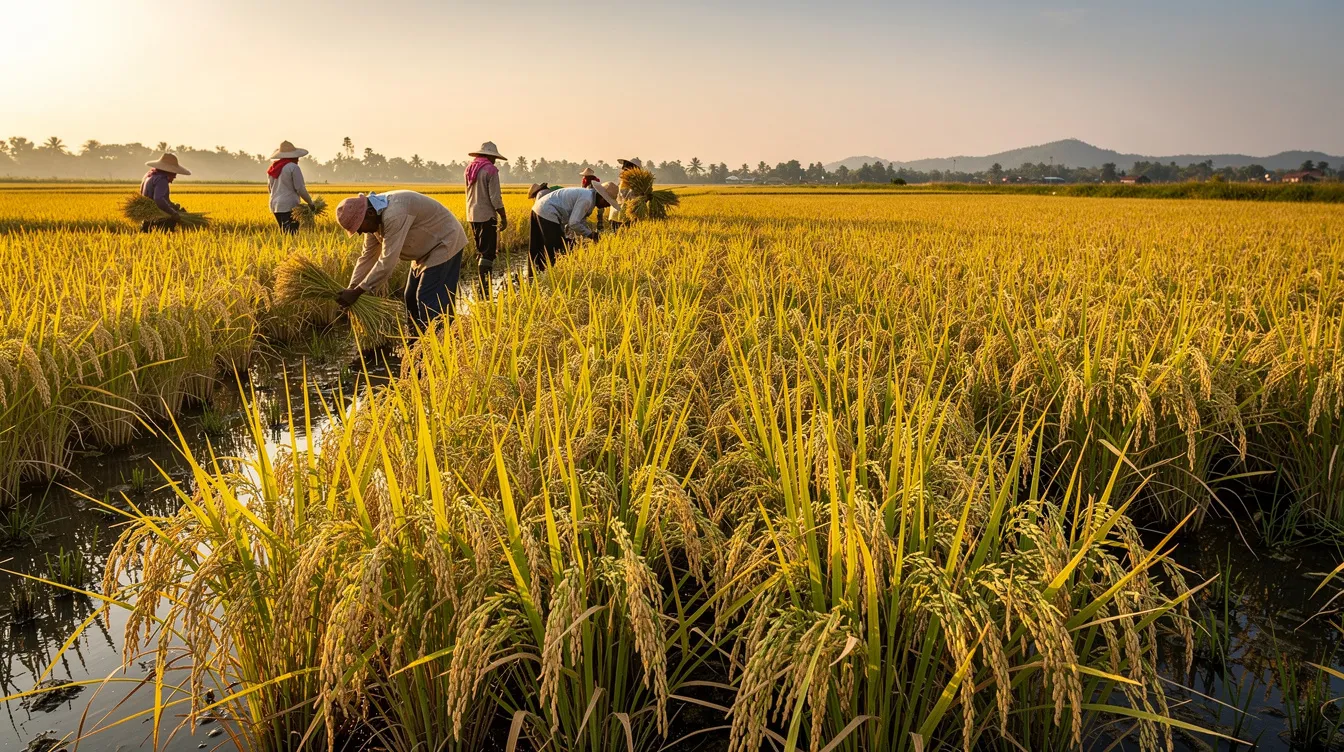
Paddy procurement cost and availability from surrounding rice farming systems is the single most sensitive driver in integrated rice plant financial models. A 5–10% fluctuation in paddy price can sharply reduce EBITDA and push DSCR dangerously close to threshold levels.
Key procurement variables include:
- Region-wise paddy calendars across various regions of India
- Quality grades and moisture content at the time of purchase
- Varietal mix and its impact on milling recovery potential
- Transport distance from rice fields to plant
- Role of local soil quality and soil fertility in influencing grain yield and grain characteristics
- Nitrogen uptake patterns and fertiliser use-rice farming accounts for 40% of global nitrogen fertilizer use globally
- Crop growth conditions and climatic conditions affecting seasonal crop yields
Hedging strategies promoters can deploy:
- Staggered buying across the procurement season
- Contracts with FPOs/FPCs and aggregators
- Linkages with irrigation command areas and rice cultivation clusters
- Partial custom-milling arrangements to reduce price exposure
Environmental sustainability in upstream rice farming matters more than many promoters realise. Integrated farming systems that focus on balanced fertiliser use and nutrient recycling can reduce environmental degradation and improve long-term soil health. Traditional rice farming contributes significantly to greenhouse gas emissions, while integrated rice-fish farming can increase profits by 6.6 times and average income from integrated farming increased by 7431 USD/ha in documented studies. Rice-crayfish farming yields 13,493.3 kg of rice per hectare, and integrated farming systems can reduce pesticide use by 74% to 87%, improving both rice crop quality and environmental outcomes.
Rice-fish co-culture reduces nitrogen loss to 31.72 kg/ha in drainage, directly benefiting soil quality and downstream water systems. Integrated rice farming can yield up to 6.06 t ha-1 of rice under proper management practices. While these are upstream parameters, lenders indirectly value paddy consistency and reduced raw material risk when environmental compliance is strong.
For small-scale farmers and smallholder farmers in the catchment, higher aquaculture density can reduce total rice yield, and water conservation practices in integrated rice-aquaculture farming systems are often insufficient. Small-scale farmers also face higher production costs in integrated farming, and lack of standardized guidelines hampers effective integrated farming at scale. These are factors promoters must consider when planning paddy procurement and raw material planning alongside storage design to minimise losses.
Revenue Model and Product Mix of an Integrated Rice Plant
An integrated rice plant revenue model extends beyond plain white rice. Rice value chains include multiple revenue streams from by-products such as bran and husk. Typical revenue sources include:
- Head rice (the primary revenue driver)
- Broken rice (sold separately for flour, starch, or animal feed)
- Rice bran (for oil extraction or direct sale)
- Rice husk (for boiler fuel, briquettes, or sale)
- Branded and retail-packed rice (higher realisation per tonne)
- Parboiled rice where applicable
- Downstream products like bran oil or husk pellets in fully integrated setups
Head rice yield is crucial, affecting revenue significantly. Modern integrated mills target 65–70% head rice recovery versus older hullers with less than 60%. By-product revenue can account for 15–25% of total gross revenue. A 25 TPD mill can generate approximately $204,900 per year from by-products alone, which can substantially offset debt servicing in the early years of operation.
Rice milling margins typically range from $30 to $80 per tonne, depending on paddy variety, recovery efficiency, and market positioning. Income from integrated farming and processing can fluctuate significantly with seasonal paddy prices and market cycles. Shifting towards branded, retail-packed rice increases realisation but also impacts working capital and marketing spend.
Rice production is seasonal, and market studies should analyze demand, pricing, and competition for rice milling operations before finalising the product mix. Recovery percentages depend on paddy variety, soil-derived grain hardness, pre-cleaning, and process control-all of which influence integrated rice plant ROI.
Financial Projections for Integrated Rice Plant Bank Finance
Banks expect a complete set of financial statements in the DPR for an integrated rice plant term loan application:
- Projected profit and loss accounts (typically 8–12 years)
- Projected balance sheets
- Cash-flow and fund-flow statements
- Working capital assessment
- Term loan amortisation schedule
- Key ratio analysis (year-wise)
| Projection Component | Bank’s Key Question |
|---|---|
| Revenue projections | Are selling prices and volumes realistic? |
| EBITDA and margins | Can the plant generate adequate operating surplus? |
| DSCR | Can annual debt (principal + interest) be serviced? |
| Break-even | How much volume is needed to cover fixed costs? |
| ROI / IRR | Is the return attractive enough relative to risk? |
| Cash flow | Is there liquidity to manage seasonal swings? |
Assumptions for capacity utilisation ramp-up, paddy price, rice selling price, by-product realisation, power tariff, and labour cost must be consistent across all statements. Integration features like parboiling, packaging, or captive husk-based power change both operating cost profile and gross margins, which must be reflected accurately. A strong financial model shows the project’s income-generating capability to bankers-internal inconsistency between P&L, balance sheet, and cash flow is a common reason for queries and delays.
For guidance on structuring rice plant DPR projections, promoters should ensure every assumption is traceable and defensible.
Operating Cost, Profitability and Rice Yield Drivers
Key operating cost heads for an integrated rice processing plant:
Mostly variable costs:
- Paddy purchase (60–75% of total operating cost)
- Power and fuel (especially for parboiling or drying)
- Packaging materials
- Transportation and freight
Mostly fixed costs:
- Labour and salaries
- Repairs and maintenance
- Administrative and selling expenses
- Insurance and rent
- Interest on working capital
Profitability is directly linked to rice yield and milling recovery. Higher head rice yield and efficient by-product utilisation significantly enhance the integrated rice plant profitability analysis. Every percentage point improvement in head rice recovery translates to meaningfully higher margins.
Soil quality and agronomic practices in upstream rice farming systems-including crop production methods, nitrogen cycling, and field crops management-can indirectly influence grain quality and processing efficiency, slightly impacting cost per tonne of finished rice.
Break-Even Analysis for Integrated Rice Plant
Break-even for an integrated rice plant is the capacity utilisation level at which total contribution from rice and by-product sales equals fixed costs plus debt servicing obligations.
- For a mid-sized integrated plant, illustrative break-even capacity may fall in the range of 45–60% of installed capacity, though actual numbers depend entirely on local paddy costs, selling prices, and fixed cost structure.
- Banks prefer projects where projected normal-year capacity utilisation comfortably exceeds break-even by a reasonable safety margin-typically 15–20 percentage points above break-even.
- Integration features like a husk-fired boiler that reduces power cost can improve contribution margin and lower the break-even point, directly improving integrated rice plant project viability.
- Promoters should calculate break-even both in terms of capacity utilisation percentage and in terms of turnover (₹), as banks may review either or both metrics.
DSCR and Loan Repayment Capacity of Integrated Rice Plant
DSCR (Debt Service Coverage Ratio) is calculated as cash accrual available for debt servicing (profit after tax plus depreciation, adjusted for working capital interest) divided by total annual debt service (term loan principal repayment plus interest). It is computed year-wise and as an average over the loan tenure.
Indian banks generally consider an average DSCR above 1.25–1.50 comfortable for agro-processing. Under Central Bank of India’s rice mill cluster scheme, minimum DSCR is 1.25, with Interest Coverage Ratio at 1.50. No single figure is a rigid rule-acceptability varies by bank policy, project risk, and promoter strength.
Maintaining a competitive debt-service coverage ratio is critical for sustaining loan repayments. The repayment schedule, including moratorium period, should be aligned with realistic ramp-up of capacity utilisation and cash flows rather than an aggressive early principal repayment plan. Timely repayment of loans can establish a strong credit score for the business, opening doors for working capital limits and future expansion finance.
Interest paid on business loans is generally tax-deductible as a business expense, which improves post-tax cash accruals and hence DSCR. DSCR sensitivity analysis for rice plants under different stress scenarios is a core part of integrated rice plant sensitivity analysis requested by prudent lenders.
For detailed computation methodology, refer to DSCR for rice mill and loan repayment capacity assessment frameworks.
Feasibility Study Dimensions for Integrated Rice Plant
An integrated rice plant feasibility study covers four pillars, each of which must be satisfactory to secure integrated rice plant project finance.
Technical Feasibility
- Plant capacity selection matched to available paddy supply and market demand
- Process flow design covering all stages from paddy intake to finished product dispatch
- Machinery configuration, utilities sizing, and compliance with environmental norms for husk handling, effluent discharge, and boiler emissions
- Storage infrastructure adequacy for both paddy and finished rice
Market Feasibility
- Local and regional demand for different rice grades and rice varieties, including basmati rice where applicable
- Competition from existing rice mills and new entrants
- Export or institutional market opportunities
- Commodity versus branded sales positioning
Market studies should analyze demand, pricing, and competition for rice milling operations before committing to a specific capacity or product mix.
Financial Feasibility
- Profitability under base-case assumptions
- Cash flow adequacy across seasonal fluctuations
- DSCR over the loan tenure
- Break-even capacity versus projected utilisation
- Integrated rice plant ROI and IRR
- Payback period
- Sensitivity to adverse changes in key variables
Operational Feasibility
- Paddy sourcing reliability from local rice farming communities and rice fields
- Labour availability and skill levels
- Power supply reliability and tariff structure
- Logistics, warehousing, and quality control arrangements
For a comprehensive approach, promoters can study the methodology used in a rice mill feasibility study and project viability analysis.
Integrated Rice Plant ROI – Return on Investment Perspective
ROI for integrated rice plants is calculated as annual average profit (or cash accrual) relative to total project cost. It provides a quick measure of return but should not be viewed in isolation.
Key distinctions:
- Return on total capital employed measures efficiency of the entire investment
- Return on promoter equity focuses on what the promoter earns relative to their own capital
- Higher leverage can increase equity ROI but simultaneously raise financial risk and weaken DSCR
Lenders look for reasonable ROI levels consistent with sector norms. Extremely high projected ROI may trigger closer scrutiny of assumptions-banks may discount the proposed selling price or paddy cost by 5–10% if not supported by contracts or market evidence. Integrated features like energy savings from husk-fired boilers and better by-product monetisation generally enhance the ROI of an integrated rice plant when executed properly.
ROI benchmarks differ by capacity, geography, technology, and project design. No single figure applies universally.
IRR of Integrated Rice Processing Projects
IRR (Internal Rate of Return) is the discount rate at which the net present value of all project cash flows-initial investment and future cash generation over the project life (typically 10–12 years)-becomes zero. In simpler terms, it is the annualised rate of return the project is expected to generate.
- Project IRR is based on total investment and total project cash flows
- Equity IRR considers only equity cash flows after debt service, and is typically higher than project IRR due to leverage
Both metrics matter. Investors and promoters use equity IRR to assess personal return, while banks review project IRR primarily as a cross-check of overall financial attractiveness compared with other agro-processing ventures.
IRR of integrated rice processing plants depends heavily on capacity utilisation, paddy-to-rice yield, stability of working capital funding costs, and selling price realisation. In documented case studies, project IRR for modern rice mills has ranged from approximately 17% to 28%, with equity IRR reaching 22–30% depending on financing structure. However, no “standard IRR” fits all plants-avoid quoting any figure as guaranteed or universal.
Payback Period and Capital Recovery for Integrated Rice Plant
Payback period is the time required for cumulative project cash flows to equal the initial investment.
- Simple payback ignores the time value of money-it counts years until cumulative cash flow matches investment
- Discounted payback adjusts future cash flows for time value, providing a more conservative estimate
- A well-run rice mill can achieve a payback period of 2.5 to 4 years on promoter equity, though total project cost payback may extend to 5–7 years
Shorter payback is generally preferred, but for capital-intensive integrated plants with substantial civil and storage infrastructure, slightly longer payback can still be acceptable if DSCR and IRR are strong. Limitations of payback analysis include that it ignores post-payback cash flows and, in simple form, the time value of money. It should always be used alongside ROI, IRR, and DSCR metrics.
Early years of lower capacity utilisation-common during ramp-up when plants may operate at 60–70% before reaching 75–85% after 2–3 years-lengthen payback if not properly planned in the financial model.
Combined Analysis of ROI, IRR, Payback and Sensitivity for Rice Plants
ROI, IRR, payback and sensitivity analysis jointly inform project acceptability to banks and investors. They are not independent metrics-they interact and should be read together.
- A project might show good ROI and IRR under base assumptions but still be risky if DSCR dips below 1.0 under mild stress on paddy price or selling price
- A short payback period loses meaning if the project cannot sustain debt service in the middle years of the loan tenure
- Strong IRR can coexist with weak cash flow in specific years if seasonal fluctuations in rice prices affect project profitability and loan servicing capabilities
- Banks weight DSCR and sensitivity resilience more heavily than headline IRR when assessing repayment risk
For promoters evaluating investment decisions, the balance between acceptable payback, strong IRR, and comfortable DSCR in conservative scenarios is what ultimately makes a project financeable. Detailed rice mill ROI and IRR analysis and payback and sensitivity analysis should be integral to every DPR.

Integrated Rice Plant Sensitivity Analysis and Risk Assessment
Sensitivity analysis is a structured way to test how integrated rice plant profitability, DSCR, ROI, and IRR react to changes in key variables. The principle is similar to global sensitivity analysis used in rice yield and environmental models-but here, it is applied to financial outcomes.
Major variables to test:
- Raw material price sensitivity: Paddy cost increase of +5–10% can materially compress margins. In illustrative scenarios, a 5% paddy price increase can reduce DSCR by 0.3–0.4 points.
- Selling price sensitivity: Even a modest 5% decline in rice realisation can reduce EBITDA substantially and push DSCR close to threshold.
- Capacity utilisation sensitivity: A 10–20% shortfall from projected capacity-common during ramp-up or during weak procurement seasons-directly reduces revenue and spreads fixed costs over fewer tonnes.
- Milling recovery sensitivity: A 1–2 percentage point drop in head rice recovery percentage reduces gross revenue disproportionately. This often correlates with paddy variety and field trials outcomes in the catchment area.
- Power and fuel cost sensitivity: Energy costs rising by 10% can increase variable cost materially, particularly for parboiled rice operations.
- Interest rate sensitivity: Loans tied to MCLR or external benchmarks are vulnerable. A +1–2% rate increase raises interest cost and reduces cash flows available for debt service.
- Project cost overrun: A 10% overrun increases promoter contribution requirement or debt burden, impacting DSCR and ROI.
DSCR sensitivity analysis for the rice plant should demonstrate how small adverse changes can push DSCR close to or below 1.0 in early years if the project is over-leveraged. Integrated rice plant scenario analysis must look at combined stress cases-not just one variable at a time-to reflect practical market shocks.
Suggested Sensitivity Scenario Table for Integrated Rice Plant
| Scenario | Change Assumed | Revenue Impact | EBITDA Impact | DSCR Impact | IRR Impact | Risk Flag |
|---|---|---|---|---|---|---|
| Base Case | As projected | – | – | ~1.85 | ~19.5% | Normal |
| Paddy Price +5% | +5% raw material cost | Neutral | Reduces ~15–20% | Drops by ~0.3–0.4 | Drops ~4–5 pts | Moderate |
| Rice Realisation −5% | −5% selling price | Reduces ~5% | Reduces ~20–25% | Drops by ~0.4–0.5 | Drops ~4–5 pts | Moderate-High |
| Capacity Utilisation −10% | −10% volume | Reduces ~10% | Reduces ~15% | Drops by ~0.2–0.3 | Drops ~2–3 pts | Moderate |
| Interest Rate +2% | +2% on all borrowings | Neutral | Neutral (but PAT drops) | Drops by ~0.1–0.2 | Marginal | Low-Moderate |
| Project Cost +10% | +10% capex | Neutral | Neutral | Drops (higher debt) | Drops ~1–2 pts | Moderate |
| Combined Adverse | Paddy +5%, Price −5% | Reduces ~5% | Reduces ~35–40% | Drops to ~1.0–1.1 | Drops ~8–10 pts | High |
These percentage changes are purely illustrative. They should be replaced by project-specific values in the actual DPR or CMA data submitted with an integrated rice plant term loan application.
Lenders read such a table by focusing first on the combined adverse scenario-if DSCR stays above 1.0 even under combined stress, the project demonstrates resilience. If it dips below, they may require stronger promoter contribution, additional collateral, or a restructured repayment schedule.
Base Case, Optimistic Case and Conservative Case Projections
Professional DPRs for integrated rice plants usually present at least three financial scenarios to support integrated rice plant investment feasibility discussion:
- Base Case: Most realistic expected values for paddy price, rice yield, capacity utilisation, and selling price realisation. This is the scenario banks weight most heavily.
- Optimistic Case: Better recovery, higher prices, faster capacity ramp-up, fewer disruptions. Useful for understanding upside but not relied upon by lenders for sanction.
- Conservative Case: Higher paddy cost (+5–10%), slightly lower capacity (−10–15%), weaker selling price (−5%). This is the stress-test scenario that must still show adequate DSCR and positive cash flow.
Banks tend to focus on base and conservative cases to ensure the project can still sustain debt repayment even under mild stress. Environmental or regulatory risks-such as stricter norms on boiler emissions or effluent from parboiling-can also be captured qualitatively within conservative scenarios.
A professionally prepared DPR should never rely only on optimistic assumptions. Significant differences between scenarios signal higher risk to lenders.
Key Financial Ratios Banks Examine in Integrated Rice Plant Appraisal
- Debt-Equity Ratio: Measures leverage. Higher ratio means more debt relative to promoter equity, increasing financial risk. Banks have internal policy ranges, often requiring D/E below 2:1 to 3:1 for MSME agro-processing.
- Current Ratio: Measures short-term liquidity (current assets / current liabilities). Banks typically want this above 1.10–1.33 for comfortable working capital position.
- TOL/TNW (Total Outside Liabilities to Tangible Net Worth): Indicates overall leverage including all creditors. Higher values signal greater dependence on external funding.
- Interest Coverage Ratio: Operating profit divided by interest expense. Should be comfortably above 1.50 to ensure interest can be paid even in moderate stress.
- DSCR: Already discussed in detail above.
- EBITDA Margin: Operating surplus as a percentage of revenue. Varies by scale and product mix but typically ranges from 8–15% for rice milling.
- Net Profit Margin: Bottom-line profitability after all expenses, interest, depreciation, and tax.
- Return on Investment: Annual return relative to total capital.
- Break-even Capacity Utilisation: The floor below which the plant incurs losses.
Acceptable ratios depend on lender policy, project characteristics, and borrower profile. These ratios should be computed for each projected year and also summarised over the loan tenure in the DPR and CMA data.
What Makes an Integrated Rice Plant Bankable?
- Realistic project cost supported by valid quotations and site-specific estimates
- Adequate promoter contribution (typically 20–40%) with documented source
- Reliable machinery suppliers with proven track records for the selected process
- Robust raw material linkages with rice farming communities and FPOs in the catchment
- Sufficient paddy and rice storage capacity with proper preservation systems
- Conservative yet viable price and recovery assumptions tested through field trials or comparable plant data
- Proper working capital assessment matching procurement seasonality
- Adequate DSCR under base case and acceptable DSCR under conservative scenario
- Reasonable repayment schedule aligned with cash flow ramp-up
- Satisfactory collateral or security where required by the lender
- Strong promoter credentials-experience, net worth, clean credit history
- All statutory approvals in place (factory licence, FSSAI, pollution consent, boiler registration)
- Detailed implementation schedule with realistic timelines for machinery orders, civil work, and commissioning
- Clear risk mitigation strategies including insurance, diversification, and hedging where possible
Common Mistakes in Integrated Rice Plant DPRs and Projections
- Overestimating capacity utilisation in the first year, ignoring ramp-up delays
- Underestimating paddy prices or assuming procurement at below-market rates
- Assuming unrealistically high rice selling prices without supporting market evidence
- Ignoring seasonal procurement dynamics-small scale operations and small farmers may not supply evenly
- Inadequate working capital projections that do not account for 3–6 month paddy holding periods
- Unrealistic recovery percentage assumptions inconsistent with paddy varieties and actual conditions in local rice farming systems
- Ignoring storage and handling losses, especially in regions with limited access to modern silo infrastructure
- Missing interest during construction in the project cost
- Not supporting capex estimates with proper quotations-banks flag estimates without manufacturer documentation
- Wrong repayment structure that front-loads principal repayment before the plant reaches full capacity
- Weak or superficial integrated rice plant sensitivity analysis-a red flag for serious lenders
- Inconsistency between P&L, balance sheet, and cash flow statements-a sure way to invite queries and delay sanction
Parboiled Rice Integration and Its Impact on Finance
Parboiling involves soaking paddy in hot water, steaming, and drying before milling. Adding a parboiled section alters:
- Process flow: Soaking tanks, steam boilers, dryers, and additional material handling
- Project cost: Boilers, effluent treatment plants, and dryer sheds add 20–30% or more to core milling capex
- Utilities: Higher water and energy consumption; husk-fired boilers common but require emission controls
- Working capital: Longer processing cycle and different inventory profile increase working capital needs
- Revenue model: Parboiled rice commands different realisations; different market segments (southern and western India, certain export markets)
- Environmental compliance: Water management and effluent treatment design face regulatory focus on environmental sustainability
Lenders will closely examine pollution control and effluent treatment plans for parboiled integrated plants. Promoters considering this addition should study a parboiled rice processing plant DPR to understand how parboiling changes feasibility metrics and loan appraisal dynamics.
Illustrative Integrated Rice Plant Financial Evaluation (Methodology Only)
The following example demonstrates methodology only. Actual figures depend on location, technology, financing terms, rice farming ecosystem, and market conditions in the specific project.
Illustrative Assumptions (Medium-Capacity Plant)
| Parameter | Assumed Value |
|---|---|
| Total project cost | ₹25 crore |
| Promoter equity | ₹6.25 crore (25%) |
| Term loan | ₹17.50 crore (70%) |
| Working capital borrowing | ₹5 crore (CC limit) |
| Installed capacity | 8 TPH (milling) |
| Capacity utilisation (Year 1 / Year 3) | 65% / 80% |
| Average paddy price | ₹2,200/quintal |
| Average rice realisation | ₹3,600/quintal |
| By-product revenue share | ~18% of gross revenue |
Illustrative Outputs
| Metric | Indicative Range |
|---|---|
| Annual revenue (steady state) | ₹55–65 crore |
| EBITDA | ₹5.5–7.5 crore |
| Cash accrual (PAT + depreciation) | ₹4.0–5.5 crore |
| Annual debt service (P+I) | ₹3.0–3.5 crore |
| Average DSCR | 1.50–1.80 |
| Project ROI | 16–22% |
| Project IRR | 18–24% |
| Equity IRR | 22–30% |
| Payback (equity) | 3.5–5 years |
All figures are illustrative and should not be treated as benchmarks.
How changes affect these metrics:
- Paddy cost rising 5% could reduce EBITDA by 15–20% and compress DSCR by 0.3–0.4 points
- Rice selling price falling 5% has a similar or sharper impact on cash flows
- Capacity utilisation delayed by one year lengthens payback and weakens early-year DSCR
- Interest rate increase of 1–2% raises annual interest cost and modestly reduces DSCR
This is the essence of integrated rice plant sensitivity analysis-showing lenders that you understand what can go wrong and that the project can still service its debt under moderate stress.
Role of a Detailed Project Report (DPR) and CMA Data in Bank Finance
A Detailed Project Report is essential for a bank loan application. A professionally prepared DPR and CMA data set weave together technical configuration, market study, cost estimates, means of finance, financial projections, and sensitivity analysis into one integrated rice plant feasibility report.
Core DPR sections typically include:
- Project description and promoter background
- Technical details: process flow, machinery specifications, capacity, utilities, layout
- Rice farming catchment analysis and paddy supply plan
- Market assessment: demand, competition, pricing, distribution
- Project cost and means of finance
- Profitability estimates and projected financial statements
- Cash-flow projections and working capital assessment
- DSCR (year-wise and average)
- ROI, IRR, and payback analysis
- Break-even analysis
- Sensitivity and risk analysis
Detailed project reports should include technical specifications, financial projections, and market analysis in a format that satisfies both the promoter’s decision-making needs and the bank’s credit appraisal requirements. A strong DPR helps both promoters and lenders understand whether the project’s integrated rice plant debt servicing capacity is robust under realistic scenarios.
CMA data (for term loan plus working capital) must reconcile fully with the DPR financials to avoid queries and delays at the bank’s credit-processing stage. Understanding CMA data for bank loans and how it interfaces with the DPR is crucial for a smooth sanction process.
Professional Perspective of CA Manish Gugliya on Integrated Rice Plant Finance
As a Chartered Accountant working on project reports, CMA data and financial feasibility studies, I focus on whether the assumptions behind the projections are commercially reasonable and internally consistent. Over years of preparing and reviewing integrated rice plant project reports, I have observed several patterns.
Projects with impressive machinery specifications but weak raw material supply plans often struggle despite showing good numbers on paper. Banks spot over-optimism in yield or recovery unless the promoter backs claims with sample yields, variety-specific data, and comparable plant performance. I always recommend cross-checking capacity utilisation assumptions with actual rice fields output in the catchment, validating power cost with state-specific tariff schedules, and benchmarking operating parameters with comparable plants in the region.
The obligation to include interest during construction and pre-operative expenses is often overlooked, creating cash flow shortfalls in early years. Similarly, bank officers typically discount proposed revenue or prices by 5–10% if not supported by contracts or market evidence-your DPR must anticipate this scrutiny.
No professional can guarantee a bank loan or a specific ROI. Instead, a well-prepared integrated rice plant feasibility study improves clarity for both promoters and lenders, enabling informed decisions rather than speculative ones. Project Report Bank works with entrepreneurs, MSME units, and consultants across India to structure bankable integrated rice plant term loans and project finance proposals with assumptions that hold up under professional review.
Conclusion – Building a Resilient, Bankable Integrated Rice Plant
An integrated rice plant becomes truly bankable only when technical design, paddy sourcing strategy, revenue model, operating efficiency, working capital planning, and loan structure all support sustainable debt servicing. No single metric-whether ROI, IRR, or payback-can substitute for this holistic alignment. Lenders look beyond headline profitability, examining DSCR trajectory, break-even margin, cash-flow stability across seasons, and results from comprehensive sensitivity analysis before sanctioning substantial term loans.
Promoters considering an integrated rice processing venture should undertake detailed feasibility study work before committing capital. This allows them to negotiate project cost, means of finance, and repayment schedule intelligently with banks-rather than discovering structural weaknesses after sanction or, worse, after commissioning. The combination of strong technical planning, realistic financial modelling, and environmental compliance positions a project for both short-term bankability and long-term sustainable development.
For customised DPRs, CMA data, integrated rice plant financial appraisal, ROI and IRR analysis, DSCR and repayment modelling, and investor-ready projections, promoters and consultants across India can reach out to CA Manish Gugliya and the team at ProjectReportBank.com. A well-structured document is not just a loan requirement-it is your roadmap for building a financially resilient integrated rice processing business.
Frequently Asked Questions on Integrated Rice Plant Bank Finance
The following FAQs address practical concerns that go beyond the main article body, focusing on Indian banking practice for integrated rice plants. Each answer reflects real-world considerations rather than generic theory. When referencing any government scheme, interest rate, or incentive, always verify the latest official notification.
What collateral do banks usually expect for an integrated rice plant term loan?
Banks in India typically require mortgage of the project land and building, hypothecation of plant and machinery purchased with loan funds, and in many cases, additional collateral security such as urban property or personal guarantees of promoters. Banks require substantial collateral for integrated rice plant financing, often covering 75% or more of the loan value.
Under MSME or CGTMSE-type guarantee schemes, some borrowers may access collateral-light or collateral-free loans up to specified thresholds, subject to current rules and bank comfort. Credit guarantee options such as CGTMSE can help secure collateral-free loans for eligible businesses, though coverage limits and eligibility criteria change periodically.
Detailed valuation of the proposed security, clear title, and up-to-date approvals are essential to avoid delays in sanction and disbursement. Promoters should get valuation done by bank-empanelled valuers before submission.
How long does it usually take to get an integrated rice plant bank loan sanctioned?
A realistic timeframe is 4 to 12 weeks from submission of the complete DPR and supporting documents, though actual duration varies by bank, proposal size, branch-level versus zonal-level processing, and quality of documentation.
Time can be significantly reduced if the DPR, CMA data, KYC documents, collateral papers, machinery quotations, and regulatory approvals are complete and internally consistent at the first submission stage. Incomplete submissions routinely add 4–8 weeks of back-and-forth.
Promoters should factor this timeline into project implementation planning, especially where machinery import lead times or seasonal paddy procurement windows are involved. Starting the banking process well ahead of the intended construction date is always advisable.
Can environmental sustainability or ESG factors affect integrated rice plant loan approval?
While most Indian banks still focus primarily on financial and security aspects, there is growing attention to environmental compliance-especially for plants with boilers, parboiling units, and solid-waste handling of husk and bran. Non-compliance or weak pollution control arrangements can delay or derail approvals.
Integrated rice farming systems with lower chemical use, better soil quality maintenance, and nutrient recycling practices may indirectly support a favourable perception of long-term raw material stability. Some lenders and institutional investors now consider such factors under ESG frameworks, even if informally. In Jiangxi province and other regions globally, research from institutions including Wageningen University has documented how integrated farming improves environmental outcomes-a comprehensive review of such evidence can strengthen your DPR’s sustainability narrative.
Including credible information on environmental management, pollution control equipment, environmentally friendly process design, and resource efficiency in the DPR can improve comfort for institutional lenders and impact-oriented investors.
How should a promoter choose plant capacity for an integrated rice project?
Capacity selection must balance available and reliable paddy supply from surrounding rice fields, market absorption capacity for finished products, and the promoter’s financial strength to sustain working capital and loan repayment. An oversized plant without assured paddy supply and market demand will hurt DSCR and integrated rice plant investment feasibility-even if unit economics look attractive on paper.
Start with a capacity utilisation analysis of the regional rice farming area: how much paddy is available, what percentage can you realistically procure, and what are existing mills already processing? Evaluate crop yields in the catchment, farmers’ willingness to supply, and likely future procurement relationships through FPOs, traders, or direct ties. In introduction, China’s experience with large-scale integrated farming across 2.86 million hectares shows that scale must match supply-a principle equally applicable to Indian rice processing.
Oversizing also increases capex and working capital needs, potentially pushing break-even capacity too high. A benefit analysis of different capacity scenarios in the DPR helps both the promoter and the lender make informed decisions.
Is it necessary to hire a professional consultant for DPR and CMA data preparation?
Banks do not legally require a consultant, but in practice, professionally prepared DPRs and CMA data by experienced Chartered Accountants or project advisory firms greatly reduce queries and chances of rejection. The parameters involved-process design, rice mill equipment costing, working capital cycles, ROI and IRR modelling, and sensitivity analysis-require integrated system thinking that many first-time promoters find difficult to assemble on their own.
A poorly structured DPR with inconsistent financials or unsupported assumptions wastes time for both the promoter and the bank. Working with specialists like Project Report Bank and CA Manish Gugliya helps ensure assumptions are realistic, numbers are internally consistent, and documentation meets what banks expect for integrated rice plant project finance. The cost of professional preparation is modest compared with the cost of delayed sanction, increased queries, or-worst case-loan rejection based on avoidable errors.