Key Takeaways
- Loan approval linked to buying insurance, credit cards, or mutual funds is the single biggest warning sign of forced cross selling by banks in India today.
- Products added to your account without clear, written consent-such as accidental covers, SMS packs, or savings plans-are common indicators of forced cross-selling that include unsolicited accounts and hidden charges.
- Cross selling itself is not illegal, but forcing unsuitable products or misrepresenting them can amount to bank mis selling under current and upcoming regulatory rules.
- From 1 January 2027, RBI’s new rules on mis-selling take effect, meaning a customer’s signature alone will not protect banks if the product sold is unsuitable or sold without transparent, explicit consent.
- MSME borrowers, Mudra Loan applicants, senior citizens, and first-time entrepreneurs are especially vulnerable and must always ask whether any insurance policy, credit card, or investment product is truly compulsory.
- This article is written from the perspective of CA Manish Gugliya (FCA), based on 20+ years of experience helping MSMEs with project reports, CMA data, and loan consultancy. The sections below explain both red flags and safe actions step by step.
Introduction: Why You Must Recognize Forced Cross-selling in 2026–2027
Cross selling in banking simply means a bank offering extra financial products-like life insurance, credit cards, mutual funds, or a new savings account-to existing customers when they come in for a basic service such as a loan or account opening. Banks use customer data and account activity to identify cross selling opportunities that might be useful to you.
There is nothing wrong with a bank suggesting a helpful product. The problem starts when the suggestion becomes pressure, and pressure becomes a condition. When a Mudra Loan applicant in a semi-urban branch is told “your loan will be delayed unless you buy this insurance,” or when a home loan seeker discovers a large premium quietly deducted from the disbursed amount, that is not advice-it is forced cross-selling.
Why do banks push so hard? The answer is fee income. Commissions from insurance products and third party products now form a significant revenue stream. Banks accounted for over 33.1% of insurance premiums underwritten in FY 2024, more than double their share a decade earlier. Over 127,378 complaints about mis-selling were reported in FY23 alone, showing how widespread unfair banking practices have become across india’s financial sector.
The good news: regulators are catching up. RBI’s new rules effective 1 January 2027 specifically ban compulsory bundling and dark patterns in digital interfaces. This article will show you clear warning signs, how to protect yourself, and how to raise bank cross-selling complaints if needed.

Table of Contents
What Is Forced Cross-selling? (Explained Simply)
Cross selling means offering additional financial services-such as insurance, credit cards, overdrafts, or investment products-to someone who already has a relationship with the same bank. It is a standard practice across financial institutions worldwide, and when done right, effective cross selling can genuinely help customers. Research shows that cross-selling can increase revenue per customer by 25%, and companies are 60% to 70% more likely to sell to existing customers than to new ones. The cross-selling ROI is typically 10X higher than acquiring new customers, which explains why banks invest heavily in cross selling strategies.
Forced cross-selling occurs when banks pressure customers to buy unwanted products. The customer feels they have no real choice: “Buy this insurance or your Mudra Loan won’t be processed.” “You must take this credit card with your MSME term loan.” “Open a new current account to get your working capital sanctioned.”
Here is a simple way to see the difference: if a bank explains that credit life insurance is available, tells you the premium, gives you time to decide, and processes your loan regardless of your choice-that is normal cross selling. If the bank says your loan depends on buying a large single-premium policy from its preferred insurer, refuses to show you a written rule, and rushes you into signing-that is forced selling.
Consider a real-world pattern: an MSME owner in Jaipur applied for a 10 lakh term loan in 2025. The relationship manager told him the file would “move faster” if he bought a 1 lakh single-premium insurance policy from the bank’s partner. No written rule was shown. When the borrower asked for written confirmation, the staff backed down and admitted it was optional.
Not all cross selling is bad. Effective cross selling can protect borrowers-asset insurance for financed machinery, for example-when it is truly suitable and clearly explained.
Is Cross-selling by Banks Illegal or Allowed?
Cross selling is legally allowed in India. Banks are permitted-even expected-to offer a range of financial products and investment services to their existing customer base. The problem arises when cross selling turns into illegal bank cross-selling: selling unsuitable products, hiding information, or forcing bundled products with core banking products such as loans or accounts.
The critical distinction is between voluntary and compulsory purchase. Regulatory frameworks prohibit forced cross-selling and deceptive practices. Customers must always have a real choice, and banking products must not be presented as mandatory unless a specific regulation requires them.
After RBI’s newer guidelines, “customer consent” means separate, explicit consent for each product-insurance, mutual funds, add-on covers. No pre-ticked boxes. Defaults on digital channels must be “No.” RBI mandates explicit consent for each product in bundled offers, and bundling of third party products without choice is restricted. Mis-selling now includes unsuitable products sold even with customer consent if the product does not match the customer’s profile.
RBI’s new rules restrict compulsory bundling of financial products. Mis-selling occurs when products are unsuitable for the customer’s profile-regardless of whether the customer signed the form. Consider this example: a 65-year-old senior citizen is sold a 15-year ULIP by a bank branch, presented as a “special fixed deposit.” This is classic mis-selling-the product does not match the customer’s age, risk tolerance, or financial goals. Both RBI and IRDAI treat such cases seriously, and the bank can be held accountable even if the customer signed documents.
Customers have rights to clear disclosure, to refuse optional products, to choose any eligible insurer, and to raise bank mis-selling complaints through formal mechanisms.
Top Warning Signs of Forced Cross-selling by Banks
This section lists the most common cross-selling red flags seen in branches and on digital platforms across India, especially during Mudra Loans, MSME loans, home loans, and credit card sales. High-pressure sales tactics can indicate coercive selling practices, and sales incentives can lead to inappropriate sales pressure on customers-so knowing what to watch for is essential.
Each sub-section below describes one warning sign, a simple example, and what a cautious borrower should do immediately. In my work as CA Manish Gugliya, these are points that repeatedly surface in client interactions and customer feedback when reviewing project reports and sanction letters.

Bank Says Insurance Is Compulsory with the Loan
The most common statement: “Sir, insurance is compulsory for all Mudra Loans / business loans / home loans.” In most cases, this is misleading. RBI does not make insurance compulsory for Mudra Loans. Even where some form of asset cover may be genuinely needed, you can usually choose your own provider rather than the bank’s preferred insurer.
Always ask for written proof. Request the specific RBI circular, internal policy page, or loan sanction clause that states insurance is mandatory for that exact product. If no written proof exists, the product is almost certainly optional.
A borrower in 2024 was told to buy a ₹30,000 credit life policy on a ₹1,50,000 Mudra Loan. When he asked the branch to write on his application that “loan is conditional on buying this policy,” the staff admitted the insurance was optional. This simple request works because bank staff will rarely put a false compulsion in writing.
If you want to understand whether insurance is truly compulsory with a Mudra Loan, always verify independently.
Loan Approval Linked to Another Banking Product
Linking loan sanction or rate discount to buying another product is a textbook sign of forced cross-selling. Common examples: “Take a credit card with your MSME loan,” “Open a new current account,” “Start a SIP in mutual funds,” or “Take a locker along with your housing loan.”
Mandatory product bundling is a form of deceptive cross-selling. A small trader applying for working capital in 2025 was told to buy a SIP; a home loan applicant was told the interest rate discount required a bundled insurance and credit card purchase. While some relationship pricing offers can be genuine, you must be free to say no without threatening the core loan approval.
Note any verbal linkage and insist that if such conditions are truly mandatory, they must appear clearly in the sanction letter and loan agreement-not just be spoken by staff. If it is not in writing, it is not compulsory.
Staff Refuses to Process Application Without Add-on Purchase
When branch staff say “system will not allow processing” or “branch policy requires insurance with every loan” or “we cannot input your Mudra Loan without an add on product,” these are strong red flags.
Request escalation to the Branch Manager. If that does not help, write a simple email to the bank’s official customer care describing that your loan application is not being accepted without extra purchases. RBI has clearly discouraged forced bundling, and you can politely reference these guidelines.
Keep a written record: date, time, name of staff, and what was said. This documentation becomes crucial if you later need to file a complaint with higher authorities or the ombudsman.
Additional Charges or Premiums Are Hidden or Vague
Some customers only discover an insurance premium or card joining fee after the loan is disbursed-deducted from the loan amount or auto-debited from their savings account. Common indicators of forced cross-selling include such unsolicited accounts and hidden charges.
Before accepting disbursement, always ask for a written breakup of processing fee versus insurance premium versus GST on bank letterhead or in the sanction letter. Compare your total disbursed amount with the sanctioned amount. Hidden premiums often appear in this gap.
From 2027, RBI rules require clearer disclosure and proper consent, so any “surprise deduction” can be a strong basis for a mis selling complaint.
No Written Explanation or Policy Document Provided
Mis-selling often happens when customers receive only a receipt for a large premium but no full insurance policy, benefit illustration, or key information sheet. Without policy documents, you cannot verify what you bought, what is covered, or what the surrender charges are.
Never accept an insurance or investment product purely on trust. Insist on the policy brochure, benefit illustration, and terms-and-conditions before paying. To learn about common Mudra Loan insurance types, review dedicated guides rather than relying on verbal summaries.
RBI and IRDAI expect banks to ensure customers understand features, lock-in periods, surrender charges, and free-look periods. Lack of documents is itself a warning sign.
Customer Is Rushed into Signing Documents
Staff saying “sign here quickly, last date,” or “system will close in 10 minutes” or “we are short of time” are classic pressure tactics. Creating false urgency is a tactic used in aggressive sales practices, and it prevents you from reading what you are actually signing.
No borrower should sign blank forms or multiple pages without reading. You can take copies home to read or show to your CA or financial advisor. Check specifically for any separate forms for insurance, SIPs, card enrolment, or optional add-on covers mixed in with loan documents.
A simple response: “I will sign after reading. If the offer is genuine, it will remain tomorrow also.” This usually eliminates poor timing pressure from the equation.
Products Added or Activated Without Clear Consent
Customers sometimes discover that a credit card, accidental insurance, or SMS pack was added automatically when they opened an account or took a loan. Customers may face additional, unrecognized accounts following service interactions-this happened infamously at Wells Fargo, which opened over 3.5 million fraudulent accounts by forcing cross-selling and later faced a $185 million fine for unethical cross-selling.
Digital interfaces may utilize dark patterns to manipulate customer choices. RBI defines eleven dark patterns to prevent misleading sales tactics, and from 1 January 2027, default consent on apps or net banking should be “No.” Banks must obtain explicit consent for each product sold-pre-ticked boxes and forced action designs are specifically banned.
Review welcome kits, SMS alerts, and first statements after loan disbursement or account opening. If you spot something you never knowingly opted into, send an immediate written objection and request cancellation and refund.
Premium Amount Deducted Automatically from Loan or Account
Some banks reduce loan disbursement by the amount of a single-premium insurance policy or start monthly auto-debit for insurance from your account without a separate standing instruction form signed by you.
Check sanction letters and loan accounts on day one. Confirm whether any insurance or add-on mandates are registered. Object in writing if these were not clearly agreed. IRDAI’s complaint data shows that in FY 2024-25 alone, 2,57,790 grievances were registered in insurance, many involving unauthorized deductions.
Keep SMS and email alerts as evidence showing that you never received proper pre-debit communication about such products.
Insurance Benefits and Risks Not Properly Explained
Selling insurance only as “tax saving,” “guaranteed return,” or “only one-time payment” without discussing risk, lock-in, surrender charges, and claim process is a major mis selling signal. Misleading explanations regarding costs and risks are warning signs of mis-selling.
Common pattern: ULIPs sold as short-term fixed deposits, or long-term traditional policies pushed to a senior citizen looking only for a 3-year safe deposit. Life insurance companies sometimes earn large commissions from such sales, while the product sold does not match the customer’s life stages or financial knowledge.
Ask simple questions: “What happens if I stop paying?” “Can I get my full money back if I cancel within 15 days?” “Is this market-linked?” Insist on answers that match policy documents. Misunderstanding due to half-explanation is a strong ground for mis selling complaints and even policy cancellation.
Bank Discourages Questions or Independent Advice
When bank staff get irritated at basic questions, or tell you not to consult any CA or financial advisor because “this is standard product, everyone is taking it,” pause immediately. Untrained staff may misrepresent products to customers without assessing their customer needs.
Genuine, customer-centric staff welcome questions and will not stop you from seeking independent advice before committing to long-term financial services. If customers feel uncomfortable or confused, they should ask for more time or take the documents to a trusted advisor for review.
Policies differ between banks. Always read every document yourself rather than relying only on verbal assurances. A SEBI registered investment adviser or your own CA can help you evaluate whether investment products or insurance products truly fit your situation.
Genuine Advice vs Forced Cross-selling: How to Tell the Difference
Not every cross-selling attempt is harmful. Many banks genuinely try to protect customers and deepen relationships with useful financial products. Effective cross selling relies on understanding customer needs and behaviors. Effective customer recommendations should begin with understanding financial needs-not with sales targets.
Here is a comparison table to help you tell the difference:
| Genuine Recommendation | Forced Cross-selling |
|---|---|
| Staff clearly says “this is optional” | Staff says “this is compulsory” without written proof |
| You are given time to decide | You are rushed with false urgency |
| Full policy documents and brochures provided | Only a receipt or summary is given |
| Product matches your age, income, and goals | Product is unsuitable for your profile |
| Staff answers questions patiently | Staff discourages questions or independent advice |
| Loan processing continues even if you say no | Staff refuses to process without add-on |
| Premium and charges clearly explained | Charges hidden or vague |
| You can choose any provider | Only bank’s preferred provider is offered |
| Written consent taken separately | Consent buried in loan documents |
| No linkage to loan approval | Loan approval explicitly linked to purchase |
| Customer satisfaction and customer loyalty are priorities | Sales pressure and targets drive the sale |
| Product explained with risks and benefits | Only benefits mentioned, risks hidden |
Use this table as a mental checklist whenever you receive a new offer in a branch or on an app. If three or more items fall in the “Forced” column, treat the situation with caution. To understand normal cross-selling in Mudra Loans, explore dedicated resources that explain how legitimate recommendations work.

Common Products Used in Bank Cross-selling (and When They Make Sense)
Banks commonly cross-sell these products: credit life insurance, asset insurance (for vehicles and machinery), health insurance, personal accident cover, credit cards, education savings plans, mutual funds, current accounts, and fixed deposits. Some are genuinely useful; others are frequently mis-sold. Customers with multiple products are less likely to churn, which is why banks push relevant offers aggressively.
| Product | When It May Be Genuinely Useful |
|---|---|
| Credit Life Insurance | Large home loan or auto loan where family security is a real concern |
| Asset Insurance | Financed machinery, vehicle, or equipment that needs protection |
| Health Insurance | If you lack adequate health cover and the premium is competitive |
| Personal Accident Cover | High-risk occupations or travel-intensive work |
| Credit Card | Genuine business expense management with clear benefits |
| Savings Plans / Education Savings | Long-term goals if product fits your risk tolerance and timeline |
| Mutual Funds | When suitable for your financial goals, explained by qualified financial advisors |
| Current Account | If your business genuinely needs one at the same bank |
| Fixed Deposit | Safe parking of surplus funds at competitive rates |
Bundling products without clear consent is now restricted by RBI rules. A product is likely mis-sold when it is oversized relative to the loan, unsuitable for the customer’s age or income, or sold only to earn commission rather than to address real customer needs. Effective cross selling should be based on real cross selling opportunities from customer data and life stages-not blanket campaigns. Verify each product using independent sources before saying yes, particularly for long-term insurance products and investment products.
Real-life Situations: How Forced Cross-selling Plays Out in Branches
Here are realistic scenarios based on common patterns seen across many banks. Each has a warning sign, suggested response, and best long-term action.
Scenario 1: Mudra Loan + Compulsory Insurance A first-time entrepreneur applies for a ₹2 lakh Mudra Loan. The officer says: “Insurance of ₹25,000 is mandatory.” Warning sign: no written rule shown. What to say: “Please show me the RBI guideline or bank circular that makes this mandatory.” Best action: if no proof is produced, politely decline and ask the branch manager to process without it. For detailed examples of Mudra Loan cross-selling issues, see our dedicated guide.
Scenario 2: Working Capital + POS Machine + Credit Card An MSME shop owner needs ₹5 lakh working capital. The bank insists he must take a POS machine rental and a credit card. Warning sign: multiple products bundled without separate consent. Best action: ask which products are truly mandatory in writing.
Scenario 3: Home Loan Rate Discount Only with Insurance A salaried borrower is told the lower home loan rate applies only if she buys a bundled insurance plan. Warning sign: rate benefit conditional on unrelated add on product. Best action: compare the total cost (higher rate without insurance vs lower rate plus premium) and decide independently.
Scenario 4: Digital App with Pre-checked Add-ons A customer applying for a personal loan online finds three boxes already ticked: accidental cover, credit card, and SMS alert pack. Warning sign: dark patterns on digital platforms. Best action: uncheck all, screenshot the page, and proceed only with what you want.
Scenario 5: Senior Citizen Sold Long-term ULIP A 68-year-old retired teacher visits her bank branch for a fixed deposit. The relationship manager sells her a 12-year ULIP as “better than FD.” Warning sign: product unsuitable for customer’s age and financial goals. Best action: use the 30-day free-look period to cancel and request a full refund.
Scenario 6: Insurance Premium Silently Deducted A borrower receives ₹4.7 lakh in his account against a ₹5 lakh sanctioned MSME loan. The ₹30,000 gap is an insurance premium deducted without clear prior agreement. Warning sign: hidden charge with no separate consent form. Best action: object in writing immediately and demand itemized breakup.
How to Protect Yourself Before and During Loan Processing
Use this as a practical checklist-print it and carry it to the bank:
- Read every document fully before signing. Never sign blank forms.
- Ask whether each extra product is mandatory or optional. Demand written clarification.
- Request a written breakup of all charges: processing fee, insurance premium, GST, and any other deductions.
- Take photocopies or photos of all forms, brochures, and sanction letters before leaving the branch.
- For digital channels: carefully review each screen. Uncheck any optional add-ons. Look for default “No” consent. Screenshot key screens.
- Keep communication records: emails, SMS, WhatsApp messages. Note verbal conversations in a diary with date, time, and employee name.
- Compare products and premiums with outside options before agreeing. An insurance policy through an independent agent or online platform may cost less.
- Never feel obligated by brand loyalty or long relationships to accept something unsuitable. Your financial discipline matters more.
- If the right tools for comparison are available online (premium calculators, product brochures), use them at the right moment-before committing.
- Ask if there is a free-look or cooling-off period for any product you agree to, so you can cancel if you change your mind.
RBI mandates customer feedback within 30 days of any financial sale-so track timelines and follow up if you do not receive policy documents or confirmation.
What to Do If You Suspect Forced Cross-selling or Mis-selling
If you believe you have been a victim of forced cross-selling, follow these steps:
Step 1: Ask for written clarification from the branch staff or manager. Request all policy documents and application forms that you supposedly signed. Banks must provide these. If the product was sold verbally, document what was said and when.
Step 2: If the branch does not resolve the issue, send a detailed email or letter to the bank’s official grievance redressal cell. Attach copies of documents, account statements showing unwanted deductions, and a clear timeline of events. Mention specifically that you believe there was mis selling or forced bundling in violation of RBI’s guidelines on sale of financial products.
Step 3: Preserve all evidence-call recordings (where legal), SMS, email, sanction letters, and screenshots of digital journeys. RBI’s new rules require explicit consent for each financial product sold, so evidence of missing consent strengthens your case.
Step 4: If the bank’s response is unsatisfactory within the prescribed time (usually 30 days), escalate to the RBI Integrated Ombudsman via the CMS portal. Use simple language to explain how products were sold without genuine consent. The ombudsman process is free and accessible to all regulated entities’ customers.
To understand your broader rights as a Mudra Loan borrower, see our guide on whether banks can ignore RBI PMMY guidelines.
Common Mistakes Customers Make That Help Mis-selling
- Signing without reading: The most common mistake. Every page matters, especially separate forms for insurance or card enrolment mixed with loan documents.
- Assuming every bank suggestion is compulsory: Many borrowers believe that if the bank says it, it must be required. Always verify.
- Ignoring small deduction entries: Even small charges for SMS packs or accidental covers, if added without proper consent, reveal a weak consent process.
- Discarding policy documents: Throwing away or ignoring the policy mail means you lose the chance to cancel during the free-look period (typically 15–30 days).
- Trusting only verbal promises: “Sir, you will get 12% guaranteed return” means nothing without it being written in the benefit illustration. Verbal assurances cannot be enforced.
- Not using the free-look period: A customer who receives an insurance policy and does not open the envelope for 45 days loses the window to cancel and get a refund.
- Failing to check account statements: Mis-selling often shows up as unexplained debits in the first month. Review every entry.
Banks can make errors or act under sales pressure from targets. Customer vigilance is not distrust-it is financial discipline. Treat every financial signature as seriously as signing a property document.
Expert Advice from CA Manish Gugliya for MSME and Mudra Borrowers
In my 20+ years helping MSMEs with CMA data, project reports, and loan consultancy, I have seen hundreds of cases where borrowers accepted products they did not need simply because they were afraid their loan would be rejected. Here is my practical advice:
- Stay calm under pressure. No genuine offer disappears overnight. If someone creates urgency, that itself is a red flag.
- Never sign under pressure. Ask for time. A legitimate bank will not withdraw a sanctioned loan because you want one extra day to read documents.
- Always request written confirmation for anything claimed to be “compulsory.” If it is truly mandatory, the bank will have no problem putting it in writing.
- Understand every product before accepting. Mis-selling occurs if products are unsuitable for the customer’s profile, even with a signature. Your financial knowledge is your best defence.
- Consult your CA or a trusted advisor for complex insurance or investment products before committing. Right strategies for protection start with independent evaluation.
- Refusing forced cross-selling does not mean refusing all add-on products. Say yes only when the product clearly fits your business or family need, is transparently priced, and you understand the terms.
- Policies and internal new rules differ between public sector banks, private banks, and NBFCs. Always read your own documents rather than relying on what friends experienced at a different bank.
For deeper guidance, explore these resources: Is cross-selling legal in Mudra Loans, Can you refuse insurance while applying for a Mudra Loan, and How to identify insurance mis-selling during Mudra Loan processing.

Frequently Asked Questions on Forced Cross-selling by Banks
This FAQ covers additional practical doubts not fully addressed above. Answers are based on the current RBI approach through 2026. Always check the latest bank documents and circulars for updates, as things may change after the new directions take full effect.
Is insurance always optional with loans like Mudra or MSME term loans?
In most cases, RBI does not make insurance compulsory for Mudra Loans or MSME term loans. However, banks may reasonably insist on asset insurance for financed machinery or vehicles to protect their collateral-this is a legitimate risk management practice, not forced selling.
Even in such cases, you should have the choice of provider. Ask the bank to show the written policy if they claim a specific insurance is mandatory. If cover is genuinely needed, you can often source it independently at a better price. To check specifics, see our guide on whether a bank can force insurance with a Mudra Loan.
What if I agreed to an unwanted product earlier-can I get a refund now?
For insurance, free-look periods (usually 15–30 days from receiving the policy) allow cancellation with minor deductions. IRDAI has extended the free-look period to 30 days for many policies. For mutual funds or SIPs, you can generally stop contributions anytime, though exit loads may apply.
For older cases, refunds depend on specific product rules and whether mis selling can be proven. Write to both the bank and the insurer first, clearly stating what happened and why you believe the sale was unfair. If the response is unsatisfactory, escalate to the RBI or IRDAI ombudsman with all evidence.
Are small add-ons like SMS alerts or accidental covers worth complaining about?
Even small unwanted charges, if added without consent, show a weakness in the bank’s consent process. They can and should be escalated. Request cancellation and refund through customer care first. If the bank refuses, decide whether to escalate based on the amount and your time cost-but remember, tolerating small violations can encourage larger ones. Many investment clients overlook these, but they add up.
How do I complain if my bank is fully digital and has no branch?
Use in-app support, email, and the official grievance links mentioned in the app or website to raise a detailed ticket. Save screenshots or PDFs of the entire digital journey showing any pre-ticked boxes, unclear consent, or products activated without your agreement. This is especially important because digital channels are where dark patterns most commonly appear.
If the digital bank does not resolve the issue within the prescribed time (typically 30 days), you can still approach the RBI Ombudsman for all regulated entities with your evidence. The process is entirely online.
Should I stop using bank recommendations altogether to avoid mis-selling?
No. Bank recommendations can be valuable when they are well-explained, transparent, and clearly optional. Customer trust is built when banks sell what customers actually need. For example, asset insurance for funded machinery or property insurance for a home loan can be genuinely protective.
Do not reject everything automatically. Instead, adopt a disciplined habit: ask questions, compare premiums and terms, sleep over big decisions, and say yes only when fully convinced that the product suits your situation and risk tolerance. This is what separates smart borrowing from blind acceptance.
Conclusion: Stay Alert, Ask Questions, and Sign Only What You Understand
Forced cross-selling by banks is a real risk in India, but informed borrowers can protect themselves. The warning signs are consistent: verbal compulsion without written proof, hidden charges, rushed signing, unsuitable products, and resistance to questions. Now that regulatory frameworks are tightening-with RBI banning compulsory bundling and dark patterns from 2027-the balance of power is slowly shifting toward the customer.
Not every additional product is bad. Effective cross selling matched with the right customer and explained with clear disclosure can genuinely protect your business and family. The key is informed decision-making: read documents carefully, verify any “compulsory” claim in writing, compare independently, and use official complaint routes if you suspect mis selling.
Your signature should mean informed agreement-not blind trust. Enter the bank prepared, ask the right questions, and leave with only what you truly need. Explore our complete set of guides on Mudra Loan cross-selling issues and why banks recommend insurance with Mudra Loans so you walk into your next bank visit fully equipped.
- Mudra Loan Insurance & Cross-selling Issues: Complete Guide to Your Rights and Safe Borrowing

- Hidden Insurance Charges in Mudra Loans: How to Spot Them

- Can Insurance Premium Be Included in Your Mudra Loan Amount?

- What to Do If Insurance Was Added Without Your Consent in a Mudra Loan
- Warning Signs of Forced Cross-selling by Banks
- How to Identify Insurance Mis‑selling During Mudra Loan Processing
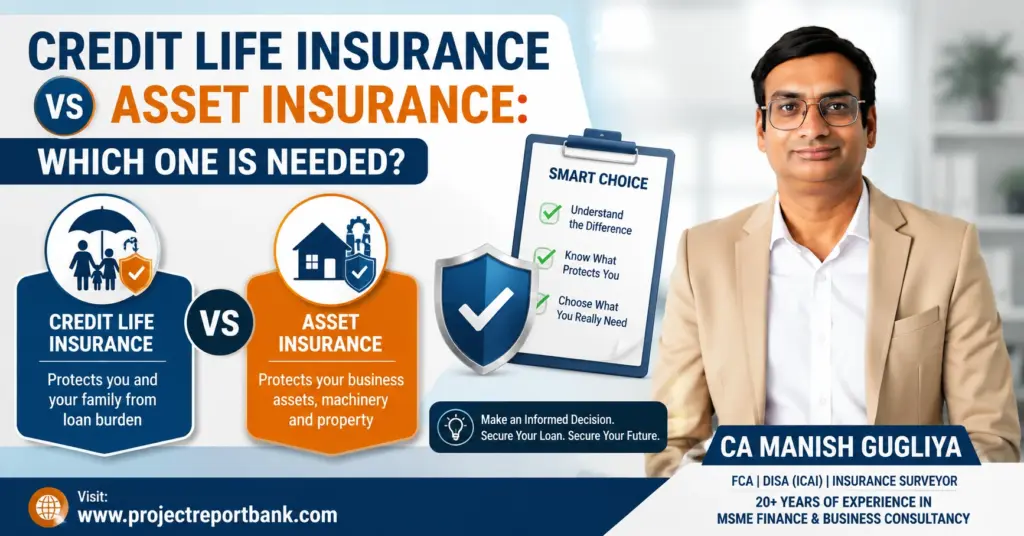
- Credit Life Insurance vs Asset Insurance: Which Is Better for Mudra Loan Borrowers?
- Types of Insurance Offered with Mudra Loans Explained

- Why Do Banks Recommend Insurance with Mudra Loans?