
Key Takeaways
- Pradhan Mantri Mudra Yojana (PMMY) may permit your business activity, but each bank or financial institution follows its own internal lending preference and risk policy for mudra loan approvals.
- A mudra loan rejected business category remark usually means that specific bank branch is avoiding your sector – it does not always mean your business is completely ineligible under PMMY 2026 rules.
- Improving your business classification, preparing a professional project report, and approaching a different lending institution can convert a rejection into loan approval.
- Common reasons for rejection include incomplete documentation and weak business plans, but business category mismatches are equally common.
- Professional help with project reports, CMA data, and sector selection from experts like CA Manish Gugliya can significantly improve your chances of getting a mudra loan approved.
Introduction: When Your Mudra Loan Is Rejected Despite Meeting Eligibility
You did everything right. You submitted your Aadhaar, PAN, bank statements, Udyam Registration, and even a project report. Your CIBIL score was above 700. Yet the bank branch told you: “Your business category is not in our lending preference.”
This is one of the most frustrating mudra loan rejection reasons in 2026, and it confuses thousands of applicants every year. Banks assess both the applicant and the proposed business before loan approval, so even when your personal profile is strong, your business activity can still become the reason for rejection.
This situation is different from your mudra loan business not being eligible under PMMY guidelines. Here, the issue is the bank’s own internal policy – not the central scheme rules. In this article, I will explain why banks do this, how business activity eligibility actually works, and what practical steps you can take next. This guidance comes from more than 20 years of real bank financing and mudra loan consulting experience.
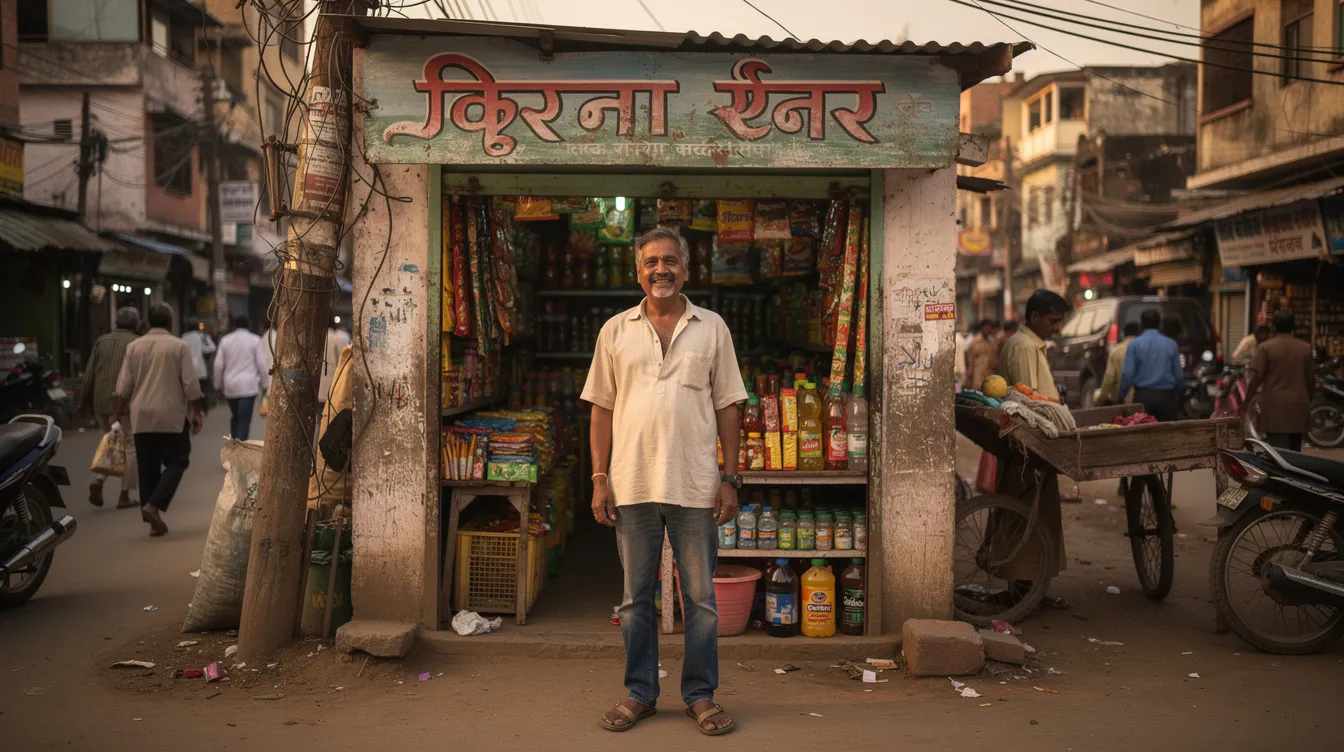
Table of Contents
What Does “Outside Bank Lending Preference” Mean in Mudra Loans?
When a bank says “we don’t finance this business type under mudra loan,” it reflects the bank’s internal lending preference – not just PMMY rules.
Every bank – whether public sector banks like SBI and Canara Bank, private sector banks, regional rural banks, or small finance banks – issues a yearly credit policy. This policy includes a “negative” or “restricted sector” list for 2025–26 that guides which business activities the bank branch should prefer or avoid.
Here is how this works in practice:
- Risk categorisation: Banks mark sectors as low, moderate, or high risk based on past NPAs in their mudra loan and MSME portfolios.
- Credit exposure limits: If a bank already has high outstanding loans in a sector like scrap trading or transport in a region, they may stop fresh mudra loan sanctions in that segment.
- Branch-level business plan: Each bank branch gets yearly mudra targets broken by sector – trading, manufacturing, services. Branch managers may be instructed to prefer or avoid specific business activities based on local conditions.
The important point: “outside preference” can be temporary (for this year or this branch) and does not permanently disqualify your business category from other participating banks.
Difference Between PM Mudra Yojana Eligibility and Bank’s Own Preference
There are two separate layers that determine whether your mudra loan application succeeds:
Layer 1 – PMMY Scheme Rules (Central Government):
- Mudra loans are available for non-farm, income-generating activities in manufacturing, trading, and service sectors.
- Applicants must be at least 18 years old and must be Indian citizens.
- The scheme covers four categories: Shishu loans offer up to ₹50,000 for startups, Kishore loans range from ₹50,001 to ₹5 lakh, Tarun loans provide ₹5 lakh to ₹10 lakh for established businesses, and Tarun Plus loans offer ₹10 lakh to ₹20 lakh for repeat borrowers who have successfully repaid previous loans.
- Mudra loans are available through banks, NBFCs, micro finance institutions, and microfinance institutions across India.
- Eligible activities include repair shops, beauty parlours, dairy, small transport, food processing, small traders, and more.
Layer 2 – Individual Bank Policy (Internal Rules):
- Each bank sets its own eligibility criteria, risk appetite, and sector exposure limits.
- Some banks may treat certain PMMY-eligible sectors as “discouraged” due to past NPAs.
- For example, a used machinery trading unit is fully PMMY-eligible, yet a particular bank’s 2025 policy may restrict fresh mudra exposure to this segment in that state.
Applicants should ensure their business activity aligns with Mudra scheme guidelines – but being eligible under PMMY does not guarantee that every bank must sanction the loan. For related scenarios, you can also read about mudra loan purpose not eligible or mudra loan rejected due to business type.
How Banks Decide Preferred Business Categories for Mudra Loans
Banks use real NPA data, local market experience, and internal risk models – not just the PMMY brochure – to decide which sectors they will finance. Lenders also check the personal credit score of the business owner before approving a loan.
Key factors that influence sector preference:
- Historical NPAs: If a branch saw high defaults in small transport loans between 2019–2023, they cut back lending to that segment. According to a NITI Aayog assessment, trading sectors showed approximately 15% NPA rates in some states.
- Price volatility: Scrap, used vehicles, and certain construction trades see unpredictable margins.
- Local market saturation: Too many similar shops in the same area – like mobile stores or salons – increases risk for new entrants.
- Seasonal or cyclical operations: Ice cream carts, firecracker shops, and seasonal garment stalls have irregular cash flows.
- Cash-flow stability: Businesses dependent on cash-only transactions are harder for banks to verify.
- Regulatory or licence risk: Activities needing FSSAI, pollution control, or municipal trade licences carry compliance risk.
- Technical complexity: Niche manufacturing without clear demand data is difficult for bankers to evaluate for business viability.
These risk-based decisions are the main reason for “mudra loan rejected due to business type” remarks by branches.
Examples of Businesses Some Banks May Hesitate to Finance Under Mudra
These are typical examples from consulting experience. Policies differ between banks, states, and even branches in 2026.
- Scrap trading and kabadi businesses – heavy cash dealings, weak traceability of inventory.
- Used vehicle purchase and resale – difficulty in valuation, higher fraud risk.
- Highly seasonal stalls – firecrackers during Diwali, festival-specific items with no year-round revenue.
- Hazardous chemical trading – regulatory risk without proper licences.
- Coaching centres without registration – no formal business proof or shop licence.
- Businesses in rented residential premises – no business address proof or shop establishment certificate.
- Online-only ventures without GST or order history – banks cannot verify business operations.
Even when PMMY does not ban these activities, the bank’s internal risk list may mark them as restricted for mudra loan in the current year.
Businesses Generally Preferred by Banks for Mudra Loan Sanction
Some business activities routinely receive faster approval because banks have good repayment experience and straightforward appraisal methods for them:
- Kirana or grocery stores and mini-supermarkets
- Medical shops and pharmacies with proper licences
- Dairy, small milk collection centres, and small food processing units (pickle, papad, bakery)
- Tailoring units, boutiques, and beauty parlours with fixed locations
- Mobile, laptop, and electronics repair centres
- Small manufacturing workshops (agarbatti, disposable plates, LED assembling, fabrication)
Banks prefer these because they have stable local demand, regular cash flow, easy site verification, and better recovery history in their mudra and MSME portfolios. Most banks align their preferred list with sectors showing good performance. If your current business idea falls in a discouraged segment, sometimes adding a small manufacturing or service component can move it into a more preferred loan category.
Can the Same Business Be Approved by Another Bank or Branch?
Yes, it is absolutely possible – and very common in actual practice.
Every bank has different historical performance in each sector, different risk appetite, and different regional focus. For example, one bank may be aggressive in dairy lending while another focuses on retail trading. Even within the same bank, one branch may be overexposed to a sector while a nearby branch still has room to lend.
If your mudra loan application was rejected, you should:
- Ask for written or email reasons for rejection.
- Correct issues in your business category description and documents.
- Approach another bank, regional rural banks, or small finance banks with an improved file.
However, changing banks alone will not help if the real issue is a non-viable business or ineligible purpose. Eligible borrowers should fix the root cause first.
Common Applicant Mistakes in Business Category and Activity Description
Beyond bank preference, many mudra loan rejections happen because the applicant has not correctly presented the business activity. Incomplete or mismatched documents cause most Mudra loan rejections.
Key mistakes include:
- Writing vague descriptions like “general business” or “trading work” instead of “readymade garment retail shop.”
- NIC or activity code mismatch between Udyam Registration, GST, and the mudra loan application form. Documentation errors, including mismatches in identity documents, can lead to loan rejection.
- Lack of clarity whether the business is manufacturing, trading, or service – which affects the mudra category and risk view.
- Lack of a clear business plan, which results in application denial.
- Unrealistic sales and profit projections not matching local market conditions.
- Applying for an unjustified loan amount without a business track record. Rejections often occur if the applicant applies for too much funding without a business track record.
- Ignoring necessary licences such as FSSAI or shop licence for the chosen business type.
For example, a “home food tiffin service” wrongly described as “catering factory” creates confusion and triggers extra queries. A professional project report and correct classification can prevent “business category mismatch in mudra loan” comments during appraisal.
How to Improve Your Mudra Loan Approval Chances After Business Category Rejection
A rejection with the remark “outside lending preference” is often fixable if the core business idea is viable. Understanding the exact reason for rejection is essential for addressing issues before reapplying.
Step-by-step actions:
- Clarify your exact business activity and confirm it falls under PMMY-eligible sectors (non-farm, income-generating).
- Choose the most accurate business category and sub-activity code, consistent across Udyam, GST, and your project report.
- Prepare a professional mudra loan project report with a clear business plan, realistic financials, and a repayment plan. A viable business plan should include realistic revenue and expense projections.
- Prepare simple CMA data for Kishore and Tarun category loans showing cash flows, repayment capacity, and EMI capacity.
- Attach quotations for machinery, furniture, and stock to justify the loan amount and avoid unjustified loan amount objections.
- Collect basic market research covering local demand, competition, and pricing.
- Highlight the promoter’s experience or skill certificates to build the banker’s confidence.
- Ensure required licences or applications are at least in process.
- Maintaining clear business bank records and healthy transaction history improves loan approval chances significantly.
If one bank still considers the segment high risk, approach banks or non banking financial companies known to be active mudra lenders in that business type, carrying the improved documents.

Documents That Strengthen Mudra Loan Applications in Sensitive Business Categories
In borderline or less preferred sectors, strong documentation can tilt the decision in your favour. You need PAN, Aadhaar, and business proof to apply, but go further:
- Detailed project report tailored for mudra loan, mentioning PMMY category (Shishu, Kishore, Tarun).
- A basic business plan is required for Kishore and Tarun loans – include profit and loss, cash flow, and projected balance sheet for the next 3–5 years.
- Business proof: Udyam Registration (which improves approval chances), GST if applicable, shop establishment licence, rental agreement, utility bills.
- Machinery and equipment quotations on dealer letterhead.
- Stock purchase quotations and supplier offers.
- Copies of existing customer enquiries, order letters, or work contracts proving realistic demand.
- Experience certificates from previous employers in the same line, or skill certificates from ITI, PMKVY, or recognised training institutes.
- Licence copies (FSSAI, pollution NOC, local body trade licence) where required.
- Proof of ongoing business operations – such as bank account turnover and invoices – is necessary for loan approval.
- Business registration on the Udyam portal is recommended for all applicants.
Real Practical Case Study: Rejection by One Bank, Approval by Another
In 2024, a business owner from Indore applied for a ₹4.5 lakh Kishore mudra loan for a scrap trading and small metal recycling unit. His credit history was clean, his credit profile showed no past defaults, and his documents were in order.
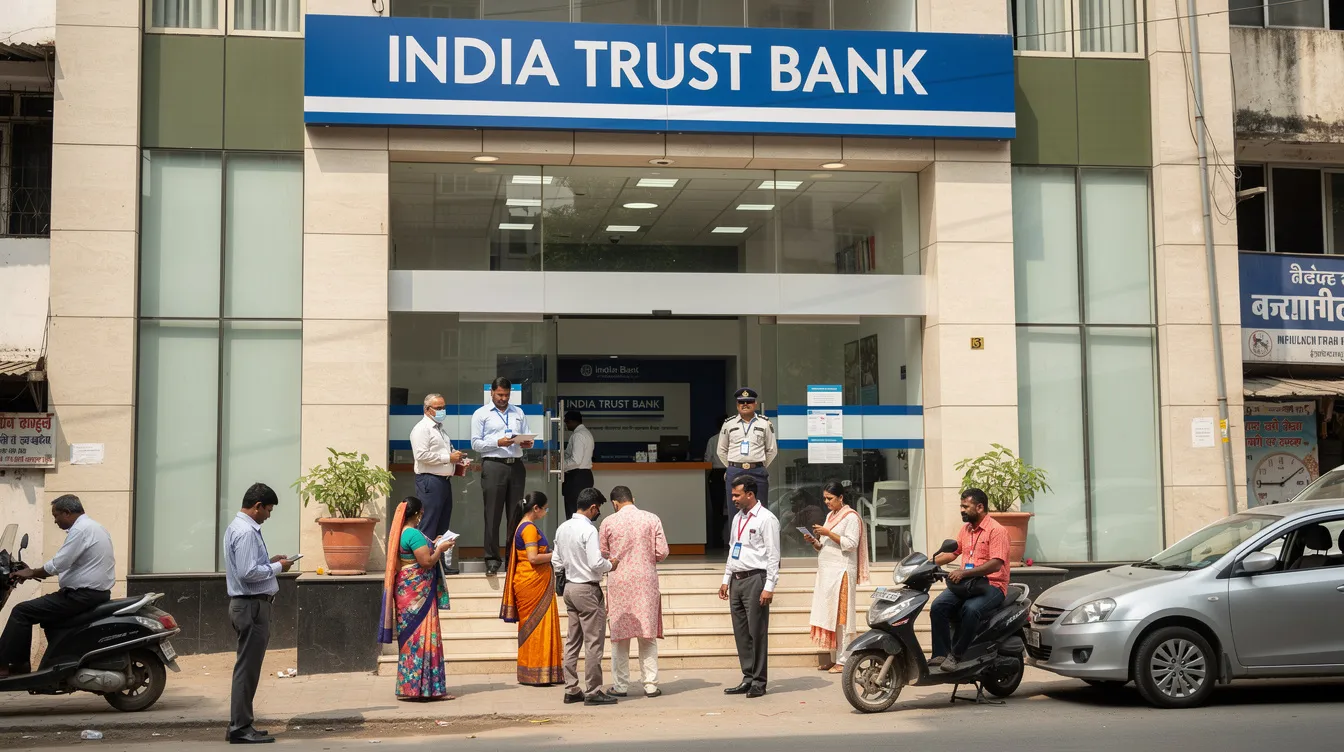
Public sector Bank A rejected the file citing “sector not preferred, high NPA in scrap segment.” The branch did not question PMMY eligibility but relied on its internal risk list.
The applicant then approached a consultant and got a proper project report prepared. This report highlighted organised scrap collection, clear buyer tie-ups, and bank-account-based transactions instead of cash dealings. The simple business plan showed working capital needs, monthly revenue, and a realistic repayment schedule.
With the same business activity but improved documentation, he applied to Bank B – a regional bank with lower exposure in that sector. Bank B sanctioned ₹4 lakh under Kishore category after a site visit and verification, with slightly stricter monitoring conditions.
The key difference was not just changing the bank. It was presenting the business more professionally and matching the bank’s comfort level. A mudra loan rejected business category remark is not always final.
My Professional Advice as CA Manish Gugliya
As a Chartered Accountant with over 20 years’ experience in mudra loans, financial assistance for micro and small businesses, and MSME finance, here is my advice:
- Do not assume your business is completely ineligible under PMMY just because one branch rejected your mudra loan. Salaried individuals can only apply if starting a business, but for existing small business owners, rejection from one bank rarely means the door is closed everywhere.
- First, understand whether the issue is PMMY sector eligibility, the bank’s risk preference, wrong business description, or a non-viable project.
- Obtain written reasons for rejection wherever possible. Specific reasons for rejection must be provided by banks in writing.
- Get your clear business plan, project report, and CMA data professionally prepared. Align your business category with the type of activities your target financial institution is comfortable financing.
- Approach 1–2 more suitable banks instead of making random multiple applications. Multiple loan applications in a short period can negatively impact credit profiles.
Many of my clients have obtained collateral free loans under mudra in 2023–2026 after one or more initial rejections, once they corrected their documentation, business category description, and choice of bank. Do not lose hope.
Frequently Asked Questions on Mudra Loan Rejection Due to Business Category
Below are answers to questions that entrepreneurs commonly ask after facing a business-category-based mudra loan rejection.
Can a bank legally reject a Mudra loan only because of my business type?
- Yes. Banks are not obliged to sanction every PMMY-eligible loan application. They must follow their internal credit policy, risk appetite, and exposure limits.
- If your business category appears in the bank’s restricted or high-risk list, they are within their rights to decline the application.
- Ask the bank for written communication of the rejection reason. This helps in correcting issues or approaching another lender.
- If you feel the rejection is arbitrary, you can escalate to the branch manager, regional office, or banking ombudsman with proper records. You can also explore more reasons for mudra loan rejection to understand common patterns.
If my business is in the Mudra-eligible list, why did the bank still say ‘not preferred’?
- Mantri Mudra Yojana PMMY is a policy framework – not a guarantee of sanction. Scheme-level eligibility and individual bank preference are different things.
- Banks regularly update their risk lists based on NPAs and may temporarily stop new lending to some sectors even if PMMY permits those activities.
- Check with the branch whether the rejection is due to sector policy, documentation gaps, or doubts about business viability. Sometimes it is a combination.
- Applicants in such sectors should focus on strong project reports, proof of orders, and transparent banking transactions to reduce bank concern. A CIBIL score is not mandatory but preferred for larger loans.
Can changing my business category name on paper help get Mudra loan approval?
- Misrepresenting your business activity is risky and can lead to loan recall, fraud allegations, or insurance claim issues later.
- Slight rewording for clarity is acceptable – for example, “scrap collection and authorised recycling services” instead of just “kabadi” – if it correctly reflects real business operations.
- The business description in Udyam, GST, licence, project report, and mudra loan application must be consistent and truthful. Incomplete or mismatched documents cause immediate rejection.
- Focus on improving viability, compliance, and documentation rather than hiding the true nature of the business.
Should I reapply immediately after a business-category-based Mudra loan rejection?
- Do not rush to file the same weak loan application with another bank. First, understand the exact reason and correct it.
- Take enough time to prepare a fresh, realistic project report, correct the NIC code or business activity description, and collect missing business proof or licence documents.
- Reapplying with the same errors at multiple banks can create a negative impression and sometimes lead to repeated rejections. This also affects your repayment history records and credit issues in the banking system.
- Treat the first rejection as a diagnostic report. Improve your case, then carefully select the next bank that is more active in your sector – whether public sector banks, small enterprises lenders, or micro units development focused institutions.
Can a manufacturing, service, or trading business still be rejected even if the sector is preferred?
- Yes. Banks can still reject mudra loans for preferred sectors if other issues exist: a CIBIL score below 650 often leads to loan rejection, existing loan defaults trigger immediate rejection, weak project reports, overstated loan amounts, or lack of proof of business operations.
- Some rejections involve multiple risk factors combined, not just business type. A strong credit profile with clean repayment behaviour remains essential.
- Even in highly preferred sectors like grocery or tailoring, banks need to see a viable interest rate structure, realistic working capital needs, and honest current account or bank statement records.
- For complex rejection situations, you may want to read about mudra loan rejected due to multiple risk factors or mudra loan rejected despite eligibility.
Conclusion
Many “mudra loan rejected business category” cases arise because of bank-specific lending preferences – not because the business is fundamentally ineligible under PMMY. The central scheme under pradhan mantri mudra yojana covers a wide range of small and micro businesses, but each bank applies its own risk filter.
Understand whether your issue is scheme eligibility, bank risk policy, or weak presentation. Then act accordingly instead of giving up after one rejection. Present a clear, truthful business activity description. Strengthen your project report, CMA data, and documents. Approach a bank or branch whose lending focus matches your business activity – whether through public sector banks, private sector banks, or even apply online through the Jan Samarth portal.
With proper planning, strong documentation, and the right choice of lender, many entrepreneurs across India succeed in getting business loans under mudra even after initial setbacks. Your rejection is a starting point for improvement, not the end of your business financing journey.
About the Author
CA Manish Gugliya (FCA, DISA) is a Chartered Accountant and business consultant with more than 20 years of hands-on experience in mudra loans, MSME finance, business planning, business valuation, startup advisory, and bank loan consulting. He has prepared thousands of project reports, CMA data sets, and business plans for entrepreneurs across India seeking mudra and other MSME business loans.
Through Project Report Bank, he helps small business owners, startups, women entrepreneurs, and professionals improve their loan approval chances by presenting bank-ready documentation. His guidance in this article is based on real interactions with bankers and borrowers, focusing on how banks actually evaluate business category and sector risk under PMMY.
If you need personalised help with a mudra loan project report, clarification of rejection reasons, or advice on selecting the right bank for your business activity, consider reaching out for professional support. A well-prepared file makes all the difference between rejection and approval.
- Integrated Value-Added Rice Products Processing Plant Project Report & DPR
- Integrated Rice Plant Bank Loan, Feasibility, ROI, IRR, Payback & Sensitivity Analysis


- Integrated Rice Processing Plant Financial Projections, Working Capital & DSCR

- Integrated Rice Products Revenue Model, Market Strategy & Profitability

- Integrated Value-Added Rice Plant Project Cost & Means of Finance

- Raw Material Procurement & Inventory Planning for Integrated Value-Added Rice Plant

- Common Utilities, Warehousing, Packaging & Material Handling for Integrated Rice Plant

- Integrated Rice Processing Plant Land, Building & Multi-Line Plant Layout – A Practical Guide for DPR & Bank Finance

- Integrated Rice Processing Plant Capacity Planning & Product Mix

- Integrated Value-Added Rice Plant Machinery & Equipment Cost – A Practical DPR-Oriented Guide

- Integrated Poha, Puffed Rice & Rice Snacks Manufacturing Process & Line Integration

- Instant Poha Manufacturing Plant Project Report & DPR – Bankable Guide by Project Report Bank

- Ready-to-Cook Rice Breakfast Mixes Manufacturing: Products, Process & Plant Setup

- Cup Poha Manufacturing, Packaging & Business Model – A Practical Guide for Entrepreneurs in India

- Instant Poha Market Potential, Pricing, Branding, Sales Channels & Distribution Strategy