
Key Takeaways
- A trading business buys finished goods from manufacturers or wholesalers and sells them to retailers or end consumers without changing the product, earning profit from margin and volume.
- Main types of trading business in India include wholesale trading, retail trading, e commerce trading, dropshipping business, and import-export trading – each suited to different budgets and skill levels.
- Trading is one of the most popular low investment business models in India because it needs no machinery, no factory, and can be started from home, a small shop, or through online platforms with limited capital.
- Key compliance requirements include GST registration, a business trade licence from your local authority, FSSAI registration for food products, and an importer exporter code for international trade – all relatively simple and affordable to obtain.
- In 2026, digital marketing, UPI payments, and online marketplaces have made it easier than ever for beginners, students, housewives, and small-town entrepreneurs to start a trading business in India with a clear business plan and solid market research.
Introduction: What is Trading Business in Simple Words?
If you have ever walked into a kirana shop, bought a phone case from an Instagram seller, or ordered groceries on an app, you have interacted with a trading business. At its core, a trading business is about buying ready-made goods from one party – a manufacturer, a wholesaler, or a distributor – and selling them to another party at a higher selling price. The trader does not manufacture or alter the product. The profit comes from the difference between the purchase price and the sale price, multiplied by volume.
Let me give you three everyday Indian examples to make this concrete. First, consider someone who buys FMCG products like soaps and detergents from a Hindustan Unilever distributor and supplies them to kirana shops across a district. Second, a garment trader who sources shirts and sarees from wholesale markets in Surat and sells them through a boutique in a Tier-2 city. Third, a reseller who procures mobile accessories in bulk and lists them on Amazon or Flipkart without altering the product at all. All three are running a trading business.
Trading has evolved dramatically over centuries. It began with the barter system – exchanging grain for cloth, tools for livestock. Currency-based trade followed, giving rise to traditional bazaars, mandis, and wholesale markets across India. Today, digital payments through UPI, e commerce platforms, and social media have opened trading to virtually anyone with an internet connection and a small amount of capital.
Why do many new entrepreneurs in India prefer trading over manufacturing? The answer is straightforward: lower risk, low investment, no need for heavy machinery, faster time to launch, and easy scalability. You can literally start a trading business from your living room by reselling products on WhatsApp. This guide covers the meaning of trading, all major types, advantages and challenges, popular trading business ideas, and a step-by-step roadmap to start a trading business in India in 2026.
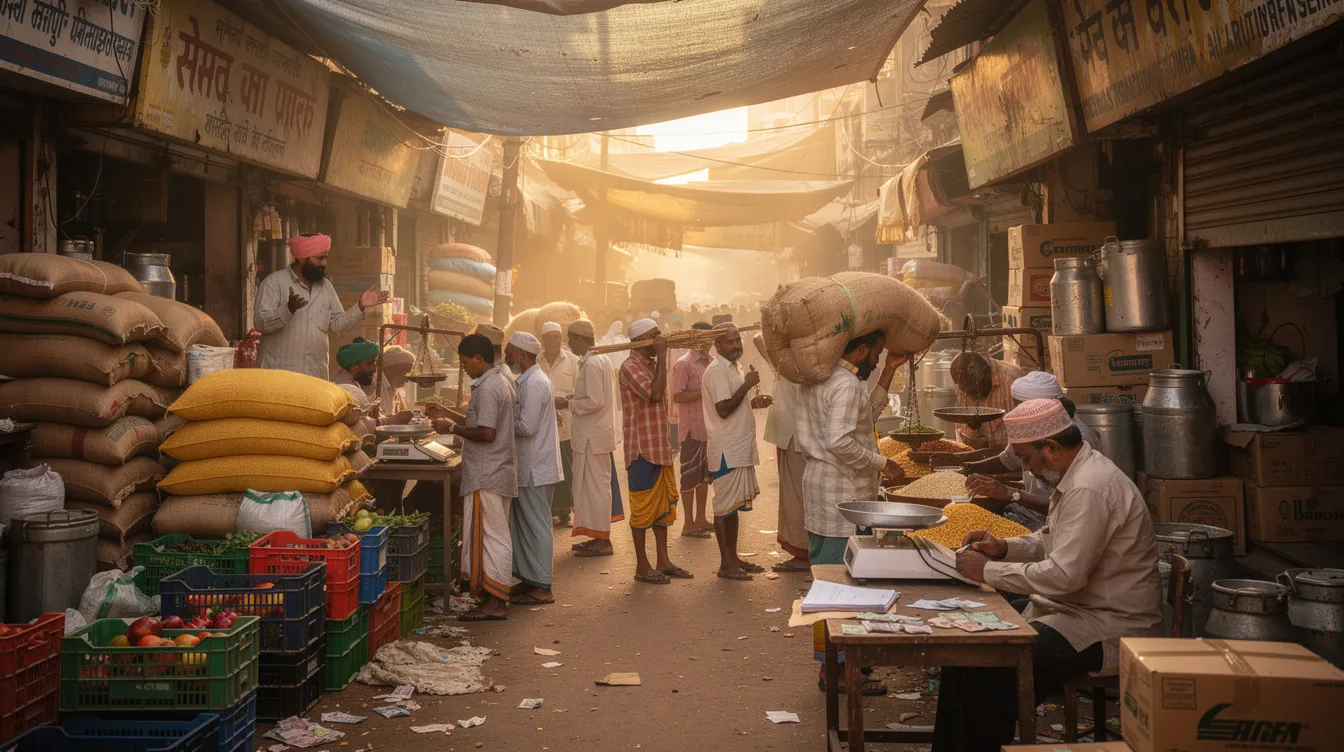
Table of Contents
Meaning of Trading and Trading Business
“Trading” simply means the exchange of goods or services between parties. A trading business takes this concept and turns it into a systematic, organized activity – buying and selling goods regularly for profit, with proper accounting, legal registrations, and operational processes in place.
There is a clear difference between a casual one-time trade between two people and a proper trading business. When your neighbour sells you an old phone, that is a simple transaction. But when someone maintains a registered shop, keeps inventory records, issues GST-compliant invoices, manages multiple suppliers, and serves dozens of customers every day – that is a trading business. A trading business buys goods to sell for profit through repeated, structured operations.
Consider a stationery trader in Delhi who purchases notebooks, pens, and art supplies from Sadar Bazaar in bulk and supplies them to schools and coaching centres across the city. Or think of an agricultural input trader in a Rajasthan village who stocks seeds, fertilizers, and pesticides and distributes them to farmers across several nearby villages. Both are trading businesses – they serve as links in the supply chain connecting producers to the people who actually use the products.
In a pure trading business, the product remains physically unchanged. Trading businesses do not manufacture products. However, the trader may add value through packaging, bundling, branding, or simply making the product available in a location where it is needed. Traders focus on procurement, logistics, and customer relationships rather than production processes.
A trading business can operate online or offline. You can run it from a physical space like a shop, a godown, or a market stall. You can also run it entirely through online marketplaces, your own website, or social media channels. Some traders operate part-time alongside a job; others build full-time empires. The flexibility is one of the biggest draws.
Difference Between Trade and Business (and Where Trading Fits)
People often use “trade” and “business” interchangeably, but they are not the same thing. Understanding the distinction helps you position your business venture correctly – especially for tax, licensing, and strategic purposes.
“Business” is a broad umbrella term that covers manufacturing, providing services, and trading goods. “Trade” specifically refers to the activity of buying and selling goods. A factory that manufactures biscuits is a manufacturing business. A Chartered Accountant’s firm offering audit services is a service business. A grocery wholesaler who buys rice and pulses from mills and sells to retailers runs a trading business. An online tutor providing coaching sessions is a service business. All are businesses, but only the wholesaler is in trade.
The simplest way to remember this: every trade is a business, but every business is not trade. If you are selling goods that you purchased from someone else without changing them, you are in trading. If you are creating the product yourself, you are in manufacturing. If you are providing expertise or labour as a deliverable, you are in services.
In the Indian legal and tax context – particularly under GST – trading is treated differently from manufacturing only in terms of how inputs and outputs are classified. The compliance framework, however, is broadly similar. Both traders and manufacturers must register for GST (if applicable), file regular returns, maintain invoices, and follow the same e-way bill rules for interstate movement of goods.
| Aspect | Manufacturing Business | Service Business | Trading Business |
|---|---|---|---|
| Core Activity | Produces/creates goods | Provides expertise or labour | Buys and resells finished goods |
| Capital Needed | High (machinery, plant) | Moderate (skills, tools) | Low to moderate (inventory) |
| Example | Biscuit factory | CA firm, salon | Grocery wholesaler |
| Product Change | Raw material transformed | No physical product | No change to product |
| Risk Profile | High | Moderate | Low to moderate |
Types of Trading Business in India
There are several distinct trading models you can choose from depending on your budget, experience, and target audience. Types of trading businesses include retailers and wholesalers, but the landscape is much wider. Let me walk you through each one.
Wholesale Trading
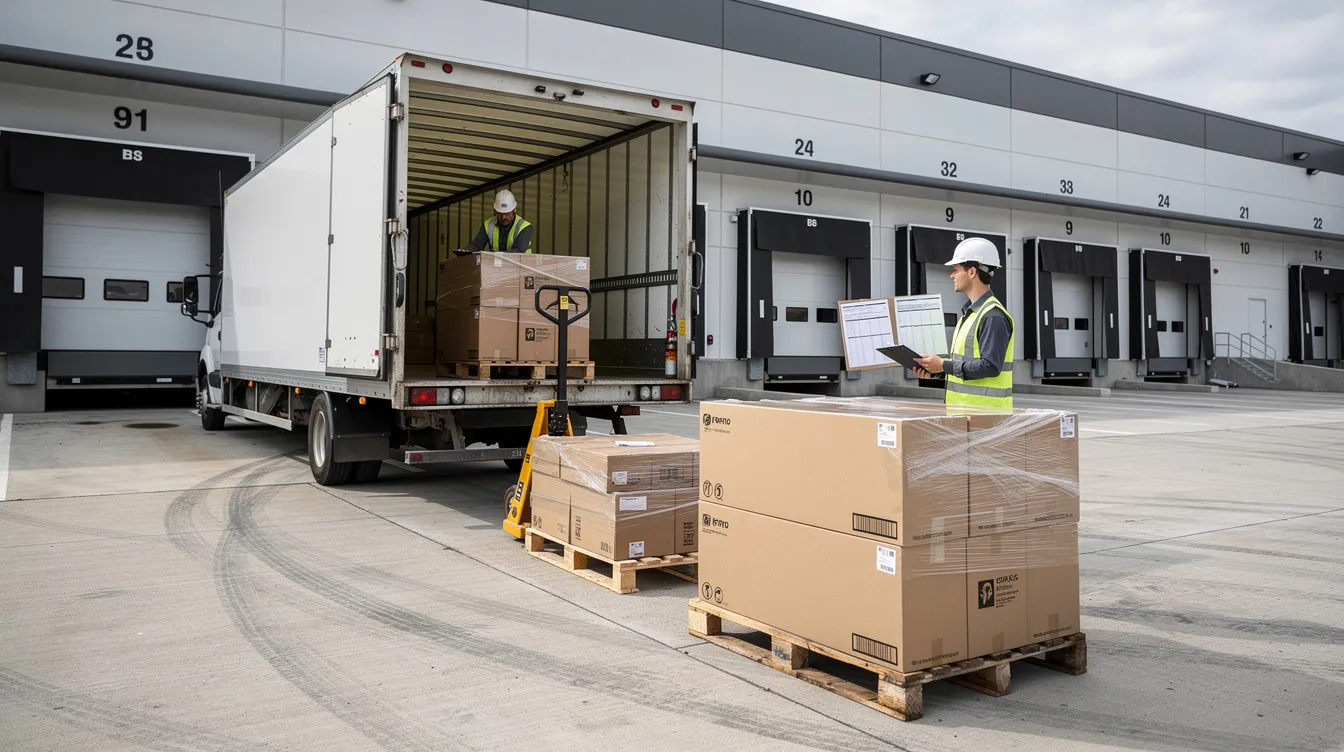
Wholesale trading involves buying goods in bulk from manufacturers and selling them in smaller quantities to retailers or other traders. Think of an FMCG distributor who buys truckloads of soaps, shampoos, and packaged foods and sells them to hundreds of kirana shops in a district.
Wholesale trading requires physical space – typically a godown or warehouse – and moderate investment for bulk inventory. The margins per unit are lower (often 5–15%), but the volume makes up for it. Working capital management is critical because you are buying large quantities upfront and often extending credit to retailers.
If you are exploring wholesale business ideas, FMCG, grocery staples, and building materials are among the most common entry points.
Retail Trading
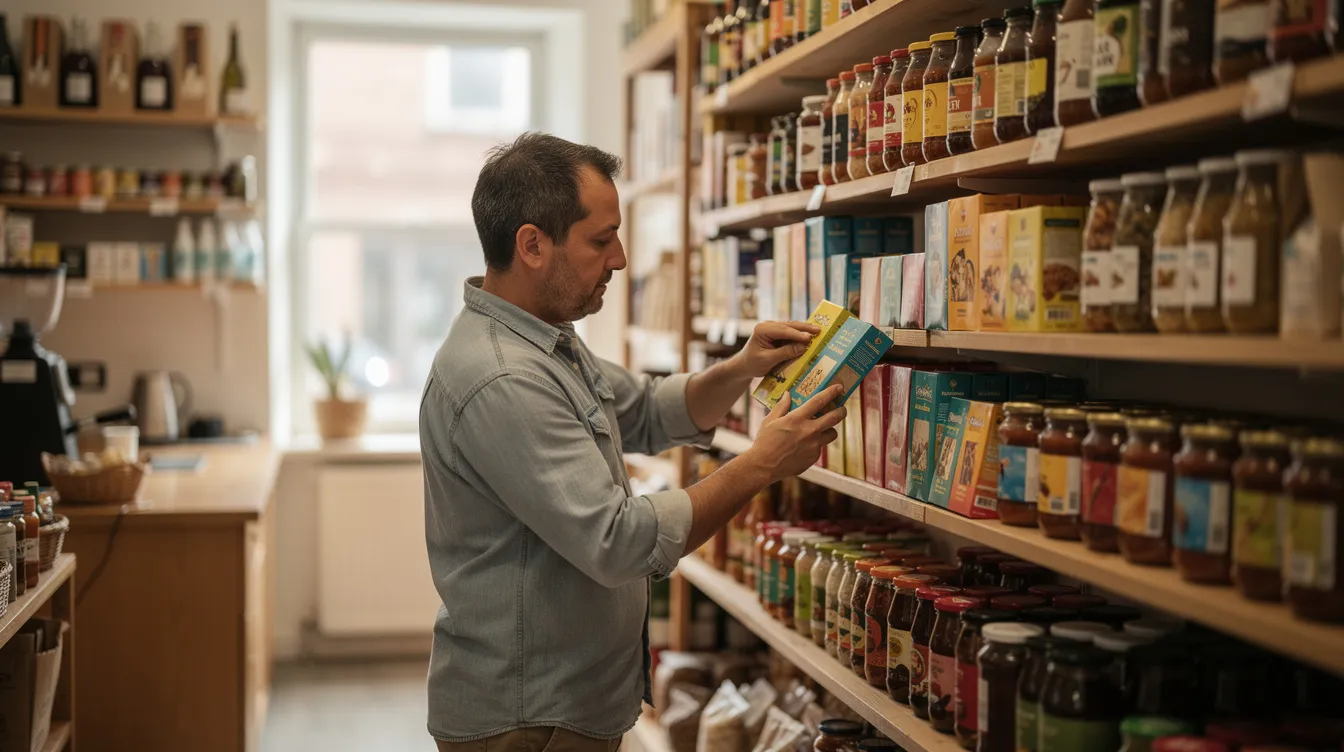
Retail trading means selling goods directly to consumers in small quantities – one shirt, one packet of biscuits, one phone case at a time. Kirana stores, garment shops, mobile accessories outlets, and cosmetics stores are all retail trading businesses.
Location is everything in retail. A shop in a busy market or near a residential colony will attract walk-in customers. Customer service, product display, and local reputation matter more here than in wholesale. If you are considering opening a shop, check out these shop business ideas for more inspiration.
Online Trading / E-Commerce Trading
E commerce trading in India has grown over 11% annually, making it one of the fastest-expanding channels for traders. Sellers list products on e commerce platforms like Amazon, Flipkart, and Meesho, or build their own websites.
The biggest advantage is that you skip expensive shop rent and get access to potential customers across India. The trade-off includes platform fees (typically 5–25% commission), handling returns, packaging costs, and the need for strong digital marketing skills. Online trading includes e-commerce and dropshipping business models, and even beginners can start with a small catalogue.
Dropshipping Business
In a dropshipping business, you do not hold any inventory. When a customer places an order on your website or marketplace listing, you forward that order to a supplier who ships directly to the customer. Your profit is the difference between your selling price and the supplier’s price.
This model requires minimal investment – sometimes just a laptop, an internet connection, and a good product listing. The risk is also lower since you are not stuck with unsold stock. However, you are highly dependent on reliable suppliers for quality and delivery timelines, and margins tend to be thinner. Drop shipping works best when you pick a focused niche and build a brand around it.
Import-Export Trading
Import-export trading involves trading goods internationally. You might export Indian textiles, handicrafts, spices, or agricultural products to overseas buyers, or import electronics, machinery parts, or specialty items from international markets into India.
This business type requires an importer exporter code (IEC), which costs just ₹500 as a one-time fee from DGFT. You also need to understand customs duties, packaging and labelling norms, and quality certifications depending on the product and destination country. While it involves more paperwork than domestic trading, the profit potential in international trade can be significantly higher.
Financial / Stock Market Trading
It is important to distinguish product trading from stock market trading. Financial trading involves buying and selling shares on exchanges like the Bombay Stock Exchange, dealing in commodities, derivatives, or mutual funds. This is an entirely different domain from the product trading business discussed in this article.
Stock market trading carries high risk due to market volatility, requires technical expertise, and is regulated by SEBI. While it can be highly profitable, it demands a very different skill set and mindset compared to trading goods. If someone says “trading business” in a conversation about entrepreneurship, they almost always mean buying and selling physical goods – not stocks.
Why Trading Business is Popular in India (Advantages)
India’s domestic consumption market is enormous and growing. With a rising middle class, rapid urbanisation, booming e commerce industry, and strong government push towards formalising MSMEs, trading businesses are thriving. As of early 2026, over 7.86 crore MSMEs are registered in India, contributing approximately 31.1% of GDP and 48.58% of total exports. A large chunk of these are trading enterprises.
Here is why trading remains one of the most attractive business models for Indian entrepreneurs:
- Low investment compared to manufacturing. You do not need machinery, a factory, or technical expertise. A grocery trading startup can begin with ₹50,000–₹2 lakhs in inventory.
- Faster time to launch. Sourcing products and setting up a shop or online store can happen in two to four weeks, compared to months for a manufacturing unit.
- No technical skills required. You do not need to know how to produce anything. You need to know how to buy well and sell well.
- Flexible product range. If one product category slows down, you can pivot to another without retooling a factory.
- Scalability. Start from a single room at home, expand to a shop, then to multiple cities or a pan-India e commerce presence.
- Quick cash flow cycle. With the right inventory turns, cash comes back fast – India Inc’s net working capital cycle improved to about 35 days in FY26.
- Suitable for home-based businesses. A homemaker can start a beauty products reselling business from home with ₹50,000–₹1 lakh, marketing via Instagram and WhatsApp, earning margins of 30–50% on cosmetics and personal care products.
- Works for students and part-timers. A college student running a mobile accessories trading business via Instagram can earn ₹15,000–₹30,000 monthly with an initial stock investment of ₹20,000–₹50,000.
- Small town and rural viability. Trading works in villages and small towns where manufacturing infrastructure does not exist. A trader supplying seeds, fertilizers, and everyday household items fills a critical gap.
- Government support ecosystem. Under schemes like Mudra Loan (PMMY), over ₹33.65 lakh crore has been sanctioned to small businesses. MSME registration on the Udyam portal – which now includes retail and wholesale traders – gives access to priority sector lending, credit guarantees, and government schemes.
- Digital payments reduce friction. UPI transactions have made it easier for even the smallest trader to accept payments without a POS machine.
- The furniture market in India is expected to grow at 11.62% CAGR, signaling increasing demand across multiple product categories – not just furniture, but building materials, home décor, and related goods.
GST input credit, MSME registration benefits, and digital platforms have collectively lowered the barriers for small trading business ideas to become real, profitable business ventures.
Common Challenges in Trading Business (and How to Handle Them)
Although trading is easy to start, it has real challenges that must be accounted for in your comprehensive business plan. Ignoring them leads to cash crunches, stock losses, and eventual shutdown. Here are the most common problems and practical ways to handle them.
1. Intense Price Competition
Price competition is a significant challenge in trading. When dozens of traders in the same market sell identical FMCG products, the only lever they pull is price – and that erodes margins for everyone.
How to handle it: Focus on niche products, better service, faster delivery, or value-added bundling. A trader who offers free delivery to nearby retailers or maintains better credit discipline will retain customers even at slightly higher prices.
2. Thin Margins
Grocery staples like atta, rice, and cooking oil carry margins of just 4–12% in online channels and 5–10% in offline kirana stores. After rent, transport, and salary costs, the net margin can be paper-thin.
How to handle it: Mix fast-moving, low-margin staples (which drive footfall) with higher-margin products like spices, beauty items, or specialty goods. Household goods and toiletries can yield 15–30% margins.
3. Working Capital and Credit Sales
Selling on credit can block cash flow for traders. You buy inventory with your own money, sell to a retailer on 15–30 day credit, and meanwhile need cash to restock. This cycle can choke a trading business.
How to handle it: Keep strict credit policies. Offer shorter credit periods. Use formal financing – MSME loans, bank overdrafts, or trade finance. Negotiate credit terms with your own suppliers so that your inflow and outflow cycles align.
4. Stock Damage, Expiry, and Obsolescence
Stock damage or expiry leads to financial losses. Food items spoil. Fashion items go out of style. Electronics accessories become irrelevant when new phone models launch. Trading businesses face risks such as price volatility and inventory damage regularly.
How to handle it: Follow FIFO (First In, First Out) and FEFO (First Expire, First Out) inventory management. Order in smaller, more frequent batches rather than huge bulk orders for perishable or trend-sensitive items. Inventory management is crucial for trading businesses.
5. Changing Market Demand
Market changes can shift demand unexpectedly. A product that flew off shelves last season might sit unsold this quarter due to fashion trends, new competition, or shifting consumer preferences.
How to handle it: Stay close to your customers. Visit retailers, read reviews, track what is selling on online marketplaces. Diversify your product range so you are not dependent on a single item.
6. GST Compliance and Bookkeeping
Many small traders struggle with GST return filing, invoice reconciliation, and maintaining proper records. Non-compliance leads to penalties and difficulty accessing bank finance later.
How to handle it: Invest in basic accounting software like Tally or Zoho Books. Hire a CA or tax consultant for periodic reviews. File returns on time, every time.
7. E-Commerce Specific Risks
If you are in e commerce trading, expect challenges like high return rates (especially in fashion), fake orders, platform commission eating into margins, and delayed payment settlements.
How to handle it: Choose platforms carefully. Understand the fee structure before listing. Use quality packaging to reduce damage-related returns. Build your own customer base through WhatsApp and social media alongside marketplace selling.
Examples of Popular Trading Business Ideas in India
This is not an exhaustive list, but a taste of sectors usually considered the best trading business options due to strong, consistent demand. For a much larger list, explore these top business ideas in India.
FMCG and Grocery Trading
FMCG trading ranks fourth among India’s economic contributors, and for good reason. Products like biscuits, soaps, shampoos, cooking oils, snacks, and cleaning supplies are fast moving products for trading with constant demand regardless of economic cycles.
- Investment: ₹2–10 lakhs for wholesale; ₹50,000–₹3 lakhs for retail
- Margins: 5–10% on staples, 15–30% on household and cleaning items
- Customers: Kirana shops, supermarkets, restaurants, households
- Space: Godown for wholesale, small shop for retail
This is a high-volume, low-margin game. Success depends on supplier relationships, route efficiency, and credit management.
Textile and Garment Trading
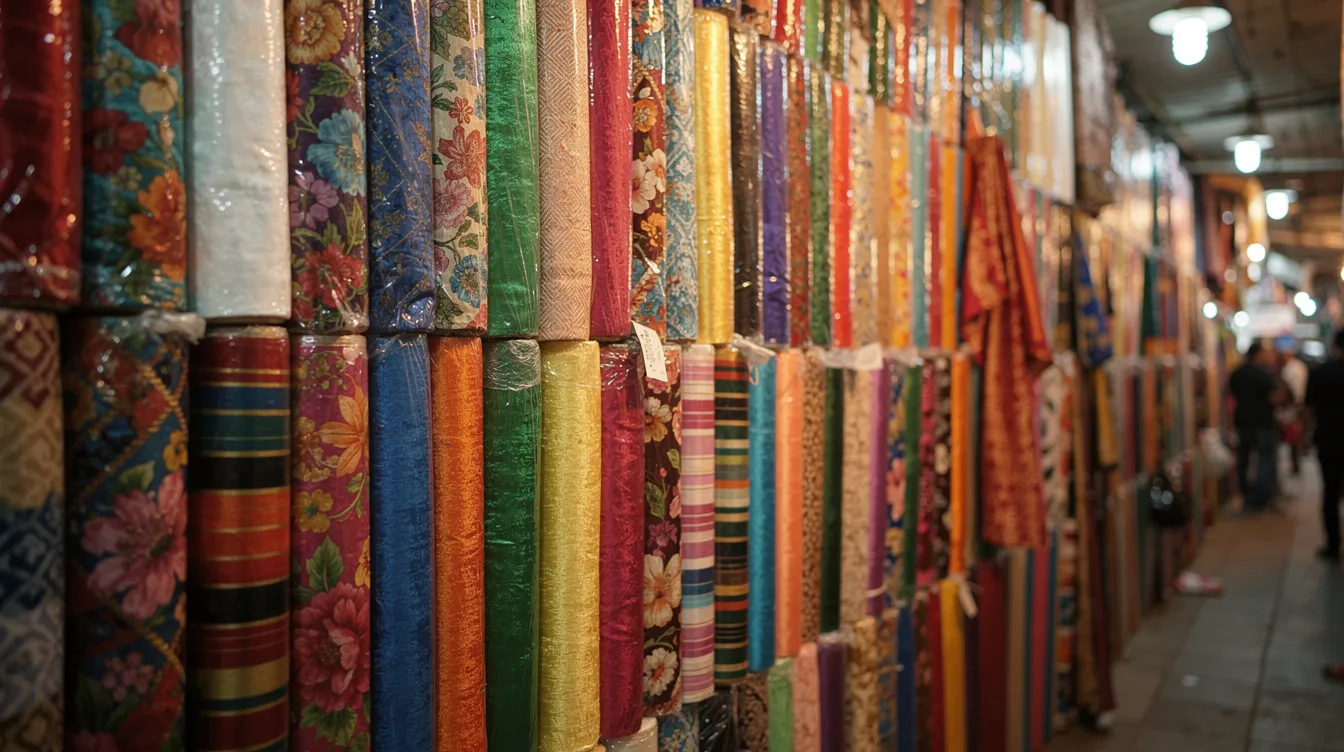
Textile trading connects producers with retailers or consumers. India’s textile hubs – Surat for synthetic fabrics, Tiruppur for knitwear, Kolkata for cotton sarees, Delhi for wholesale garments – offer enormous sourcing opportunities.
- Investment: ₹1–5 lakhs for online selling; ₹3–15 lakhs for a physical boutique
- Margins: 20–50% gross; 8–15% net after overheads
- Customers: Retail consumers, boutiques, wedding shoppers, export buyers
- Peak seasons: Weddings, Diwali, Eid, Navratri
If saree trading interests you, it is a lucrative idea with deep demand in both urban and rural India. Garments can also be sold through corporate events or online platforms.
Electronics and Mobile Accessories Trading
With smartphone penetration rising every year, mobile accessories like chargers, earphones, screen protectors, cases, and power banks see increasing demand. This is also a product category where you can start small.
- Investment: ₹1–5 lakhs
- Margins: 15–35% on accessories; lower on branded electronics
- Customers: Retail consumers, mobile repair shops, online buyers
- Risk: Obsolescence when new phone models launch
Stay updated with trends. Stock fast-selling items and avoid holding huge inventory of any single model-specific accessory. You can also explore electrical business ideas for related opportunities.
Stationery and Educational Supplies Trading
Stationery trading requires little capital and has constant demand from schools, colleges, coaching centres, and offices. Notebooks, pens, markers, chart paper, art supplies – the list is long and the products are non-perishable.
- Investment: ₹30,000–₹2 lakhs
- Margins: 15–35%
- Customers: Schools, coaching institutes, offices, students
- Space: Can work from home for B2B supply; small shop for retail
This is an excellent trading business for small town entrepreneurs and works well as a home-based B2B supply model. The startup costs are among the lowest of any trading business.
Beauty, Health, and Organic Products Trading
The urban and semi-urban demand for cosmetics, skincare, personal care, organic food, and health supplements is growing rapidly. This sector offers high profit margins (often 30–50% on cosmetics) and lends itself well to online trading.
- Investment: ₹50,000–₹3 lakhs
- Margins: 30–50% on beauty; 20–40% on organic and health foods
- Customers: Retail consumers, salons, gyms, health-conscious buyers
- Channels: Instagram, WhatsApp, own website, marketplaces
Pet care products are a related emerging niche. Pet care services and supplies, while still nascent, are growing fast in metros and can be combined with a broader health and wellness trading portfolio.
How to Start a Trading Business in India – Step-by-Step
Starting a simple domestic trading business typically takes two to six weeks if your documents and plan are ready. Here is the process broken down into manageable steps.
Step 1 – Choose the Right Product and Niche
Your entire business depends on picking the right product. Consider these factors: what is the market demand in your area? How much capital do you have? What products can you source reliably? What is the competition like?
Avoid jumping into heavily fragmented categories where dozens of traders already compete on price alone. Look for gaps – products that are in high demand but underserved locally. The furniture market in India, organic food, pet care, and specialty building materials are examples of categories with growing demand and less cutthroat competition than generic FMCG.
Step 2 – Conduct Basic Market Research
Conduct market research to understand demand and competition before spending a single rupee on inventory. Visit local markets. Talk to shopkeepers about what sells fast and what sits on shelves. Ask consumers what they wish was available locally.
Use Google Trends to check whether interest in your chosen product is growing or declining. Browse Amazon and Flipkart bestseller lists to see what is moving online. If you are targeting a small town or village, spend a few days observing purchasing patterns at local shops and trade fairs.
Step 3 – Prepare a Practical Business Plan
Prepare a business plan including investment and marketing strategies. This does not need to be a 50-page MBA document. A practical trading business plan should cover:
- Total estimated investment (inventory + rent + licences + working capital buffer)
- Sourcing strategy (who are your suppliers, what are their terms)
- Target audience and customer segments
- Pricing approach and expected margins
- Monthly sales projections for the first 6 months
- Basic risk analysis (what if demand drops, what if a supplier fails)
A well-thought-out comprehensive business plan separates the traders who survive from those who close within a year.
Step 4 – Register and Complete Legal Formalities
Register your business with the appropriate authority. Here are the key decisions and registrations:
- Business structure: Sole proprietorship (simplest), partnership, LLP, or private limited company. For most small traders, a sole proprietorship or partnership is sufficient. A private limited company makes sense when you plan to raise external funding or scale significantly.
- GST registration: Mandatory if your annual turnover exceeds the threshold (currently ₹40 lakhs for goods in most states, ₹20 lakhs in special category states). Even below the threshold, voluntary GST registration helps with credibility and input tax credit.
- Shop and Establishment licence: Required for any retail outlet, obtained from your state labour department.
- FSSAI registration: Mandatory if you are trading food products. Recent reforms effective from April 2026 have raised the basic registration threshold to ₹1.5 crore turnover, and licences now have perpetual validity.
- IEC (Importer Exporter Code): Required for import-export trading. One-time cost of ₹500 from DGFT.
- Local trade licence: From your municipal corporation.
Business registration as a proper legal entity builds trust with suppliers, banks, and customers.
Step 5 – Source Suppliers and Negotiate Terms
Identify reliable suppliers to ensure product quality. Visit manufacturer showrooms, attend trade fairs, browse B2B platforms like IndiaMART and TradeIndia, and ask for referrals from other traders in non-competing geographies.
When evaluating suppliers, compare prices across at least three to four sources. Check product quality through samples. Negotiate credit terms – even 15 days of supplier credit can dramatically ease your working capital pressure. Get agreements in writing, even if informal. Never depend on a single supplier; always have a backup.
For B2B trading opportunities, platforms like IndiaMART and TradeIndia can connect you with verified manufacturers across India.
Step 6 – Set Up Storage / Shop / Online Store
Depending on your business model, this could mean:
- Physical shop: Rent a space in a market or commercial area. Arrange display racks, signage, and basic furniture. Budget ₹50,000–₹3 lakhs depending on location and size.
- Warehouse/godown: For wholesale trading. Ensure it is dry, secure, and accessible for loading and unloading.
- Online store: Create an account on Amazon, Flipkart, or Meesho. Alternatively, build a simple website using Shopify or WooCommerce. Social media selling via WhatsApp Business and Instagram requires virtually no office space or huge investment – just a phone and a product catalogue.
Many new traders start without needing a dedicated physical space. Home-based reselling and digital platforms have made it possible to sell products to new customers without a traditional storefront.
Step 7 – Arrange Capital and Working Capital
Estimate your total capital need: inventory cost + first three months of rent + licence fees + marketing budget + a 20% buffer for unexpected expenses.
Funding sources for trading businesses:
- Personal savings and family contributions
- Bank overdraft facility
- Mudra Loan (up to ₹10 lakhs under PMMY, no collateral needed)
- MSME loans under CGTMSE scheme
- Supplier credit (effectively interest-free short-term financing)
Understand the working capital cycle in trading: Cash → Buy stock → Sell → Collect payment → Repeat. The faster your inventory turns, the less capital you need locked up. Avoid tying up money in slow-moving stock.
Step 8 – Start Marketing and Customer Acquisition
For offline trading: visit retailers and shopkeepers in your area, distribute business cards and pamphlets, attend local trade fairs, and build relationships through consistent service and competitive prices.
For online and digital marketing strategies:
- Set up a Google Business Profile for local visibility
- Use WhatsApp Business to share catalogues and take orders
- Create an Instagram page showcasing products with prices
- List on IndiaMART or TradeIndia for B2B leads
- Run targeted Facebook or Instagram ads for consumer products
Marketing does not require a huge investment. Consistency and responsiveness matter more than big budgets. Even ₹5,000–₹10,000 per month on digital marketing can generate meaningful results for a small trading business.
Step 9 – Implement Basic Accounting and Inventory Systems
Maintain a purchase register, sales register, stock register, and GST-compliant invoices from day one. This is non-negotiable.
Use simple accounting software like Tally, Zoho Books, or even a well-maintained Excel sheet in the beginning. Track every purchase, every sale, every payment. Reconcile your stock physically at least once a month.
If accounting is not your strength, hire a CA or a bookkeeper for periodic reviews. Proper records are not just about compliance – they help you understand which products are profitable, which are slow-moving, and where your cash is stuck.
Quick Recap Checklist:
- Pick product and niche
- Research the market
- Write a practical business plan
- Register and get licences
- Find and verify suppliers
- Set up shop, godown, or online store
- Arrange funding and working capital
- Launch marketing – offline and digital
- Maintain accounting and inventory records

Licences and Compliance for Trading Business in India
The exact licences you need depend on your product type (food, pharma, chemicals, electronics), your city, and your state’s rules. But traders must not ignore compliance – it protects your business and builds credibility.
Essential Registrations for Every Trader
| Registration | Purpose | Applicable To |
|---|---|---|
| PAN & Aadhaar | Identity and tax | All traders |
| Business Registration | Legal entity (proprietorship, partnership, LLP, private limited) | All |
| GST Registration | Tax compliance for goods sales | Turnover above threshold |
| Shop & Establishment Act | Labour law compliance for retail outlets | Physical shops |
| Local Trade Licence | Municipal permission to operate | All physical locations |
You need a business trade licence from your local authority to operate legally. This is separate from GST and typically issued by your municipal corporation or panchayat.
Sector-Specific Licences
- FSSAI: For anyone trading food products. Basic registration for turnover up to ₹1.5 crore (revised from April 2026). State licence for ₹1.5–₹50 crore. Central licence above ₹50 crore. Street food vendors registered with municipal authorities are now deemed registered under FSSAI, reducing duplicate compliance.
- Drug Licence: Required for trading medicines and certain cosmetics.
- BIS/ISI Compliance: For electrical items and safety equipment where Bureau of Indian Standards certification applies.
- Pollution Board Consent: For trading in chemicals or hazardous materials.
- IEC (Importer Exporter Code): For import-export trading. One-time ₹500 fee. No renewal but annual update on DGFT portal required.
MSME (Udyam) Registration
Since July 2021, retail and wholesale traders are officially included in the MSME definition. Registering on the Udyam portal gives you access to:
- Priority sector lending from banks at favourable rates
- Credit guarantee schemes (CGTMSE) for collateral-free loans
- Eligibility for government schemes and tenders
- Protection under delayed payment provisions
Regular GST return filing, proper invoicing, and maintaining clean financial records are not just compliance obligations – they directly affect your ability to get bank loans, supplier credit, and financial stability in the long run.
FAQ – Common Questions About Trading Business
Here are answers to questions that come up frequently but may not be fully covered in the main sections above.
Is trading business only about the stock market, or also about physical goods?
This is one of the most common confusions. When business consultants and entrepreneurs talk about “trading business,” they almost always mean a product trading business – buying and selling physical goods like groceries, garments, electronics, raw materials, or building materials. Stock market trading (buying and selling shares on the Bombay Stock Exchange, dealing in commodities, or investing in mutual funds) is a completely different activity. It falls under financial services, is regulated by SEBI, and carries different risk profiles. This article focuses entirely on product trading – selling goods for profit through wholesale, retail, or online channels.
Can I start a trading business part-time while doing a job?
Yes, and many people do. E commerce trading, social media reselling, and dropshipping business models are particularly well suited for part-time traders. You can list products on online platforms, take orders via WhatsApp, and handle shipping in the evenings or on weekends. Choose simple, non-perishable products that do not require daily monitoring. However, ensure you are not violating any employment contract clauses about outside business activities. Also, even a part-time trading business needs proper business registration and GST compliance if turnover crosses the threshold.
How much profit margin can I expect in a typical trading business?
Margins vary enormously by product category, scale, and location. Here are broad ranges:
| Product Category | Gross Margin Range |
|---|---|
| Grocery staples (rice, oil, flour) | 4–12% |
| Packaged snacks and foods | 12–25% |
| Garments and textiles | 20–50% |
| Mobile accessories | 15–35% |
| Beauty and cosmetics | 30–50% |
| Household and cleaning items | 15–30% |
| Spices and specialty items | 25–50% |
Remember, gross margin is not net profit. After deducting rent, transport, salaries, marketing, and GST costs, net margins will be lower. Your actual earnings depend on your negotiation skills, volume, and how efficiently you manage competitive prices and overhead.
Do I need a shop to start, or can I work fully from home?
Many modern trading models work entirely from home. Online reselling through Amazon, Flipkart, or Meesho requires no physical shop – just storage space for inventory (or none at all if you are dropshipping). B2B brokerage, where you connect buyers and sellers and earn a commission, can also be done from home with just a phone and internet connection. However, if you plan walk-in retail sales – like a garment shop or a grocery store – a physical shop with proper location and foot traffic is essential. Even home-based traders should get appropriate registrations to operate legally.
How do I know which trading business is best for my city or village?
This requires simple but diligent market research:
- Visit local markets. Observe what people are buying, which shops are busiest, and what products seem to be in short supply.
- Talk to shopkeepers. Ask what items they struggle to source or which products have long waiting lists from customers.
- Check what is missing. If your town has ten grocery stores but no dedicated stationery or beauty products supplier, that gap is an opportunity.
- Match with your budget and skills. A profitable business is one where market demand meets your available capital and your ability to manage the product category.
- Test before committing. Start with a small trial batch before placing a large order. Sell for two to four weeks and measure actual demand.
For more ideas tailored to smaller markets, explore these small town business ideas.
Starting a trading business is one of the most accessible paths to entrepreneurship in India. Whether you begin your business journey with ₹50,000 or ₹5 lakhs, the fundamentals remain the same: pick a product with real demand, find suppliers you can trust, stay compliant, keep your margins healthy, and treat every customer like they matter. The tools, platforms, and government schemes available in 2026 make this easier than it has ever been. The only step that cannot be outsourced is the decision to start.
- Integrated Value-Added Rice Products Processing Plant Project Report & DPR
- Integrated Rice Plant Bank Loan, Feasibility, ROI, IRR, Payback & Sensitivity Analysis

- Integrated Rice Processing Plant Financial Projections, Working Capital & DSCR

- Integrated Rice Products Revenue Model, Market Strategy & Profitability

- Integrated Value-Added Rice Plant Project Cost & Means of Finance

- Raw Material Procurement & Inventory Planning for Integrated Value-Added Rice Plant
- Common Utilities, Warehousing, Packaging & Material Handling for Integrated Rice Plant

- Integrated Rice Processing Plant Land, Building & Multi-Line Plant Layout – A Practical Guide for DPR & Bank Finance

- Integrated Rice Processing Plant Capacity Planning & Product Mix

- Integrated Value-Added Rice Plant Machinery & Equipment Cost – A Practical DPR-Oriented Guide

- Integrated Poha, Puffed Rice & Rice Snacks Manufacturing Process & Line Integration

- Instant Poha Manufacturing Plant Project Report & DPR – Bankable Guide by Project Report Bank

- Ready-to-Cook Rice Breakfast Mixes Manufacturing: Products, Process & Plant Setup

- Cup Poha Manufacturing, Packaging & Business Model – A Practical Guide for Entrepreneurs in India

- Instant Poha Market Potential, Pricing, Branding, Sales Channels & Distribution Strategy