
If you ask me which Indian state offers the widest range of profitable business opportunities right now, my answer is Karnataka-without hesitation.
In my 20+ years as a practicing Chartered Accountant, I have prepared project reports and bank loan documentation for entrepreneurs across India. But the volume of queries I receive for business ideas in Karnataka has grown sharply over the past three years. Students, working professionals, farmers, NRIs, housewives-everyone wants a piece of what Karnataka offers.
Karnataka has a strong industrial base and technology ecosystem that few states can match. Bengaluru is known as India’s technology capital, but the opportunities extend far beyond IT. From coffee plantations in Coorg to silk looms in Mysuru, from aerospace manufacturing in Belagavi to food processing units in Tumakuru-Karnataka offers a diverse range of business opportunities that cater to every budget and skill level.
This guide covers 45+ best business ideas across investment levels, sectors, and risk profiles. I have included real investment numbers, profit margins, government schemes, and practical advice based on what I have seen work on the ground.
Let’s get into it.

Table of Contents
Why Karnataka is India’s Top Business Destination
Karnataka’s economy is genuinely diversified. Unlike states that depend heavily on one or two sectors, Karnataka fires on multiple cylinders-information technology, biotechnology, aerospace, automotive, agriculture, tourism, and manufacturing all contribute meaningfully to the state’s GSDP.
Here is what makes Karnataka stand out:
- Silicon Valley of India: Bengaluru alone raised approximately USD 2.54 billion across 143 startup deals in H1 2025, retaining its position as India’s top startup city. Karnataka contributes significantly to India’s software exports, making it a magnet for venture capital funding and multinational corporations.
- Agricultural powerhouse: Karnataka is India’s largest coffee producer, accounts for over 70% of the country’s coffee output, leads in raw silk production, and is a major grower of spices, millets, and food grain.
- Multi-city industrial clusters: Bangalore handles IT and aerospace. Mysore drives software services and heritage tourism. Mangalore supports petrochemicals, port trade, and food processing. Hubballi-Dharwad, Belagavi, Tumakuru, and Shivamogga each have expanding manufacturing and MSME clusters.
- Government support: The Karnataka Startup Policy, Biotechnology Policy 2024-29, EV Policy, and Industrial Policy 2020-25 offer SGST reimbursements, capital subsidies, patent cost reimbursements, and single window clearance for project approvals.
- Skilled professionals: The state has a diverse talent pool from top universities-IISc, NITs, IIMs-and a strong infrastructure that supports various industries effectively.
Karnataka encourages startup growth in cities beyond Bengaluru through programs like LEAP and the ELEVATE scheme, which provides seed funding up to ₹50 lakhs with special tracks for women and SC/ST founders.
How We Evaluated the Best Business Ideas for Karnataka
Before recommending any business, I evaluate it against eight parameters that matter specifically in Karnataka’s economic environment:
| Evaluation Criteria | What We Assessed |
|---|---|
| Market Demand | Local, national, and export demand; sector priority in state policies |
| Investment Required | CapEx, working capital, machinery costs realistic for Karnataka |
| Profit Margins | Net margins after all operating costs; time to break even |
| Raw Materials & Workforce | Supply availability; proximity to agricultural or industrial clusters |
| Government Support | Eligibility under startup, biotech, EV, MSME schemes |
| Licensing Ease | FSSAI, drug approvals, environmental clearances, GST registration |
| Scalability | Room to grow within Karnataka and expand pan-India or export |
| Competition | Market saturation levels; scope for differentiation |
Every business idea below has been filtered through this framework using real market data, government policy documents, and my own experience preparing business plans and break even analysis for Karnataka entrepreneurs.
Top 15 Most Profitable Business Ideas in Karnataka
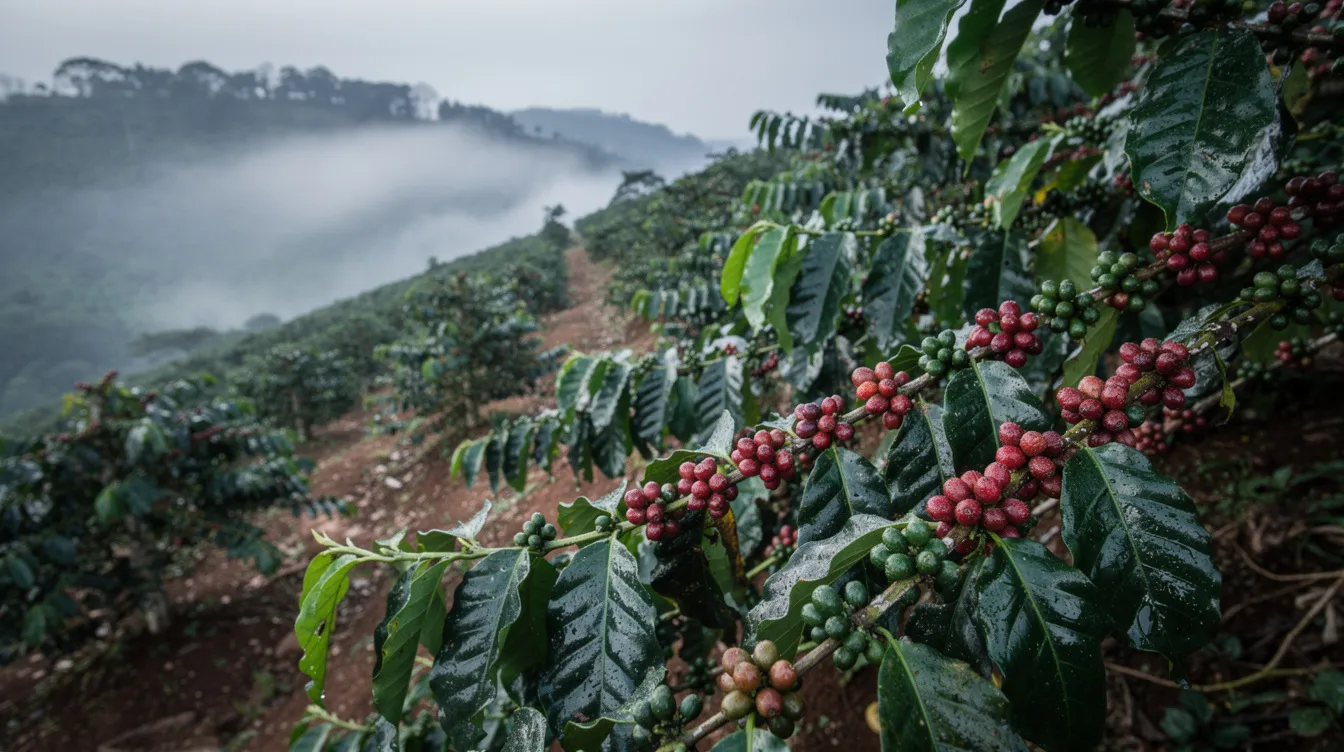
1. Coffee Processing and Export Business (Coorg/Chikmagalur)
Karnataka is India’s largest coffee producer, especially in Coorg. The state’s coffee plantations account for roughly 71% of India’s total coffee production, with Kodagu district alone contributing about 33%.
Why It Stands Out: Premium Arabica and Robusta varieties from Karnataka command higher margins in global specialty coffee markets. Companies like Curmeric International in Mysore already export origin-labelled, certified coffee.
- Best For: Entrepreneurs with ₹10-50 lakh investment capacity and agricultural background
- Investment Required: ₹15-40 lakh for coffee processing unit with pulping, drying, and grading machinery
- Expected ROI: 25-35% annually with export focus
- Raw Materials: Green coffee beans sourced directly from Coorg/Chikmagalur growers
- Licenses: FSSAI, Coffee Board registration, export documentation (APEDA)
- Government Schemes: Export promotion subsidies, PMEGP for processing units
- Risks: Weather dependency, fluctuating international prices, certification requirements
- Mudra Loan Available? Yes, under Kishore/Tarun category
- Project Report Required? Yes, essential for bank financing
2. IT Services and Software Development (Bangalore)
Bengaluru is known as India’s technology capital with thousands of startups and established software services companies. Karnataka’s IT sector significantly contributes to India’s software exports, creating a massive ecosystem of clients, talent, and infrastructure.
Why It Stands Out: Access to the world’s largest tech talent pool, established client networks, and a culture that supports digital innovation.
- Best For: Technical professionals with coding expertise and project management skills
- Investment Required: ₹5-15 lakh for office setup and initial working capital
- Expected ROI: 40-60% with international clients
- Key Strengths: Low infrastructure cost, high profit margins, global client base, remote work capability
- Risks: High competition, talent retention costs, currency fluctuation risks
- Mudra Loan Available? Yes, for small IT service firms
- Project Report Required? Yes, for any bank loan above ₹5 lakh
3. Biotechnology and Healthcare Startups
The state supports innovation in AI, electronics, and biotechnology. Karnataka’s Biotechnology Policy 2024-29 targets support for approximately 300 biotech firms through regulatory sandboxes, R&D incentives, incubation support, and commercialization pathways.
Why It Stands Out: Government support through biotech parks, a regulatory sandbox for faster commercialization, and proximity to world-class research institutions like IISc.
- Best For: Life sciences graduates and researchers with innovative healthcare solutions
- Investment Required: ₹20-75 lakh depending on research and development needs
- Expected ROI: 30-50% with successful product development (longer timeline)
- Key Strengths: Patent filing assistance, preferential procurement, growing domestic market
- Risks: Long development cycles, regulatory approvals, high R&D costs
- Mudra Loan Available? Limited; CGTMSE or ELEVATE funding more suitable
- Project Report Required? Absolutely-detailed DPR with clinical/R&D milestones
4. Organic Food Processing and Packaging
Karnataka has a robust tech ecosystem and agricultural resources. This combination makes it ideal for organic food processing-sourcing from organic farmers in rural Karnataka and selling to health-conscious consumers in Bengaluru, Mysuru, and export markets.
- Best For: Food technology professionals and entrepreneurs with supply chain knowledge
- Investment Required: ₹10-30 lakh for food processing units with packaging line
- Expected ROI: 20-30% with proper branding and distribution
- Key Strengths: Premium pricing, government organic certification support, export potential
- Licenses: FSSAI registration, organic certification (NPOP/PGS), GST registration
- Risks: Certification costs, supply chain challenges, competition from established brands
- Mudra Loan Available? Yes
5. Agritech and Smart Farming Solutions
Agritech solutions are critical due to Karnataka’s strong agricultural sector. With a large number of farmers growing diverse crops-from millets to spices-there is huge demand for technology-driven solutions covering precision farming, crop monitoring, and market linkage.
- Best For: Technology professionals with understanding of agricultural challenges
- Investment Required: ₹8-25 lakh for app development and hardware setup
- Expected ROI: 35-45% with successful farmer adoption
- Key Strengths: Government subsidies, large farmer base, export opportunities for solutions
- Risks: Farmer education needs, infrastructure challenges in rural areas
- Mudra Loan Available? Yes, under Kishore category
6. Tourism and Hospitality Services
Tourism in Karnataka attracts millions of visitors annually. The state offers everything-heritage sites in Hampi, hill stations in Coorg and Chikmagalur, beaches in Gokarna, wildlife sanctuaries, and eco-tourism experiences across the Western Ghats. Tourism in Karnataka includes nature and eco-tourism experiences that are increasingly popular with domestic and international travelers.
- Best For: Hospitality professionals and local entrepreneurs in scenic locations
- Investment Required: ₹15-50 lakh for accommodation and tour operator setup
- Expected ROI: 20-35% depending on location and service quality
- Key Strengths: Multiple revenue streams, government tourism incentives, growing domestic tourism
- Risks: Seasonal variations, infrastructure dependency in rural areas
- Travel business opportunities include homestays, adventure tourism, and curated heritage tours.
7. Spice Processing and Export
Karnataka’s Western Ghats produce premium cardamom, black pepper, and the GI-tagged Byadgi chilli. Export opportunities from Karnataka for spice processing are substantial-companies like Green Essence Ventures in Tumkur already export processed spices with full documentation.
- Best For: Entrepreneurs with food processing knowledge and export experience
- Investment Required: ₹12-35 lakh for processing and packaging facility
- Expected ROI: 25-40% with export focus for higher margins
- Raw Materials: Cardamom, pepper, chilli, turmeric sourced from Karnataka growers
- Licenses: FSSAI, Spices Board registration, ASTA compliance for exports
- Risks: Quality control requirements, international compliance standards
8. Silk Production and Textile Manufacturing
Karnataka produces nearly 45% of India’s total mulberry silk. In 2023-24, the state produced 12,463 metric tons of raw silk, representing 32% of India’s total raw silk production. The Silk Samagra-2 scheme has provided over ₹1,075 crore to approximately 78,000 beneficiaries.
- Best For: Textile professionals and entrepreneurs with design and marketing skills
- Investment Required: ₹18-45 lakh for modern weaving and finishing setup
- Expected ROI: 22-32% with brand development
- Key Strengths: Government textile incentives, export opportunities, premium product positioning
- Risks: Power costs, skilled weaver availability, design innovation needs

9. Electric Vehicle Component Manufacturing
Karnataka has approximately 5,765 public EV charging stations and contributes 8.5% of India’s automobile output. The state’s EV policy provides capital subsidies, stamp duty reimbursements, and investment promotion subsidies for electric vehicles component manufacturers.
- Best For: Automotive engineers and manufacturers with technical expertise
- Investment Required: ₹25-60 lakh for component manufacturing setup
- Expected ROI: 30-45% with large OEM contracts
- Key Strengths: Government subsidies, increasing demand, proximity to 7+ OEMs and 50+ auto component manufacturers
- Risks: Technology changes, capital intensive, strict quality requirements
- Equipment: CNC machines, testing equipment, assembly line setup
10. Digital Marketing and Content Creation Services
With thousands of startups and traditional businesses going digital, there is high demand for digital marketing services in Karnataka. The market potential extends beyond Bangalore-businesses in Mysore, Mangalore, and tier II cities are actively seeking online presence.
- Best For: Marketing professionals and creative individuals with digital skills
- Investment Required: ₹3-8 lakh for office setup and initial marketing
- Expected ROI: 45-65% with retained clients
- Key Strengths: Low setup costs, high margins, scalable business model, remote work capability
- Risks: High competition, client retention challenges, continuous skill upgradation
11. Renewable Energy Solutions
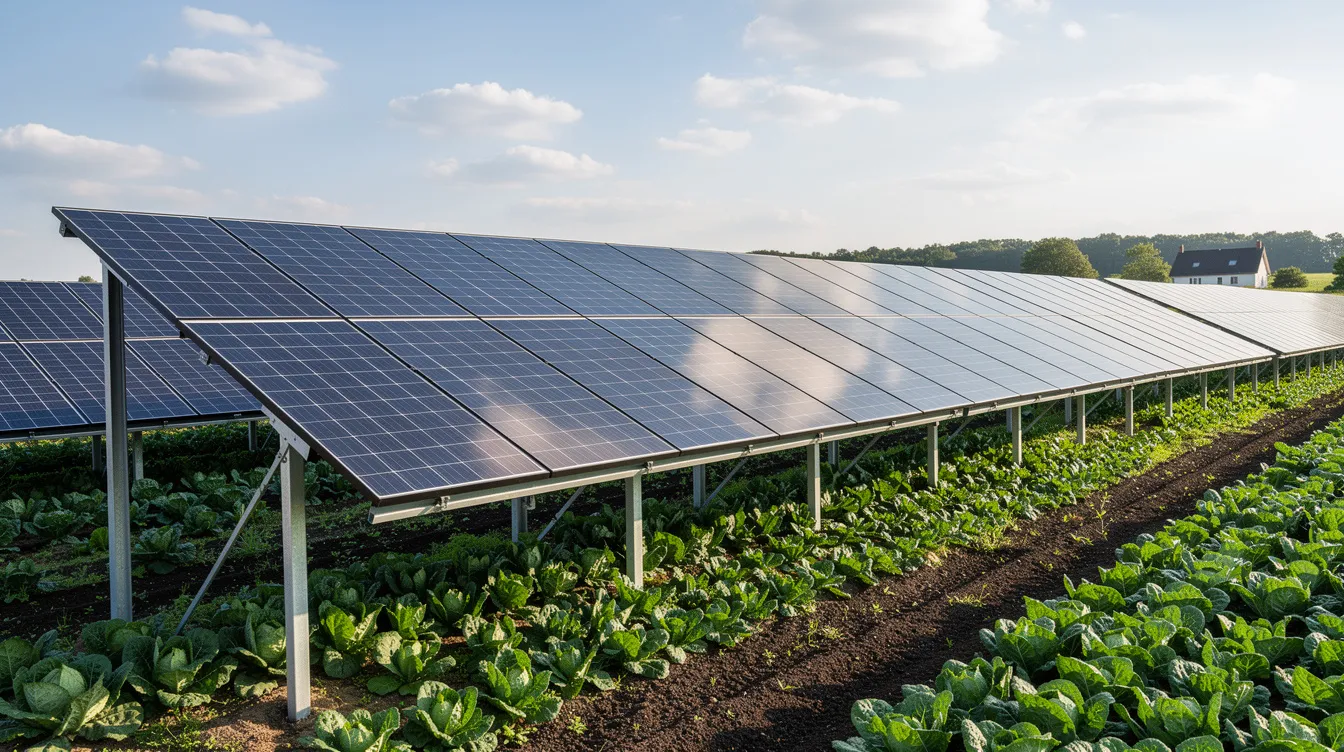
Karnataka’s salubrious climate and geography support both solar and wind energy projects. The state government has aggressive renewable energy targets, and generating electricity through solar installations for commercial and residential clients is a growing business.
- Best For: Engineers with renewable energy knowledge and project management skills
- Investment Required: ₹20-75 lakh depending on project scale
- Expected ROI: 18-28% with long-term power purchase agreements
- Key Strengths: Government incentives, long-term contracts, natural resources availability
- Risks: Grid connectivity issues, policy changes, high initial capital
12. Food and Beverage Franchise Operations
Established brands are expanding across Karnataka’s urban centers. For first time entrepreneurs, franchise operations reduce risk significantly through proven business models.
- Best For: Retail professionals and budding entrepreneurs seeking established brands
- Investment Required: ₹8-30 lakh depending on franchise brand and location
- Expected ROI: 20-35% with proper location and operations
- Key Strengths: Brand support, proven systems, financing assistance
- Risks: Franchise fees, limited autonomy, territorial restrictions
13. Healthcare and Diagnostic Services
Growing healthcare needs in both urban and rural Karnataka create profitable business opportunities. Government health schemes and insurance coverage expansion drive consistent demand for diagnostic centers and specialty clinics.
- Best For: Healthcare professionals and entrepreneurs with medical industry knowledge
- Investment Required: ₹15-50 lakh for diagnostic center setup
- Expected ROI: 25-40% with proper location and service quality
- Key Strengths: Essential service status, government scheme payments, growing health awareness
- Licenses: Drug license, clinical establishment license, biomedical waste authorization
- Risks: Regulatory compliance, skilled staff requirements, equipment costs
14. E-commerce and Online Retail
D2C consumer brands benefit from Karnataka’s logistics and digital ecosystem. With high digital adoption in cities and rapidly improving internet penetration in rural areas, e-commerce is among the most profitable businesses for entrepreneurs with product sourcing expertise.
- Best For: Retail professionals with product sourcing and digital marketing skills
- Investment Required: ₹5-20 lakh for inventory and platform setup
- Expected ROI: 25-45% with effective marketing and inventory management
- Key Strengths: Wide market reach, lower operational costs, data-driven insights, scalability
- Risks: High competition, logistics costs, customer acquisition costs
15. Education and Skill Development Centers
Karnataka’s young population and the industry’s appetite for skilled professionals create steady demand for quality training centers.
- Best For: Educators and entrepreneurs with industry expertise
- Investment Required: ₹10-25 lakh for training center setup and certification
- Expected ROI: 30-45% with successful placement records
- Key Strengths: Government certification programs, industry partnerships, recurring revenue model
- Risks: Faculty costs, infrastructure requirements, placement pressures
Quick Comparison of Top Business Opportunities
| Business Idea | Best For | Investment Range | Expected ROI | Risk Level |
|---|---|---|---|---|
| Coffee Processing | Agricultural entrepreneurs | ₹15-40 lakh | 25-35% | Medium |
| IT Services | Technical professionals | ₹5-15 lakh | 40-60% | Medium |
| Biotechnology | Research entrepreneurs | ₹20-75 lakh | 30-50% | High |
| Organic Food | Supply chain experts | ₹10-30 lakh | 20-30% | Medium |
| Agritech | Tech professionals | ₹8-25 lakh | 35-45% | Medium |
| Tourism | Hospitality experts | ₹15-50 lakh | 20-35% | Medium |
| Spice Export | Food industry pros | ₹12-35 lakh | 25-40% | Medium |
| Silk/Textile | Design entrepreneurs | ₹18-45 lakh | 22-32% | Medium |
| EV Components | Automotive engineers | ₹25-60 lakh | 30-45% | High |
| Digital Marketing | Creative professionals | ₹3-8 lakh | 45-65% | Low |
| Renewable Energy | Engineers | ₹20-75 lakh | 18-28% | Medium |
| Franchise Operations | First-time entrepreneurs | ₹8-30 lakh | 20-35% | Low |
| Healthcare/Diagnostics | Medical professionals | ₹15-50 lakh | 25-40% | Medium |
| E-commerce | Retail professionals | ₹5-20 lakh | 25-45% | Medium |
| Skill Development | Educators | ₹10-25 lakh | 30-45% | Low |
How to Choose the Right Business for Your Situation
Choose Based on Investment Capacity
- Under ₹10 lakh: Digital marketing, online retail, content creation, home-based food delivery, mobile repair services, online tutoring
- ₹10-30 lakh: Organic food processing, spice export, franchise operations, diagnostic services, skill development centers
- ₹30-50 lakh: Coffee processing, textile manufacturing, tourism ventures, healthcare clinics
- Above ₹50 lakh: Biotechnology startups, renewable energy, large-scale manufacturing, bottling plant operations, multi-location ventures
Choose Based on Your Professional Background
- Technical professionals: IT services, agritech, biotechnology, renewable energy, security solution development
- Agricultural background: Coffee processing, organic farming, spice export, agritech solutions
- Healthcare professionals: Diagnostic services, biotechnology, wellness centers, medical device distribution
- Business/Marketing background: Digital marketing, franchise operations, e-commerce, education services
Choose Based on Risk Tolerance
- Low risk: Franchise operations, established service businesses, government-backed schemes
- Medium risk: Food processing, tourism, retail, skill development centers
- High risk: Biotechnology startups, new technology ventures, export-focused manufacturing
Investment-Based Business Categories
Low Investment (Under ₹5 Lakh)
These low investment business ideas are ideal for students, housewives, and professionals starting their own business:
- Home-based food delivery and cloud kitchen
- Digital marketing consultancy
- Online tutoring and coaching
- Content creation and freelancing
- Handicrafts export through online marketplaces
- Mobile repair and security service operations
- Beauty salon (home-based)
- Tailoring and boutique business
Expected returns: 30-60% margins with minimal overhead. Scaling potential is excellent with digital reach.
Medium Investment (₹5-25 Lakh)
- Small food processing units (millets, snacks, pickles)
- Retail outlets and shop-based businesses
- Diagnostic sample collection centers
- Skill development and coaching centers
- Transport and logistics services
- Electrical contracting and solar installation
- Printing and packaging services
Total capital investment in this range typically splits 60% on fixed assets and 40% on working capital.
High Investment (₹25 Lakh+)
- Manufacturing units for auto components, packaging materials
- Large-scale food processing and export operations
- Hospitality ventures (resorts, hotels)
- Healthcare facilities and multi-specialty clinics
- Technology startups with deep-tech focus
- Renewable energy projects
- EV component manufacturing process units
Financing options include term loans, CGTMSE-backed collateral-free loans, and state-specific capital subsidies. A professionally prepared project report is non-negotiable for these investments.
Government Support and Schemes Available in Karnataka
Karnataka has a strong startup ecosystem supported by government initiatives. Here are the key schemes every Karnataka entrepreneur should know:
| Scheme | Benefit | Eligible For |
|---|---|---|
| Mudra Loan (Shishu) | Up to ₹50,000 | Micro businesses, street vendors |
| Mudra Loan (Kishore) | ₹50,001 – ₹5 lakh | Growing small businesses |
| Mudra Loan (Tarun) | ₹5-10 lakh | Established MSMEs seeking expansion |
| PMEGP | Up to ₹50 lakh (manufacturing) | New manufacturing and service enterprises |
| CGTMSE | Collateral-free loans up to ₹5 crore | MSMEs with Udyam registration |
| ELEVATE Karnataka | Up to ₹50 lakh seed funding | Registered Karnataka startups |
| DeepTech Decade | ₹50 lakh – ₹2 crore | AI, quantum, robotics, XR startups |
Karnataka’s Startup Policy 2026-2030 encourages entrepreneurship through SGST reimbursement, incubation support, mentoring, and market access programs. The Karnataka government offers funding support for early-stage startups through KITVIN with investments ranging from ₹50 lakhs to ₹2 crore.
The Karnataka Innovation Authority Act supports startup growth by streamlining regulatory approvals and creating innovation sandboxes.
Karnataka offers subsidised loans through Mudra and state corporations. Women entrepreneur schemes include ELEVATE Shakti with reserved seats in incubators and special application tracks.
The state government uses a single window clearance system through Invest Karnataka for incentive claims and project approvals-this significantly reduces the time from application to disbursement.
Documents Required for Bank Loan and Business Setup
In my experience, incomplete documentation is the single biggest reason business loan applications get rejected. Here is exactly what you need:
- Detailed Project Report (DPR) prepared by a qualified CA with financial projections, break even analysis, and profitability estimates
- CMA Report for loans above ₹5 lakh with working capital assessment
- Udyam Registration certificate for MSME benefits-Udyam registration provides MSMEs access to collateral-free loans
- GST registration and trade license from local municipal authorities
- Environmental clearances for manufacturing units (Karnataka State Pollution Control Board)
- Industry-specific licenses: FSSAI for food processing, Drug license for healthcare, Coffee Board registration for coffee processing
- Land documents and building approvals for fixed asset financing
- Promoter KYC documents, experience certificates, and financial statements (last 2-3 years if existing business)
A professionally prepared project report is not optional-it is the foundation of your business loan application. Banks evaluate your target market, manufacturing process, total capital investment, and projected cash flows through this document.
Common Mistakes Entrepreneurs Make in Karnataka
After helping hundreds of Karnataka entrepreneurs with their financing, here are the mistakes I see repeatedly:
- Underestimating working capital: Most entrepreneurs budget for machinery and forget about 3-6 months of operating expenses. Your business needs cash flow to survive the initial months before revenue stabilizes.
- Ignoring regulatory compliance: Environmental clearances, food safety licenses, and fire safety certificates are not afterthoughts. Getting caught without them is expensive and can shut you down.
- Poor market research: Overestimating demand because “everyone is doing it” is not research. Talk to customers, visit competitors, study the target market before committing capital.
- Not leveraging government schemes: I have seen entrepreneurs pay full interest on loans when they qualified for 25-35% capital subsidy. Check eligibility before you finalize your business loan structure.
- Choosing wrong locations: A manufacturing unit needs proximity to raw materials and transport corridors. A retail business needs foot traffic. Simple, but frequently ignored.
- Neglecting digital presence: Even traditional businesses in Karnataka need a strong infrastructure for online visibility. Budget for it from day one.
- Skipping professional CA guidance: This is not self-promotion-it is a fact. Improper tax structure, missing compliance, and weak financial projections cost more than any CA fee ever would.
Future Business Trends in Karnataka (2026-2030)
The emerging business opportunity landscape in Karnataka is shifting rapidly. Here is where the business growth will be strongest:
- Electric vehicle ecosystem: Component manufacturing for motors, power electronics, battery modules. Karnataka’s EV policy and proximity to automotive OEMs make this sector primed for growth.
- AI and machine learning: The DeepTech Decade Initiative has committed ₹663 crore. Applied AI across healthcare, agriculture, and manufacturing will see substantial state funding. Sustainable business solutions are increasingly in demand in Karnataka.
- Green manufacturing: Sustainable packaging, waste recycling, and eco-friendly manufacturing process innovations-all have growing market potential and government backing.
- Biotechnology: Molecular biology, health-tech, agri-bio innovations under the Biotechnology Policy 2024-29. Regulatory sandboxes will speed up commercialization.
- Food exports: Specialty coffee, GI-tagged spices, processed millets, and organic produce for global markets. The industry is expanding rapidly.
- Renewable energy and energy storage: Solar installations, micro-grid solutions, and battery storage for commercial clients.
- Agritech and precision farming: IoT-based crop monitoring, drone services, and marketplace platforms connecting farmers to companies and customers directly.
Frequently Asked Questions
Which is the most profitable business in Karnataka with low investment?
Digital marketing services, online tutoring, and content creation are among the most profitable businesses you can start under ₹5 lakh in Karnataka, offering 40-65% margins.
What manufacturing business is best to start in Karnataka in 2026?
EV component manufacturing, food processing, and spice processing are top manufacturing business ideas given Karnataka’s industrial clusters and government subsidies.
Can I get Mudra Loan for business in Karnataka? What is the process?
Yes. Apply through any scheduled bank with your business plan, KYC documents, and Udyam registration. Mudra Loan categories cover ₹50,000 to ₹10 lakh without collateral.
Which business has highest demand in Bangalore specifically?
IT software services, digital marketing, cloud kitchen operations, and healthcare diagnostics have the highest demand given Bangalore’s tech-savvy population and large number of working professionals.
What are the best rural business opportunities in Karnataka?
Coffee processing, organic farming, silk production, dairy processing, and agritech solutions are the best small business ideas for rural Karnataka with strong government support.
How much investment is required to start coffee processing business?
₹15-40 lakh covers processing machinery, drying yards, storage, and initial working capital. A business loan through PMEGP can cover up to 90% of the project cost.
Which government schemes support women entrepreneurs in Karnataka?
ELEVATE Shakti, Udyogini scheme, Stand Up India, and Mudra Loan all provide financial and mentoring support specifically for women entrepreneurs in Karnataka.
What licenses are required for food processing business in Karnataka?
FSSAI registration or license, GST registration, trade license, pollution control NOC, and fire safety certificate. For exports, APEDA registration is also needed.
Is biotechnology business profitable in Bangalore? Yes, though timelines are longer. With biotech park access, incubation support, and the Biotechnology Policy 2024-29, Bangalore offers India’s best ecosystem for biotech ventures.
What are export opportunities from Karnataka for small businesses?
Coffee, spices (Byadgi chilli, pepper, cardamom), silk products, IT software services, and organic food products have strong export demand from Karnataka.
How to get project report for bank loan in Karnataka?
Engage a qualified Chartered Accountant who understands your sector. The project report should include market analysis, technical details, financial projections, and break even analysis.
Which cities in Karnataka are best for manufacturing business?
Tumakuru, Hubballi-Dharwad, Belagavi, Mysuru, and Mangaluru offer industrial land, strong infrastructure, and proximity to ports or highways for manufacturing units.
What is the minimum investment for IT services business in Bangalore?
You can start an IT services firm with ₹5-8 lakh covering coworking space, laptops, software licenses, and initial marketing costs.
Are there any textile business opportunities in Karnataka?
Absolutely. Karnataka produces nearly 45% of India’s total mulberry silk. Opportunities include silk garment manufacturing, value-added silk products, and fabric recycling.
What renewable energy business can be started with ₹20 lakh investment?
Rooftop solar installation services for residential and commercial clients can be started with ₹20 lakh, offering 18-25% annual returns.
How profitable is tourism business in Karnataka hill stations?
Homestays and boutique resorts in Coorg, Chikmagalur, and Sakleshpur offer 25-35% ROI with proper online marketing and service quality.
What are the requirements for starting agritech business in Karnataka?
Technical skills in IoT/mobile development, understanding of farming challenges, Udyam registration, and initial investment of ₹8-25 lakh for product development and farmer outreach.
Which franchise opportunities are most successful in Karnataka?
Food and beverage franchises (QSR chains, cafe concepts), education franchises, and dealership business models perform well in Karnataka’s urban and semi-urban markets.
What skill development business can be started with government support?
IT skills training, spoken English, industrial automation, and healthcare technician courses qualify for government partnership and NSDC funding under Skill India Mission.
How to start export business from Karnataka with minimal investment?
Register with DGFT for IEC code, obtain product-specific certifications (FSSAI, Spices Board), and start by aggregating from local producers. Initial investment: ₹5-15 lakh for documentation, sampling, and buyer outreach.
Final Thoughts
Karnataka is not just a state with profitable business opportunities-it is a complete ecosystem designed for entrepreneurial success. Whether you are a student in Bangalore with ₹3 lakh or an NRI with ₹50 lakh to invest, there is a business in Karnataka that matches your skills, budget, and risk appetite.
But let me be direct: the difference between businesses that succeed and those that struggle almost always comes down to preparation. A solid project report, proper licensing, realistic financial projections, and awareness of government schemes-these are not optional extras. They are the foundation.
Karnataka offers everything-natural resources, skilled professionals, strong infrastructure, government initiatives, and a culture that respects entrepreneurship. The market potential is real. The sectors are expanding. The support systems exist.
What remains is your decision to take the first step with proper planning.
About the Author
I am CA Manish Gugliya (FCA, DISA ICAI), a practicing Chartered Accountant with over 20 years of experience in preparing Project Reports, CMA Reports, Bank Loan Documentation, Startup Advisory, Business Valuation, Financial Planning, and Pitch Decks for entrepreneurs across India.
Need Help Getting Started?
If you are serious about starting a business in Karnataka, get your documentation right from the beginning. At ProjectReportBank.com, you can access:
- Customized Project Reports for bank loans
- CMA Reports with working capital assessment
- DPR for PMEGP, Mudra, and CGTMSE applications
- Investor Pitch Decks and Startup Financial Models
- Business Valuation Reports
- Manufacturing Feasibility Reports
A well-prepared project report is the single most important document between your idea and your funding. Get it right.
- Dal Mill Power Consumption, Dryers & Utility Requirements – Complete Guide


- Dal Mill Colour Sorter, Grading, Polishing & Packaging Machinery – Types, Capacity, Cost & Selection Guide

- Pulse Conditioning, Dehusking & Splitting Process – Improving Dal Recovery

- Dal Mill Recovery Ratio, Dal Yield, Broken Percentage & Milling Losses

- Masoor Dal Processing Plant Project Report & DPR in India

- Chana Dal Manufacturing Plant Project Report & DPR in India

- Urad Dal Mill Project Report & DPR in India

- Moong Dal Processing Plant Project Report & DPR in India

- Toor Dal (Arhar Dal) Mill Project Report & DPR in India

- Fully Automatic vs Semi-Automatic Dal Mill – Cost, Efficiency & Investment Comparison

- Dal Mill Land, Building & Plant Layout Requirements in India

- Dal Mill Capacity Planning – 5 TPD, 10 TPD, 20 TPD & 50 TPD Plants

- Dal Milling Process & Flow Chart – Cleaning, Dehusking, Splitting & Packaging

- Dal Mill Machinery, Equipment & Cost – Complete Plant Guide

- Dal Mill Plant Setup Cost in India – Investment & Cost Breakdown