
Introduction to Delhi NCR Business Landscape
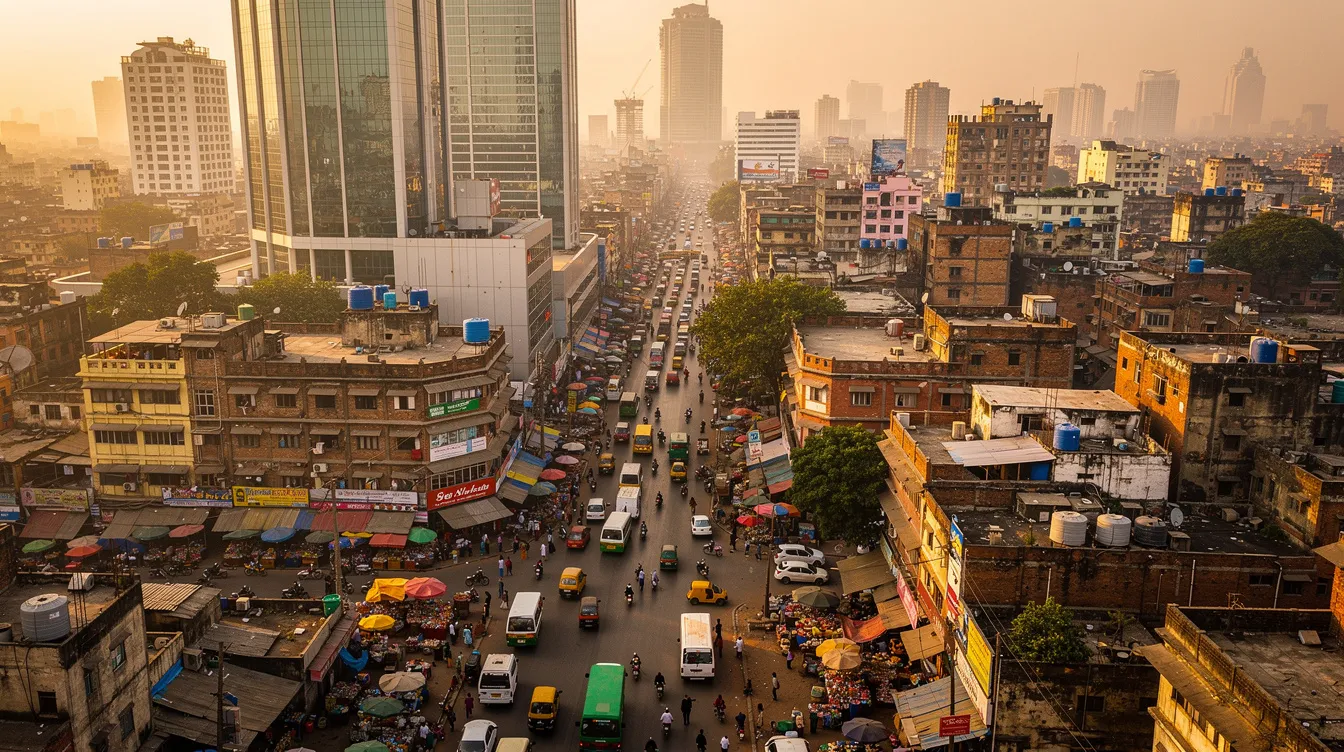
Delhi NCR is not just India’s capital region – it is the country’s most dynamic marketplace. With over 30 million residents, a GDP exceeding ₹11 lakh crore, and a consumer base that spans from middle class to ultra-wealthy households, few cities offer the sheer range of business opportunities that Delhi does.
What makes Delhi NCR special for aspiring entrepreneurs? Consider the fundamentals: strategic location connecting north India’s supply chains, legendary wholesale markets like Chandni Chowk and Sadar Bazaar, industrial clusters in Okhla, Bawana, and Narela, plus a startup ecosystem backed by supportive government policies. Delhi’s GSDP has been growing at approximately 9.12% CAGR, and the city’s urban population is increasingly investing in startups and small businesses.
Consumers here demand both high-end and budget-friendly products, and Delhi’s diverse market supports multiple industries – from food and retail to IT services and manufacturing. The Delhi Startup Policy aims to transform the city by 2030, making this the right time to launch your own venture.
In this guide, I have compiled the most profitable business ideas in Delhi NCR based on real-world financial feasibility, not theory. Whether you have ₹50,000 or ₹50 lakhs, there is a viable path for you.
How We Chose the Best Business Ideas for Delhi NCR
Every business idea in this list was evaluated against seven hard criteria that matter to anyone preparing a business plan or seeking bank finance:
- Investment requirements and capital efficiency – How much money do you actually need, and how far does each rupee go?
- Profit margin potential and ROI – What are realistic net margins after operational costs?
- Market demand and growth potential – Is the market growing in the Delhi NCR region, or saturated?
- Scalability – Can this small business grow into a medium enterprise without a complete overhaul?
- Regulatory compliance and ease of setup – How many licenses, and how long does it take?
- Competition levels and market saturation – Are you entering a crowded field or an underserved niche?
- Suitability for Mudra Loan and MSME benefits – Can you access collateral-free government finance?
Current investment trends focus on durable demand and scalable business models. I have prioritized ideas where Delhi entrepreneurs can realistically break even within 12–24 months.
Table of Contents
Top 15 Most Profitable Business Ideas in Delhi NCR
1. Food Processing and Manufacturing
Delhi’s proximity to Azadpur Mandi (Asia’s largest fruit and vegetable market) and Khari Baoli (the largest spice market) gives food businesses a raw materials advantage that few cities can match. Delhi’s organic food market is growing rapidly due to health-conscious consumers, and cloud kitchens leverage the booming food delivery market through food delivery platforms like Swiggy and Zomato.
- Investment required: ₹10–50 lakhs depending on scale
- Profit margin: 15–25% for packaged snacks, ready-to-cook items, spice blending
- Best for: Entrepreneurs who want steady, recession-proof demand
- Key strengths: MSME benefits, multiple product lines, proximity to wholesale procurement
- Possible limitations: You must obtain necessary licenses like FSSAI for food businesses. Working capital cycles can be long – plan for 60–90 days of inventory financing.
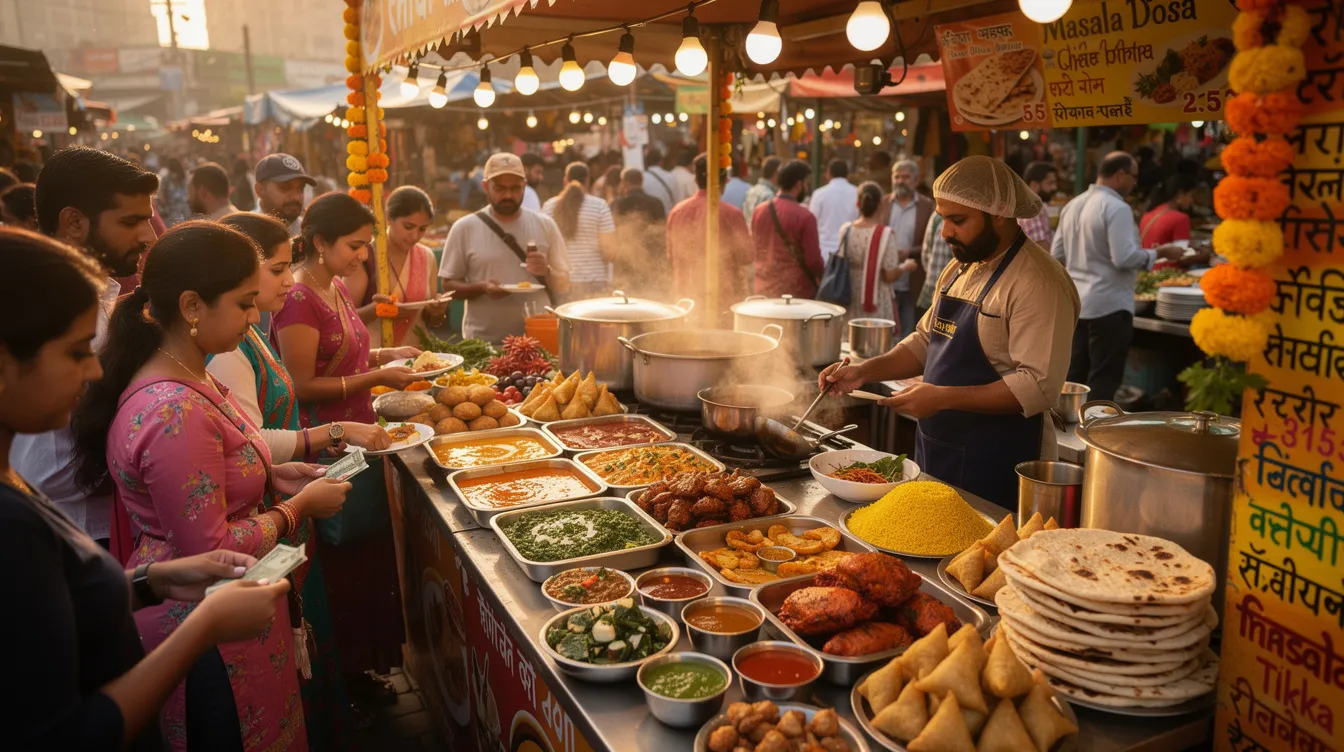
For context, even Delhi’s street food stalls can earn ₹40,000 to ₹1.5 lakh monthly, which shows the market potential for organized food businesses.
2. Digital Marketing Agency
Digital marketing and SEO services are in high demand across Delhi NCR’s business ecosystem. The digital marketing sector in India is projected to reach INR 537 billion, and every local retailer, restaurant, and service provider now needs social media marketing and content creation to survive.
- Investment required: ₹50,000–₹3 lakhs (mostly a laptop, tools, and talent)
- Profit margin: 30–60% on service-based businesses
- Best for: Tech-savvy professionals who understand social media management and online platforms
- Key strengths: Work from home option, scalable with freelancers, growing demand across sectors
- Possible limitations: High competition from other agencies; you need demonstrable results to win clients
A digital marketing agency in South Delhi or Gurugram can start with minimal investment and scale rapidly by serving the thousands of small businesses that need digital marketing services but cannot afford in-house teams.
3. Manufacturing Business in Industrial Areas
Okhla Industrial Area, Bawana, and Narela offer purpose-built infrastructure for manufacturing businesses – from LED bulbs and packaging materials to automobile components and solar products. Industrial leasing in Delhi NCR grew approximately 14% in 2024, confirming strong market demand.
- Investment required: ₹25 lakhs and above
- Profit margin: 10–20% net, higher with value addition
- Best for: Experienced entrepreneurs targeting MSME registration benefits
- Key strengths: Government incentives, export potential, employment generation
- Possible limitations: Regulatory requirements including environmental clearances, high initial capital
Consumer interest in clean energy solutions is rising in Delhi NCR, and the region is seeing rising demand for electric vehicle infrastructure – both represent growing manufacturing niches.
4. Coaching and Education Centers
Delhi remains India’s coaching capital for competitive exams like UPSC, IIT-JEE, and NEET. A coaching centre in Noida, Ghaziabad, or outer Delhi can serve underserved student populations at lower rental costs than central locations.
- Investment required: ₹3–10 lakhs (rent, furnishing, faculty)
- Profit margin: 40–50% gross after salaries and rent
- Best for: Educators and subject matter experts
- Key strengths: Steady income, respect in society, hybrid online + offline model
- Possible limitations: Seasonal variations, competition from established brands
Online tutoring can earn INR 500 to INR 1,000 per hour in Delhi, making even part-time teaching a viable income stream before scaling into a full centre.
5. E-commerce and Online Retail
Delhi’s wholesale markets provide inventory at prices that online sellers in other cities cannot match. Sourcing from Sadar Bazaar or Chandni Chowk and selling through an online store on Amazon, Flipkart, or your own website creates a powerful business model.
- Investment required: ₹1–5 lakhs for inventory and platform setup
- Profit margin: 15–40% depending on category
- Best for: Young entrepreneurs comfortable with online business ideas and digital tools
- Key strengths: 24/7 sales, nationwide reach, low overhead costs
- Possible limitations: Digital marketing costs, logistics challenges, return handling
Niche D2C brands are becoming increasingly popular among consumers, and digital adoption is crucial for traditional businesses in Delhi NCR wanting to reach global markets.
6. Real Estate Consulting and Services
Delhi NCR saw 34,119 residential unit launches in 2024 – the highest in nine years. Delhi’s real estate market sees average rents rising 4.4% sequentially, and industrial leasing data confirms robust activity in commercial segments too.
- Investment required: ₹2–5 lakhs (office, licensing, marketing)
- Profit margin: Commission-based, typically 1–2% of deal value
- Best for: People with sales skills, local market knowledge, and networking ability
- Key strengths: High earning potential, flexible hours, relationship-based
- Possible limitations: Market fluctuations, dependency on market cycles
7. Healthcare and Wellness Services
There is growing awareness and demand for health and wellness services across Delhi NCR. Diagnostic centres, physiotherapy clinics, and wellness spas in emerging suburbs like Greater Noida and Dwarka serve populations underserved by central hospitals.
- Investment required: ₹5–25 lakhs depending on service type
- Profit margin: 25–40%
- Best for: Healthcare professionals and wellness enthusiasts
- Key strengths: Recession-proof demand, rising disposable income driving spending
- Possible limitations: Professional qualifications, licensing requirements
8. Automobile Service and Repair
Delhi NCR’s massive vehicle population creates consistent demand for service and repair. From multi-brand workshops to specialized EV servicing, the automobile industry offers repeat customers and strong cash flow.
- Investment required: ₹5–15 lakhs
- Profit margin: 25–35% on services
- Best for: Mechanics and automotive enthusiasts
- Key strengths: Steady income, skill-based, local market loyalty, word of mouth referrals
- Possible limitations: Competition, space requirements in central Delhi
9. Home-Based Food Business
Tiffin services, specialty catering, and home-based businesses in food are among the best small business ideas for women entrepreneurs in Delhi. The barrier to entry is low, and demand from working professionals and students is constant.
- Investment required: ₹20,000–₹2 lakhs
- Profit margin: 30–50%
- Best for: Homemakers and cooking enthusiasts – excellent business ideas for women
- Key strengths: Work from home, low overhead, personal customer relationships, customer feedback drives growth
- Possible limitations: Scaling challenges, food safety regulations
A food truck business in Delhi requires an investment of ₹5–10 lakhs and can be a natural next step for successful home food entrepreneurs wanting to reach street food customers.
10. Import-Export Trading
Delhi has a strategic location for import-export businesses, with connectivity to ports, airports, and border trade routes. Exporting handicrafts, textiles, and spices sourced from Delhi’s markets can yield huge profits.
- Investment required: ₹10–50 lakhs
- Profit margin: 15–40% on successful shipments
- Best for: Experienced traders with import-export knowledge and capital
- Key strengths: Access to global markets, high margins, networking
- Possible limitations: High risk, regulatory complexity, capital intensive
11. Franchise Business Opportunities
For first-time entrepreneurs seeking a proven business model, franchises in food, retail, education, and fitness reduce startup risk. Event management firms are thriving in the bustling Delhi NCR, and many established brands offer franchise models with training and marketing strategy support.
- Investment required: ₹5–30 lakhs depending on brand
- Profit margin: 15–30%
- Best for: Beginners who want structured guidance
- Key strengths: Established brand, training, marketing assistance
- Possible limitations: Franchise fees, limited flexibility, ongoing royalties
Event management services are in high demand in Delhi’s vibrant market, serving corporate events, weddings, and exhibitions.
12. Beauty and Personal Care Services
Delhi’s fashion-conscious population supports beauty businesses with strong margins and repeat customers. Salons, spas, and grooming services thrive in areas with high footfall.
- Investment required: ₹3–15 lakhs
- Profit margin: 30–50%
- Best for: Beauty professionals leveraging technology for bookings and social media channels for promotion
- Key strengths: Personal relationships, steady income, creativity
- Possible limitations: Staff management, location dependency
13. Transportation and Logistics
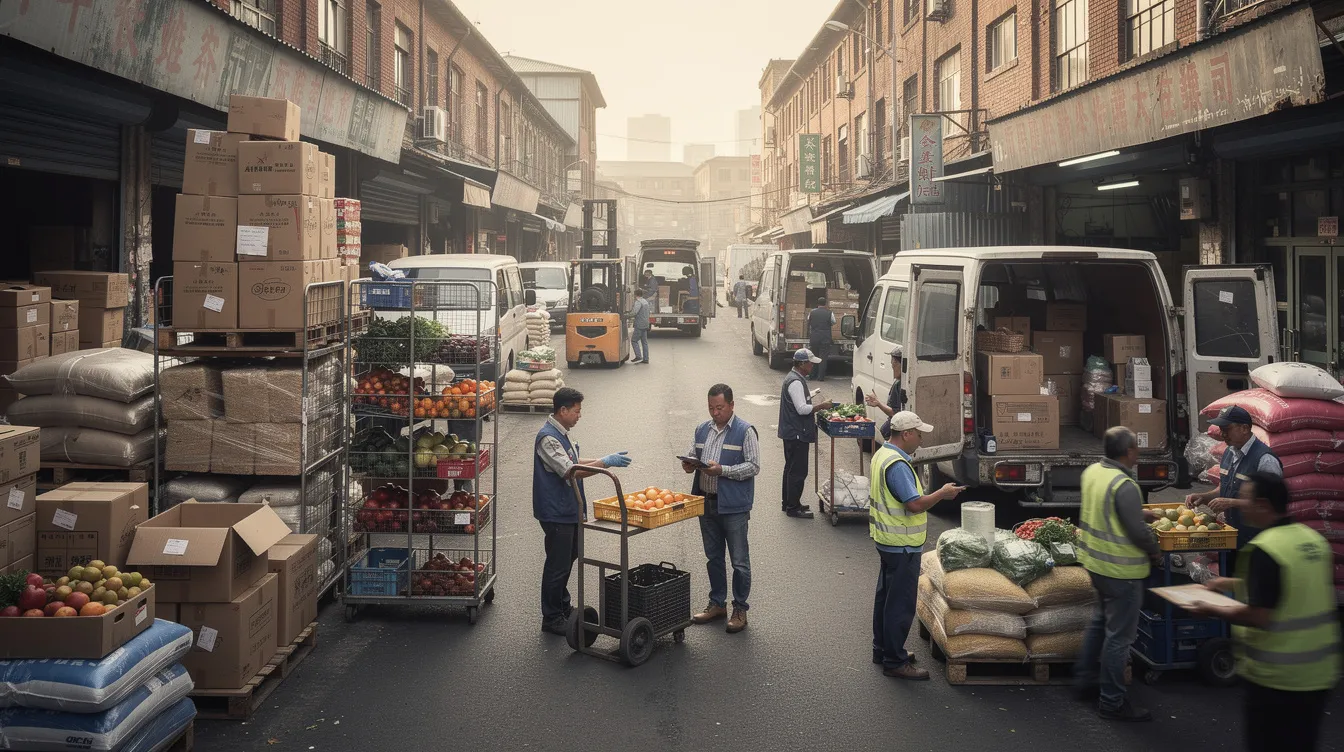
Delhi NCR is a major logistics hub with massive trading volumes. Specialized logistics services are booming due to e-commerce growth, creating opportunities in last-mile delivery, cold chain, and goods transportation.
- Investment required: ₹10–50 lakhs (vehicles, technology)
- Profit margin: 10–20%
- Best for: Entrepreneurs with logistics experience and capital
- Key strengths: Growing demand, recurring business, essential service
- Possible limitations: Vehicle investment, fuel costs, competition
14. IT Services and Software Development
Custom software, mobile apps, and IT consulting are high-margin service based businesses that can operate from co working spaces across Gurugram and Noida. Flexibility in workspaces is increasingly preferred over long-term leases.
- Investment required: ₹2–10 lakhs
- Profit margin: 30–60%
- Best for: Tech professionals and computer science graduates
- Key strengths: Work from anywhere, intellectual property creation, global client base
- Possible limitations: Rapid technology changes, skill requirements
15. Retail and Trading Business
Leveraging Delhi’s wholesale markets for retail businesses remains one of the most proven low cost business ideas. The Delhi Bazaar Portal will connect vendors globally, opening new channels for traditional traders.
- Investment required: ₹2–15 lakhs
- Profit margin: 20–40% gross
- Best for: Entrepreneurs with retail experience and working capital for inventory
- Key strengths: Immediate cash flow, established supply chains from markets like Kirti Nagar and Khari Baoli
- Possible limitations: Competition, inventory management, location costs
Quick Comparison of Top Business Ideas by Investment Level
| Investment Level | Budget Range | Best Business Ideas | Expected Monthly Income |
|---|---|---|---|
| Low Investment | ₹50K–₹2L | Home food business, digital marketing agency, online tutoring, social media management | ₹25,000–₹1,00,000 |
| Medium Investment | ₹2L–₹10L | Retail shops, coaching centres, beauty salons, small business ideas | ₹50,000–₹2,00,000 |
| High Investment | ₹10L–₹50L | Food processing, franchise businesses, real estate consulting | ₹1,00,000–₹5,00,000 |
| Very High Investment | ₹50L+ | Large manufacturing, import-export, logistics | ₹3,00,000–₹15,00,000+ |
How to Choose the Right Business for Your Situation
Choose Based on Your Investment Capacity
Start by being honest about how much investment you can arrange. Factor in working capital – most new business owners underestimate this by 30–50%. If you have limited capital, explore Mudra Loan options for startup businesses (Shishu category up to ₹50,000, Kishore up to ₹5 lakhs, Tarun up to ₹10 lakhs). A small investment business can grow into something substantial with proper financial planning and reinvestment.
Choose Based on Your Skills and Experience
A thriving business almost always aligns with the founder’s core skills. If you understand food, start with food. If you are strong in digital marketing, build an agency. Trying to learn an entirely new industry while managing startup stress is a recipe for failure. Identify skill gaps and fill them through training before launch, not after.
Choose Based on Market Demand and Competition
Conduct proper market research before committing capital. Walk the streets where you plan to operate. Talk to existing shopkeepers. Study market trends and online shopping patterns. Some areas of Delhi have high demand but low competition – outer NCR suburbs, for instance, remain underserved for quick commerce and diagnostics services despite their growing market potential.
Which Business Idea Is Best for You
- Choose manufacturing if you have ₹25+ lakhs, want MSME benefits, and are comfortable with longer payback periods.
- Choose a digital marketing agency if you prefer low investment, work flexibility, and have modern businesses as target clients.
- Choose coaching centres if you have teaching skills and want to make social impact alongside income.
- Choose food business if you want quick returns, local market focus, and access to Delhi’s supply chains.
- Choose franchise if you are a first-time entrepreneur seeking a proven model with lower risk.
Government Support and Financial Planning
Delhi offers some of India’s strongest support systems for new business owners:
- MUDRA Loans support new businesses in India with collateral-free credit up to ₹20 lakhs under the Tarun Plus category.
- Startup India initiative provides financial aid and mentorship for innovative ventures.
- The Delhi government offers collateral-free loans for startups through various state schemes.
- Delhi Self Employment Programme provides project financing up to ₹2 lakhs for individuals and ₹10 lakhs for group enterprises, with reservations for women, SC/ST, and minorities.
- MSME registration (Udyam) unlocks tax benefits, credit guarantees under CGTMSE, and cluster development support.
Before starting, register your business with appropriate authorities in Delhi, comply with GST regulations for business operations, and follow labor laws if hiring employees. Use Delhi’s single-window clearance system for business registration to speed up the process.
Preparing a solid project report for bank loan approval is critical – banks reject applications that lack proper CMA data and financial projections.
Common Mistakes to Avoid When Starting a Business in Delhi NCR
After preparing hundreds of project reports and business plans, here are the mistakes I see most often:
- Underestimating working capital – Most failures happen not from lack of sales, but from running out of cash flow before the business stabilizes.
- Ignoring legal compliance – Skipping GST registration, trade licenses, or FSSAI certification leads to penalties and shutdowns.
- Overestimating market demand without talking to actual customers or studying the diverse consumer base in your chosen location.
- No written business plan – Operating without financial projections is guessing, not business.
- Wrong location – A business perfect for South Delhi may fail in Old Delhi and vice versa. The Delhi NCR region is not one homogeneous market.
- Copying competitors instead of finding a differentiated marketing strategy.
- Ignoring digital presence – Even traditional retail businesses need online platforms and social media channels today.
- Mixing personal and business finances – This destroys your ability to track profitability and apply for institutional credit.
- Scaling too fast before establishing stable unit economics and a reliable supply chain for raw materials.
- Not seeking professional guidance on financial planning, regulatory filings, and average investment benchmarks.
Final Thoughts
Delhi NCR rewards entrepreneurs who combine preparation with action. The city’s strategic location, diverse consumer base of domestic and international tourists, rising disposable income, and rapid growth across sectors create business opportunities that are genuinely hard to find elsewhere in India.
But opportunity alone does not build a thriving business. You need a realistic understanding of how much investment is required, a properly prepared project report, and a clear financial plan that accounts for operational costs, break-even timelines, and risk.
Whether you are exploring low investment business ideas or planning a large-scale manufacturing unit, start with thorough market research, get your registrations in order, and arrange finance through government schemes wherever eligible.
Need a professionally prepared project report for Mudra Loan, bank finance, or MSME application? Visit ProjectReportBank.com for detailed project reports, CMA data, business plans, and financial projections – all prepared by CA Manish Gugliya (FCA, DISA ICAI) with 20+ years of hands-on consulting experience. These reports are specifically designed for bank approvals, investor presentations, and successful business launches.

Frequently Asked Questions About Starting Business in Delhi NCR
Which business is most profitable in Delhi with low investment?
A digital marketing agency or home-based food business can deliver strong returns with under ₹2 lakhs investment. Both leverage Delhi’s large consumer market with minimal overhead costs.
What is the minimum investment required to start manufacturing in Delhi?
Small-scale manufacturing in Bawana or Narela can start from ₹10–15 lakhs for simple products like disposables or packaging. Heavier industries require ₹25 lakhs and above.
How to get Mudra Loan for small business in Delhi NCR?
Apply through any scheduled bank with your Udyam registration, business plan, and project report. Shishu loans up to ₹50,000 require minimal documentation; Tarun Plus loans up to ₹20 lakhs need a detailed Mudra Loan project report.
What are the best locations for retail business in Delhi?
Chandni Chowk, Karol Bagh, Lajpat Nagar for high footfall; Nehru Place for electronics; Kirti Nagar for furniture. NCR suburbs offer lower rents with growing populations.
Which licenses are mandatory for food business in Delhi?
FSSAI registration, trade license from MCD, GST registration, and fire safety NOC. Manufacturing units also need pollution consent.
How much monthly income can I expect from a coaching centre business?
A well-run coaching centre can generate ₹1–3 lakhs monthly in its second year, depending on location, subject, and student count.
Is Delhi good for startup businesses compared to other cities?
Yes. The Delhi Startup Policy, large consumer base, and access to funding make it one of India’s top startup destinations. Also explore business ideas in Uttar Pradesh and Haryana for NCR-adjacent opportunities.
What government schemes support new businesses in Delhi?
Mudra Loan, PMEGP, CGTMSE, Startup India, Stand-Up India, and Delhi’s Self Employment Programme all offer financial support.
How to choose between franchise and independent business?
Choose franchise if you want a proven system and are comfortable paying royalties. Go independent if you want full control and higher long-term margins.
Which manufacturing businesses qualify for MSME benefits?
Any manufacturing unit with investment up to ₹50 crores in plant and machinery qualifies for MSME (Udyam) registration and associated benefits.
What are the tax implications of starting a business in Delhi?
GST registration is mandatory above threshold turnover. Income tax applies on business profits. MSME-registered units can access certain tax benefits and priority lending.
How to prepare a project report for bank loan approval?
A bankable project report includes market analysis, technical details, financial projections (P&L, cash flow, balance sheet), CMA data, and promoter details. Get it professionally prepared for best results.
Which business ideas are suitable for women entrepreneurs?
Home-based food businesses, tiffin services, boutique retail, beauty services, and online tutoring are popular and profitable – explore business ideas for women for a detailed guide.
How to scale a small business to medium enterprise in Delhi?
Focus on systemizing operations, building a team, diversifying revenue, and leveraging technology. Re-invest profits and access growth-stage credit through CGTMSE or bank term loans.
What are the common challenges faced by Delhi entrepreneurs?
Regulatory delays, high rental costs, intense competition, working capital shortages, and supply chain disruptions (such as transport strikes impacting mandis) are the most common.
Which business sectors have highest growth potential in Delhi NCR?
Quick commerce, food processing, logistics, healthcare, e commerce, and digital services show the strongest growth trends going into 2025–2026.
How to choose business location based on target customers?
Map your target customer’s demographics and buying habits. Premium services go to South Delhi or Gurugram; wholesale and trading thrive in Old Delhi; manufacturing belongs in designated industrial zones.
What insurance coverage is needed for small business in Delhi?
At minimum: fire insurance, stock insurance, and public liability. Manufacturing units should add machinery breakdown and workmen’s compensation policies.
How to build business credit and establish vendor relationships?
Start with timely GST filings and small credit lines. Pay vendors on time consistently. Maintain clean bank statements. Within 6–12 months, your credit history opens larger financing options.
Which businesses can operate from home in Delhi NCR?
Digital marketing, online tutoring, content creation, social media management, tiffin services, handmade products, and freelance IT services can all run as home based businesses with minimal investment.
- Atta Chakki Plant ROI, IRR, Payback & Sensitivity Analysis


- Atta Chakki Plant Feasibility Study & Project Viability

- Atta Manufacturing Financial Projections, Working Capital & DSCR

- Atta Chakki Plant Project Cost & Means of Finance (India Focus)
- Atta Chakki Plant Land, Building & Layout Requirements
- Atta Chakki Plant Capacity Planning – TPD & Production Capacity

- Atta Manufacturing Process & Flour Mill Flow Chart (Expert Guide for Plant Promoters)

- Atta Chakki Machine Price & Automatic Atta Plant Machinery Cost – A Practical Guide for Entrepreneurs

- Atta Chakki Plant Setup Cost in India – Practical Cost Guide by CA Manish Gugliya
- Roller Flour Mill Project Report & DPR: Complete Guide for Bank Finance and Project Planning

- Roller Flour Mill ROI, IRR, Payback & Sensitivity Analysis: A Practical Guide for Investors and Bankers

- Roller Flour Mill Feasibility Study & Project Viability

- Roller Flour Mill Financial Projections & Working Capital

- Roller Flour Mill Project Cost & Means of Finance

- Roller Flour Mill Land, Building & Plant Layout Requirements