
Introduction
Assam sits at the crossroads of South and Southeast Asia, serving as the strategic location and gateway to north east india. With expanding infrastructure connecting it to Southeast Asia, the state’s economy is opening doors that didn’t exist a decade ago. Tea consumption in India reached 1.1 billion kg in 2021, and Assam remains the engine behind that number. But tea is only the starting point.
Assam has abundant natural resources and a growing startup ecosystem that spans bamboo manufacturing, organic farming, fish farming, tourism, handloom, digital services, and food processing. The Assam government has rolled out initiatives like NEIDS, the Assam Industrial & Investment Policy 2019, and sector-specific schemes that directly promote entrepreneurship and make financing accessible.
In this guide, I’ve selected the best business ideas in Assam based on real market demand, profitability, local resource advantages, and practical investment requirements. Whether you’re looking for low investment options or medium-scale manufacturing, this article covers financing routes, licensing, risk factors, and city-specific opportunities.
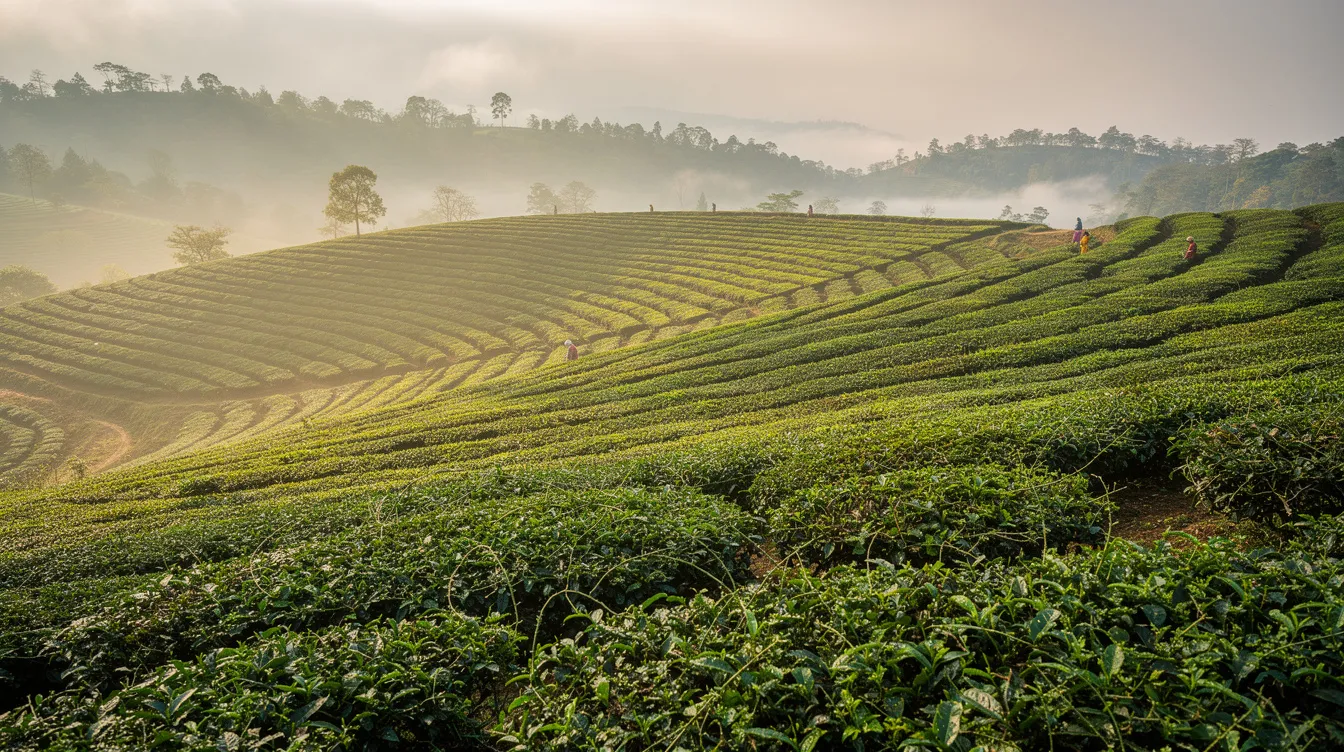
Table of Contents
How We Chose the Best Business Ideas for Assam
Picking a business idea based on gut feeling is how most entrepreneurs fail. Here’s the framework I use when advising clients:
- Market demand and growth: Does the product or service have consistent demand locally, nationally, or globally?
- Local resource availability: Assam’s tea plantations, bamboo forests, 5.5 lakh hectares of water bodies, and fertile agricultural land create natural advantages.
- Investment and margins: Can you realistically start with your capital and achieve healthy returns?
- Government support: Schemes like Mudra Loan, PMEGP, CGTMSE, and state subsidies reduce financial risk significantly.
- Scalability and export potential: Value-added processing enhances economic opportunities for local entrepreneurs in Assam, especially in tea, spices, and handloom.
- Entrepreneur profile: A weaver needs different advice than a tech graduate. Each idea maps to specific skill levels.
- Access to financing: The Assam government offers financial support for startups through various schemes, and a well-prepared bank project report can unlock capital through Mudra Loan, PMEGP, and NABARD.
Top 7 Business Ideas for Assam
1. Tea Processing and Packaging Business
Assam produces over 50% of India’s tea, making it the world’s largest tea-growing region. The tea business here isn’t just heritage-it’s a profitable business with global reach. The tea industry in India is expected to reach 1.40 million tons by 2026, and Assam has a strong market for specialty teas with global recognition.
Why It Stands Out: With ~68,465 small tea growers across the Brahmaputra Valley and 31 mini tea factories recently established under the Tea Development & Promotion Scheme, the supply chain infrastructure already exists. Assam’s fertile land supports high returns in organic farming and tea processing.
Best For: Entrepreneurs with ₹5-15 lakh initial investment and connections to tea gardens or bought-leaf factories.
Key Strengths: High demand in both domestic and global market, established auction systems, export potential (Indian tea exports grew at ~7.15% CAGR from 2021-25), and government schemes under TDPS.
Possible Limitations: Seasonal raw materials (flush seasons), strict quality grading, competition from large estates, and need for FSSAI licensing and moisture control labs.
Tea bag manufacturing requires moderate investment in Assam and offers high demand given the shift toward convenience packaging. Tea processing with orthodox methods fetches premium rates compared to CTC. Expected ROI ranges from 15-30% depending on scale and product type.
2. Bamboo Products Manufacturing
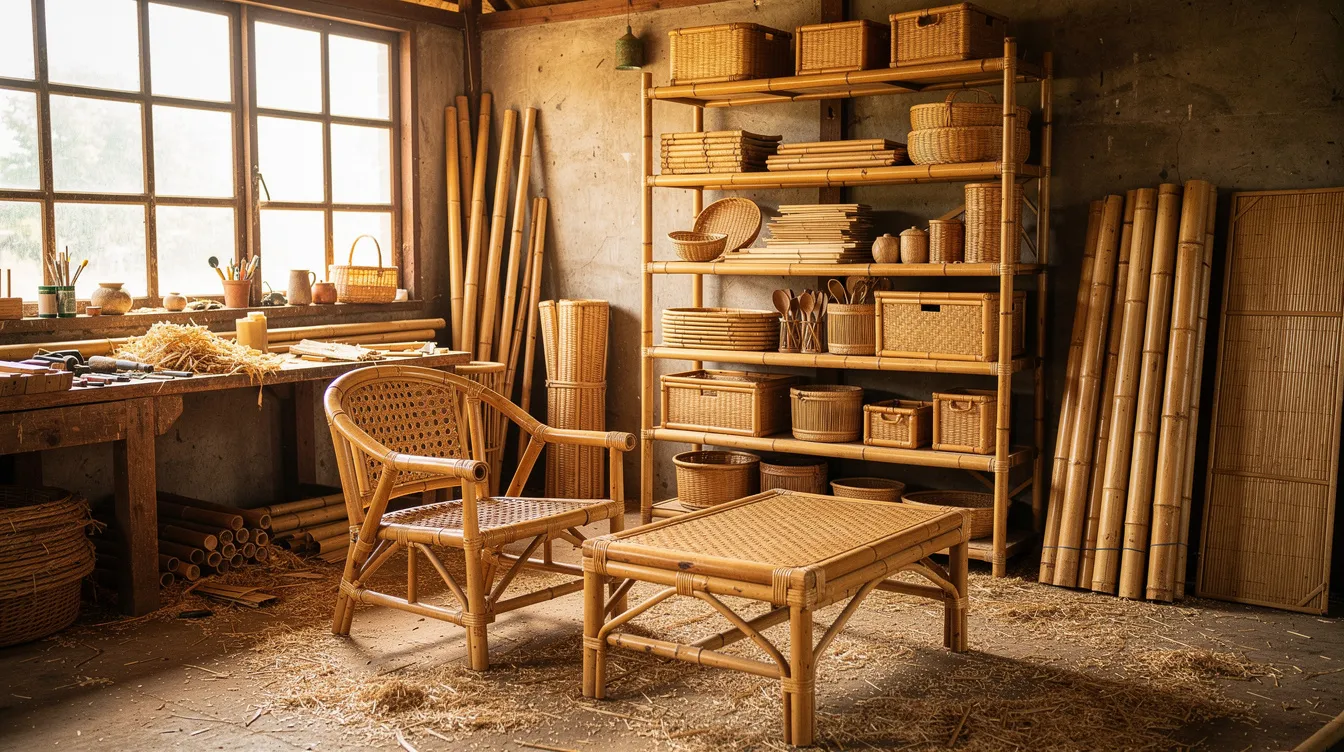
Bamboo is abundant in Assam, supporting eco-friendly manufacturing opportunities across furniture, handicrafts, building materials, and packaging. The North East holds over 60% of India’s bamboo resources, with Assam alone having 10,659 sq km of bamboo-bearing area.
Why It Stands Out: The Assam Bamboo & Cane Policy 2019 provides up to 60% subsidy for private sector processing units, 50% capital investment subsidy up to ₹5 crore, and startup grants up to ₹5 lakh. Innovations in bamboo product manufacturing are supported by government initiatives at both state and central levels.
Best For: Artisans, rural entrepreneurs, and anyone with ₹2-8 lakh investment capacity.
Key Strengths: Low investment, sustainable raw materials, growing demand for eco-friendly products, cultural significance. Emerging businesses in Assam include waste recycling and eco-friendly packaging solutions using bamboo-based alternatives.
Possible Limitations: Skill development needed for quality products, marketing and distribution challenges, and seasonal harvesting windows.
Products range from furniture and incense sticks to door frames and decorative items. SBDA runs skill training programs, exhibitions, and supports e-commerce portal development for artisans.
3. Fish Farming (Aquaculture)
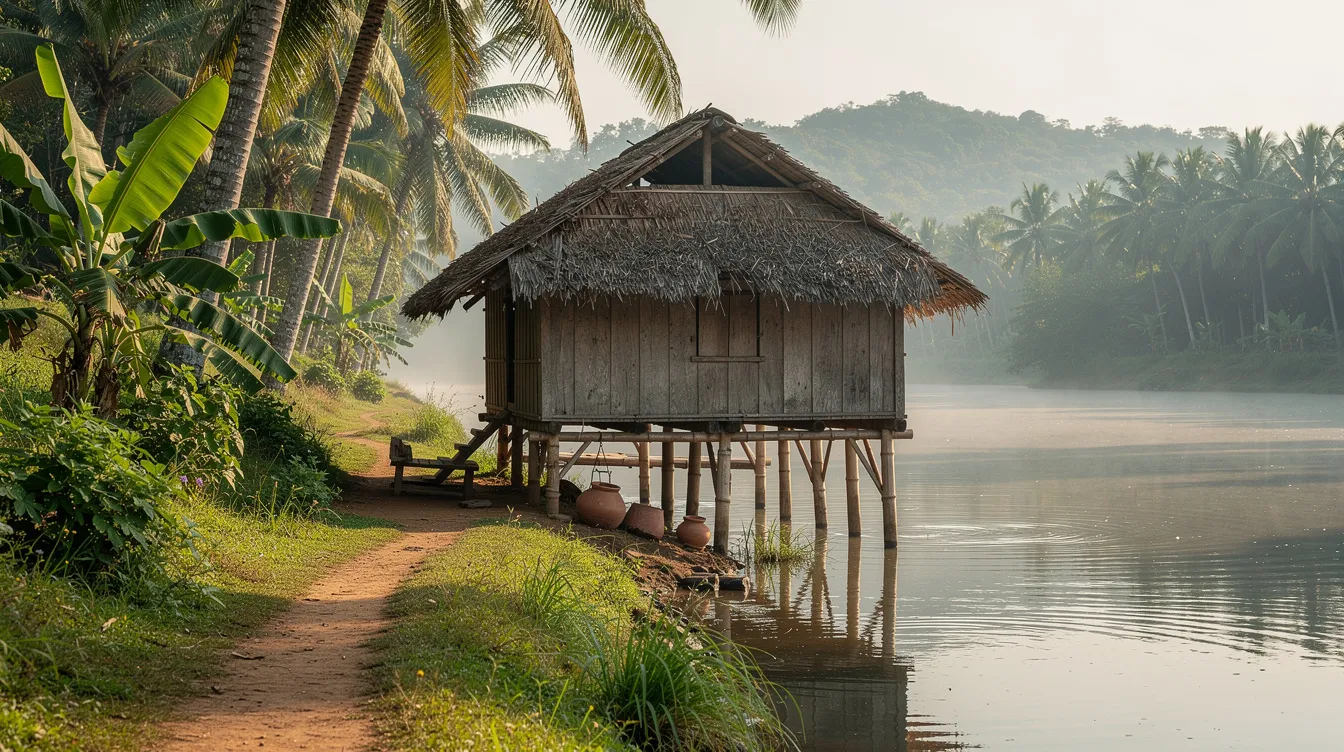
Assam has approximately 5.5 lakh hectares of water-spread area suitable for freshwater aquaculture, yet annual production (~2.94 lakh MT) falls short of demand (~3.36 lakh MT). That 42,000 MT gap is a direct business opportunity.
Why It Stands Out: Fish farming is profitable due to Assam’s abundant water resources, favorable climate, and the state’s per capita fish consumption of ~9 kg against a requirement of ~11 kg. Aquaculture is a sustainable and profitable venture in Assam’s economy.
Best For: Rural entrepreneurs with access to land or existing water bodies.
Key Strengths: Strong local demand, quick harvest cycles (6-12 months), NABARD subsidies, food safety alignment. Fish farming can yield profits of ₹20,000 to ₹25,000 per bigha with proper species selection and feed management.
Possible Limitations: Disease management requires technical knowledge, Brahmaputra flooding poses seasonal risks, and upfront pond construction costs can be significant. Cold storage and agri logistics address challenges in moving perishable produce for farmers but add to operational costs.
Species like Rohu, Catla, and Mrigal are popular. Government extension services provide training, and NABARD schemes cover pond renovation and cage farming setups.
4. Organic Food Processing
Health-conscious consumers prefer organic food options, and Assam’s climate fosters strong potential for organic vegetable and herbal product demand. The state’s tradition of relatively chemical-free hill agriculture creates a natural foundation.
Why It Stands Out: Assam offers numerous opportunities in food processing using local agricultural products. GI-tagged varieties like Joha rice, Boka Saul, and specialty spices command premium prices. Bhut Jolokia, the world’s hottest chili, is cultivated in Assam and ghost pepper can yield ₹20,000 to ₹25,000 per bigha-a great business idea for agriculture-focused entrepreneurs.
Best For: Food industry enthusiasts with ₹8-25 lakh investment.
Key Strengths: Premium pricing, alignment with health trends (the health and wellness market is growing at a CAGR of 11.86%), export potential, and government support for organic certification. Organic grocery stores cater to health-conscious consumers in Assam’s growing urban centers.
Possible Limitations: Organic certification is time-consuming (3+ years for full certification), supply chain consistency is difficult, and packaging and logistics costs run higher than conventional products.
Products include processed spices, cold-pressed oils, organic rice, pulses, and herbal teas. FSSAI compliance and organic certification from accredited bodies are mandatory for market credibility.
5. Tourism and Homestay Business
The tourism sector in Assam is growing, particularly in wildlife and cultural experiences. Assam’s tourism market is projected to reach ₹1,308,800 crore by 2030, driven by destinations like Kaziranga National Park, Majuli (world’s largest river island), and Sivasagar’s Ahom heritage sites. Assam’s scenic beauty attracts a growing number of tourists annually.
Why It Stands Out: Tourism businesses can offer guided tours to Kaziranga National Park, river cruises on the Brahmaputra, and cultural immersion experiences. Tourism services can include accommodation booking and adventure activities like river rafting and jungle safaris. Eco-tourism and homestays in Assam can be lucrative, appealing to niche markets of solo travelers, birdwatchers, and heritage tourists.
Best For: Local residents in tourist areas with hospitality skills. Starting a travel agency in Assam requires a minimum investment of ₹3 lakhs for basic operations.
Key Strengths: Asset utilization (your own property), repeat visitors, rich cultural heritage appeal, relatively low operational costs. A successful tourism business combines local culture with modern booking platforms.
Possible Limitations: Seasonal demand (monsoon reduces occupancy), infrastructure gaps in remote areas, and marketing dependency on digital presence.
Registration with the tourism department, listing on OTA platforms (Airbnb, MakeMyTrip), and maintaining food safety and hygiene standards are essential. Assam’s handloom products are in high demand among tourists, creating cross-selling opportunities. Handloom products from Assam are consistently sought by visitors looking for authentic souvenirs.
6. Digital Marketing Agency
Digital services are increasingly in demand among local MSMEs in Assam as businesses move online. Digital marketing agencies help local businesses build online presence through SEO, social media management, and paid advertising.
Why It Stands Out: Minimal infrastructure needed-a laptop, internet, and skills. The business model is highly scalable and location independent. E-commerce stores require low investment and reach wide audiences, creating parallel demand for digital marketing support.
Best For: Tech-savvy entrepreneurs and professionals with digital marketing skills. Check out more online business ideas for beginners if you’re starting fresh.
Key Strengths: Investment as low as ₹50,000-2 lakh, recurring revenue from retainer clients, growing target audience of local businesses going digital. Freelance content writing offers flexible income opportunities as an add-on service. Dropshipping allows selling products without holding inventory-another service you can offer clients. App development startups cater to rising technology demands across sectors.
Possible Limitations: Client acquisition takes time, competition from metro-based agencies, and skill requirements evolve rapidly.
Service offerings include social media management, Google Ads, website development, and content marketing. Pricing can range from ₹10,000-50,000/month per client depending on scope.
7. Handloom and Textile Business
Assam produces two indigenous silk varieties-Muga (golden silk) and Eri-found nowhere else on this scale. With 12.83 lakh weavers and ~12.46 lakh looms, this is a textile business rooted in centuries of tradition.
Why It Stands Out: GST on handloom products was reduced to 5%, improving margins and competitiveness. The clothing business in Assam benefits from both domestic demand and export interest in luxury textiles.
Best For: Traditional craftspeople, textile enthusiasts, and entrepreneurs willing to bridge heritage with modern retail.
Key Strengths: Cultural heritage value, premium product positioning, export potential, government schemes through handloom boards and cooperatives.
Possible Limitations: Aging skilled workforce, modernization challenges, meeting export quality standards, and competition from power loom products.
Raw materials include silk cocoons and cotton yarn. Marketing through online store platforms, exhibitions, and tie-ups with fashion designers can expand reach significantly.
Quick Comparison of Best Business Ideas in Assam
| Business Idea | Investment Range | Expected ROI | Risk Level | Best For |
|---|---|---|---|---|
| Tea Processing | ₹5-15 lakh | 15-30% | Medium | Market entry with tea connections |
| Bamboo Products | ₹2-8 lakh | 20-35% | Low-Medium | Eco-conscious, rural entrepreneurs |
| Fish Farming | ₹3-10 lakh | 20-30% | Medium | Agricultural entrepreneurs with water access |
| Organic Food Processing | ₹8-25 lakh | 15-25% | Medium | Health-focused premium market |
| Tourism/Homestay | ₹3-15 lakh | 15-25% | Medium | Hospitality-oriented locals |
| Digital Marketing | ₹0.5-2 lakh | 30-50% | Low | Tech-savvy professionals |
| Handloom/Textile | ₹2-10 lakh | 15-30% | Medium | Heritage-skilled artisans |
Beyond these seven, other promising business opportunity options include: starting a food truck business (requires Rs. 5-10 lakhs), a bakery business (average investment of ₹1.8 lakhs-the bakery market in India is expected to grow to ₹4826200 crore by 2028), a candle making business (₹25,000 to ₹2.5 lakhs, with the global candle market expected to grow at a CAGR of 5.7%), a courier service (minimum ₹1 lakh), or a courier business tied to home delivery services. The coffee shop market in India was valued at ₹1619640 crore in 2021, making a café business another viable option.
How to Choose the Right Business Idea for Assam
Choose Based on Investment Capacity
- Low investment (₹50K-5L): Digital marketing, bamboo crafts, small-scale fish farming, beauty salon, or local advertising services
- Medium investment (₹5L-15L): Tea processing, organic food processing, homestay, retail stores
- Higher investment (₹15L+): Cold storage units, rice mills, warehouse and logistics operations
Choose Based on Location and Resources
- Urban areas (Guwahati, Silchar): Digital services, food processing, franchise business, medical store, interior design firm
- Rural areas: Agriculture-based ventures, fish farming, bamboo products, organic farming
- Tourist areas: Homestay, travel agency, handicraft shops, eco-tourism
Choose Based on Skills and Experience
- Technical skills: Digital marketing, app development, food processing
- Traditional skills: Handloom, bamboo crafts, tea processing knowledge
- Business skills: Tourism, retail, event management, courier service
Which Business Is Best for You?
- Choose Tea Processing if you have industry connections and moderate capital for a profitable venture
- Choose Fish Farming if you have land access and prefer agriculture-it’s among the most profitable business ideas for rural Assam
- Choose Digital Marketing if you want location independence and scalability as a small business
- Choose Tourism Business if you’re in tourist areas with hospitality interest and natural beauty surroundings
- Choose Handloom if preserving rich cultural heritage while earning steady income appeals to you
Also consider: the global health and fitness studio market is valued at ₹572600 crore, and fitness coaching services are in high demand in Assam. Yoga and fitness centers can yield 15-25% profit annually, with the health and wellness market growing at a CAGR of 11.86%-making wellness a promising business opportunity. Skill development centers offering quality education and training programs also address market demand.
Financing Your Business in Assam
Getting the right financing separates aspiring entrepreneurs from successful business owners. Here are your primary routes:
- Mudra Loan: Three categories-Shishu (up to ₹50,000), Kishore (₹50,000-5 lakh), Tarun (₹5-10 lakh). Apply through any bank with a professional project report.
- PMEGP: Subsidies up to 25-35% for manufacturing projects. Requires detailed bank project reports.
- Stand-Up India: Loans from ₹10 lakh to ₹1 crore for SC/ST and women entrepreneurs.
- CGTMSE: Credit guarantee without collateral for loans up to ₹5 crore.
- NABARD Schemes: Specifically for agriculture, fish farming, and rural enterprises.
- Assam Credit Guarantee Scheme: Targets ~25,400 micro and small enterprises with collateral-free credit.
- Udyam Registration: Free registration unlocking tax benefits, government schemes, and priority sector lending.
Common mistake I see: entrepreneurs submit project reports without detailed cash flow projections, seasonal adjustments, or contingency planning. Banks reject vague estimates. A CMA report with proper working capital assessment is non-negotiable for loans above ₹5 lakh.
Legal Requirements and Licensing
| Registration | Applicable To |
|---|---|
| Udyam (MSME) | All micro, small, medium enterprises |
| GST Registration | Turnover above threshold or interstate sales |
| Trade License | All local businesses |
| FSSAI License | All food-related businesses |
| Factory License | Manufacturing units with workers |
| Pollution Control (NOC) | Processing units, manufacturing |
| IEC Code | Export businesses |
| Shops & Establishment | Retail, service businesses |
Food safety compliance through FSSAI is mandatory for tea packaging, organic food processing, and any bakery business. Environmental clearances apply to bamboo processing and manufacturing units.
Major Cities for Business in Assam
Guwahati: The commercial capital. Best for service businesses, digital ventures, retail stores, franchise business, and food processing. Strong logistics connectivity and access to a skilled workforce. Local demand drives everything from medical stores to e commerce stores.
Dibrugarh: Heart of the tea processing belt. Ideal for tea processing, logistics, and oil & gas services. Market research shows strong local businesses supporting supply chains.
Jorhat: Home to the Toklai Research Station. Perfect for specialty tea, organic food processing, and educational services. Community events and fresh produce markets create consistent demand.
Silchar: Gateway to the Barak Valley. Growing opportunities in trade, healthcare, education services, and cross-border commerce. Financial institutions here actively support MSME lending. Changing consumer preferences are driving demand for modern retail and services.
Each city’s market trends and increasing demand patterns should guide your location decision. The best small business ideas vary by city based on local market conditions and target customers.
Final Thoughts
Assam’s business opportunities are real, diverse, and backed by government schemes that reduce financial risk. From tea processing and bamboo manufacturing to digital marketing and eco-tourism, there’s a profitable business idea for nearly every entrepreneur profile and investment level.
But here’s what separates a successful business from a failed one: proper planning and market research before you invest a single rupee. I’ve seen hundreds of project reports over the years, and the entrepreneurs who take time to understand their business structure, prepare professional financial projections, and secure proper licensing almost always outperform those who rush in.
Government initiatives through NEIDS, Mudra Loan, PMEGP, and state-level subsidies make Assam genuinely attractive-but only if you know how to access them with the right documentation. Financial assistance is available, but financial institutions need to see a bankable project report, not just enthusiasm.
If you’re serious about starting your own venture in Assam, invest in a professionally prepared project report and CMA report before approaching any bank. It’s the single most important step most entrepreneurs skip.
Need a bankable project report for your business in Assam? Visit ProjectReportBank.com or reach out to CA Manish Gugliya for professionally prepared project reports, CMA reports, and financial consultancy tailored to your business idea and loan requirements.
Frequently Asked Questions
Which is the most profitable business in Assam?
Tea processing and packaging consistently ranks among the most profitable business ideas due to established supply chains, global demand, and government support. Organic food processing and fish farming also deliver strong returns.
What is the minimum investment required to start a business in Assam?
You can start a digital marketing agency or bamboo handicraft unit with as little as ₹50,000. A courier service business requires a minimum investment of ₹1 lakh. Businesses like homestays or tea processing typically need ₹5-15 lakh.
Which business is best for women entrepreneurs in Assam?
Handloom and textile businesses, organic food processing, beauty salon operations, homestay management, and online business ideas like content writing or e-commerce are well-suited. Multiple government schemes specifically target women entrepreneurs.
How to get Mudra Loan for business in Assam?
Prepare a detailed project report, gather identity/address proofs, and approach any scheduled bank. Categories include Shishu (up to ₹50K), Kishore (up to ₹5L), and Tarun (up to ₹10L). A professionally prepared project report dramatically improves approval chances.
What are the government schemes available for Assam entrepreneurs?
Key schemes include Mudra Loan, PMEGP, CGTMSE, Stand-Up India, NEIDS, Assam Bamboo & Cane Policy subsidies, TDPS for tea, and the Assam Credit Guarantee Scheme.
Which city in Assam is best for starting a business?
Guwahati offers the widest range of opportunities due to infrastructure and population. Dibrugarh and Jorhat are ideal for tea-related ventures. Silchar suits trade and healthcare businesses.
What documents are required for business registration in Assam?
Aadhaar card, PAN card, bank account details, business address proof, and Udyam registration. Industry-specific documents include FSSAI license (food), factory license (manufacturing), and GST registration.
Which manufacturing business has good scope in Assam?
Bamboo product manufacturing, tea processing, jute bag manufacturing, rice milling, and mustard oil processing all have strong scope given local raw materials and market demand.
How to prepare a bankable project report?
Include detailed cost estimates (land, machinery, raw materials), cash flow projections accounting for seasonal variations, working capital assessment, break-even analysis, and market analysis. Engage a qualified CA for best results.
What are the export opportunities from Assam?
Specialty tea, organic spices (including Bhut Jolokia), Muga silk, bamboo products, and medicinal herbs have strong export potential. An IEC code and quality certifications are mandatory.
Which business can be started from home in Assam?
Digital marketing, freelance content writing, handloom weaving, candle making, organic food packaging, and online store operations. Inventory management is simpler with home-based operations.
What is the process for FSSAI license in Assam?
Apply online through the FSSAI portal. Basic registration (annual turnover below ₹12 lakh) is straightforward. State license is required for turnover between ₹12 lakh and ₹20 crore. Documents include ID proof, address proof, and food safety plan.
How much profit can be expected from tea business?
A mini tea factory can generate 15-30% ROI depending on scale, quality grade, and whether you target domestic or export markets. Orthodox tea processing commands higher premiums than CTC.
What are the challenges in starting a business in Assam?
Seasonal flooding, infrastructure gaps in rural areas, logistics costs, access to credit without proper documentation, and competition. Proper market research and local advertising help mitigate several of these risks.
Which business has maximum government support in Assam?
Bamboo products manufacturing receives the highest subsidy support (up to 60% for processing units). Tea processing under TDPS and fish farming through NABARD schemes also receive substantial financial assistance from government schemes.
- Integrated Value-Added Rice Products Processing Plant Project Report & DPR
- Integrated Rice Plant Bank Loan, Feasibility, ROI, IRR, Payback & Sensitivity Analysis

- Integrated Rice Processing Plant Financial Projections, Working Capital & DSCR
- Integrated Rice Products Revenue Model, Market Strategy & Profitability
- Integrated Value-Added Rice Plant Project Cost & Means of Finance
- Raw Material Procurement & Inventory Planning for Integrated Value-Added Rice Plant
- Common Utilities, Warehousing, Packaging & Material Handling for Integrated Rice Plant

- Integrated Rice Processing Plant Land, Building & Multi-Line Plant Layout – A Practical Guide for DPR & Bank Finance

- Integrated Rice Processing Plant Capacity Planning & Product Mix
- Integrated Value-Added Rice Plant Machinery & Equipment Cost – A Practical DPR-Oriented Guide

- Integrated Poha, Puffed Rice & Rice Snacks Manufacturing Process & Line Integration
- Instant Poha Manufacturing Plant Project Report & DPR – Bankable Guide by Project Report Bank
- Ready-to-Cook Rice Breakfast Mixes Manufacturing: Products, Process & Plant Setup

- Cup Poha Manufacturing, Packaging & Business Model – A Practical Guide for Entrepreneurs in India
- Instant Poha Market Potential, Pricing, Branding, Sales Channels & Distribution Strategy