Key Takeaways
- Diagnostic centre project cost in India ranges from ₹15–25 lakh for a basic pathology lab to ₹6–10+ crore for a comprehensive pathology + CT + MRI integrated centre. Basic pathology lab setup costs between ₹8 lakhs to ₹2 crores depending on scope and automation.
- Equipment costs account for 50 to 70 percent of total setup costs, with CT and MRI being the heaviest cost components.
- The initial investment heavily depends on the city tier where the center operates, premises (owned vs rented), new vs refurbished machines, and infrastructure intensity (shielding, HVAC, electrical).
- Promoters must separate fixed project cost (building, machinery, interiors) from working capital (3–6 months of operating expenses) to avoid under-budgeting and liquidity stress.
- A bankable diagnostic centre DPR must link service mix, capacity, equipment list and cost, infrastructure cost, means of finance and DSCR – not rely on generic thumb rules.
Explore Diagnostic Centre DPR Guides
Explore our complete series on Diagnostic Centre project planning, equipment, financial projections and bank finance.
Introduction: Why Project Cost Planning Matters for a Diagnostic Centre in India
Diagnostic services – pathology, radiology and imaging – have become central to India’s healthcare industry, especially since 2020. Growing health awareness, insurance penetration and rising chronic disease burden are driving doctors, investors and healthcare professionals to explore setting up a diagnostic centre as a viable business opportunity.
The first practical question every promoter faces: how much capital will this require? Costs for a diagnostic center vary by scale and scope of services. A small pathology lab and a multi-modality imaging centre with CT and MRI cannot be compared using one project-cost figure. Setting up a diagnostic centre in India is capital-intensive, and the timeline from concept to launch typically runs 6–9 months depending on regulatory compliance and construction complexity.
This article, based on my practical experience preparing diagnostic centre project reports and bank-finance proposals, provides a structured cost framework across configurations. – CA Manish Gugliya (FCA, DISA ICAI), Project Finance & DPR Consultant
What Determines Diagnostic Centre Project Cost in India?
Two diagnostic centres of similar floor area can differ in project cost by several crores because of differences in modality mix and infrastructure intensity. The major cost drivers include:
- Type and scope: basic diagnostic lab vs pathology + imaging vs full CT/MRI centre. A molecular biology lab or advanced immunology setup costs far more than routine testing.
- Equipment configuration: single vs multiple analysers, 16-slice vs 64-slice CT, 1.5T vs 3T MRI. Refurbished CT or MRI can reduce diagnostic centre machinery cost by 30–40%.
- Premises: space needs vary from 600–1,200 sq.ft for small labs to 3,500–6,000 sq.ft for multi-modality centres. Tier-1 cities have higher real estate costs than tier-2 or tier-3 cities. Owned property adds building cost; leased property shifts it to rent and deposit.
- Technical infrastructure: electrical load, dedicated transformer, UPS, generator, HVAC tonnage, radiation shielding (X-ray/CT) and RF shielding (MRI) significantly affect diagnostic centre infrastructure cost. Diagnostic centres need IT infrastructure for patient data storage, including LIS, RIS, PACS and cloud backup.
- Regulatory compliance: licensing and compliance requires multiple approvals from local health authorities – AERB, PNDT registration, Clinical Establishments Act, biomedical waste management, fire NOC, GST registration and municipal permissions. Each adds cost and time.
- Staffing and operations: whether the centre runs 24×7, number of lab technicians and radiologists, and plan for a qualified pathologist on a regular basis.
- Working capital: typically 10–25% of total diagnostic centre investment cost for most start-ups, covering initial months of operations.
Indicative Diagnostic Centre Setup Cost in India by Configuration
The following ranges are indicative planning estimates for FY 2025–26, drawn from recent projects. Actual cost to start a diagnostic centre in India depends on quotations, specifications, brand, location and taxes. All figures exclude land.
| Configuration | Floor Area (sq.ft) | Key Equipment | Indicative Capex (₹) | Working Capital (₹) |
|---|---|---|---|---|
| Basic Pathology Lab | 600–900 | Semi-auto biochem, 3-part CBC, centrifuge, microscope | ₹15–35 lakh | ₹5–10 lakh |
| Medium Diagnostic Lab (NABL-ready) | 800–1,500 | Fully auto biochemistry, 5-part haematology, ELISA | ₹25–60 lakh | ₹10–20 lakh |
| Pathology + X-ray + Ultrasound | 1,500–2,200 | Above + digital X-ray + colour Doppler USG | ₹60 lakh–₹1.5 crore | ₹10–25 lakh |
| CT Scan Diagnostic Centre | 2,200–3,000 | CT (16–64 slice) + basic imaging + lab | ₹2.5–4.5 crore | ₹30–60 lakh |
| MRI Diagnostic Centre | 2,500–3,500 | 1.5T MRI + supporting imaging/lab | ₹4–8 crore | ₹40–80 lakh |
| Comprehensive Path + CT + MRI | 3,500–6,000 | All modalities: lab + X-ray + USG + CT + MRI | ₹6–10+ crore | ₹60 lakh–₹1 crore+ |
Note that initial costs for mid-sized NABL-ready labs range from ₹25 lakhs to ₹60 lakhs. Advanced integrated diagnostic centres with CT or MRI require over ₹2 crores. Sampling collection centres, by contrast, require minimal investment of ₹5 lakhs to ₹15 lakhs. A diagnostic centre project report must be prepared from item-wise quotations before approaching banks.
Detailed Diagnostic Centre Project Cost Breakdown
A bankable diagnostic centre DPR must present an item-wise cost breakup. The major cost heads include:
- Civil work and interiors: ₹10–60 lakh depending on premises condition and size
- Electrical + HVAC: ₹8–40 lakh; higher when CT/MRI is installed due to power and cooling load
- Radiation and RF shielding: ₹5–25 lakh for X-ray/CT shielding, separate from machine price
- Diagnostic and laboratory equipment: 50–70% of total capex (discussed in next section)
- Furniture, fixtures and signage: ₹3–12 lakh
- IT systems: computers, networking, LIS/RIS/PACS software; modern diagnostic centres use integrated radiology information systems
- Power backup (UPS, DG set): ₹5–15 lakh depending on imaging load
- Licensing and regulatory: legal permits may include clinical establishment registration and biomedical waste authorization. Diagnostic centres need multiple permits and licenses to operate. Licensing costs typically range from ₹5 to ₹12 lakhs when you include all consultancy, drawings and compliance documentation; individual licensing costs for a diagnostic centre range from ₹1 to ₹3 lakhs per approval
- Pre-operative expenses: architect fees, consultancy charges, trial runs, interest during construction, staff recruitment and initial training – commonly 3–7% of total project cost
- Margin for working capital: banks expect promoters to bring margin on working capital as part of total diagnostic centre investment cost
Similar principles of detailed healthcare project-cost planning apply across capital-intensive medical projects.
Diagnostic Centre Equipment Cost: Pathology, Radiology and Imaging
Equipment requirements often dominate diagnostic centre setup cost in India. Automation is essential for efficient operations, and AI tools improve diagnostic reporting turnaround time significantly. Below is a modality-wise overview – not an exhaustive equipment catalogue, but the items that drive budget decisions.
Pathology Equipment
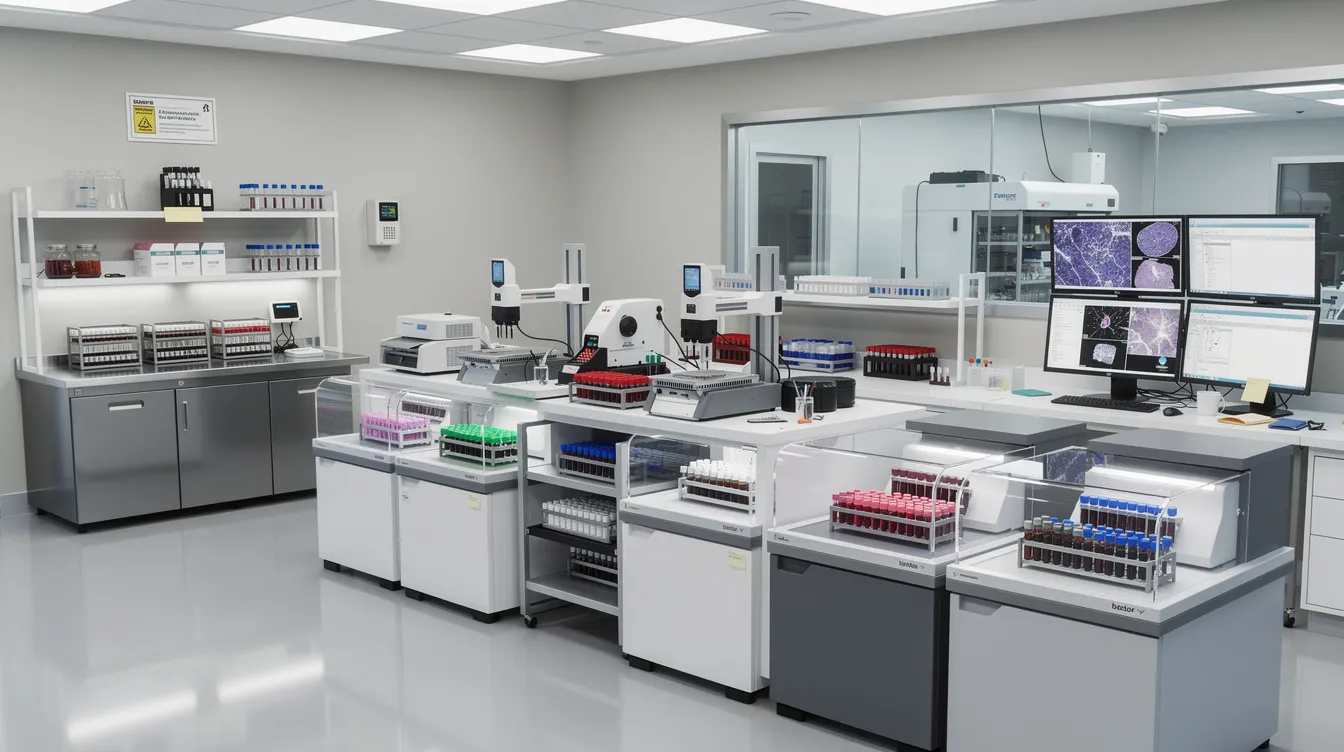
Basic pathology lab equipment costs between ₹8 lakhs to ₹15 lakhs for routine testing (haematology analyser, semi-auto biochemistry, microscopes, centrifuges, refrigerators). A fully automated lab setup can cost ₹30 lakhs to ₹50 lakhs with 5-part haematology analysers and fully automatic biochemistry systems. High-throughput labs with immunoassay, coagulation and molecular testing can reach ₹60 lakh–₹1.5 crore. Reagent rental models exist but the DPR should still show transparent pathology lab equipment cost and ongoing reagent commitments.
Radiology & Basic Imaging
Digital X-ray systems range from ₹12 lakhs to ₹35 lakhs depending on detector technology and brand. Ultrasound machines start around ₹8 lakhs and can exceed ₹40 lakhs for advanced colour Doppler or 4D systems. PCPNDT registration is required for ultrasound imaging modalities. Radiology equipment cost must include accessories, AERB-compliant protection, lead glass, console setup and basic RIS/PACS integration. For a combined pathology + X-ray + ultrasound centre, equipment may account for ₹40–90 lakh of total capex.
CT Scan
CT scan centre setup cost includes the gantry, injector, console, lead shielding, UPS and sometimes a dedicated chiller. AERB registration is mandatory for X-ray or CT equipment. Refurbished 16–32 slice CT systems cost around ₹35–60 lakh for the machine, with total installed cost reaching ₹1.5–2.5 crore. New 32–64 slice CT machines cost ₹2.5–4 crore+ depending on brand. First-year AMC or warranty conditions must be compared across vendors.
MRI
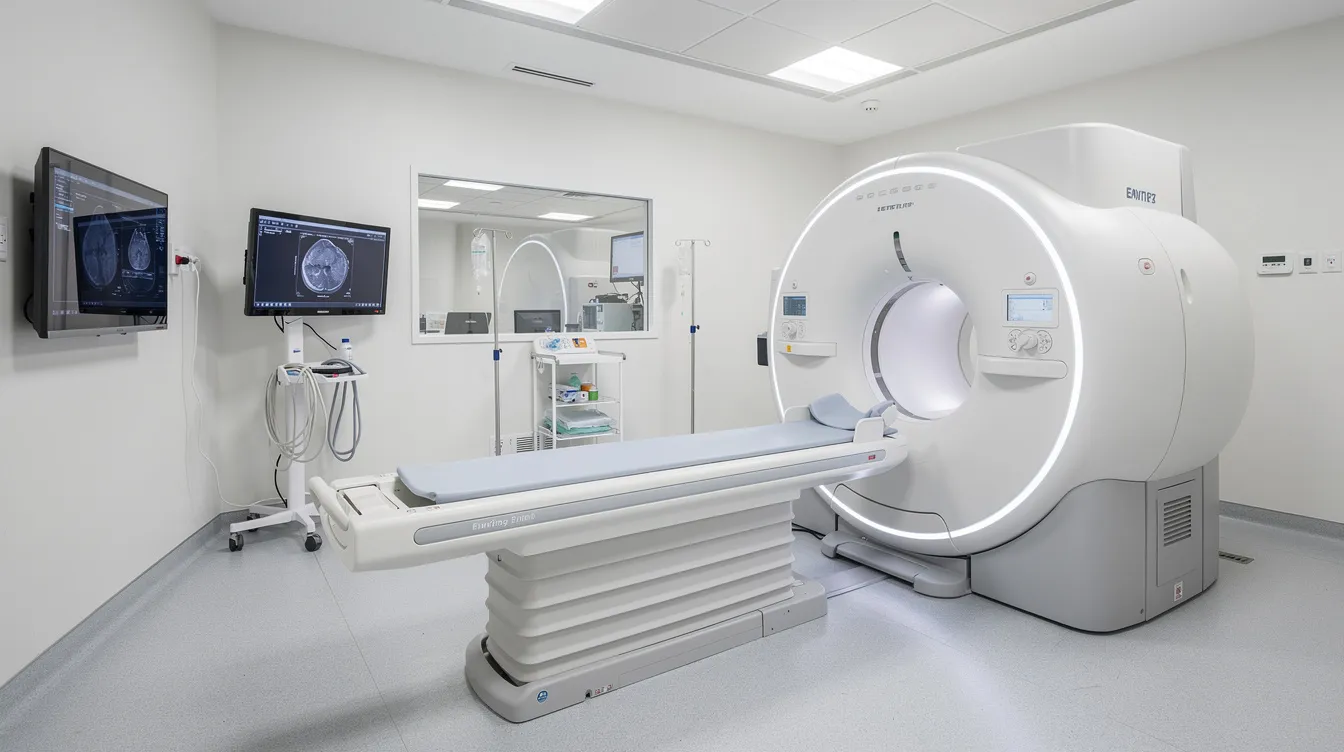
MRI centre setup cost is usually the single largest component. MRI machines cost between ₹3 crore to over ₹8 crore depending on field strength and new/refurbished status. A refurbished 1.5T MRI with site preparation, RF shielding and PACS integration typically costs ₹3–5 crore, while new 1.5T–3T systems run ₹5–9 crore+. Hidden costs include power connection upgrades, continuous chiller operation, floor strength modifications and extended installation timelines. Lenders pay close attention to MRI-related costs when appraising diagnostic centre project finance proposals.
Infrastructure, Interiors and Premises Cost
Real estate and infrastructure typically account for 15% to 25% of budget. Key functional zones include reception and billing, waiting areas, sample collection rooms, laboratory areas, imaging rooms, reporting and doctor cabins, changing rooms, admin space, storage and washrooms.
Indicative ranges for civil and interior work:
- Small 800–1,200 sq.ft lab: ₹6–15 lakh
- 2,000–3,000 sq.ft diagnostic centre with imaging: ₹20–40 lakh
- MRI/CT intensive 3,500–5,000 sq.ft centre: ₹35–70 lakh+
Rent for a diagnostic centre ranges from ₹50,000 to ₹1 lakh per month in most cities. Rented premises shift cost from building to lease deposit and monthly rent, while owned premises add capex but reduce long-term cash outflow. A prime location in a metro will cost substantially more than a tier-2 or tier-3 city.
Pre-Operative Expenses and Working Capital: The Often-Ignored Costs
Many promoters focus only on diagnostic centre machinery cost and interiors, overlooking pre-operative expenses and working capital – which later creates liquidity stress.
Pre-operative expenses include project report and consultancy fees, legal and registration charges, licensing fees, architect fees, branding, initial marketing campaigns (marketing and patient acquisition budget is typically ₹3 lakhs to ₹10 lakhs), interest during construction, recruitment of experienced staff and skilled staff, trial runs, calibration and software implementation. These commonly form 3–7% of total project cost.
Working capital covers 3–6 months of operating expenses: staff salaries (monthly staffing costs range from ₹4 to ₹8 lakhs; staffing accounts for 40–60% of total operational costs), rent, utilities, consumables and reagents – which can become one of the largest monthly variable expenses. Initial reagents, consumables and inventory account for around 5% of budget. Working capital and staffing typically account for 10–20% of overall budget. Initial working capital reserve should be ₹15 to ₹25 lakhs for small to mid-sized centres, scaling to ₹40–80 lakh for CT/MRI centres.
A mid-sized diagnostic centre needs various skilled professionals including lab technicians, radiographers, a qualified pathologist, and admin staff. A mid-sized centre with monthly operating cost of ₹12–18 lakh should plan working capital of ₹25–50 lakh. The concept of separating fixed investment from operating liquidity in healthcare projects applies directly to diagnostic centre planning.
Banks commonly finance working capital separately through CC/OD or WCTL, and margin on working capital must be part of the promoter’s total investment plan.
Means of Finance for a Diagnostic Centre Project
Once total diagnostic centre investment cost is reasonably estimated, the promoter must plan the mix of equity and debt. Typical means of finance include:
- Promoter contribution (equity and unsecured loans): most lenders expect 25–35% of project cost as promoter margin
- Term loan from bank or NBFC for building and equipment
- Dedicated equipment finance facilities, sometimes with vendor tie-ups
- Working capital limits (CC/OD) sanctioned separately
Many lenders are comfortable when debt-equity ratio stays within 1.5:1 to 2:1, subject to cash-flow viability. For CT/MRI centres, specialised equipment loans can optimise interest cost and repayment tenure but must align with projected cash flows. Similar healthcare project funding structures apply, though diagnostic centre tickets are typically smaller.
A strong diagnostic centre project finance proposal includes realistic projections, adequate moratorium and reasonable instalment sizing so that DSCR remains comfortable across the loan tenure.
How to Estimate the Right Project Cost for a Bankable Diagnostic Centre DPR
In my experience preparing diagnostic centre and hospital DPRs, accurate project-costing is the single most important factor for quick and favourable bank appraisal. A diagnostic centre project report must connect:
Service Mix → Capacity (tests/day, scans/day) → Equipment & Infrastructure → Project Cost → Means of Finance → Revenue & Tariffs → Operating Cost → Cash Flow → DSCR → Loan Repayment Capacity
A bankable DPR requires vendor-backed equipment quotations, architect estimates, electrical/HVAC quotes, itemised regulatory expenses and clear working capital margins. Patient volume stabilizes over the first 6 to 12 months after launch – projections must reflect this ramp-up realistically.
Common mistakes I see from promoters:
- Copying project-cost figures from unrelated pathology or imaging projects without adjusting for modality mix
- Underestimating working capital and ignoring the ramp-up period
- Ignoring installation, freight, customs and site-preparation costs
- Overestimating patient volumes, leading to optimistic DSCR projections
- Selecting expensive MRI/CT configurations disproportionate to the catchment area’s paying capacity
Detailed financial projections for healthcare DPRs and DSCR analysis follow similar principles across medical projects. Engage a professional familiar with healthcare project finance to avoid misalignment between your diagnostic centre business plan and bank appraisal expectations.
Conclusion: Aligning Investment with Services, Market and Finance
There is no single standard diagnostic centre project cost in India. The correct figure depends on whether you are planning a basic diagnostic lab, a pathology + imaging centre, or a CT/MRI-led advanced facility.
Careful costing of equipment, infrastructure, regulatory compliance, pre-operative expenses and working capital is essential before committing to leases, equipment orders or bank loans. A well-prepared diagnostic centre DPR should answer two questions: (1) How much will the project cost? and (2) Can the proposed setup generate adequate, realistic cash flow to service the debt and provide a sustainable return?
Treat project-cost estimation as the foundation of your diagnostic centre business plan – not a last-minute formality. I recommend that every promoter invest money and time in getting this right before approaching lenders. ProjectReportBank.com specialises in bankable project reports and financial analysis for healthcare ventures across India.
- CA Manish Gugliya (FCA, DISA ICAI)
Frequently Asked Questions on Diagnostic Centre Project Cost in India
The FAQs below address practical cost and finance questions that promoters frequently raise beyond what the main sections cover.
What is the minimum realistic cost to start a small diagnostic lab or pathology lab in a tier-2 or tier-3 Indian city?
A bare-minimum routine pathology lab with semi-auto analysers, 400–600 sq.ft rented space, basic interiors and essential licences can typically be started in the ₹12–20 lakh range excluding land. A safer planning range – including 3–4 months working capital, digital marketing spend and some initial consumables – is around ₹18–25 lakh for a compliant small diagnostic lab. Adding digital X-ray or ultrasound will quickly lift costs into the ₹40–80 lakh band. Many doctors also explore the franchise model through operators like Apollo Diagnostics, which can change the initial investment structure.
How much does NABL accreditation add to the project cost of a diagnostic centre?
NABL accreditation, based on ISO 15189 requirements, is more of a quality and process investment than a one-time fee. Promoters should budget ₹3–8 lakh over the first 1–2 years towards consultancy, documentation, internal audits, proficiency testing and corrective actions. While this increases upfront investment slightly, NABL accreditation enables corporate empanelment, TPA tie-ups and hospital partnerships – improving long-term revenue quality and reports credibility.
Is it advisable to start with refurbished CT or MRI machines to reduce project cost?
Many first-time imaging-centre promoters in India opt for certified refurbished machines from reputable vendors. This can reduce machinery cost by 30–50% compared to a new lab or new diagnostic centre setup. However, due diligence is critical: verify vendor credentials, remaining magnet life, tube usage, spare availability and AERB approvals. The diagnostic centre DPR must still reflect realistic AMC, maintenance and downtime assumptions.
How long does it typically take for a diagnostic centre to break even on its project cost?
Payback depends on modality mix, tariffs, location, competition and utilisation. Basic pathology labs may target break-even in 18–24 months, whereas CT/MRI centres often plan for 3–5 years. Lenders evaluate DSCR rather than simple payback, so financial projections must show cash flow sufficient to meet EMI obligations comfortably. Conservative assumptions on patients and phased addition of modalities improve the risk profile during initial operations.
Does adding home sample collection significantly change the cost of setting up a diagnostic centre?
Home-collection services do not add large capex but require budgeting for 1–2 two-wheelers, sample-transport boxes, barcoding devices and additional phlebotomist salaries. For most centres, incremental investment is ₹2–8 lakh plus ongoing monthly cost. In competitive urban markets with a partner network or digital marketing strategy, home collection can accelerate revenue build-up and help recover diagnostic centre project cost faster.
Explore All Diagnostic Centre DPR Guides
Continue exploring our complete series on Diagnostic Centre project planning, equipment, financial projections, repayment capacity and bank finance.