Many first-time loan seekers read “Mudra Loan is now available up to ₹20 lakh” and assume they can walk into any bank and request ₹15 lakh or ₹20 lakh on their very first application. That is not how it works. The ₹20 lakh ceiling belongs to a specific category called tarun plus, and it comes with a condition that first-time borrowers cannot satisfy. This article explains why, what alternatives exist, and how to approach Mudra funding correctly in FY 2026–27.
Key Takeaways
A genuine first-time Mudra borrower cannot directly get ₹20 lakh under Tarun Plus. The overall Pradhan Mantri Mudra Yojana (PMMY) ceiling of ₹20 lakh does not translate into an automatic entitlement for every applicant.
Featured Snippet Answer: No – a first-time Mudra borrower cannot get ₹20 lakh under Tarun Plus. This category is exclusively for entrepreneurs who have previously availed and successfully repaid a loan under the Tarun category (₹5–₹10 lakh). First-time borrowers cannot apply for Tarun Plus. Final sanction always remains subject to lender assessment.
- First-time borrowers cannot apply for Tarun Plus regardless of business size, turnover, or CIBIL score.
- Tarun Plus is a graduation step for existing Tarun borrowers who have successfully repaid previous loans.
- The scheme encourages entrepreneurship among first-time borrowers through Shishu, Kishore, and Tarun categories – not Tarun Plus.
- All sanctions remain subject to lender appraisal, business viability, and current PMMY rules for FY 2026–27.
Can a First-Time Mudra Borrower Get ₹20 Lakh Under Tarun Plus?
No. A first-time Mudra borrower – someone who has never availed and successfully repaid a tarun loan under PMMY – cannot directly qualify for ₹10 lakh to ₹20 lakh under the Tarun Plus category.
Tarun Plus is not an entry-level Mudra loan option. It is a higher step designed specifically for borrowers who have already taken a Tarun-category loan, repaid it in full, and now need additional financial assistance for business growth.
One important clarification: a “first-time entrepreneur” (someone starting a new business) is not the same as a “first-time Mudra borrower.” You could be running a business for years but never have taken a Mudra loan. The distinction matters because Tarun Plus eligibility depends on your Mudra borrowing history, not your business history alone.
Table of Contents
What Is Tarun Plus Under PMMY?
Pradhan Mantri Mudra Yojana, commonly known as Mantri Mudra Yojana PMMY, was launched on 8 April 2015 as a flagship scheme to provide collateral free loans to non corporate, non farm micro enterprises and small businesses. MUDRA stands for Micro Units Development and Refinance Agency.
The mudra scheme now has four categories:
| Category | Loan Amount | Who Can Apply |
|---|---|---|
| Shishu | Up to ₹50,000 | Any eligible borrower; shishu loans provide upto Rs 50,000 for startups |
| Kishore | ₹50,001 to ₹5 lakhs | Any eligible borrower; kishore loan covers this range |
| Tarun | Above ₹5 lakh to ₹10 lakh | Any eligible borrower with justified need |
| Tarun Plus | Above ₹10 lakh to ₹20 lakh | Only those who have availed and successfully repaid previous Tarun loans |
Tarun Plus became effective from 24 October 2024 and continues to apply in FY 2026–27. These are collateral free loans covered under credit guarantee schemes like CGFMU/CGTMSE, but interest rates for Tarun Plus loans are set by individual banks and are not standardized.
Tarun Plus targets growing micro-units and small enterprises. The business must be involved in manufacturing, trading, services, or allied agricultural activities to qualify. A promoter’s contribution of around 20% is typically required, and the repayment period for loans under Tarun Plus can extend up to 84 months. Applicants must be aged between 18 and 65 years. PMMY supports various business types including service and manufacturing sectors.
For complete details on this category, read our guide to the Tarun Plus Mudra Loan.

Why Can’t a First-Time Borrower Directly Get Tarun Plus?
Think of PMMY categories as steps. Shishu, Kishore, and Tarun are open to any eligible borrower based on their funding requirement. But Tarun Plus has an extra eligibility condition built into the official PMMY design: you must have previously availed and successfully repaid a Tarun-category loan.
This is not merely a bank’s internal choice. It is part of the Department of Financial Services rules. Banks like Indian Bank and Canara Bank mirror this condition word for word in their product pages.
Why does this condition exist? Because previous Tarun repayment gives lenders a proven track record. It demonstrates:
- Repayment discipline and a satisfactory credit track record
- Business continuity and the ability to handle term loan obligations
- Proper utilisation of earlier funds and assets created from the previous loan
A clean credit track record is essential for eligibility. Even if a first-time borrower has strong business experience, impressive turnover, or an excellent CIBIL score, these do not remove the previous Tarun loan condition. Tarun Plus also serves as a stepping stone to larger commercial credit tracks, and that stepping stone starts with successful Tarun repayment.
What Does “Successfully Repaid Previous Tarun Loan” Mean in Practice?
There is no single public definition that fits every case. Banks rely on their own records and PMMY guidelines. However, key indicators include:
- No overdue EMIs at closure, no write-off or compromise settlement
- Loan status marked as “standard” throughout the tenure
- Full settlement of principal plus interest
- Account marked “closed” in bank records and updated with credit bureaus like CIBIL
If you have repaid a Tarun loan, obtain a No Dues Certificate and keep your sanction letters, repayment schedules, and closure letters safe. For step-by-step guidance, refer to our articles on how to close a Mudra Loan after full repayment and getting a Mudra Loan NOC after closure.
Documents required for Tarun Plus may include updated business proofs and income tax returns, along with a liability statement, property tax receipt, and other documents the bank or financial institution may request.
First-Time Entrepreneur vs First-Time Mudra Borrower
Many people confuse being new to business with being new to Mudra. This confusion leads to wrong assumptions about Tarun Plus eligibility.
- A first-time entrepreneur is someone starting or running a business for the first time – possibly without any prior bank credit history.
- A first-time Mudra borrower is a person or entity that has never taken a PMMY loan in the relevant category.
PMMY supports new entrepreneurs across shishu kishore and Tarun categories. But Tarun Plus is reserved for those who have already gone through and repaid Tarun.
| Situation | Tarun Plus Eligibility Position |
|---|---|
| Never taken any Mudra Loan | Cannot directly qualify based solely on being a new applicant |
| Previously took Shishu only | Previous Shishu alone does not satisfy the previous Tarun requirement |
| Previously took Kishore only | Previous Kishore alone does not satisfy the requirement |
| Previously took Tarun but repayment is ongoing | Do not assume eligibility until repayment requirement is satisfied |
| Previously availed and successfully repaid Tarun | May be eligible to apply, subject to lender appraisal |
| Previous Tarun repaid successfully | Sanction is still not automatic; assessed based on business viability |
Can a New Borrower Get ₹20 Lakh Just Because the Mudra Limit Increased?
No. The headline “Mudra Loan now up to ₹20 lakh” refers to the overall PMMY ceiling after Tarun Plus was introduced – not to every individual borrower’s first loan entitlement.
The scheme’s maximum limit and actual borrower-level eligibility are different things. A first-time borrower cannot demand ₹20 lakh under Mudra simply because their business plan or vendor quotation totals that amount. Even eligible Tarun Plus borrowers may receive sanctions lower than ₹20 lakh based on viability, margins, and projected cash flows.
For a broader explanation of the ₹20 lakh framework, visit Mudra Loan up to ₹20 lakh.
What Mudra Loan Can a First-Time Borrower Realistically Apply For?
First-time individual borrowers should pick the correct category based on genuine funding requirement:
- Shishu: For small requirements up to ₹50,000. Processing fees for Shishu loans are often waived by most banks.
- Kishore: For requirements between ₹50,001 and ₹5 lakh. Loan applications for amounts up to ₹5 lakh should be processed within 2 weeks.
- Tarun: For larger needs above ₹5 lakh and up to ₹10 lakh, with stronger documentation.
PMMY does not formally require everyone to start from Shishu and move step-by-step, but Tarun Plus specifically requires past Tarun repayment. Women-led businesses may receive additional support under the scheme. You can apply for a Mudra loan online or offline through public sector banks, commercial banks, small finance banks, micro finance institutions, and other member lending institutions. Required documents include ID proof such as voter’s id card and address proof. An application number is generated after submitting the loan application. Interest rates for PMMY loans are generally lower than traditional loans, and loans under PMMY are processed quickly without collateral security requirements. The loan amount is decided based on your proposed activity, educational qualification, necessary skills, and repayment capacity.
Focus on realistic project cost, working capital need, and EMI capacity rather than targeting the highest category name. Banks will still review your business plan, bank statements, basic financials, and credit reports.
Can a First-Time Mudra Borrower Apply for ₹10 Lakh?
A ₹10 lakh loan falls under the upper end of the Tarun category, not under Tarun Plus. Subject to bank appraisal, a first-time borrower may apply directly in the Tarun category if genuine project cost and repayment capacity justify it. Tarun loans range from ₹5 lakh to ₹10 lakh.
However, approval for ₹10 lakh as a first loan is not automatic. Lenders will expect stronger documentation, GST returns, and a detailed project report. Even if a first-time borrower can justify ₹10 lakh, they still cannot skip to ₹15–₹20 lakh under Tarun Plus without past Tarun repayment. Banks may sanction a lower loan amount if projected cash flows do not support the full ₹10 lakh. The beneficiary micro unit’s income generating capacity matters significantly.
Example – First-Time Applicant Asking for ₹15 Lakh Under Tarun Plus
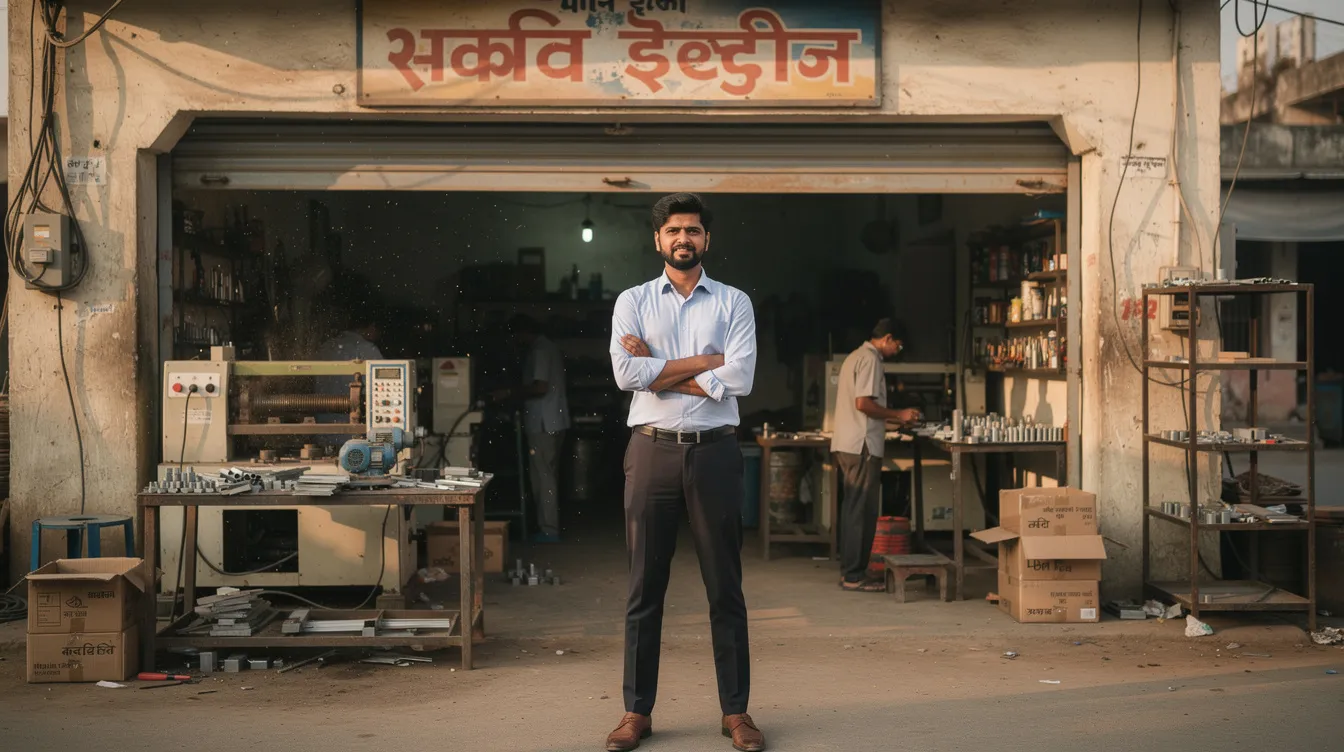
Consider a proprietor in Jaipur running a small manufacturing micro unit. He has never taken a Mudra loan but now needs ₹15 lakh for expansion. He reads online that PMMY offers collateral-free loans up to ₹20 lakhs and assumes he can choose Tarun Plus.
When he approaches the bank, the lending officer examines his status as a first-time Mudra borrower. The mandatory condition – previous Tarun loan successfully repaid – is not met. The bank cannot process a Tarun Plus application.
The bank may instead consider a Tarun loan up to ₹10 lakh under Mudra if justified, or suggest other MSME business loan products outside PMMY for the remaining amount. Trying to force-fit the case into Tarun Plus or inflating estimates solely to match category limits is risky and weakens the proposal.
Example – Existing Tarun Borrower Now Needing ₹18 Lakh
Now consider a different scenario. A street vendor-turned-retailer took ₹8 lakh under Tarun in 2022–23, repaid all EMIs on time, and closed the loan cleanly by 2025 with proper closure documents.
In 2026–27, she needs ₹18 lakh for further expansion. She may be fundamentally eligible to apply under Tarun Plus because her previous loans under the Tarun category have been successfully repaid.
The bank will assess her business turnover trend, profit margins, existing liabilities, bank account conduct, and projections for the expanded unit. Even in this case there is no guarantee of getting ₹18 lakh or ₹20 lakh – the sanction could be lower or the proposal could be declined. Banks evaluate financial health rigorously for loans under Tarun Plus. A strong project report, up-to-date GST returns, proper financial statements, and clean CIBIL record become critical at this level.
Does Successful Tarun Repayment Guarantee ₹20 Lakh Under Tarun Plus?
No. Successful repayment is necessary but not sufficient. Three distinct concepts apply:
- Scheme-level eligibility – previous Tarun repaid (satisfies the entry gate)
- Lender’s credit assessment – DSCR, business stability, sector risk, reserve bank guidelines
- Final sanction amount – could be ₹11 lakh, ₹14 lakh, or ₹17 lakh based on justified need
Individuals must not be defaulters to any bank or financial institution. No consultant, agent, or website can lawfully guarantee Tarun Plus sanction. Be cautious of such claims. The bank’s assessment considers assets, finance capacity, and credit history holistically.
What Should a First-Time Borrower Needing More Than ₹10 Lakh Do?
If your genuine funding need exceeds ₹10 lakh, discuss your full requirement transparently with the bank. The bank may structure funding as a combination – a Tarun loan up to ₹10 lakh under Mudra plus other MSME or business enterprises loan products outside PMMY.
Avoid taking smaller Tarun loans solely to “create” future Tarun Plus eligibility without real business need, as this creates unnecessary debt. Focus on realistic project sizing, own contribution, and clear repayment plans rather than chasing the Tarun Plus label. Loan structuring must respect RBI guidelines, PMMY rules, and the bank’s internal credit policy. The maximum period and terms will depend on your specific case.
Tarun Plus Rules in 2026 and FY 2026–27
As of FY 2026–27, the position remains: Tarun Plus covers covering loans above ₹10 lakh and up to ₹20 lakh for entrepreneurs who have availed and successfully repaid previous Tarun-category loans. Tarun Plus loans range from ₹10 lakh to ₹20 lakh. Tarun Plus is available only after repaying a Tarun loan.
There is no official notification allowing genuine first-time Mudra borrowers to bypass this condition. Interest rates, processing fees, and documentation remain bank-specific within RBI and PMMY frameworks. Eligible business enterprises include various other legal forms and legal forms such as proprietorships, partnerships, and small companies under the non farm, non corporate micro enterprises category. PMMY continues to operate through a wide network of member lending institutions including the refinance agency structure and a mudra card facility for working capital drawdowns.
For broader updates, visit Mudra Loan latest update.
Common Misunderstandings About First-Time Tarun Plus Applications
Several myths circulate about tarun plus first time borrower eligibility:
- Myth: Every new Mudra applicant can now get ₹20 lakh. Reality: Tarun Plus requires previous Tarun borrowing and successful repayment. First-time borrowers cannot apply for Tarun Plus.
- Myth: Any past Mudra loan (Shishu or Kishore) is enough. Reality: Only previous loans under the Tarun category count. Shishu loans or a kishore loan alone do not qualify.
- Myth: Good CIBIL alone makes me eligible. Reality: Credit quality matters in appraisal, but it does not replace the core eligibility condition.
- Myth: A profitable business automatically qualifies. Reality: Strong financials do not override the previous Tarun requirement.
Always cross-check information with official DFS/MUDRA guidelines and your lending bank before relying on informal advice.
Quick Eligibility Checklist for Tarun Plus
Before considering Tarun Plus, ask yourself:
☐ Have I previously availed a Tarun loan under PMMY? ☐ Was that Tarun loan successfully repaid and is the account marked closed? ☐ Is my new requirement above ₹10 lakh and up to ₹20 lakh? ☐ Can I demonstrate genuine business funding requirements? ☐ Is my repayment capacity adequate for the new loan amount? ☐ Are my previous loan records properly updated with the bank and credit bureau? ☐ Do I have proper documents: KYC, business registration, bank statements, GST returns, and a project report? ☐ Am I aged between 18 and 65 years? ☐ Am I not a defaulter to any bank or financial institution?
Ticking all boxes only means you may be a suitable candidate to apply online or offline. It does not guarantee sanction or a full ₹20 lakh. Discuss the checklist openly with your bank branch or finance professional before finalising any application process.
CA Manish Gugliya’s Practical Guidance for First-Time Borrowers
In my 20+ years of working with project reports, CMA data, MSME finance, and mudra loans consultancy, one of the biggest mistakes I see is borrowers treating the ₹20 lakh Mudra limit as an automatic right. It is not.
Here is what I recommend to first-time borrowers:
- First identify the correct PMMY category for your business. Do not chase the highest number.
- Compute realistic project costs, own margin, and repayment capacity before deciding any target loan amount.
- Maintain a clean track record – timely EMI payments, proper closure of previous loans, and accurate financial statements, especially if you aim to reach Tarun and later Tarun Plus.
- Prepare a credible project report and CMA data. Small shopkeepers and street vendors with genuine needs often get faster approvals with proper documentation.
- Remember that pmmy loans are assessed based on your business plan, not just the scheme ceiling.
Neither I nor ProjectReportBank.com can guarantee Mudra Loan sanction under any category. What we can do is help you prepare professionally so that your application presents your business honestly and accurately.
Conclusion – Tarun Plus Is a Ceiling, Not a First-Time Shortcut
₹20 lakh is the maximum limit under Tarun Plus – not the starting point for first-time Mudra borrowers. This category is meant for entrepreneurs who have already availed and successfully repaid a Tarun loan, making them eligible to apply for ₹10–₹20 lakh subject to appraisal.
If you are a first-time borrower, focus on the appropriate Mudra category – Shishu, Kishore, or Tarun – based on your genuine funding needs and accurate documentation. The application process works best when your expectations match the scheme’s design.
Base your decisions on official PMMY rules and sound financial planning, not on hearsay or social media posts. The final decision on category, amount, and sanction always rests with the lending financial institution under current 2026–27 guidelines.
- CA Manish Gugliya (FCA), ProjectReportBank.com
Frequently Asked Questions
Below are common questions related to tarun plus first time borrower eligibility that may not have been fully covered above.
What is the maximum Mudra Loan a genuine first-time borrower can usually target?
There is no legal cap exclusively for first-timers, but in practice many first-time Mudra borrowers receive shishu loans, Kishore, or lower-end Tarun amounts based on business size and repayment capacity. The maximum a first-time borrower can apply for under Mudra is ₹10 lakh (Tarun category), subject to bank appraisal.
If I previously took only a Kishore loan, can I jump straight to Tarun Plus?
No. Past Kishore alone does not satisfy the Tarun Plus requirement. You must have availed and successfully repaid a Tarun-category loan (above ₹5 lakh to ₹10 lakh) before Tarun Plus is considered. A previous Kishore or Shishu loan, while helpful for your credit profile, does not meet this specific condition.
How long after closing my Tarun loan can I apply for Tarun Plus?
There is usually no fixed waiting period mentioned in PMMY rules. You can apply once the Tarun account is properly closed and reflected as repaid in both the bank’s records and credit bureau records. Individual lender policy may vary, so confirm with your bank branch.
Are partnership firms and companies treated differently for first-time Tarun Plus eligibility?
The core Tarun Plus rules – previous Tarun repaid, amount between ₹10–₹20 lakh – apply similarly to individual borrowers, proprietorships, partnerships, and other legal forms of business enterprises. However, documentation and appraisal depth may differ. Banks may require additional financials for partnership or company applicants.
Can I split my requirement into multiple Mudra Loans to avoid Tarun Plus rules?
Structuring artificial multiple loans to bypass category rules or credit checks is not advisable and will likely be identified and declined by banks. Present your full genuine requirement transparently and let the bank decide the correct product mix within PMMY and other lending frameworks. The final decision always rests with the lending institution under applicable guidelines.
- Is Previous Tarun Loan Repayment Mandatory for Tarun Plus? (Tarun Plus Eligibility & Previous Loan Clarified)

- Kishor to Tarun Plus Mudra Loan: Can You Skip Tarun and Apply Directly?

- Can First-Time Mudra Borrowers Get ₹20 Lakh Under Tarun Plus?

- Mudra Loan Interest Rate 2026 – Has It Really Changed in FY 2026-27?

- Is There Any New Subsidy on Mudra Loan in 2026? Latest Update for FY 2026-27

- Is Mudra Loan Available in 2026? Latest PMMY Status Explained for 2026-27

- Mudra Loan Latest Update 2026-27: What Borrowers Should Know (By CA Manish Gugliya)
- Mudra Loan Old vs New Rules: What Has Changed in 2026-27?

- Can You Get a Mudra Loan Up to ₹20 Lakh? Latest Rules Explained