Chhattisgarh is quietly becoming one of the most attractive states for new entrepreneurs in central India. With a GSDP estimated at ₹6.35 trillion for FY 2025-26 and strong industrial growth across mining, steel, cement, and agro processing, the state offers a rare combination of low operating costs, abundant natural resources, and supportive government policies that many other states simply cannot match.
Known as the “Rice Bowl of India,” Chhattisgarh’s agricultural base is formidable – roughly 80% of the population depends on agriculture, and the state leads in paddy production. Over 40% of Chhattisgarh’s land is under forest cover, ranking it third nationally and opening up business opportunities in bamboo, herbal products, and forest produce. The state is rich in minerals like iron ore and coal, has a well-established steel, cement, aluminum, and engineering ecosystem, and has installed a 13,076.27 MW capacity power generator supporting its power sector. Key industries in Chhattisgarh include agriculture, forestry, mining, and manufacturing. The state produces 20% of India’s total cement – a substantial share of the country’s total cement produced. Tourism in Chhattisgarh is underdeveloped despite the state’s natural beauty and cultural assets, which itself signals untapped market potential.
The state is also a hub for food processing and agritech sectors, and Chhattisgarh has over 1850 DPIIT-recognized startups and 20 incubators, signaling a maturing startup ecosystem. Emerging sectors in Chhattisgarh include AI, IT services, and green technologies. This is a rapidly developing state offering strong entrepreneurial potential in agro-processing and mineral-based manufacturing – and the fiscal and policy incentives make it worth serious consideration.
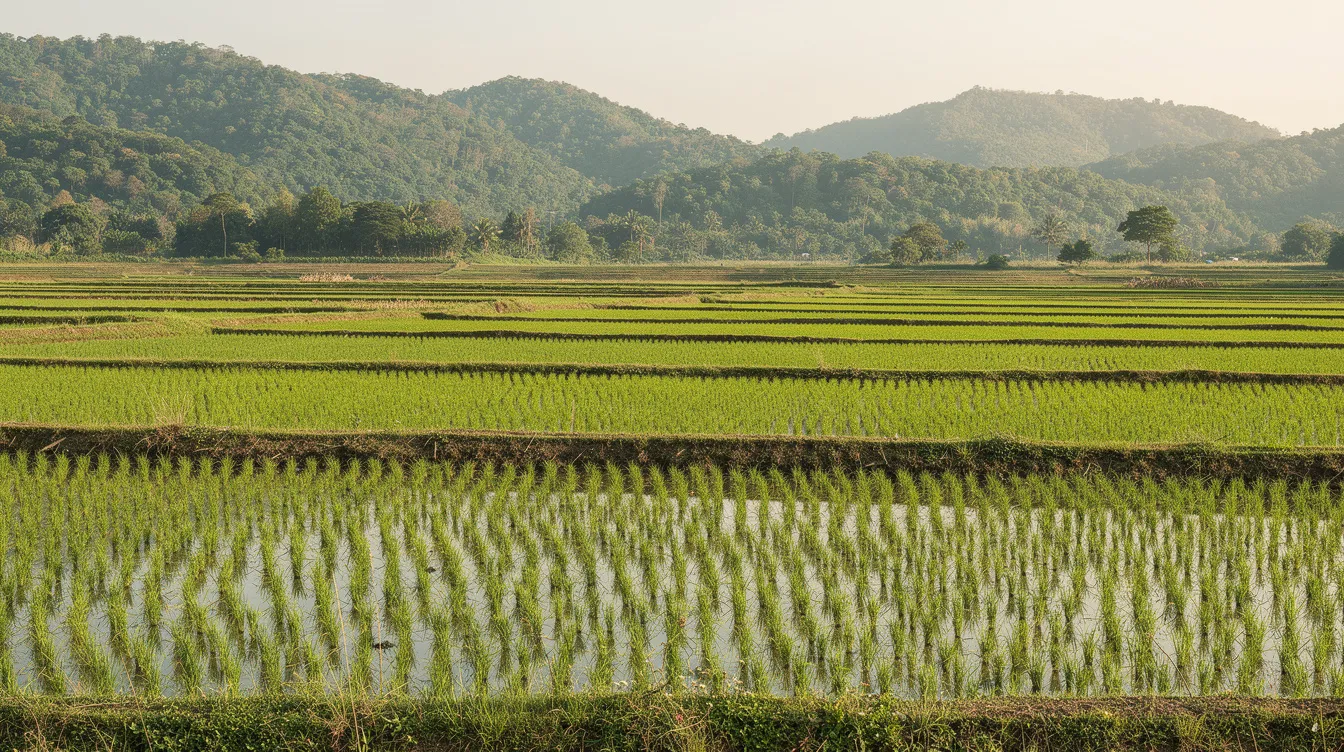
Table of Contents
How We Selected the Best Business Ideas for Chhattisgarh
Picking the right business idea isn’t about chasing trends. It requires a structured evaluation of several key parameters. Here’s how I approached the selection for this list:
- Investment requirements and accessibility. Each idea was evaluated for whether it’s realistic for new entrepreneurs with varying budgets – from minimal investment under ₹5 lakh to larger setups requiring ₹25 lakh or more.
- Market demand and growth potential. I looked at both local and external markets. Ideas with steady demand – not just seasonal spikes – scored higher. Market research field analysis confirmed growing consumer and industrial appetite for each sector listed.
- Availability of raw materials. Chhattisgarh’s mineral wealth, agricultural output, and forest resources provide a natural cost advantage. Every idea on this list has direct access to raw materials within the state.
- Government support and policy advantages. The state’s Industrial Development Policy 2024-30 offers capital investment subsidies, SGST reimbursement, and additional incentives in backward blocks. Chhattisgarh’s industrial policy includes support for micro, small, and medium enterprises. The state government offers several incentives for startups and MSMEs, and Chhattisgarh has policies aimed at simplifying business approvals and supporting startups. The state government provides tax incentives for businesses.
- Scalability and profitability. I prioritized ideas where margins improve with scale, and where value addition creates room for a profitable business over time.
- Risk assessment. Every business idea here includes an honest look at limitations – because sound business decisions require understanding what can go wrong.
- Skill requirements. Some ideas need technical expertise, others need traditional craft knowledge, and some can be learned quickly. I’ve matched each accordingly.
Chhattisgarh offers various government schemes for startups – from PMEGP subsidies (15-35% of project costs) to CGTMSE collateral-free lending guarantees, Mudra Loans, Stand-Up India, and the state’s own Startup Chhattisgarh seed funding programs. Over 12.4 lakh MSMEs are registered under Udyam in the state as of late 2025, reflecting the breadth of small businesses already operating here.
Top 8 Most Profitable Business Ideas in Chhattisgarh
1. Rice Mill and Processing Unit
Agriculture remains a major strength in Chhattisgarh, especially rice production. Approximately 77% of the state’s net sown area – roughly 4.8 million hectares – is under paddy cultivation, producing millions of tonnes annually. A rice mill is one of the most proven, profitable business ideas in Chhattisgarh.
Why It Stands Out
Chhattisgarh is known as the rice bowl of India. The government procures paddy at around ₹3,100 per quintal under the Krishak Unnati Yojana, with over 14.49 lakh metric tons procured in 2023-24 from nearly 24.75 lakh small farmers. This guaranteed procurement creates a reliable raw material pipeline that few other states can match. Government subsidies are available for rice mill startups.
Best For
Entrepreneurs with ₹5-15 lakhs investment capacity and genuine interest in the agricultural sector. A small scale setup with basic polishing and packaging equipment can get started at the lower end; larger units with rice bran oil extraction capability require ₹1-2 crore.
Key Strengths
- Consistent demand from wholesale markets, retail, and export channels
- NABARD loan support and PMEGP subsidies available for agro processing units
- Multiple product lines possible: parboiled rice, organic rice, rice bran oil, broken rice for animal feed
- Proximity to paddy-growing regions reduces transport and procurement costs
- FSSAI licensing is straightforward for grain processing
Possible Limitations
- Seasonal dependency on paddy harvest cycles (primarily kharif) means working capital planning is critical
- Competition from established large-scale mills in Raipur and Durg requires differentiation – organic certification or specialty varieties help
CA Manish Gugliya’s advice: Always prepare a detailed project report with month-wise cash flow projections before approaching a bank. Rice mills have predictable revenue patterns, which makes break even analysis relatively straightforward – typically 18-24 months for a well-located unit.
2. Bamboo Products Manufacturing
With bamboo-bearing forest area of approximately 10,467-11,368 km² and about 7% of the country’s total bamboo growing stock, Chhattisgarh sits on a massive, renewable resource base. The state has abundant bamboo resources for eco-friendly manufacturing.
Why It Stands Out
Bamboo is no longer classified as a tree under Indian law, which has simplified harvesting and commercial use. Per capita bamboo extraction in forest-dependent households runs at about 53 kg annually, showing deep existing supply chains. Global demand for eco-friendly alternatives to plastic and hardwood is rising sharply.
Best For
Artisan-oriented entrepreneurs and those interested in sustainable manufacturing. This works well as both a small scale industry and a larger mechanized operation depending on product focus.
Key Strengths
- Low raw material costs due to local forest resources – Bastar, Koriya, and Surguja divisions are particularly rich
- Multiple product categories: furniture, utensils, handicrafts, construction materials, bamboo charcoal, biomass pellets
- Export potential to Europe and Southeast Asia; government tribal enterprise support available
- Chhattisgarh has significant forest cover and abundant non-timber forest products, creating an ecosystem for sourcing
Possible Limitations
- Requires skilled artisan workforce and design capabilities – training investment is necessary
- Marketing challenges for reaching urban and international markets; branding and packaging matter significantly
- Forest department permissions needed for commercial-scale extraction
CA Manish Gugliya’s advice: Start with 2-3 product lines rather than trying everything. Bamboo furniture and activated charcoal have the highest margins. Include a market study in your business plan to demonstrate buyer commitments.
3. Herbal and Medicinal Plant Processing
Chhattisgarh’s forest cover exceeds 41% of its geographical area – roughly 55,717 km² of forests containing diverse medicinal plants like mahua, ashwagandha, emblica (amla), and dozens of others used in traditional medicine.
Why It Stands Out
The convergence of abundant natural resources, traditional tribal knowledge of plant uses, and exploding national demand for Ayurvedic and herbal products creates a genuine opportunity. Chhattisgarh has significant potential for organic farming, and organic farming is highly profitable in Chhattisgarh when combined with herbal processing.
Best For
Health-conscious entrepreneurs with knowledge of Ayurveda, organic products, or pharmaceutical processing. Also suitable for those interested in ayurvedic cosmetic manufacturing and natural wellness products.
Key Strengths
- Growing national and international demand for natural health products – the global herbal market is projected to exceed $500 billion by 2028
- AYUSH ministry support and organic certification benefits reduce barriers
- High-value products with profit margins of 30-60% on finished herbal extracts and formulations
- GI tags and fair trade certifications add premium positioning
Possible Limitations
- Complex regulatory requirements: FSSAI, AYUSH licensing, organic certification processes require time and investment
- Need for specialized knowledge in plant processing, quality control, and standardization of active compounds
- Sourcing consistency can be challenging during off-seasons
CA Manish Gugliya’s advice: This is one of the most profitable project opportunities I’ve seen – but only if you invest in proper certifications upfront. Banks look favorably at herbal processing units with confirmed buyer agreements. Include production aspects and quality testing protocols in your project reports.

4. Fly Ash Brick Manufacturing
Chhattisgarh’s concentration of thermal power plants and coal mines produces enormous quantities of fly ash – a waste material that makes an excellent, eco-friendly building material when processed into bricks.
Why It Stands Out
The state’s installed power generation capacity of 13,076.27 MW means consistent fly ash supply. Meanwhile, infrastructure projects across the state and neighboring Madhya Pradesh are driving strong demand for construction materials. The state produces 20% of India’s total cement, and the broader construction ecosystem creates natural buyer networks.
Best For
Manufacturing-focused entrepreneurs targeting the construction and infrastructure sectors. Works well in cities like Korba, Raipur, Bilaspur, and Durg where both raw material and demand converge.
Key Strengths
- Government preference for eco-friendly building materials in public projects
- Lower production costs compared to traditional clay bricks – fly ash is often available free or at nominal cost
- Strong demand from housing schemes, commercial construction, and infrastructure projects
- The manufacturing process is relatively simple: mixing fly ash with cement, lime, and gypsum, then pressing and curing
- Capital investment of ₹10-25 lakh for a semi-automatic plant producing 5,000-10,000 bricks daily
Possible Limitations
- Initial machinery investment and technical setup requirements – automatic plants cost significantly more
- Competition from established brick manufacturers in the Bhilai-Durg industrial corridor
- Quality consistency requires careful process control
CA Manish Gugliya’s advice: Fly ash brick units are among the easiest manufacturing businesses to get bank financing for, because the environmental angle strengthens your case. Include pollution control board NOC costs in your project financials and other project financials documentation.
5. Dairy Farming and Processing
Chhattisgarh has approximately 8.15 million cattle and 1.89 million buffaloes, with milk production targets exceeding 2.06 million tonnes. Yet average milk yield per animal remains roughly half the national average – meaning massive room for improvement through better breeds, feed, and management.
Why It Stands Out
Dairy farming is a growing business in Chhattisgarh’s rural areas. The gap between current yield and potential yield is where the profit opportunity lies. Cooperative models in Surguja and Koriya districts have demonstrated that crossbreeding and improved feed can substantially increase returns for smallholder operations.
Best For
Rural entrepreneurs and those with agricultural background and livestock experience. This is one of the most practical agriculture business ideas for village-level entrepreneurs.
Key Strengths
- Steady income through daily milk sales and value-added products like paneer, ghee, and flavored milk
- Government schemes including cooperative support, NABARD dairy financing, and veterinary extension services
- Scalable from small family operations (5-10 animals) to commercial dairy units (50+ animals)
- Working capital requirement is moderate once initial herd investment is made
- Steady demand for dairy products across all consumer segments
Possible Limitations
- Daily operational requirements and livestock management challenges – this is not a passive business
- Price fluctuations and competition from organized dairy brands like Amul and Mother Dairy
- Veterinary infrastructure is thin in tribal districts (approximately 1 vet per 36,000 livestock)
CA Manish Gugliya’s advice: Start with 10-15 crossbred cows and scale based on market response. Include feed cost projections, veterinary expenses, and seasonal milk price variations in your business plan. Banks prefer dairy projects with tied-up bulk buyers.
6. Solar Energy Installation Services
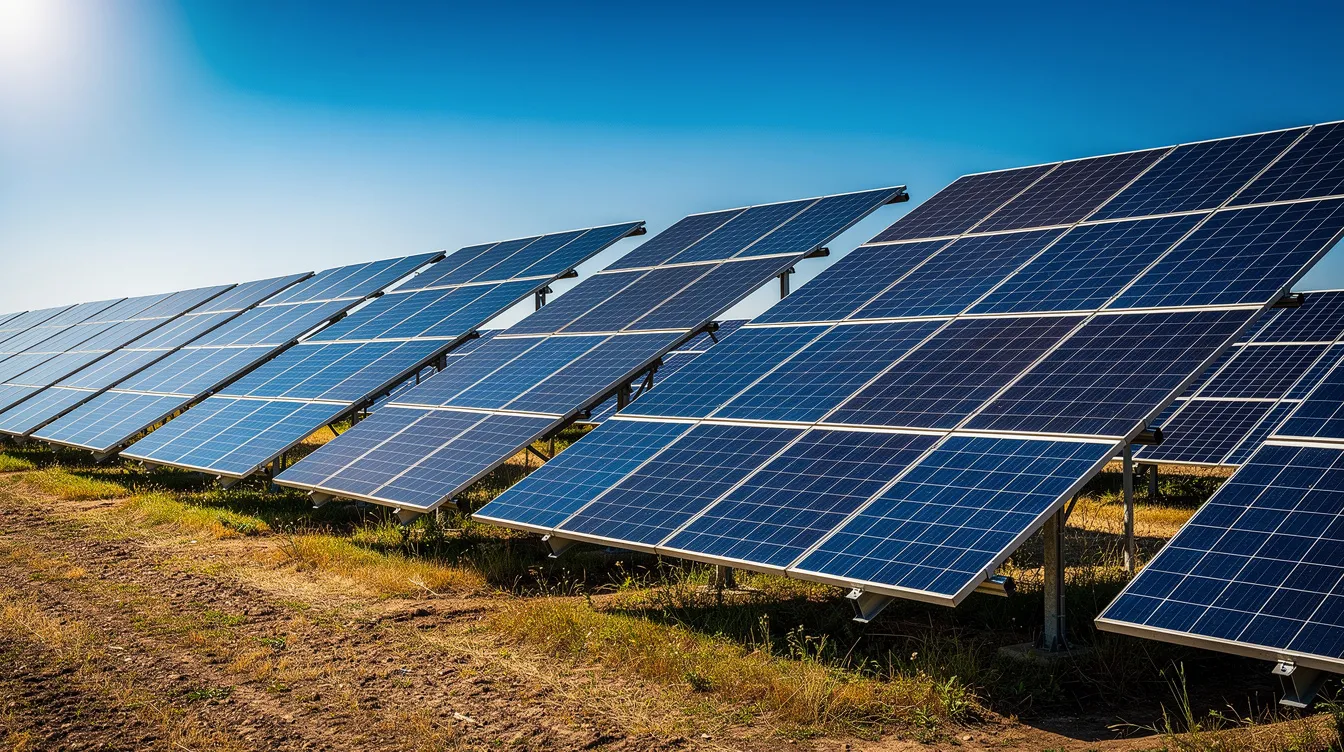
Solar energy equipment sales are rising in Chhattisgarh, driven by government initiatives, industrial growth, and agricultural demand for solar water pumps. The government offers subsidies for solar energy startups. Chhattisgarh promotes renewable energy with government support, and Chhattisgarh has initiatives focused on promoting sustainable energy solutions.
Why It Stands Out
Solar energy demand is increasing due to industrial growth and renewable projects. With abundant sunshine across most of the state and large tracts of non-forest land, solar panel installation services address both commercial and residential needs. Renewable energy is a priority sector under the state’s Industrial Development Policy 2024-30.
Best For
Technology-oriented entrepreneurs with technical skills and a startup mindset. Business ideas in Raipur, Bilaspur, and Korba are especially viable given industrial concentration. This is also relevant for aspiring entrepreneurs interested in EV-adjacent infrastructure.
Key Strengths
- Strong government support through central and state subsidies – up to 40% subsidy on residential rooftop solar
- Growing demand from residential, commercial, and agricultural sectors
- Recurring revenue through maintenance and service contracts – not a one-time sale model
- Energy production through solar contributes to India’s climate commitments, adding policy tailwind
Possible Limitations
- Technical expertise requirements and certification needs – BIS standards compliance is mandatory
- High initial investment for equipment inventory and demonstration installations (₹15-30 lakh)
- Customer education needed in semi-urban and rural areas
CA Manish Gugliya’s advice: Solar installation businesses benefit from both PMEGP and state incentives. The PM Kisan SAMPADA Yojana supports cold storage projects – consider combining solar installation with cold storage solutions for agricultural clients.
7. Organic Food Processing Unit
Chhattisgarh’s diverse agricultural output – rice, pulses, oilseeds, spices, and forest-sourced ingredients – provides excellent inputs for food processing units targeting health-conscious consumers. The state is known for its rich natural resources and agricultural base, making processed food manufacturing a natural fit.
Why It Stands Out
Consumer demand for organic and natural foods is accelerating nationally and internationally. Organic farming in Chhattisgarh benefits from relatively low chemical input history in tribal farming areas, making certification easier. Food processing is among the priority sectors under state government incentives.
Best For
Food industry entrepreneurs focusing on health-conscious consumer segments. Works well for entrepreneurs in Jagdalpur (tribal produce access), Raipur (distribution hub), and Bilaspur.
Key Strengths
- Direct farmer relationships ensuring quality raw material supply at competitive prices
- FSSAI support and organic certification pathways are well-established
- Multiple product categories: organic flours, snacks, pickles, ready-to-cook foods, spice blends
- Online retail channels expand reach beyond local markets – reaching metro consumers directly
- Small scale units can start with ₹5-10 lakh investment in basic processing and packaging equipment
Possible Limitations
- Food safety regulations and quality control requirements demand consistent monitoring
- Marketing and distribution challenges for reaching urban markets – branding investment essential
- Shelf life management for organic products (no preservatives) requires proper packaging
CA Manish Gugliya’s advice: I recommend starting with 3-4 products with proven local demand before expanding. Include FSSAI registration costs, packaging design, and quality testing expenses in your project costs. A CMA report with realistic sales projections significantly improves bank loan approval chances.
8. Handicraft and Tribal Art Business
Chhattisgarh’s tribal communities – Gond, Baiga, Muria, and others – possess centuries-old artistic traditions in metalwork, woodcraft, weaving, and painting. This cultural heritage represents a genuine business opportunity.
Why It Stands Out
Rich tribal culture and unique handicraft traditions with growing tourism potential and digital marketplace access. Local artisans in districts like Bastar, Jashpur, and Narayanpur create products with authentic cultural value that urban and international buyers actively seek.
Best For
Culturally-minded entrepreneurs interested in preserving traditional arts while building a commercially viable enterprise. Also appeals to those exploring event management with cultural themes, or corporate events sourcing unique Indian gifts.
Key Strengths
- Unique products with cultural value, export potential, and GI tag possibilities
- Government support for tribal enterprise development through PM Vishwakarma and TRIFED
- Online marketplace opportunities via Amazon Karigar, Flipkart Samarth, and dedicated craft portals
- Low investment entry point – ₹1-5 lakh for aggregation and marketing-focused models
Possible Limitations
- Seasonal demand fluctuations and limited local market size
- Need for skilled artisans willing to produce at commercial scale with design innovation
- Quality standardization across multiple artisan groups requires coordination
CA Manish Gugliya’s advice: The biggest mistake I see is treating this as charity rather than business. Build proper inventory management, pricing structures, and brand identity. A well-prepared detailed project report showcasing your supply chain and buyer commitments makes financing much easier.
Quick Comparison of Top Business Ideas
| Business Idea | Investment Range | Expected Profit Margin | Best Location | Risk Level | Bank Loan Eligibility |
|---|---|---|---|---|---|
| Rice Mill | ₹5-15 lakh (small) / ₹1-2 Cr (large) | 15-25% | Raipur, Durg, Bilaspur | Low-Medium | High (NABARD, PMEGP) |
| Bamboo Products | ₹3-20 lakh | 25-40% | Bastar, Koriya, Surguja | Medium | Medium (PMEGP, KVIC) |
| Herbal Processing | ₹10-50 lakh | 30-60% | Jagdalpur, Surguja, Bilaspur | Medium-High | Medium-High (AYUSH, PMEGP) |
| Fly Ash Bricks | ₹10-25 lakh | 20-35% | Korba, Raipur, Bhilai | Low-Medium | High (PMEGP, CGTMSE) |
| Dairy Farming | ₹5-25 lakh | 20-30% | Rural areas statewide | Medium | High (NABARD, Dairy schemes) |
| Solar Installation | ₹15-30 lakh | 15-25% | Raipur, Bilaspur, Korba | Medium | Medium (State subsidy + PMEGP) |
| Organic Food Processing | ₹5-30 lakh | 25-40% | Raipur, Jagdalpur, Bilaspur | Medium | High (PMFME, PMEGP) |
| Handicrafts | ₹1-10 lakh | 30-50% | Bastar, Jashpur, Narayanpur | Medium | Medium (PM Vishwakarma) |
- Rice Mill – Best for agricultural sector entrepreneurs with moderate investment seeking proven, low-risk returns
- Bamboo Products – Best for sustainable manufacturing with creative focus and export ambitions
- Herbal Processing – Best for health product entrepreneurs with technical expertise and certification patience
- Fly Ash Bricks – Best for construction sector targeting infrastructure demand in the steel industry corridor
- Dairy Farming – Best for rural entrepreneurs seeking steady income streams through daily sales
- Solar Installation – Best for technology-focused entrepreneurs capitalizing on renewable energy momentum
- Organic Food Processing – Best for food industry entrepreneurs targeting health-conscious urban markets
- Handicrafts – Best for cultural entrepreneurs promoting traditional arts with modern distribution
How to Choose the Right Business for Chhattisgarh
Choose Based on Investment Capacity
Low investment options (₹1-5 lakhs): Handicrafts aggregation and online retail, small-scale organic farming, poultry or goat farming, home-based food processing (pickles, papad, liquid washing soap, spice powders). These work well as home based business ideas or village business ideas in Chhattisgarh.
Medium investment options (₹5-15 lakhs): Rice processing, dairy farming with 10-15 animals, bamboo product manufacturing, small food processing units. These are the sweet spot for most new entrepreneurs seeking MSME business ideas.
Higher investment options (₹15+ lakhs): Solar panel installation services, large-scale food processing, herbal extraction plants, cold storage facilities, warehouse and logistics operations. The state’s location contributes to growing logistics opportunities, making warehousing an increasingly profitable project for well-capitalized entrepreneurs.
Choose Based on Skills and Background
- Agricultural experience: Rice mill, dairy farming, organic processing, seed processing
- Technical skills: Solar installation, herbal processing, fly ash manufacturing – these benefit from understanding the manufacturing process and quality standards
- Creative and cultural interests: Handicrafts, bamboo products, tribal arts, event management combining cultural themes
Your existing skills dramatically reduce your learning curve and startup risk. If you’re exploring business ideas in other states as well, the same principle applies.
Choose Based on Market Focus
- Local market focus: Dairy products, food processing, construction materials (fly ash bricks)
- Export orientation: Herbal products, bamboo crafts, organic foods – look into IEC registration early
- B2B opportunities: Fly ash bricks for contractors, solar installation for commercial clients, rice wholesale for traders
Which Business Opportunity Is Best for You?
Let me simplify this:
- Choose Rice Mill if you want to leverage Chhattisgarh’s agricultural strength with proven, high demand and reliable government procurement
- Choose Bamboo Products if you’re interested in sustainable manufacturing with creative potential and export upside
- Choose Herbal Processing if you want to tap into the growing health and wellness market with high-margin products
- Choose Fly Ash Bricks if you want a straightforward manufacturing business with strong demand from basic industrial sectors and an engineering park ecosystem
- Choose Dairy Farming if you want a daily-income business rooted in rural infrastructure
- Choose Solar Installation if you prefer a technology-driven business with strong government support and recurring revenue
- Choose Organic Food Processing if you see yourself building a brand around health-conscious consumers
- Choose Handicrafts if cultural preservation combined with commercial viability excites you
Consider combining complementary businesses for diversified income – for example, dairy farming paired with organic farming, or solar installation combined with cold storage services. Many successful entrepreneur India stories involve strategic diversification after establishing a base business.
Also consider what niir project consultancy services or project consultancy firms recommend for your specific district. An apparel park setup might work near Raipur’s industrial zones, while fish farming suits water-rich areas near Mahanadi tributaries.
Final Thoughts
Chhattisgarh offers a genuinely compelling environment for small businesses and larger enterprises alike. The combination of mineral resources, agricultural abundance, forest-based raw materials, and government initiatives creates multiple pathways to building a profitable business. Whether you’re drawn to the proven economics of a rice mill, the innovation potential of herbal processing, or the sustainability story of bamboo manufacturing, the fundamentals are strong.
But here’s what separates successful ventures from failed ones: preparation.
Every business idea needs a proper business plan with realistic financial projections. Before approaching any bank or investor, you need a detailed project report that covers your capital requirements, working capital cycle, break even analysis, and sensitivity to cost fluctuations. Your project reports and CMA data should reflect actual local conditions – not generic templates. Include your market study, licensing costs, and operational timeline.
Common mistakes I see aspiring entrepreneurs make:
- Overestimating first-year revenue and underestimating operating costs
- Ignoring licensing timelines – FSSAI, pollution board NOC, and forest department permits can take months
- Not budgeting for working capital separately from fixed investment
- Copying someone else’s business without conducting independent market research field work
- Skipping Udyam registration and missing out on MSME scheme benefits
The best business in Chhattisgarh, India for you is ultimately the one that matches your investment capacity, skills, local market conditions, and long-term vision. Start with one focused business idea, build it to stability, and then diversify.
Success in Chhattisgarh depends on execution quality, understanding local dynamics, and adapting your approach as conditions evolve. The state’s natural resources, government incentives, and growing industrial base provide the foundation – but your planning and persistence build the structure.
If you need help preparing a professional project report for bank loan applications, CMA reports, or financial projections for any of these business opportunities, reach out to an experienced consultant who understands both the numbers and the local ecosystem. Getting your project financials right from day one isn’t optional – it’s the foundation of every successful venture.
- Integrated Value-Added Rice Products Processing Plant Project Report & DPR
- Integrated Rice Plant Bank Loan, Feasibility, ROI, IRR, Payback & Sensitivity Analysis

- Integrated Rice Processing Plant Financial Projections, Working Capital & DSCR
- Integrated Rice Products Revenue Model, Market Strategy & Profitability
- Integrated Value-Added Rice Plant Project Cost & Means of Finance
- Raw Material Procurement & Inventory Planning for Integrated Value-Added Rice Plant
- Common Utilities, Warehousing, Packaging & Material Handling for Integrated Rice Plant
- Integrated Rice Processing Plant Land, Building & Multi-Line Plant Layout – A Practical Guide for DPR & Bank Finance
- Integrated Rice Processing Plant Capacity Planning & Product Mix
- Integrated Value-Added Rice Plant Machinery & Equipment Cost – A Practical DPR-Oriented Guide

- Integrated Poha, Puffed Rice & Rice Snacks Manufacturing Process & Line Integration
- Instant Poha Manufacturing Plant Project Report & DPR – Bankable Guide by Project Report Bank
- Ready-to-Cook Rice Breakfast Mixes Manufacturing: Products, Process & Plant Setup

- Cup Poha Manufacturing, Packaging & Business Model – A Practical Guide for Entrepreneurs in India

- Instant Poha Market Potential, Pricing, Branding, Sales Channels & Distribution Strategy