

The Best Strategies for Succeeding in the Modular Furniture Manufacturing Business
Entering the modular furniture manufacturing business can be highly lucrative, but it requires careful planning and strategic execution. This article will provide a comprehensive guide starting from market analysis to setting up and scaling your manufacturing unit. Expect practical steps and expert insights to help you succeed in this growing market.
Key Takeaways
India’s modular furniture market is rapidly expanding, driven by urbanization, rising disposable incomes, and consumer demand for customizable furniture solutions.
A comprehensive business plan, understanding legal requirements, and selecting an optimal location are essential steps for starting a modular furniture manufacturing venture.
Sustainability, innovative design, and effective marketing strategies are critical for success in the competitive modular furniture industry.
Understanding the Modular Furniture Market in India
India’s modular furniture market is booming due to rising disposable incomes and shifting lifestyle preferences. Consumers are increasingly drawn to modern, customizable solutions for homes and offices, seeking both style and functionality. This market includes a variety of products such as:
Living room furniture
Dining tables
Sofas
Sofa sets
Modular kitchens
All designed to meet diverse needs. The customizable nature of modular furniture offers options in colors and patterns, appealing to individual tastes. These products are expertly manufactured to ensure durability and quality.
Leading brands in India’s modular furniture market include:
AP Interio: Excels in modular home furniture with a significant presence in Pune.
Vlite Furnitech: Known for modular office furniture that maximizes space and adaptability.
SMK Modulars LLP: Recognized for quality craftsmanship and timely delivery.
These companies have cemented their positions by prioritizing quality craftsmanship and timely delivery and are well-positioned to capture expanding market segments through innovative designs and engineered services for both residential and commercial clients.
Trends in the modular furniture market emphasize ergonomics and multi-functionality, attracting modern consumers who prioritize aesthetics and practicality. Modular furniture enhances modern interiors by combining functionality with appealing aesthetics. Innovative products made from sustainable materials also meet the growing consumer demand for eco-friendly furniture. With urbanization on the rise and the real estate sector expanding, the demand for modular furniture is set to increase, making this a lucrative industry for both new and established businesses.
Types of Modular Furniture
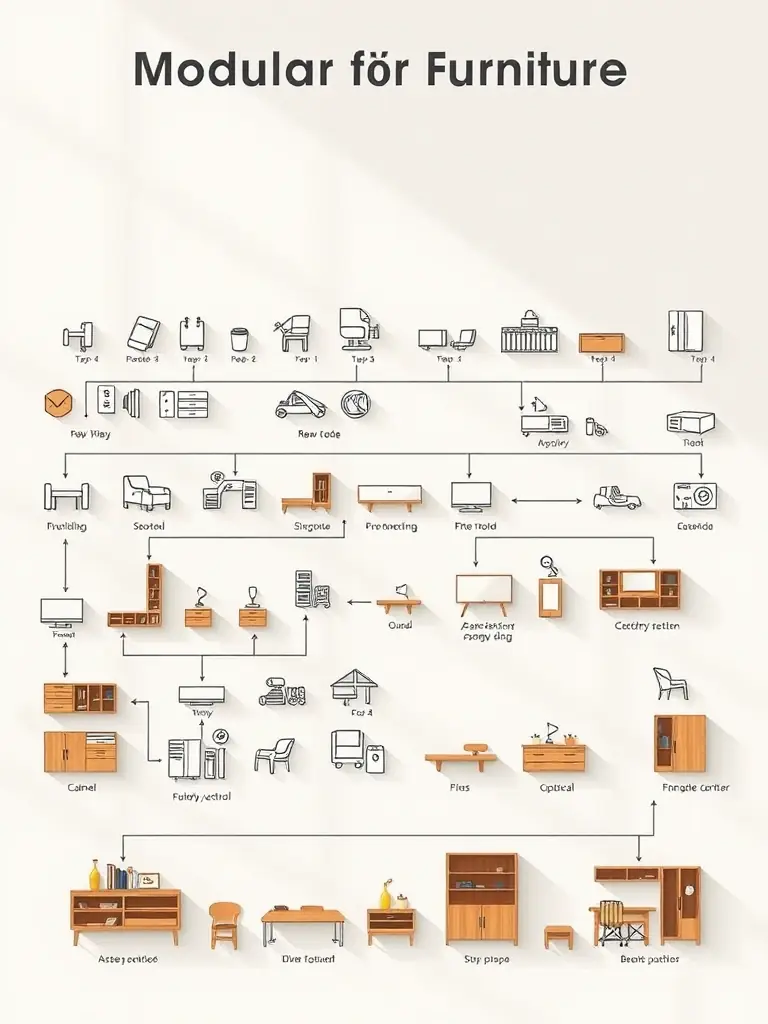
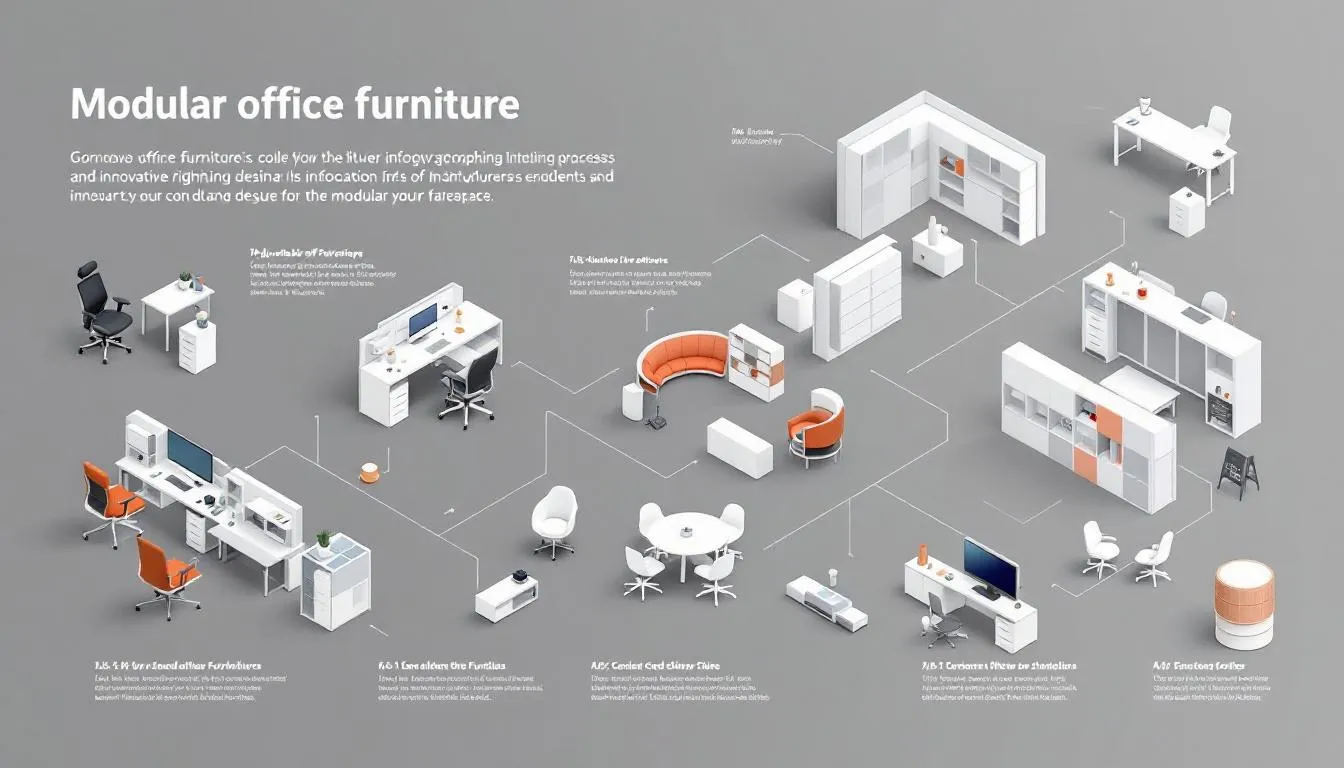
Modular furniture offers unmatched versatility and efficiency, making it a popular choice for a wide range of spaces, from modern homes to dynamic offices and educational environments. A modular furniture company typically provides an extensive range of products, including modular workstations for offices, modular kitchens for homes, and innovative storage units that maximize space utilisation. These furniture units are designed with adaptability in mind, allowing for easy reconfiguration to suit evolving needs in living spaces and workplaces.
The materials used in modular furniture are carefully selected to balance aesthetics and durability. Options such as medium density fiberboard, engineered wood, and solid wood ensure that each piece not only looks appealing but also stands the test of time. Interior designers frequently recommend modular furniture for its ergonomic designs, which promote comfort and productivity, as well as its straightforward installation process and cost-effectiveness.
Whether outfitting a new office with modular workstations or upgrading a home with modular kitchens and storage units, modular furniture companies cater to a diverse range of styles and requirements. This flexibility makes modular furniture an ideal solution for anyone seeking to optimize their space without compromising on design or functionality.
Starting Your Modular Furniture Manufacturing Business
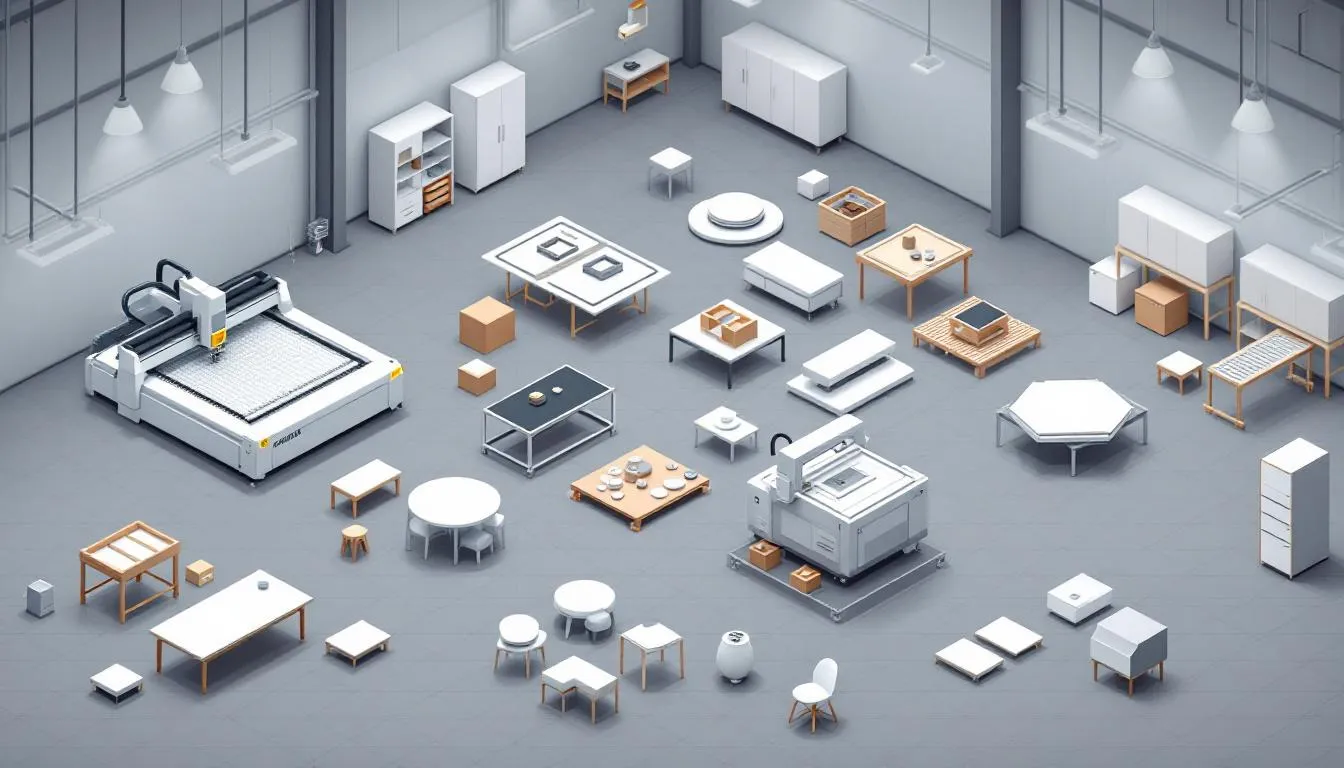
Starting a modular furniture manufacturing business demands meticulous planning and strategic execution. Initial steps include creating a comprehensive business plan. It is also essential to set a clear budget to manage financial constraints and guide purchasing decisions during the setup phase. Understanding legal requirements and choosing a suitable location for your manufacturing unit are equally important. These elements are vital for laying a strong foundation and ensuring clear goals and operational guidelines.
Let’s delve into these critical components to give you a sneak peek and help you take the first step on the right foot.
Business Plan Development
A comprehensive business plan is crucial for the success of your modular furniture manufacturing venture, serving as a roadmap for decisions and funding. Key points include:
The Indian modular furniture market is expected to grow significantly, from USD 3.71 billion in 2024 to USD 7.53 billion by 2033.
This growth is driven by urbanization and a growing real estate sector.
Thorough market analysis helps you understand your target market, industry trends, and competitors.
Effective market analysis allows you to position your business strategically.
Your business plan should include detailed financial projections, covering:
Startup costs
Ongoing expenses
Projected revenue
Cash flow forecasts
These projections enhance your operational structure and increase your credibility with potential investment projects and partners.
Outlining a clear operations strategy and setting realistic financial goals lays a solid foundation for your business’s future growth and success.
Legal Requirements and Permits
Understanding the legal landscape is crucial for establishing your modular furniture manufacturing business. Registering as a private limited company offers legal protection and credibility. Additionally, obtaining a valid business license is necessary for legal operation.
Compliance with all legal requirements and permits safeguards your business and builds trust with clients and stakeholders.
Selecting a Suitable Location
Selecting the right location for your modular furniture manufacturing unit is a strategic decision impacting operational efficiency and success. Consider:
Logistics
Labor availability
Cost Easy access to suppliers and customers can enhance your supply chain and reduce transportation costs, ensuring smooth operations.
India’s real estate market is projected to reach USD 9.3 trillion by 2040, presenting a significant opportunity for the modular furniture industry as demand for innovative, space-efficient solutions and effective space planning grows.
Integrating logistics, labor availability, market potential, and cost considerations helps you strategically select a location that supports your business goals and maximizes profitability.
Setting Up Your Manufacturing Unit
Setting up a modular furniture manufacturing unit requires meticulous planning and execution. Key considerations include:
The unit should ideally occupy 35,000 sq. ft. for optimal production.
Effective procurement management is essential.
Procurement should include clear specifications.
Maintaining quality supplier relationships is important for a reliable production line.
Dedicated project managers facilitate the production process and streamline timelines. Essential equipment, manufacturing processes, and quality control measures are crucial for setting up a successful manufacturing unit.
Essential Equipment and Machinery
Equipping your manufacturing unit with the right machinery is vital for efficient production. An optimal factory space ranges from 2,000 to 5,000 sq. ft. and should minimize material handling for enhanced productivity. Key machinery includes a CNC Nesting Machine for cutting and drilling modular components and an Edge Banding Machine for sealing panel edges.
Implementing automated inventory systems can enhance accuracy, reduce costs, and improve order fulfillment speeds. A well-equipped manufacturing unit streamlines production and ensures you meet customer demands efficiently.
Manufacturing Process
The manufacturing process for modular furniture follows a systematic workflow to ensure efficiency and quality. It includes the following steps:
Cutting raw panels
Drilling
Edge banding
Assembly
Manufacture
This process creates functional and aesthetically pleasing furniture units made from medium density fiberboard. Solid wood is often used for beds, closets, and storage spaces, ensuring durability and design appeal.
Training staff to operate CNC machines is crucial, often provided during machinery installation to ensure precision and efficiency. Detailing the types of furniture produced and production methods used enhances operational efficiency and ensures smooth running of the manufacturing unit.
Quality Control Measures
High standards in modular furniture manufacturing require:
Stringent quality control measures.
Adherence to international highest quality standards to ensure products meet customer expectations and industry benchmarks.
Continuous training and development of employees to maintain high productivity and quality.
Robust quality control measures enhance your company’s reputation and ensure high-quality products, leading to increased customer satisfaction and loyalty.
Designing and Developing Modular Furniture
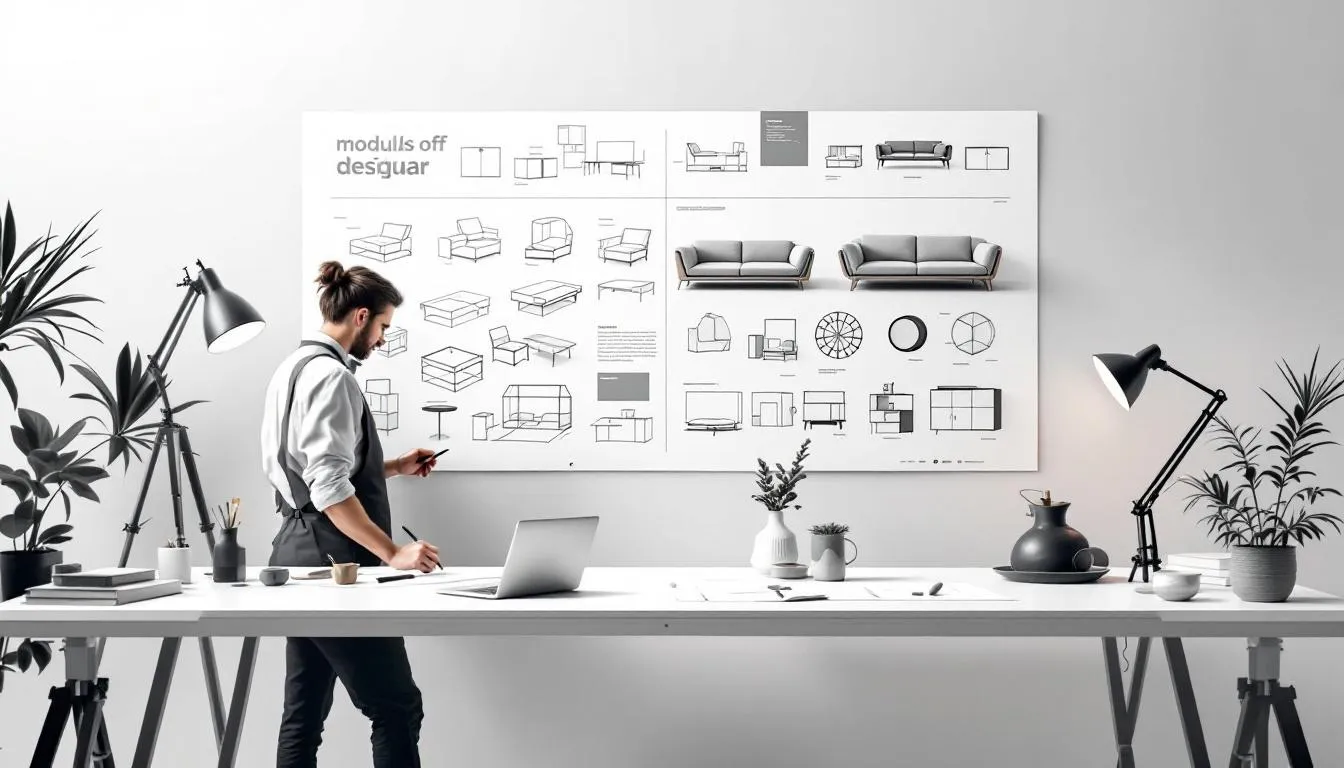
Design is crucial in modular furniture, influencing both functionality and consumer appeal. Effective interior design enhances aesthetic value and ensures practical usability.
Modular furniture design should prioritize ergonomic designs, customization, and innovative solutions to cater to diverse consumer preferences. Key trends in modular furniture design and available customization options are worth exploring.
Trends in Modular Furniture Design
Trends in modular furniture design emphasize:
Ergonomics, with companies like AP Interio focusing on designs that ensure comfort and promote health.
Customization, including design, color, material, and functionality, appealing to both residential and commercial clients.
Use of premium, eco-friendly materials, reflecting a commitment to sustainability and appealing to environmentally conscious consumers.
Younger generations in India drive market demand with preferences including:
Sleek, multifunctional furniture adaptable to various spatial configurations
The trend of organic minimalism, emphasizing natural materials and simple designs that cater to different tastes
Smart functions and space-saving features that offer both aesthetic and practical benefits
Customization Options
Customization is a key selling point in the modular furniture market, allowing consumers to tailor products to their tastes and needs. Companies like AP Interio offer fully customized selections, including various fabric covers and personalized decorations. Vlite Furnitech allows clients to customize design, layout, materials, styles, finishes, and sizes for their modular office furniture, ensuring each piece meets unique requirements.
Customized furniture options extend to chairs, couches, ottomans, and more with custom fabric. Attention to detail and custom upholstery options enhance customer satisfaction and loyalty.
Highlighting ease of assembly and customization in marketing strategies can enhance product appeal and drive sales.
Space Planning and Furniture Selection
Effective space planning is the cornerstone of creating functional and visually appealing living spaces. Interior designers leverage their expertise to select the most suitable furniture pieces, taking into account factors such as room dimensions, natural lighting, and the unique preferences of each client. Modular furniture stands out as an excellent choice for space planning, thanks to its ability to be easily rearranged or reconfigured to accommodate different tastes and changing needs.
A reputable modular furniture company offers a broad range of options, from elegant sofa sets and versatile conference tables to practical cabinets, ensuring that every aspect of interior design is addressed. By carefully planning the layout and selecting the right furniture, clients can make the most of their available space, enhance functionality, and elevate the overall aesthetics of their home or office.
The adaptability of modular furniture allows for seamless integration into any interior, supporting both open-plan offices and cozy living rooms. With the guidance of skilled interior designers and access to a diverse range of modular furniture, clients can achieve their vision for beautiful, efficient, and personalized spaces.
Marketing and Selling Your Modular Furniture

Effective marketing and sales strategies are crucial for capturing market share and building a strong customer base. Varied marketing techniques, including online promotions and partnerships, can attract a wide range of customers. Focusing on affordable luxury and engaging storytelling enhances customer connection and brand loyalty, helping your company stand out in a competitive market.
Let’s explore strategies for building a strong brand identity, leveraging digital marketing, and optimizing distribution channels.
Building a Strong Brand Identity
Key strategies to enhance your modular furniture brand include:
Creating a unique brand identity to differentiate from competitors, enhancing customer recognition and loyalty.
Personalizing through data-driven product recommendations to increase customer engagement and sales.
Utilizing SEO strategies to improve online visibility, attract customers, and strengthen brand presence.
Effective branding elements like logos and packaging create a memorable first impression. Developing a strong brand identity establishes your company as a trusted and recognizable name, driving long-term success.
Digital Marketing Strategies
Leveraging social media platforms is vital for product discovery, as many consumers find new furniture through these channels. Social media enhances brand visibility and customer engagement, showcasing the flexibility and innovation of your modular furniture.
Comprehensive SEO strategies improve online visibility, ensuring your company ranks high on search engines like Google and IndiaMART. Optimizing your digital presence helps you reach a broader audience and drive higher conversion rates.
Distribution Channels
Exploring various distribution channels is essential for success. Direct-to-consumer models are increasingly popular, allowing brands to offer better prices and enhance customer relationships. Online sales platforms have expanded the reach of modular furniture brands, connecting them with a global audience and showcasing their collection.
Collaborating with retailers and using online sales platforms are effective distribution methods to reach a broader audience. Optimizing distribution channels enhances market reach and brand visibility, ensuring product accessibility.
Managing Operations and Growth
Effective operational management is crucial for sustaining growth in modular furniture manufacturing. Inventory management and workforce management are vital for day-to-day efficiency and long-term success. It is also essential to oversee the final execution of projects to ensure all tasks are completed on time, within budget, and according to the initial design plan.
Let’s delve into these key components to understand how they contribute to the smooth operation and growth of your modular furniture company.
Inventory Management
Utilizing just-in-time inventory systems helps minimize excess stock and reduce storage costs for modular furniture manufacturers. Efficient inventory management techniques are crucial for ensuring timely delivery of products, leading to higher customer satisfaction.
By implementing advanced inventory management practices, you can optimize space utilisation and streamline the manufacturing process, ensuring that your production line runs smoothly and efficiently, providing maximum efficient use utility.
Workforce Management
Hiring skilled labor is crucial for the success of your modular furniture manufacturing business. Assessing potential employees’ expertise and previous experience ensures a competent workforce that can meet production demands. Effective workforce management strategies, including continuous training and development, are essential for maintaining productivity and efficiency.
By fostering a supportive and well-managed workplace environment, you can ensure that your team is motivated and capable of delivering high-quality products, contributing to the overall success of your business while providing timely support service.
Scaling Your Business
Offering continuous training and development opportunities can boost employee retention and improve overall productivity in manufacturing. As your business grows, implementing strategies for scale operations effectively is crucial for sustaining long-term success.
By focusing on continuous improvement and innovation, you can expand your business and meet the evolving needs of your customers.
Supply Chain Management
A robust supply chain is fundamental to the success of any modular furniture company, ensuring that high-quality furniture units are delivered to clients on time. The manufacturing process involves several critical stages, including sourcing premium materials, processing components, and assembling the final products. Careful planning and coordination at each step are essential to maintain efficiency and uphold the company’s brand identity.
Leading modular furniture companies invest in advanced machinery and quality control systems to guarantee that every piece meets the highest standards. By streamlining their supply chain, these companies can reduce operational costs, improve production timelines, and offer superior services to their clients. This commitment to excellence not only enhances the customer experience but also strengthens the brand’s reputation in a competitive market.
Ultimately, effective supply chain management enables modular furniture companies to consistently deliver on their promises of quality, timely delivery, and innovative design, reinforcing their position as trusted partners for clients seeking reliable and stylish furniture solutions.
Employee Training and Development
Investing in employee training and development is essential for any modular furniture company aiming to deliver exceptional products and services. Interior designers, sales professionals, and manufacturing staff must stay abreast of the latest industry trends, materials, and technologies to create innovative designs and solutions that meet evolving client needs.
Regular training sessions and workshops empower employees to enhance their skills, deepen their knowledge, and expand their expertise. This ongoing development not only improves individual performance but also contributes to the company’s overall growth and competitiveness. By fostering a culture of continuous learning, modular furniture companies can ensure their teams are equipped to deliver cutting-edge designs, superior craftsmanship, and outstanding customer service.
Prioritizing employee development helps companies maintain a competitive edge, boost customer satisfaction, and drive long-term business success in the ever-evolving modular furniture industry.
Customer Engagement
Building strong, lasting relationships with clients is a key driver of success for any modular furniture company. Effective customer engagement begins with understanding each client’s unique needs, preferences, and expectations, and delivering personalized services and solutions that exceed them. Companies can connect with clients through multiple channels, including social media, email marketing, and face-to-face consultations, ensuring open communication and timely support.
Offering sneak peeks into new designs, sharing expert advice on interior design and space planning, and providing prompt assistance all contribute to a positive client experience. By consistently demonstrating expertise and a commitment to service, modular furniture companies can foster trust, loyalty, and long-term partnerships.
Engaged clients are more likely to provide positive reviews, refer new customers, and become repeat buyers, fueling business growth and enhancing the company’s reputation in the market. Prioritizing customer engagement is not just good practice—it’s a strategic advantage in the competitive world of modular furniture.
Sustainability in Modular Furniture Manufacturing
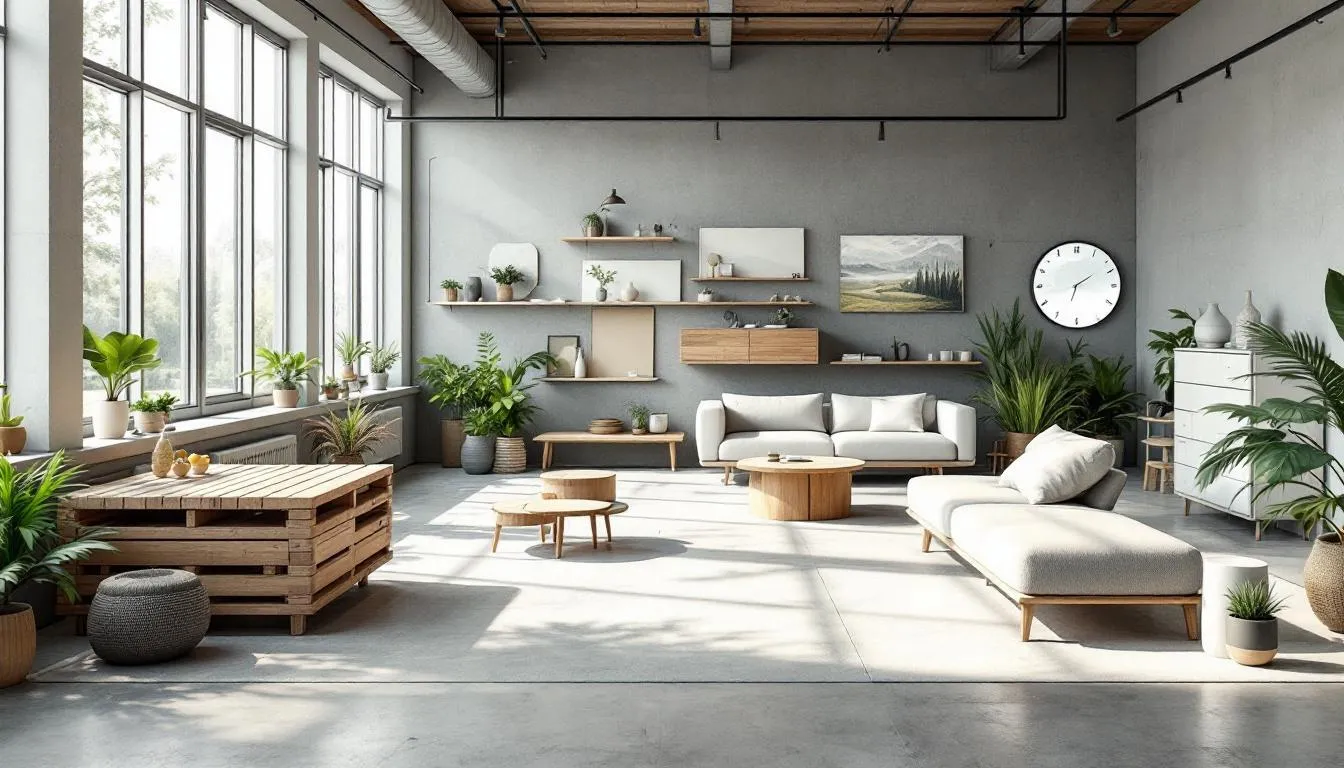
Sustainability in modular furniture manufacturing is not just a trend but a necessity for minimizing environmental impact and addressing climate change. Adopting sustainable practices, such as using eco-friendly materials and reducing resource consumption, is crucial for creating a positive impact on the environment and meeting consumer expectations.
Let’s explore sustainable materials and practices, as well as the importance of certifications and standards in this industry.
Sustainable Materials and Practices
Sustainably sourced materials commonly utilized in the creation of modular furniture include:
Wood: valued for its renewability and carbon storage capabilities.
Bamboo: a rapidly growing resource with excellent sustainability credentials, favored for its durability in furniture design.
Recycled materials: used for their renewability and contribution to sustainability.
Using materials like natural wood and bamboo not only reduces environmental footprints but also supports the conservation of resources. By adopting sustainable practices, you can contribute to environmental conservation while meeting the growing demand for eco-friendly furniture.
Certifications and Standards
Adhering to international quality standards in the manufacturing process is essential for ensuring high-quality products and maintaining customer satisfaction. Obtaining the necessary environmental permits is also crucial for compliance with local regulations, supporting your commitment to sustainable practices.
By prioritizing certifications and standards, you can build a reputation for excellence and sustainability in the modular furniture industry.
Summary
In summary, succeeding in the modular furniture manufacturing business requires a comprehensive understanding of the market, meticulous planning, and strategic execution. From developing a solid business plan and setting up your manufacturing unit to implementing effective marketing strategies and sustainable practices, each step plays a crucial role in building a successful modular furniture company. By focusing on innovation, quality, and customer satisfaction, you can thrive in this growing industry and make a lasting impact. Embark on this journey with confidence and create a modular furniture brand that stands out in the competitive market.
Frequently Asked Questions
What are the key factors driving the growth of the modular furniture market in India?
The growth of the modular furniture market in India is primarily driven by rising disposable incomes, shifting lifestyle preferences, rapid urbanization, and a developing real estate sector. These factors collectively enhance demand for versatile and space-efficient furniture solutions.
What are the essential components of a business plan for a modular furniture manufacturing business?
A robust business plan for a modular furniture manufacturing business must encompass market analysis, financial projections, an operational strategy, and a detailed outline of the furniture types and production methods employed. These components are crucial for guiding the business towards success.
How can I ensure the quality of my modular furniture products?
To ensure the quality of your modular furniture products, implement stringent quality control measures and adhere to international quality standards. Additionally, provide ongoing training for employees to maintain high-quality performance.
What are the benefits of using sustainable materials in modular furniture manufacturing?
Utilizing sustainable materials in modular furniture manufacturing significantly reduces environmental footprints and supports resource conservation. Moreover, it aligns with the increasing consumer demand for eco-friendly products.
How can I effectively market and sell my modular furniture?
To effectively market and sell your modular furniture, focus on building a strong brand identity and employing diverse marketing techniques. Additionally, utilize digital marketing strategies and explore various distribution channels to reach a broader audience and enhance sales.





-


eBook AI Manufacturing Ideas
₹500 -

eBook White Label Business
₹500 -

eBook Indian Jewellery Business
₹500 -

eBook Imitation Jewellery Business
₹500 -

eBook Diamond Gemstone Jewellery
₹500 -

eBook Jewellery Franchise
₹500 -

eBook Jewellery Export
₹500 -

eBook Lab Grown Diamond
₹500 -

eBook Medical Devices Manufacturing
₹500 -

eBook Ayurvedic Cosmetic
₹500 -
eBook 3D Printing Business
₹500 -

eBook Rare Earth Magnet Recycling
₹500 -

eBook Gold Refining Business
₹500 -

eBook Drone Parts Manufacturing
₹500 -
eBook Moduler Funiture
₹500 -

eBook on Future of Agribusiness
₹500
