


Key Takeaways
India’s EV battery recycling market is projected to grow significantly, driven by the increased adoption of electric vehicles and government support, potentially reaching USD 23.72 billion by 2035.
Efficient recycling processes are crucial for recovering valuable materials from lithium-ion batteries, with current methods recovering up to 95%, promoting environmental sustainability and resource conservation.
Starting an EV battery recycling business requires understanding market potential, investment requirements, regulatory compliance, and effective collection and recycling logistics to address challenges in the industry.
Introduction
India is set to generate an astounding 128 GWh of battery waste and e waste by 2030. Electronic waste, or e-waste, includes batteries and other discarded electronic products. This rapid increase in battery waste, driven by the surging adoption of electric vehicles (EVs), presents a significant business opportunity in battery recycling. The environmental impact of improper battery disposal cannot be overstated, as hazardous substances can contaminate soil and water, posing severe risks to human health. Battery recycling aims to mitigate these risks by recovering valuable materials and minimizing environmental harm through e waste management.
With the rise in electric vehicles and the subsequent demand for lithium-ion batteries, the need for effective recycling solutions is more critical than ever. Improper disposal of batteries and other electronic waste leads to the loss of valuable resources that could otherwise be recovered and reused, highlighting the importance of efficient waste management and resource conservation. India’s expanding automotive industry and evolving regulatory landscape further underscore the potential growth of the battery recycling sector.
This blog post will guide you through the essential steps to start an EV battery recycling business, offering insights into market potential, investment requirements, and success stories. For those interested in diving deeper, our detailed project report is available, providing comprehensive data and analysis to help you navigate this promising industry.
Why EV Battery Recycling is a Big Opportunity in India
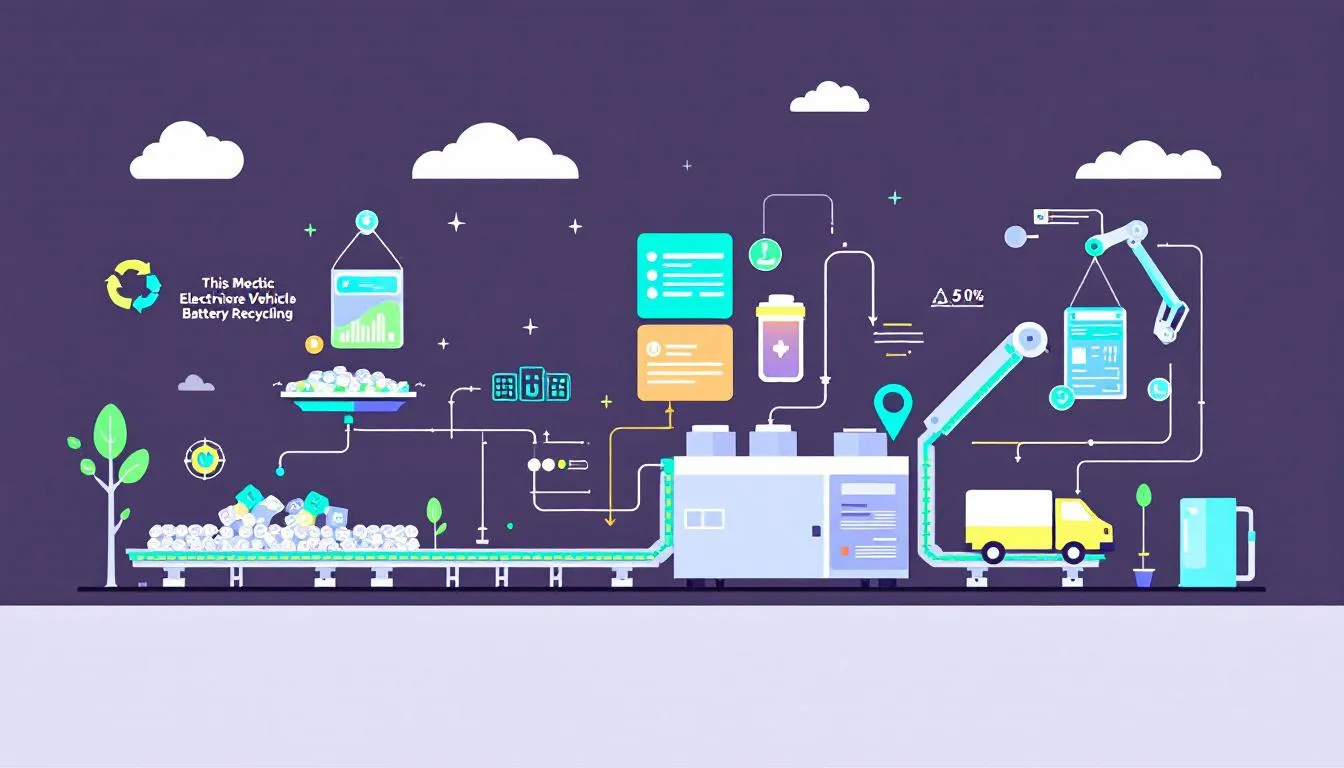
India aims for 30% of all vehicles to be electric by 2030. With this, an estimated 128 GWh of battery waste will be generated annually. Recycled materials like lithium, cobalt, and nickel are in high demand globally. Yet, India has very few organized recyclers. This gap offers massive business potential with less competition and strong government support.
The electric vehicle market in India is booming, bolstered by government initiatives such as the Faster Adoption and Manufacturing of Hybrid and Electric Vehicles (FAME II) and the Production Linked Incentive (PLI) scheme. These policies are driving the demand for EVs and, consequently, the need for effective battery recycling solutions within the ev supply chain. Battery recycling also plays a crucial role in strengthening the battery supply chain by providing essential raw materials and supporting the development of a circular economy. Battery waste projections indicate a significant rise, making battery recycling not just an environmental necessity but also a lucrative business opportunity.
One of the critical drivers of this market is the demand for recovered raw materials like lithium, cobalt, and nickel. These materials are essential for new battery production, and their recovery through recycling can significantly reduce reliance on traditional mining, which is both environmentally damaging and costly. The environmental benefits of recycling cannot be overstated, as it helps prevent hazardous substances from contaminating the environment.
Our detailed report includes updated market projections and policy analysis, providing a comprehensive overview of the battery recycling industry in India. This report is an invaluable resource for anyone looking to enter this promising market.
Market Demand
Demand comes from:
EV battery manufacturers
OEMs (vehicle manufacturers)
Export buyers in Europe and US
Our report includes buyer categories and market size projections.
Understanding EV Battery Recycling
Battery recycling is a critical component of the circular economy, aimed at conserving resources and protecting the environment. Improper disposal of batteries can lead to soil and water contamination due to hazardous materials. Batteries are a key component of energy storage solutions, and recycling them supports the sustainability of energy storage technologies. The recycling process manages these potentially harmful substances in an environmentally sound manner, mitigating landfill issues and reducing greenhouse gas emissions. Many battery recycling companies play a vital role in this effort.
Technological advancements in battery recycling have significantly improved efficiency and reduced environmental impact. For instance, recycling lithium-ion batteries can recover up to 95% of materials, including recycled battery materials, which can be reused for new rechargeable battery production and energy storage applications. This not only supports a circular supply chain but also reduces dependence on mining for new materials. Additionally, li ion battery recycling plays a crucial role in this process.
The rise in electric vehicle adoption has increased the urgency for effective battery recycling solutions. Key aspects for successful battery recycling initiatives include:
Establishing recycling businesses to manage the increasing volume of battery waste effectively.
Addressing challenges such as collection logistics.
Ensuring standardization in recycling processes.
Extended producer responsibility is an important policy framework that encourages producers to take responsibility for the collection and recycling of end-of-life batteries.
Types of EV Batteries
Lithium-ion Batteries: Lithium-ion batteries are the most common type of battery used in electric vehicles, favored for their high energy density and efficiency. These li ion batteries consist of key components such as lithium cobalt, graphite, copper, nickel, steel, aluminum, and electrolytes. The materials recovered through recycling li ion battery include lithium, cobalt, nickel, manganese, copper, and cathode active materials, which are essential for manufacturing new batteries.
Recycling Methods: Recycling methods for lithium-ion batteries include hydrometallurgy, pyrometallurgy, and direct recycling. Each method has its advantages and challenges, but all aim to recover valuable materials while minimizing environmental impact. Nickel-metal hydride batteries, known for their longevity, are commonly used in hybrid electric vehicles.
Lead Acid Batteries: Lead acid batteries are another important type, widely used in automotive and industrial applications. A lead acid battery is highly recyclable, with up to 99% of its materials being recoverable. The recycling process involves separating lead, plastic, and acid, which are then processed for reuse. Improper disposal of lead acid batteries can cause significant environmental harm due to the toxic nature of lead and sulfuric acid, making proper recycling essential.
Nickel Cadmium Batteries: Nickel cadmium batteries, composed of nickel and cadmium, are used in various portable devices and require specialized recycling methods to safely recover these metals and prevent environmental contamination.
Primary Batteries: Primary batteries are non-rechargeable and commonly found in devices like remote controls, watches, and toys. Although disposable, primary batteries are an important part of battery recycling efforts to reduce waste and recover materials.
Emerging Technologies: Emerging technologies like solid-state batteries promise higher energy densities and improved safety, potentially revolutionizing the EV industry in the future. Understanding the different types of EV batteries and their recycling processes is crucial for anyone looking to enter the battery recycling business.
The Recycling Process for EV Batteries
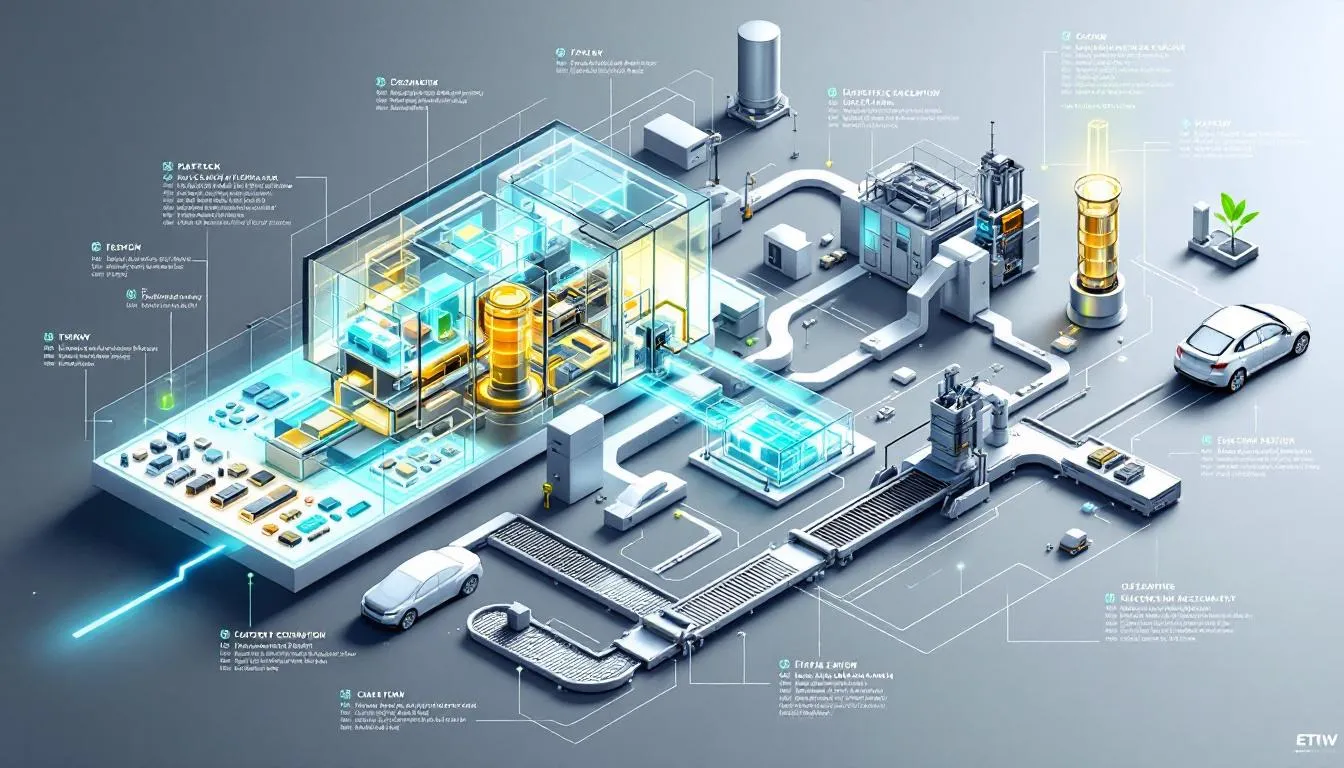
Collection: Collection of end-of-life batteries is the first step in the EV battery recycling process, ensuring that used batteries are gathered for proper disposal and material recovery.
Discharging & Dismantling: Batteries are safely discharged to remove residual charge and then dismantled into individual cells and components for further processing.
Shredding and Material Separation: The dismantled battery packs are shredded into smaller pieces, and materials such as metals, plastics, and electrolytes are separated for recovery.
Extraction Methods: Valuable materials are extracted using techniques like hydrometallurgy and pyrometallurgy, each with specific advantages in recovering metals like lithium, cobalt, and nickel.
Tail Gas Treatment System: Emissions generated during the recycling process are purified using a tail gas treatment system to minimize environmental impact.
Material Conversion: The process converts battery waste into reusable materials such as lithium carbonate, cobalt sulphate, and nickel, reducing reliance on mining.
Challenges in LIB Recycling: Technical challenges include difficulties in disassembling batteries, variability in designs, and issues with reusing recycled cathode materials, affecting economic and performance outcomes.
Effective Collection Methods: Efficient collection and sorting based on battery chemistry optimize the recycling process and enhance sustainability.
Metallurgical Processing: High-temperature smelting extracts metals like cobalt and nickel from black mass, though it has limitations in recovering lithium.
Collection and Transportation
Collection boxes, community recycling events, and dedicated recycling facilities are common methods for collecting used EV batteries. Collecting old batteries is crucial for recovering valuable materials and preventing environmental hazards associated with improper disposal. Utilizing dumpsters for battery collection can significantly lower costs associated with the recycling plant setup. Effective collection and transportation are vital for ensuring the sustainability and efficiency of the entire recycling process.
Dismantling and Sorting
Once collected, EV batteries are dismantled and sorted based on their chemistry to optimize the subsequent material recovery steps. Mechanical treatment, involving crushing, is used to break down EV batteries for recycling.
Standardized recycling procedures are emerging as opportunities to improve efficiencies and recovery rates in the EV battery recycling market.
Material Recovery Methods
Hydrometallurgical recycling achieves high recovery rates for key minerals, minimizing environmental impact. Technological advancements in recycling methods, including hydrometallurgy, are enhancing material recovery efficiency and cost-effectiveness.
Direct recycling aims to recover the positive electrode intact, enhancing the efficiency of battery production.
Supply Chain and Logistics in EV Battery Recycling
Increasing Battery Waste Volume: The rise in electric vehicles leads to a growing volume of used lithium ion batteries and battery waste that require responsible management.
Stakeholder Collaboration: A successful supply chain involves cooperation among battery manufacturers, EV manufacturers, recycling facilities, and logistics providers.
Establishment of Collection Points: Networks of collection centers such as recycling centers, dealerships, and service stations facilitate convenient battery deposit by consumers and businesses.
Safe Handling and Storage: Collection points are equipped with specialized containers and safety equipment to securely store and transport lithium ion batteries and other battery types.
Specialized Transportation: Logistics providers use temperature-controlled containers and adhere to secure handling protocols to ensure safe transportation of hazardous battery materials.
Cost and Environmental Efficiency: Efficient logistics optimize routes and schedules, reducing transportation costs and minimizing environmental impact.
Digital Technology Integration: Technologies like blockchain provide transparent tracking of batteries from collection to recycling, while IoT sensors monitor battery condition and location in real time.
Government Support in India: Indian ministries issue guidelines and promote the use of recycled materials, fostering a sustainable infrastructure for battery recycling.
Contribution to Circular Economy: Effective supply chain and logistics management enable responsible disposal, recovery of valuable materials, and support for a cleaner, sustainable future.
Setting Up an EV Battery Recycling Business
Availability of Sufficient Battery Waste: Ensuring a steady supply of used EV batteries is fundamental to starting a successful recycling business.
Establishing a Dedicated Recycling Facility: Set up a recycling plant equipped with appropriate machinery and environmental safety measures to handle battery waste responsibly.
Compliance with Regulatory Standards: Obtain necessary licenses and adhere to environmental norms and battery waste management rules to operate legally and sustainably.
Target Market Focus: Aim to attract high-investment entrepreneurs and consultants, particularly in India, to enhance business visibility and growth prospects.
Understanding Market Potential: Analyze the growing demand for EV battery recycling driven by the surge in electric vehicle adoption and government incentives.
Investment Planning: Assess the capital required for plant setup, machinery, manpower, and operational costs to ensure financial viability.
Licensing and Approvals: Secure authorizations from relevant authorities such as CPCB or SPCB, including consents to establish and operate, environmental clearances, and factory licenses.
Machinery Requirements: Invest in essential equipment like shredders, granulators, pyrolysis systems, separators, tail gas treatment systems, and crushers to facilitate the recycling process efficiently.
Environmental Protection Measures: Implement systems to minimize emissions and manage hazardous waste, ensuring compliance with environmental standards.
Strategic Business Planning: Develop a clear roadmap encompassing market analysis, regulatory compliance, operational setup, and financial projections for sustainable growth.
Market Potential in India
The EV battery recycling market in India is projected to grow from USD 0.54 billion in 2024 to USD 23.72 billion by 2035, with a compound annual growth rate (CAGR) of 40.9%. The transition to electric vehicles and the rising demand for lithium-ion battery recycling are driving this market growth. In the near future, li-ion battery waste recycling is expected to become even more important and profitable, creating new opportunities in the industry.
Investment Requirements
Initial setup costs for a battery recycling plant can vary notably based on location, equipment, and workforce requirements. Factors influencing these costs include the area of the plant, manpower employed, and the quantity of batteries recycled.
Licenses & Approvals
To start an EV battery recycling unit in India, you need:
Authorization from CPCB or SPCB
Consent to Establish and Operate
Environmental Clearance (if large-scale)
Factory License and Labour compliance
Our project report includes a compliance checklist and application formats.
Compliance with the Battery Waste Management Rules 2022 is essential for managing battery waste and ensuring responsible recycling practices.
Essential Machinery for EV Battery Recycling
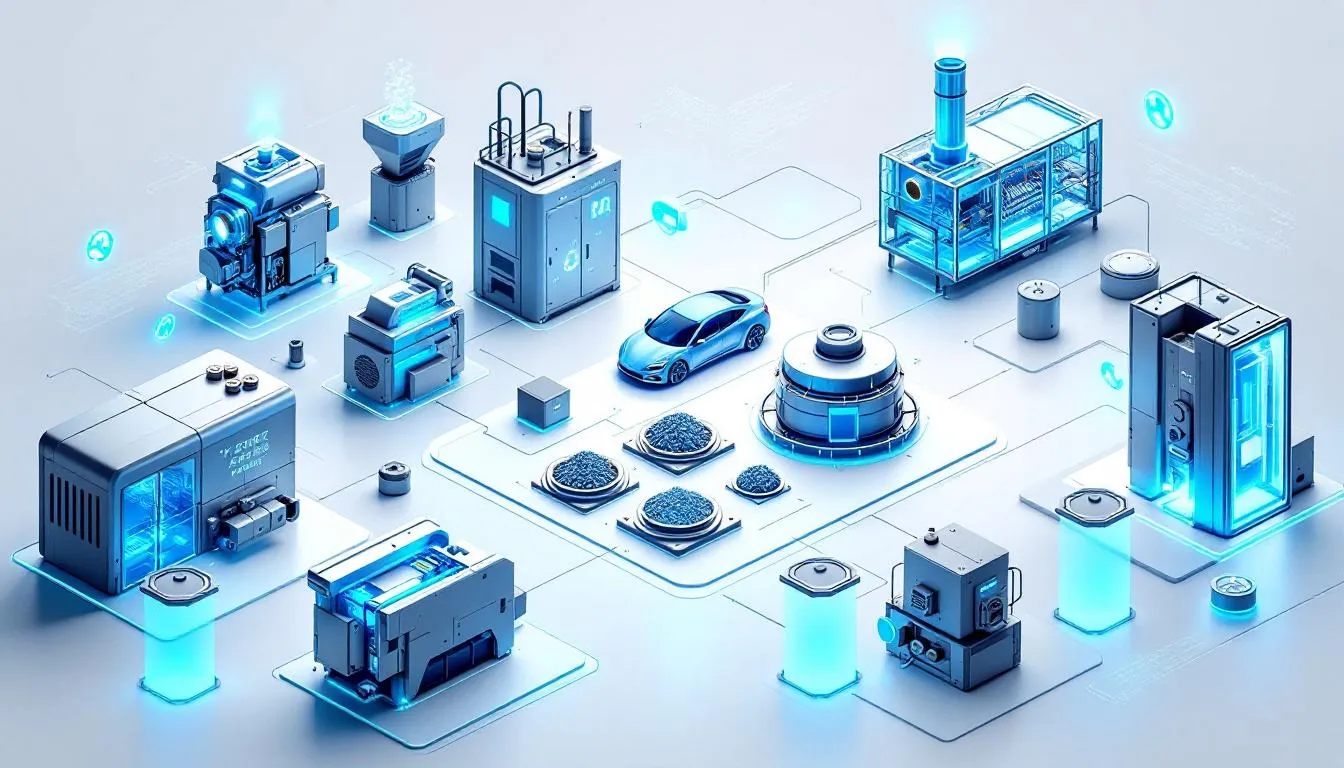
Shredders: These machines break down batteries into smaller pieces, facilitating further processing.
Granulators: Used to further reduce the size of shredded battery materials for easier separation.
Pyrolysis System: A thermal treatment process that decomposes battery components at high temperatures.
Separators: Equipment that separates different materials such as metals, plastics, and electrolytes from battery waste.
Tail Gas Systems: Systems designed to purify emissions generated during the recycling process, minimizing environmental impact.
Crushers: Machines necessary for breaking down batteries before other processing steps.
Smelting Furnaces: Utilized during the smelting process to extract and process recovered metals.
Advanced Separation Techniques: Critical for efficiently recovering valuable materials from battery waste, including processes like solvent extraction.
Each piece of machinery plays a vital role in ensuring efficient material recovery and minimizing environmental harm during the recycling process.
Profitability Analysis
Market Growth: The global battery recycling market is projected to reach $11.83 billion by 2030.
Cost Reduction: Recycling lithium-ion batteries reduces costs by providing recycled raw materials.
Plant Operations: A lithium-ion battery recycling plant primarily processes used batteries with the goal of recovering reusable materials while reducing waste.
Process Complexity: Complex battery chemistries can complicate the recycling process and increase operational costs.
Material Recovery Losses: These complexities may lead to material recovery losses of 20-30%.
Closed-Loop Systems: Companies are establishing closed-loop recycling systems to reclaim materials.
Sustainability Goals: Closed-loop systems help meet sustainability goals and secure a steady supply of battery materials.
Challenges and Solutions in EV Battery Recycling
Limited Infrastructure: Limited infrastructure for battery collection and recycling is a significant barrier that affects the overall profitability of the EV battery recycling industry.
Financial Investment: There is a need for substantial financial investment to develop efficient recycling technologies and build comprehensive recycling infrastructure.
Increasing Battery Volume: Managing the increasing volume of end-of-life EV batteries requires scalable and efficient recycling solutions.
Regulatory Frameworks: Effective regulatory frameworks are essential to encourage participation in recycling programs and improve collection rates.
Emission Management: Tail gas treatment systems help manage emissions during recycling operations, ensuring environmental compliance.
Innovative Solutions: Addressing these challenges with innovative technologies and collaborative efforts is key to the success and sustainability of the battery recycling industry.
Success Stories in EV Battery Recycling
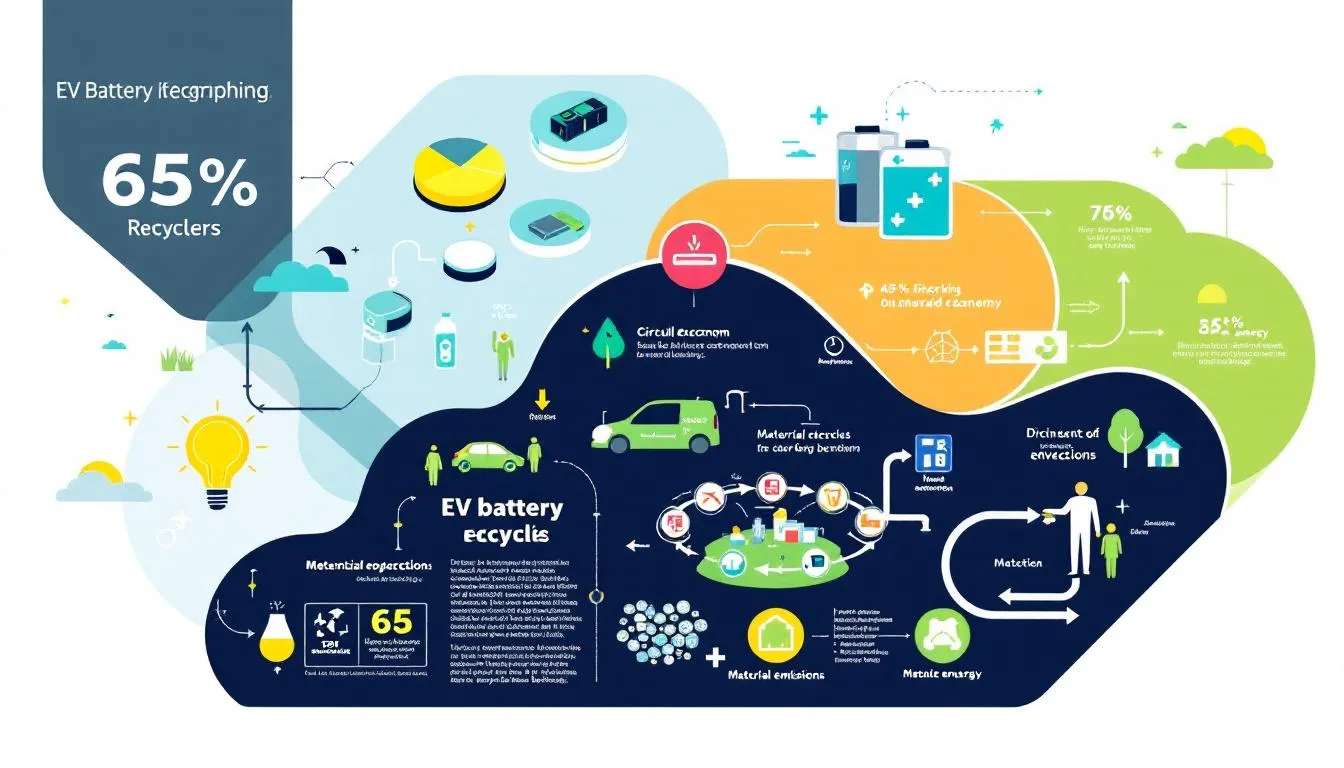
Northvolt’s Closed-Loop System: In Sweden, Northvolt has developed a closed-loop system for lithium-ion batteries, achieving a recycling rate of over 95% for valuable materials.
Redwood Materials’ Expansion: The U.S.-based startup Redwood Materials specializes in lithium-ion battery recycling and has secured significant funding to expand its recycling operations.
Exide Industries’ Advanced Plants: In India, Exide Industries is investing in advanced battery recycling plants to improve the lifecycle management of lithium-ion batteries.
Global Lessons and Growth Potential: These success stories highlight effective practices and lessons learned across different regions, showcasing the promising growth potential in the EV battery recycling industry.
Challenges and Solutions in EV Battery Recycling
Limited Infrastructure: Limited infrastructure for battery collection and recycling is a significant barrier that affects the overall profitability of the EV battery recycling industry.
Financial Investment: There is a need for substantial financial investment to develop efficient recycling technologies and build comprehensive recycling infrastructure.
Increasing Battery Volume: Managing the increasing volume of end-of-life EV batteries requires scalable and efficient recycling solutions.
Regulatory Frameworks: Effective regulatory frameworks are essential to encourage participation in recycling programs and improve collection rates.
Emission Management: Tail gas treatment systems help manage emissions during recycling operations, ensuring environmental compliance.
Innovative Solutions: Addressing these challenges with innovative technologies and collaborative efforts is key to the success and sustainability of the battery recycling industry.
Future Trends in EV Battery Recycling
Innovative Recycling Processes: Innovative recycling processes can enhance the recovery of valuable materials from spent batteries, driving the future of the EV battery recycling industry.
Pilot Projects: Pilot projects can demonstrate the viability of these new technologies and help streamline processes in the industry.
Supply Chain Cooperation: Cooperation along the supply chain can minimize challenges related to securing a consistent supply of used batteries.
Regulatory Proposals: New regulatory proposals in the EU aim to impose strict recycling mandates on battery manufacturers, which could influence global recycling practices.
Growing Battery Demand: As the demand for electric vehicle batteries is projected to increase exponentially, recycling alone will not suffice to meet future material needs.
Industry Leadership: China’s dominance among industry leaders in the battery recycling industry highlights the potential for sustainable growth and innovation in this sector.
Technological Advancement: Advancing battery recycling technologies is a crucial step toward building a more sustainable world.
About Our Project Report
Our project report includes comprehensive data and analysis to guide you through setting up an EV battery recycling business. It covers essential aspects such as:
CMA data
Investor pitches
Location analysis
Required licenses.
Available in editable Word, printable PDF, and Flipbook Preview formats, the report is prepared by CA Manish Gugliya, who has over 20 years of experience in the industry. Download a sample report preview or get the full version now.
Why Buy our project report
Investing in our project report provides detailed insights into:
Market trends
Operational requirements
Regulatory compliance These are crucial for informed decision-making. The report also offers financial projections, including:
Capital costs
Operational costs This enables clearer budgeting and funding strategies for potential investors.
It also highlights best practices in plant layout and equipment selection, optimizing workflow and safety in recycling operations.
Why Do You Need a Professionally Prepared Project Report for an EV Battery Recycling Business?
A professionally prepared project report is essential for securing bank loans or investor funding with confidence. It clearly shows the business’s viability, ROI, and break-even period. Additionally, it helps meet government compliance, licensing, and environmental norms, presenting CMA data and 5-year financial projections in a standard format.
This comprehensive documentation builds trust and credibility with stakeholders.
How Is a Professional EV Battery Recycling Project Report Prepared?
A professional EV battery recycling project report is prepared through several key steps:
Conduct market research and demand analysis to understand the potential for the business.
Perform cost estimation for land, machinery, and working capital.
Calculate ROI, profitability, and 5-year financial projections to provide a clear financial outlook.
The report also includes a roadmap for licensing and regulatory compliance, ensuring all necessary permits are in place. SWOT and risk analysis help identify potential challenges and opportunities.
Finally, the report is formatted with CMA data, balance sheets, and an investor pitch deck, available in editable Word, PDF, and Flipbook formats.
Summary
The EV battery recycling business in India presents a significant opportunity driven by the rise in electric vehicles and supportive government policies. Effective recycling processes are essential for recovering valuable materials, minimizing environmental impact, and supporting a circular economy. Setting up a recycling business involves understanding market potential, investment requirements, and regulatory compliance.
Investing in a professionally prepared project report can provide the detailed insights and guidance needed to navigate this promising industry. With the right strategies and support, you can contribute to a sustainable future while capitalizing on the growing demand for battery recycling.