Title: Boosting Success in the Jewellery Export Business in India: A Comprehensive Guide
Launching a jewellery export business in India offers great potential. This guide covers the market landscape, essential steps, and legal requirements.
Key Takeaways
The Indian jewellery export industry contributes significantly to the economy, accounting for 10-12% of total merchandise exports and providing employment to over five million people.
Starting a jewellery export business involves establishing a legal entity, obtaining necessary licenses like the Importer-Exporter Code, and conducting market research to align with current trends.
Navigating legal regulations, ensuring quality control, and securing financial support through incentives and schemes are essential for success in the competitive jewellery export market.
Overview of the Jewellery Export Business in India
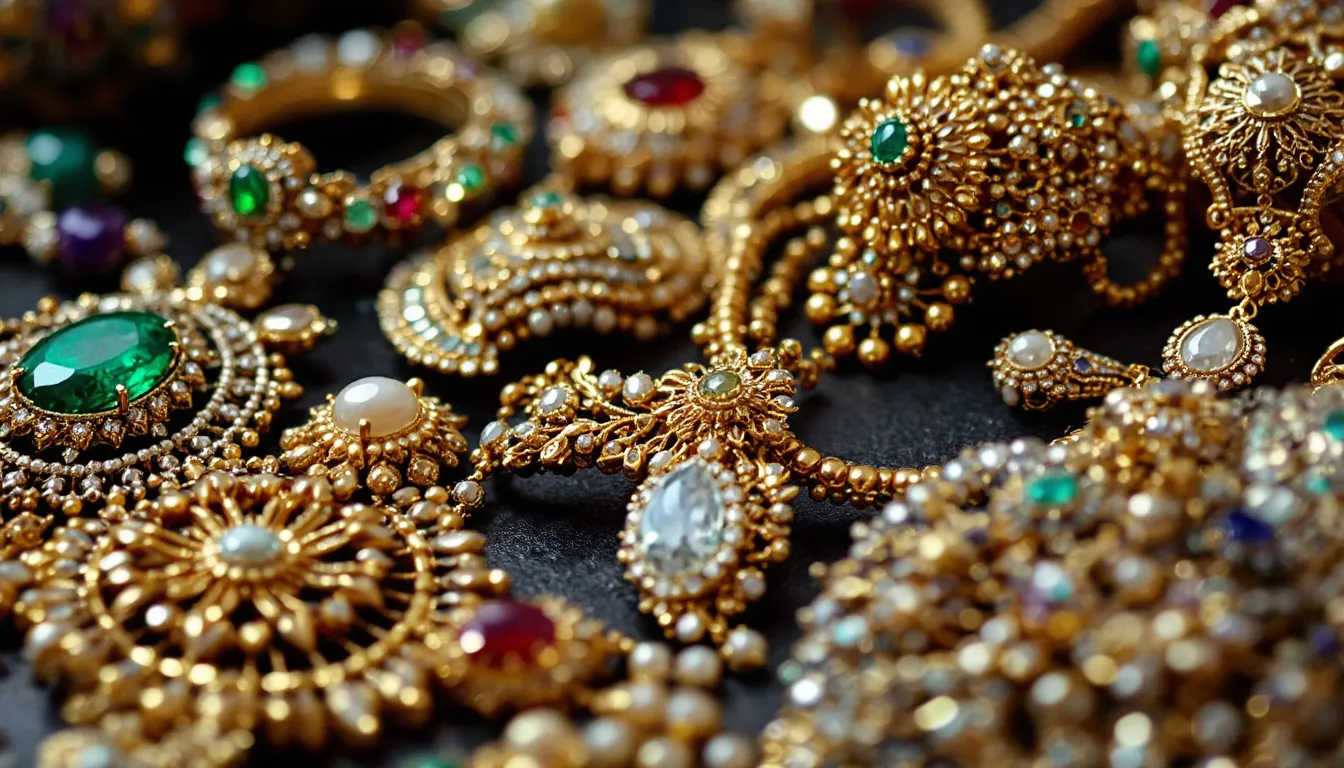
The jewellery export industry in India is a powerhouse within the global market, contributing approximately 10-12% to india’s total merchandise exports. This robust jewelry sector is not only a significant jewellery industry contributing to the economy but also a major employment driver, providing jobs to over five million individuals, making it a pivotal part of the nation’s socio-economic fabric. Additionally, jewellery imports play a role in the overall dynamics of the market, while jewellery exports account for a substantial portion of this vibrant industry, showcasing the strength of brand india. The india jewellery exposition further highlights the potential and creativity within this sector.
India’s indian gems and jewellery industry is responsible for around 3.5% of global gem and jewellery export in this sector, positioning it as the seventh largest exporter worldwide. In the fiscal year 2021-22, the industry’s gross exports were valued at an impressive $20.58 billion, contributing significantly to the total world’s exports. This substantial contribution underscores the industry’s capacity to influence india’s gross domestic product, with the sector adding about 7% to the national economy.
Recognizing the immense potential of the gems and jewellery sector, the Indian government has made it a focal point for export promotion. Initiatives by the jewellery export promotion council and various trade-related bodies play a crucial role in enabling exporters and fostering growth within the industry. These efforts ensure that Indian jewellery continues to shine brightly on the global stage, with jewelry exports benefiting from global market expansion, compliance standards, and technological advancements, securing India’s reputation as a premier jewellery manufacturing hub.
Role of Gem and Jewellery in Exports
The gem and jewellery sector is a cornerstone of India’s export economy, accounting for approximately 15.71% of the country’s total merchandise exports. This vibrant industry not only strengthens India’s position in global trade but also plays a pivotal role in the nation’s economic development, contributing around 7% to India’s Gross Domestic Product (GDP). The jewellery export industry is a major foreign exchange earner, with gems and jewellery exports reaching Rs. 2,17,148 crore (US$ 25.73 billion) in FY25.
Beyond its economic impact, the sector is a significant source of employment, providing jobs to over five million skilled and semi-skilled workers across the country. The Jewellery Export Promotion Council, along with other export promotion councils, is instrumental in driving export promotion, supporting exporters, and ensuring that Indian gems and jewellery remain competitive in international markets. These organizations facilitate access to new markets, provide industry insights, and help exporters navigate the complexities of global trade, making the gems and jewellery export sector a vital contributor to India’s foreign exchange reserves and overall economic growth.
Steps to Start a Jewellery Export Business

Embarking on a jewellery export business requires a structured approach, beginning with:
Establishing a business entity, which can be a partnership or a corporation.
Obtaining a Permanent Account Number (PAN) from the Income Tax Department.
Applying online for the mandatory Importer-Exporter Code (IEC) to comply with export regulations.
Opening a bank account in the name of the business, authorized for foreign exchange transactions and linked to the IEC, is essential for handling export payments and authorizations.
These initial steps lay the foundation for your business to operate legally within the export market.
Market research is the next critical step. Selecting jewellery products that align with current market trends and avoiding those on prohibited or restricted lists is crucial for success. The jewellery sector offers a variety of products, including:
Silver jewellery
Platinum jewellery
Imitation jewellery Each caters to different market segments. Understanding the nuances of these products and their demand in international markets will guide your business strategy.
Finally, preparing a comprehensive project report, which can be obtained within 24 hours and costs ₹ 1500, is vital for securing financial backing and ensuring smooth operations. This report, along with a business identification number such as a services tax identification number (GSTIN) required for tax compliance and claiming refunds, and obtaining necessary approvals or registration from customs prior to engaging in export activities, will streamline the process of exporting goods, setting the stage for your business to thrive in the global market.
Legal and Regulatory Requirements
Navigating the legal and regulatory landscape is crucial for any jewellery exporter. Obtaining an Importer-Exporter Code (IEC) and a Registration Cum Membership Certificate (RCMC) from the GJEPC are mandatory steps. These certifications not only legitimize your business but also provide access to various export-related benefits and schemes.
Compliance with anti-money laundering (AML) regulations is another critical aspect. Ensuring total transparency in transactions and maintaining accurate documentation, including bills of entry, shipping bills, and export declaration forms, is essential.
It is also important to negotiate and execute formal export contracts with overseas buyers. These export contracts should clearly specify terms of payment, delivery, and document handling, and ensure compliance with all relevant customs and trade regulations to facilitate smooth international transactions.
Proper labeling and packaging, along with the use of HS Codes on invoices, help in adhering to tax regulations and safeguarding the authenticity of your exported products. Additionally, a Certificate of Origin is required to avail preferential tariff rates, ensuring competitive pricing in international markets.
Documentation Process for Jewellery Exports
The documentation process for jewellery exports is intricate but manageable with the right knowledge. Essential documents include:
A commercial invoice
Packing list
Certificate of origin, typically issued by recognized bodies like the GJEPC
Jewellery valuation certificate provided by BIS or GJEPC-authorized entities, ensuring the authenticity and value of the jewellery being exported.
Customs clearance involves the following steps:
Filing the shipping bill electronically through the ICEGATE platform.
Customs officials inspecting the jewellery to verify purity, weight, and valuation before approval.
Ensuring that all export goods meet the required standards and regulations.
Submitting the documentation to banks within a specified timeframe post-shipment to facilitate payment processing. In international transactions, a foreign bank often plays a key role by issuing letters of credit and facilitating payments to Indian exporters, ensuring secure and timely receipt of export proceeds.
Proof of export is provided through documents like the Customs Invoice Bill, Shipping Bill, and Bank Realization Certificate (BRC). Export proceeds must be realized within nine months, with specific conditions for the currency in which payments are made. Certification from recognized laboratories like GIA further authenticates the exported gems and jewellery, building trust with international buyers and enhancing your brand’s credibility.
Product Classification and HS Codes
Product classification using Harmonized System (HS) Codes is vital for the efficient management of jewellery exports. HS Codes aid in the accurate assessment of customs duties and trade statistics, preventing underreporting of goods’ value and ensuring adherence to tax regulations. India’s eight-digit Indian Tariff Code system expands on the six-digit HS Code, providing more precise product classification.
Automated classification of HS Codes using machine learning can enhance accuracy and reduce errors compared to manual assignments. This technological advancement not only streamlines the export process but also ensures that all goods are correctly categorized, facilitating smoother customs clearance and compliance with international trade standards.
Product-wise Guidance for Export
Exporting gems and jewellery from India requires a clear understanding of product-specific regulations and documentation. Each category—such as studded gold jewellery, platinum jewellery, and lab-grown diamonds—has its own set of requirements to ensure compliance with international standards and foreign trade policies.
For example, exporters of studded gold jewellery and platinum jewellery must secure appropriate certifications, including those mandated by the Kimberley Process Certification Scheme for diamonds, which helps prevent the trade of conflict diamonds. The growing market for lab-grown diamonds and lab-grown synthetic diamonds also demands strict adherence to quality control and accurate product labeling to meet the expectations of overseas buyers.
The Export Promotion Council provides detailed guidance on these product-specific requirements, including best practices for packaging, documentation, and quality assurance. Additionally, obtaining a Registration Cum Membership Certificate (RCMC) is essential for exporters to access benefits under the Foreign Trade Policy, such as duty drawbacks and export incentives. By staying informed about the latest regulations and leveraging the support of export promotion councils, Indian exporters can ensure smooth and compliant shipments of their gems and jewellery products to international markets.
Quality Control and Certification
Maintaining high-quality standards is non-negotiable in the jewellery export business. Products must undergo mandatory pre-shipment inspections to ensure they meet international quality standards. Laboratory testing verifies critical aspects such as metal purity and the presence of harmful substances, safeguarding consumer safety and upholding your brand’s reputation.
Key aspects in jewellery quality and ethics include:
Visual inspections, which are crucial for identifying surface imperfections
Soldering integrity checks, which ensure the durability of jewellery items
Compliance with international safety standards, protecting consumers from hazardous materials
Adhering to ethical sourcing practices, vital for maintaining public trust and brand integrity
Certifications from recognized laboratories and adherence to rigorous quality control measures are essential for ensuring the authenticity and craftsmanship of your jewellery, including compliance with the kimberley process certification scheme. This diligence not only enhances customer satisfaction but also positions your brand as a reliable and trustworthy player in the global jewellery market.
Export Destinations and Markets
India’s gems and jewellery exports reach a diverse array of international markets, with the United States, United Arab Emirates, Hong Kong, and Belgium standing out as key export destinations. The jewellery export industry has established a strong presence in these regions, supplying a wide range of products including silver jewellery, gold jewellery, and diamond jewellery to meet the varied preferences of global consumers.
To further expand their reach, Indian exporters actively participate in trade fairs, buyer-seller meets, and industry exhibitions. These events provide invaluable opportunities to connect with foreign buyers, showcase the latest collections, and forge lasting business relationships. The Indian Jewellery Exposition is a flagship event that brings together exporters and buyers from around the world, highlighting the creativity and craftsmanship of Indian jewellery.
By targeting key export destinations and leveraging international networking platforms, Indian exporters can tap into new markets, respond to evolving consumer trends, and strengthen their position in the global gems and jewellery trade.
Export Credit and Financing Options
Financial assistance is crucial for sustaining and growing your jewellery export business. Pre-shipment and post shipment finance options are available from banks, providing the necessary funds to manage production and export activities. The Export Credit Guarantee Corporation protects exporters from arranging payment defaults by foreign buyers, reducing financial risk and enhancing business stability.
Export incentives, such as duty drawbacks and interest equalization schemes, further support exporters by offsetting costs and enhancing profitability. These financial products and incentives, aligned with foreign trade policy, are designed to provide a safety net, aggressively promoting exports and allowing you to focus on expanding your market reach and boost exports in a conducive trade environment, reflecting the export trend.
Incentives and Schemes for Exporters
India’s government offers various incentives and schemes to boost the jewellery export market. These incentives include GST exemptions and rebates, which significantly lower the cost of exporting gems and jewellery. The Interest Subvention Scheme provides interest assistance, reducing financial burdens and enhancing business operations.
The Remission of Duties and Taxes on Exported Products (RoDTEP) scheme aims to reduce export production expenses by refunding various embedded duties until March 31, 2026. Government-backed schemes provide the confidence needed to plan operations amid uncertainties, ensuring that jewellery exporters can navigate unfavorable global market conditions effectively.
Foreign Exchange Earnings through Jewellery Exports
Jewellery exports are a vital source of foreign exchange for India, generating substantial revenue and supporting the country’s balance of payments. The Export Credit Guarantee Corporation plays a crucial role in this ecosystem by offering export credit insurance, which protects exporters against payment risks from foreign buyers and enables them to secure post-shipment finance. This financial support is essential for maintaining liquidity and confidence in international transactions.
The Foreign Trade Policy further incentivizes jewellery exports by offering export benefits such as duty drawbacks, interest equalization, and other schemes designed to boost exports. Recent initiatives like the Gold Monetization Scheme revamp aim to increase the availability of gold for exporters, making it easier for them to meet global demand and enhance their competitiveness.
By leveraging these financial tools and policy incentives, Indian jewellery exporters can access export credit, manage payment risks, and maximize their foreign exchange earnings, contributing to the overall growth and stability of the country’s export sector.
Finding Genuine Buyers for Jewellery Exports
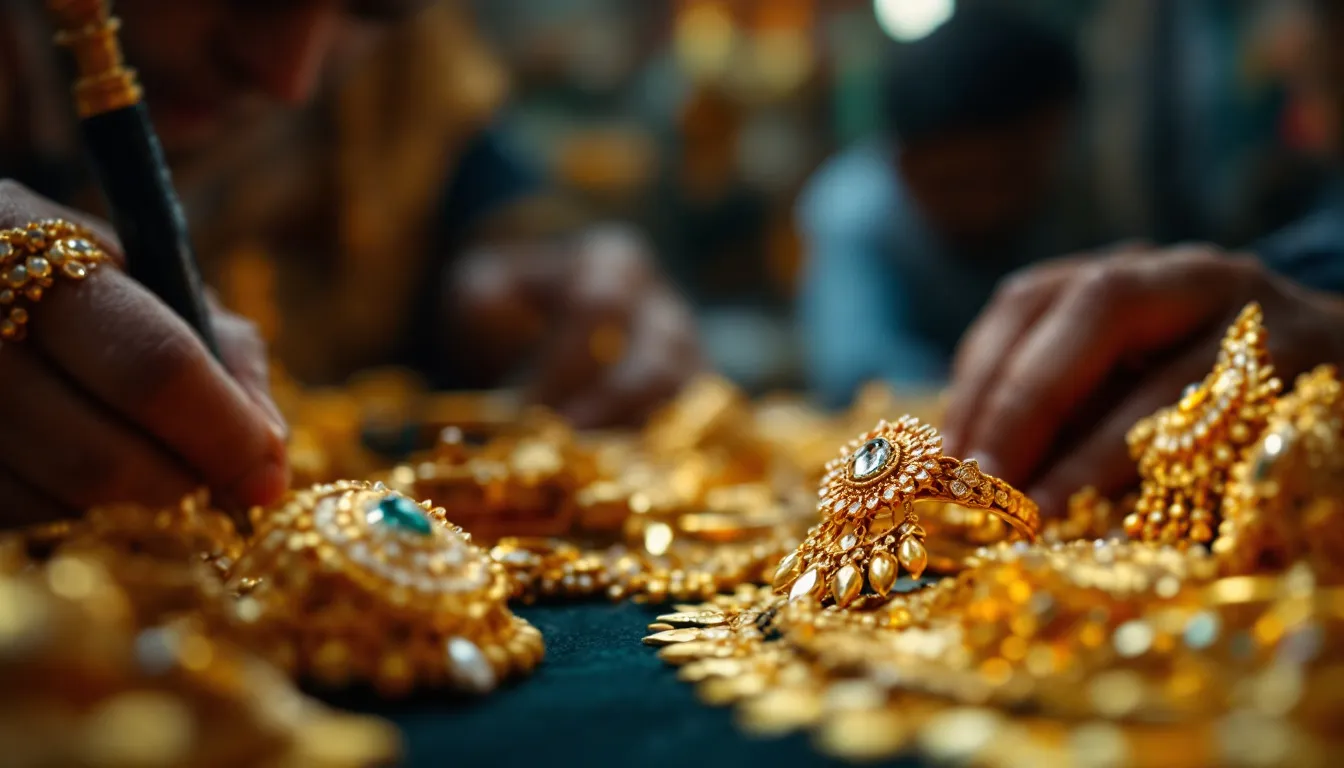
Finding genuine buyers is a critical aspect of the jewellery export business. Key strategies include:
Researching potential overseas market, including emerging markets in Asia, Africa, and Latin America, to expand your customer base. Identifying and engaging with an overseas buyer through trade fairs, negotiations, and securing purchase orders is essential for successful export trade.
Negotiating with a foreign buyer and discussing price allowances.
Providing customized samples to help secure export orders.
The global reach of e-commerce platforms enhances opportunities for jewellery exporters, allowing you to connect with buyers worldwide. Participation in trade fairs, buyer-seller meets, and exhibitions organized by the GJEPC provides valuable networking opportunities. These events enable you to showcase your gem and jewellery products, meet potential buyers, and establish long-term business relationships.
Marketing and Promotion Strategies for Jewellery Exports
Effective marketing and promotion are essential for increasing India’s share in the global jewellery market. Exporters can capitalize on international markets by participating in trade fairs, advertising in leading industry publications, and harnessing the power of digital platforms to reach a broader audience. The Jewellery Export Promotion Council plays a pivotal role in promoting Brand India, showcasing the nation’s expertise in gems and jewellery manufacturing, and facilitating connections between exporters and overseas buyers.
To stay ahead in the competitive landscape, exporters should utilize research covering market size and gross exports to identify emerging trends and new opportunities. By adopting a conducive trade environment and leveraging government support, Indian exporters can enhance their visibility, build trust with international clients, and position India as a leading jewellery manufacturing hub.
Strategic marketing, combined with robust export promotion efforts, will help India increase its share in the world’s total exports and reinforce its reputation as a global leader in the gems and jewellery sector.
Challenges in the Jewellery Export Business
The jewellery export business is not without its challenges:
Volatility in global market demand, which can affect pricing and sales stability.
Compliance with complex international regulations, which is time-consuming and costly, adding to the operational burden.
Intense competition in the jewellery sector, often leading to pricing pressures and making it difficult to maintain profit margins.
Staying abreast of consumer preferences and trends is crucial for aligning your offerings with market demands. This requires continuous research covering market size and adaptability to ensure that your products remain relevant and appealing to international buyers.
Solutions to Overcome Export Challenges
Technological advancements can significantly boost efficiency and help overcome export challenges. Innovations such as:
3D printing
AI
Blockchain can streamline various aspects of the jewellery export process. Adapting to modern market practices while maintaining responsible and ethical operations is essential for long-term success.
Addressing logistical challenges, including transportation and supply chain disruptions, is crucial for timely delivery. Fluctuations in foreign exchange rates and the need for a freely convertible currency can impact profitability, so it is vital to have strategies in place to mitigate these risks.
By leveraging technology and adhering to international standards, jewelry exporters can navigate the competitive global market effectively.
Future Trends in the Jewellery Export Industry
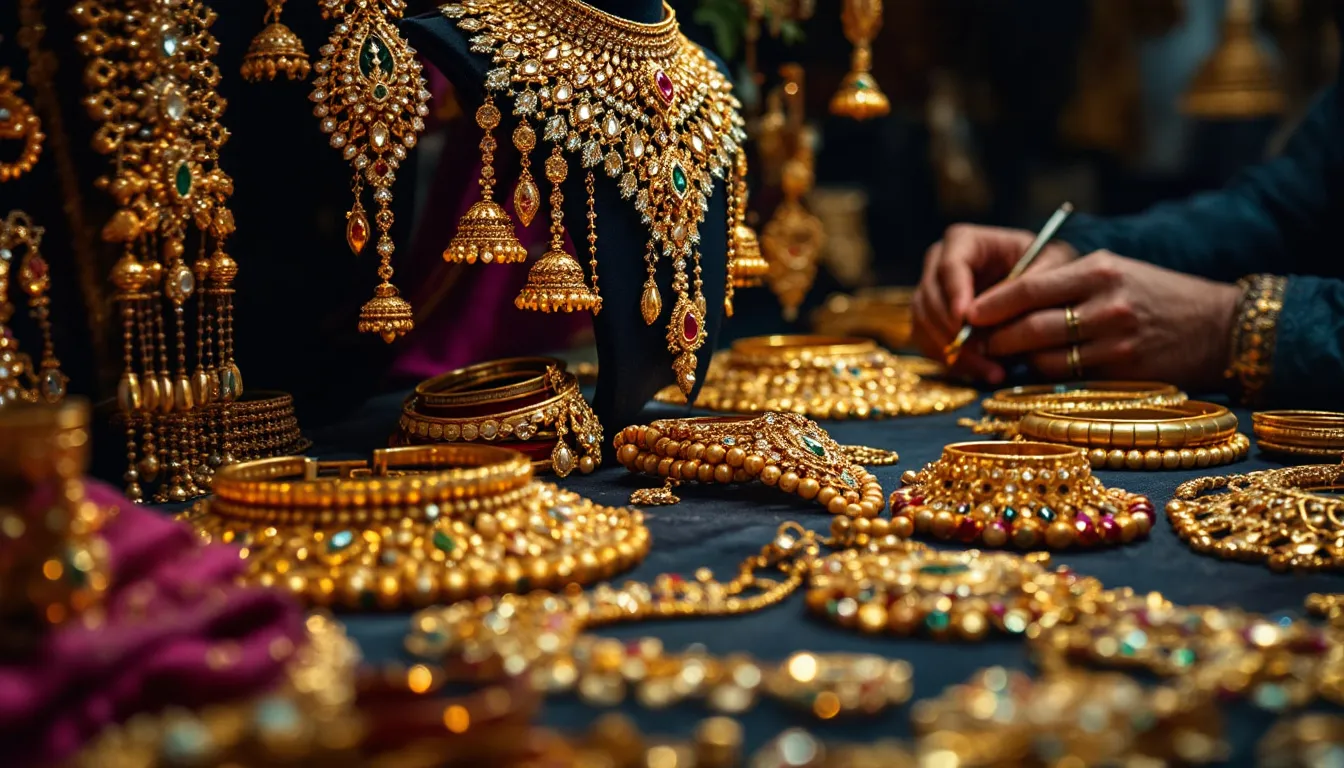
The future of the jewellery export industry is shaped by evolving consumer preferences and technological advancements. Lab-grown diamonds are gaining popularity as a sustainable alternative to mined diamonds, aligning with the growing demand for ethically sourced materials. The rise of digital platforms is transforming how jewellery is marketed and sold, providing exporters with increased global reach.
Developing an omnichannel experience helps jewellery businesses strengthen customer relationships and improve retail store sales. Key strategies include:
Efficient supply chain and inventory management systems to minimize disruptions and enhance customer satisfaction.
Personalized customer service.
Training staff in new technologies to build loyalty and retain clients in the competitive jewellery market.
Summary
In summary, the jewellery export business in India offers immense potential for growth and profitability. By understanding the industry’s landscape, adhering to legal and regulatory requirements, and leveraging technological advancements, you can navigate the complexities of international trade successfully. The various incentives and schemes provided by the government further support your journey toward becoming a successful jewellery exporter.
As you embark on this exciting venture, remember that continuous learning and adaptability are key to staying ahead in the global market. With the right strategies and a commitment to excellence, your jewellery business can shine brightly on the world stage, contributing to India’s legacy as a premier jewellery manufacturing hub.
Frequently Asked Questions
What are the initial steps to start a jewellery export business in India?
To start a jewellery export business in India, establish a business entity, obtain a PAN, and apply for an Importer Exporter Code (IEC) online. Conducting market research and preparing a detailed project report are also essential initial steps.
What documents are required for jewellery exports?
The essential documents required for jewellery exports include a commercial invoice, packing list, certificate of origin, jewellery valuation certificate, and an electronically filed shipping bill through ICEGATE. Ensuring all these documents are in order is crucial for a smooth export process.
How can I find genuine buyers for my jewellery exports?
To find genuine buyers for your jewellery exports, focus on researching potential markets and actively participating in trade fairs and exhibitions organized by the GJEPC. Additionally, leverage e-commerce platforms to expand your reach and connect with buyers directly.
What are the key challenges in the jewellery export business?
The key challenges in the jewellery export business are market volatility, compliance with international regulations, intense competition, and the need to stay updated with consumer preferences and trends. Addressing these challenges is crucial for maintaining a successful export operation.
What incentives and schemes are available for jewellery exporters in India?
Jewellery exporters in India can benefit from GST exemptions, the RoDTEP scheme, and the Interest Subvention Scheme, along with various government-backed support measures to enhance their competitiveness in the global market. These incentives are designed to facilitate growth and export performance in the jewellery sector.