
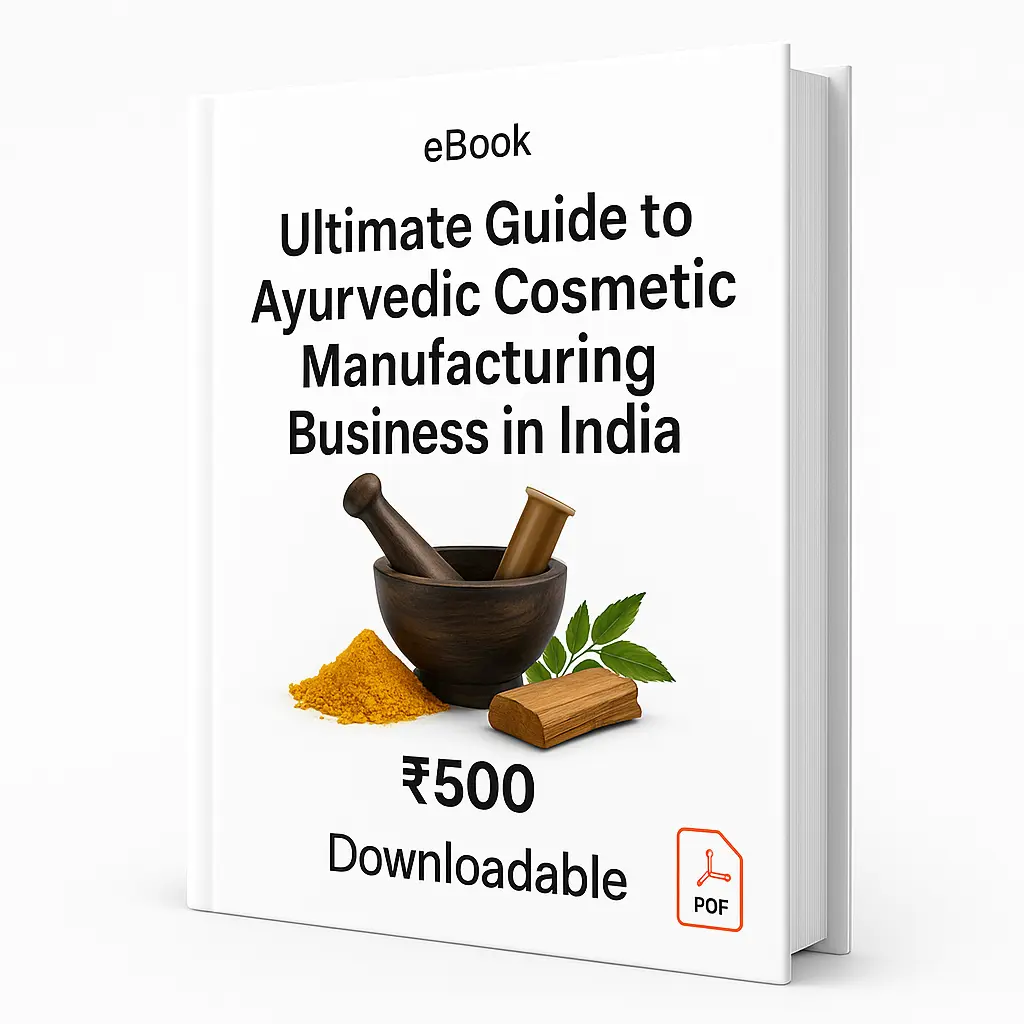
Ultimate Guide to Ayurvedic Cosmetic Manufacturing Business in India
Thinking of starting an Ayurvedic cosmetic manufacturing business in India? You’re in the right place. This sector is booming due to increasing consumer preference for natural and eco-friendly products. In this guide, we’ll explore market potential, essential steps, regulatory requirements, and investment insights to help you launch a successful Ayurvedic cosmetic business.
Key Takeaways
The demand for Ayurvedic cosmetics is rapidly increasing in India, driven by consumer preference for natural ingredients and sustainability.
Starting an Ayurvedic cosmetic business requires adherence to specific regulations, including obtaining necessary licenses like AYUSH and GST registration to ensure legal compliance.
Government schemes and subsidies, such as the PMEGP scheme, provide significant financial support to entrepreneurs in the Ayurvedic cosmetics sector, facilitating investment and growth.
Booming Market for Ayurvedic and Herbal Cosmetics Industry in India
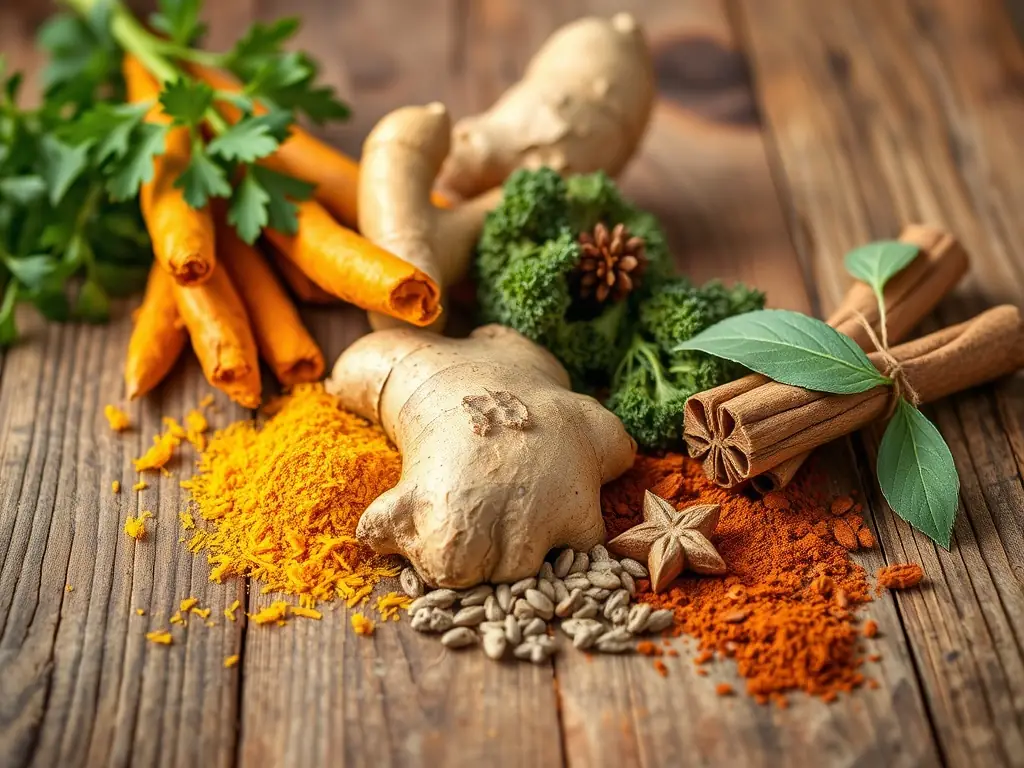
The Indian herbal cosmetic industry is witnessing a revolutionary shift. With growing environmental concerns, consumers are increasingly opting for eco-friendly different herbal cosmetics products over harmful synthetic chemicals and chemical free beauty products. This trend is further supported by a growing awareness of the benefits that herbal ingredients and natural ingredients like turmeric, neem, and sandalwood offer for various skin ailments. Additionally, the use of herbal medicines is gaining traction as more people seek natural alternatives, leading to a rise in herbal cosmetics manufacturers, including those producing bleaching and freckle lotions, utilizing different cosmetic ingredients, offering chemical based cosmetics products, developing cosmetic creams, creating cosmetic lotions, incorporating medicated lotions, and producing hand lotions. Moreover, the demand for cruelty free cosmetics is on the rise as consumers prioritize ethical choices in their beauty products.
The competition from international nature-based cosmetics brands has also intensified, pushing domestic ayurvedic cosmetics manufacturers to innovate and improve the quality of their offerings. This rising focus on competition is not a deterrent but rather a catalyst for growth, encouraging local brands to adopt superior quality standards and innovative marketing strategies.
Consumer demand for natural skincare products is at an all-time high. Ayurvedic formulations are favored not only for their effectiveness but also for their holistic approach to beauty and wellness. The increased demand for these natural cosmetics products translates to a promising market growth, making it a lucrative sector for new investments. According to recent industry reports, the herbal cosmetics market is expected to grow at a compound annual growth rate (CAGR) of around 7-8% over the next several years, underscoring the strong potential and expansion of this industry.
In summary, the market for herbal beauty products and herbal products is thriving, driven by a shift towards natural ingredients, heightened consumer awareness, and a competitive landscape that fosters innovation in the herbal cosmetics industry, supporting market growth. For entrepreneurs, this presents an excellent opportunity to tap into a market that values sustainability, efficacy, and tradition.
How to Start an Ayurvedic and Herbal Cosmetics Manufacturers Unit
Starting an Ayurvedic cosmetic manufacturing unit begins with ideation and product planning. This involves clearly defining your target audience and the concept of your product line. The next step is formulation development, which requires selecting herbs that align with both traditional Ayurvedic texts and contemporary consumer preferences.
Ethical sourcing of raw materials is crucial. Ensuring high quality and safety standards for these ingredients is not only a regulatory requirement but also a key factor in gaining consumer trust, considering various aspects. Manufacturing setups can either be in-house or through contract manufacturing, with the latter being favored for its efficiency and scalability. Third party manufacturing is also a popular option in the industry, offering benefits such as scalability, quality assurance, and business growth opportunities.
Navigating the regulatory landscape is a critical step. This includes obtaining necessary licenses and registrations, setting up your manufacturing unit, and ensuring compliance with health and safety standards. In the following sections, we will delve deeper into the specifics of these requirements and the investment needed to establish a successful Ayurvedic cosmetic business. Comprehensive how to information is available for entrepreneurs seeking step-by-step guidance on formulation, equipment selection, and production processes.
Licenses and Registrations Required
Legal compliance is the backbone of any manufacturing business. For Ayurvedic cosmetic manufacturers, obtaining an AYUSH license is essential. This license validates the Ayurvedic claims of your products and ensures they meet the regulatory standards set by the government.
In addition to the AYUSH license, GST registration is mandatory for all businesses in India to comply with tax regulations. MSME registration is also recommended as it provides various benefits, including easier access to loans and subsidies.
Regulatory approvals and compliance are crucial steps that require meticulous attention. This includes testing your products to meet health standards before they can be launched in the market. Adhering to these requirements not only ensures legal operation but also builds consumer trust in your brand.
Investment and Profit Analysis
Understanding the initial investment required is vital for any new business venture. The PMEGP scheme offers financial support up to ₹50 lakh for manufacturing units, which can cover the costs of machinery and initial setup. This scheme is designed to support aspiring entrepreneurs in entering the Ayurvedic cosmetics market, providing subsidies of up to 35% based on location and beneficiary categories.
Profit margins in the Ayurvedic cosmetics sector can range from 20% to 40%, influenced by pricing strategies and production efficiency. Businesses that emphasize quality and effective marketing can expect healthy returns despite the variable profit margins.
The global market worldwide for Ayurvedic skincare is projected to grow significantly, providing a conducive environment for investment in this sector. Effective investment in machinery and raw materials is essential for maintaining high product quality, directly impacting profitability. Strategic planning and a detailed project report are crucial for ensuring a successful venture.
Essential Machinery and Equipment
Investing in the right machinery is critical for the success of your Ayurvedic cosmetic manufacturing unit. Initial costs include purchasing equipment such as:
Mixing tanks
Heating vessels
Filling machines
These machines are essential for the manufacturing process, ensuring the uniform blending of ingredients and hygienic packaging of the final products. For more information, refer to the equipment details. Equipment photographs and plant layout diagrams are valuable resources for visualizing the setup and optimizing the manufacturing facility. Entrepreneurs are encouraged to refer to equipment photographs and plant layout examples when planning their production area for efficiency and compliance.
Mixing tanks are crucial for blending ingredients to achieve a uniform consistency. Heating vessels are used to melt and mix solid ingredients, facilitating the preparation of various herbal cosmetic products. Filling machines ensure precise quantities and maintain hygienic conditions during packaging.
Adhering to Good Manufacturing Practices (GMP) is vital for demonstrating quality compliance in Ayurvedic cosmetic production. Obtaining GMP certification not only assures consumers of the quality and safety of your products but also enhances the credibility of your brand.
Overview of the Herbal Cosmetics Manufacturing Process
The manufacturing process of Ayurvedic cosmetics involves several critical steps in the manufacturing processes. It begins with the mixing of ingredients in sterilized mixing tanks to ensure uniformity. Heating and cooling processes facilitate the blending and stabilization of the product formulation.
Quality control is integral to the manufacturing process. Rigorous testing of final products is conducted to confirm their safety, stability, and compliance with established standards. A batch trial is performed before full-scale production to ensure that the product meets all performance standards.
Once the product passes quality assurance tests, it is prepared for logistics and distribution. Proper handling and storage conditions are ensured to maintain the product’s efficacy and shelf life during transportation and delivery.
Government Schemes and Subsidies
Government schemes and subsidies play a significant role in supporting new businesses in the Ayurvedic cosmetics sector. The Ayush manufacturing subsidy program provides financial assistance to eligible manufacturers, promoting the production of Ayurvedic products. This program is designed to help start-ups and existing businesses thrive and contribute to traditional medicine.
The Interest Subsidy Eligibility Certificate (ISEC) scheme offers khadi institutions a concessional interest rate of 4% per annum on working capital. These government initiatives are critical for enabling financial support and fostering growth in the Ayurvedic cosmetic industry.
These schemes enable entrepreneurs to significantly reduce their financial burden, facilitating investments in quality raw materials and advanced machinery suppliers. This not only enhances the overall quality of the products but also boosts the profitability of the business plan through commercial production.
Marketing and Branding Strategy
Effective marketing and branding strategies are essential for the success of your Ayurvedic cosmetic business. Combining traditional Ayurvedic knowledge with modern formulations can attract consumer interest and differentiate your products in the competitive market. Brands like Mamaearth have successfully involved mothers in the product development process, linking the brand directly to consumer needs and trust.
Packaging design plays a crucial role in attracting consumers, protecting the product, and complying with legal labeling requirements. Digital marketing has transformed how brands connect with consumers, allowing for targeted campaigns and interactive content to engage audiences effectively.
Using social media influencers is a key tactic in promoting Ayurvedic brands. Influencers can enhance brand visibility and credibility among targeted demographics. Cause marketing strategies, such as supporting women’s empowerment, are effective in building brand loyalty and differentiating products in the competitive landscape.
Online visibility through SEO and digital ad campaigns is critical for Ayurvedic cosmetic brands to attract and retain consumers in a digital-first market. Emotional appeal in advertising helps brands like WOW Skin Science connect with consumers by promoting the benefits of healthier skin and hair through natural ingredients.
Contents of the eBook
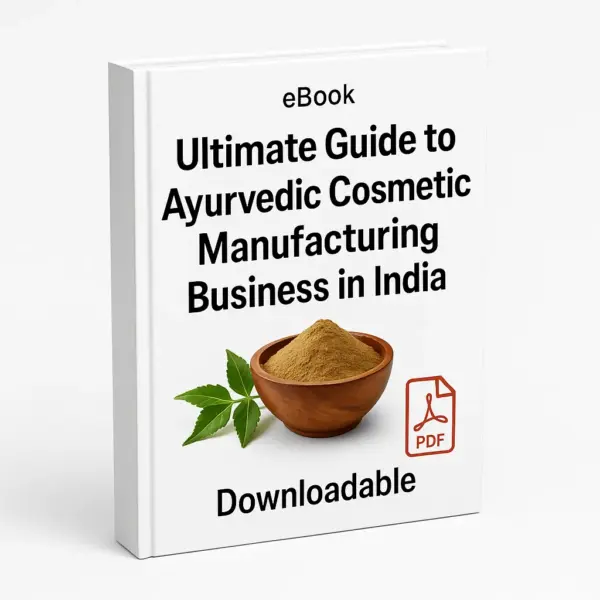
The eBook provides a comprehensive guide for setting up your own business in Ayurvedic general cosmetics, detailing essential processes and considerations. It includes information on the necessary machinery and equipment for effective cosmetic manufacturing, ensuring you have all the tools you need to get started.
The Herbal Cosmetics Handbook is also available as a comprehensive guidebook, covering formulation techniques, manufacturing processes, machinery details, and industry insights for herbal cosmetic products. Niir Project Consultancy Services offers expert guidance and support for entrepreneurs starting or expanding their herbal cosmetic manufacturing business, providing technical details, industry insights, and supplier connections.
Additionally, the eBook covers government subsidies available for cosmetic manufacturing businesses, helping you leverage financial support to enhance your investment capability. This extensive resource is designed to be the only complete handbook you’ll need to navigate the complexities of the Ayurvedic cosmetic industry successfully.
Summary
In conclusion, the Ayurvedic cosmetic industry in India offers a promising avenue for entrepreneurs looking to invest in a natural, profitable, and government-supported business. The market is booming, driven by a shift towards natural ingredients and heightened consumer awareness. Starting an Ayurvedic cosmetic manufacturing unit involves careful planning, regulatory compliance, and strategic investment.
By leveraging government schemes and implementing effective marketing strategies, you can build a successful business that not only meets consumer demands but also contributes to the wellness and sustainability movement. The potential for growth and profitability in this sector is immense, making it an ideal choice for aspiring entrepreneurs.
Frequently Asked Questions
What licenses are required to start an Ayurvedic cosmetic manufacturing business in India?
To start an Ayurvedic cosmetic manufacturing business in India, you must obtain an AYUSH license, MSME registration, and GST registration. Failure to secure these licenses may hinder your ability to operate legally.
What is the PMEGP scheme?
The PMEGP scheme is a government initiative that provides financial assistance of up to ₹50 lakh for manufacturing units, covering machinery and startup expenses, along with subsidies of up to 35% depending on the location and beneficiary categories.
What are the essential machinery and equipment needed for Ayurvedic cosmetic manufacturing?
The essential machinery for Ayurvedic cosmetic manufacturing includes mixing tanks, heating vessels, and filling machines, which are vital for blending ingredients, melting solids, and ensuring hygienic packaging. These components play a crucial role in maintaining product quality and efficiency.
How important is digital marketing for Ayurvedic cosmetic brands?
Digital marketing is essential for Ayurvedic cosmetic brands, as it enhances online visibility and enables targeted campaigns to effectively engage and retain consumers. Leveraging SEO and digital advertising is key to expanding their market reach.
What does the eBook cover?
The eBook covers a comprehensive guide for establishing a business in Ayurvedic cosmetics, including essential processes, machinery requirements, and available government subsidies for cosmetic manufacturing.

Holistic Business Growth

Enhanced Productivity
Sustainable Strategies




-


eBook AI Manufacturing Ideas
₹500 -

eBook White Label Business
₹500 -

eBook Indian Jewellery Business
₹500 -

eBook Imitation Jewellery Business
₹500 -

eBook Diamond Gemstone Jewellery
₹500 -

eBook Jewellery Franchise
₹500 -

eBook Jewellery Export
₹500 -

eBook Lab Grown Diamond
₹500 -

eBook Medical Devices Manufacturing
₹500 -
eBook Ayurvedic Cosmetic
₹500 -

eBook 3D Printing Business
₹500 -

eBook Rare Earth Magnet Recycling
₹500 -

eBook Gold Refining Business
₹500 -

eBook Drone Parts Manufacturing
₹500 -

eBook Moduler Funiture
₹500 -

eBook on Future of Agribusiness
₹500
