
Key Takeaways
Rice mill machinery cost in India is shaped primarily by plant capacity (2 TPH vs 5 TPH vs 10 TPH and above), level of automation, product mix (raw vs parboiled rice) and the technology deployed across cleaning, drying, milling, colour sorting, grading and packaging stages. The average cost of rice mill machinery ranges from ₹2 lakh to over ₹5 crores, depending on these variables. For a typical commercial project, machinery and equipment usually account for only 35–55% of the total integrated rice mill project cost; land, building, utilities and working capital must also be budgeted.
As a general framework: mini rice mills typically cost between ₹2 lakh and ₹15 lakh depending on configuration. Small-scale mills can be set up for ₹10 lakhs to ₹25 lakhs. A practical starting budget for a 1–2 TPH commercial mill can be around ₹20–30 lakh for machinery alone. Fully automatic 8–10 TPH integrated plants can require machinery investment in multiple crores. These are indicative bands-actual rice mill machinery price in India must be based on current vendor quotations.
This article provides a framework and realistic ranges for DPR preparation, bank loan planning and investor discussions rather than acting as a fixed rate list. As CA Manish Gugliya at ProjectReportBank.com, I help promoters translate technical machinery choices into reliable project cost, loan, and profitability estimates.
Introduction: Why Rice Mill Machinery Cost Drives Project Viability
Rice mill machinery cost is the single largest controllable investment block for any rice mill project in India. It is directly linked with production capacity, rice recovery, operational costs and long-term operating efficiency. Whether you are an MSME entrepreneur or part of a large industrial group, the machinery you select determines whether your project will be bankable, profitable and scalable.
Rice milling involves a sequence of cleaning, whitening, polishing, and sorting processes. A small mini rice mill of a few hundred kg per hour-often a single combined machine with compact design-is fundamentally different from a modern commercial rice mill plant of 4–5 TPH or 8–10 TPH that uses a full line of specialised rice mill machines: paddy cleaner, paddy separator, husker, whitener, polisher, grader, colour sorter, packing line and extensive material handling. Comparing only the price of a commercial rice mill machine or mini rice mill machine can be misleading because a bankable rice mill DPR must consider the complete integrated process line, automation level, utilities and material handling systems.
The key variables that change total mill machinery investment include: capacity in TPH, type of rice (raw, parboiled, basmati), paddy moisture at procurement, requirement of paddy dryer and boiler, number of whitening and polishing stages, need for colour sorter, kind of grading and packaging, pollution-control norms and automation level (manual, semi automatic, automatic, SCADA-based). Additionally, the degree of automation impacts both the pricing and operating costs of rice mills. This article focuses on rice mill machinery cost for entrepreneurs, MSMEs, small and medium business promoters and industrial groups planning 2 TPH through 15–20 TPH and larger integrated plants in India, and how to translate technical choices into reliable financial estimates for DPRs and bank finance.
What Is Included in Rice Mill Machinery & Equipment Cost?
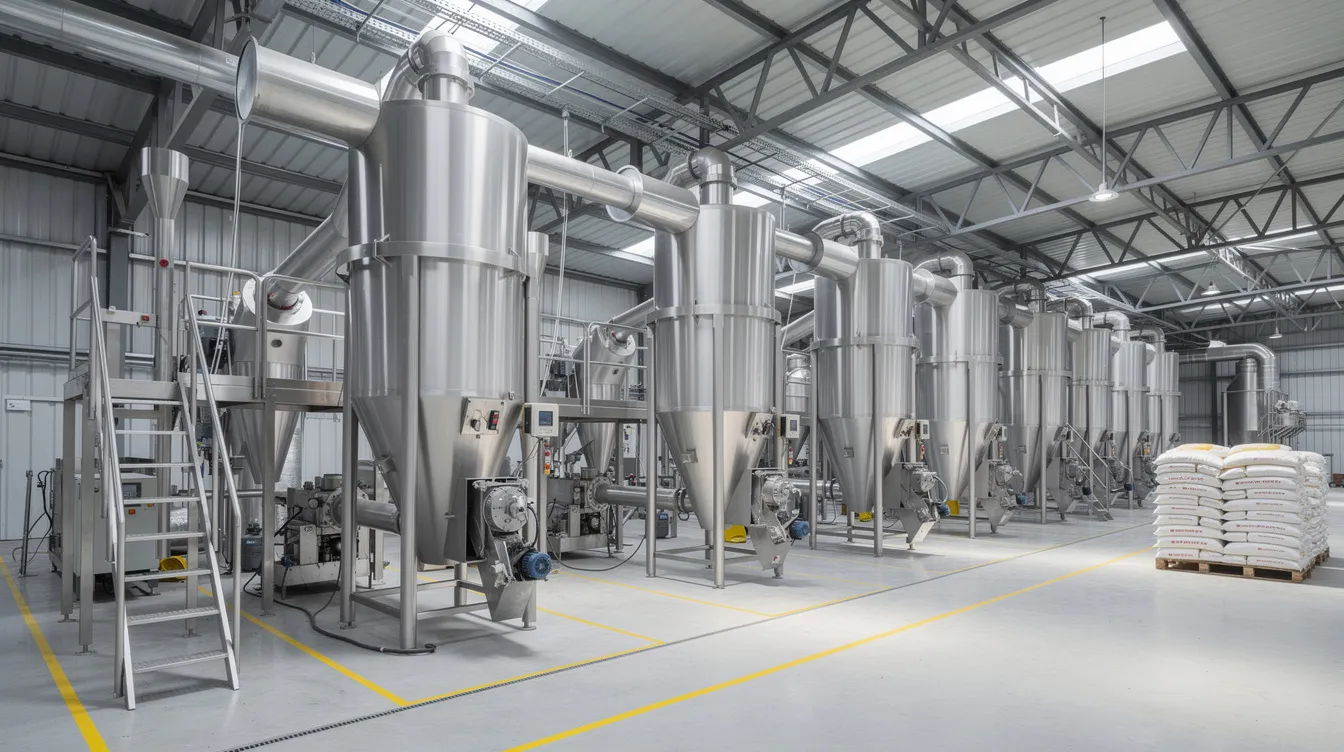
Rice mill machinery cost means the combined cost of all major and auxiliary equipment-from paddy reception to finished rice packing-plus essential utilities and automation components. A professional machinery list should cover reception, cleaning, drying, parboiling (if any), husking, paddy separator, whitening, polishing, grading, colour sorting, packaging, material handling, storage silos and bins, dust collection, boilers, electrical and PLC systems.
A realistic rice mill plant machinery cost estimation must include elevators, blowers, cyclones, control panels, MCC, cables and connectors-not just the main rice mill machines visible in brochures. For DPR and bank loan purposes, the equipment list should be structured by process section (e.g., “Paddy Cleaning Section”, “Milling Section”, “Grading & Sorting Section”, “Packing Section”) so that lenders can clearly understand configuration and capacity balance across the line.
Paddy Reception, Cleaning, Drying and Parboiling Equipment
The front-end of a rice mill-paddy reception, cleaning, destoning and drying-has a major impact on final rice quality, yield and overall modern rice mill machinery cost, especially when the plant handles high-moisture or rain-fed paddy procured from farmers across different categories of origin.
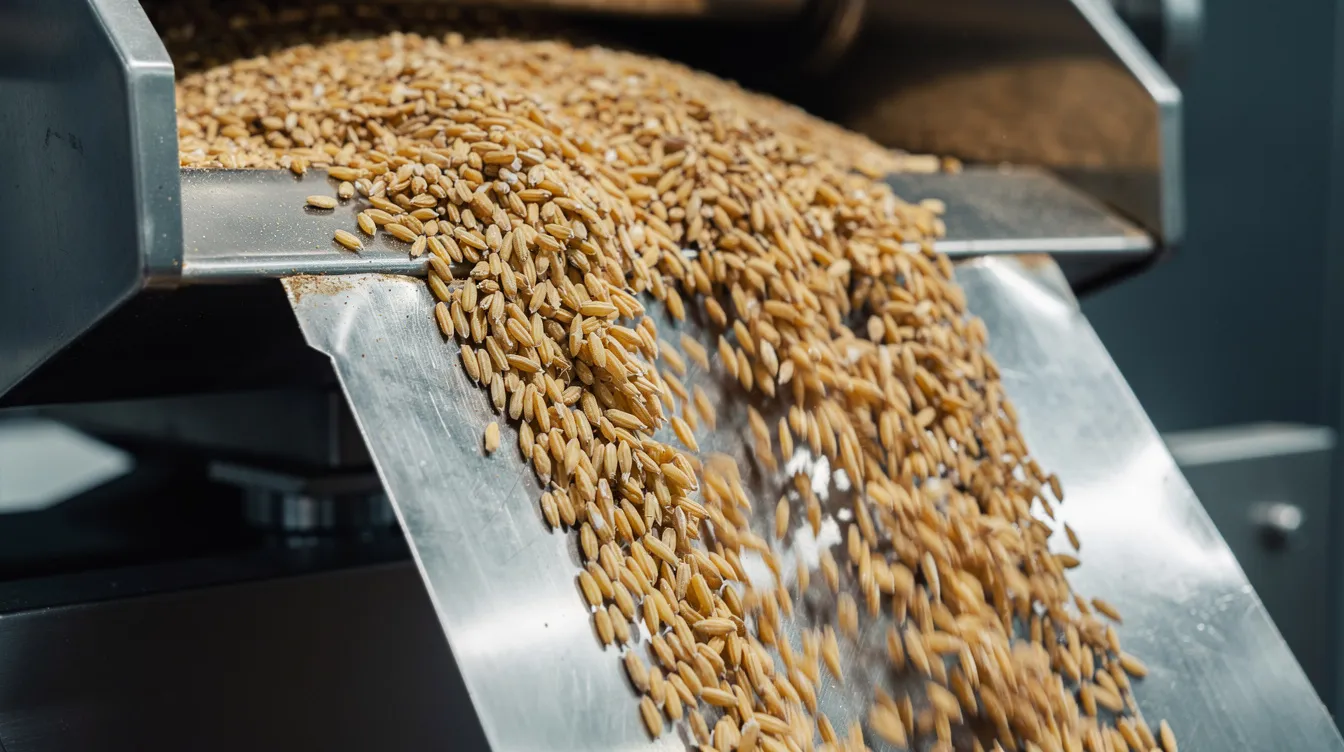
Paddy reception and pre-cleaning equipment includes receiving pits and hoppers, belt or screw conveyors, pre-cleaners, vibrating cleaners, magnetic separators and aspiration systems. Pre-cleaners remove impurities like dust and stones from raw paddy before processing, and their price varies with TPH rating, imported vs Indian make, and dust-collection integration. The paddy cleaner and destoner section-fine cleaner, combined paddy cleaner, destoner and classifier-becomes essential at commercial scale. Higher-capacity double-deck combinations cost more but reduce labour and improve uptime.
Paddy drying equipment ranges from batch-type mechanical paddy dryers to continuous-flow dryers. A 2 TPH mill sometimes relies on sun drying, while a 4–5 TPH or 8–10 TPH commercial plant handling multi-season paddy generally needs mechanical paddy dryers, hot-air furnace, fans, moisture sensors and suitable grain handling, which can significantly increase rice processing machinery cost. Paddy dryer machine cost depends heavily on capacity and technology.
For mills planning parboiled or steamed rice, parboiling plant equipment includes soaking tanks (RC or MS), parboiling vessels, steam pipelines, control valves, recirculation systems and hot water systems. Parboiling requires a boiler-often rated 2–6 TPH steam capacity or more-and sometimes separate dryers. This makes integrated rice mill machinery cost substantially higher than a basic raw rice mill setup.
Core Milling Line: Husker, Paddy Separator, Whitener, Polisher, Grader & Colour Sorter
This section covers the backbone of the rice mill: the equipment that converts cleaned paddy into marketable white rice and by-products. The quality and configuration of these rice mill machines directly influence head rice recovery, broken percentage and profitability.
Paddy de-huskers remove the outer husk from raw paddy to convert it into brown rice. Rubber roll huskers are the standard in commercial mills; higher-end pneumatic models cost more but provide better husking efficiency and longer rubber-roll life, affecting rice mill machine price and operating cost. A 2–3 TPH semi-automatic rubber roll husker is typically available around ₹2 lakh, while heavy roller variants and larger automatic models with higher volume throughput can cost substantially more.
The paddy separator separates brown rice from unhusked paddy. A properly sized paddy separator machine is critical to keep recirculation under control and to achieve 67–69%+ head rice recovery in a well-designed plant. Undersized separators are a common bottleneck.
Rice whiteners and polishers remove bran layers to produce smooth white rice. Modern plants often use 2–4 stages-abrasive and friction type-for basmati and premium non-basmati. A 4 TPH automatic rice whitener machine price is typically in the ₹1.8–5.3 lakh range depending on brand, motor power and machine structure. Additional stages increase modern rice mill machinery cost but improve finish and reduce breakage.
Rice polishing through mist and silky polishers adds shine and reduces surface bran. Premium export rice typically uses one or two polishers, raising rice processing machinery cost but enabling higher selling prices in domestic and export markets.
Rice graders classify finished rice by size and separate whole grains from broken ones. Plan sifters, length graders and thickness graders give fine control of head vs broken rice fraction-critical for basmati and long-grain rice mill projects.
Colour sorters use optical sensors to remove discoloured or defective rice grains, including black, chalky and yellow kernels. The colour sorter machine price is one of the biggest single line items in a complete rice mill plant machinery price list. Mini sorters for 1–2 TPH fall in the ₹6–10 lakh range, while a 6–7 TPH belt-type automatic colour sorter can cost ₹22–25 lakh or more.
Packing, Material Handling, Storage, Dust Collection and Automation
While promoters often focus on the main milling machines, a large portion of rice mill equipment cost comes from conveyors, elevators, packing systems, bins and silos and electrical infrastructure.
Rice packaging machinery includes electronic weighers, bagging machines for 25–50 kg bags (weight approx per bag), bag stitching or sealing systems and automatic stackers. Retail packing lines with automatic form-fill-seal machines for 0.5–10 kg consumer packs substantially increase rice packaging machine price compared to simple bulk bagging.
Material handling-bucket elevators, belt conveyors, screw conveyors, chain conveyors, gravity chutes and pneumatic systems-is considerable for a 5 TPH or 10 TPH rice mill plant. Each elevator and conveyor adds to cost, and their combined budget can rival one or two major process machines.
Infrastructure requirements for rice mills include adequate storage for raw and finished products. Raw paddy storage godowns, intermediate bins for cleaned paddy and brown rice, and steel silos where used form a significant cost block. In DPRs, these are sometimes accounted under civil or infrastructure and sometimes under machinery-this classification influences calculation of rice mill plant machinery cost.
Dust collection and pollution control-cyclones, bag filters, central aspiration lines, husk handling-must comply with local Pollution Control Board norms. Manufacturers should consider local licensing and compliance with environmental regulations when budgeting for these systems.
Electrical and automation systems-MCC panels, PCC, control panels, PLC, VFDs, SCADA, sensors and safety interlocks-are essential for a fully automatic rice mill plant. More PLC and instrumentation raise automatic rice mill machinery price but reduce manpower and improve consistency.
Complete Rice Mill Machinery List and Functions
The following table summarises key equipment in a modern commercial rice mill. This is designed to guide DPR writers and investors on what must appear in a complete rice mill machinery list with price during vendor negotiations.
| Machinery / Equipment | Function | Typical Importance | Major Cost Driver |
|---|---|---|---|
| Receiving Hopper & Conveyor | Receives and transports raw paddy into the cleaning section | Essential | Capacity (TPH), construction material |
| Paddy Pre-Cleaner | Removes coarse impurities, straw and dust | Essential | Throughput, aspiration integration |
| Paddy Cleaner / Destoner | Fine cleaning and stone removal from paddy | Essential | Capacity, screen quality, automation |
| Mechanical Paddy Dryer | Reduces paddy moisture to optimal milling level | Essential for wet paddy | Batch vs continuous, fuel type, capacity |
| Parboiling Tank / Soaking System | Soaks and steams paddy for parboiled rice | Only for parboiled mills | Tank size, material (SS vs MS), automation |
| Boiler | Generates steam for parboiling and drying | Essential for parboiled mills | Capacity (TPH), fuel type, safety standards |
| Rubber Roll Husker | Removes husk from paddy to produce brown rice | Essential | Roll quality, capacity, automation |
| Paddy Separator | Separates unhusked paddy from brown rice | Essential | Capacity, number of decks, efficiency |
| Rice Whitener (Abrasive/Friction) | Removes bran layers to produce white rice | Essential (multi-stage) | Number of stages, motor HP, brand |
| Silky / Mist Polisher | Adds shine and smoothness to milled rice | Important for premium rice | Polishing technology, capacity |
| Length Grader / Plan Sifter | Separates head rice from broken rice by size | Essential | Capacity, screen precision |
| Colour Sorter | Optically removes discoloured and defective grains | Critical for premium/export rice | Number of chutes, sensor technology, brand |
| Bucket Elevator (multiple units) | Vertical material transfer between process stages | Essential | Height, capacity, number of units |
| Belt / Screw Conveyor | Horizontal material transfer | Essential | Length, capacity, construction |
| Bagging Machine (25–50 kg) | Weighing and filling bags for bulk packing | Essential | Automation, accuracy, speed |
| Retail Packing Machine | Form-fill-seal for consumer packs (1–10 kg) | Optional / premium lines | Speed, pouch type, printer integration |
| Central Aspiration System | Dust and husk removal across the plant | Essential | Plant size, number of pickup points |
| Cyclone / Bag Filter | Pollution control and dust collection | Mandatory (PCB norms) | Capacity, filter media, compliance level |
| MCC / PLC / Control Panel | Electrical control and plant automation | Essential | Automation level, PLC brand, SCADA |
| Compressor | Compressed air for colour sorter and pneumatic systems | Essential | CFM rating, brand, energy efficiency |
Approximate Rice Mill Machinery Cost in India: Indicative Ranges
All cost figures in this section are indicative ranges based on typical commercial configurations observed in India between FY 2023–24 and FY 2025–26. Actual rice mill machinery price in India must always be supported by recent quotations from machinery suppliers. These are available in multiple capacities for diverse processing needs.
At the very basic end, mini rice mills start at ₹14,000 in India for rudimentary household-scale units. A 10 HP rice mill has a capacity of 500 kg per hour. However, for any meaningful commercial operation, machinery investment is significantly higher:
| Plant Category | Indicative Machinery Cost Range | Key Notes |
|---|---|---|
| Mini rice mill (household/micro) | ₹14,000 – ₹2 lakh | Single combined unit, very basic |
| Mini rice mill (small commercial) | ₹2 lakh – ₹15 lakh | Compact, limited processing stages |
| Small-scale commercial (1–2 TPH) | ₹15 lakh – ₹30 lakh | Semi automatic, basic grading, no sorter |
| Medium-scale (2–4 TPH) | ₹25 lakh – ₹50 lakh | Moderate automation, optional sorter |
| Commercial (4–5 TPH) | ₹65 lakh – ₹1.4 crore | Full line with colour sorter, automation |
| Large-scale (8–10 TPH) | ₹1.5 crore – ₹3 crore+ | High automation, multiple sorters |
| Integrated (15–20 TPH+) | ₹3.5 crore – ₹7.5 crore+ | Multi-line, parboiling, SCADA |
Large-scale rice mills cost ₹50 lakh to over ₹2.5 crore depending on whether they are basic or fully equipped. Medium-scale rice mills typically cost between ₹25 lakh and ₹50 lakh for machinery at the 2–4 TPH range. 1 ton rice mill prices range from ₹10 lakhs to ₹20 lakhs for a reasonable commercial configuration. A 10 ton rice mill costs between ₹150 lakhs to ₹200 lakhs for machinery alone.
Key cost-variation factors include domestic vs imported machines, stainless vs mild-steel construction, number of polishing stages, type and size of colour sorter, dryer technology, boiler capacity, freight to site, installation, GST and local civil/electrical integration requirements. I advise promoters to treat these ranges as a starting point and to firm up the rice mill machinery investment figure only after receiving at least 2–3 comparable supplier quotations.
Rice Mill Machinery Cost by Capacity (2 TPH, 4–5 TPH, 8–10 TPH, 15–20 TPH+)
Machinery configuration does not grow linearly with capacity. A 10 TPH plant is not simply “double” a 5 TPH plant because of economies of scale, larger dryers and boilers, more advanced automation and sometimes parallel lines. The rice processing segment broadly classifies mills as: small-capacity rice mills range from 1 ton to 4 tons, medium-capacity rice mills handle 4 tons to 8 tons, and large-capacity rice mills start from 10 tons and above.
2 TPH Rice Mill Machinery: A basic 2 TPH raw rice mill includes single-line cleaners, one husker and paddy separator set, 2–3 whiteners, basic grading and an optional small colour sorter. Machinery cost typically falls in the ₹22–37 lakh range. Per-ton cost is higher than larger plants but this capacity is ideal for small business entrepreneurs entering the rice processing segment.
4–5 TPH Rice Mill Machinery: This capacity requires more elaborate cleaning sections, higher-capacity huskers, robust paddy separator, multiple whiteners and polishers, dedicated grading and a mid-size colour sorter. A 4 ton rice mill price ranges from ₹40 lakhs to ₹50 lakhs for a basic configuration, while well-equipped 4–5 TPH automatic plants with colour sorters and automatic packing can require ₹65 lakh to ₹1.4 crore for machinery. Most serious commercial mills and bank-funded projects today tend to start near this capacity band.
8–10 TPH Rice Mill Machinery: Equipment includes multiple parallel cleaners and huskers, large paddy separators, 4+ whitening and polishing machines in series, high-capacity graders, one or more large colour sorters, higher-capacity bucket elevators, and a complex MCC/PLC system. Automatic rice mill machinery price at this capacity is driven by automation and product-quality objectives for domestic vs export markets.
15–20 TPH and Larger Integrated Rice Mills: Plants often have twin or multi-line configurations, full-fledged parboiling units, large continuous-flow paddy dryers, sizeable boilers, extensive storage silos, SCADA and fully automated bagging. Fully automatic rice mill plants can exceed ₹20 crores at this scale. This is a multi-crore strategic investment typically undertaken by large corporate groups or co-operatives that cater to high-volume markets.
Dedicated View: Rice Mill Machinery Cost for 5 TPH Plant
The 4–5 TPH range is one of the most common commercial capacities in India for new rice mill projects, making rice mill machinery cost for a 5 TPH plant a frequent question during DPR preparation and bank loan discussions.
A typical 5 TPH configuration includes: paddy reception and pre-cleaner, combined paddy cleaner and destoner, mechanical dryer where sun drying is not feasible, 1–2 rubber roll huskers, efficient paddy separator, 3–4 whiteners, 1–2 silky polishers, plan sifter and length grader, broken rice grader, one medium-sized colour sorter, bucket elevators at every transfer point, central aspiration, bulk bagging machines and basic PLC control panels.
Within 5 TPH plants, cost can vary widely. A plant using domestic brand rice mill machines with single colour sorter, minimal packing and basic automation may require around ₹75–90 lakh in machinery. A plant with imported or premium brand equipment, multi-chute colour sorter, automatic retail packing, multiple polishing stages and PLC control may reach ₹1.5–2.5 crore. Choosing the right machine for each stage is critical.
Promoters should obtain a complete rice mill machinery list with price from at least two suppliers for a 5 TPH line matching their desired product mix and quality level before finalising DPR or approaching banks.
Dedicated View: Rice Mill Machinery Cost for 10 TPH Plant
A 10 TPH rice mill project is generally positioned for large domestic brands or export-oriented units. The 10 TPH rice mill machinery cost reflects higher volume throughput, higher quality standards and greater automation.
Key machinery upgrades compared to 5 TPH include: larger pre-cleaners and destoners, high-capacity continuous-flow dryers, robust huskers with automation features, bigger paddy separators, more whitening and polishing stages, larger graders, bigger or multiple colour sorters, higher-capacity bucket elevators and conveyors, larger storage bins, bigger compressors, and stronger electrical and PLC systems.
The electrical load-MCC, transformer capacity and DG set rating-grows sharply at 10 TPH, indirectly increasing rice mill plant machinery cost. Commercial power supply infrastructure must be suitably sized. A 10 ton rice mill costs between ₹150 lakhs to ₹200 lakhs for machinery, and with premium automation or imported machines, this can be significantly higher.
Banks assessing a 10 TPH rice mill DPR expect realistic machinery costs backed by detailed quotations, implementation schedules and adequate contingency, given the size of term loan normally requested.
Raw Rice Mill vs Parboiled Rice Mill Machinery Cost
A raw rice mill and a parboiled rice mill differ substantially in configuration, especially in front-end and utility sections.
| Aspect | Raw Rice Mill | Parboiled Rice Mill |
|---|---|---|
| Drying | Sun or moderate mechanical drying | Dedicated continuous paddy dryers (high capacity) |
| Soaking/Steaming | Not required | Soaking tanks, steaming vessels, hot water system |
| Boiler | Not required (unless dryer needs steam) | Essential-2–6 TPH or more |
| Rice mill boiler cost impact | Minimal | Significant-multiple lakhs to crores |
| Milling/Polishing | Standard | May require adapted settings |
| Head Rice Recovery | Variety-dependent | Generally higher for certain varieties |
| Overall Machinery Cost | Lower | Significantly higher |
Parboiling improves yield and head rice recovery for certain varieties, potentially increasing revenue, but also increases modern rice processing machinery cost, fuel consumption and project complexity. Some integrated plants install separate lines so they can produce both raw and parboiled rice, widening market reach but increasing integrated rice mill equipment cost in India.
Semi-Automatic vs Automatic Rice Mill Machinery Cost
Promoters often debate between lower initial investment in semi automatic mills and higher upfront cost in automatic rice mill machinery that reduces labour and improves control.
Semi automatic plants have lower rice mill machinery price, more manual handling of bags and intermediate products, higher manpower requirement, greater dependency on operator skill and more variability in output. They can be suitable for low throughput or manpower-abundant areas.
Fully automatic rice mills streamline the milling process. Automatic rice mill plants improve efficiency in rice processing operations by automating cleaning, de-husking, polishing and sorting. Automatic rice mills are generally more expensive than semi-automatic options-often by 30–50% or more for comparable capacity-but they deliver smoother product flow, better safety and hygiene, lower long-term labour cost and ease of scalability. Fully automated rice mills significantly reduce labor costs but have higher initial investments.
For 4–5 TPH and above, or where consistent quality, traceability and brand positioning are critical, automatic plants are generally the suitable choice. Promoters should conduct a lifecycle cost comparison including labour savings, lower spillage, better rice recovery and higher uptime over 8–10 years of operation.
Domestic vs Imported Rice Mill Machinery
India has several capable rice mill machinery manufacturers, including companies based in cities like Ahmedabad, Punjab and other industrial hubs. Many are a leading manufacturer in specific equipment categories. However, certain specialised equipment-particularly high-end colour sorters and advanced whiteners-may be sourced from different companies abroad.
Domestic equipment generally offers lower acquisition cost, easier communication, shorter delivery time, better availability of standard spare parts and quicker service response. Many Indian brands provide competitive performance for most commercial mills.
Imported machinery typically carries significantly higher industrial rice mill machinery price-sometimes 30–45% more-but may offer advantages in automation, energy efficiency or special features. However, foreign exchange exposure, longer lead times, customs duties and dependence on overseas service support add risk. DPRs for bank finance should factor in forex risk, customs duty, freight, insurance and warranty conditions for imported machinery.
The optimal approach is often mostly domestic equipment with select imported items where the technology gap justifies the premium.
Key Factors Affecting Rice Mill Machinery Price and Investment
Plant Capacity and Configuration
Capacity in TPH is the single largest driver of rice mill machinery investment. However, configuration-single line vs multiple parallel lines, number of whitening stages, number of colour sorter channels-can cause two mills of the same capacity to have very different rice mill equipment cost.
Milling Technology and Automation Level
Advanced technologies-multi-stage whitening, silky polishing, online moisture meters, PLC/SCADA-raise upfront rice milling equipment price in India but improve recovery, reduce breakage and enhance consistency. The degree of automation impacts both pricing and long-term operational costs.
Raw Rice vs Parboiled Rice and Drying Requirements
Parboiled rice projects need extra investment in parboiling tanks, boilers, steam pipelines and higher-capacity dryers. Even raw rice projects may need paddy dryers if paddy is procured with high moisture during monsoon.
Colour Sorting and Packaging Configuration
Installing one or more colour sorters, and choosing between simple 50 kg bulk bags vs fully-automatic retail pouch packing lines, can substantially change total rice processing machinery cost and the project’s target market positioning.
Storage, Material Handling and Utility Systems
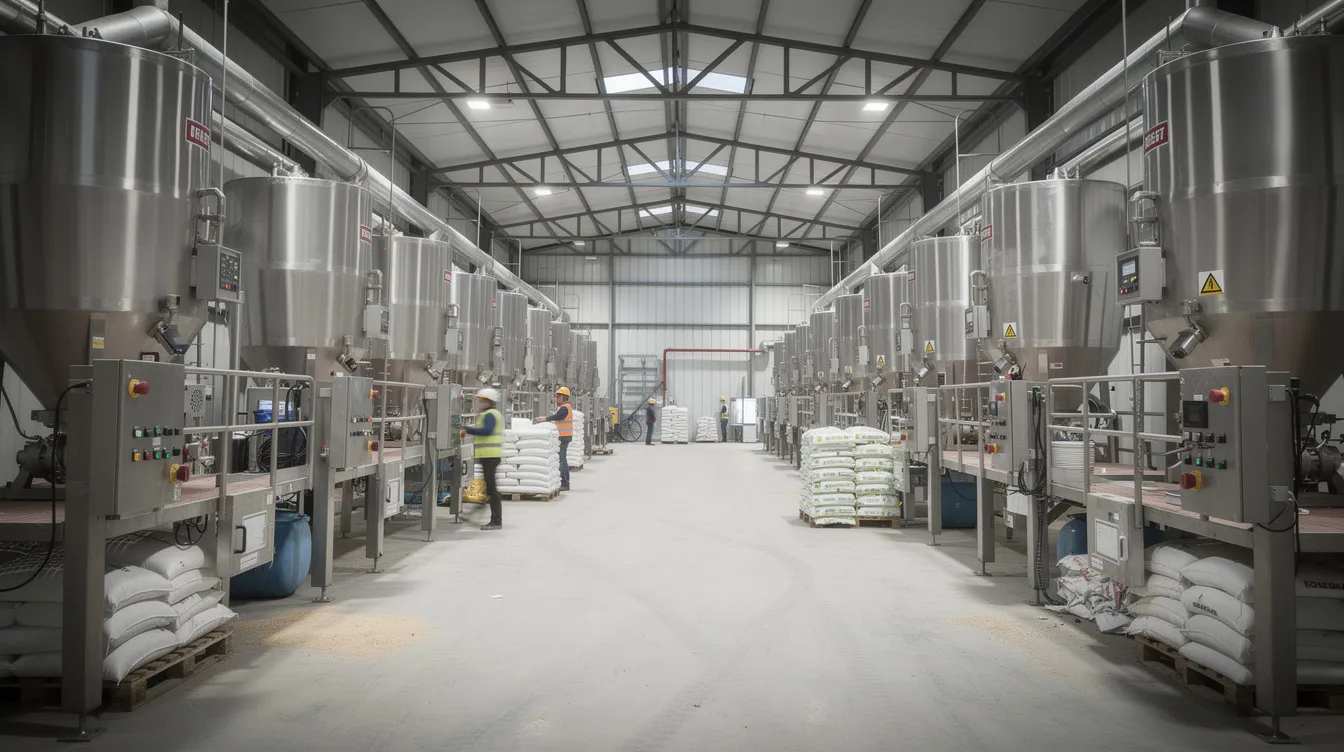
Larger storage silos, more bucket elevators, longer conveyors, larger compressors, bigger boilers and transformers are often underestimated in preliminary costing. Their combined impact can be 15–30% of the main mill line cost. Power consumption of these auxiliary systems also affects operational costs.
Domestic vs Imported Equipment, Freight, Taxes and Installation
The machinery mix, freight to site, GST, unloading, erection and commissioning charges and integration with local civil and electrical works all must be added to supplier ex-works prices to arrive at realistic rice mill machinery setup cost.
Future Expansion and Spare Parts
Planning for future capacity expansion-oversized structures, extra foundations, provision in MCC/transformer-and stocking initial critical spares (rubber rolls, screens, belts, bearings, sensors) add to initial investment but reduce future bottlenecks. Government schemes offer subsidies which can help reduce capital expenditure for rice mills, and promoters should explore available programmes.
Machinery Cost vs Total Rice Mill Project Cost
Rice mill machinery cost is only one component of total rice mill project cost. In a typical integrated rice mill, machinery may form around 35–55% of the total investment depending on land, building and working capital requirements. Civil works like building a shed can significantly affect the total cost of setting up a rice mill.
Other major cost heads include: land purchase or lease and land development, factory building and godowns (construction of durable structures with adequate space), silos and RCC pits, internal roads, electrical infrastructure (transformer, HT/LT panels, cabling), DG sets, boiler house structures, water and effluent systems, laboratory and quality-control equipment, staff facilities, pre-operative expenses, contingency and initial working capital margin.
Promoters evaluating the complete investment should also review our detailed guide on Integrated Rice Mill Plant Setup Cost in India, which covers machinery, land, building, utilities, working capital and other major project-cost components. From a bank-finance viewpoint, underestimating non-machinery costs leads to funding gaps later; a well-prepared DPR must tie machinery cost to a realistic overall project-cost estimate and means-of-finance structure.
Estimating Rice Mill Machinery Cost for a DPR
At ProjectReportBank.com, we follow a structured professional method to ensure machinery estimates are bankable:
- Freeze proposed plant capacity (e.g., 5 TPH raw+parboiled) and operating hours per year
- Define product mix-raw/parboiled, basmati/non-basmati, broken rice utilisation, bran and husk usage
- Prepare process flow diagram from paddy receipt to finished packing
- Prepare a preliminary machinery list section-wise with capacity and basic specs
- Send this list to 2–3 rice mill machinery suppliers and obtain detailed quotations with technical offers
- Add costs of elevators, conveyors, control panels, compressors, boilers if not separately quoted
- Add freight, insurance, unloading, erection and commissioning to ex-works prices
- Add GST and any customs duty for imported items
- Provide a reasonable contingency for unforeseen items and design refinements
- Ensure capacity balancing across the line-all major machines must be rated for at least the design capacity
For DPR and bank finance, rice mill machinery cost should not be a lump-sum guess. It must be supported by supplier quotations, technical brochures and a clearly itemised machinery list.
Rice Mill Machinery Cost for Bank Loan and Lender Evaluation
Banks appraise rice mill projects by examining the detailed machinery list, quotation copies, supplier credentials, proposed capacity and how these align with projected sales, profitability and DSCR. Lenders look for clarity of machinery specification (capacity, make, model), realistic pricing, inclusion of taxes and installation, reasonable implementation schedule, and matching of machinery investment with promoter’s contribution and term loan amount.
Term-loan assessment includes depreciation and interest on machinery investment, which influences break-even, payback and DSCR. Under- or over-estimating rice mill machinery investment can distort financial projections. At ProjectReportBank.com, I assist clients with preparation of DPR, CMA data and projected financials that reflect the chosen machinery configuration, ensuring the bank can clearly see how rice mill machinery cost translates into capacity, output, revenues and loan servicing ability.
Machinery Quotations Required for Bank Finance
For medium and large rice mill projects-especially beyond approximately ₹50 lakh machinery value-banks typically insist on proper machinery quotations to sanction term loans. A quotation should contain:
- Supplier name and address
- Machine name and model with capacity in TPH
- Technical specifications
- Ex-works price with applicable GST
- Freight and packing charges
- Erection and commissioning cost
- Warranty terms and delivery time
- Validity period and payment terms
Many promoters initially submit a broad “rice mill machinery cost – approximate” figure, which banks may accept only for in-principle approval. Final sanction generally requires manufacturer quotations or proforma invoices. Keep quotation dates recent-preferably within 3–6 months-to avoid issues with cost escalations.
Turnkey Rice Mill Line vs Purchasing Individual Machines
Promoters can either purchase a complete turnkey rice mill plant from one supplier or source different machines from multiple vendors.
Turnkey solutions offer single-point responsibility, integrated layout, unified PLC/automation, performance guarantees for capacity and recovery. The turnkey rice mill plant machinery cost may appear higher but reduces coordination risk. Banks may be more comfortable with a reputed supplier providing guarantees.
Multiple-vendor procurement allows choosing best-in-class vendors for each section, potentially optimising rice milling equipment price. However, higher engineering responsibility falls on the promoter or consultant for layout, compatibility, control integration and after-sales coordination.
For 2 TPH mini rice mills or simple projects, combined machines or near-turnkey compact plants often make sense. For 5 TPH or 10 TPH and above, carefully evaluate whether you have access to a competent team for project management before mixing many vendors.
Machinery Selection, Rice Recovery and Energy Consumption
The cheapest rice mill machines are not always the most economical over the plant’s life. High-quality equipment can improve head rice recovery and reduce energy consumption, significantly affecting profitability. Better huskers, paddy separators, whiteners and polishers can increase head rice recovery by even 1–2 percentage points. For a 5 TPH or 10 TPH plant running 16 hours a day, this translates to substantial additional annual revenue-often easily justifying slightly higher modern rice mill machinery cost.
Energy-efficient motors and properly sized equipment may have higher upfront cost but reduce electricity and fuel bills. In DPRs, we evaluate not just rice mill machinery cost per tonne of capacity but also estimated kWh per tonne and fuel consumption per tonne to ensure the selected configuration supports sustainable unit production cost. Choosing durable equipment with low power consumption matters more than many promoters initially realise.
Maintenance, Spare Parts, Used vs New Machinery
Maintenance and spares planning is essential. Typical consumables include rubber rolls, sieves and screens, belts, bearings, filters, colour sorter ejector valves and lamps, polisher components, motors and sensors. Easy local availability and reasonable prices should be part of rice mill machinery supplier selection criteria. The durability of components directly affects long-term viability.
Used rice mill machinery offers lower upfront cost and possibly faster setup, but carries risks: remaining useful life, outdated technology, higher energy consumption, lack of warranty and reluctance of some lenders to finance second-hand equipment. For bank-financed projects, many banks prefer core milling machinery (husker, whitener, colour sorter) to be new.
Promoters should consider total cost of ownership-purchase, installation, energy, maintenance and downtime-over 8–10 years while choosing between new vs used or between different quality levels.
How Rice Mill Machinery Cost Affects Project Profitability
Machinery investment feeds into depreciation, interest cost on term loan and the minimum required capacity utilisation to reach break-even. Consider two illustrative 5 TPH plants: a low-cost semi automatic plant with basic equipment may operate with lower fixed costs but face higher breakage, more rejections and higher labour; a more advanced automated plant with better recovery and lower unit cost may reach break-even at similar utilisation levels despite higher capital outlay because per-tonne margins are stronger.
Higher machinery investment can be financially justified if it enables better head rice recovery, premium product pricing, lower rejection, lower per-tonne energy cost and lower labour cost-improving EBITDA and DSCR over loan tenure. For DPRs, we often simulate different machinery-cost scenarios-basic, mid-range, high automation-and show promoters how each changes projected IRR, payback period and DSCR.
Rice mill machinery cost must be aligned with paddy availability, market demand for quality, and realistic sales price assumptions. Over-investing without a matching market can depress returns; under-investing might lock the project into low-margin segments.
Common Mistakes in Estimating Rice Mill Machinery Cost
Common errors I observe in client-prepared project reports:
- Only taking the price of the main rice mill machine without elevators, cleaners or packing
- Forgetting about paddy dryer and boiler
- Ignoring electrical panels, cables and transformers
- Not budgeting for freight and erection
- Quoting outdated price data from old proposals or websites
- Omitting colour sorter in basmati or export-oriented mills
- Underestimating packing and material-handling costs
- Capacity-mismatch errors where some machines are rated 4 TPH and others 5–6 TPH, leading to bottlenecks
- Treating machinery cost as the entire project cost, leading to unrealistic promoter’s margin and working-capital assumptions
I strongly suggest that promoters involve an experienced DPR and finance consultant before locking machinery orders, so that selection and pricing are aligned with financial viability and bank norms.
How to Select a Rice Mill Machinery Supplier
A practical supplier selection checklist:
- Number of operating installations in India (especially same capacity range and paddy type)
- Feedback from existing users and reference customers
- Offered head rice recovery and power-consumption guarantees
- Clarity of after-sales and spare-parts support
- Detailed layout drawings, process flow, electrical load list and foundation drawings
- Warranty duration, training support and commissioning assistance
- Availability of on-site engineers during start-up
- For additional information, ask about upgrade paths and future expansion support
Avoid selection purely on the lowest price. Compare life-cycle economics, vendor credibility, financial strength and ability to support the project over time. Different companies may operate with different strengths-some designed for mini rice mills, others specialised for large plants.
Rice Mill Machinery Investment Checklist for Promoters
Before finalising your order, confirm:
- [ ] Plant capacity confirmed and matched to paddy availability
- [ ] Raw/parboiled product mix finalised
- [ ] Colour sorter requirement and specification defined
- [ ] Packing scheme frozen (bulk vs retail)
- [ ] Dryer and boiler capacity sized for worst-case moisture
- [ ] Electrical load checked; transformer and DG set sized
- [ ] Provision for future expansion planned in layout and MCC
- [ ] Spare-parts list received from supplier
- [ ] Freight and GST included in total machinery budget
- [ ] Installation and commissioning scope clarified in writing
- [ ] Payment terms, delivery time and performance guarantees agreed
- [ ] Land and space requirements confirmed for chosen layout
- [ ] Complete machinery quotation forwarded to DPR consultant and bank
FAQ: Rice Mill Machinery Cost and Project Planning in India
These FAQs address practical doubts that promoters commonly raise while budgeting rice mill machinery cost and preparing DPRs.
What is the typical rice mill machinery cost in India for a commercial plant?
Mini rice mills typically cost between ₹2 lakh and ₹15 lakh. A 1 ton rice mill costs between ₹10 lakhs and ₹20 lakhs. Complete 4–5 TPH automatic rice mill plants with colour sorter and automated packing require ₹65 lakh to ₹1.4 crore for machinery. For 8–10 TPH, expect ₹1.5–3 crore or more. Promoters must rely on current supplier quotations for accurate, project-specific figures.
How much does an automatic rice mill machine cost compared to semi-automatic?
Automatic plants cost more due to additional conveyors, automatic bagging, PLC and safety systems-often increasing machinery investment by 30–50% over a comparable semi automatic configuration. However, the difference can be recovered over time through lower labour cost, higher throughput and better quality consistency.
Is a colour sorter mandatory for a new rice mill project?
For basmati, export and medium-to-high-quality domestic brands, a colour sorter is practically essential. In low-cost bulk markets, some very small mills operate without sorters, but this limits achievable selling price and brand positioning. Colour sorter machine price is a significant investment but is often non-negotiable for premium rice markets.
Does the quoted rice mill machinery price usually include installation and GST?
Some quotations are ex-works without GST, freight or installation, while others quote a more complete package. Promoters must explicitly check inclusions-taxes, packing, transport, unloading, civil foundations, cabling and erection-to avoid under-budgeting in the DPR and bank proposal.
Can banks finance 100% of rice mill machinery cost?
Banks normally do not finance 100% of project cost. They expect promoter’s margin (typically 20–30% or more of project cost) and finance only a portion of machinery and other fixed assets via term loan. A well-prepared DPR with realistic rice mill machinery cost and financial projections improves the chances of sanction on favourable terms. Government schemes and subsidies may also help reduce the effective capital expenditure burden on entrepreneurs.
Conclusion: Aligning Rice Mill Machinery Cost with Long-Term Viability
Rice mill machinery cost must be planned with clarity about capacity, product mix, quality targets and available finance. The lowest upfront quote is rarely the best option if it compromises recovery, energy efficiency or future scalability. A medium business or large industrial group entering the rice processing segment should choose equipment that balances capital cost with long-term operating economics.
A professionally prepared DPR should integrate technical machinery configuration with project cost, financing plan, profitability analysis, sensitivity analysis and DSCR to ensure that the chosen rice mill machinery investment leads to a sustainable, bankable project.
As CA Manish Gugliya at ProjectReportBank.com, I support promoters across India with rice mill DPRs, detailed machinery-cost estimation, CMA data, bank-loan documentation and financial feasibility studies-ensuring that machinery selection and project finance move in sync from the very first planning stage.